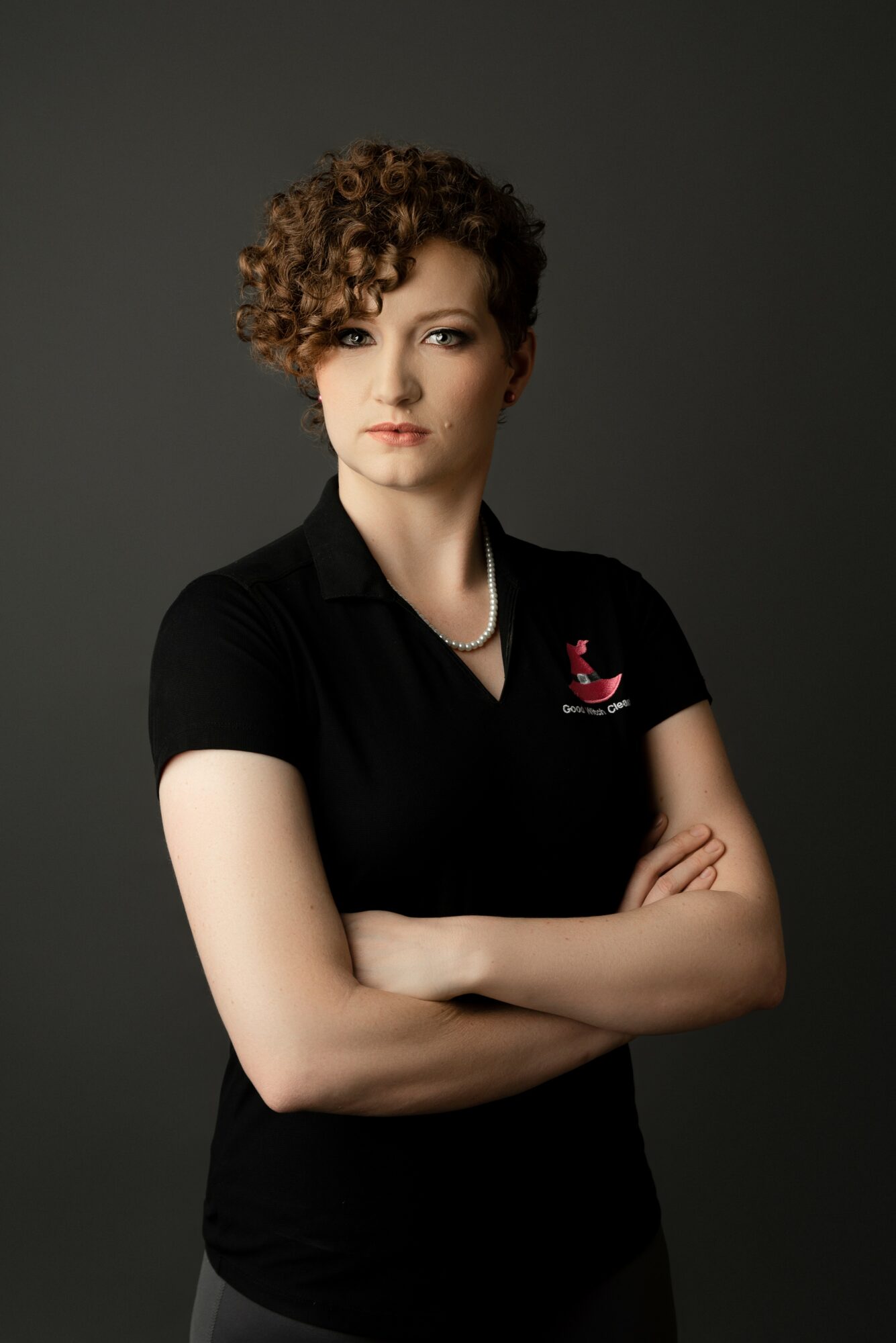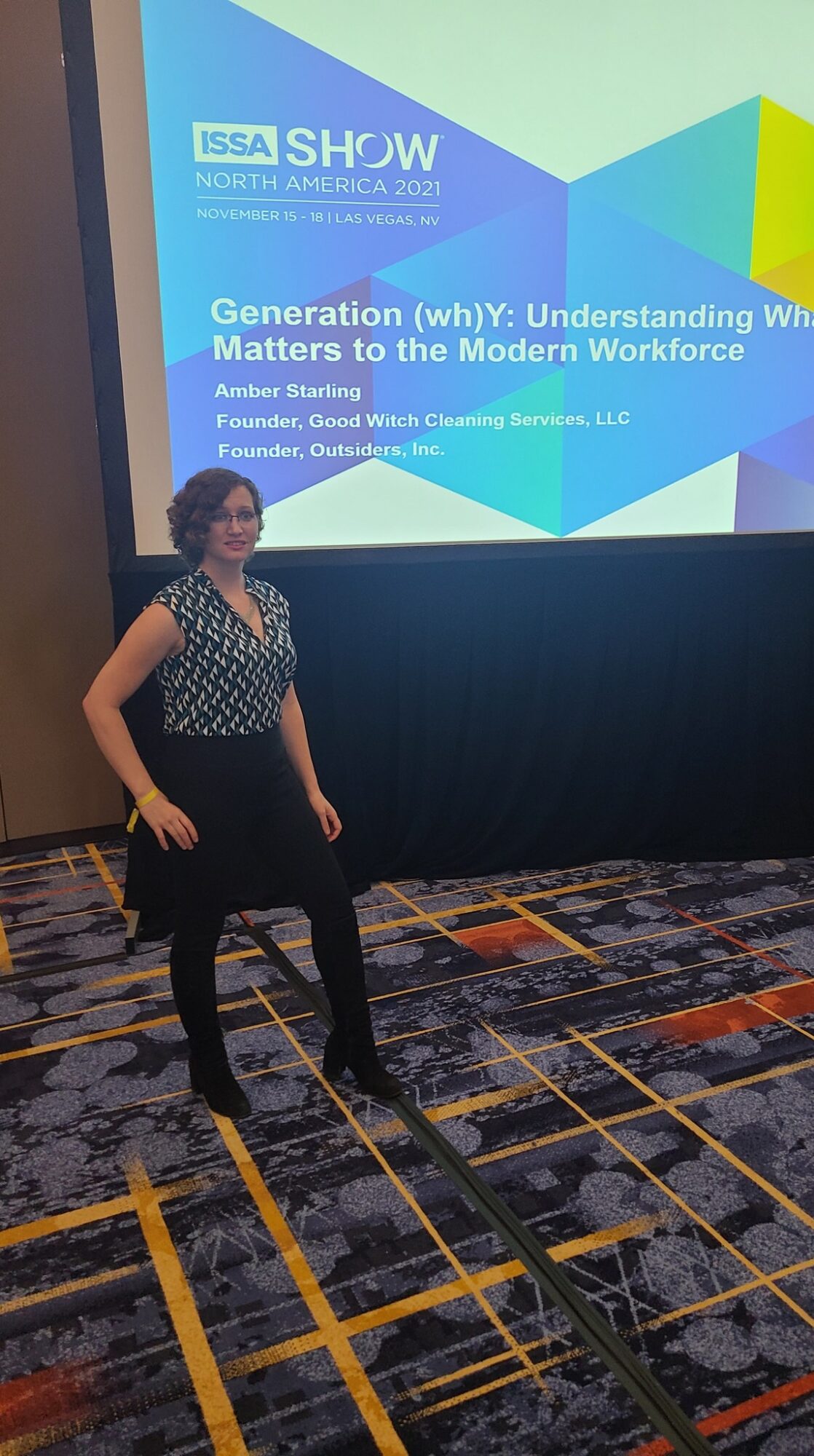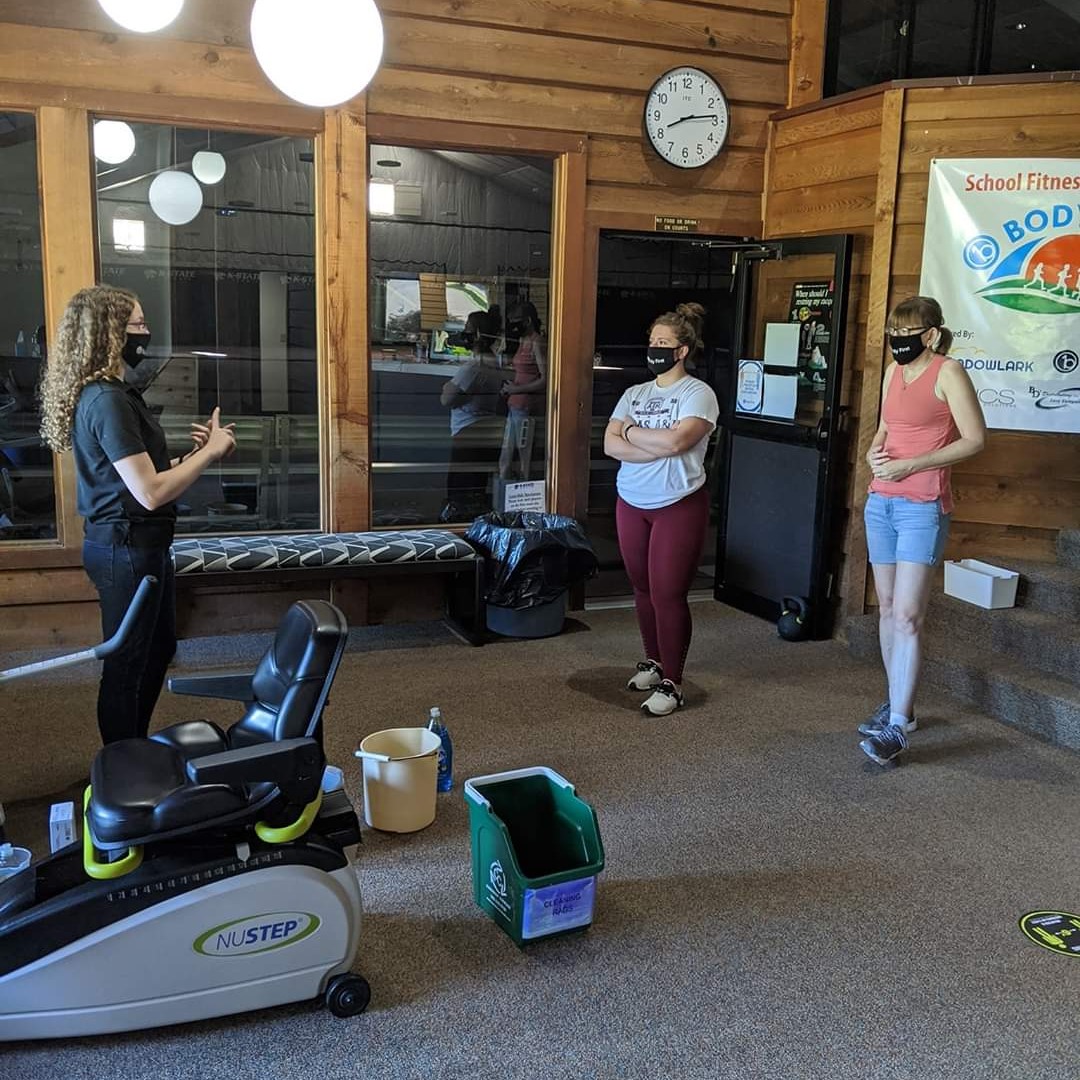







Today we’d like to introduce you to Amber Starling.
Hi Amber, it’s an honor to have you on the platform. Thanks for taking the time to share your story with us – to start maybe you can share some of your backstory with our readers?
Good Witch Cleaning Services started out as me, myself, and I, $100 of cleaning supplies from a discount store, and the vacuum from my own house. There were, and still are, a lot of great solo cleaners in our area, and there will always be a market for them. But I noticed a gap in the market for professional companies.
Some of the larger companies would misclassify their “employees” as subcontractors, a practice that is harmful to their team members at tax time and leaves clients open to liability if that cleaner gets hurt or accidentally damages an object or surface. Others were franchises whose big-box approach didn’t provide overwhelmed clients with an empathetic and personal approach—or provide cleaners with adequate opportunity for advancement.
I grew up 50% below the poverty line, in what the Census Bureau defines as deep poverty. After a whirlwind rise in our industry, I met a lot of very successful people who have marveled at how I came from such humble beginnings and find me unique in that regard. That has always made me uncomfortable, though, because I knew a lot of especially bright, talented, and hardworking kids growing up. It is not rare to find individuals in the working class who are extraordinary: it is only rare that we get so far, lacking resources and facing uneven odds. I had the perseverance and work ethic to go the distance—but never forget that I also had the privilege, support, and luck.
I remember as a kid, deciding that I was going to get out of poverty as fast as I could. Then, in middle school, as I began to consider themes of morality in contemporary and historic societies, I ached for the other kids around me. I amended my goal: it was no longer just to get out of poverty and into the middle class. I added, “and to take as many people as I can with me.”
I think any industry should be a career, not just a job. Technical knowledge and customer service skills are valuable and can be honed in a lifelong pursuit of excellence. In our industry, we encounter new surfaces frequently, as manufacturers and general contractors bring innovations into the homes and offices we clean. We encounter antiques, heirlooms, and art that require special care. And we encounter our clients’ lives in a way that is intimate, requiring a great deal of emotional intelligence and compassion. As it is with hairstylists, bartenders, and therapists, people share a lot of themselves, their struggles, their frustrations and joys with us. Many clients enjoy building a lifelong relationship with their cleaning technician, but I never wanted that to be at the technicians’ or their families’ expense.
The exact way that we have pursued this has changed over the years. That agility has served us well in times of uncertainty. It has also allowed us to grow as a company and as individuals. We are experimental and creative. We readily adopt new tactics— while staying true to our core values. And it was during the pandemic that we started living our truth.
Home service providers were heavily impacted by the pandemic. Especially early on, when not much was known about the virus, customers were nervous about having cleaners and other contractors in their homes. In April 2020, we lost over half of our clients, almost overnight.
At the time, the pressure of uncertainty was soul-crushing. I was trying to appeal to every possible client to preserve our livelihoods, and I chose not to take a public stance on many issues. The pandemic brought out the best and worst in us all, though, and the best in me couldn’t stand by while the well-being of my LGBTQIA+, Latinx, Black, and immigrant team members was at risk. I was studying Seth Godin and came across his advocacy for the Smallest Viable Market: standing for and being for the customers who share your principles. And it made me ask myself, “what could our company become if we lived and preached our values? If we were openly progressive?”
The risk, of course, was that our business could die. But businesses were dropping like flies during the pandemic—if we perished, I reasoned, I would rather go down true to myself.
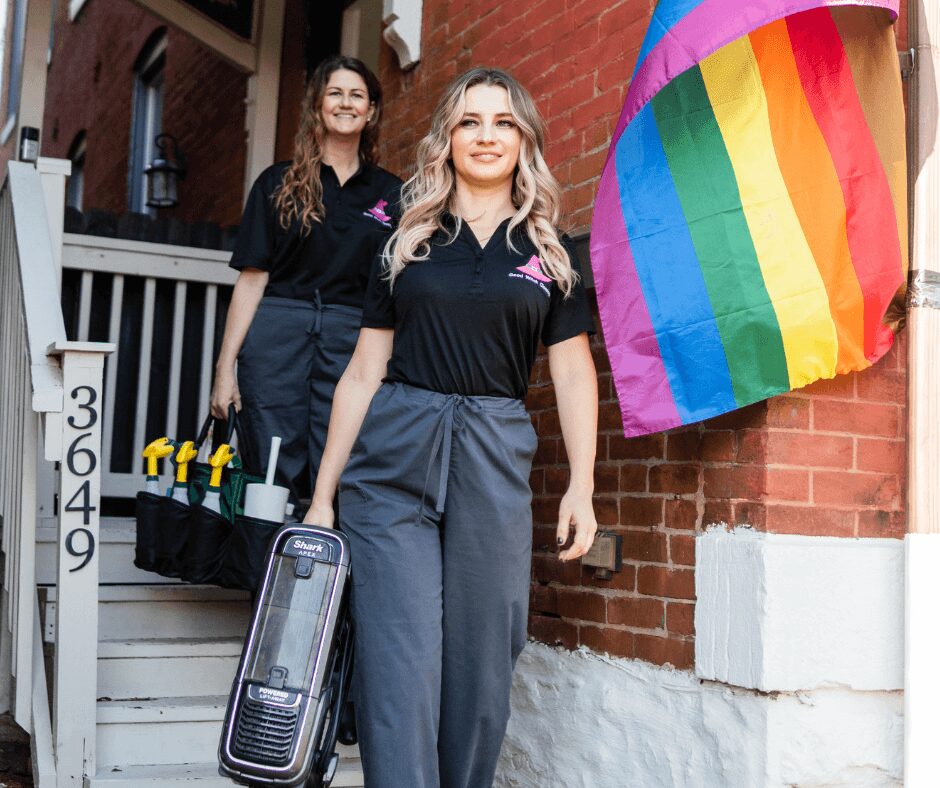
We became openly LGBTQIA+ friendly, fourth-wave feminist, openly supportive of immigrants and members of minority communities, mom-centric, sustainability-seeking. We researched the living wage in our county using the MIT Living Wage Calculator and realigned our wages to the actual cost of living in our area. I believe that all humans deserve access to healthy bodies and minds, and that employees perform at their best when they are of sound mind and body, so we explored options and decided to offer direct primary care and direct mental health care to all our employees, regardless of their rank or part/full-time status.
What I found was what I expected to find: when I take good care of my team, they take good care of their clients. It’s a simple equation, but especially during the pandemic, it was a huge risk. The most exciting part was watching the market shift. Once we adopted a living wage ($15 an hour), our competitors took note. They went from $8 to $10 to $12 an hour within a year. These days, my competitors pay $15 per hour and I pay a commission rate that handsomely rewards team members who are quick and thorough, paid mileage and training, PTO, and flexible scheduling, with bonuses for those who maintain high customer satisfaction across the board. Clients tell me all the time that they don’t choose us for what we do, they choose us because of who we are. That’s what keeps me going every day.
We all face challenges, but looking back would you describe it as a relatively smooth road?
A smooth road, as a small business? Of course not! During the pandemic, we lost 60% of our residential clients overnight, and I totally understand why. People were scared to have home service providers in their homes. We didn’t know how dangerous COVID was, how communicable, how long it stayed on surfaces. Our friends and neighbors were scared.
I started this company out of my laundry room—it’s not like we had cash reserves to get us through. It was time to put our agility as a startup to use. We launched three pivots at the same time: disinfection cleaning, commercial janitorial services, and government contracts. We didn’t even have time to do market research. We launched three ships and hoped at least one would make it to safe harbor. We were fortunate. The CRM and employee management software we were using launched a grant program and appreciated the work we do for our team members and the community. We won a grant that allowed us to get training, certifications, and equipment to offer disinfection services.
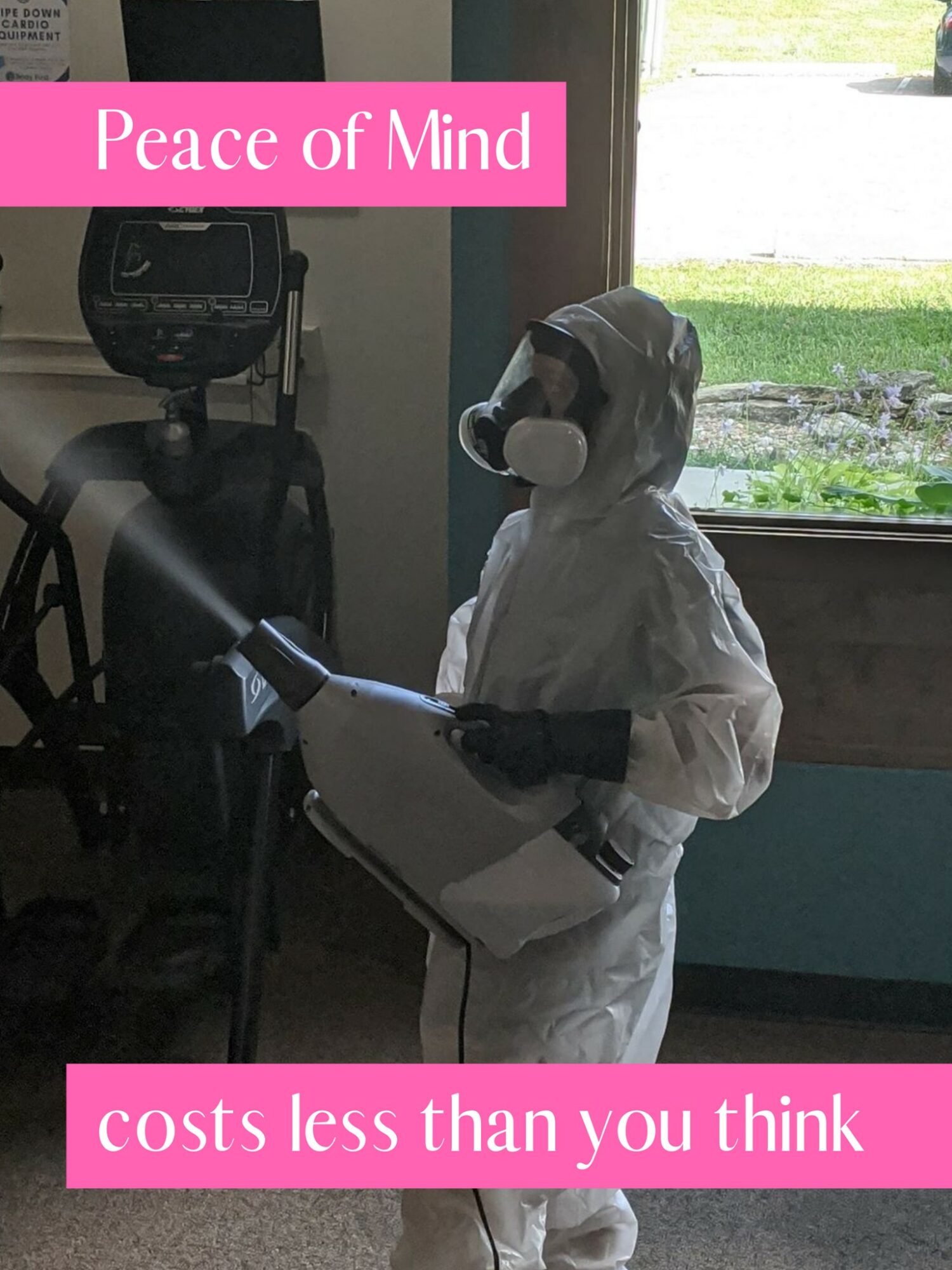
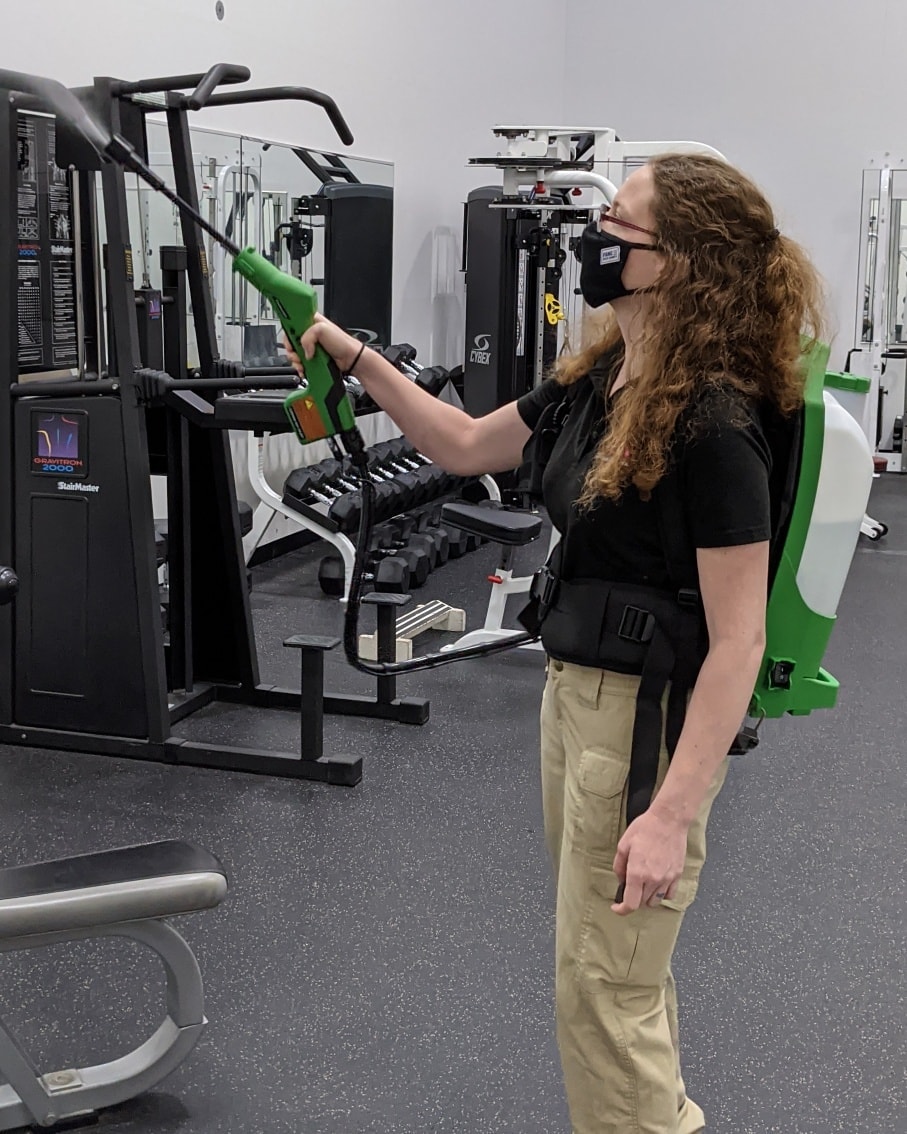
It was brutal work. Nobody tells you how hot and miserable it is inside a Tyvek suit, in a full-face mask, with your boots and gloves duct taped shut, and a 30 lb fogging machine strapped to your back. But the pivot worked and bought us time to land a few janitorial contracts. Something extraordinary happened, too: residential clients started flooding back, encouraged by our commitment to proper disinfection and sanitization. We added sanitization of touchpoints– stair railings, light switches, door knobs– to every residential visit at no additional cost, a best practice that persists to this day.
As you know, we’re big fans of Good Witch Cleaning Services LLC. For our readers who might not be as familiar what can you tell them about the brand?
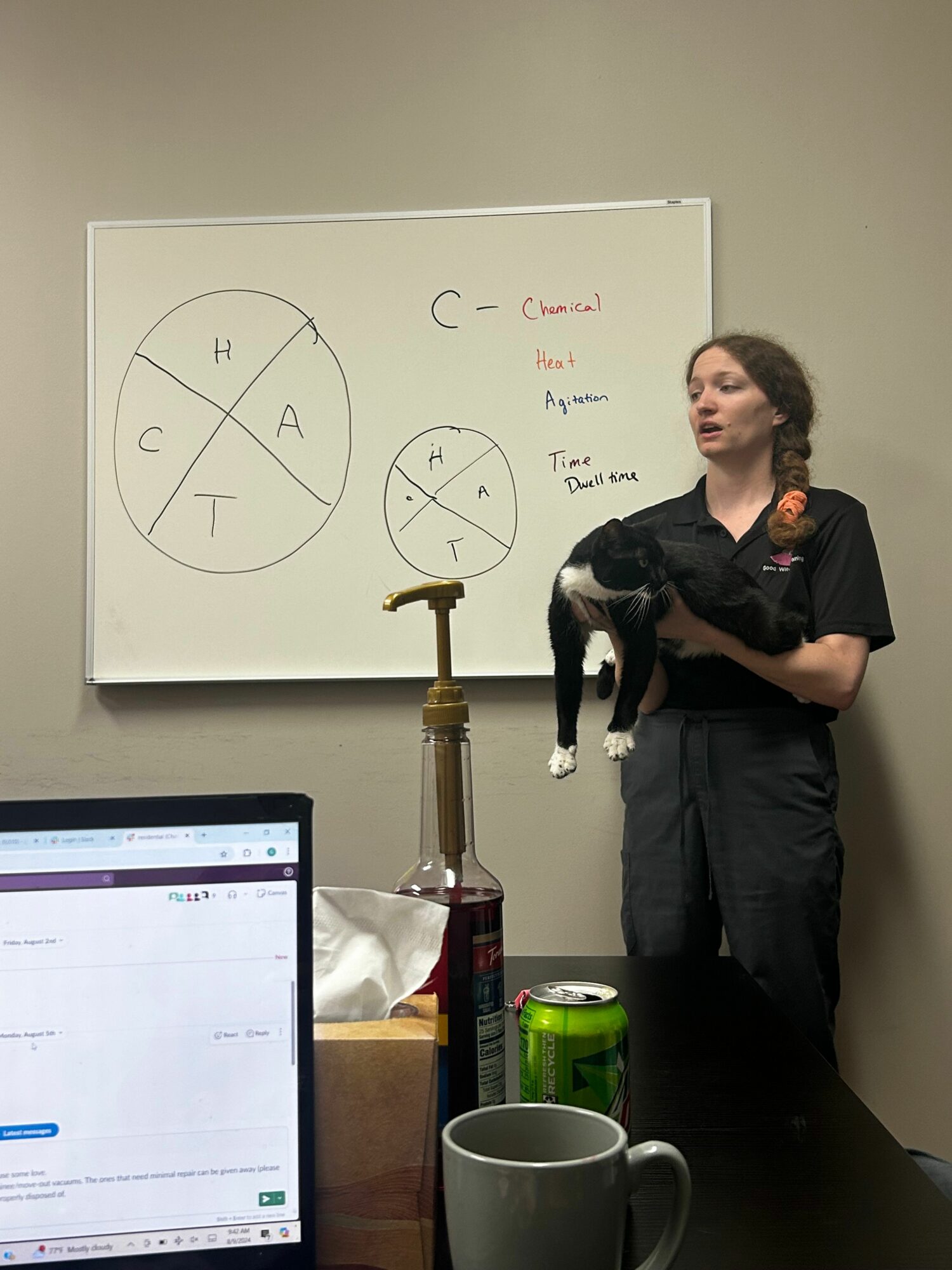
In 2018, we became the first IICRC Certified House Cleaning Technicians in the state of Kansas. The certification is a two-day class that thoroughly goes over the chemistry of cleaning. You learn to identify all the possible surfaces in a house and what chemistry they can withstand. Then you learn about the different types of soils and how to identify them. Lastly, the cleaning chemicals and tools and how to apply those tools properly. Once you have all those pieces, you can take an investigative approach to cleaning. You identify the surface, identify the soil, and then build a solution that removes the soil without risking damage to the surface.
Many of my team members carry that certification. The ones who don’t still benefit from weekly training from someone with the same qualifications as the Certified Instructor, Bruce Vance. Bruce is the guy who wrote the class, the textbook, and the exam. He is adoringly called the Grandfather of our Industry, and a Certified Master Textile Cleaner. There are only two Masters in the residential side of our industry: Bruce and me.
Another differentiator is in how we treat and view our customers. When I write a social media post, I often start with “Hey, Good Witch fam,” and I mean that.
Our customers are more than just revenue drivers and referral sources. They’re more than just the usual fondness that you associate with a regular client. They’re more than just who we see and interact with on the days that we are there.
They are whole humans with a vast range of emotions; networks of relationships full of expectations and needs; navigating a world that is complex, beautiful, and sometimes scary.
Honestly, by the time a client calls us, they are raising the white flag. They’re done. They just want the whole cleaning thing off their plates, and it’s usually desperation-driven. Most of our requests come in on Friday night or Saturday morning, when a wife is standing in the middle of a wrecked house facing the idea that she’s going to have to give up her whole weekend, again, just to watch it get trashed again by Monday evening.
A little understanding goes a very long way. Sometimes, we arrive to clean a home that is usually straightened out, but we find laundry everywhere and explosion of toys– and children’s Motrin and a thermometer on the counter. When you can read the room you recognize pretty quickly that the client isn’t giving you a hard time, she’s having one.
This is why I focus on hiring people with customer service experience. I can teach anyone how to clean, especially as a Master Textile Cleaner, but you can’t teach compassion. You can reinforce it, reward it, encourage it, foster it, but it has to be there in the first place.
Most of my team members have 10+ years of customer service experience and 5+ years of management experience. I regularly poach general managers from hotels and department managers from retail and grocery stores. Our pay and benefits enable us to recruit and retain the best talent in the Flint Hills.
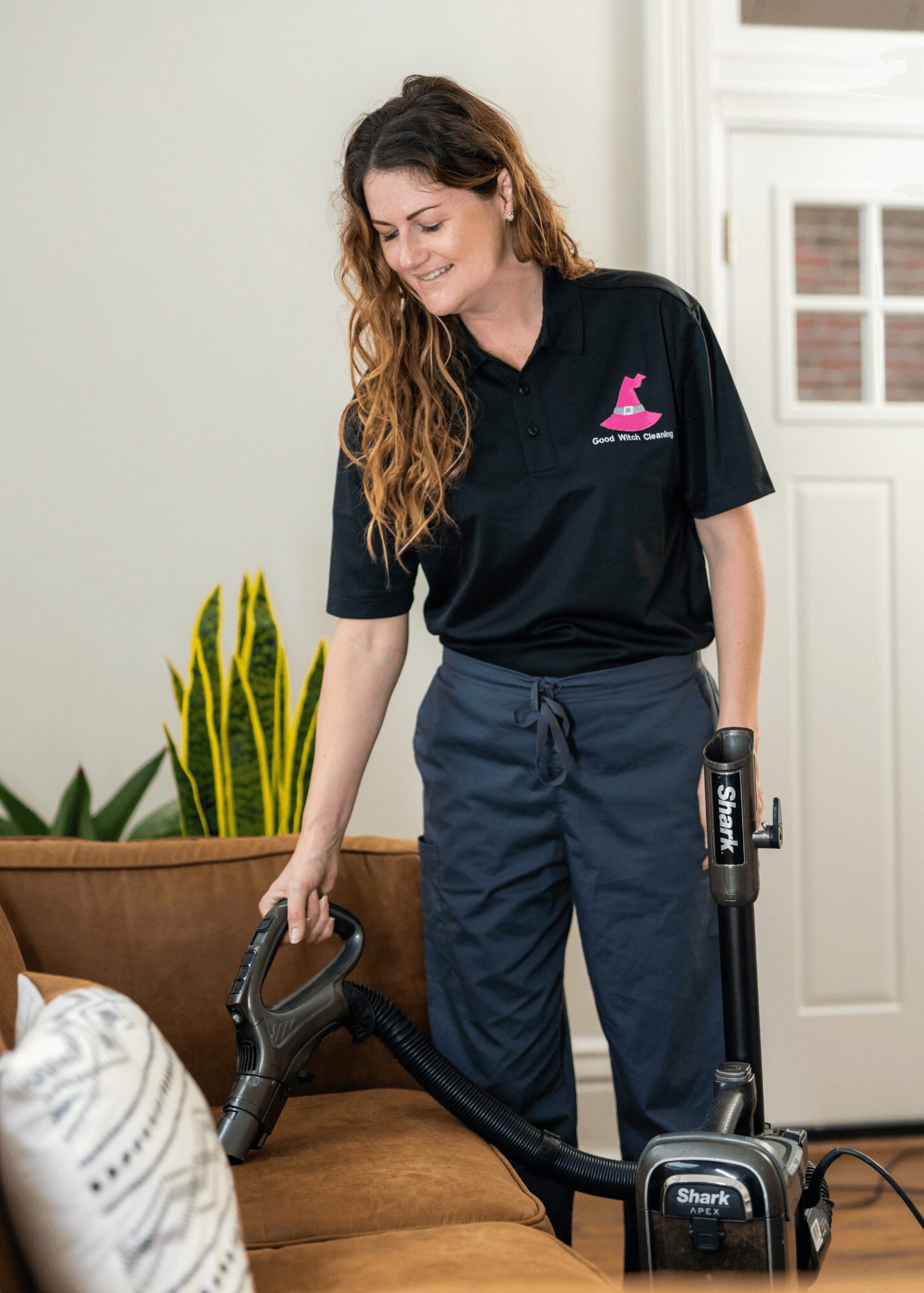
Thanks to our retention rate, scheduling is the next layer of specialized client care. We work as solo cleaners, and promise our clients “Same Day, Same Time, Same Technician.” This gives our team members the opportunity to apply their emotional intelligence to the same clients over time, build relationships, and respond to client preferences. Our customers get the experience of working with a solo cleaner and the backup of working with a larger company.
Networking and finding a mentor can have such a positive impact on one’s life and career. Any advice?
1. Lead with what you can give. Generosity is a beautiful part of being human. When we express generosity, we are expressing one of the best parts of ourselves. And often, people reflect back what you embody.
2. Volunteer. You don’t even have to do it officially or add commitments to your already spilling-over plate. If you’re going to a ribbon cutting and you have time, arrive early and offer to lend a hand. Or stay late after a networking event and help clean up. You will make such genuine connections coming early and staying late. You want to know where to find the people who run the business community? They’re stacking chairs.
3. Collaborate, don’t compete. I have an abundance mindset. There is more than enough in our market, in our society, in our environment. More than enough work to be done in our market that there’s room for me and all our competitors. I don’t even want to compete. We made “Best in Manhattan” a couple years ago, dethroning a franchise that had the title for years straight. But I didn’t want to be like them. The next year, I refused to participate and openly endorsed another cleaning company. This year I’ve already picked who I’m endorsing.
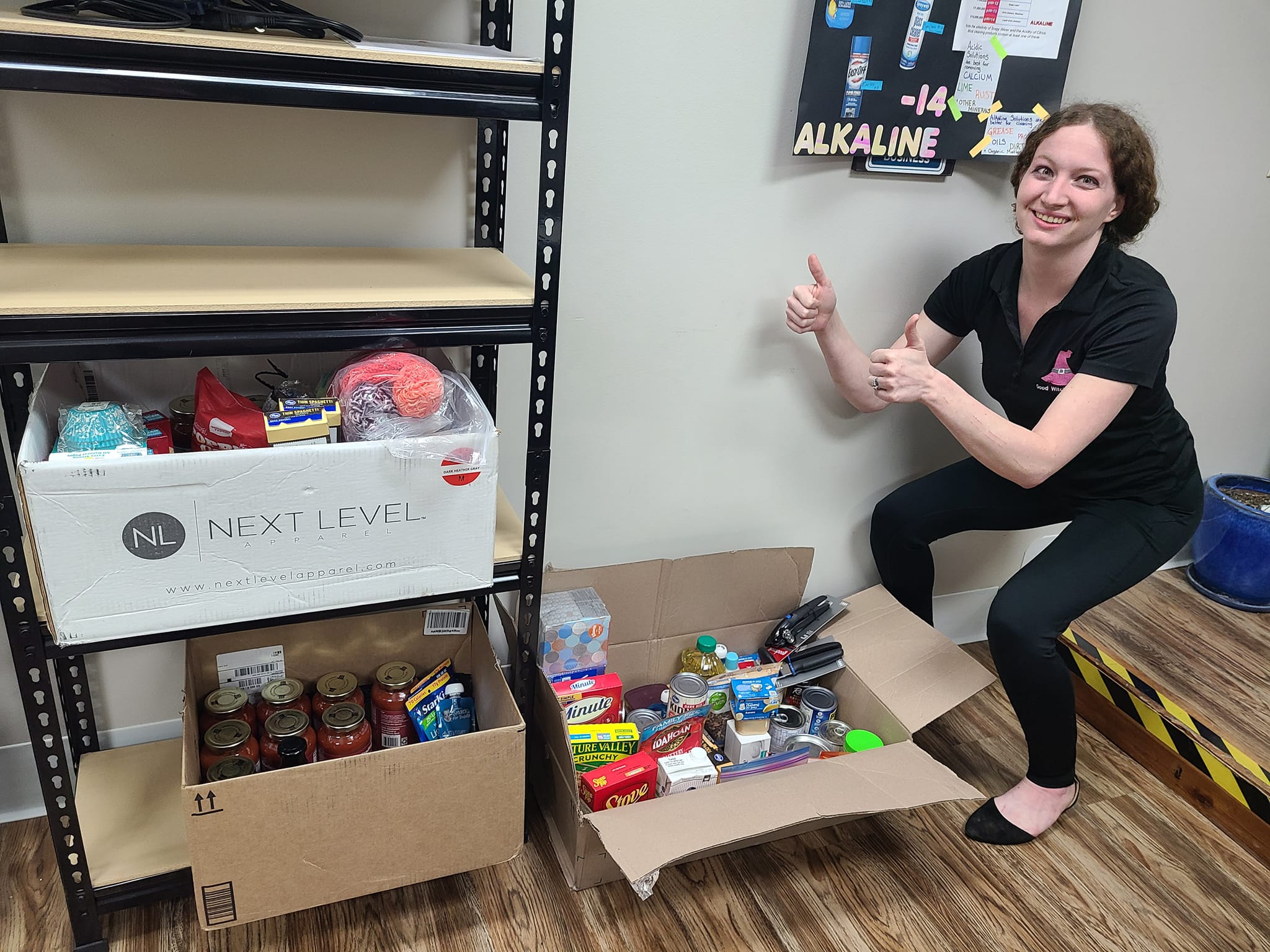
4. Integrate with and provide for your community. We also run a non-profit out of our building. Our decluttering and organizing clients were getting tired of giving things to Goodwill and so were we. There isn’t much Good left in them—they don’t treat or pay their employees well and their prices are often more than the MSRP of the item. So we looked at the situation. Our neighbors were willing to give those items away to anyone who needed them, for free. Why should anyone make money off of it? I decided to take out my CEO office and install a Free Store where our neighbors can come get anything they want or need, and as much as they want or need, for $0. Not only did we get to meet donors and shoppers, we started making so many more friends in the building, too.
The barbers in our building use our washers and dryers for their cloths. But they also make sure our laundry makes it from the washer into the dryer while no one is here over the weekend—a win-win. The group therapy attendees next door are our most frequent shoppers and our most frequent volunteers. The mobile detailer next door has helped us gals do vehicle maintenance and repair and patiently taught us how along the way.
Contact Info:
- Website: https://www.goodwitchcleaning.com