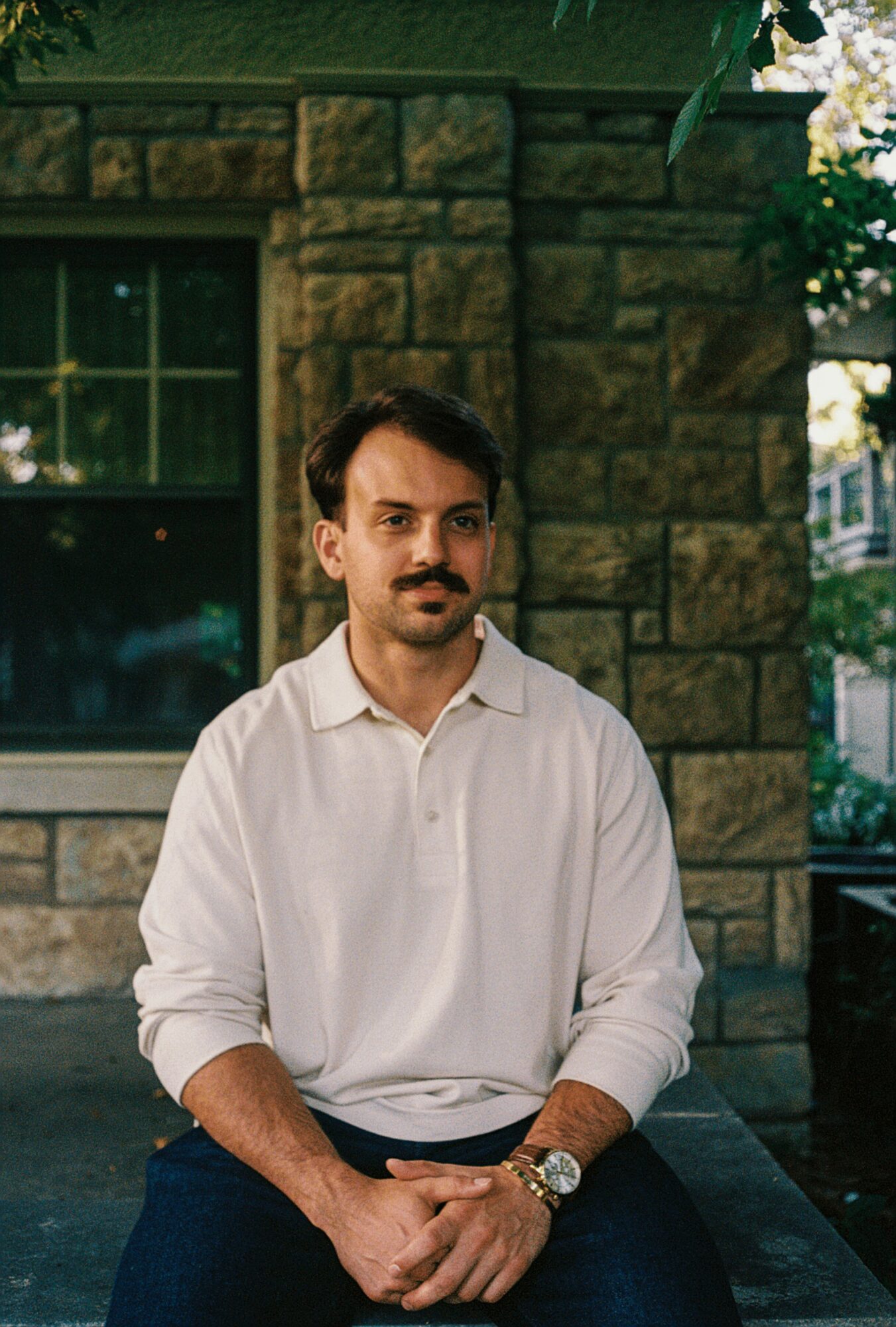







Today we’d like to introduce you to John Dixon.
Hi John, we’re thrilled to have a chance to learn your story today. So, before we get into specifics, maybe you can briefly walk us through how you got to where you are today?
I grew up here in the Kansas City area and went to Rockhurst High School. One of the ideas that really stayed with me from my time there was the Jesuit concept of being “Men for Others.” That phrase stuck with me long after graduation and shaped how I thought about the kind of work I wanted to do. I always felt drawn toward work that involved helping people in meaningful ways.
For the past seven years I have also worked as a personal trainer. That job gave me the opportunity to build long term relationships with people and support them in improving their physical health. Over time I noticed that many of the conversations we were having were not just about fitness. People were talking about stress, family challenges, relationships, and big life decisions.
Those conversations made me realize how much I valued being present with people as they worked through the bigger picture of their lives. That led me to pursue a Master’s degree in Marriage and Family Therapy at Friends University. I completed my clinical training at a large private practice in the Kansas City metro and now work in private practice with individuals, couples, families, and teenagers.
Being able to do this work in the same community where I grew up has been really meaningful to me.
I’m sure it wasn’t obstacle-free, but would you say the journey has been fairly smooth so far?
Like most meaningful careers, it has not been a completely smooth road. Becoming a therapist takes years of education, supervision, and hands on experience. Early on there is a lot to learn and it can feel humbling to realize how much responsibility comes with sitting across from someone who is struggling.
At the same time, my experience as a personal trainer actually helped prepare me for a lot of that. In both fields you learn that real change takes time. Whether someone is working on their physical health or their emotional health, progress usually happens through small consistent steps rather than quick fixes.
Therapy also means being present with people during some very difficult moments in their lives. This is what hit the hardest-the realization that the job often entails holding space for the deepest, most vulnerable parts of people who really need support. Learning how to support others while also maintaining balance and perspective as a clinician is something that develops with experience.
Despite the challenges, it is incredibly rewarding work. Seeing people reconnect with their families, gain confidence, or find hope again reminds me why I chose this path.
Appreciate you sharing that. What else should we know about what you do?
In my practice I work with individuals, couples, families, and teenagers. Many of the people I see are dealing with anxiety, depression, relationship stress, parenting challenges. A broad umbrella term that a lot of therapists like to use is “transitional life stages”, which can feel kind of generic. Think “teenagers struggling with their parents’ divorce”, “reforming a sense of self after leaving a long term job”, or “couple newly cohabiting after years of dating”.
One area I especially enjoy is working with teenagers and their parents. Those years can be confusing for everyone involved. Teens often feel misunderstood while parents are trying their best to guide them. A big part of my work is helping teenagers feel heard and understood while also helping parents reconnect with their kids and improve communication within the family. Bridging this generation gap is especially challenging with the rise of internet culture, where it is fully possible to have an entire social life exist through social media, not to mention the rise of artificial intelligence. One of the major aspects of therapy that I enjoy is that it places a premium on in-person human interaction. Being able to be in the same room, face one another directly, and discuss serious topics is increasingly uncommon in our society. In my mind, that is the major agent of change in my work, as feeling connected to another human sparks real change in our sense of self.
I also enjoy working with men who are wrestling with questions about identity and purpose. Many men feel pressure to meet certain expectations but have very few places where they can talk honestly about what they are experiencing. Therapy can give them space to sort through those questions and develop a healthier understanding of themselves.
What I am most proud of is creating a space where people feel comfortable enough to be honest. When someone feels understood and not judged, that is often when real change begins.
Any big plans?
Right now my main focus is continuing to grow my practice and serve people here in the Kansas City community. Being able to work with people from the same area where I grew up makes the work feel especially meaningful.
I am also interested in continuing to deepen my work with teenagers, families, and men. In particular I am exploring the idea of men’s groups that revolve around physical activity-perhaps a recreational sport like golf or bowling. I think the integration of movement creates an internal environment ripe for change.
More than anything, I look forward to continuing to walk alongside people as they navigate different seasons of life. Helping people build stronger relationships with themselves and with the people around them is work that I feel grateful to do.
Pricing:
- $150/hour for individuals, relationships, and familes
Contact Info:
- Website: https://johndixontherapy.com
- Instagram: https://www.instagram.com/johndixontherapy/
- Facebook: https://www.facebook.com/people/John-Dixon-Therapy/61580895580381/
- Other: https://www.psychologytoday.com/us/therapists/john-dixon-kansas-city-mo/1584501