





 Today we’d like to introduce you to Jeremiah Kim
Hi Jeremiah, so excited to have you with us today. What can you tell us about your story?
I am currently a 5th-grade ELA teacher in Kansas City, Missouri. I’ve lived and taught in Kansas City for 6 years and have come to love this city in a way I never thought I would. The people I’ve met, the community I’ve developed, and the experiences I’ve had, have all helped me to become who I am and get to where I am today. However, my story did not begin here in Kansas City.
My story begins in the city of Los Angeles, California. I was born into an immigrant household, with all the joys and challenges that come with being a first-generation Korean-American. The tension I felt as I navigated two worlds helped me to develop a sensitivity to the concept of Otherness, both as I felt Othered and as I participated in the Other-ing. I held this theme in my mind as I grew up, allowing it to shape my relationships and hue my experiences. As an individual who held various marginalized identities: Asian, low-income, queer (although I didn’t know it at the time), I felt the discomfort of being the Other. However, I also saw how I participated in the Other-ing through the lens of patriarchy, colorism, the model minority myth, religion, and other identity markers where I held privilege. I struggled with this tension, with standing in the space between worlds.
I carried this tension with me as I went to university, pursuing a degree in Communication Studies with an emphasis in Rhetoric and Interpersonal Communication. I knew that I wanted to study something that would afford me the tools to explore the themes of tension, otherness, and privilege that had been the backdrop to my childhood years. This tool would come in the form of the Critical Theories Paradigm, a theory that 1)helps explain how communication is used as a tool to oppress, and 2) provides ways to foster positive social change (Foss & Foss; Fay). Applying this paradigm, I learned to be critical of communication and the effect that it had on those who had been Othered by inequitable systems. I learned to value the individual and to see more clearly how many systems valued the status quo, convenience, or profit over the individual person, even going so far as to oppress the individual for the benefit of the system.
Upon graduating with my degree, I stepped into the world of Education via the program, Teach For America (TFA), and I carried with me the Critical Theories Paradigm. Teach For America provided me with a real-life case study of how systems actively oppressed individuals i.e. how the education system oppresses students of marginalized identities.
Through the program, I was placed in Kansas City and moved to the city that I would call home for the next 7 years to begin my teaching career. I started my teaching career as a reading interventionist, meaning that I worked with small groups of students instead of a whole class. After 2 years working as a reading interventionist, I moved into the classroom as a 4th grade teacher. As I moved into the classroom, I began to see more clearly the inequities that plagued the education system and how I could address these issues through the lens of my Communication Studies background.
Over the past 4 years, I’ve been in the classroom. I’ve developed relationships with students, collaborated with coworkers, and formed various professional connections. Education is an exhausting field. However, the thing that always brings me back is the knowledge of the impact that great teachers have on students.
This is the point in my story where I would love to say that I effected some large-scale systemic change that was able to tackle inequity in my district on a scale before unseen, that I developed some solutions to address the various issues that existed in my school system, that I solved some massive problem that made life easier for teachers and students alike, that I changed lives. And while I’m sure that there are some teachers and (hopefully) students who would argue for that telling of my story, I believe that I have yet to reach the peak of my impact. I will, however, leave you with one story that displays some of the core values I hold as an educator.
In my second year of teaching, I met a student by the name of William. I met him when he was in 7th grade when he volunteered (was voluntold by one of his teachers) to be a peer tutor for 4th graders. I was struck by the sincerity with which he approached this responsibility and decided to invest a bit deeper into him. Since then, I’ve had the privilege and honor of serving as his mentor for the past 5 years. In that time, he astounded me with his leadership, drive, and care. He challenged himself through various programs and internships, sought out new opportunities, and helped care for his family, all while maintaining a stellar GPA. For many of these programs and internships, I had the privilege of helping him with the search/application process. This upcoming Fall, he’ll be attending Stanford and I couldn’t be prouder of him.
One of the most common questions teachers are asked is “what made you want to be a teacher?” Often, the response is something along the lines of “I’ve always wanted to be a teacher” or “I love working with kids”. My response is usually “I didn’t.” I never expected that I would be a teacher, but I am so glad that I am.
Alright, so let’s dig a little deeper into the story – has it been an easy path overall and if not, what were the challenges you’ve had to overcome?
Education is a rough profession. Full of inequities caused by a broken system, teachers often experience burnout. My teaching journey was no different. There were many moments when I considered quitting and questioned my decision to pursue education as a career path. Whether it is challenging student behaviors, a lack of support, scarcity of resources, or the toxic culture that can exist in a school, the problems that teachers face are many.
Some of the specific issues I’ve faced personally are: inequitable school-wide academic practices/expectations, negative coworkers, toxic positivity, burnout, challenging student behaviors.
As you know, we’re big fans of you and your work. For our readers who might not be as familiar what can you tell them about what you do?
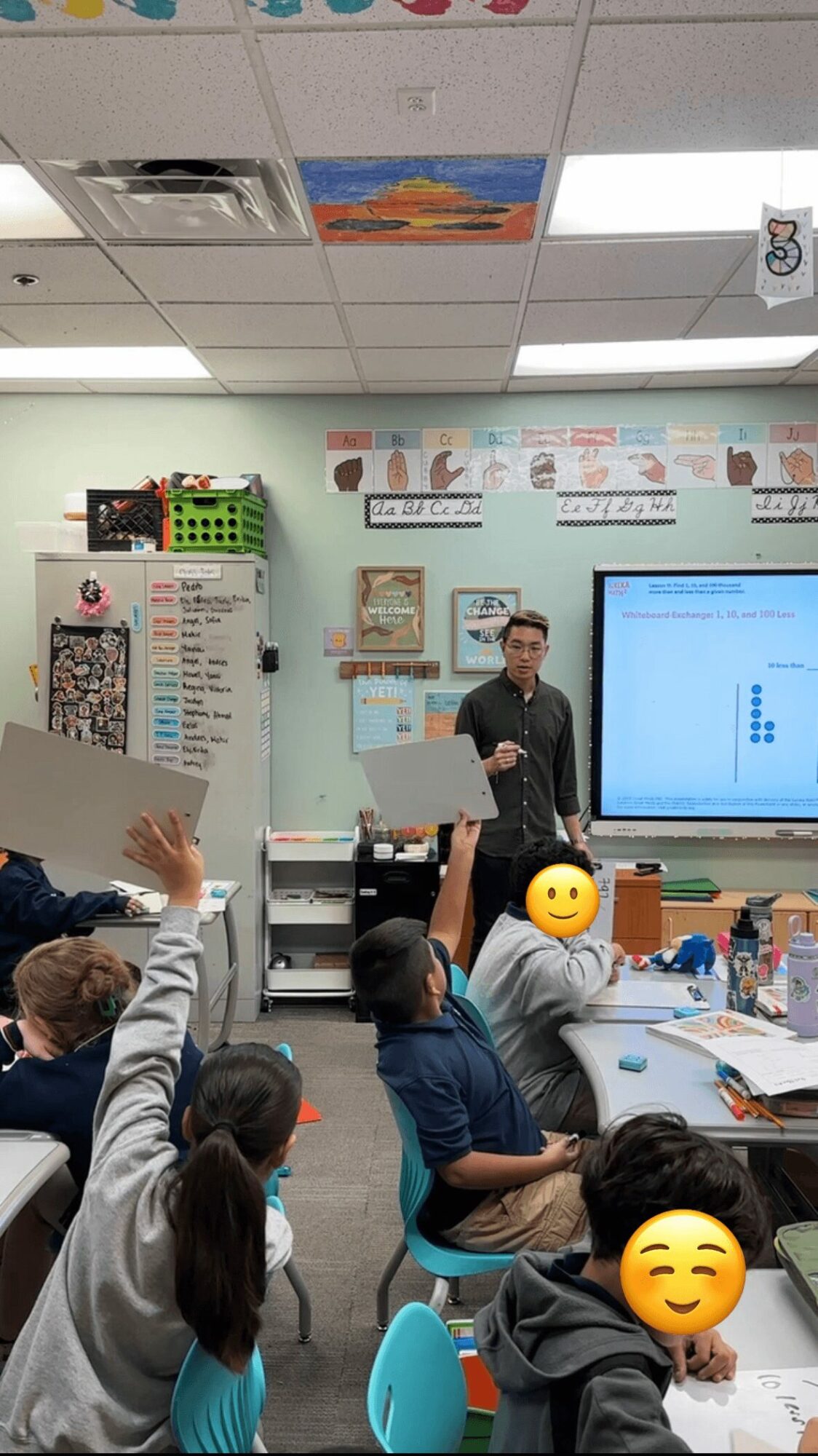
I am an educator, specifically, a 5th-grade ELA teacher. I am entering my 7th year of teaching and have worked as a reading interventionist, a 4th-grade teacher, and a PBIS team lead.
Among my coworkers, I am known for bringing good energy to the building, being a supportive team member, and for providing valuable insight into problems or difficult situations. I am also known for my strong communication skills, both as a presenter and as a facilitator.
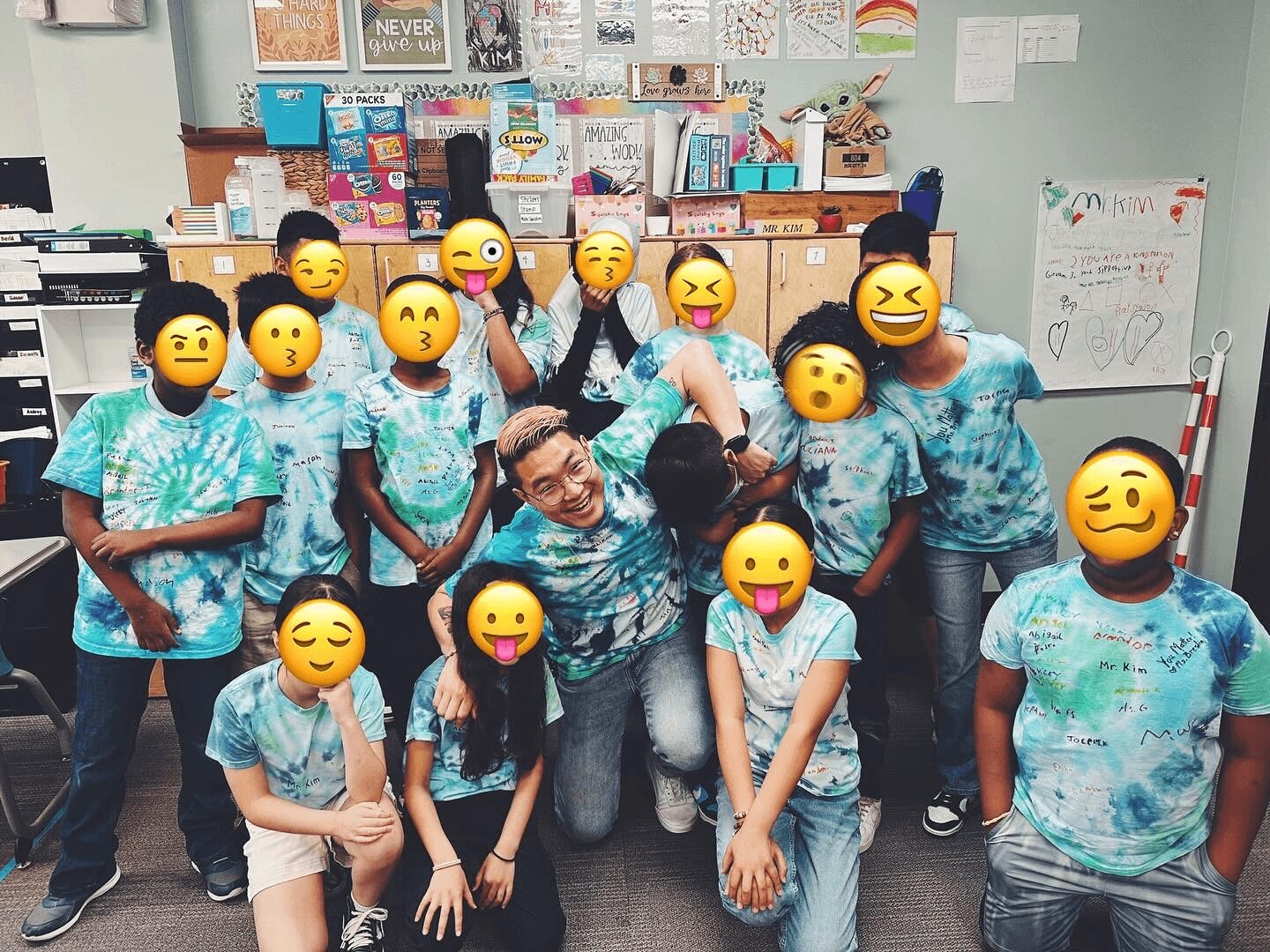
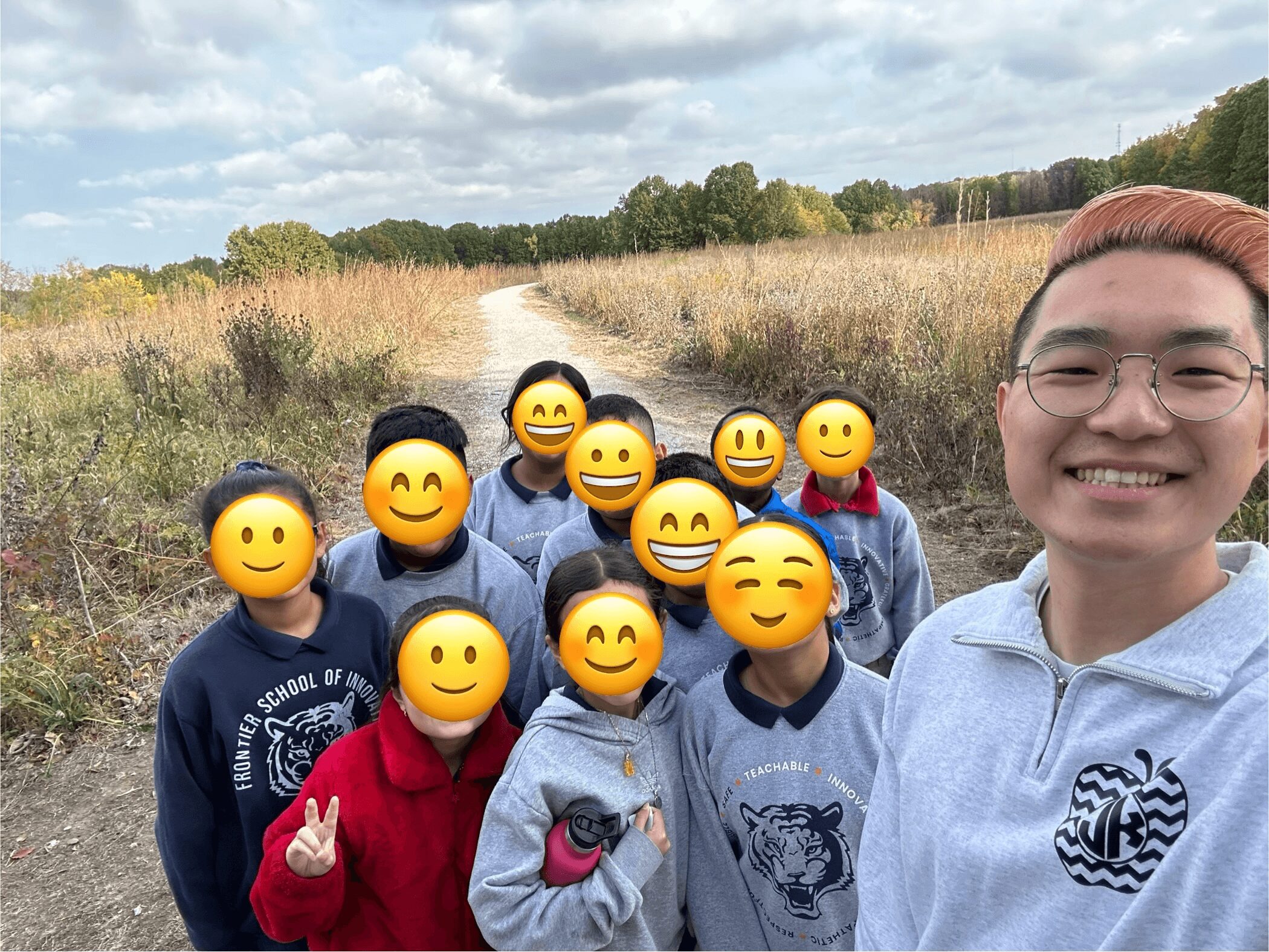
To my students, I am known for the strong relationships I build and for the blend of fun and learning that happens in my classroom.
Contact Info:
- Instagram: @jeremiah.kim