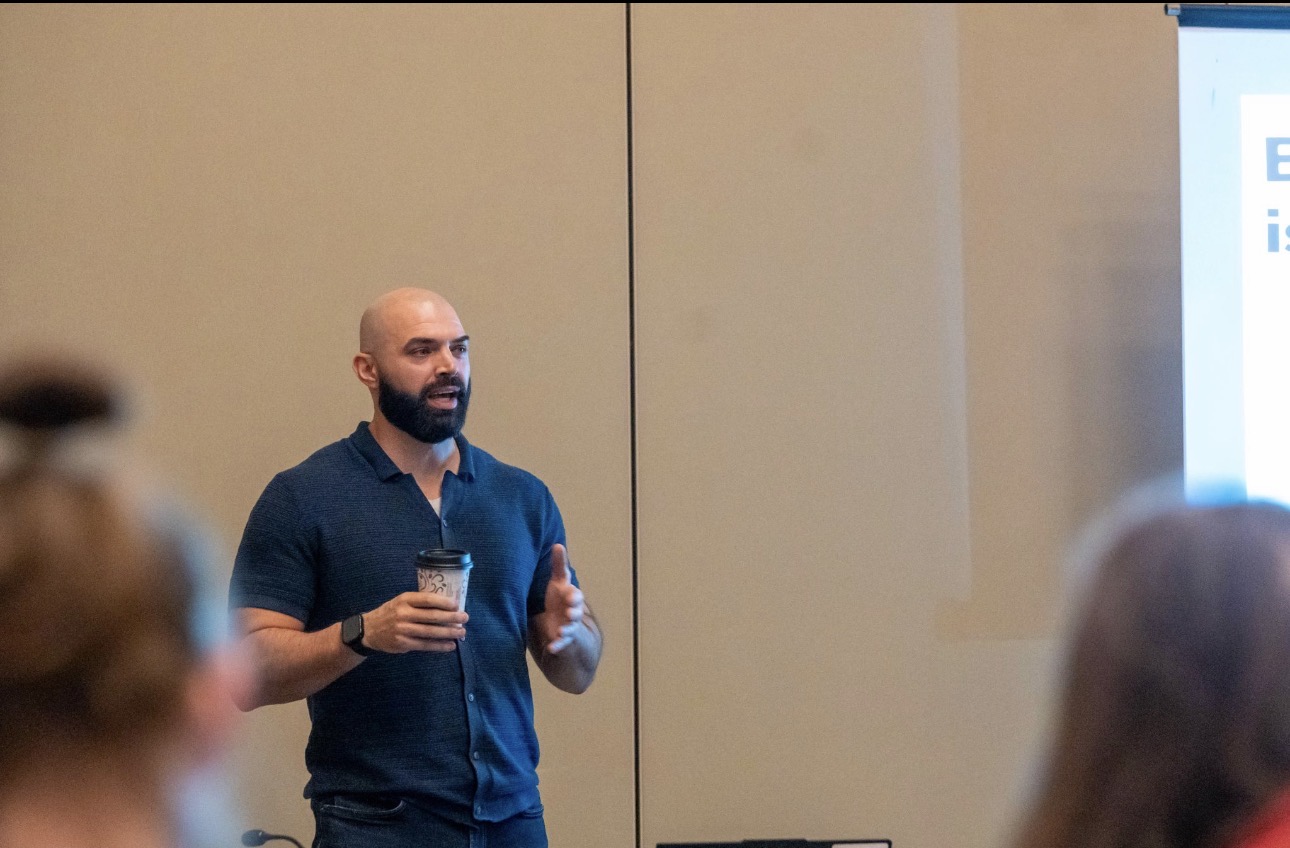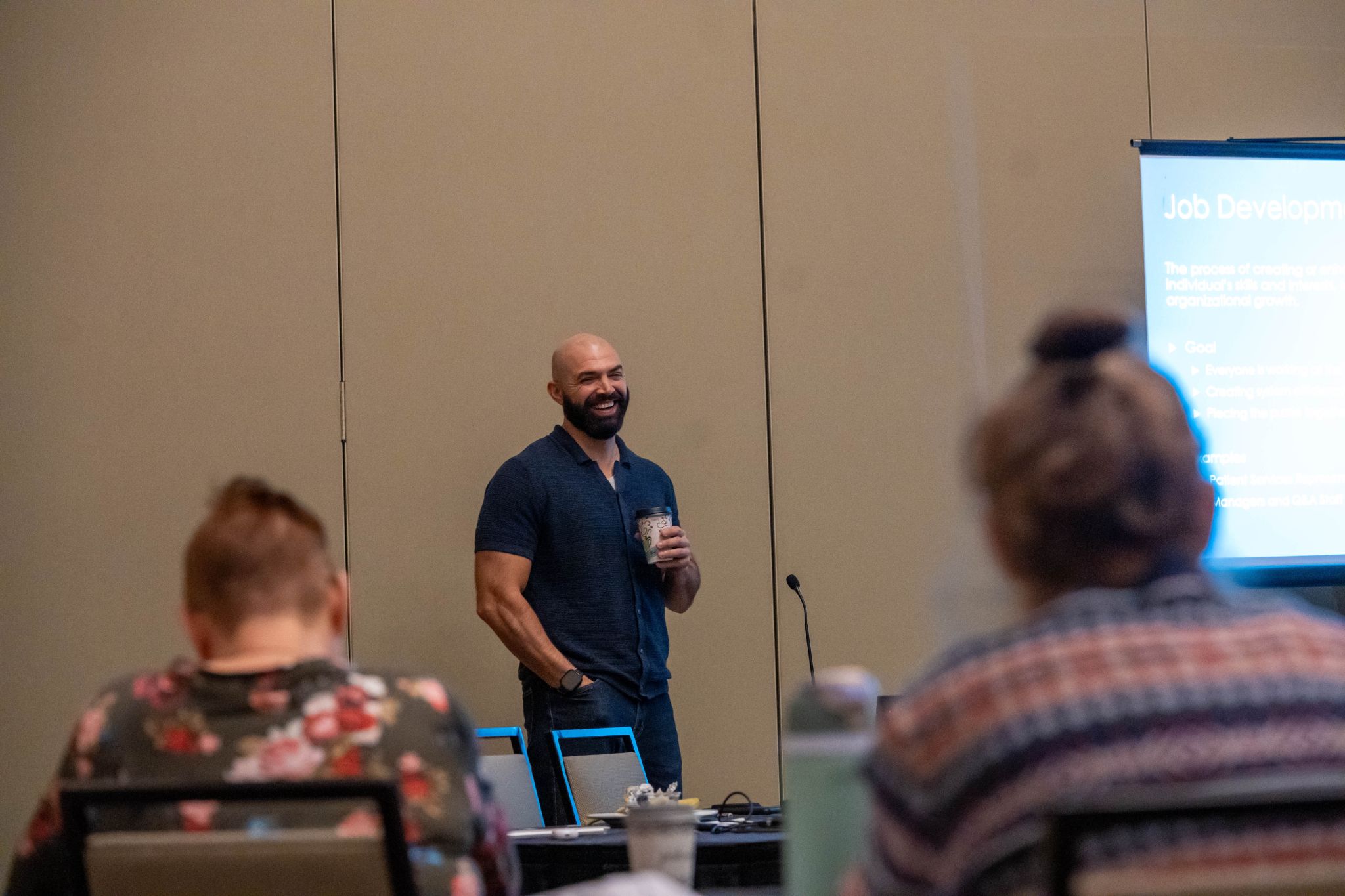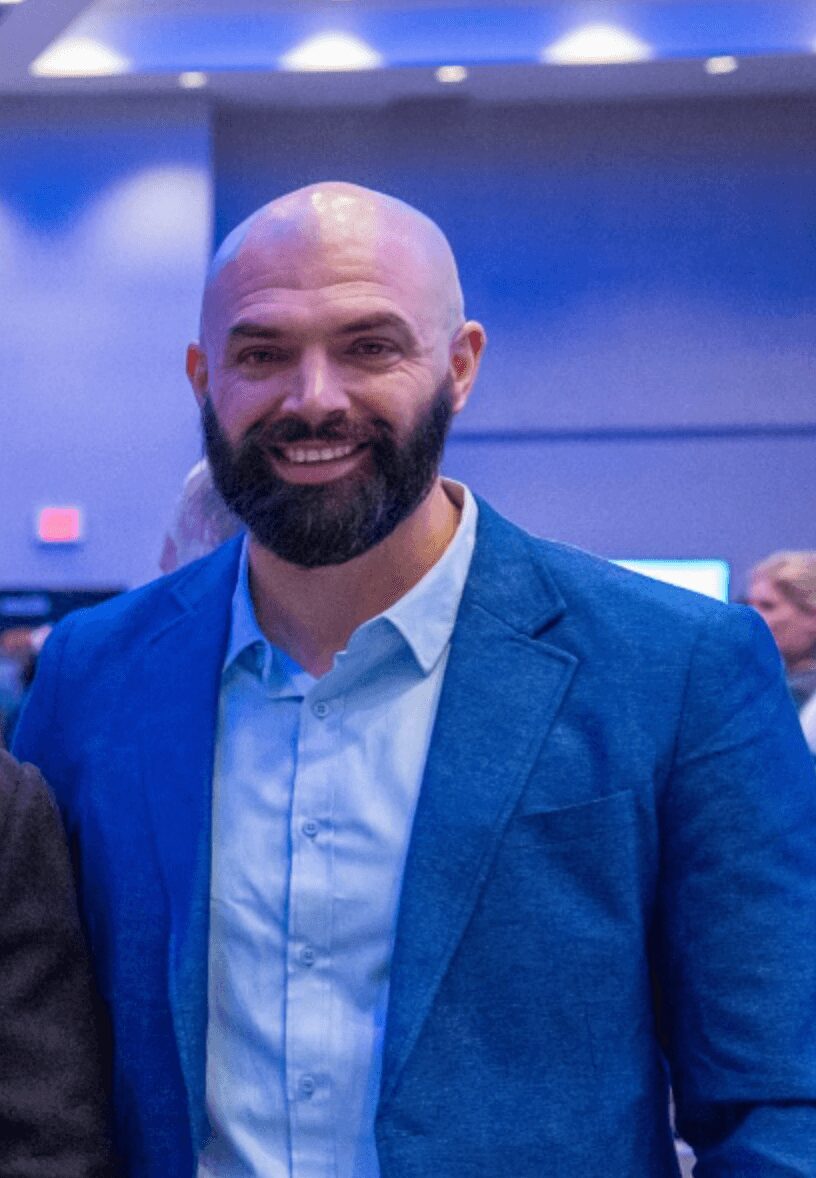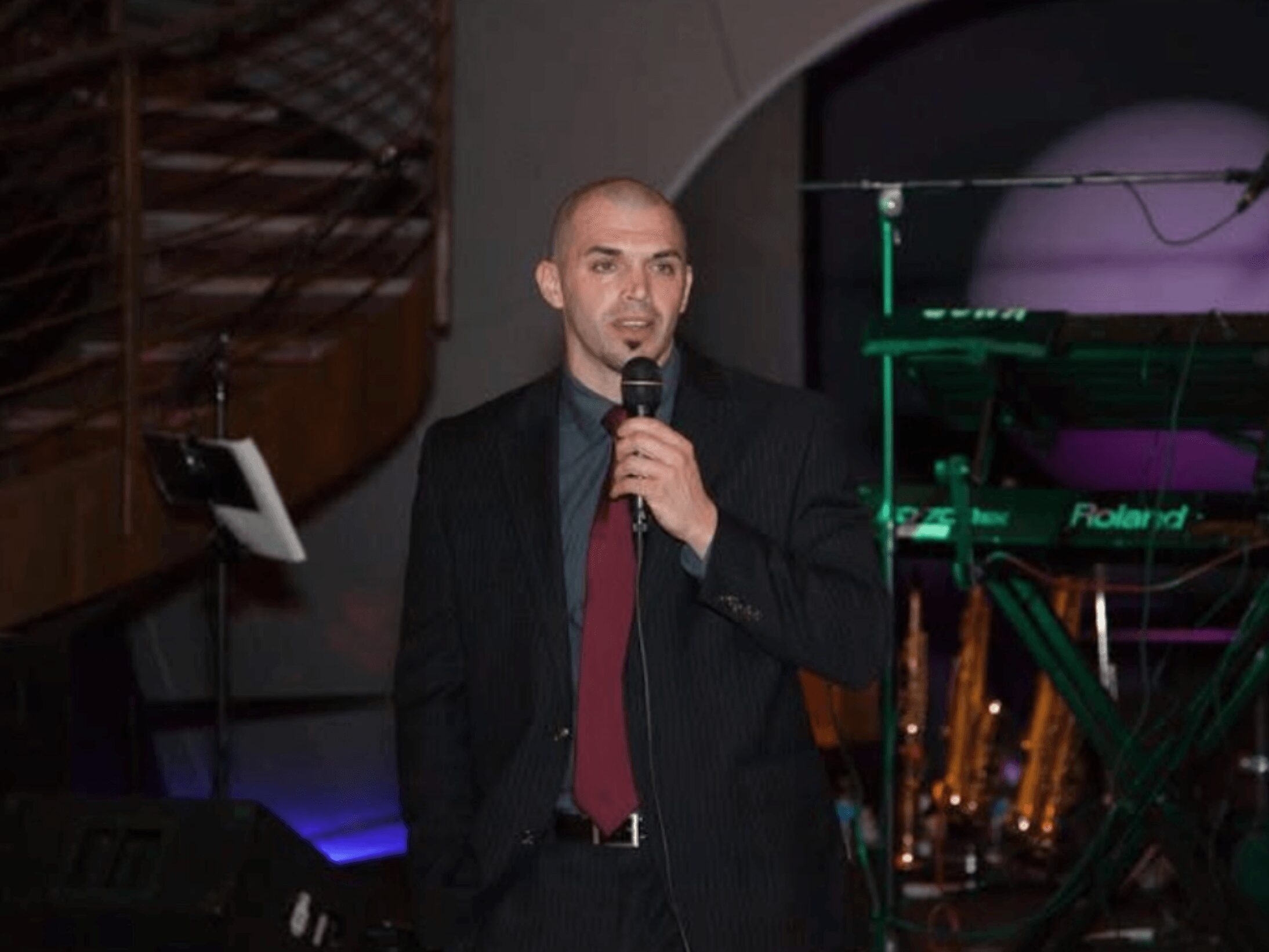






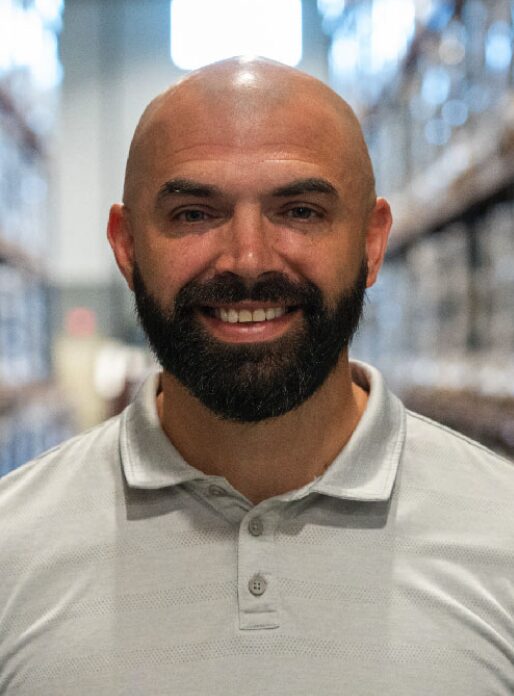
Today we’d like to introduce you to Jarrod Sanderson.
Jarrod, we appreciate you taking the time to share your story with us today. Where does your story begin?
I’m the first in my family to attend college – went on a basketball scholarship to a mid Missouri school. Started my career at a youth residential facility, which led me to pursue a Master of Social Work (MSW) degree at UMKC and an LCSW clinical license while working in foster care. Across every role – case manager, therapist, program director – housing instability was always a root issue holding families and individuals back.
That realization drove me to start Neighborhoods of Hope Community Housing in 2015, where we developed over $20 million in affordable housing in 3 years. During that time, my interest in immigration services led to volunteer work in McAllen, Texas during the 2018 family separation crisis – an experience that fundamentally changed what I thought I knew about the world. Along the way, I taught as an adjunct professor at UMKC’s MSW program, consulted with nonprofits on strategic planning and capacity building, and became a Fulbright Scholar through the United States Department of State traveling to South Africa to consult with local government on homelessness interventions and policy.
After leaving Neighborhoods of Hope, I joined Pawsperity as Director of Housing, developing a residential dorm for homeless moms in their dog grooming workforce program. I eventually became COO of Pawsperity, overseeing their integrated approach of skills training and wraparound social services for at-risk single mothers – an experience that reinforced how housing stability unlocks everything else.
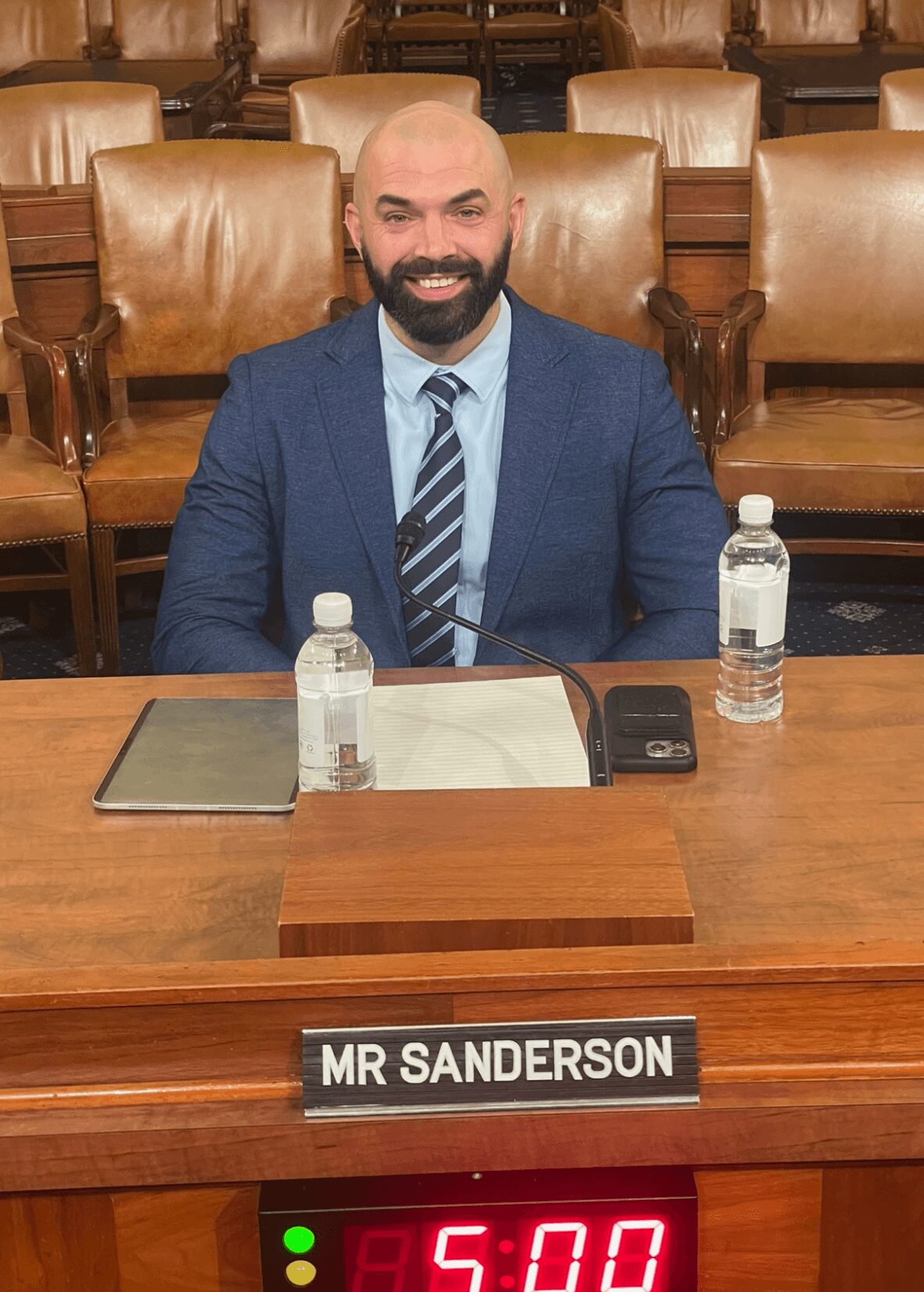
I then spent three years in the for-profit world as COO of a logistics company that grew from $6 million in storage and fulfillment revenue to $25 million, and co-founded a staffing company blending social work principles with workforce development. That work led to testifying before the U.S. House Ways and Means Committee on employing people with disabilities.
In 2025, I came full circle as CEO of The Way Home. Everything I’ve learned – from direct service to housing development to operations management – showed me that Kansas City has the resources to solve housing affordability; we just need better systems to deploy them effectively. The Way Home exists to create the market efficiency our city needs to solve homelessness, expand affordable rentals, and build pathways to homeownership.
Would you say it’s been a smooth road, and if not what are some of the biggest challenges you’ve faced along the way?
‘Smooth’ would depend on the framing. Ultimately, I’ve been extremely fortunate to have some incredible leaders around me to observe and learn from – people who built extraordinarily successful businesses while treating employees as assets to invest in rather than expenses to control, and who positioned their businesses to treat their communities the same way. Many of those same leaders gave me opportunities to learn and supported me through a bevy of mistakes. And while my parents were always paycheck to paycheck, they shielded me from that reality – my brothers and I always had everything we needed and most of what we wanted too. Overall, I’ve had a pretty smooth run of it, relatively speaking.
Regarding struggles along the way, the source of the vast majority has been me. I can get stuck in paralysis by analysis, feelings of imposter syndrome, and I generally want to do 100 things at once all the time. I also tend to reason first and then find emotions to match the reason, and my experience has been that most people – especially in helping fields – emote first and then find reasons to justify the emotions. It took me longer than it should have to realize that about myself, and consequently, that lack of self-awareness created some additional struggles.
The primary external struggle – at least as I perceive it – is the pervasive sense within our communities that some people ‘deserve’ help and support while others don’t. Deservedness is a subjective judgment often tethered to our own experiential blind spots. I don’t find that framing helpful for much of anything other than conflict and stagnation. Focusing on what people need versus what we think people deserve is a more effective way to develop anything of importance.
We’ve been impressed with The Way Home, but for folks who might not be as familiar, what can you share with them about what you do and what sets you apart from others?
In Kansas City and across the country, affordability is a growing crisis, perhaps most severe in the housing market. More individuals and families are being forced into the untenable position of forgoing vital needs to remain housed. This forced-choice reality creates a house of cards that will inevitably be toppled by life’s realities.
In many ways, the housing affordability squeeze isn’t hard to understand. It isn’t realistic to expect the existing housing market to reorient itself to address this problem. The private housing market optimizes for investor returns, not housing affordability. Housing is a fundamental need—demand remains constant regardless of price or quality. This breaks the traditional supply-demand equation: increasing supply doesn’t reduce prices when demand is inelastic and investment approaches consistently center on maximum returns. Without intentional intervention, the market will continue producing housing priced for optimal profit, not community need. While this market serves a purpose, an additional, adjacent market is needed to provide access for the increasing number of people who can’t afford market-rate options.
Unfortunately, the patchwork affordable housing sector is at a steep competitive disadvantage as it tries to create an adjacent housing market centered on affordability. This is due largely to how affordable housing is currently understood and funded. Specifically, the financial products and programs affordable housing organizations can access to bridge the gap between market rates and affordability have 6- to 24-month lead times. Each has its own targeted housing type and/or target population, geographic boundaries, etc., and almost all focus on a project-by-project basis. For this reason, when opportunities become available, affordable housing organizations can’t operate with velocity or scale. Instead of seizing those opportunities to create affordable housing market share, the vast majority are acquired by companies intending to maximize returns on investment.
The Way Home’s mission is to level that playing field so the affordable housing sector can gain market share and ultimately create a large enough adjacent housing market to move the needle on affordability. The Way Home does this through three interconnected pillars: Coordination—connecting supply and demand; Communication—reframing the narrative around affordable housing; and Capital—unlocking liquidity that makes the affordable housing sector highly competitive in the market.
Part of this strategy includes fostering a broader understanding of the affordable housing market as a continuum with three broad need tiers: crisis intervention, stability, and wealth building. These three need types often correspond to three housing types: emergency shelters, affordable rental units, and affordable homeownership opportunities. All three are important, and none exists independent of the others. Generally speaking, strategic development across all three tiers creates “up and out” momentum, whereas fragmented, siloed approaches unintentionally pool resources into one tier, creating bottlenecks in the tiers before or after it on the continuum.
In this way, The Way Home operates at both micro and macro levels. At the micro level, The Way Home operates within the conventional system, acquiring and building properties, injecting subsidy, and placing those units into affordable housing service, intentionally targeting people in need across all three tiers. At the macro level, The Way Home is conceptualizing and building the technology, partnerships, and funding structures needed to create a coordinated affordable housing sector that can be highly competitive in the market and achieve outcomes at much greater velocity and scale—the kind needed to stem the tide.
The Way Home needs both thought partners and philanthropists and investors who understand the blend of philanthropy, mission debt, and market debt that can actualize the affordable housing sector our communities desperately need. We believe we have the operators; we just haven’t given them a chance to succeed at scale.
We all have a different way of looking at and defining success. How do you define success?
In general terms, for me it ultimately boils down to lived experience. If people’s lived experience didn’t change for the better, then what success was achieved? I believe that framing is more or less universally applicable, for-profit and nonprofit alike. It scales to a company’s customers, employees, and partners. It scales to friends, family, and oneself. It’s the one thing that consistently binds us together. Short of severe neurological impairment, we’re all constantly experiencing *something*. Materially improving that experience in measurable and sustainable ways seems like a worthy goal and should be deemed a success whenever we achieve it.
Contact Info:
- Website: https://thewayhome.org
- LinkedIn: https://www.linkedin.com/in/jarrod-sanderson-27911661/