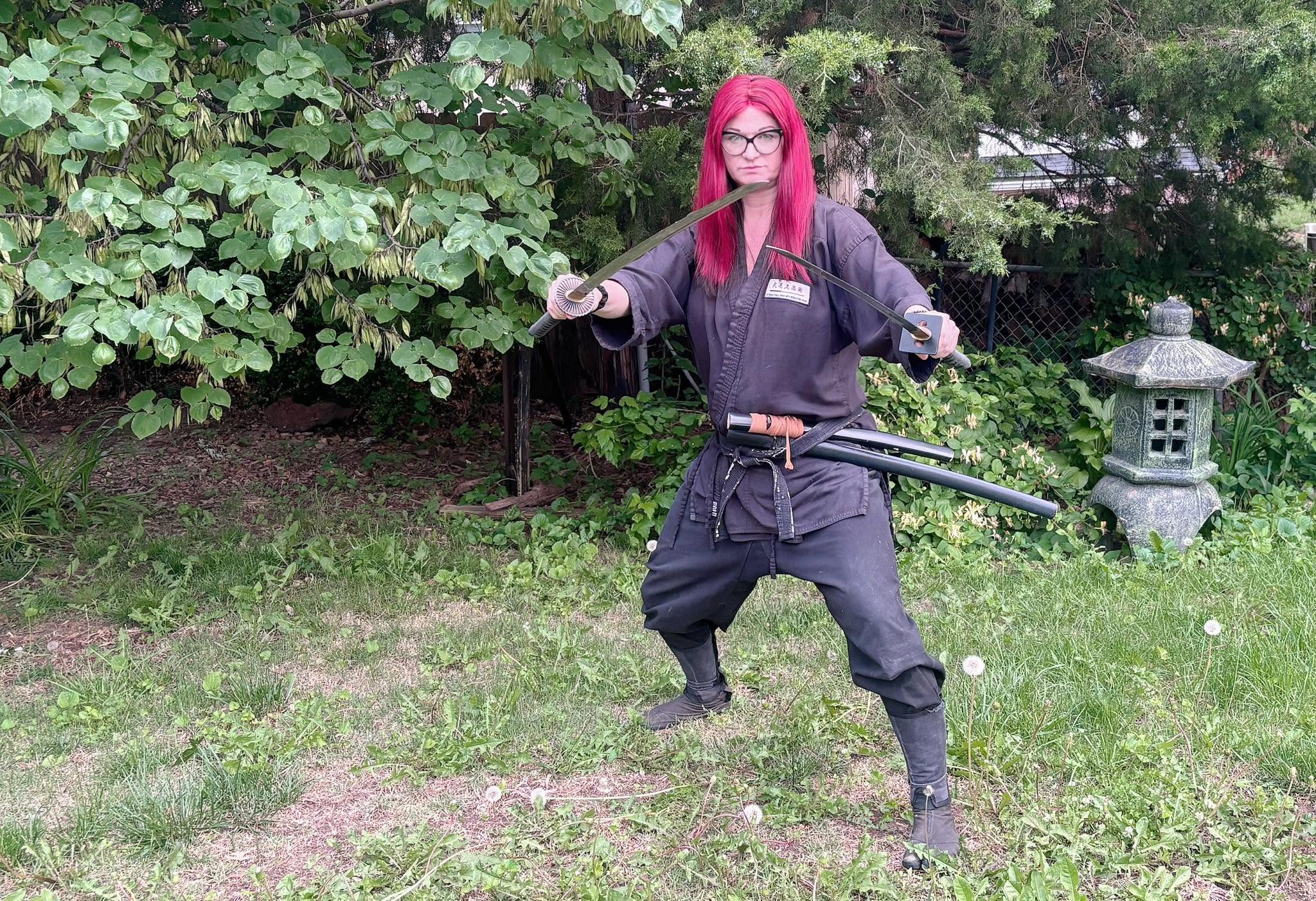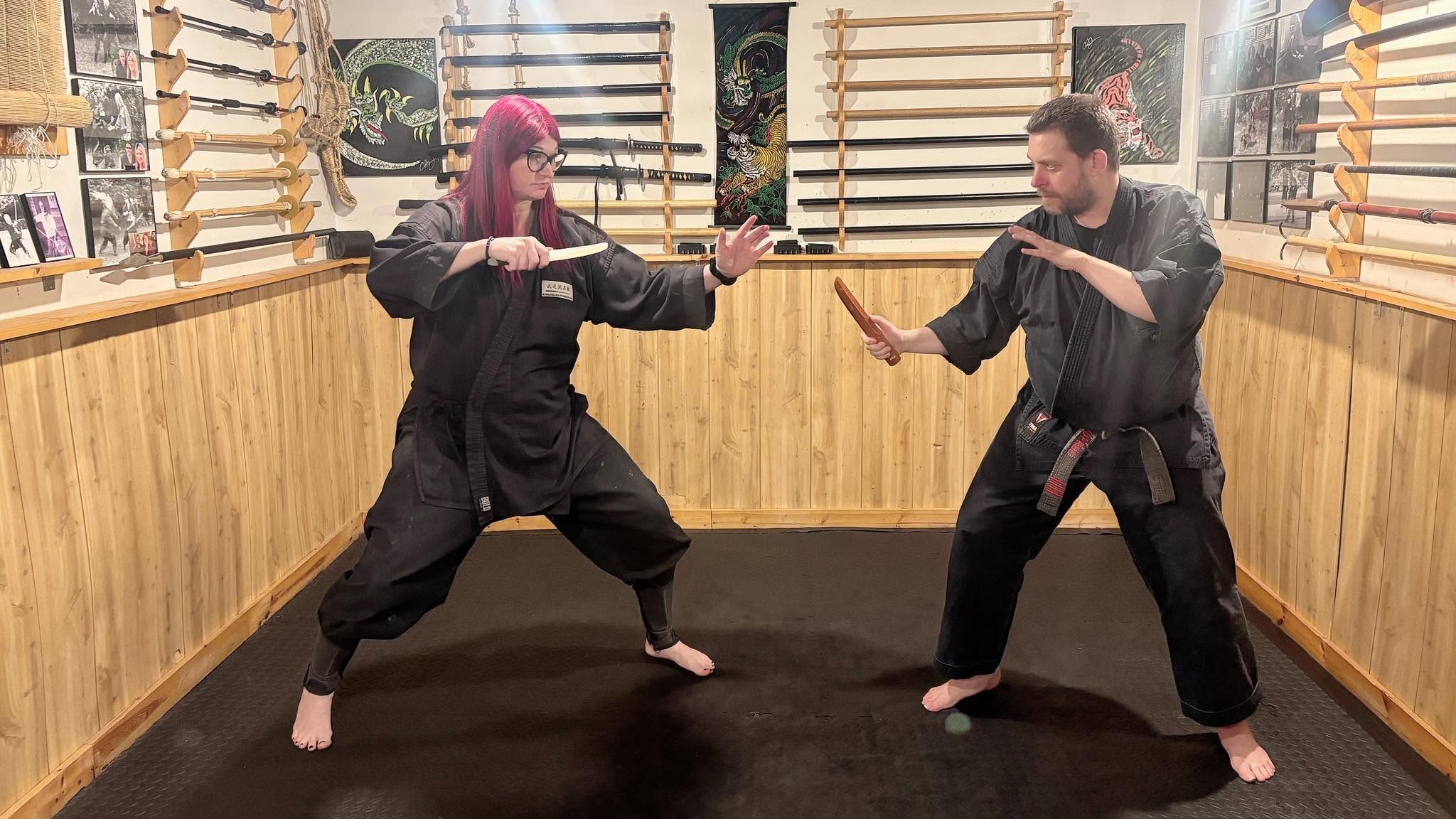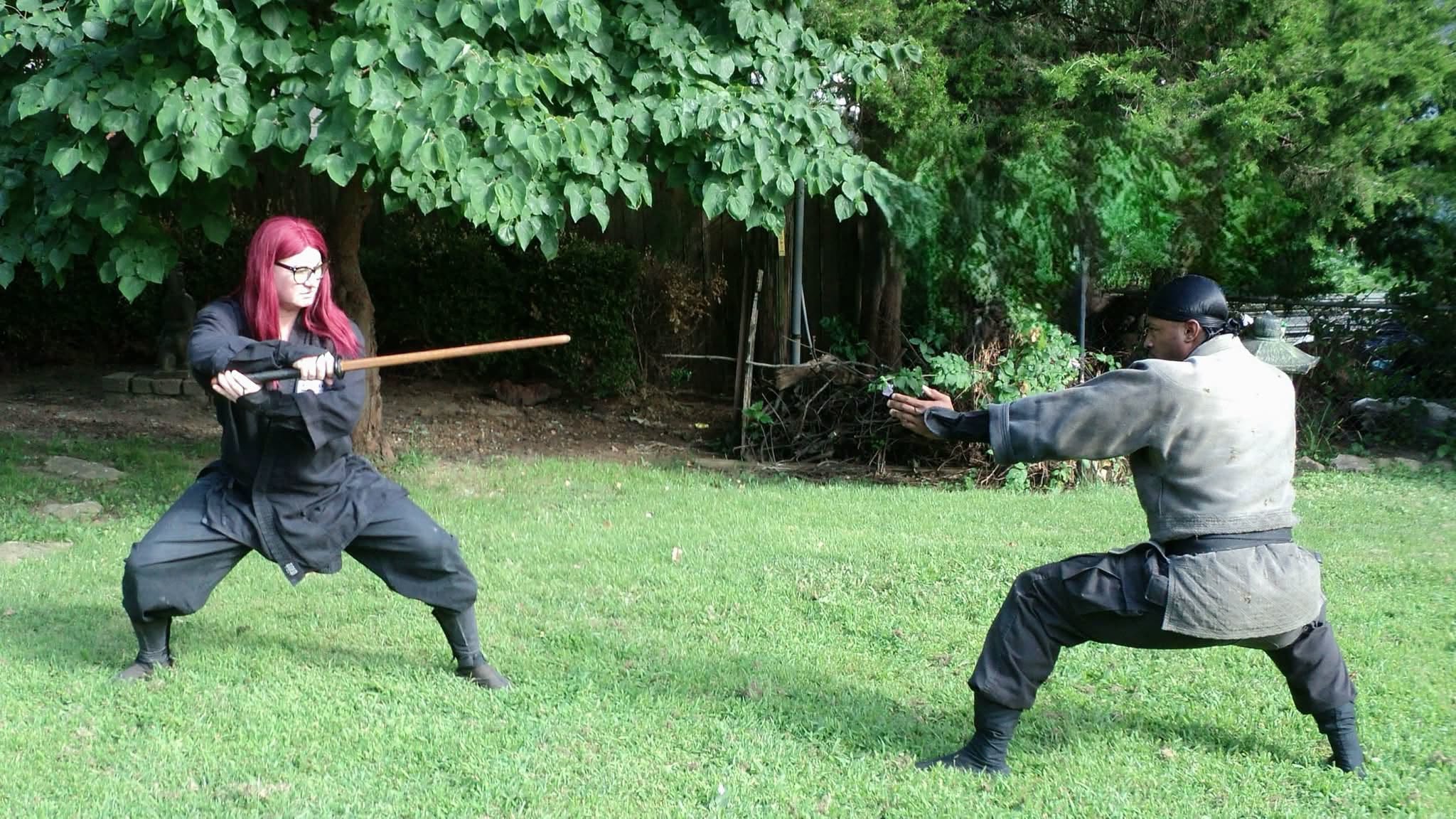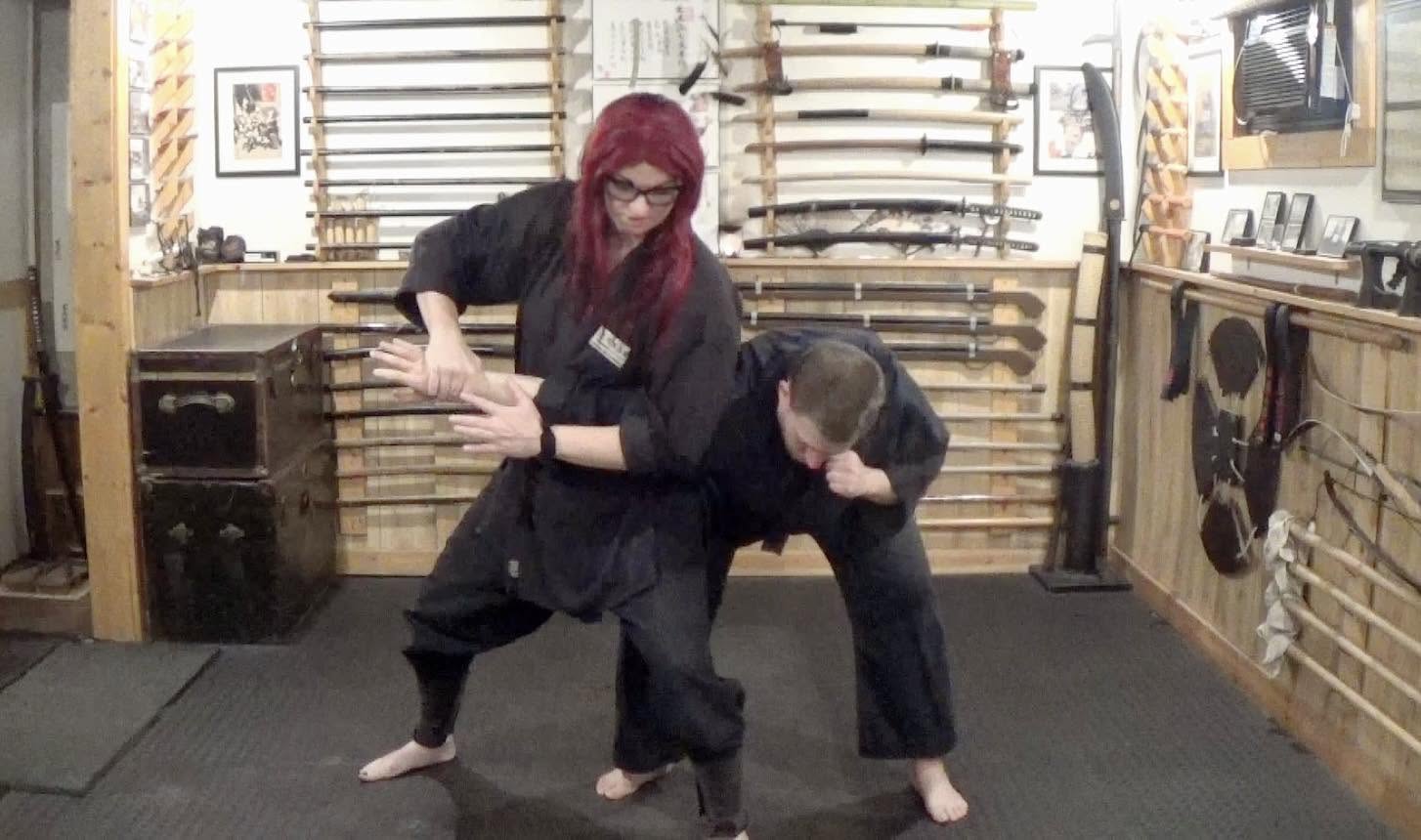






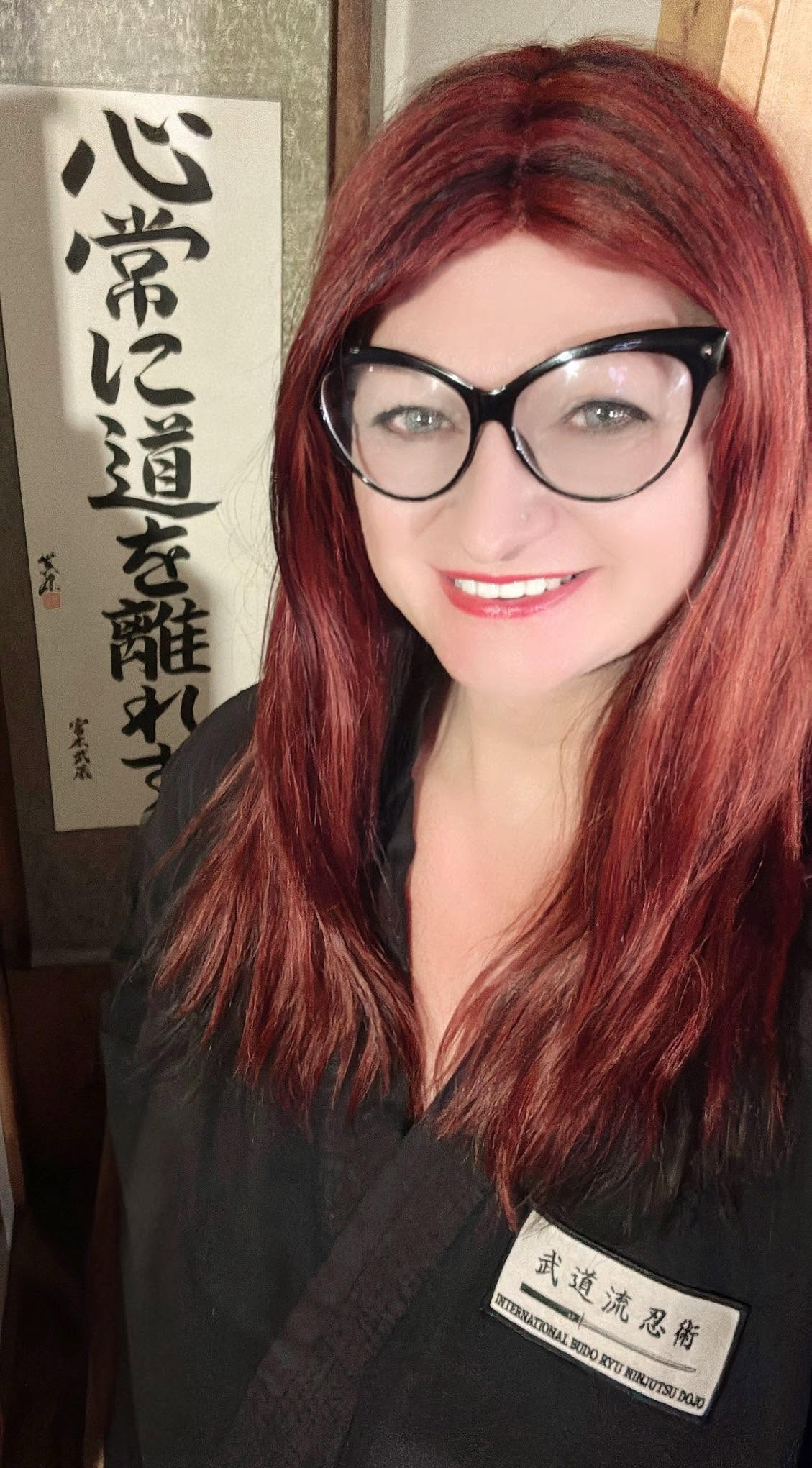
Today we’d like to introduce you to Christa Jacobson.
Hi Christa , can you start by introducing yourself? We’d love to learn more about how you got to where you are today?
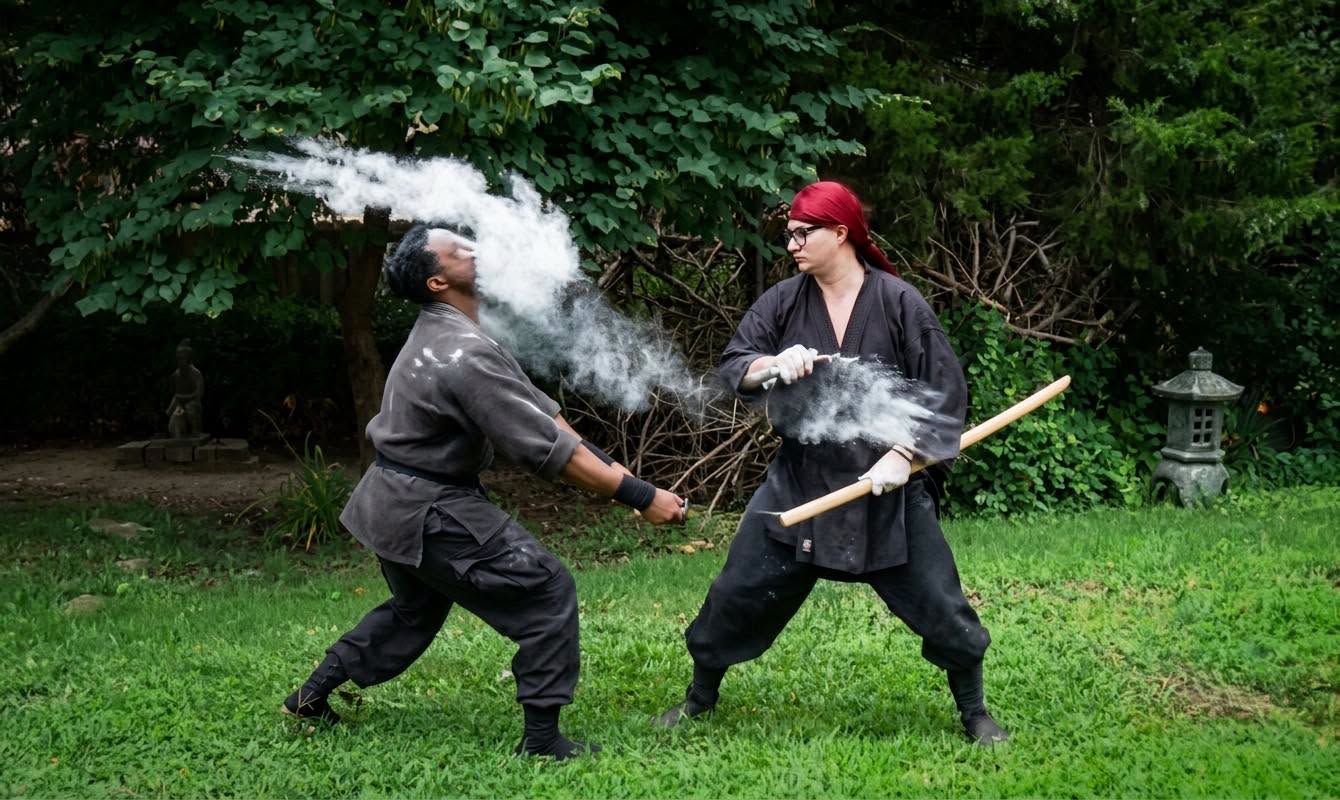
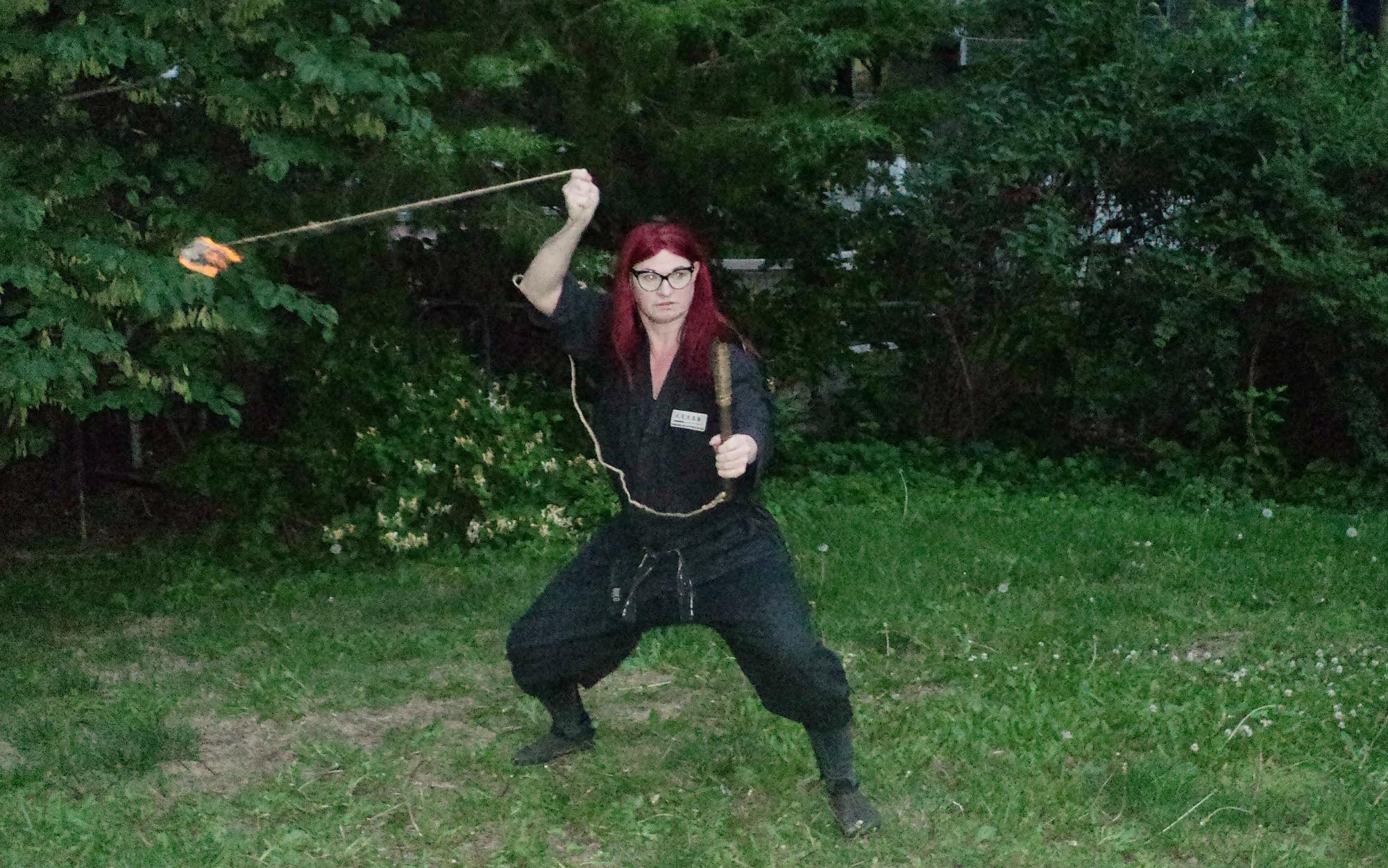
My journey began decades ago through the study of traditional Japanese martial arts and the history and tradition surrounding the ninja. Over the years, I became increasingly passionate about not only learning these ancient traditions (called ryuha) but preserving them and making them accessible to people who who genuinely wanted to study them.
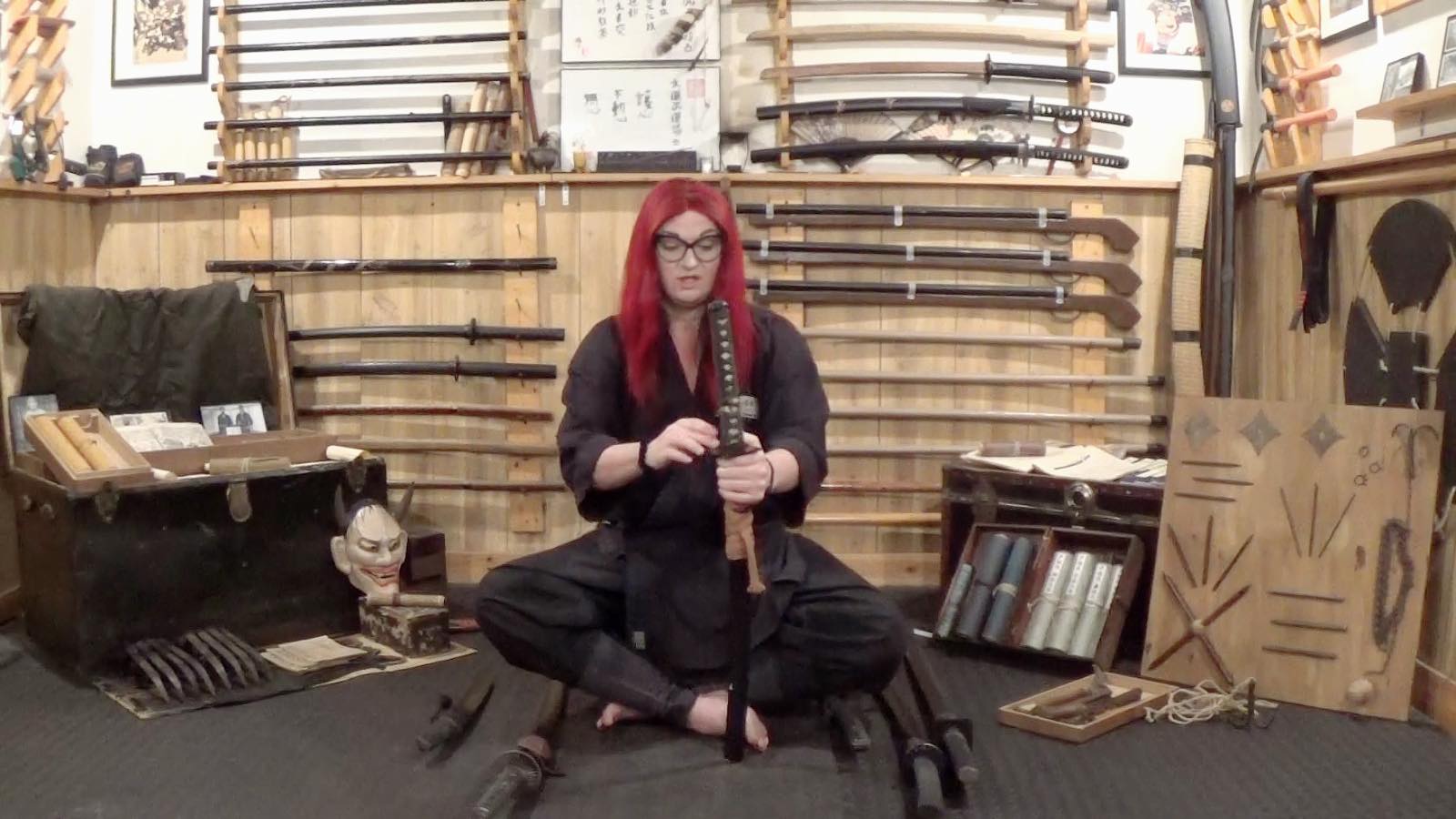
I was granted a huge honor, to be the 21st Soke (Grandmaster) of the Tomo-ryu tradition. This is a ninja martial arts tradition that dates back hundreds of years to Japan’s feudal era. I was awarded all of the scrolls, densho among many other items and entrusted to be the one that preserves this tradition for the next generation.
In 2004 I established the Budo Ryu Kai, meaning school of the warrior way. I wanted create an organization where people could study traditional martial arts as a complete discipline. Not just the physical skills for combat and self defense, but also the training of the mind and body as well as the preservation of the scrolls and the historical teachings.
Today, after more than 20 years, I still teach at the Hombu dojo here in Kansas City. I have opened other locations outside of Kansas City, as well as created a full Online Ninjutsu Dojo with thousands of students worldwide.
I’m sure it wasn’t obstacle-free, but would you say the journey has been fairly smooth so far?
No, it definitely hasn’t been a smooth road. As a transgender woman teaching martial arts in a traditionally male-dominated field, that comes with its own set of challenges, but I’ve always chosen to focus on the teachings, rather than letting that define me.
Building the Budo Ryu Kai has been a long-term commitment, and there have been plenty of challenges along the way. When I started the organization in 2004, there was not a clear blueprint for building a traditional ninjutsu organization in the modern world. I had to learn how to build the organization while simultaneously developing the curriculum, teaching students, creating educational materials and eventually building an online dojo.
One of the biggest challenges has always been helping people understand that traditional martial arts require commitment, We’re living in a world where people are accustomed to getting things quickly, but martial arts doesn’t work that way. People often start with tremendous enthusiasm an then discover that becoming proficient requires more dedication than they expected.
I’ve also had to overcome skepticism that naturally comes with teaching traditional Japanese martial arts outside of Japan. There will always be people question whether someone, who isn’t Japanese, can teach Japanese martial arts. Rather than arguing with those people, with over 20+ years of teaching, I let my work speak for itself.
There have certainly been difficult periods, both personally and professionally, but I’ve learned that perseverance is part of the martial arts itself. The same principals we teach on the training floor – discipline, focus, adaptability and patience are the same principals that allowed me to build the Budo Ryu Kai.
Can you tell our readers more about what you do and what you think sets you apart from others?
I am dedicated to teaching and preserving traditional ninjutsu and classical samurai bujutsu. In the feudal era of Japan, there were hundreds of “ryuha”. The Budo Ryu Kai preserves and teaches 7 traditional ryuha. The 7 traditions of the Budo Ryu Kai are:
Koka Ryū Kempo (甲賀流拳法)
Tenjin Ryū Jujutsu (天神流柔術)
Tomo Ryū Shinobijutsu (戸猛流忍術)
Eishin-ryū Iaijutsu (英信流居合術)
Koto Ryū Koppojutsu (虎倒流骨法術)
Gyokko-Ryū Kosshijutsu (玉虎流骨指術)
Togakure-ryū Ninpo (戸隠流忍法)
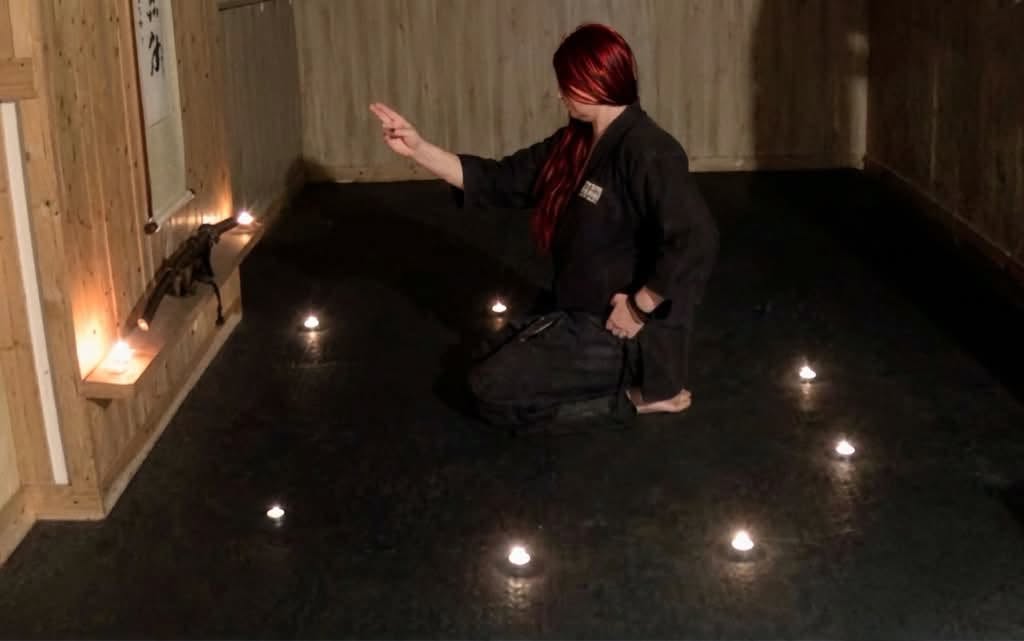
What makes us different from other schools is that we do more than just traditional techniques. It is important that we learn and preserve the old kata (techniques). However, self defense is also a major part of training and understanding how to take these old techniques and place them in the modern day for self defense and survival is a major aspect for our training. But self defense is more than just a physical skill. You must also train the mind and spirit as well. This is where the Goho-no-keiko (5 areas of training) comes in. This is the study of the ancient teachings, modern applications, physical conditioning, the ancient scrolls as well as spiritual refinement. So while ninjutsu is at the heart of what we teach, the study goes far beyond what most people imagine when they hear the word “ninja”.
What I’m the most proud of, however, is that we’ve been able to preserve these traditions while making them accessible to people living in the modern world. The Budo Ryu Kai has been operating for more than 20 years, and I’ve personally dedicated my live to the study and teachings of the old ways.
Is there any advice you’d like to share with our readers who might just be starting out?
My biggest advice is learn to distinguish criticism from noise. We live in a world that is dominated by social media and when you build something on your own, there will always be people that will try to pull you away from your dreams and doubt you. There are also people that want to see you fail. My advice is shut that out, Don’t let the noise become louder than your purpose. Stay focused on your dreams and goals. Keep your vibration high and only focus on success. If you see it, you can achieve it. If you take time to let the negative in, it will derail your progress. Stay focused on your path, regardless of what others think and most importantly, stay true to you.
Contact Info:
- Website: https://www.BudoRyuNinjutsu.com
- Instagram: https://www.instagram.com/anshuchristajacobson/
- Facebook: https://www.facebook.com/SokeAnshu/
- Twitter: https://x.com/SokeAnshu
- Youtube: https://www.youtube.com/@SokeAnshu/videos