





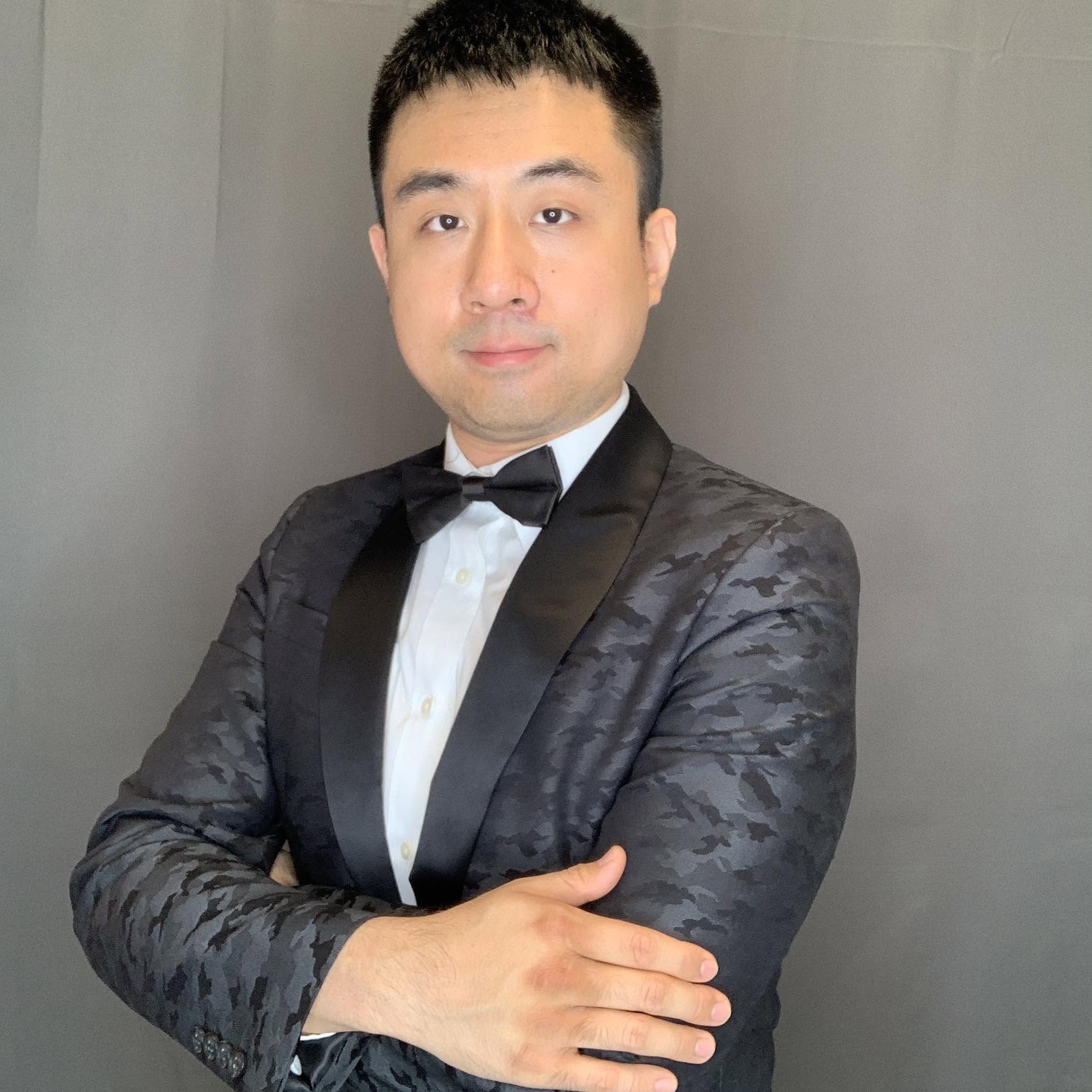
Today we’d like to introduce you to Xiangyu Zhao.
Hi Xiangyu, we’re thrilled to have a chance to learn your story today. So, before we get into specifics, maybe you can briefly walk us through how you got to where you are today?
I began studying piano when I was about four and a half years old in Tianjin, China. I loved music from an early age, although learning the instrument itself was not always easy. My early lessons focused heavily on basic technique, along with method books such as John Thompson’s, and I quickly learned that practicing required much more patience and discipline than simply enjoying music.
As a teenager, I attended the Middle School affiliated with the Tianjin Conservatory of Music. That was when music began to feel like a possible life rather than just something I studied. One experience that stayed with me was reading the Chinese translation of The Stream of Music by Richard Anthony Leonard, which our homeroom teacher gave to everyone in the class. Reading about generations of musicians made a strong impression on me. Many of them lived through extraordinary struggles and setbacks, yet their work went on to have a lasting impact. It gave me a sense that a life in music could be difficult, but also deeply meaningful and even noble, and it made me want to become the kind of musician who could devote a life to something of lasting value. I was also struck by how many of the musicians I admired were not limited to one role—they performed, composed, conducted, taught, or wrote about music. That helped shape my own idea of what a musician could be.
I came to the United States at seventeen because I wanted to pursue a more advanced musical education. I studied at the University of Northern Colorado with Lei Weng, and one idea from those years has stayed with me ever since: piano playing is not only about the hands. The hands are carrying out what the mind and inner ear have already imagined. That way of thinking pushed me to listen more carefully and think more deeply about interpretation.
After completing my bachelor’s degree in 2013, I came to Kansas City to study at the UMKC Conservatory with Robert Weirich. I had first met him at a master class in Colorado, and when I later visited UMKC, I felt genuinely welcomed and encouraged. That mattered to me. I stayed for graduate and doctoral study, and Kansas City gradually became much more than the place where I went to school. There was also a small coincidence I appreciated only later: John Thompson, whose method books I had used as a child, had been part of Kansas City’s conservatory history.
Several opportunities grew naturally from that chapter. Through an assistantship at UMKC, I played for ballet classes, and Grace Holmes later encouraged me to apply to Kansas City Ballet after hearing me accompany one of her classes. I joined the Kansas City Ballet School in 2018. Working with dancers changed the way I understood timing and rubato and became an important part of my development as a musician.
Beginning in 2013 at UMKC, I also studied composition independently with Chen Yi through 2017. I had been interested in composing since I was young, but those years helped me develop that interest much more seriously and eventually led to a recital devoted to my own compositions in 2017. Teaching also became increasingly important to me. I found that I really enjoyed helping students understand why something was not working and how they could find a way forward.
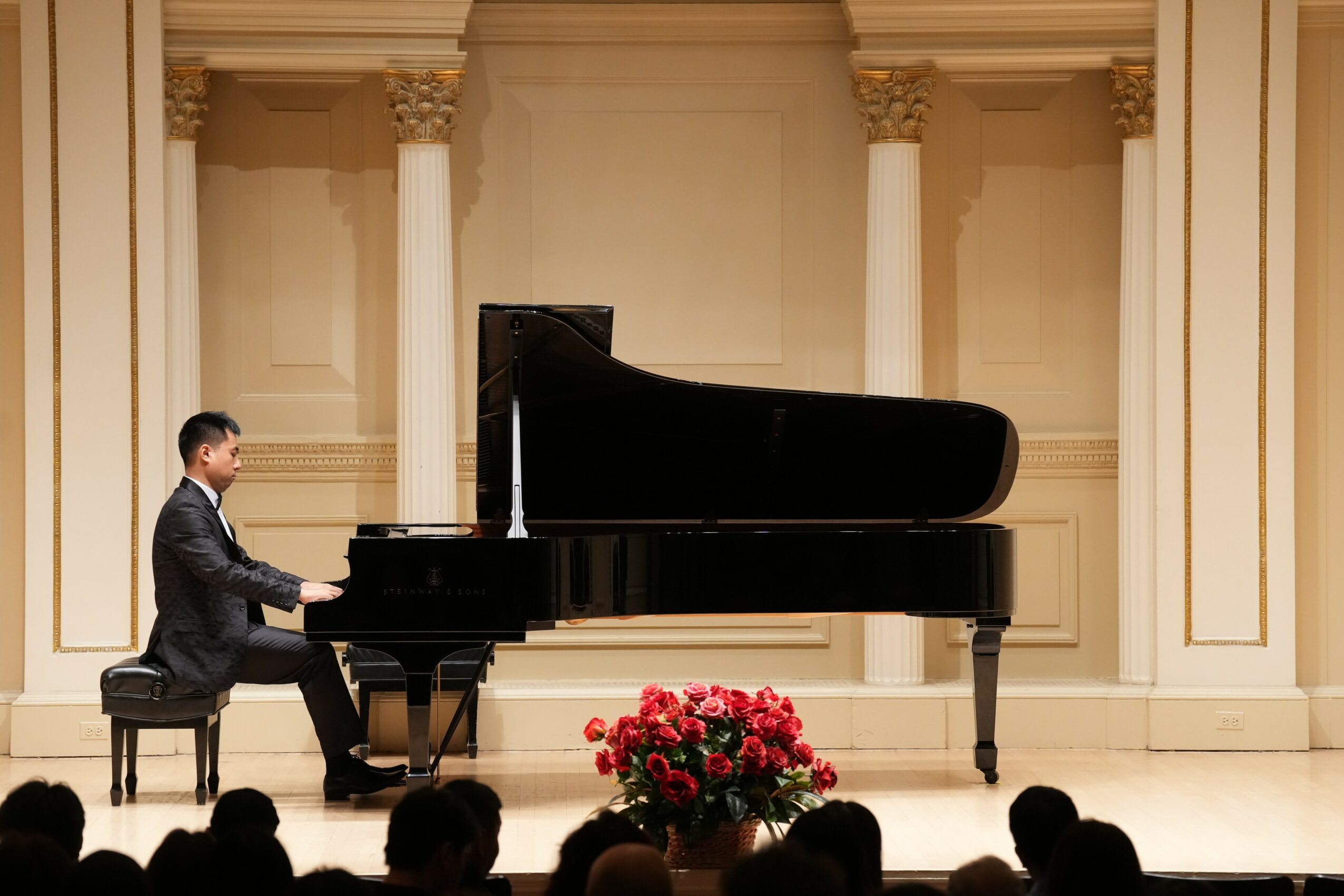
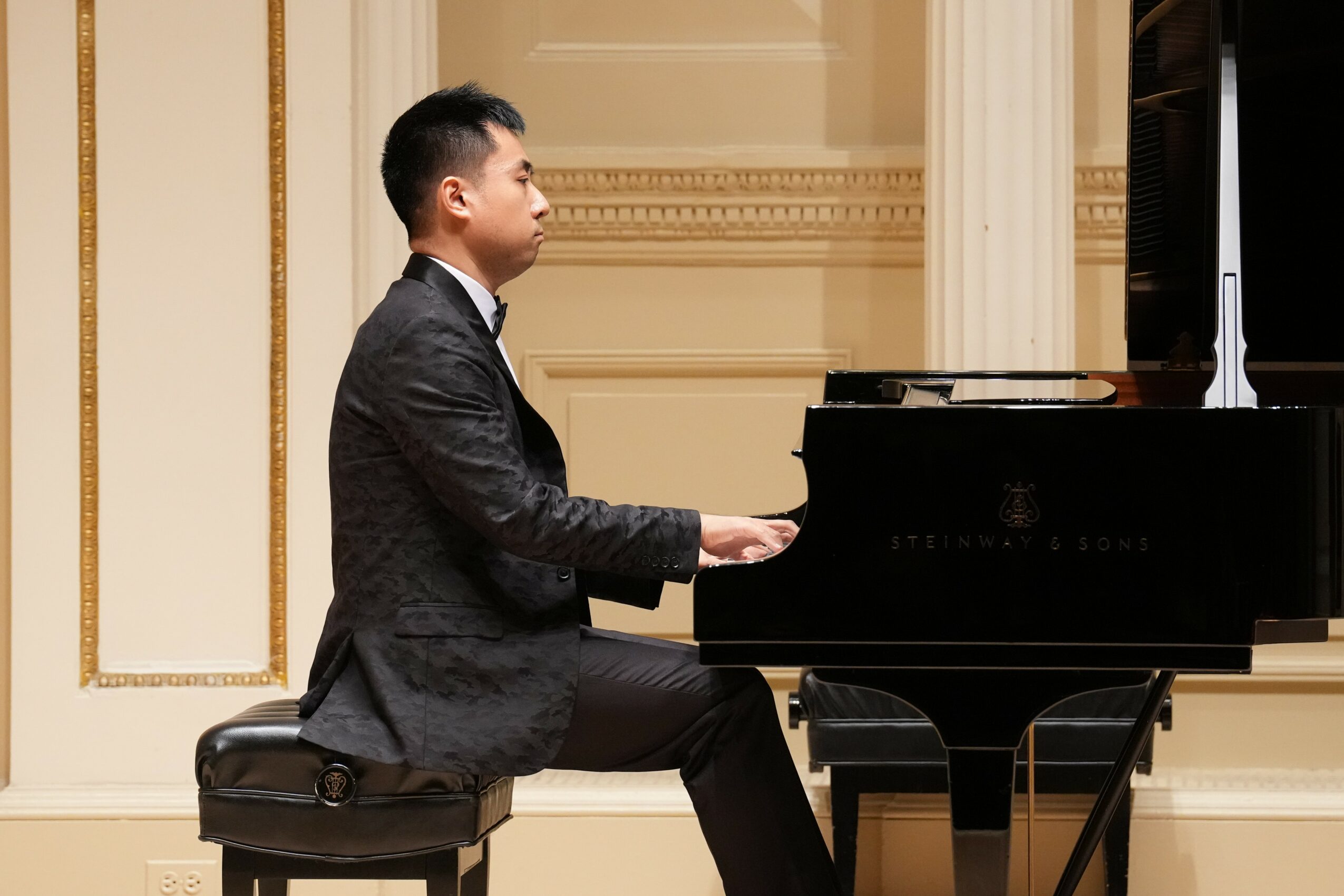
Performing has remained central to my life as well. During my doctoral years, I undertook major performance projects, including preparing and performing the complete set of Liszt’s Transcendental Études, which became an important part of both my artistic development and doctoral work. In 2025, I performed at Weill Recital Hall at Carnegie Hall, which gave me a new sense of confidence and possibility. At the same time, I have become more involved in piano pedagogy and professional service, including serving as Chair of the Junior Concerto Competition/Recital for the Kansas City Music Teachers Association.
Today, I think of my musical life as a combination of performing, teaching, composing, collaborating, and continuing to learn. I did not imagine my career taking exactly this form when I was younger, but over time I realized that these different parts of my work could strengthen one another. What continues to matter most to me is the ability of music to communicate something deeply human. Whether I am performing, teaching, or composing, I hope to help other people experience some of the same depth, beauty, and emotion that first drew me to music.
Would you say it’s been a smooth road, and if not what are some of the biggest challenges you’ve faced along the way?
The road has definitely not been completely smooth. One of the first major challenges came when I moved from China to the United States at seventeen. I was excited to study music in a new environment, but I was also very young and had to adjust to a different culture, language, and way of life. I was naturally quiet and fairly independent, so building relationships did not always come easily to me. There were periods when I felt isolated, and over time I learned that becoming a musician was not only about practicing and performing well. It also required learning how to communicate, collaborate, and connect with people.
As I moved further into graduate and doctoral study, a different challenge became more important. I began to realize that building a long-term career in the United States also meant dealing with uncertainty surrounding immigration and work authorization. Earlier in my studies, that was not always at the center of my thinking, but as I moved closer to completing my doctorate and building a professional life, those practical questions became much harder to ignore. By that point, I had already spent years performing, participating in competitions and festivals, composing, teaching, and developing professionally. The immigration process did not create that work, but it made me much more conscious of the need to document it, present it clearly, and continue building a professional record that reflected the full range of what I was doing.
I also had to change the way I thought about what a musical career was supposed to look like. When I was younger, I had a fairly simple image of success: you worked hard, became a better performer, and gradually reached bigger and bigger stages. I still remember a television advertisement I saw in China in which a young dancer began in a very modest setting and, scene by scene, the stage grew larger until she was performing on a major stage. That image stayed with me. In reality, my own career developed in a much less linear way—through performing, teaching, collaborating with dancers, composing, pedagogy, and professional service.
Over time, I began to understand that these different experiences were not distractions from my musical identity. They were helping me grow into a broader and more versatile musician. I also learned that relationships matter. Earlier in my life, I sometimes assumed that if I simply worked hard enough, the work would speak for itself. I now understand that collaboration, professional relationships, and being willing to reach out to others are essential parts of a musical life. Many important opportunities in my career came because someone heard my work, believed in me, or connected me with another opportunity.
One challenge I am still working through is visibility—not simply being seen, but learning how to make the different parts of my work understandable as a whole. Over the years, I have accumulated projects as a performer, composer, educator, researcher, and collaborator, and I am still learning how to turn those experiences into a more coherent and visible body of work. I have also realized that visibility creates connection: when people encounter the work, their responses, questions, and opportunities help me better understand how to develop it further and where the different parts of my career can lead. In that sense, networking and visibility are not separate from the artistic work; they are part of how the work becomes clearer, more complete, and more connected to other people. I have become more comfortable with the fact that a meaningful career does not always develop in a straight line, and that part of growth is learning how to keep moving forward while continuing to shape and clarify the work itself.
Thanks for sharing that. So, maybe next you can tell us a bit more about your work?
My work today brings together performance, teaching, composition, research, collaboration, and professional service. I still think of myself first as a pianist, but over time I have become increasingly interested in how these different parts of a musical life can inform one another.
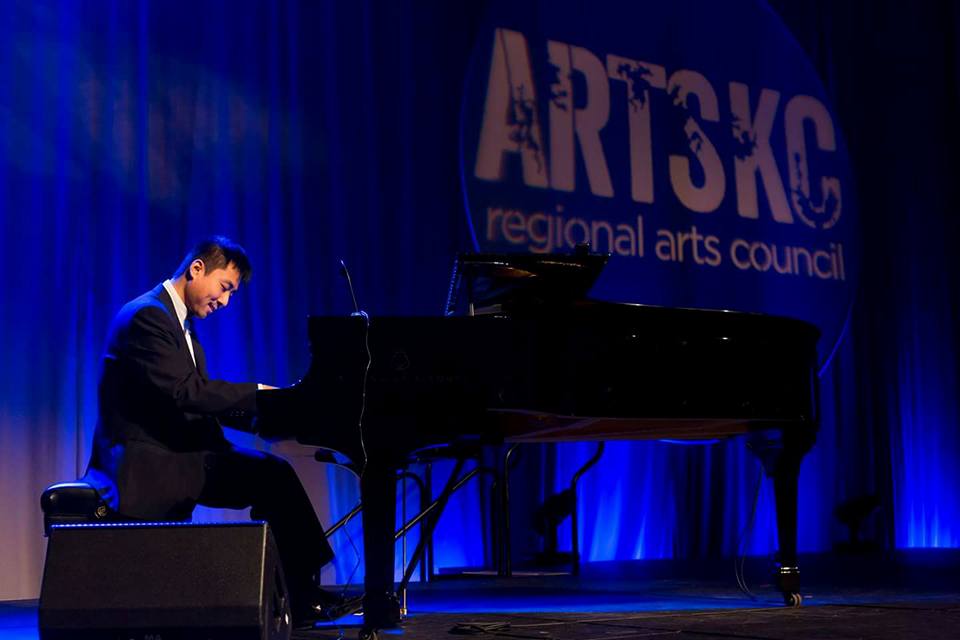
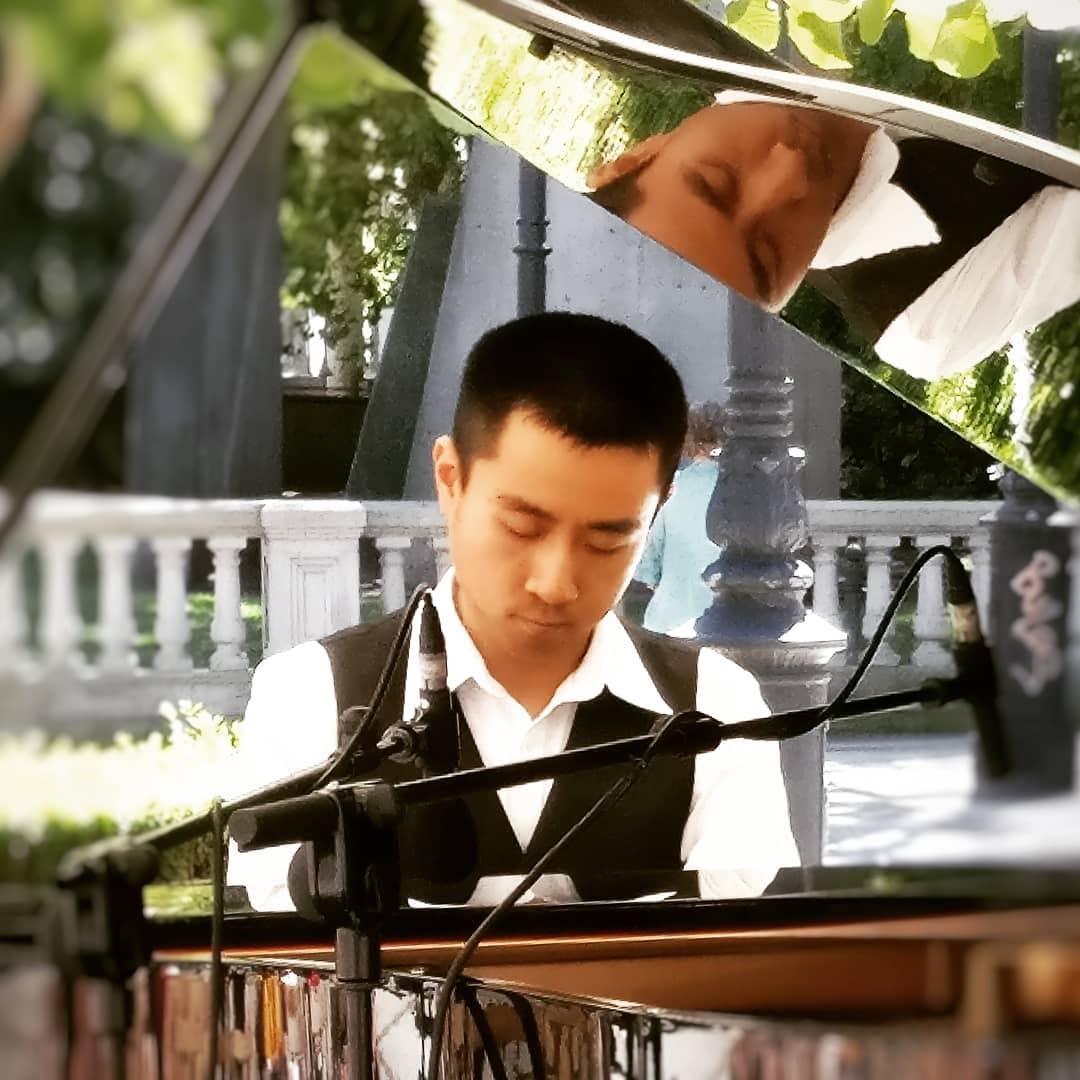
Performance remains central to what I do. During my doctoral studies, one of my largest projects was preparing and performing the complete set of Liszt’s Transcendental Études. That project demanded not only technique and endurance, but also the ability to think across twelve very different works and shape them into a larger artistic whole. Over the years, I have also performed concerto repertoire with orchestras, performed at the Kauffman Center’s Helzberg Hall, and given recitals in the United States and abroad, including Spain.
Composition has developed alongside my performing. From 2013 through 2017 at UMKC, I studied composition independently with Chen Yi, and that work culminated in a full recital of my own compositions in 2017. Some of those works used larger chamber combinations, including tenor with piano trio and oboe with string trio. I have continued composing since then, including works such as Wild Blues. My process often begins with improvisation at the piano: I record ideas, return to them later, and gradually shape them into finished pieces.
I am also drawn to the scholarly side of music. One of my doctoral projects involved preparing a critical edition of Stravinsky’s Four Piano Etudes, Op. 7. I enjoy the kind of close attention that work requires—examining scores, sources, and details that can affect how a performer understands the music. My Liszt project also led me to write an article for Classical KC/KCUR about the Transcendental Études, giving me another way to connect performance, research, and public communication.
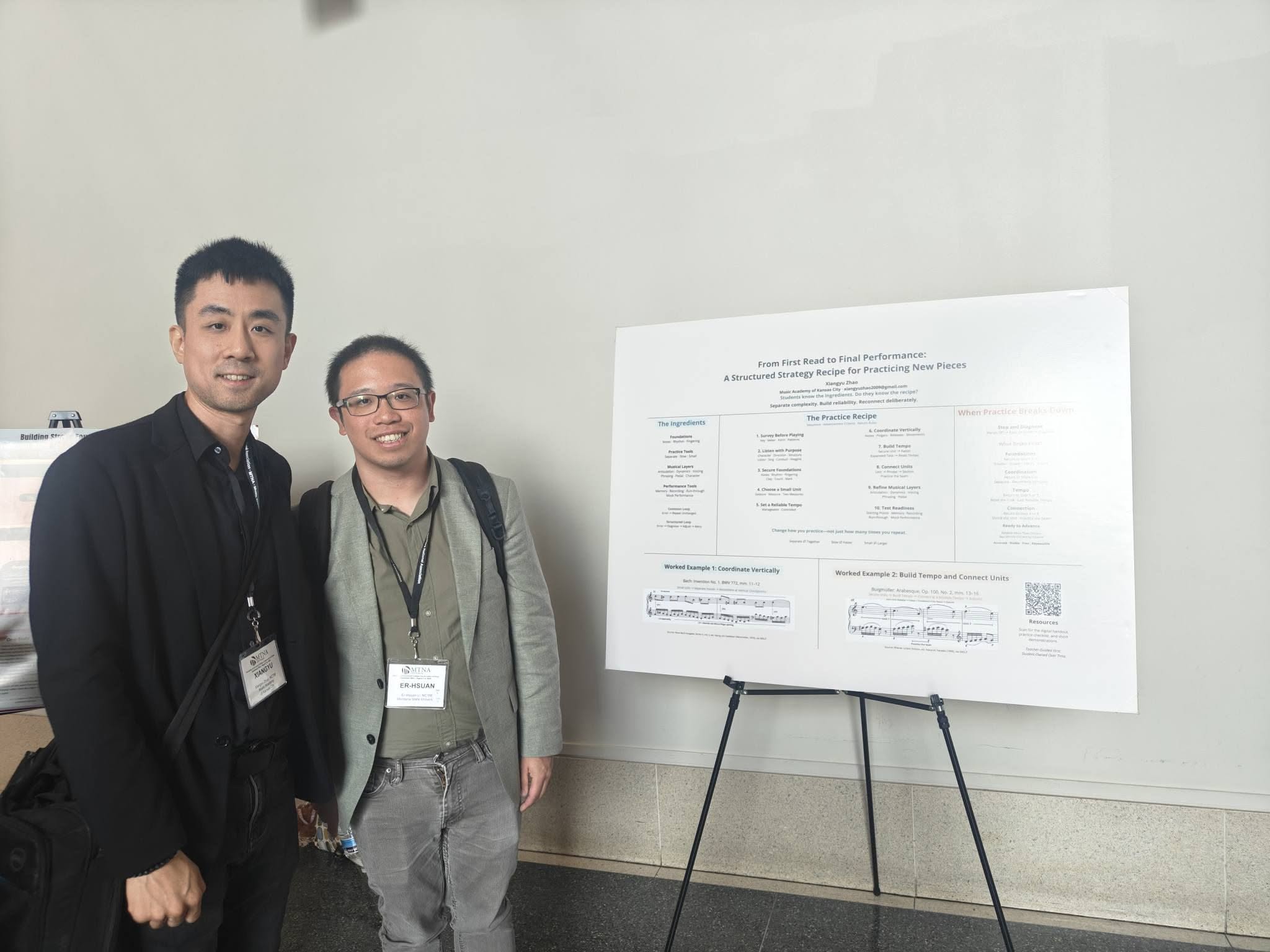
More recently, I have become increasingly interested in bringing these different parts of my work into public conversation. In 2024, I appeared in Kansas Public Radio’s Live Performance Studio, where I performed and discussed my work as a pianist and composer. I have also become more active in piano pedagogy and professional presentations, including presenting at the GP3 Forum. I enjoy thinking about how musicians learn, how practice can become more intentional, and how interpretation develops from the first reading of a piece to performance.
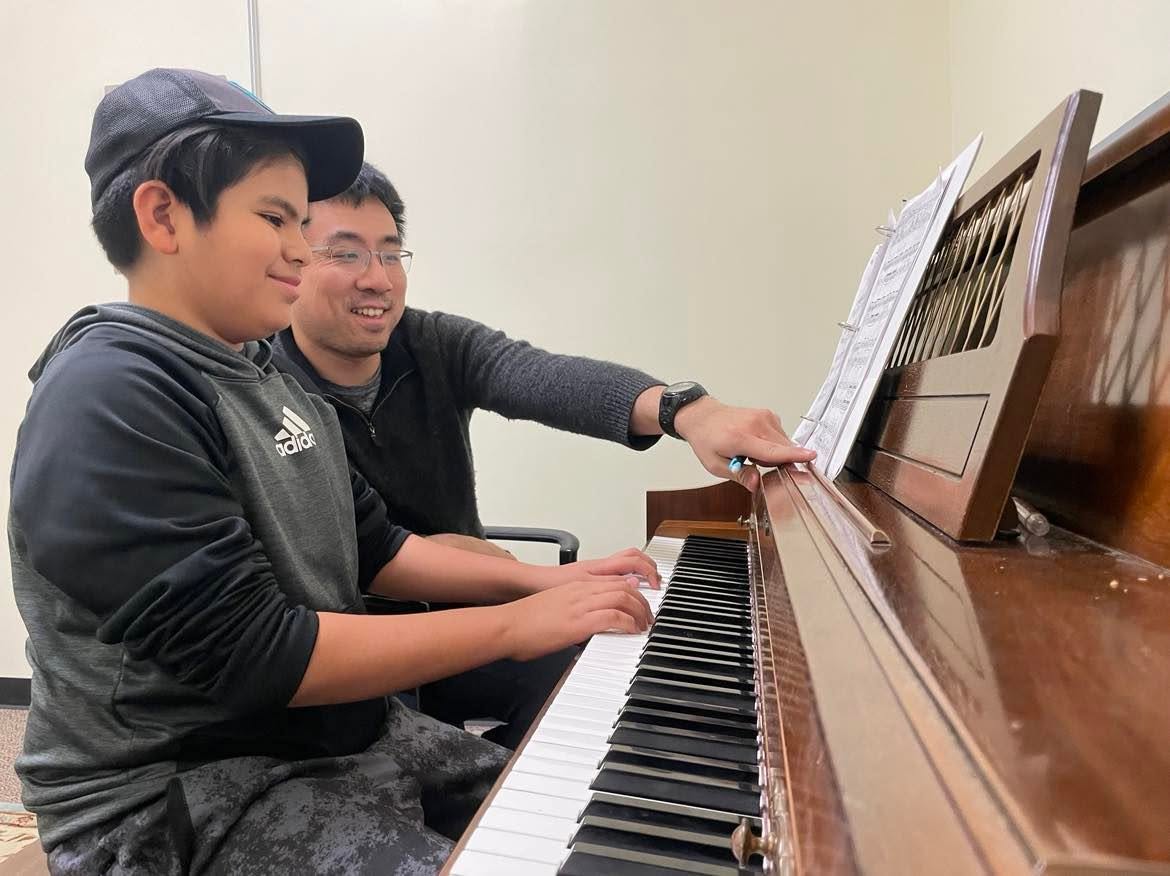
Teaching is now a major part of my daily life. What I enjoy most is helping students learn how to solve problems for themselves. If something is not working, I want them to understand why, break the problem into smaller parts, experiment, and eventually develop the confidence to find a solution independently. For me, good teaching is not simply about correcting mistakes; it is about helping students become better listeners and more independent thinkers.
Another important part of my work is accompanying ballet at Kansas City Ballet. I began playing for ballet classes as a graduate assistant at UMKC and joined Kansas City Ballet in 2018. Working with dancers has changed the way I think about rhythm, timing, and rubato. A jump, turn, or landing takes real physical time, and that awareness has influenced the way I shape movement and flexibility at the piano.
I also value contributing to the community through music outside of my formal professional work. At Christ Community Church’s Brookside Campus, I have served regularly as a volunteer pianist and have helped with special services, including arranging music and coordinating violin and cello players for Christmas Eve worship.
A typical day may begin with ballet in the morning, continue with teaching in the afternoon and evening, and include practicing, composing, listening, writing, or preparing other projects in between. The variety can be demanding, but I value the way each area strengthens the others. Performing sharpens my teaching; teaching forces me to explain musical ideas more clearly; composition changes the way I listen; research deepens the way I read a score; and collaboration reminds me that music is ultimately something we make with and for other people.
Where we are in life is often partly because of others. Who/what else deserves credit for how your story turned out?
I have been fortunate to have several people at different stages of my life who shaped my work in very different ways.
Lei Weng was one of the first major influences on my development after I came to the United States. Studying with him at the University of Northern Colorado helped me rethink what piano playing really involves. One idea that stayed with me was that the hands are only carrying out what the mind and inner ear have already imagined. That way of thinking changed how I listened, practiced, and approached interpretation.
Robert Weirich played an equally important role in bringing me to Kansas City and helping me develop at UMKC. His teaching was imaginative and encouraging, and he had a way of opening possibilities rather than simply telling a student what was wrong. I still remember a studio class in which he asked us to improvise at the piano. After hearing me improvise, he recognized that this was something I could use musically and later helped me receive a graduate assistantship playing for ballet classes. That opportunity became much more important than I could have expected at the time, because it eventually opened the path to my work with Kansas City Ballet.
Chen Yi helped me develop composition from an early interest into a serious part of my musical work. I studied composition with her independently at UMKC from 2013 through 2017, culminating in a full recital of my own compositions in 2017. She also continued to encourage and support me professionally, which helped me see composition as an important part of my identity rather than something separate from my work as a pianist.
I also studied with pianist Sean Chen for about a year during my doctoral studies. He worked with me on major repertoire, including Liszt’s Transcendental Études, and he has remained someone whose musical perspective I value. In later years, I returned to him for feedback on projects including my Carnegie Hall repertoire and my own composition Wild Blues. That continuing relationship has been meaningful to me both artistically and professionally.
Grace Holmes became another important link in that path. I played for ballet classes she taught at UMKC, and she encouraged me to apply to Kansas City Ballet. That recommendation led to a completely new part of my professional life, and I joined Kansas City Ballet School in 2018.
Maya Tuylieva has been especially important in the later part of my professional development in Kansas City. Through the Music Academy of Kansas City, where I teach, she has given me opportunities to grow as a teacher, take on more responsibility, become more involved in the local music community, and build professional connections. She has also encouraged my involvement in organizations such as KCMTA and has helped connect me with opportunities beyond my immediate teaching work, including VoyageKC.
I am grateful for all of these relationships because they have influenced different parts of who I am as a musician. Some shaped the way I think about music, some recognized abilities in me that later became important professionally, and some opened doors that changed the direction of my work.
Contact Info:
- Website: https://xiangyuzhaopiano.com
- Instagram: https://www.instagram.com/xiang_yu_zhao/
- Facebook: https://www.facebook.com/xiangyuzhaopianist/
- LinkedIn: https://www.linkedin.com/in/xiangyu-zhao-58103765
- Youtube: https://www.youtube.com/@xiangyuzhaopiano1137
- Soundcloud: https://soundcloud.com/xiangyu-zhao
- Other: https://xiangyuzhao.bandcamp.com/album/franz-liszt-transcendental-tudes