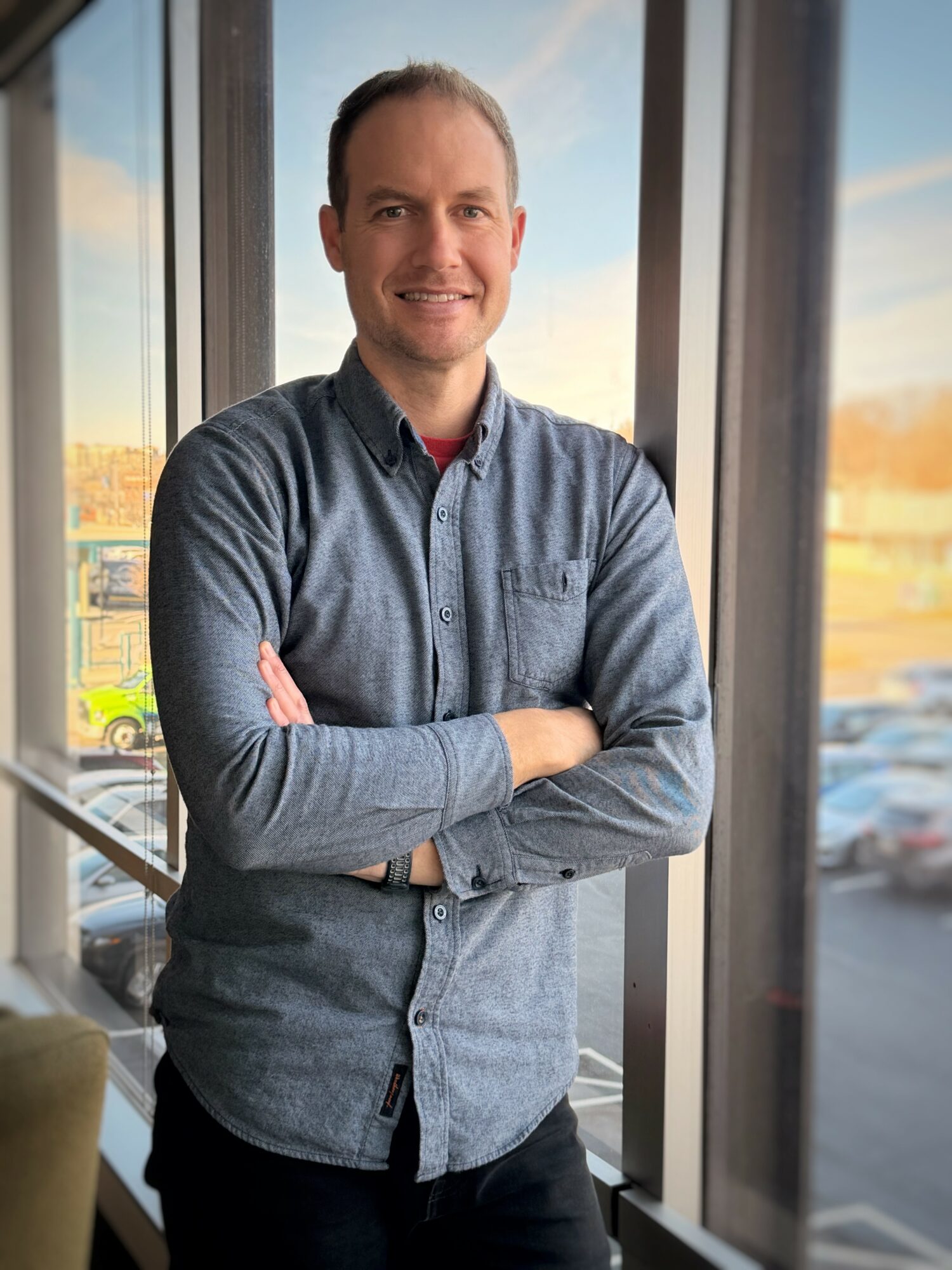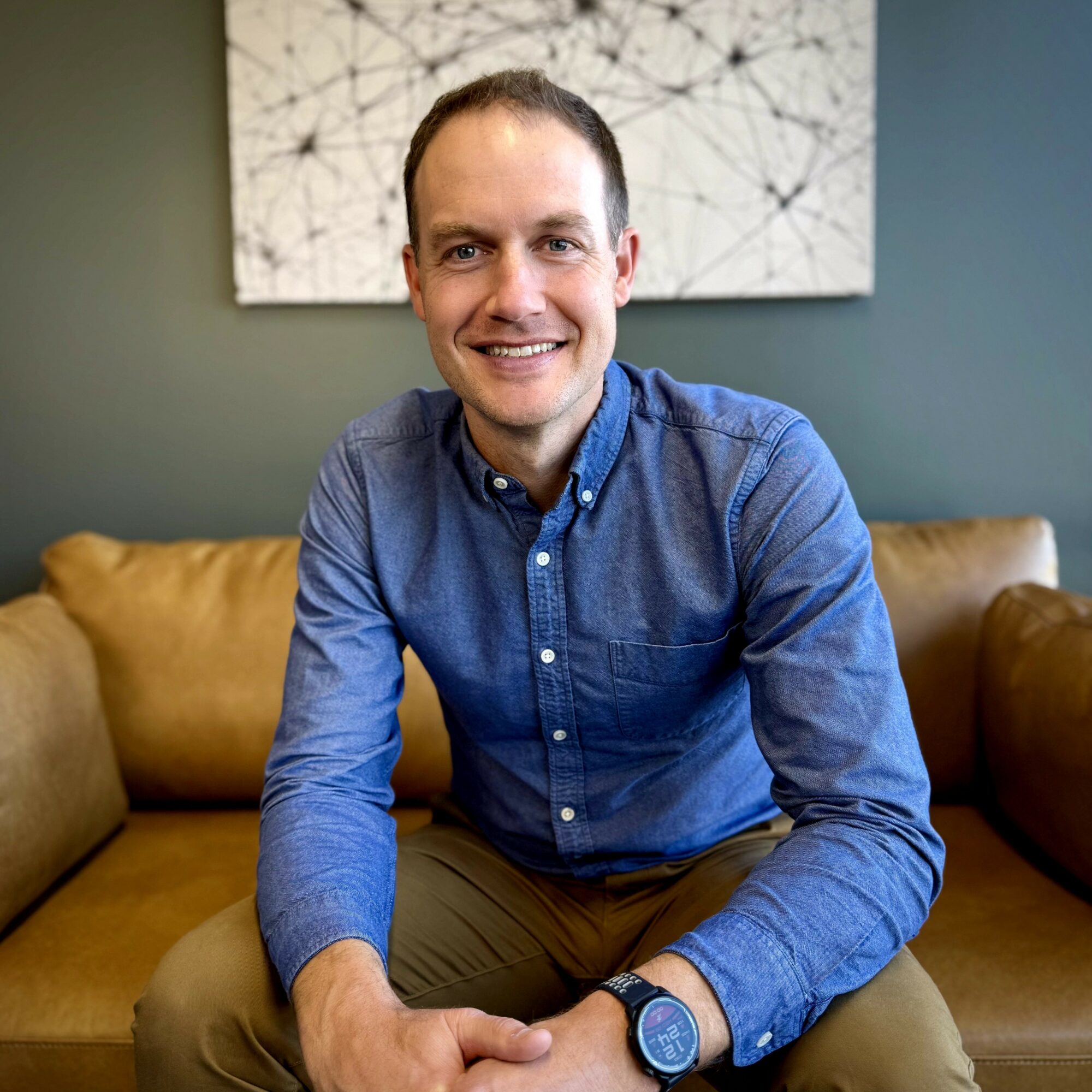





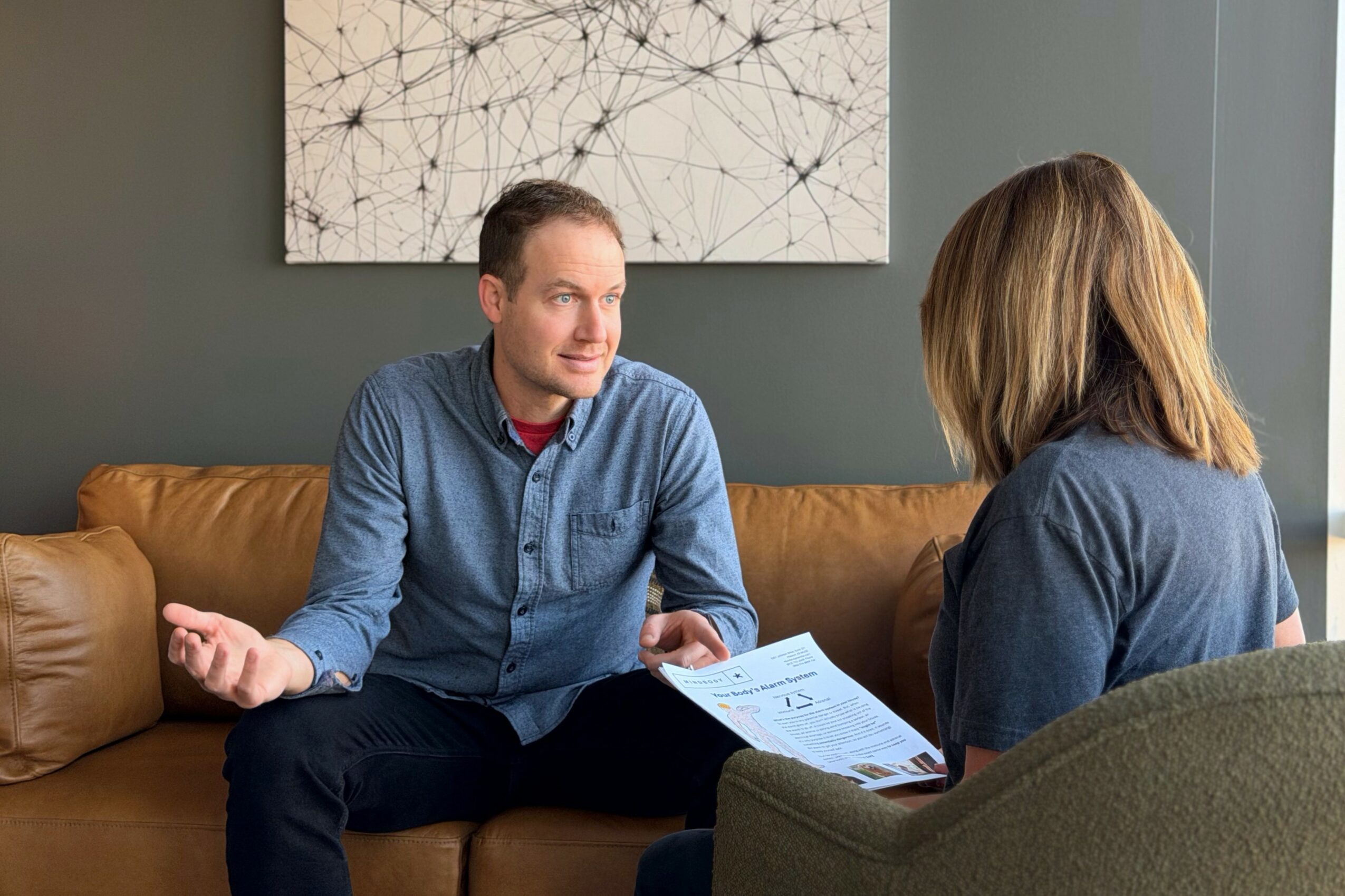
Today we’d like to introduce you to Ryan Morris.
Hi Ryan, thanks for sharing your story with us. To start, maybe you can tell our readers some of your backstory.
I’ve been a physical therapist in Kansas City since 2011 working in outpatient orthopedics. I got into the profession to help reduce patients suffering from pain and restore a life they desired to live. Unfortunately, like many healthcare professionals realize the longer they practice, there is a subset of patients who didn’t seem to respond to the body-specific treatments we are taught. So I’d ask myself, “Others seem to get better with these techniques, why didn’t they?” So this started me on a journey, a quest, to learn everything I could about pain. What is pain? Why is it part of the human experience? What purpose does it serve? Why do some people recover after an injury, yet 1 in 4 people don’t and pain continues beyond the expected healing time for the tissues in our body and becomes chronic? To do this meant I had to call out my own academic and ego bullshit and call into question my deeply held beliefs and paradigm around the process of pain that I had spent so much time and money learning about while getting my doctorate in physical therapy. It was uncomfortable changing my perception of pain. Our brain’s don’t like making paradigm shifts because you’re moving into a new place (concept/understanding) that’s unfamiliar and our brain doesn’t like that. Rather it likes familiarity, even if what’s familiar is wrong or isn’t working. So I spent the next 10 years learning and researching everything about pain. I even spent 6 months getting certified as a Therapeutic Pain Specialist which believed you just teach patients about pain and their pain will improve, but it turns out, just educating patients about pain neuroscience and how pain works doesn’t move the needle much in regards to pain relief. So I felt stuck. I didn’t know how to help these people. I eventually ended up learning about Pain Reprocessing Therapy a few years ago from a patient I was treating with Complex Regional Pain Syndrome. The researchers had just published a landmark study, The Boulder Back Pain study, a randomized-control study (gold standard in medical research) looking at patients who’d been experiencing pain on average for 10 years. The group who received 8 sessions of Pain Reprocessing Therapy saw 67% of them have complete resolution or near resolution (1/10 pain) after 4 weeks compared to 20% in placebo group and 10% in usual care group. This was amazing because no chronic pain research has participants fully recover from pain, but they did. And what’s amazing, their explanation for this improvement was supported by 30+ years of pain neuroscience research. Also, at 1 year follow-up, participants remained pain free and at the 5 year follow-up 55% still had full or nearly full resolution. The research supports the idea that changing a patient’s perception of their pain from a state of fear/danger/threat to one of safety, calms down their danger alarm neural circuits in the brain (yes I said brain and no their pain is not “all in their head”, their pain is real and felt in the body but the driving mechanism with chronic pain resides in an overprotective nervous system) and their nervous system rewires itself out of pain. I started applying it to my patients (when applicable and indicated) and was seeing better results compared to anything I had done the 12 years prior for chronic pain. This persuaded me to go out and start my own practice, MindBody Physical Therapy & Pain Reprocessing, that specializes to help those suffering from chronic pain recover and get back to living the life they deserve to live. This is often an underserved population with little hope and healthcare providers feel stuck and don’t know what to do to help them. That is why I am here doing this work, to provide light when hope had faded because people are now fully recovering from years of chronic symptoms using these mind-body therapies.
Would you say it’s been a smooth road, and if not what are some of the biggest challenges you’ve faced along the way?
It’s had it’s challenges for sure. All I did was physical therapy for 14 years. That’s it. Simple and straightforward. That’s all I knew. So I was starting from scratch learning about starting a business, getting a new state license, learning marketing and social media strategies, accounting, electronic medial records, healthcare attorneys, renting space, opening bank accounts and credit cards. I knew nothing about any of that stuff. And having 2 kids, wife, and a full time job leaves little time to get deep into all of it. But I knew it wouldn’t be easy, as the adage goes, or everyone would do it. You really have to put yourself out there, vulnerable to failure, which comes with a fair dose of anxiety, sleepless nights, patience, and big emotions. It’s not for the faint of heart, that’s for sure.
Thanks – so what else should our readers know about your work and what you’re currently focused on?
My business is called MindBody Physical Therapy & Pain Reprocessing. What separates me from others in the physical therapy world are the first and last parts “MindBody” and “Pain Reprocessing”. I purposefully didn’t separate the two for my name because, as humans, you cannot disconnect the mind and body as 2 separate entities. Unfortunately, modern medicine/healthcare applies a dualistic framework that separates pain as either from the body (“physical pain”…something is damaged and needs fixing from PT, chiro, surgeon, etc) or of the mind (“emotional pain”…need to see a therapist). This is far too narrow-minded and oversimplified and this thinking is a perfect recipe for increasing the risk of developing chronic pain. It’s not an either or scenario. We know the mind and the body affect each other. When a kid is nervous, they get a tummy ache. When I (and many others) get overwhelmed and stressed, I get neck pain and a headache. Those physical symptoms aren’t due to an injury in the body, it’s our brain’s way of communicating (via real physical pain/sensations) that we need to do make a change (take deep breaths, go for a walk, set boundaries, etc) in order to keep ourself safe (mentally, emotionally, or physically).
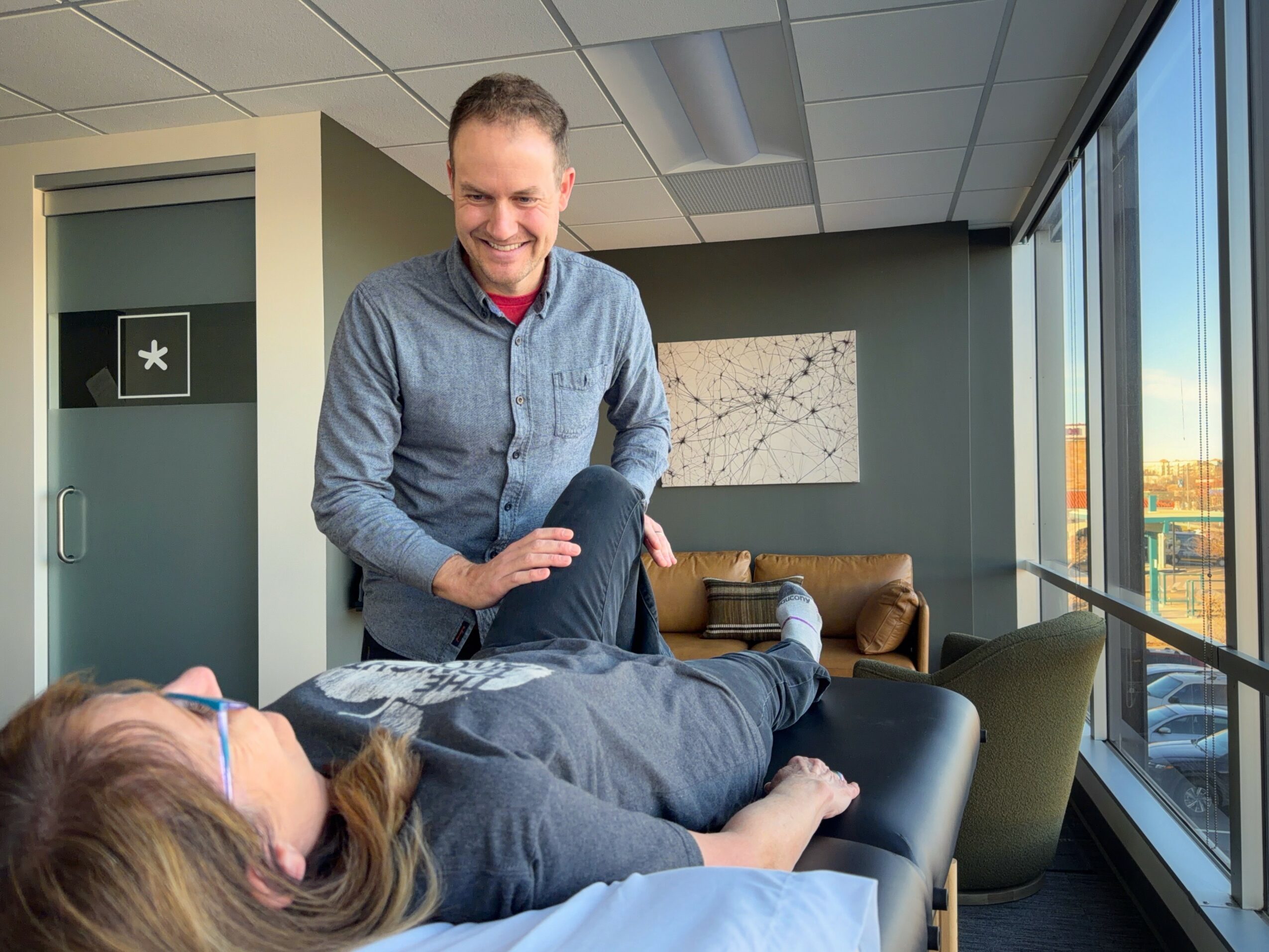
So my approach to chronic pain, is to first to rule out serious pathology (cancer, fracture, infections, etc) and then listen to how the patient’s symptoms are behaving. I’m looking for specific characteristics and patterns that would inform me that their pain experience is being driven by adaptations in their nervous system (i.e. the body’s alarm system) termed Neuroplastic pain, which still creates real physical pain, but it’s not due to a physical injury. Physical injuries act/behave in a specific manner. Neuroplastic pain (chronic pain) behaves in a different specific manner. My job is to listen, ask questions, and figure out what the driving source for their chronic pain is. If there’s an injury with a known mechanism, we do physical therapy to help the healing process. Most in my field are very good and capable in these situations. It’s what we trained for. If symptoms are behaving like Neuroplastic pain, with the patient’s permission, then we can move forward with Pain Reprocessing Therapy. And this is what sets me apart from other body-trained practitioners. They assume most all pain is due to a physical cause and they search out how to “fix it”. And no hate, that’s what we were trained to believe about pain. And there is a time and place for those treatments, but not every physical pain and symptom is due to an injury, but that’s often what healthcare providers and patients assume. I stay open minded, remain aware of my biases, and try to figure out what’s caused their body’s alarm system to go off in the first place and explore with the patient why it has continued to go off for so long.
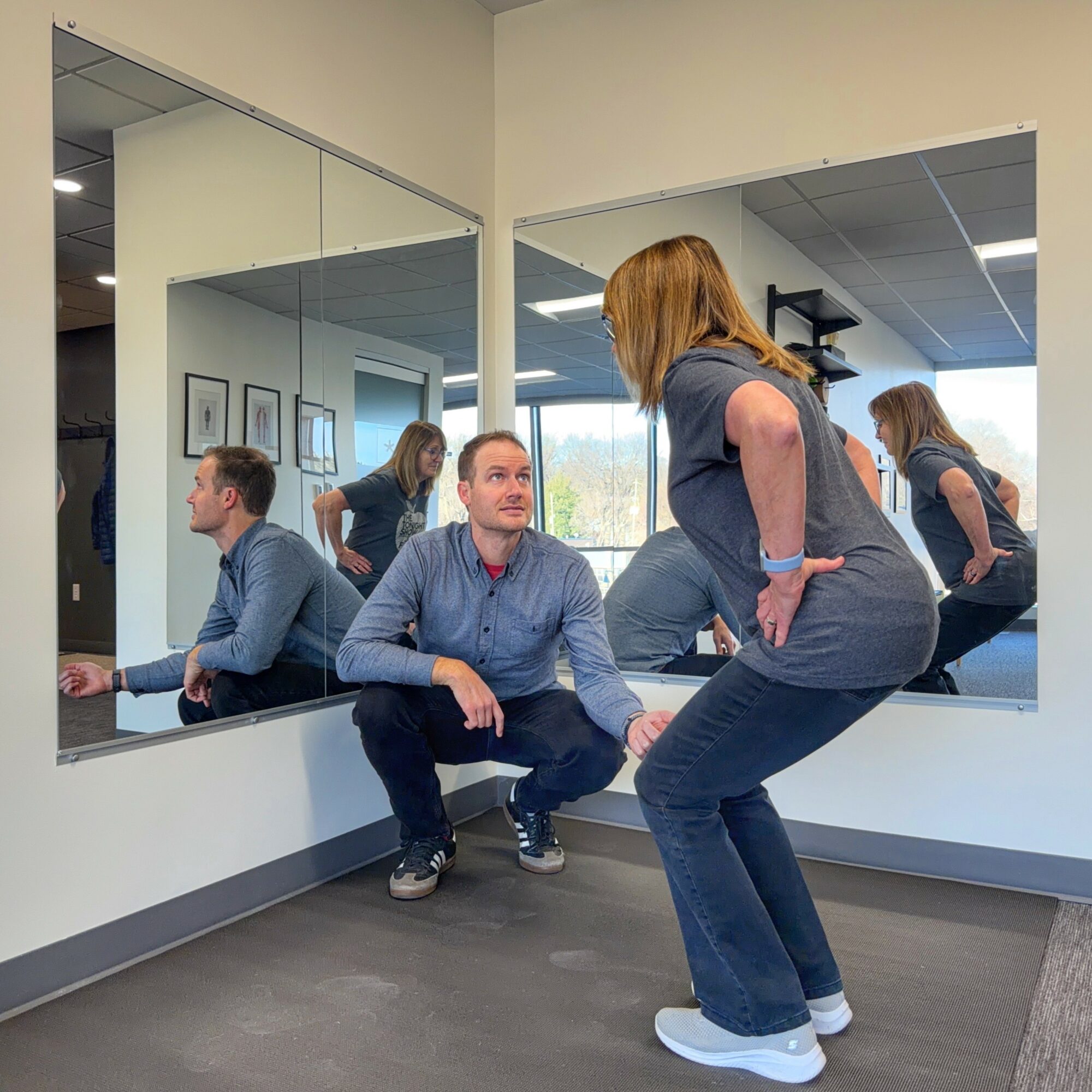
Once tissue injury and serious pathology has been ruled out and pain presents as neuroplastic pain (which the vast majority of chronic pain is), Pain Reprocessing Therapy aims to then change a patient’s perception and relationship to the pain from one of fear/danger to one of safety by using a mindfulness approach, which we call Somatic Tracking, reinforcing cues of safety around their symptoms. Then we begin a graded exposure program back to the movements and activities that have been painful and limited for so long which changes the pain neural circuits in the brain as the patient begins to perceive less fear around their pain and starts to feel safe again in their body. When you take the fear away, you starve the pain of it’s fuel source and pain gradually goes away.
I almost exclusively see patients with chronic pain. There’s few places in Kansas City that have a business model structured around treating chronic pain. But it’s my passion. It’s my love. I want my patients to know they are not alone and that modern pain science research is showing you can adapt and improve from your chronic pain. Nobody is talking about this. It’s time to get the word out.
What’s next?
In the next 5 years I’d like build a practice with enough space for mindbody trained physical therapists to work alongside mental health therapists to create a comprehensive approach to a patient’s chronic pain experience and recovery. There’s so much overlap between these 2 fields as it relates to pain but often these areas typically work solely in their area of expertise, which creates a huge gap for successfully treating chronic pain.
Pricing:
- 15 minute consultation – free
- Initial evaluation – $175 (60 minutes)
- Follow-up visits – $150 (50 minutes)
Contact Info:
- Website: mindbodyptandpr.com
- Instagram: https://www.instagram.com/mindbodyptandpr/
- Facebook: https://www.facebook.com/profile.php?id=61584531232162
- Youtube: https://www.youtube.com/@MindBodyPTandPR