Today we’d like to introduce you to Jared Anders.
Hi Jared, it’s an honor to have you on the platform. Thanks for taking the time to share your story with us – to start maybe you can share some of your backstory with our readers?
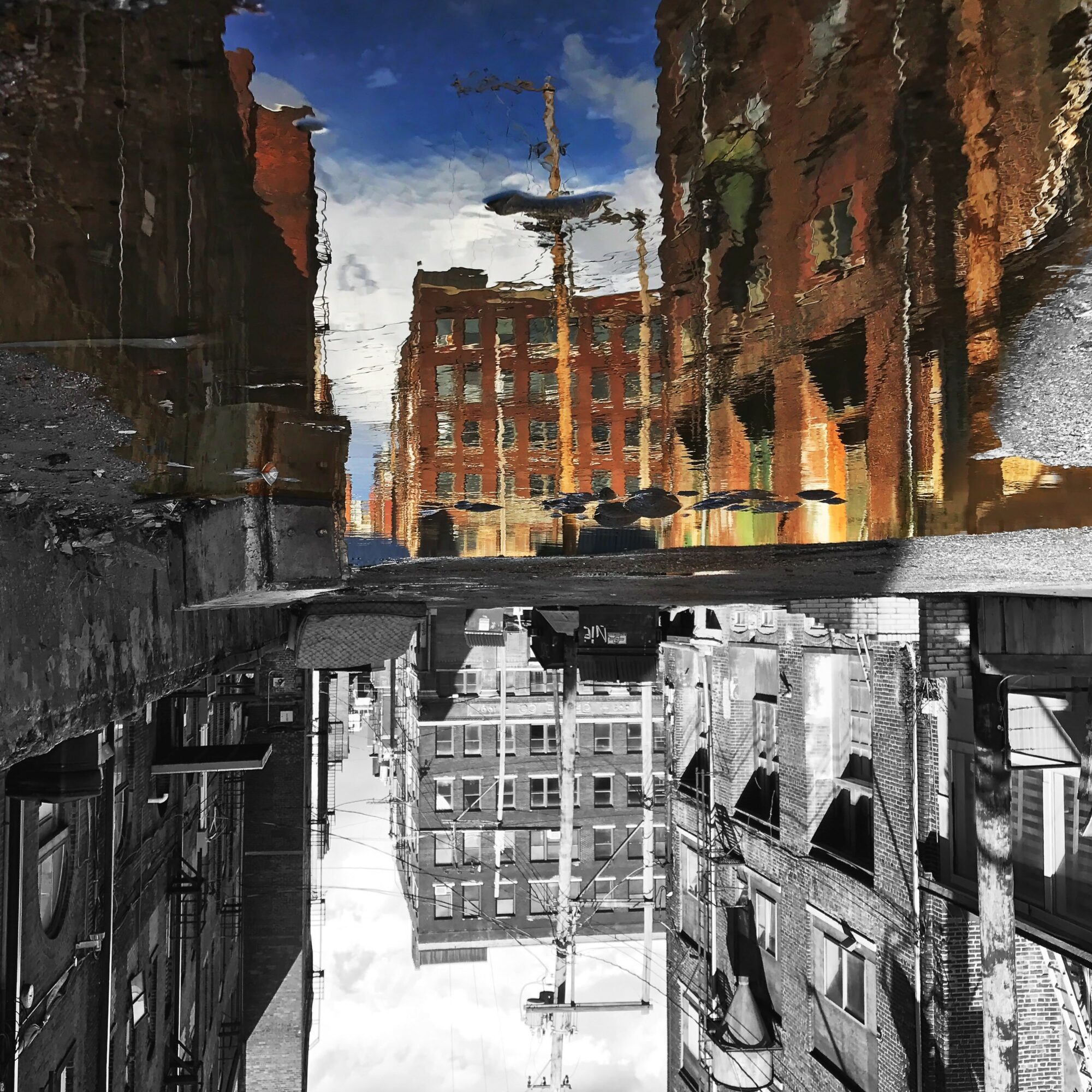
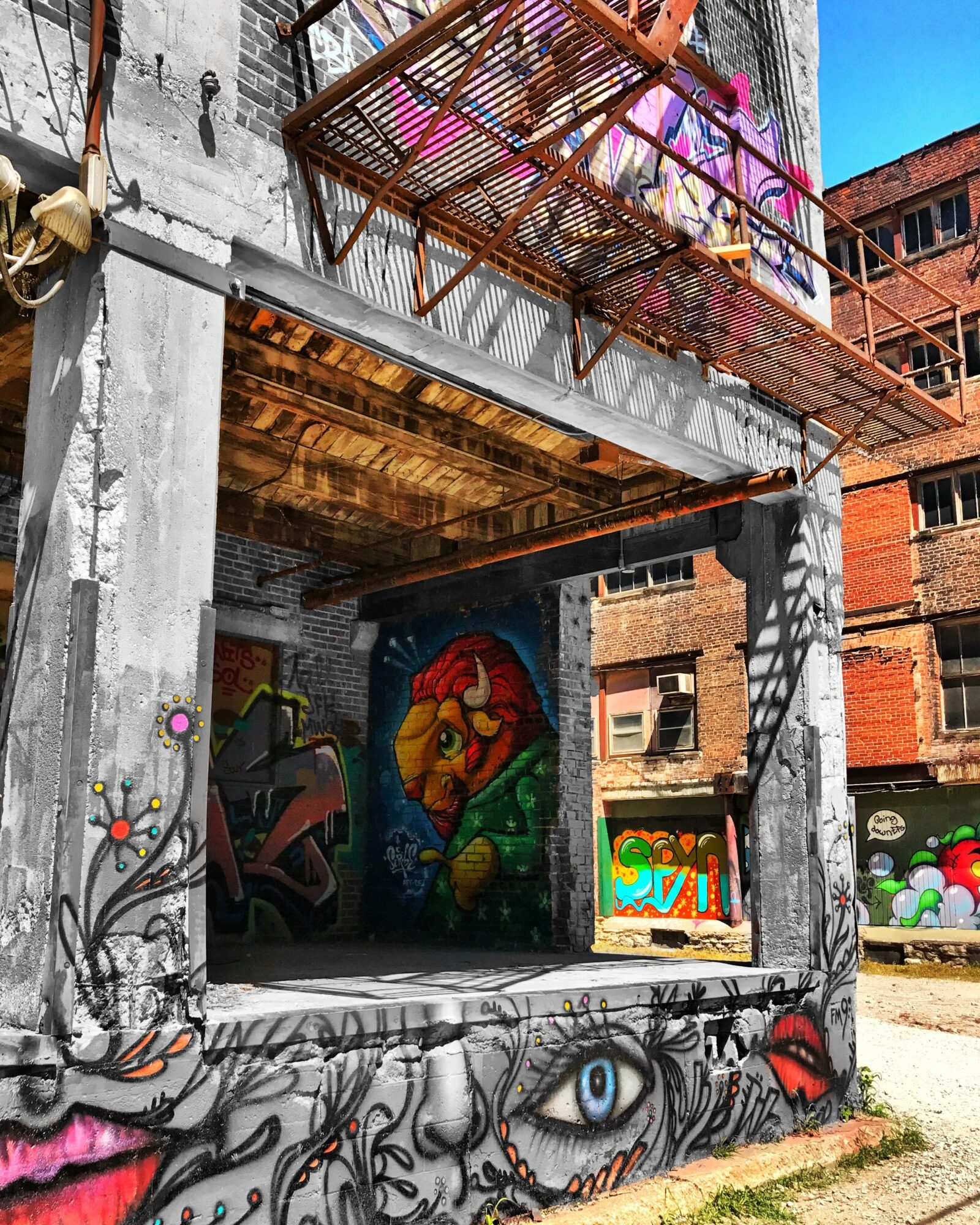
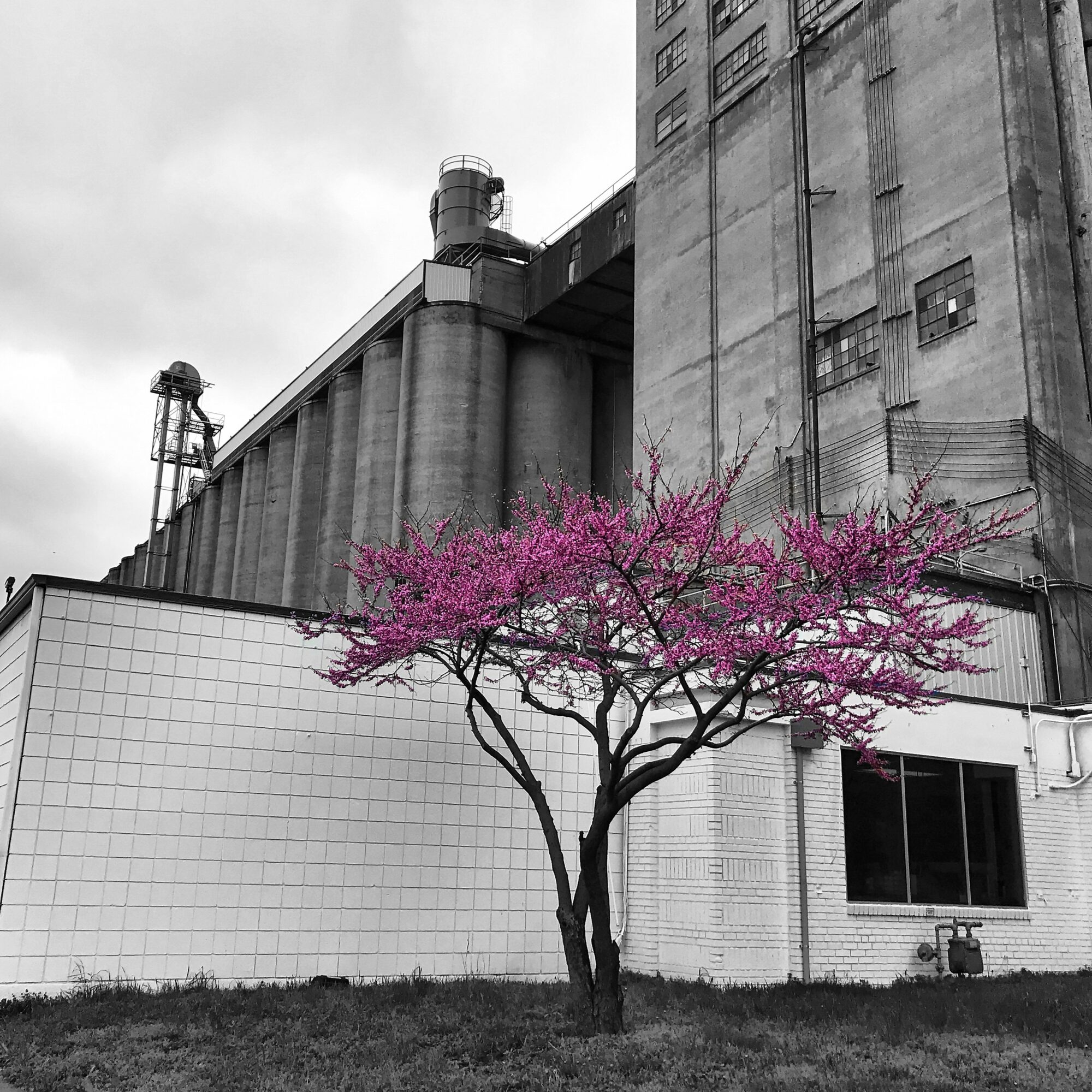
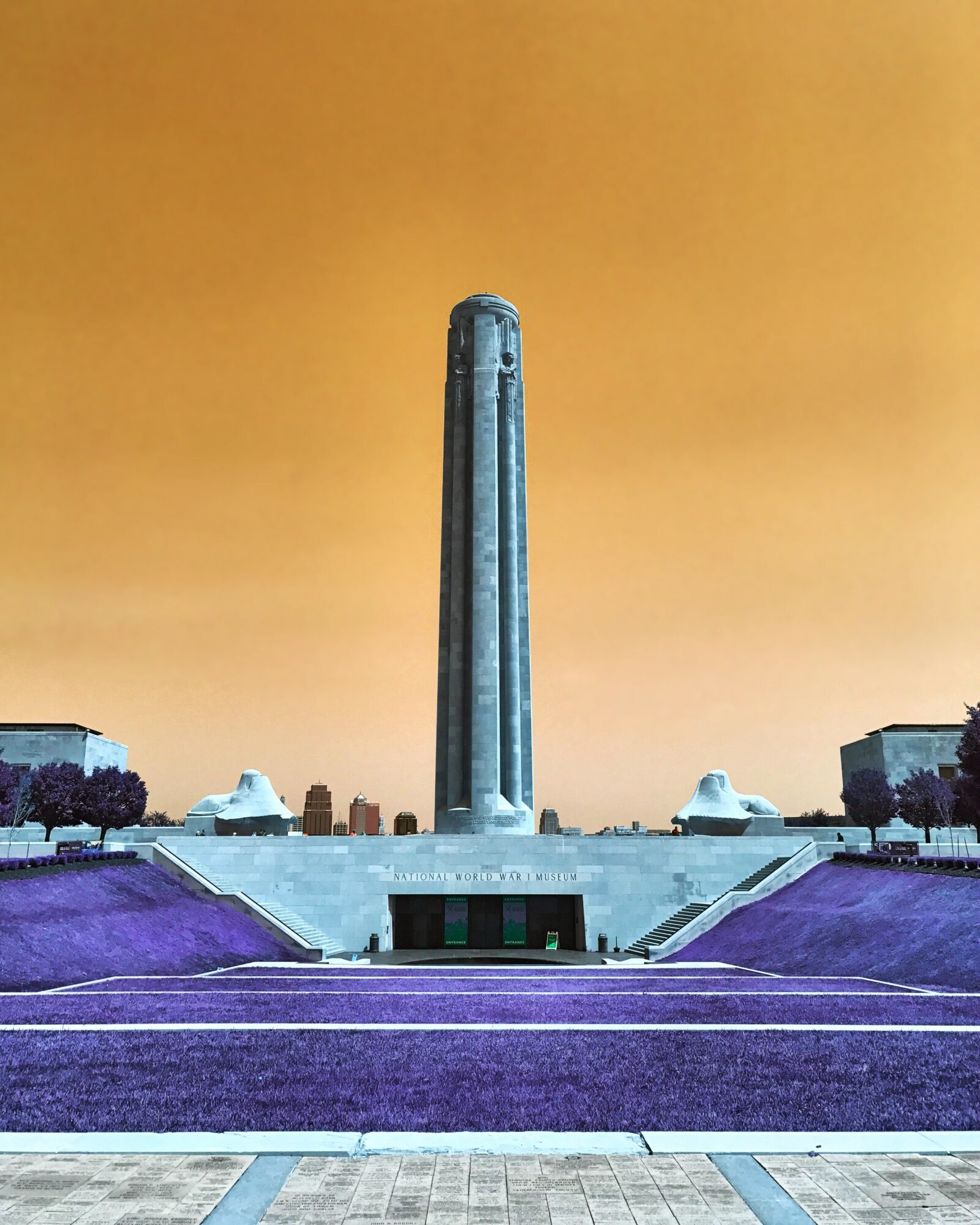
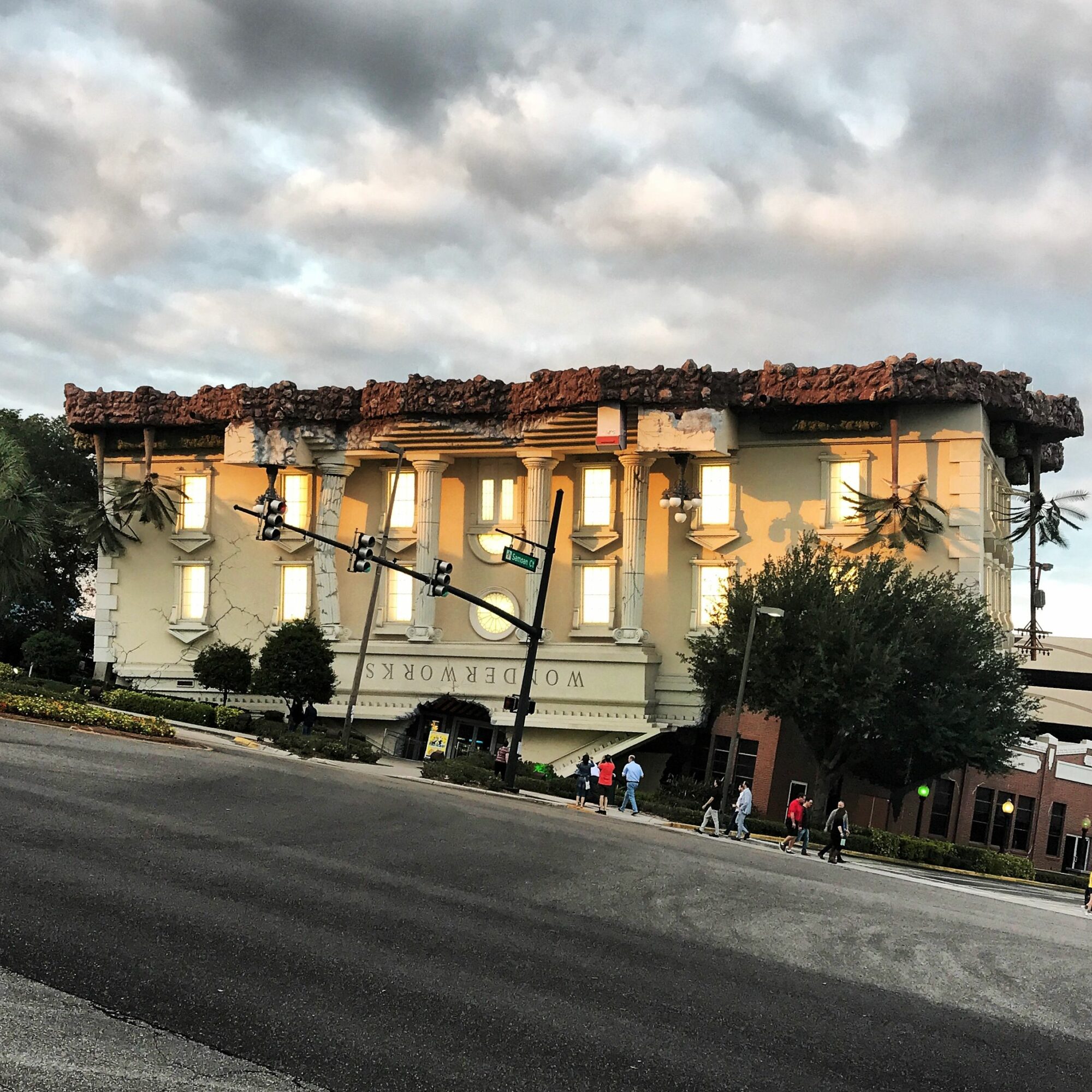
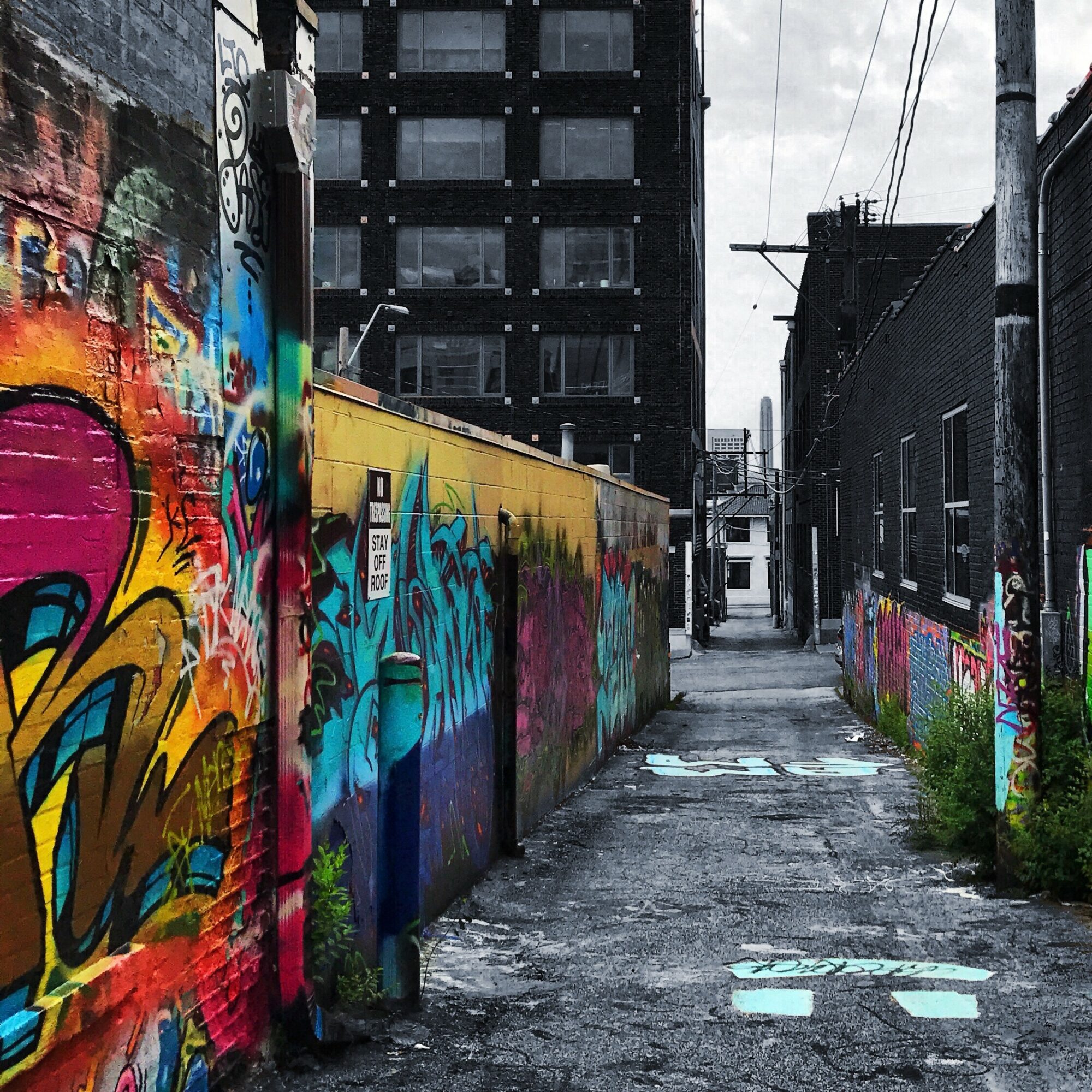
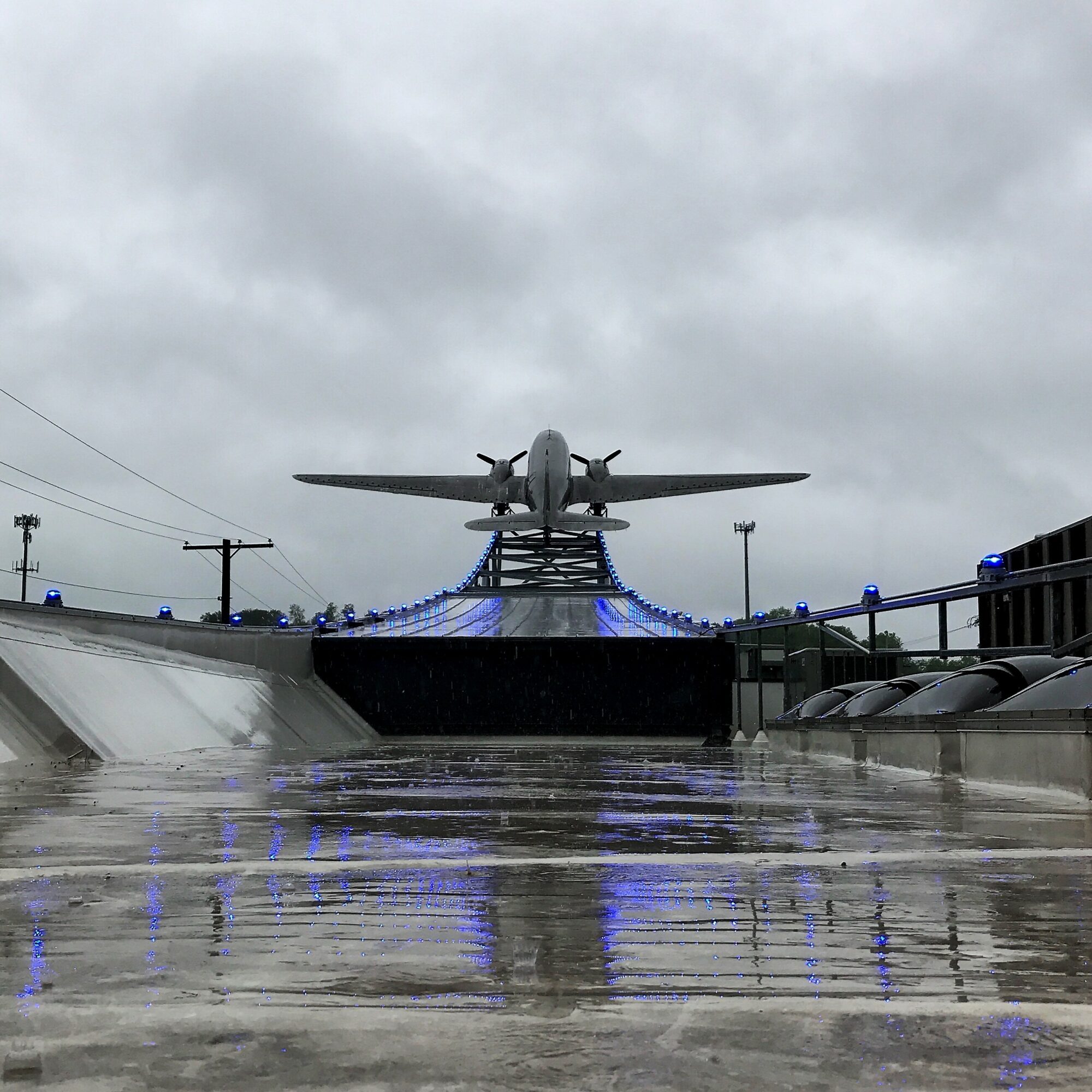
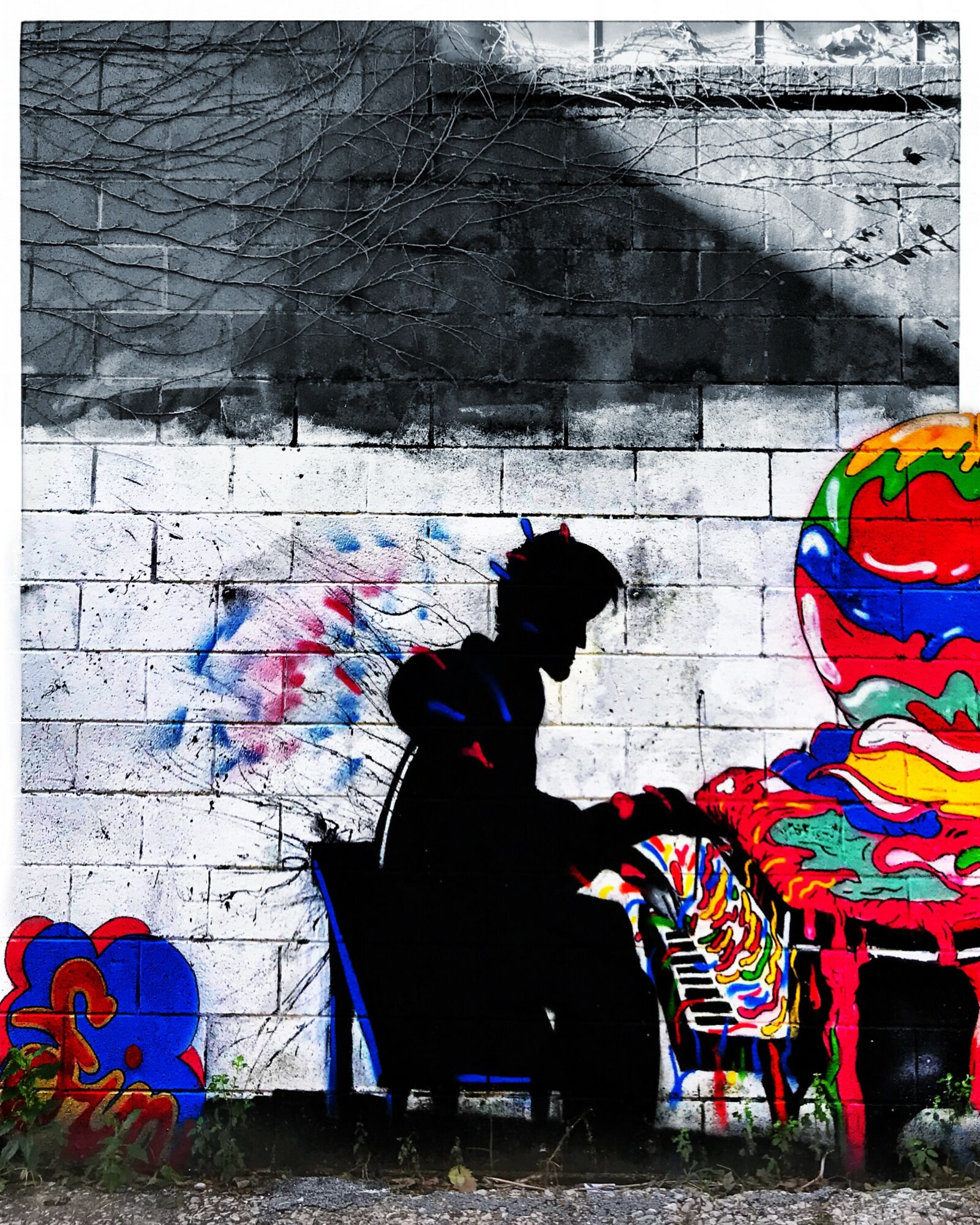
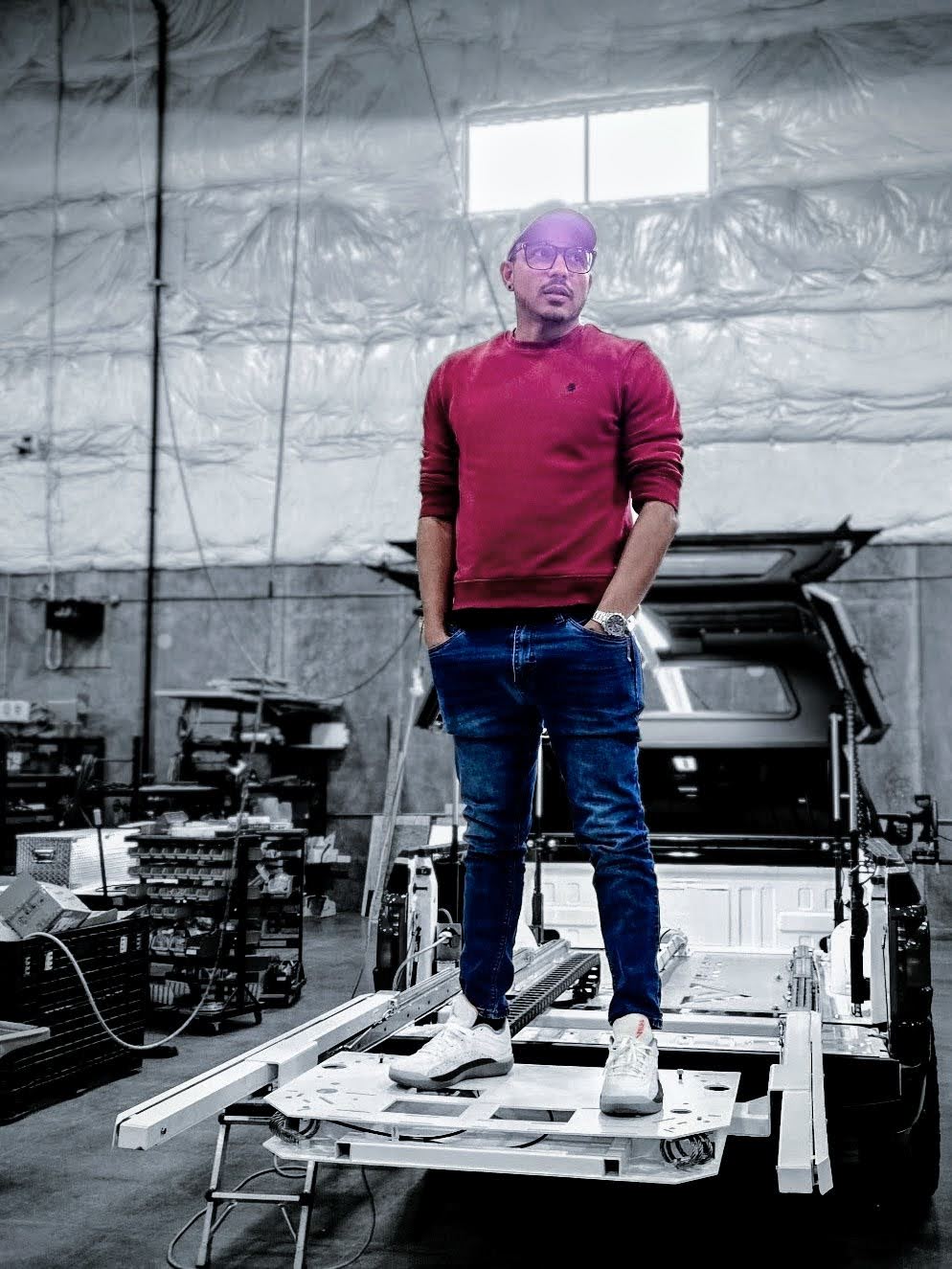
I started andersvisual in 2016, originally as a place to share drone photography and video. Consumer drones still felt new at the time, and I was fascinated by the different perspectives a flying camera could capture. That interest eventually carried over to shooting urban environments with my phone. I began focusing on architecture, graffiti, public art, reflections, and old buildings. Editing became a part of the process that I fell in love with. I would increased saturation and contrast, emphasized reflections, created selective-color effects, and sometimes completely recolored the main subject. I loved being able to stylize a photo to the point where the actual subject is unrecognizable. It made my art feel unique.
My engineering background also influenced the work. I naturally rely on perspective, alignment, symmetry, repetition, and strong leading lines. That created a contrast between orderly compositions and subjects that were often colorful, expressive, or worn down.
The account led to a few offers for paid work, but I gradually stopped posting as my career and family responsibilities grew. My last post was in January 2024. The account is still there, and I have considered revisiting old locations to see how the buildings, surroundings, and graffiti have changed.
We all face challenges, but looking back would you describe it as a relatively smooth road?
The main challenges were time, equipment, and maintaining creative momentum. I worked full-time while running the account, and later had a growing family, so photography had to compete with other priorities. Finding locations, taking photographs, editing, and maintaining an active account required more time than I had to spare.
I also worked with limited tools. Everything was photographed with smart phone or drone, and all editing was done through an app on my phone. Working on a small screen with limited editing controls could be frustrating, especially when making detailed color changes or isolating parts of an image. I know there are better tools available today, but I take pride in photos by hand, sometimes one-pixel at a time. Those limitations also shaped the style. I had to rely heavily on composition, experimentation, and learning how far I could push the tools I had.
The project also tended to become a hyperfocus. That helped me create a lot of work when I was engaged, but it was difficult to maintain consistently. Eventually, the biggest obstacle became simply having enough time and energy to keep posting.
Appreciate you sharing that. What else should we know about what you do?
Professionally, I work as a Solutions Architect in a role similar to a Product Engineer. I have a bachelor’s degree in mechanical engineering, an MBA, and more than ten years of experience in manufacturing and product design. My work includes designing custom mechanical components in CAD software, improving designs for manufacturability, creating technical drawings, supporting reverse-engineering and 3D-printing projects, and coordinating with vendors for fabrication.
I am often responsible for taking an idea and turning it into something that can actually be built. That mix of technical problem solving, design, and hands-on execution is probably what I am best known for.
Photography fits into that same broader interest in design, technology, and art. I would not call myself a professional photographer, but my engineering background clearly influences andersvisual. I naturally look for geometry, perspective, symmetry, alignment, and strong leading lines.
What sets me apart is the combination of analytical and creative thinking. I am most proud of being able to move between disciplines and turn ideas into useful, finished results, whether that is a mechanical design, a prototype, or an image. Left and right brained work.
We’d be interested to hear your thoughts on luck and what role, if any, you feel it’s played for you?
Timing played a large role. I became interested in drones when consumer aerial photography was still relatively new, and that technology was what first pushed me toward visual art.
There was also some luck in having accessible tools. An iPhone, a drone, and an editing app allowed me to experiment without needing professional camera equipment or software.
The account also benefited from the unpredictability of social media. A few images reached the right people and led to paid-work offers. I cannot claim that every opportunity came from careful planning, but luck still had to be supported by the time spent exploring, editing, and developing a style.
Contact Info:
- Instagram: https://www.instagram.com/andersvisual/