



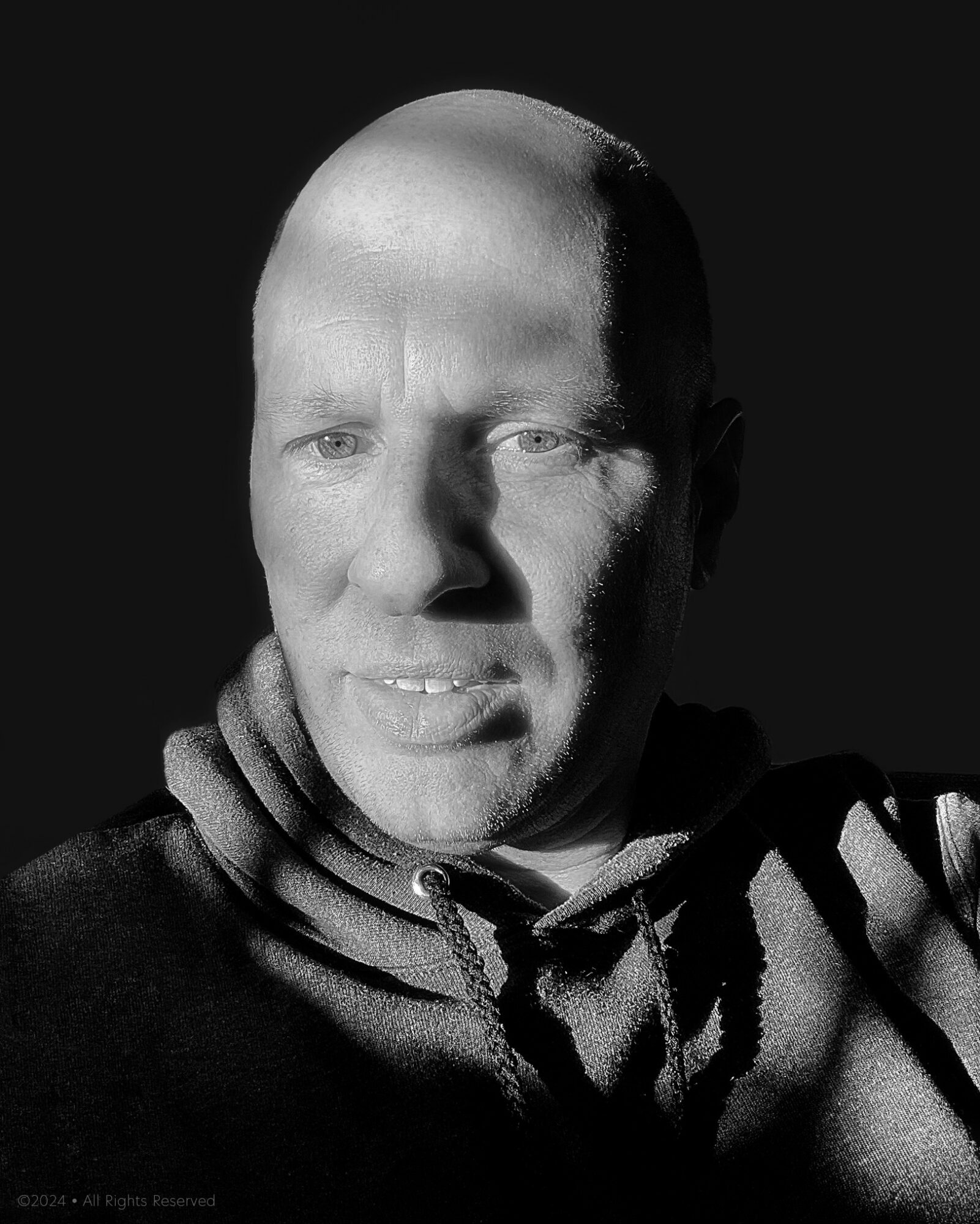
Today we’d like to introduce you to Craig Keene.
Hi Craig, we’re thrilled to have a chance to learn your story today. So, before we get into specifics, maybe you can briefly walk us through how you got to where you are today?
I’ve been framing the world for as long as I can remember. As a young boy—whether on family road trips, running errands around town, or simply sitting at home—I was constantly observing. I’d place my thumbs and index fingers together to form a frame, moving it through my surroundings in an effort to make sense of what I was seeing. I was always drawn to abstraction—lines, shapes, light, and how elements related to one another within a space.
I picked up my first real camera while attending UMKC in the ’90s, where I briefly experienced shooting film and working in a darkroom. Photography courses were limited, but the process left a lasting impression.
After college, photography took a back seat as I pursued writing comedy, eventually creating and operating a greeting-card business as a creative outlet. Once again, I found myself putting things into frames—this time on a computer, using words instead of my immediate surroundings. Writing taught me precision, restraint, and the discipline of editing, all of which later became foundational to my photographic work.
I came to photography later than some, but in hindsight, it feels less like a pivot and more like a continuation. Over time, I’ve learned to measure progress less by visibility or scale and more by creative growth—earned through repetition, self-discipline, and knowing when to step back and let the work breathe. That balance continues to guide how I work and how I see.
Would you say it’s been a smooth road, and if not what are some of the biggest challenges you’ve faced along the way?
I believe a life without struggle leaves little room for growth. The most challenging periods for me have come during transitions—when creative momentum slows, burnout sets in, or a direction no longer feels honest. Those moments bring uncertainty, and learning when to push forward versus when to recalibrate or abort has been one of the harder lessons.
My family has always supported my choices and my work, which has given me the freedom to take risks, reassess when needed, and keep moving forward without being paralyzed by fear.
Thanks – so what else should our readers know about your work and what you’re currently focused on?
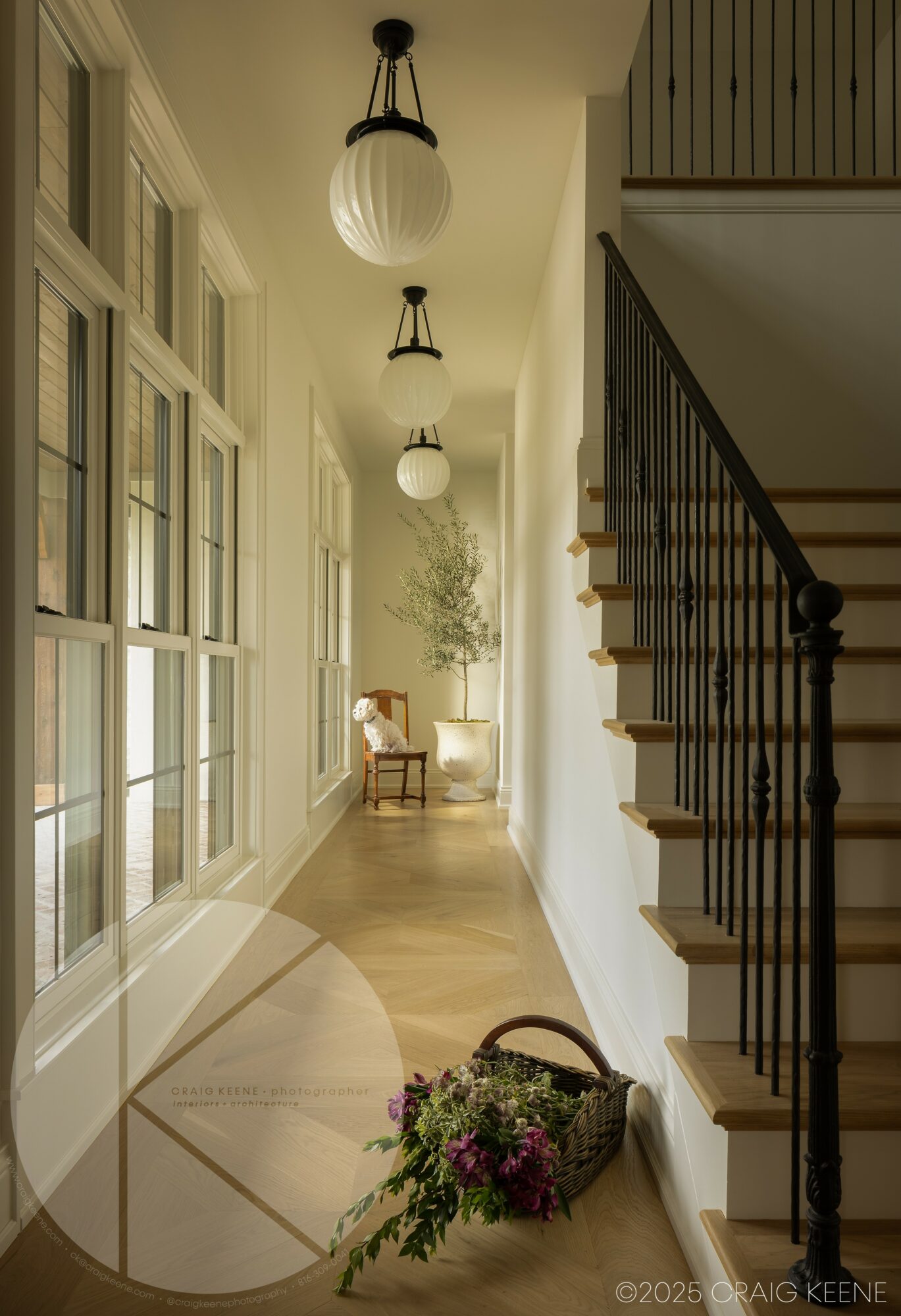
I work as an architectural and interiors photographer, primarily for designers, builders, and architects. I began by shooting real estate, but quickly realized I wanted to collaborate with professionals who have a deeper creative and personal investment in the final result.
Outside of client work, I spend time on an ongoing personal photo project titled Documenting KC, a growing archive I’ve been building since 2020. Rather than focusing on landmarks or spectacle, the imagery centers on the everyday streets, structures, and overlooked spaces I move through—quiet blocks, changing corners, familiar details. What began as a personal habit has evolved into a record of places in transition, less concerned with what the city is supposed to represent and more with what it actually looks like, right now.
What sets me apart is my point of view—shaped by experience and continually evolving over time. While every project is different, the challenge of my role remains the same: translating a client’s work into a clear visual language that aligns with their vision.
We love surprises, fun facts and unexpected stories. Is there something you can share that might surprise us?
Most people are surprised when I tell them I’m an introvert. For years, while supplementing my income as a writer, I worked in the restaurant industry, as a bartender, entertaining groups of people, large and small. I could do it well—but I learned quickly that those nights were draining rather than energizing.
Some people thrive in crowds; I don’t. I’m not anti-social—I’m unsocial. I value real conversation and connection, but I don’t need constant interaction to feel engaged. Quiet isn’t absence for me; it’s where things come back into focus.
That solitude is essential to my creative work and how I solve problems. It’s where ideas organize themselves and where I do my clearest thinking.
Contact Info:
- Website: https://www.craigkeene.com/
- Instagram: @craigkeenephotography
- Other: https://www.craigkeene.art/