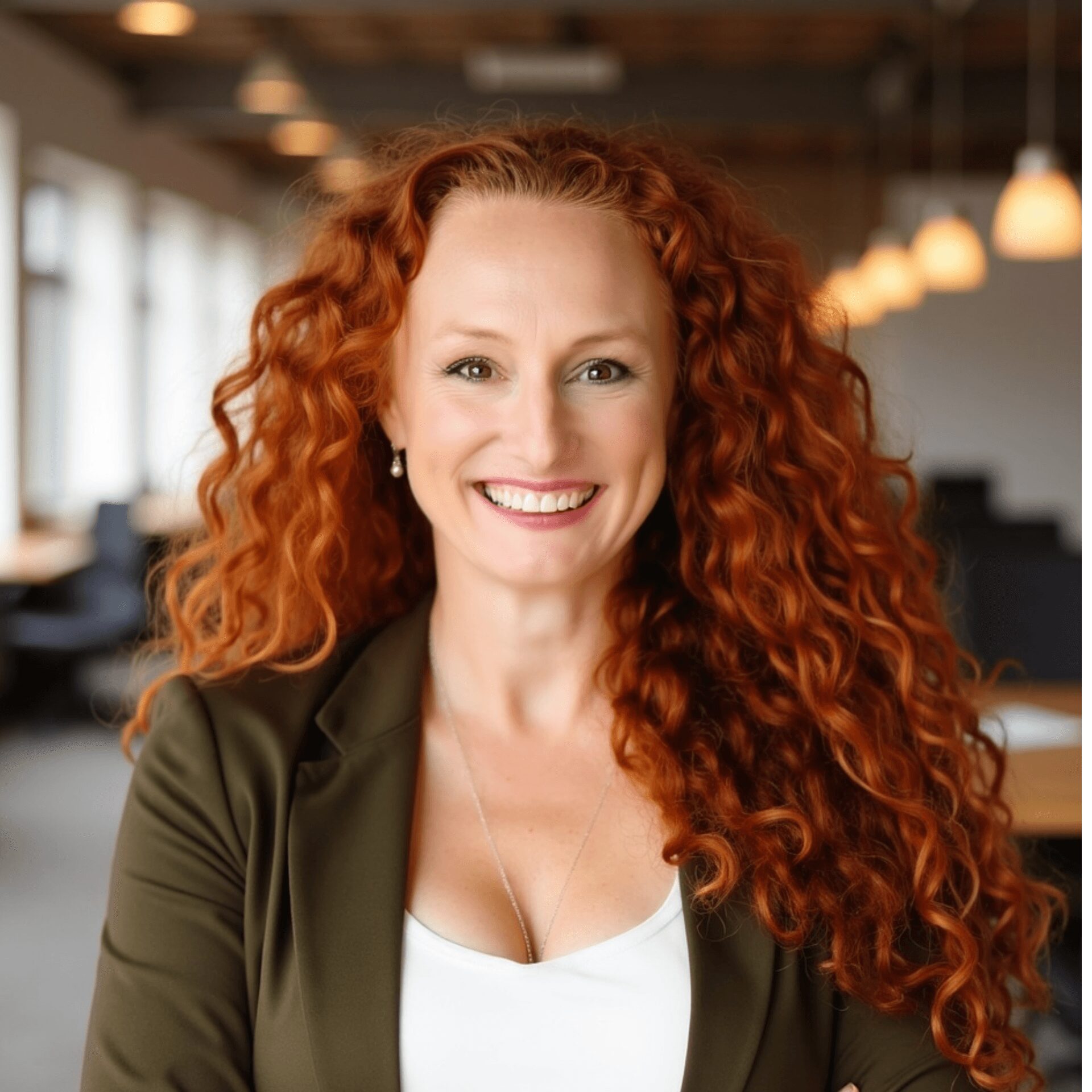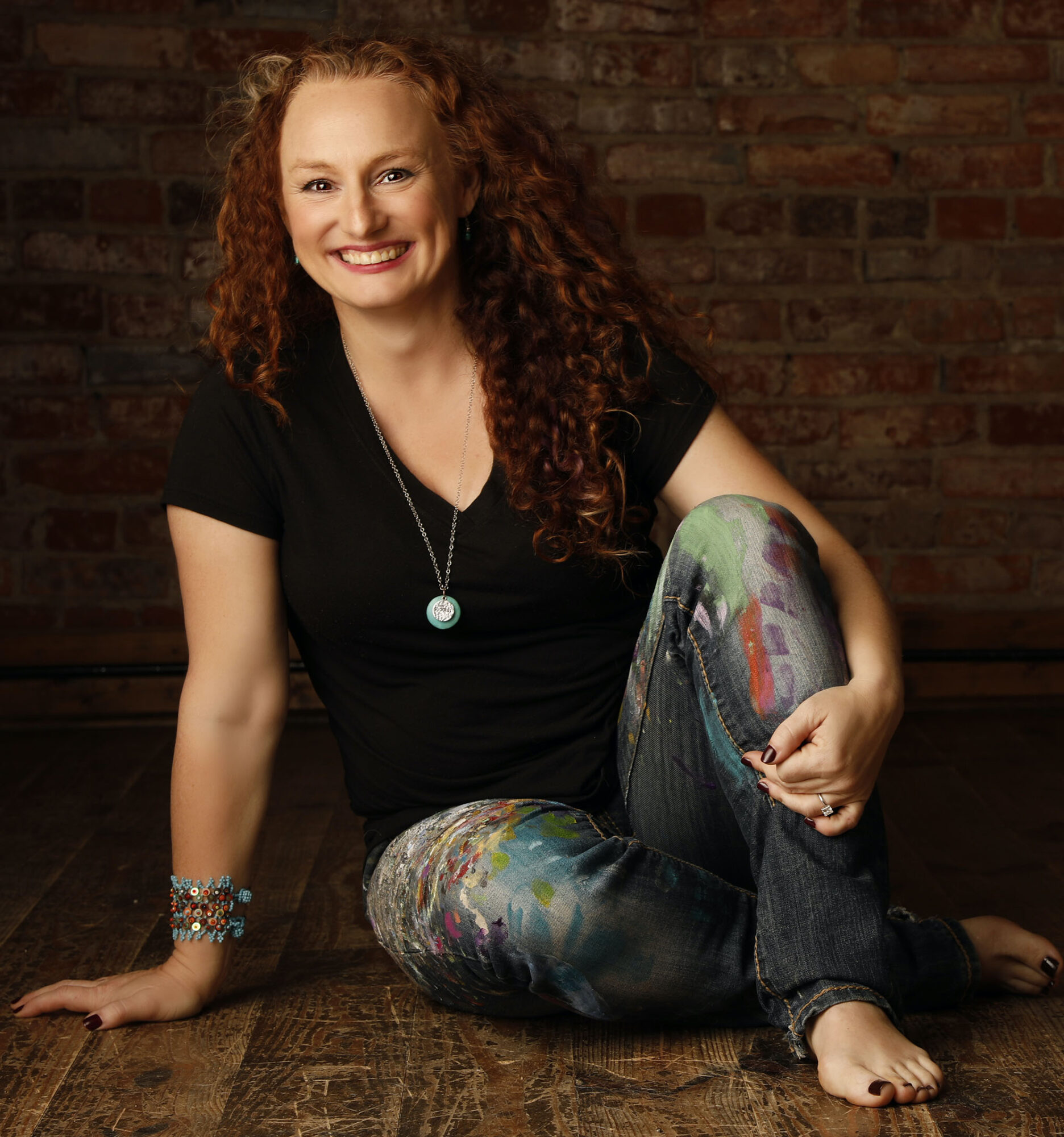
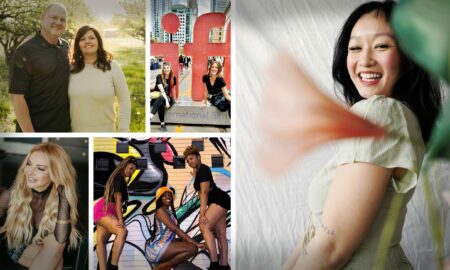



Today we’d like to introduce you to Anastacia Drake.
Alright, so thank you so much for sharing your story and insight with our readers. To kick things off, can you tell us a bit about how you got started?
I’ve always been creative, but I didn’t grow up with a clear roadmap for what an art career could actually look like. Like a lot of artists, I discovered early on that creativity was how I processed the world, and it became a constant thread through my life. As I got older, that creative instinct evolved into a professional path—one that included exhibitions, residencies, public art, and eventually teaching and mentoring other artists.
Along the way, I realized something important: being a working artist isn’t just about making good work. It’s about learning how to navigate the business side—visibility, relationships, pricing, and sustainability. That realization is what shifted my identity from “artist” to creative entrepreneur. I became deeply interested not just in making art, but in building a career that could support a life.
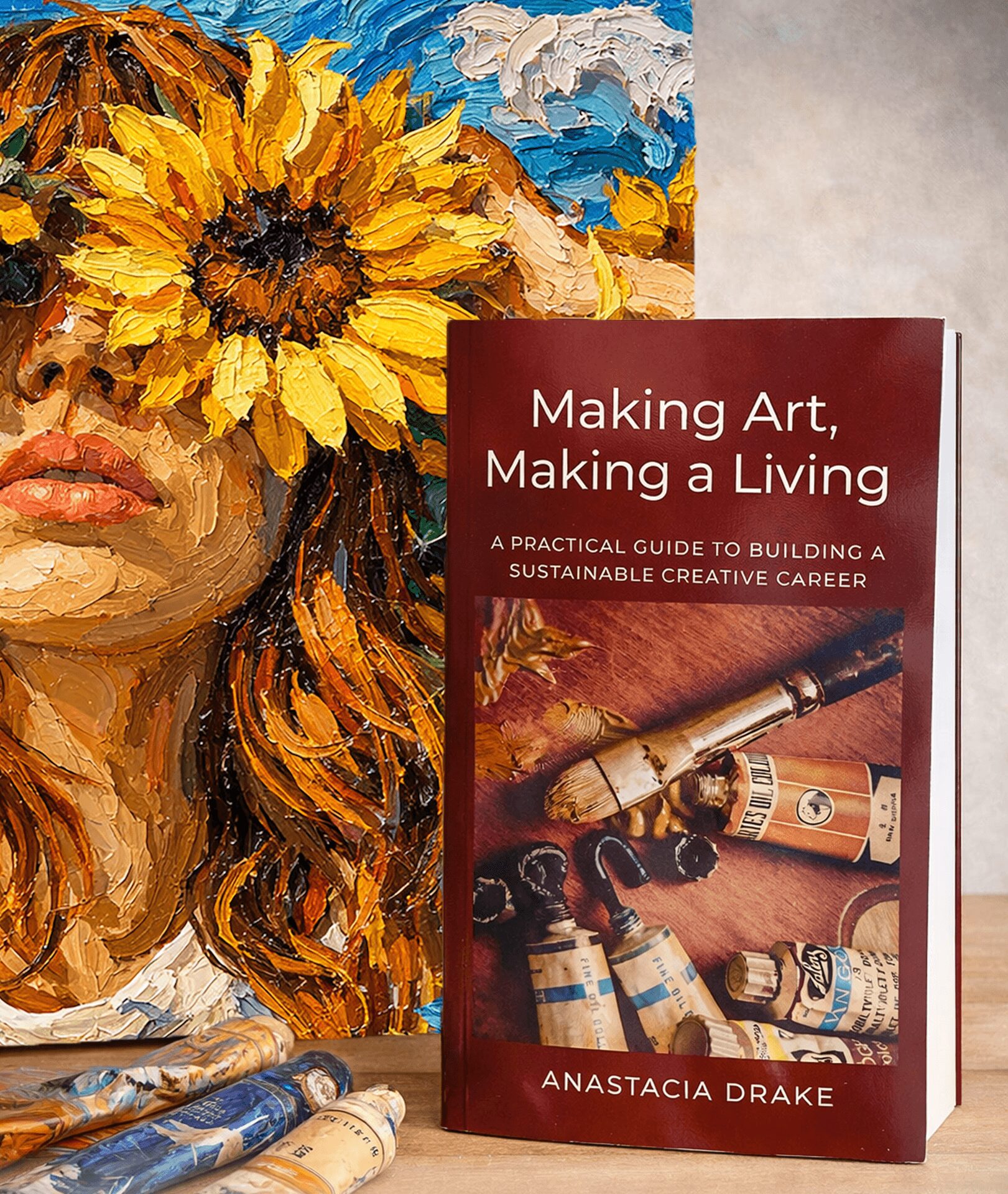
Over the years, I watched so many talented artists struggle—not because they lacked skill or passion, but because they didn’t have access to clear, practical guidance. I also saw artists being taken advantage of, undervaluing their work, or burning out trying to figure everything out alone. That frustration became the seed for my book. I wanted to create the resource I wish more artists had: something honest, empowering, and grounded in real experience.
Today, my work sits at the intersection of creating, teaching, and advocating for artists. I still make art, but I also speak, write, and develop tools that help artists build sustainable careers on their own terms. At its core, my journey has been about turning creativity into something not just expressive, but sustainable—and helping other artists realize they can do the same.
Alright, so let’s dig a little deeper into the story – has it been an easy path overall and if not, what were the challenges you’ve had to overcome?
It definitely hasn’t been a smooth road—and honestly, I don’t think it is for most artists. The creative path is rarely linear. There have been seasons of momentum and visibility, and there have been seasons that felt slow, uncertain, or financially stressful.
One of the biggest challenges early on was figuring out the business side of being an artist. No one really teaches you how to price your work, talk about it, or build sustainable income streams. Like many artists, I had to learn through trial and error—sometimes underpricing, sometimes saying yes to opportunities that weren’t the right fit, and sometimes just trying to do everything myself.
Another challenge has been balancing creativity with the realities of running a business. When you’re an artist, you’re not just creating—you’re also the marketer, the administrator, the salesperson, and the strategist. That can be overwhelming, especially when you’re also trying to protect the time and mental space needed to actually make the work.
There have also been moments of doubt—questioning whether I was on the right path or if the effort would pay off. But those experiences ended up shaping how I approach my career now. They taught me the importance of boundaries, systems, and building multiple income streams so the business feels stable rather than fragile.
In many ways, those struggles are exactly why I wrote my book. I wanted to make the path a little clearer for other artists, so they don’t have to learn everything the hard way. The road hasn’t been smooth, but it’s been meaningful—and every challenge has contributed to the perspective I have today.
As you know, we’re big fans of you and your work. For our readers who might not be as familiar what can you tell them about what you do?
I’m a visual artist, educator, and creative entrepreneur. My work spans studio painting, public art, and teaching, but at the heart of everything I do is helping people connect—to art, to ideas, and to their own creativity.
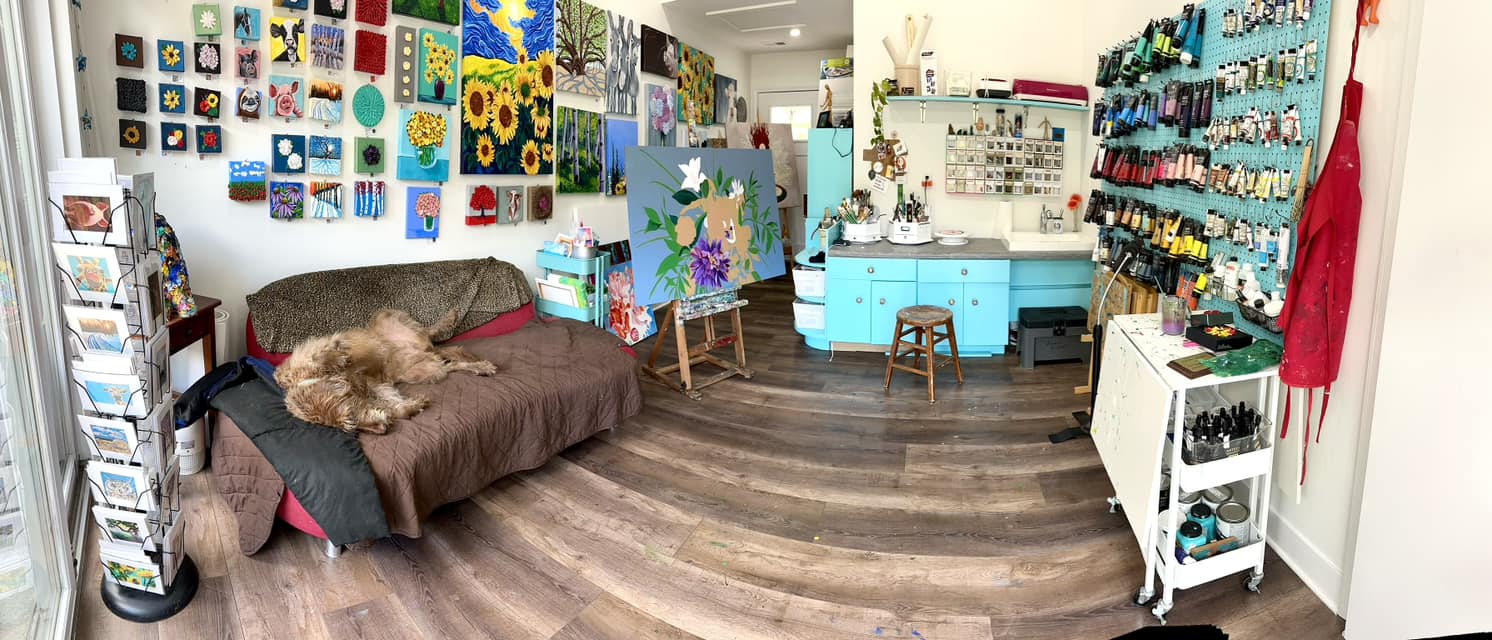
Artistically, I’m known for my vibrant, textured paintings inspired by nature, movement, and emotion. My work often explores themes of growth, resilience, and transformation, and I love creating pieces that bring energy and a sense of life into a space. I’ve been fortunate to exhibit widely, complete public art projects, and work with collectors and communities in ways that feel both meaningful and collaborative.
Alongside my studio practice, I specialize in art career education—teaching artists how to navigate the business side of their work. Over the years, I’ve seen how many talented artists struggle not because of their skill, but because they were never taught how to build a sustainable career. That realization led me to write my book, which breaks down art marketing, income streams, and professional practices in a way that’s practical and accessible.
What I’m most proud of is the impact—whether it’s a collector telling me a painting changed how their space feels, a student gaining confidence, or an artist saying they finally understand how to move forward in their career. Those moments matter more to me than any single achievement.
What sets me apart is that I live in both worlds at once. I’m not just teaching theory—I’m actively building and running an art business myself. That perspective allows me to share strategies that are grounded in real experience, not just ideas. My approach is practical, transparent, and rooted in the belief that artists deserve both creative fulfillment and financial sustainability.
How do you define success?
Success has evolved for me over time. Early on, I probably defined it the way many artists do—exhibitions, recognition, sales, and external validation. And those things can absolutely be meaningful. But today, my definition is much more grounded and personal.
Success is creating work that feels honest and aligned with who I am. It’s having the freedom to spend my time doing what I love, while also building a sustainable business that supports my life. It’s not just about making a living—it’s about making a life.
It’s also impact. Knowing that my work resonates with someone, or that my teaching helps another artist feel less alone or more confident in their path—that feels like real success to me.
And maybe most importantly, success is balance. It’s being able to grow creatively and professionally without sacrificing my well-being, my family, or my curiosity. If I can keep learning, keep creating, and keep helping others do the same, I feel successful.
Contact Info:
- Website: https://www.anastaciadrake.com
- Instagram: https://instagram.com/anastaciadrakeart
- Facebook: instagram.com/anastaciadrakeart