






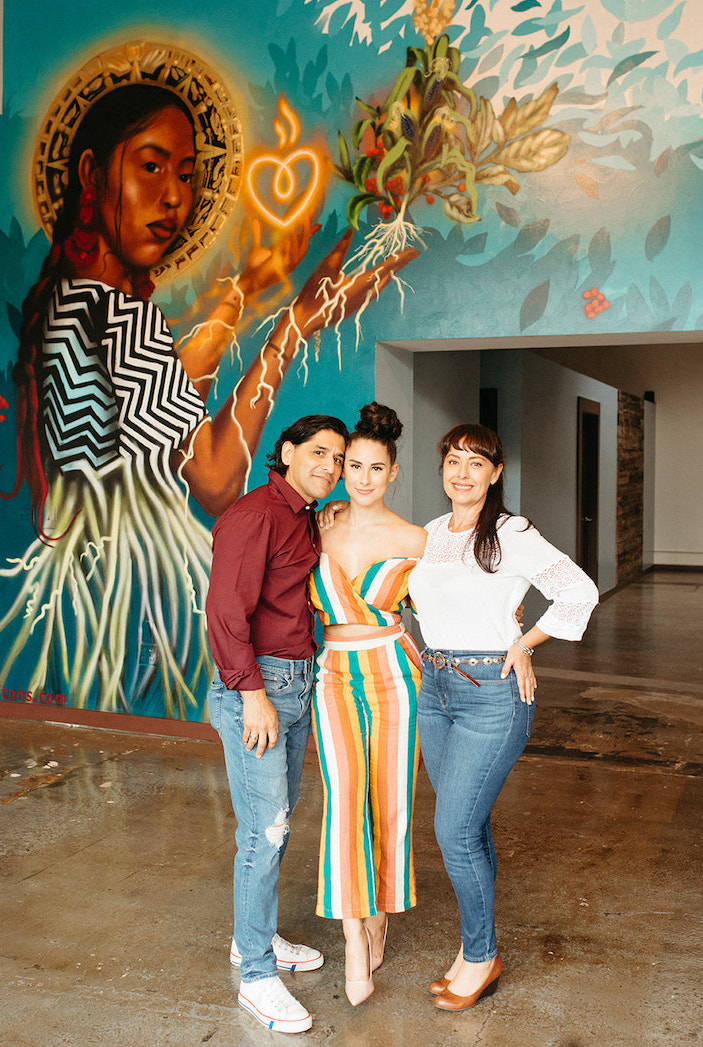
We recently had the chance to connect with Miel Castagna-Herrera and have shared our conversation below.
Miel, really appreciate you sharing your stories and insights with us. The world would have so much more understanding and empathy if we all were a bit more open about our stories and how they have helped shaped our journey and worldview. Let’s jump in with a fun one: What do the first 90 minutes of your day look like?
I usually start my day pretty calmly and with purpose. I wake up and have a coffee, then meditate for about 10 minutes. After that, I stretch for another 10 minutes, read for 15 minutes, and write for 15 minutes. Once I’ve done that, I look at my planner and start attacking the day.
Can you briefly introduce yourself and share what makes you or your brand unique?
Before coffee, my background was in the arts—I spent fifteen years running flamenco dance companies and schools, which deeply shaped my love of culture, storytelling, and community. In 2018, my husband Curtis Herrera and I co-founded Café Corazón, which opened in 2019 as a reflection of our joined family roots: Argentine, New Mexican, Mexican, Chicano, and Mescalero Apache.
Café Corazón is a Latin American–inspired coffee and yerba mate house built around the idea of giving the coffee bean a voice. Our coffee comes exclusively from Latin America, sourced beyond fair trade and roasted in Kansas City, and paired with flavors that honor the farmers and their cultures—like our Spicy Mayan Mocha, homemade Horchata Latte, and Dulce de Leche Latte. We’re also the Midwest’s premier yerba mate house, introducing Kansas City to this deeply social South American drink. Everything we do—from partnering with mission-driven local businesses to showcasing Latinx art throughout the café—centers cultural pride, warmth, and connection.
At its heart, Café Corazón is about more than coffee. It’s a safe, welcoming space for people of color and a place where those unfamiliar with Latin American cultures can experience the smells, colors, flavors, and stories behind them. I strongly believe in the power of small business to build community, promote social justice, and educate the public. Beyond the café, I serve on the board of the Greater Kansas City Hispanic Chamber of Commerce and as a City Councilwoman in Roeland Park, Kansas—continuing my commitment to community, equity, and representation.
Great, so let’s dive into your journey a bit more. What relationship most shaped how you see yourself?
The relationship that most shaped how I see myself is the one I had with my father, alongside the communities I grew up in in Northern New Mexico. My dad grew up in Buenos Aires and immigrated to the U.S. as a teenager, bringing with him a deep love of art, culture, language, and ritual—especially yerba mate. From him, I learned pride in where you come from and the importance of carrying your culture forward with intention and joy.
Growing up in Northern New Mexico reinforced those lessons in a communal way. It’s a place where culture is lived daily—through food, music, storytelling, and shared responsibility. Those communities taught me that identity is something you practice, not just something you inherit, and that warmth, generosity, and showing up for one another are forms of strength. Together, my relationship with my father and the villages and people of Northern New Mexico grounded me in who I am and continue to guide how I lead, create, and build community today.
What did suffering teach you that success never could?
Suffering taught me resilience, empathy, and how to keep moving forward when there is no clear path—lessons success could never teach me. Growing up marginalized and often going without showed me, early on, that hard work isn’t optional and that survival requires creativity, grit, and faith in yourself and your community. You learn how to read a room, how to adapt, and how to push through discomfort without losing your sense of dignity.
Those experiences also taught me how to succeed in a way that’s rooted in purpose, not ego. Moving through difficult things—financial insecurity, being unseen, having to prove your worth—gave me the tools to build something lasting and meaningful. It taught me that success means lifting others as you rise, honoring where you come from, and creating spaces where people feel valued. The strength I rely on today was forged in those harder moments, not the easier ones.
Alright, so if you are open to it, let’s explore some philosophical questions that touch on your values and worldview. What are the biggest lies your industry tells itself?
One of the biggest lies the coffee industry tells itself is that coffee is just a product—just a latte, just a brand, just a transaction. In reality, about 60% of the world’s coffee comes from Latin America, and behind every cup are real people with real lives: growers, pickers, families, and entire communities whose labor and care make the industry possible.
The industry often centers on roasters, cafés, and aesthetics while the people at the very beginning of the supply chain—the farmers and pickers—are rendered invisible. Their cultures, histories, and working conditions are rarely acknowledged in a meaningful way. Coffee is treated as a neutral commodity, when in truth it carries lineage, land, language, and sacrifice. A latte doesn’t tell the story of a farmer in Guatemala handpicking cherries all day, or a family in Colombia relying on a harvest to survive—but it should.
If the coffee industry were more honest, it would stop separating the “product” from the people. It would recognize that ethical sourcing isn’t a trend or a checkbox, but a responsibility. Coffee isn’t just about flavor profiles and profit margins—it’s about honoring the human beings who make it happen and ensuring they are paid, respected, and seen. Until that truth is fully acknowledged, the industry is only telling half the story.
Okay, so let’s keep going with one more question that means a lot to us: When do you feel most at peace?
I feel most at peace when I can slow down enough to take a real breath and let my mind step away from work. When the constant planning and problem-solving quiets, I can actually be present with myself and the world around me.
I also feel deeply at peace when I’m in Argentina with my family—spending long hours talking, drinking Malbec, eating well, and thinking without urgency. That rhythm reminds me who I am outside of responsibility. And on a day-to-day level, peace shows up for me in simple, grounding moments: time to write, to read, and to truly relax. Those moments of stillness are where I reset and feel most like myself.
Contact Info:
- Website: https://www.cafecorazonkc.com
- Instagram: cafecorazonkc
- Facebook: cafecorazonkc
- Yelp: https://www.yelp.com/biz/café-corazón-kansas-city-4?osq=cafe+corazon
- Youtube: cafecorazonkc
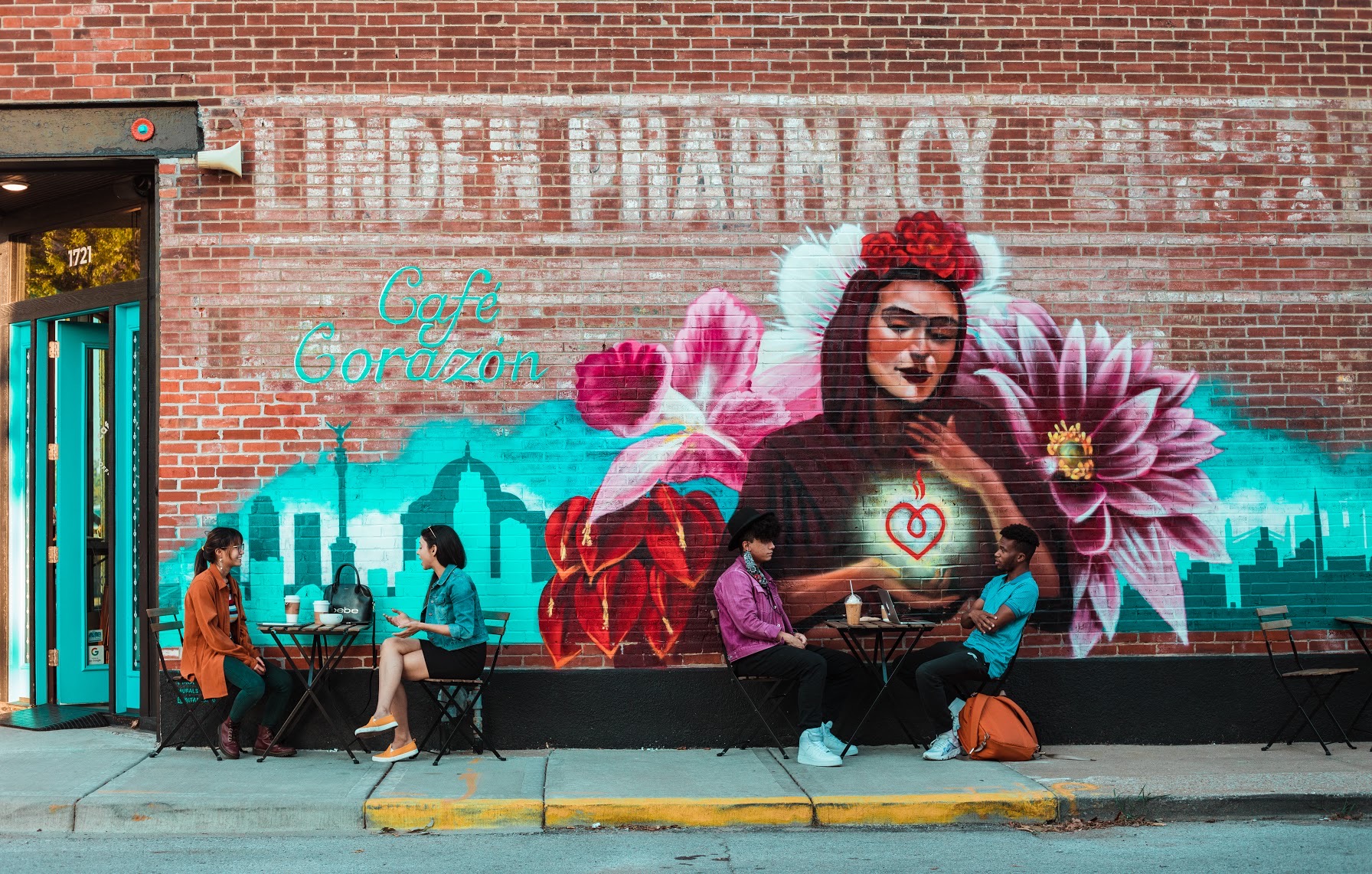
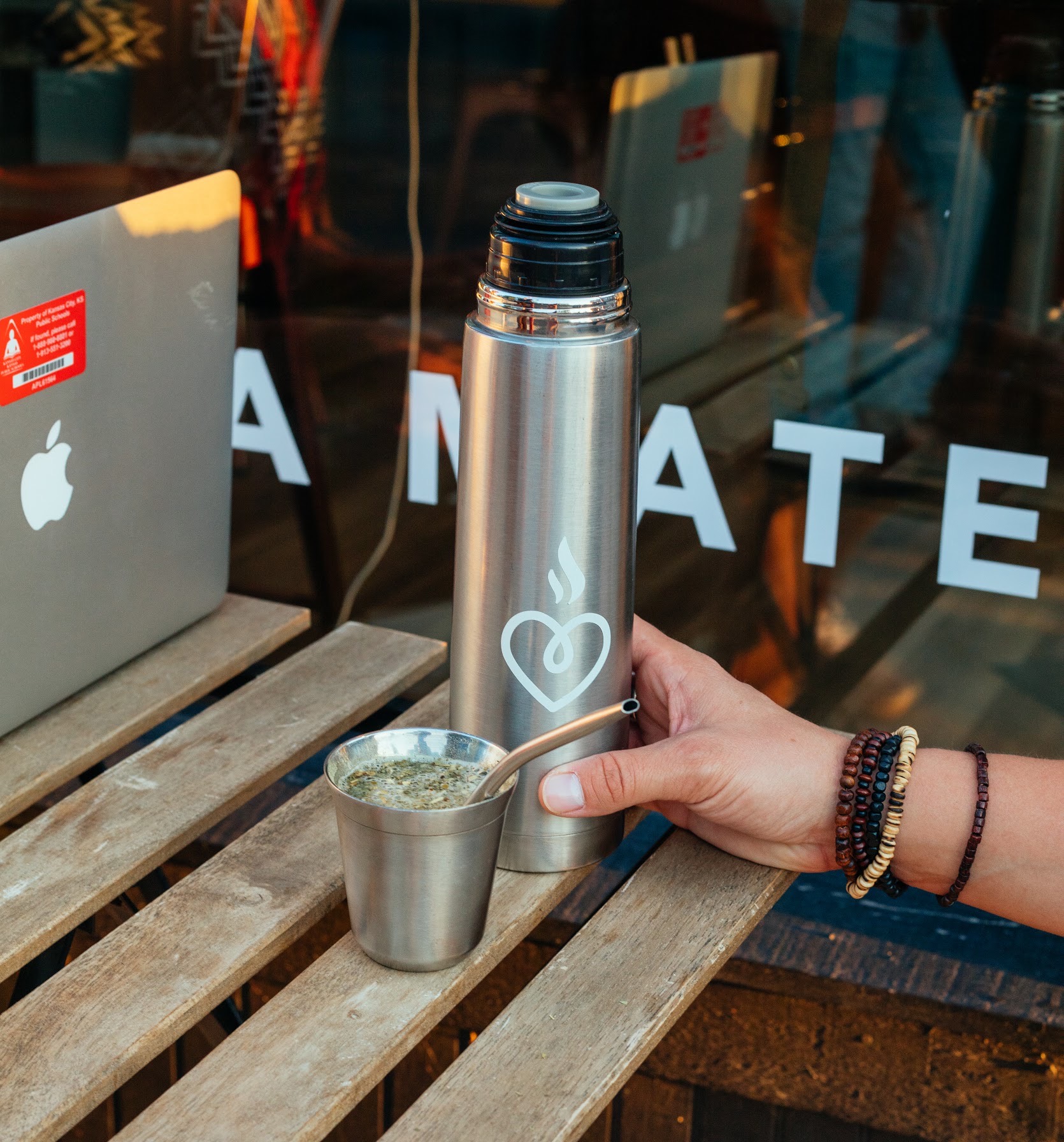
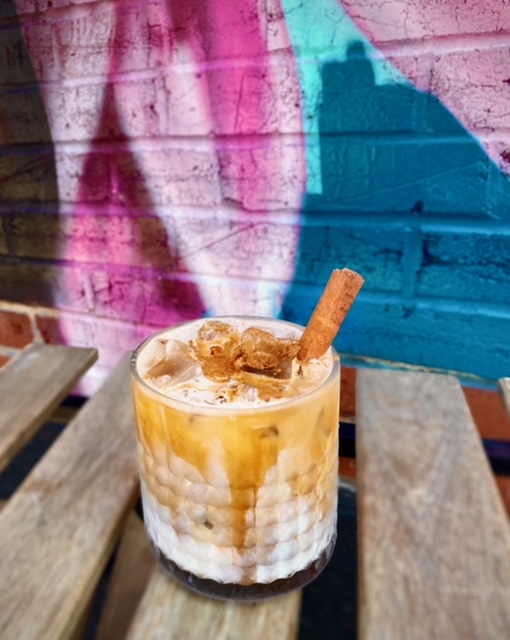
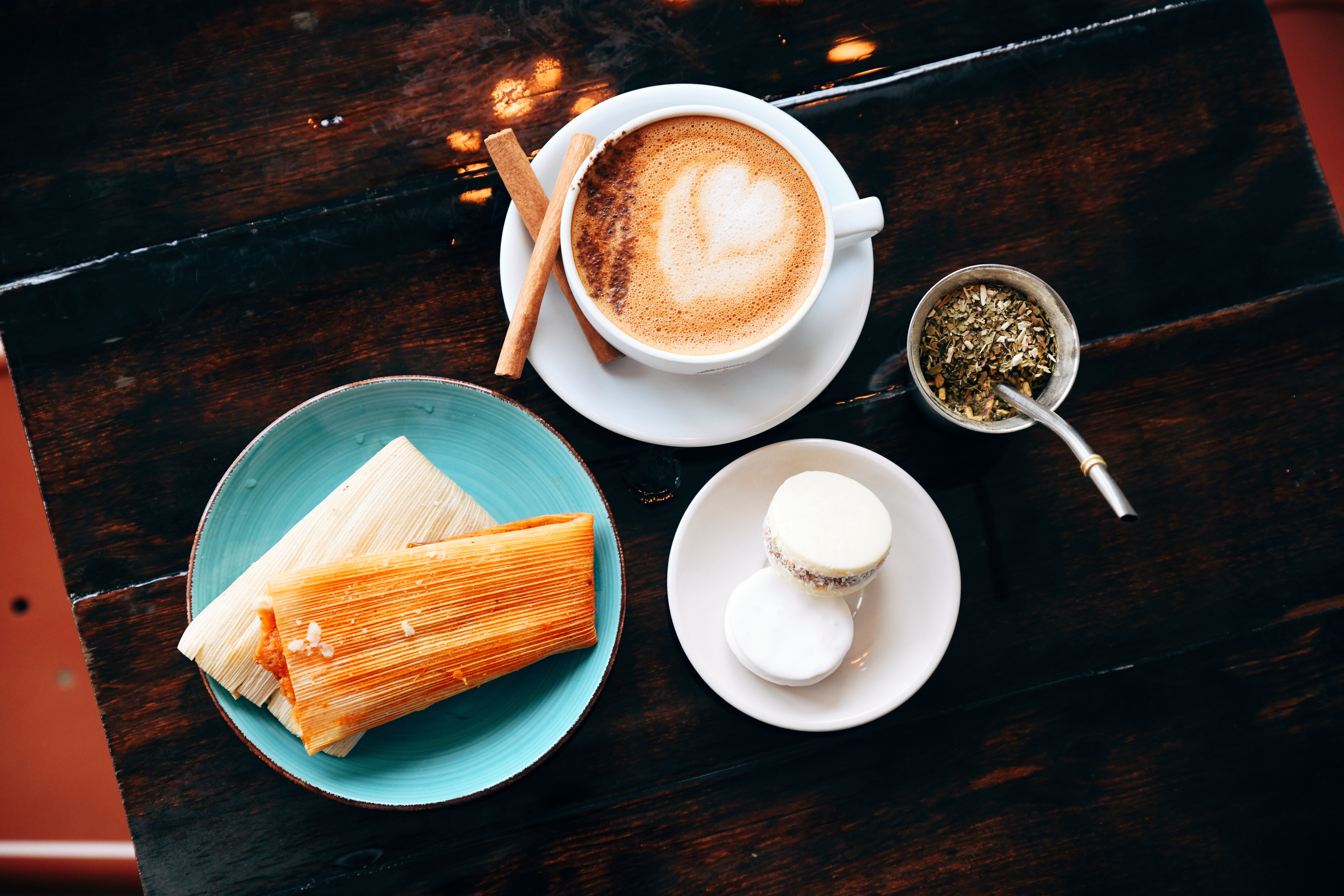
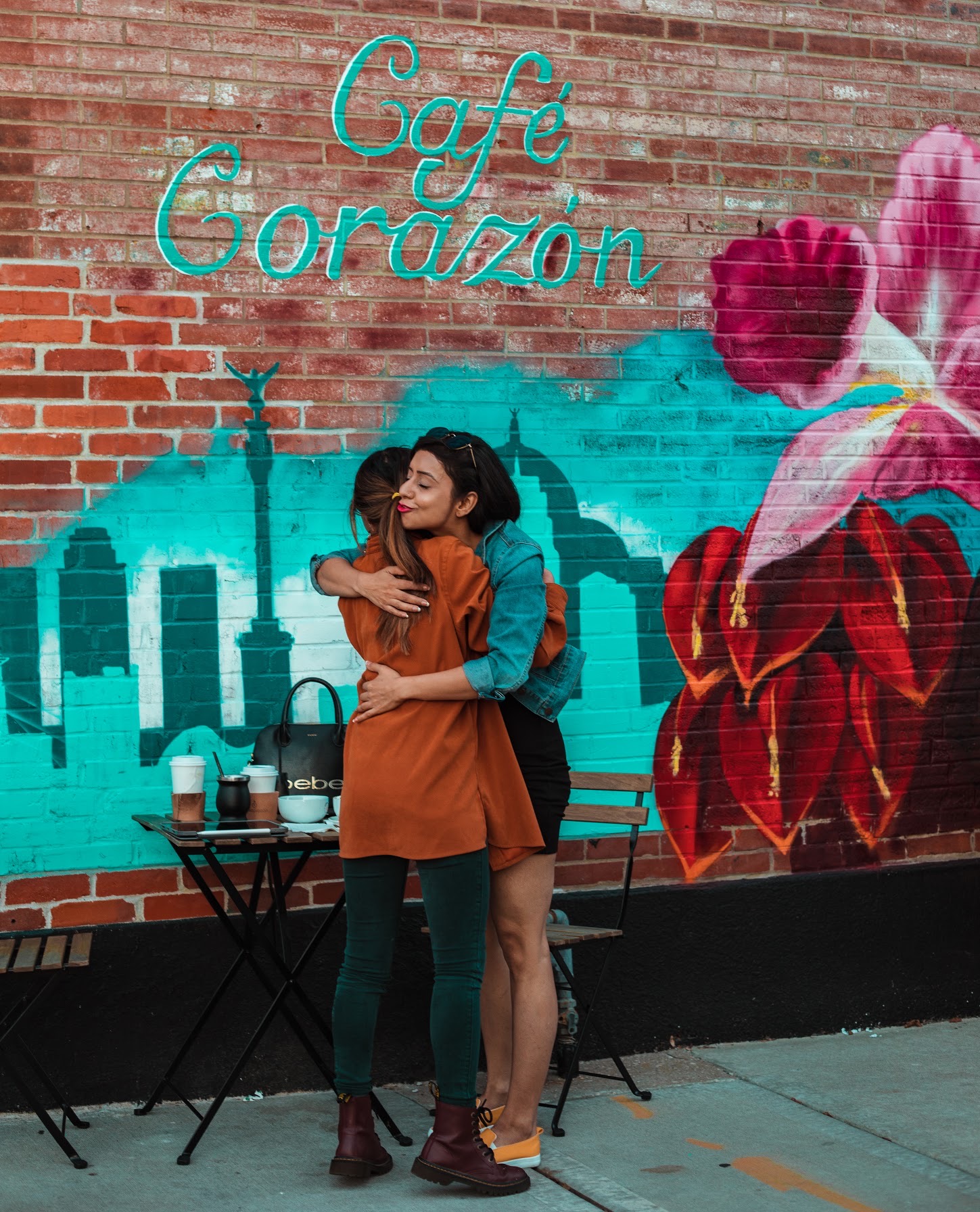

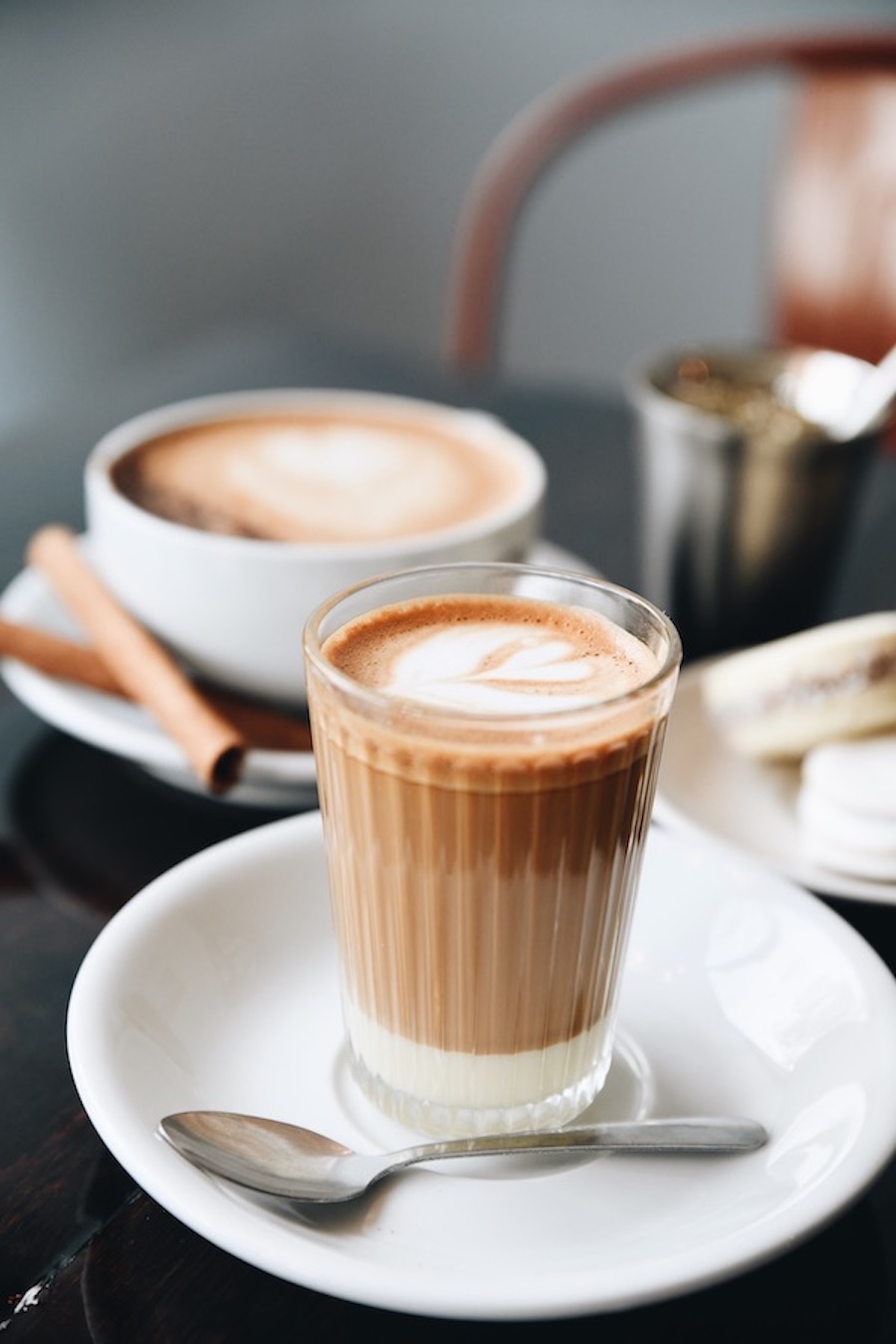
Image Credits
Itzel Sanchez and Anna Petrow