




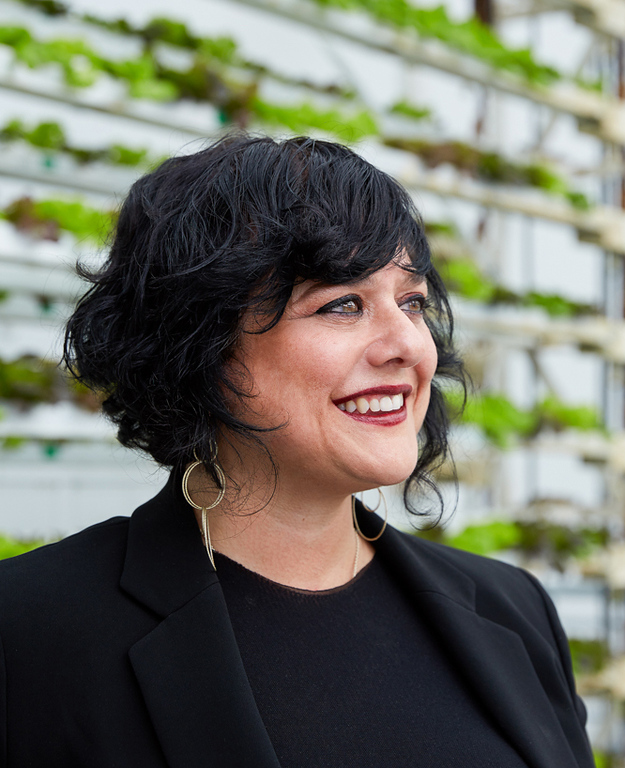
Today we’d like to introduce you to Nona Yehia.
Hi Nona, thanks for joining us today. We’d love for you to start by introducing yourself.
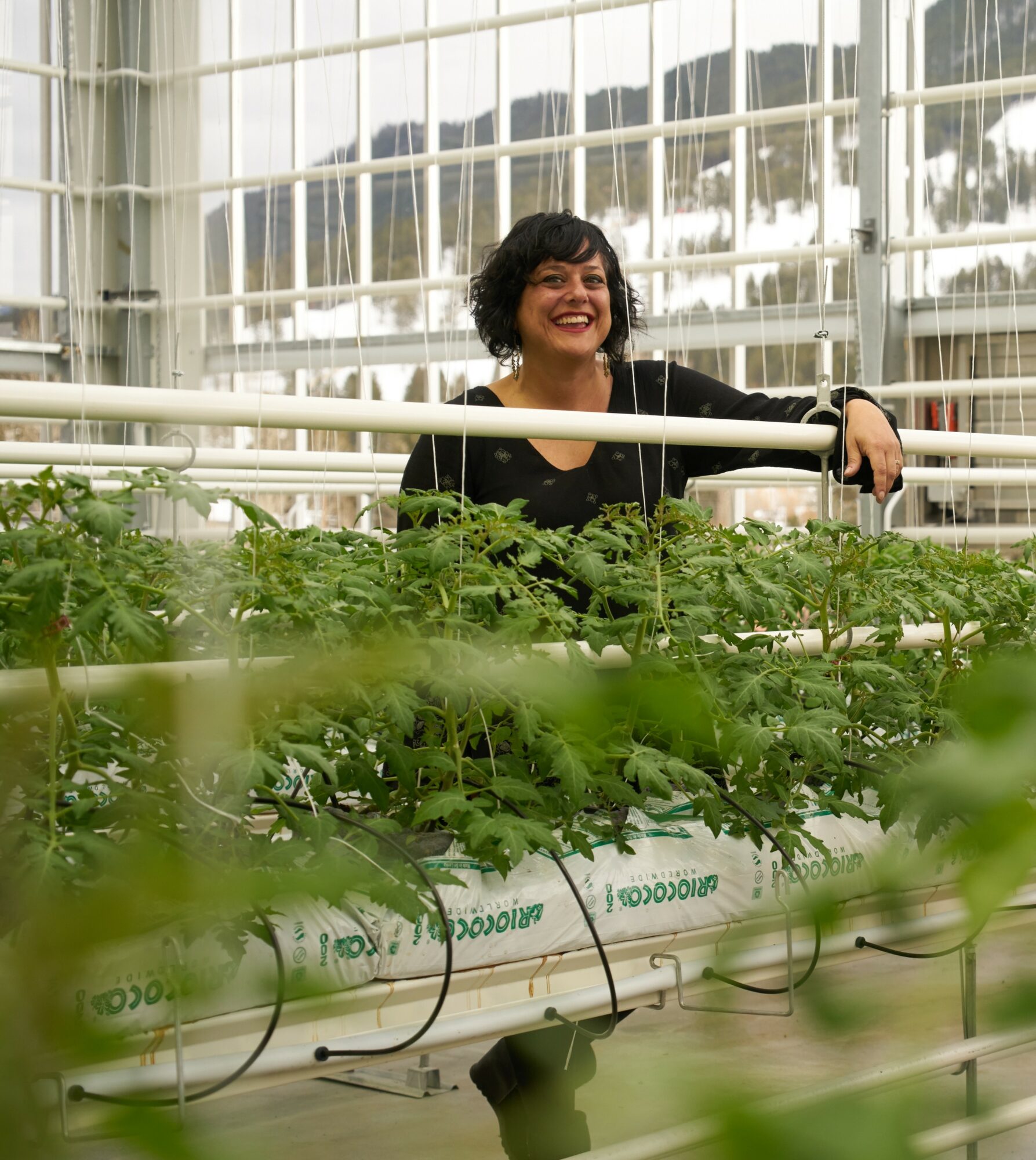
I’m an architect by training, and for most of my life my worldview has been shaped by my brother Nabil, who was born with developmental disabilities. Growing up alongside him, I saw early how few real opportunities existed for people like him. It wasn’t a lack of ability, but a lack of open doors. That stayed with me. And over the course of my career, I kept coming back to another conviction: that food is the strongest link we have to both environmental and human health. Those two threads came together in Jackson Hole. I first met Penny McBride, who asked whether I’d help her build a greenhouse. The more we talked, the bigger the idea got. As we started to see how many problems one building could actually solve, we brought in Caroline Croft Estay, who worked helping people with disabilities find employment. Caroline’s question, “If we get this off the ground, would you employ my clients?”, landed somewhere very personal, and the three of us started dreaming up what became Vertical Harvest.
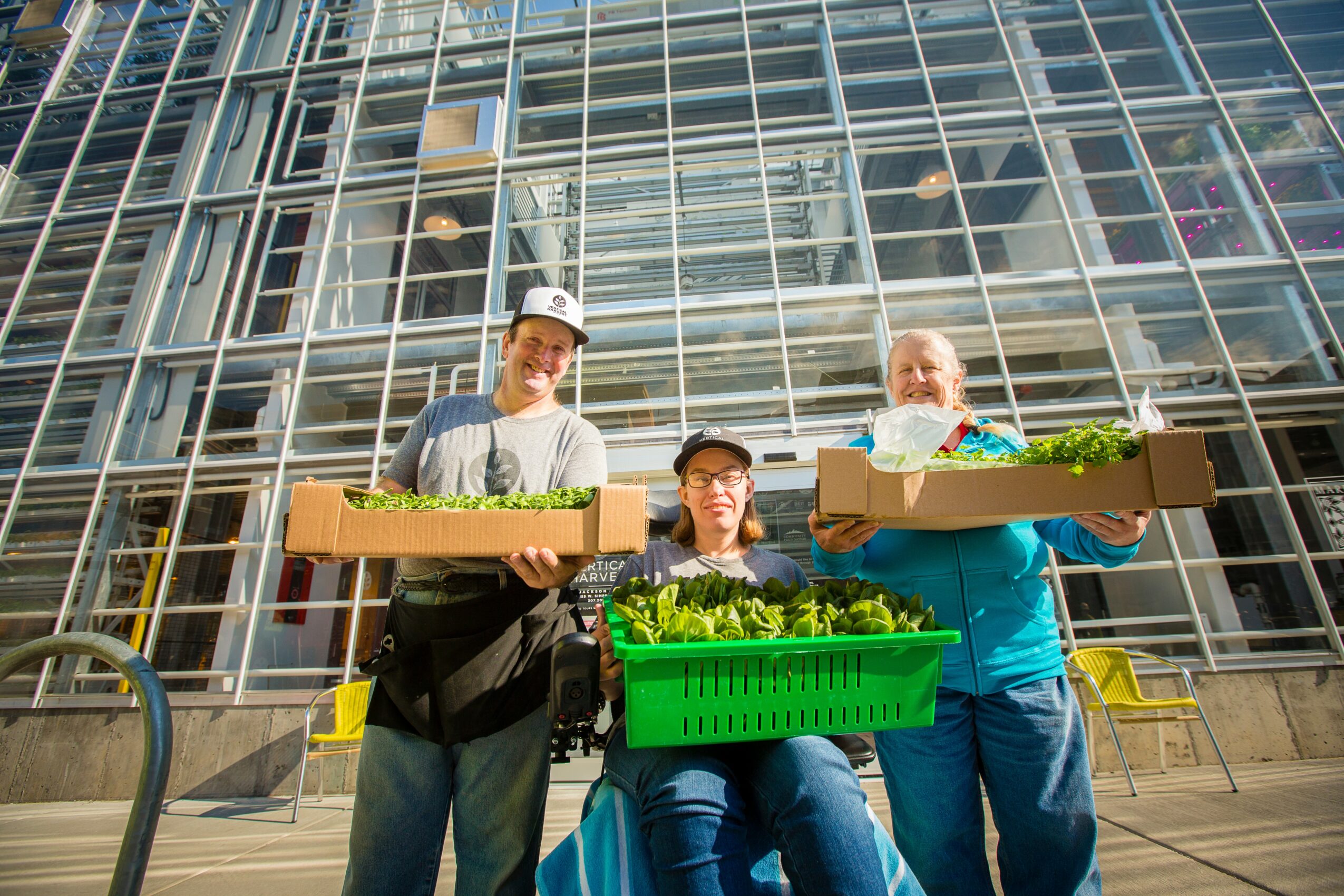
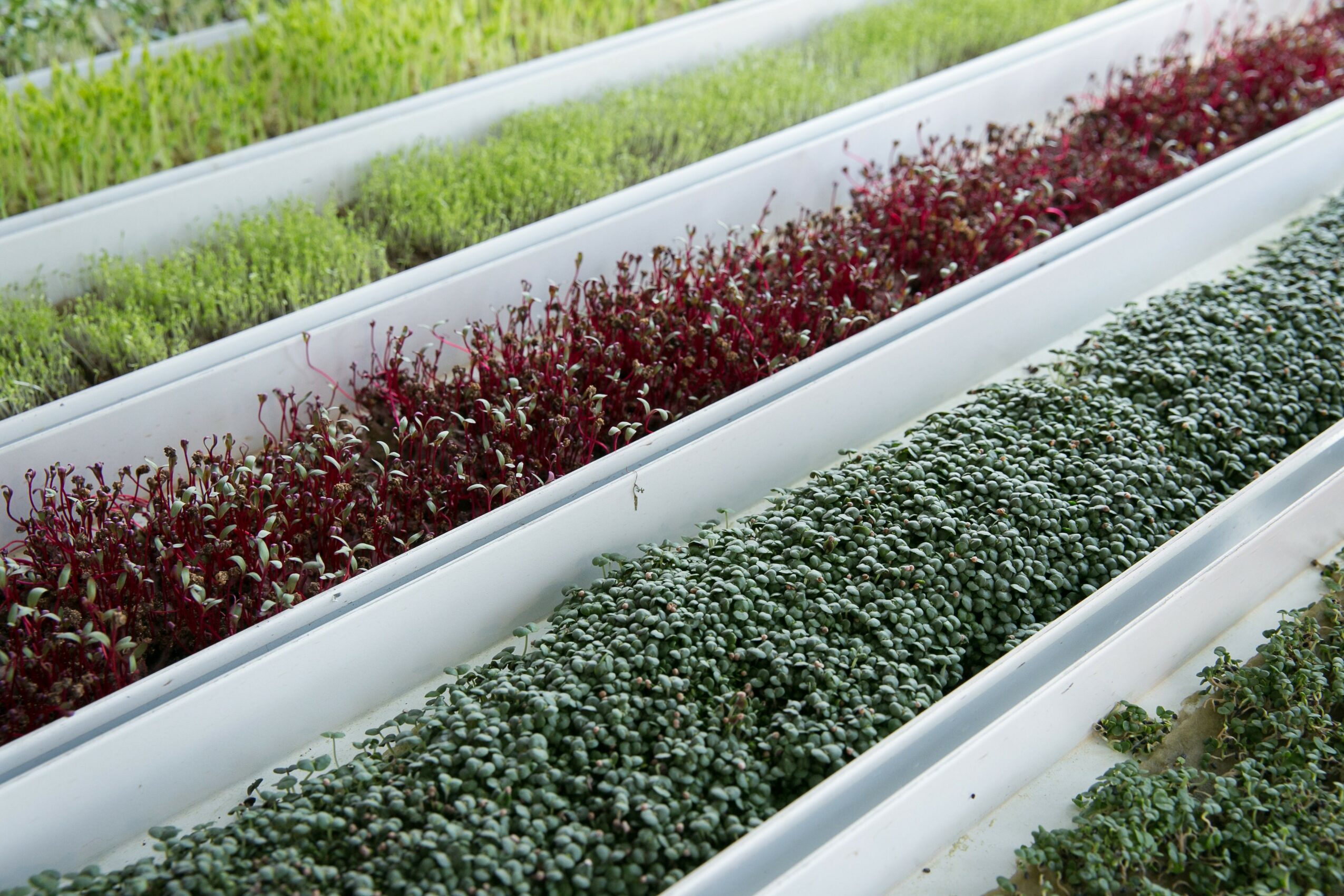
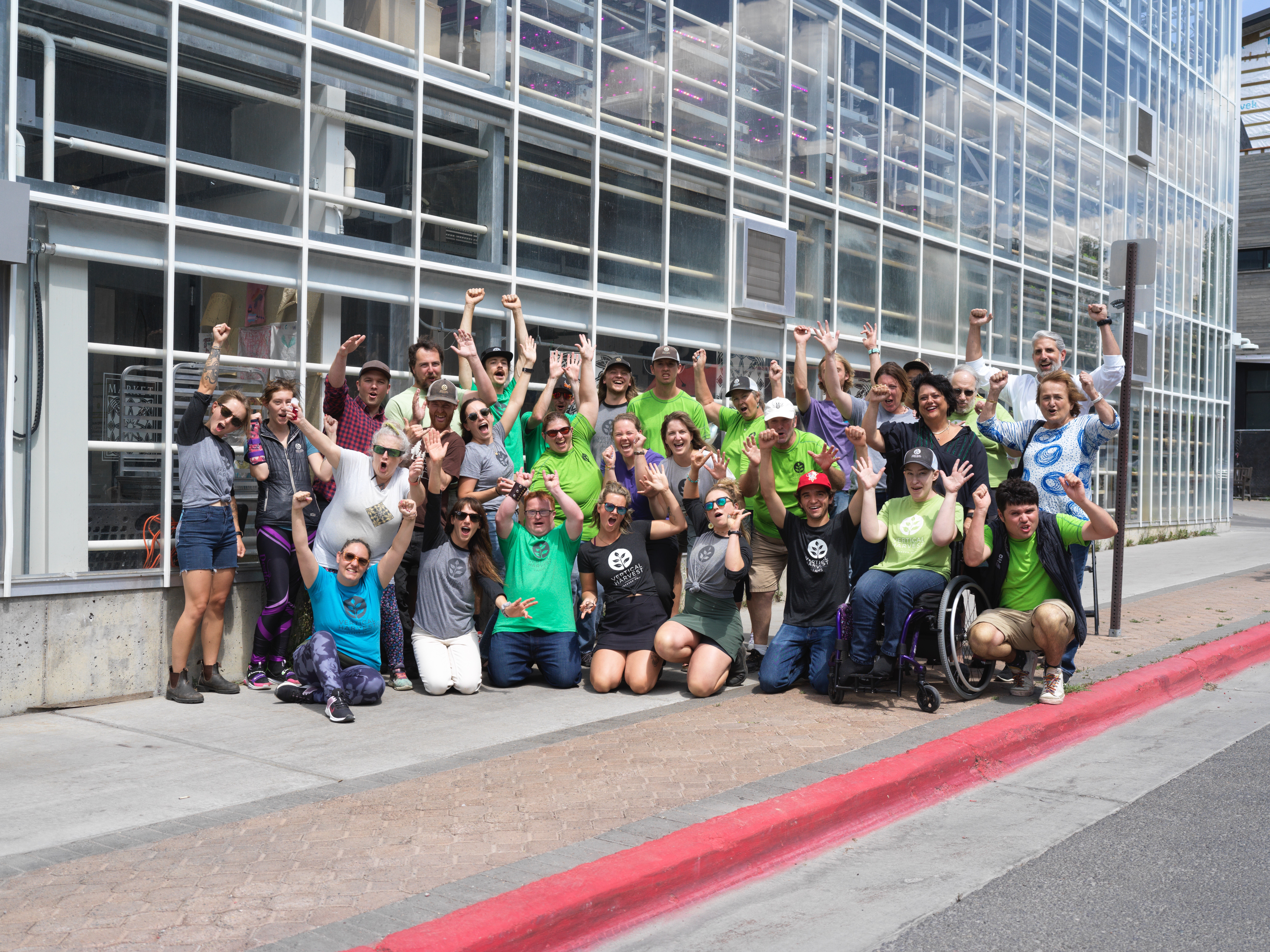
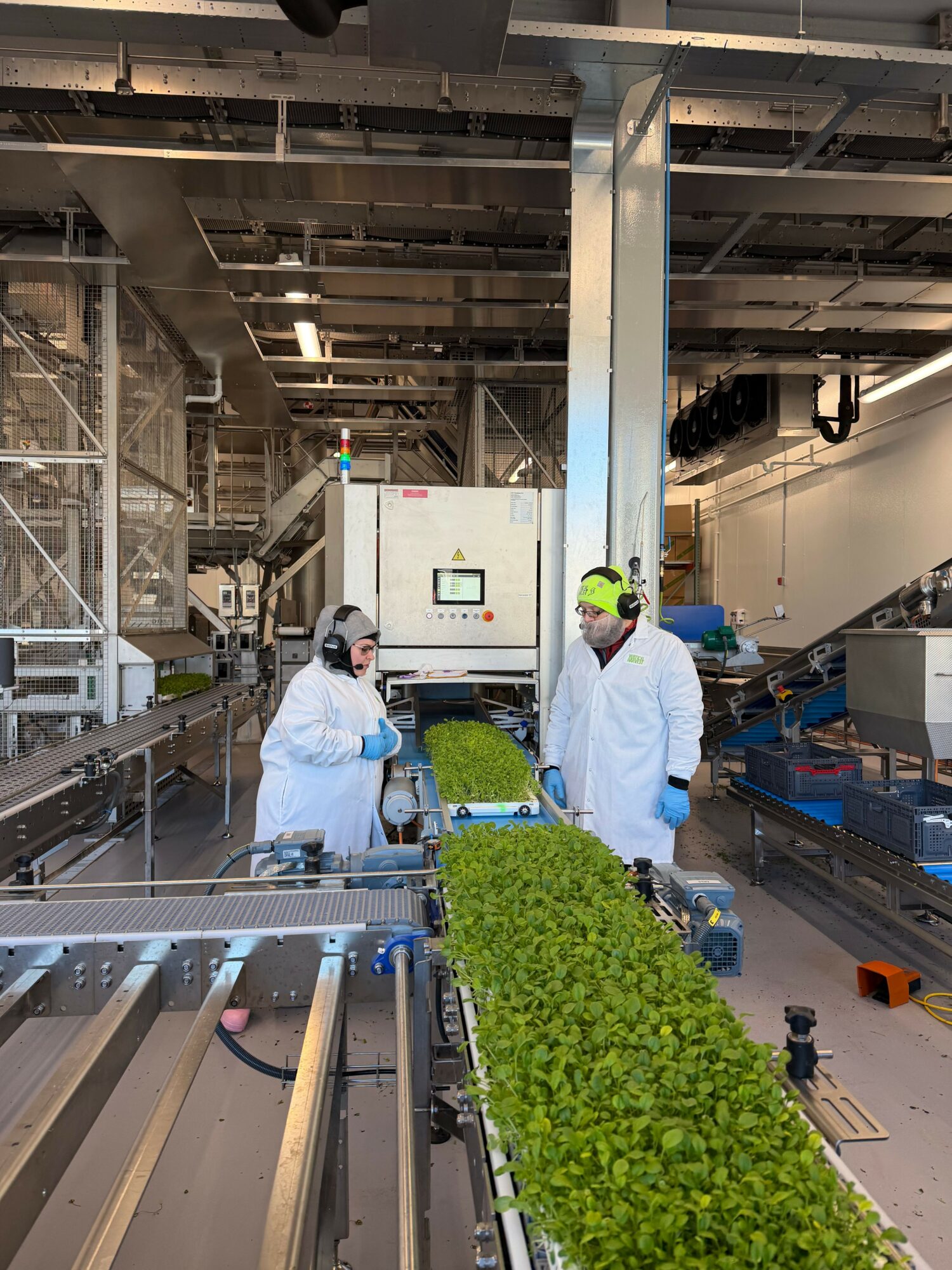
The problem we were staring at was practical. Jackson has a brutally short growing season, and most of our fresh produce was traveling roughly 2,000 miles to get here, arriving tired and tasteless. The only lot available was a sliver of land downtown, about 30 by 150 feet. So instead of building out, we built up: a three-story greenhouse that grows food hydroponically, year-round, in the middle of town. It took seven years of research, fundraising, and a lot of convincing before we opened our doors in 2016. From the beginning, the mission was twofold and inseparable: grow food and grow futures. We built the jobs around our employees’ abilities rather than asking them to fit a mold, and today that farm produces around 100,000 pounds of produce a year with a workforce that includes people with disabilities working meaningful, career-track jobs.
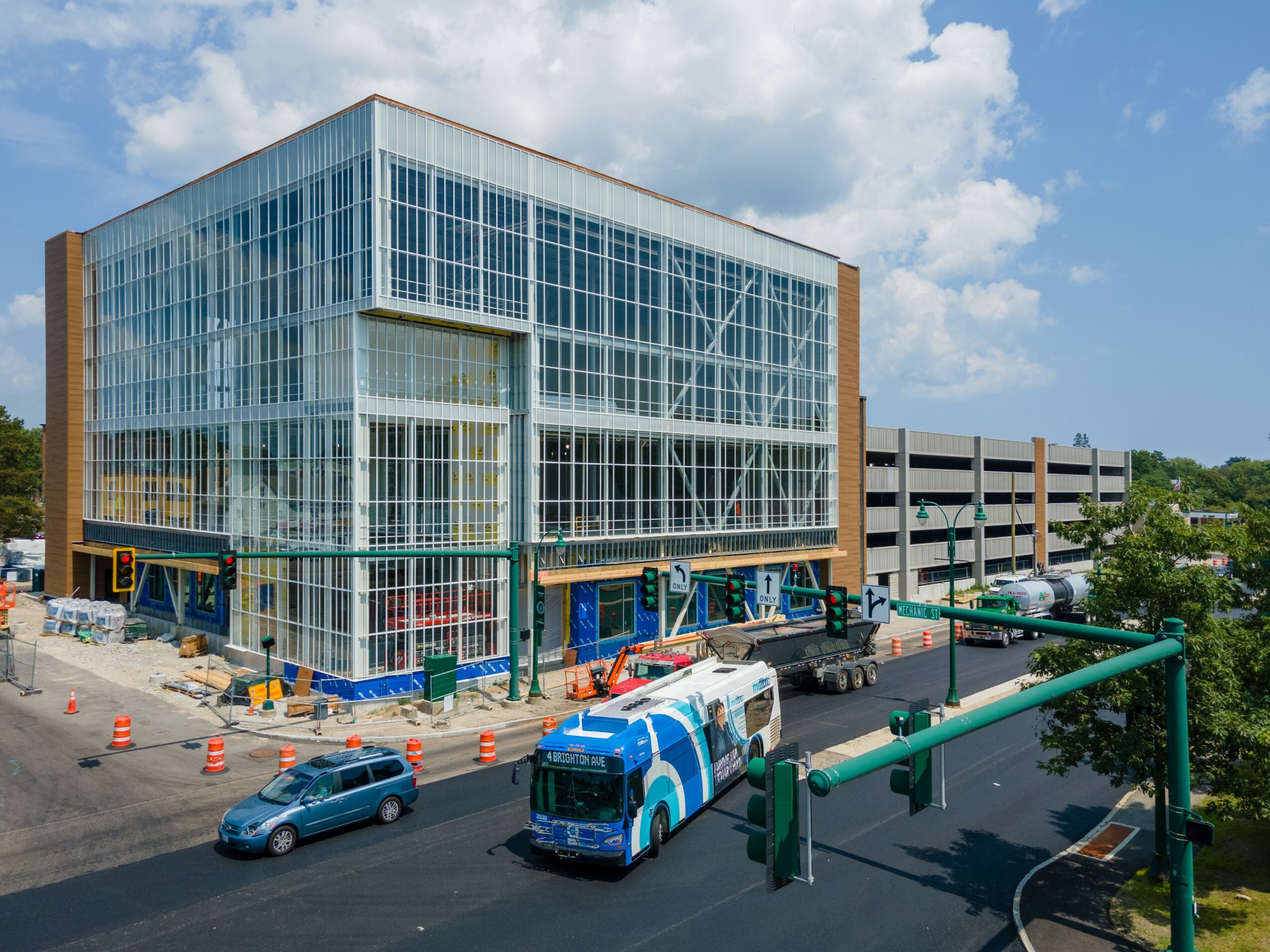
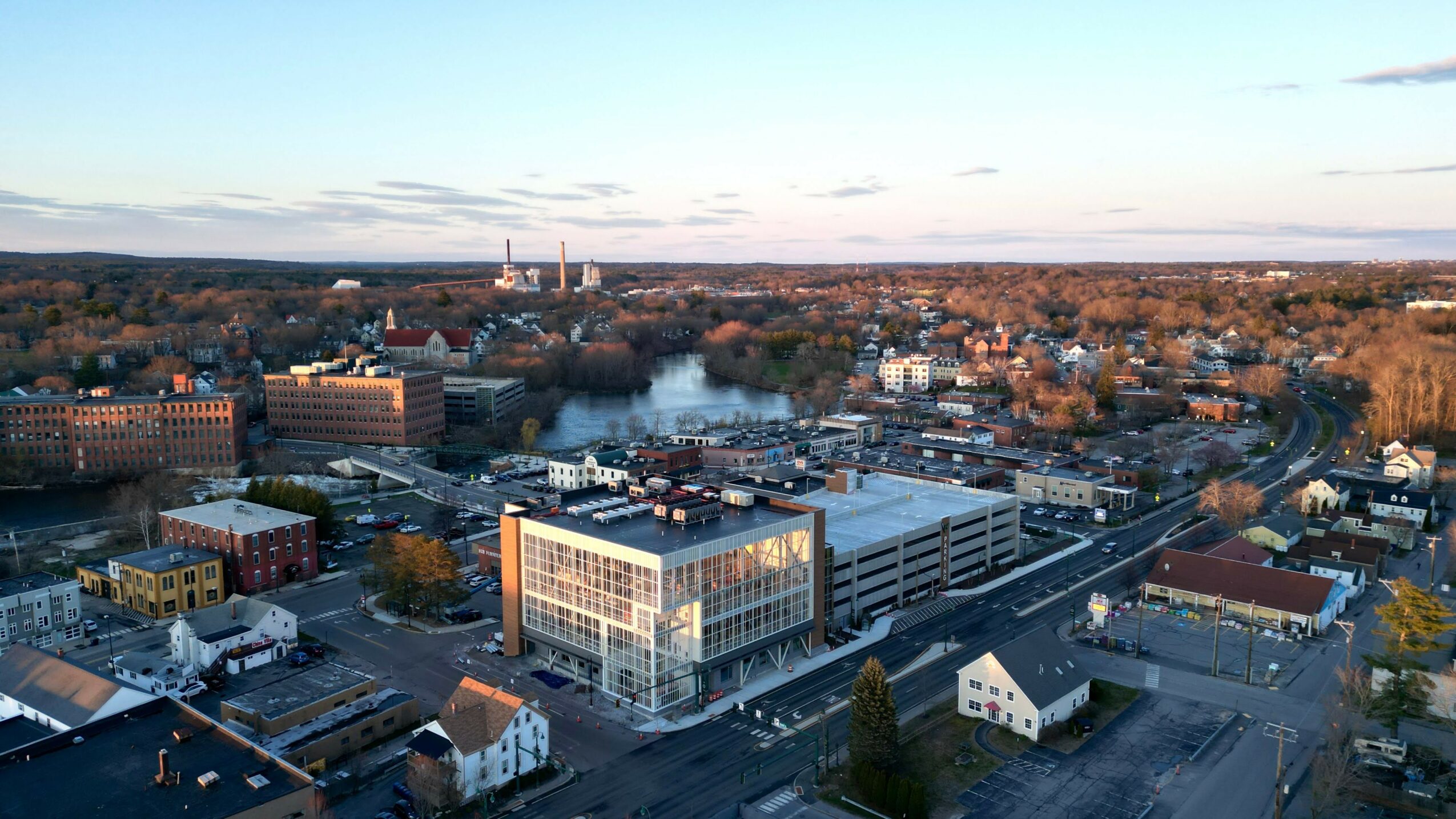
Where we are now is really the beginning of scaling that idea. We’ve broken ground on a much larger farm in Westbrook, Maine, and we think of Jackson as the proof that this model, local food and inclusive employment in the same building, can work anywhere. For me it still comes back to Nabil and that first question Caroline asked. We’re not just setting a table with fresh food on it. We’re making sure everyone has a seat.
We all face challenges, but looking back would you describe it as a relatively smooth road?
Smooth? Absolutely not. And I want to be honest about why, because it points to something bigger than us.
The hardest struggle has been financing, and it isn’t unique to Vertical Harvest. This country does not know how to fund innovation that pays back over the long term. We are very good at chasing fast returns, but a farm like ours delivers its value over decades: stable local food, permanent jobs for people who have been shut out of the workforce, water and land saved year after year. That kind of return doesn’t fit neatly into a quarterly spreadsheet, so the capital is slow, skeptical, and hard to come by. We spent seven years raising money and convincing people before we ever opened, and the fight to fund growth has never really stopped.
The government should be a partner in this. Building the infrastructure for a more resilient, more equitable food system is exactly the kind of long-horizon investment public financing exists for. But administrations change, priorities shift, and the stability you need to build something lasting evaporates every few years. You cannot plan a twenty-year project around a two-year attention span.
And here’s the part that frustrates me most: we need this solution more now than when we started. Look at what’s happening with the price of produce and the fragility of the supply chain. Food is getting more expensive and less reliable, grown thousands of miles from the people who eat it. The case for local, controlled, inclusive agriculture has never been stronger, and yet the way we finance innovation in this country still treats it as a nice idea for someday instead of the urgent, buildable answer it actually is.
Great, so let’s talk business. Can you tell our readers more about what you do and what you think sets you apart from others?
At the simplest level, Vertical Harvest grows fresh produce year-round inside vertical, hydroponic greenhouses built right in the communities we serve. Our original farm in Jackson Hole packs a full acre of growing into a three-story building on a downtown lot the size of a parking space, producing around 100,000 pounds of food a year using a fraction of the water and land conventional agriculture requires. And our new farm in Maine shows what this model can really do at scale: 3 million pounds of produce a year, enough to serve 60 million people, all grown on just half an acre. We don’t only supply retail. We’re getting quality, local produce into hospitals and schools, the places where fresh food matters most and is often hardest to find. So on paper, we’re a controlled-environment agriculture company that specializes in local food where local food shouldn’t be possible.
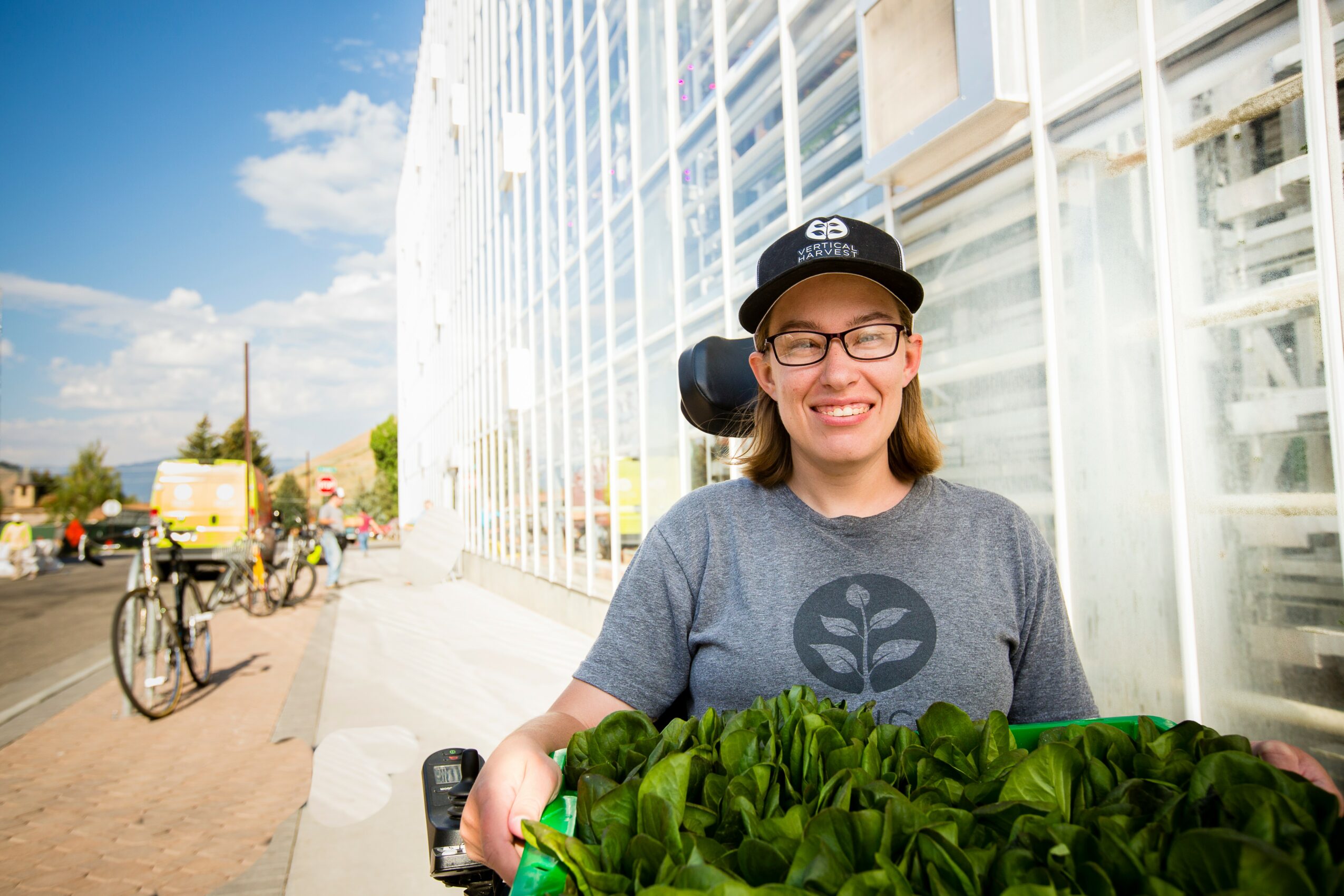
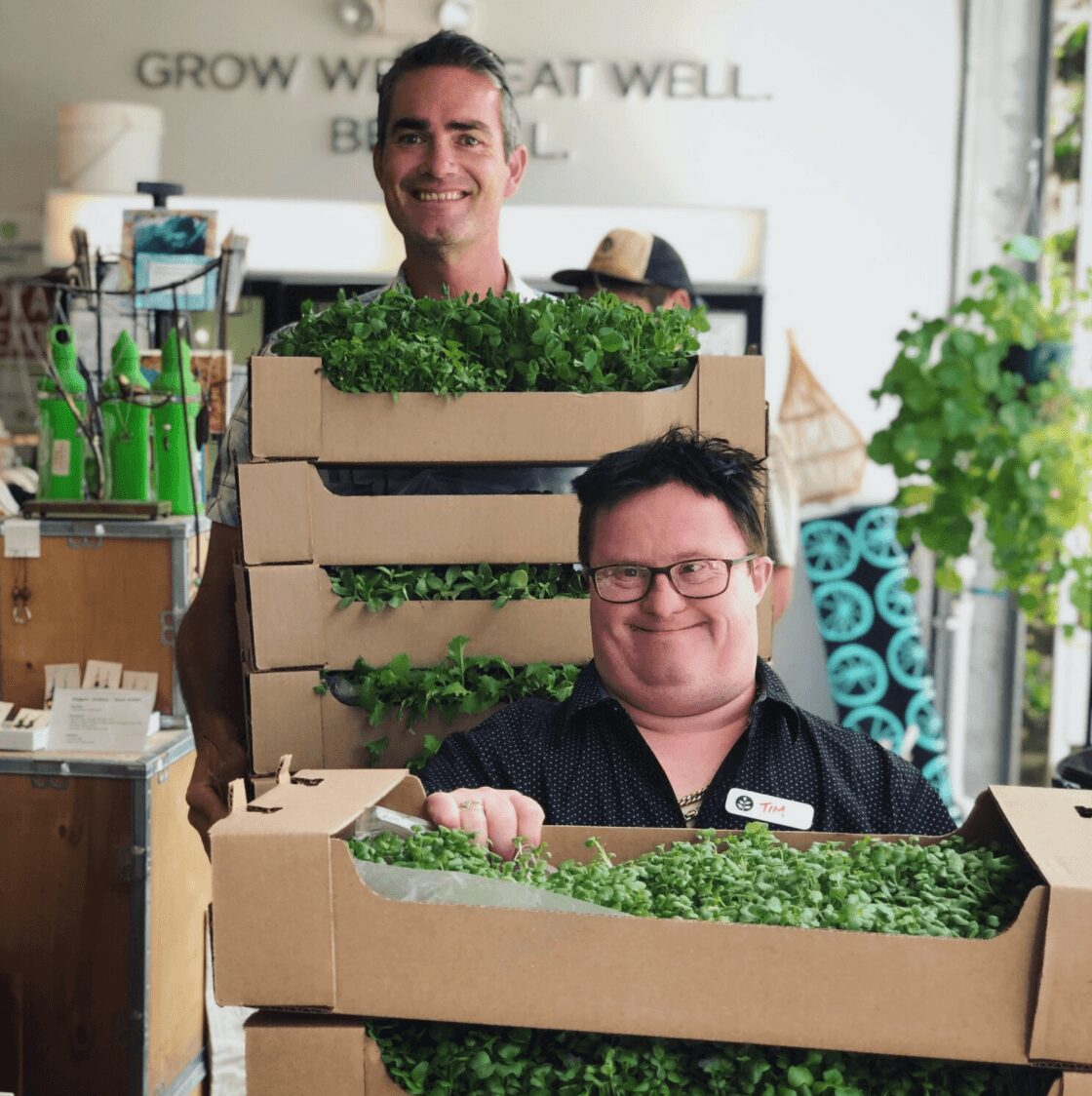
But that’s only half of who we are, and it’s the second half that sets us apart. We are equally an employment company. From day one we’ve built career-track jobs for people with disabilities, and we design the work around our employees’ abilities rather than asking them to squeeze into a mold that was never built for them. We call it growing food and growing futures, and the two are inseparable. Most companies treat inclusive hiring as a program bolted onto the side of the real business. For us, the people are the business. That’s why one of our co-founders carries the title Chief Potential Officer. It’s not a gimmick. It’s a statement about where we think value actually comes from.
The truth is we think of ourselves as community builders as much as farmers. We’re building a local food system, reconnecting farms to the urban center and reconnecting people with where their food actually comes from. When your greens are grown three stories up in the middle of town instead of trucked in from two thousand miles away, the relationship changes. You know your farmer. You know the people who grew your food, and you know they’re your neighbors. That’s what quality food really means to us: not just fresher and more nutritious, though it is both, but food with a face and a place behind it.
Brand-wise, what I’m most proud of is that we’ve proven this model can be both mission-driven and real. It isn’t charity and it isn’t a demonstration project. It’s a working farm with paying customers, a loyal community, and employees building genuine careers. The thing I most want your readers to take away is that food and dignity can be grown in the same building. When you buy from Vertical Harvest, you’re not just getting the freshest greens in town. You’re helping fund a more resilient food system and a more inclusive economy at the same time. We grow food and futures, and we believe that can be a movement. We like to ask people a simple question: what table are you setting? Ours is one where everyone has a seat.
Do you have any advice for those looking to network or find a mentor?
My honest advice is to stop thinking about networking as a transaction and start thinking about it as finding your community of the willing. When we were building Vertical Harvest, we didn’t have money or a proven model or a lot of people telling us we’d succeed. What we had was a handful of people who heard the idea and said, in one way or another, “I’m in.” That’s who you’re looking for. Not the most powerful person in the room, but the willing ones: the people who lean in when you describe what you’re trying to do, who offer to make an introduction before you ask, who want to be part of something bigger than themselves.
What worked for me was leading with the mission instead of the ask. When you’re clear and unapologetic about what you’re trying to build and why it matters, you become a kind of magnet. The right people find you, and they self-select. Your community of the willing includes mentors, yes, but it also includes funders, employees, customers, and neighbors, and the best of them end up playing several of those roles at once. I never went looking for a single mentor to hand me a map. I found a lot of generous people who each gave me a piece of the picture, and I stayed in real relationship with them over years, not just when I needed something.
And here’s something I’d add that people don’t expect: embrace your skeptics as much as your supporters. They belong in your community too. The people who questioned whether a vertical farm could work, whether the economics made sense, whether we could really build a business around inclusive employment, they forced us to sharpen every part of our thinking. You need them. A community made only of people who cheer for you will let you walk straight off a cliff. The skeptics who engage in good faith make you stronger, and often the ones who start out doubting become your fiercest advocates once you’ve answered their hardest questions.
So my advice is this: be generous first, be specific about your vision, and pay attention to who shows up. The people who are willing to build alongside you when it’s hard and unproven are worth more than any contact list, and that includes the ones willing to challenge you. Build with them, keep showing up for them, and that community becomes the thing that carries you.
Contact Info:
- Website: https://www.verticalharvestfarms.com
- Instagram: https://www.instagram.com/verticalharvestfarms/
- LinkedIn: https://www.linkedin.com/in/nona-yehia-3b2266a/