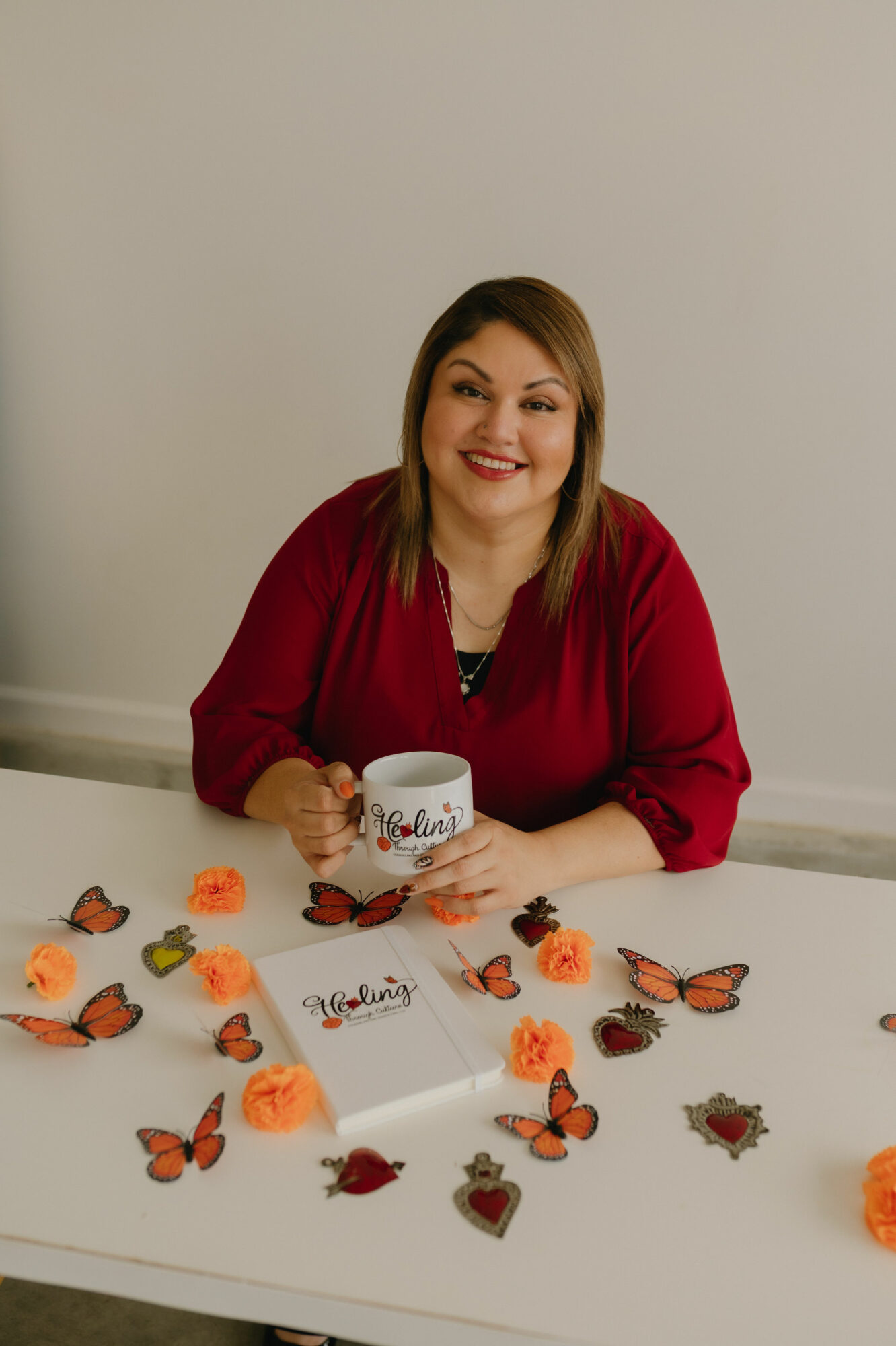






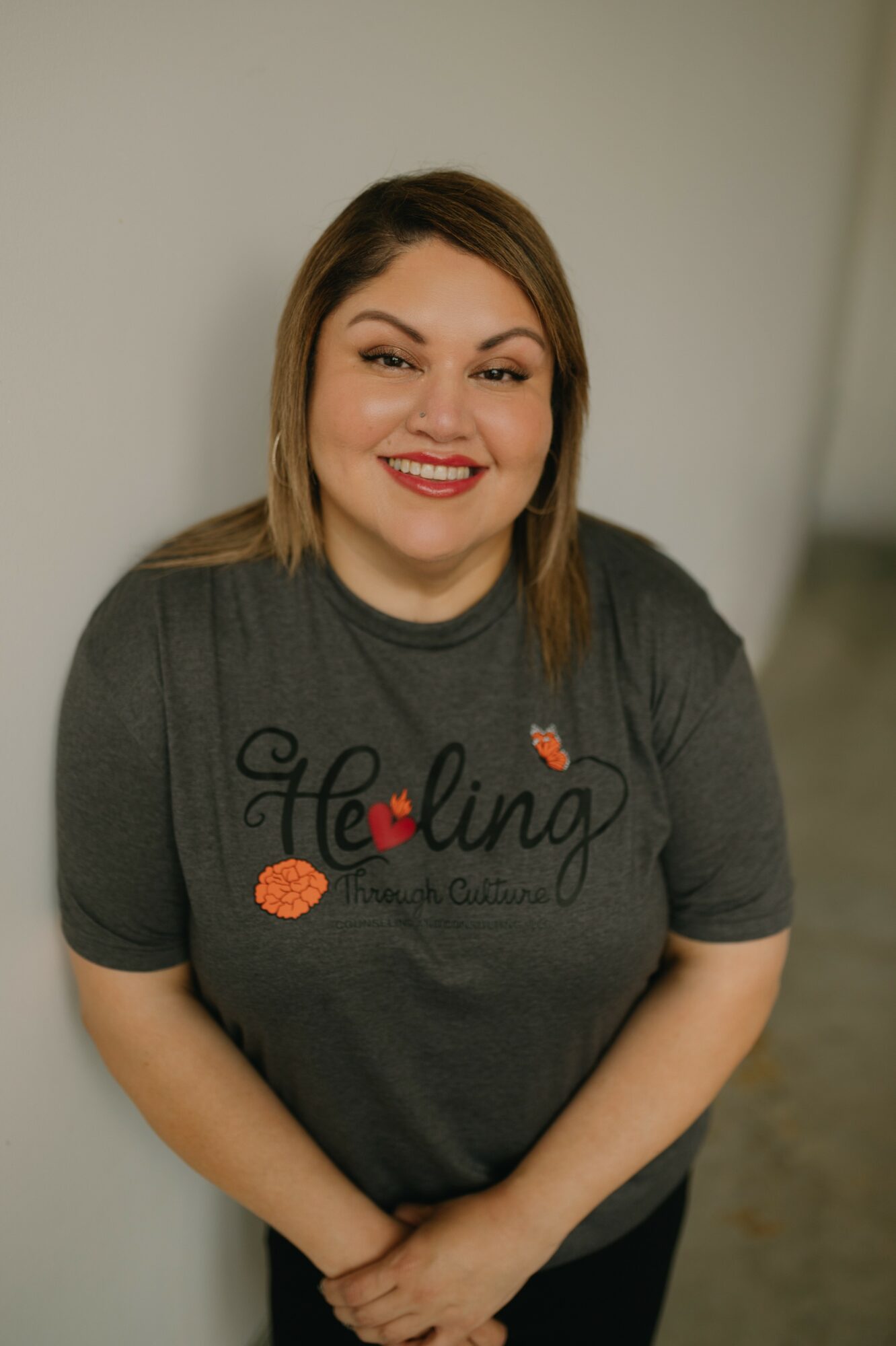
Today we’d like to introduce you to Belinda Hinojos.
Hi Belinda, we’d love for you to start by introducing yourself.
I was born in Kansas City, Missouri and raised in Kansas City, Kansas. Growing up, I was surrounded by families, mostly Mexican, many first-generation, who worked tirelessly to make ends meet and create better futures for their children. Alongside that strength, I also witnessed the weight many families carried: financial stress, fear, limited access to resources, and systems that often felt stacked against them rather than supportive. I watched friends and family struggle to navigate being between two worlds and two cultures, trying to figure out where they belonged. Too often, when people made mistakes or needed support, what they encountered was not care, but punishment.
Early on, I thought I would become a lawyer and return to my community to advocate in that way. But once I entered college, as a first-generation student, I quickly realized I was lost in a system that wasn’t built with students like me in mind. It was through psychology and ethnic studies courses, along with the support of advisors, TRIO, multicultural affairs offices, and Latino student organizations, that things began to click. I started to understand that what had always drawn me wasn’t just advocacy, it was the intersection of mental health, culture, and community. I found language for what I had seen my entire life.
Mental health and help-seeking have long carried stigma in my community. I wanted to be part of changing that narrative, to help normalize conversations about stress, anxiety, depression, and trauma, and to name an important truth: these experiences don’t come from individuals alone. They are shaped by the systems we live in. And when those systems are unjust, harmful, or exclusionary, it is a very human response to feel overwhelmed, anxious, or discouraged.
After graduating, I began my career at El Centro, Inc. in Kansas City, Kansas, working as a bilingual case manager in the High School Equivalency Program (HEP), supporting migrant and seasonal farmworkers as they worked toward their GEDs. I loved working with these individuals and families, but I also quickly saw how much trauma, pain, and resilience they carried, and how few spaces existed for them to safely share their stories or receive mental health support. That experience solidified my decision to pursue a master’s degree in counseling psychology.
During my graduate training, I completed internships in the very communities that raised me, including schools in KCK and with the Mattie Rhodes Center in KCMO. After graduating, I stayed on at Mattie Rhodes as a bilingual therapist, working with children, teens, adults, couples, and families. Across all ages and concerns, trauma was often at the forefront. After a few years of clinical work, I knew I wanted to deepen my training and impact, which led me to pursue a doctorate in counseling psychology.
My doctoral training took me to Nebraska, where I continued to strengthen my clinical skills and develop a strong multicultural framework for research and practice. A pivotal moment in my career was becoming a Minority Fellowship Program fellow through the American Psychological Association. That program changed my trajectory. It introduced me to mentors and psychologists who had spent their entire careers integrating culture into everything they did, research, practice, supervision, and advocacy. For the first time, I could clearly see a path that aligned with both my values and my lived experience.
My dissertation, Stressors and Coping Strategies of Undocumented Latinos in Therapy, was deeply personal. It was my way of honoring and thanking the community that raised me and shaped who I am, a contribution that remains painfully relevant today.
After completing my doctorate, I took a position at Counseling and Psychological Services at the University of Nebraska–Lincoln. I initially served as a staff psychologist and Latino/a/e outreach coordinator, supporting students navigating identity, belonging, and systemic stressors. Over time, my role expanded, and I eventually served as Diversity Coordinator, and then Training Director. In that position, I oversaw the training and supervision of future psychologists, an opportunity that felt especially meaningful. It allowed me to ensure that culture was not treated as an afterthought in clinical work, but as a central component of ethical, effective practice. I worked closely with trainees to help them understand how systems, power, and identity shape mental health, and how to show up thoughtfully and responsibly when working with diverse communities.
At the end of 2019, I left the university setting to join a Native American, woman-owned practice. Over the next several years, I had the honor of working with tribal communities, on reservations, and with tribal colleges across the country. In addition to providing clinical services, I continued my work as a training director, supervising and mentoring psychologists-in-training and early-career clinicians. This work allowed me to continue shaping the next generation of psychologists through a multicultural and community-centered framework, while also providing mentorship to future psychologists of color, support that is still far too rare in our field.
Working within tribal communities profoundly shaped both my clinical and training philosophy. In these spaces, culture was not something added onto healing, it was the foundation. Therapy did not exist without it. Being invited into these communities was humbling and transformative, and it affirmed what I had always believed about the central role of culture in wellness and in training those who serve.
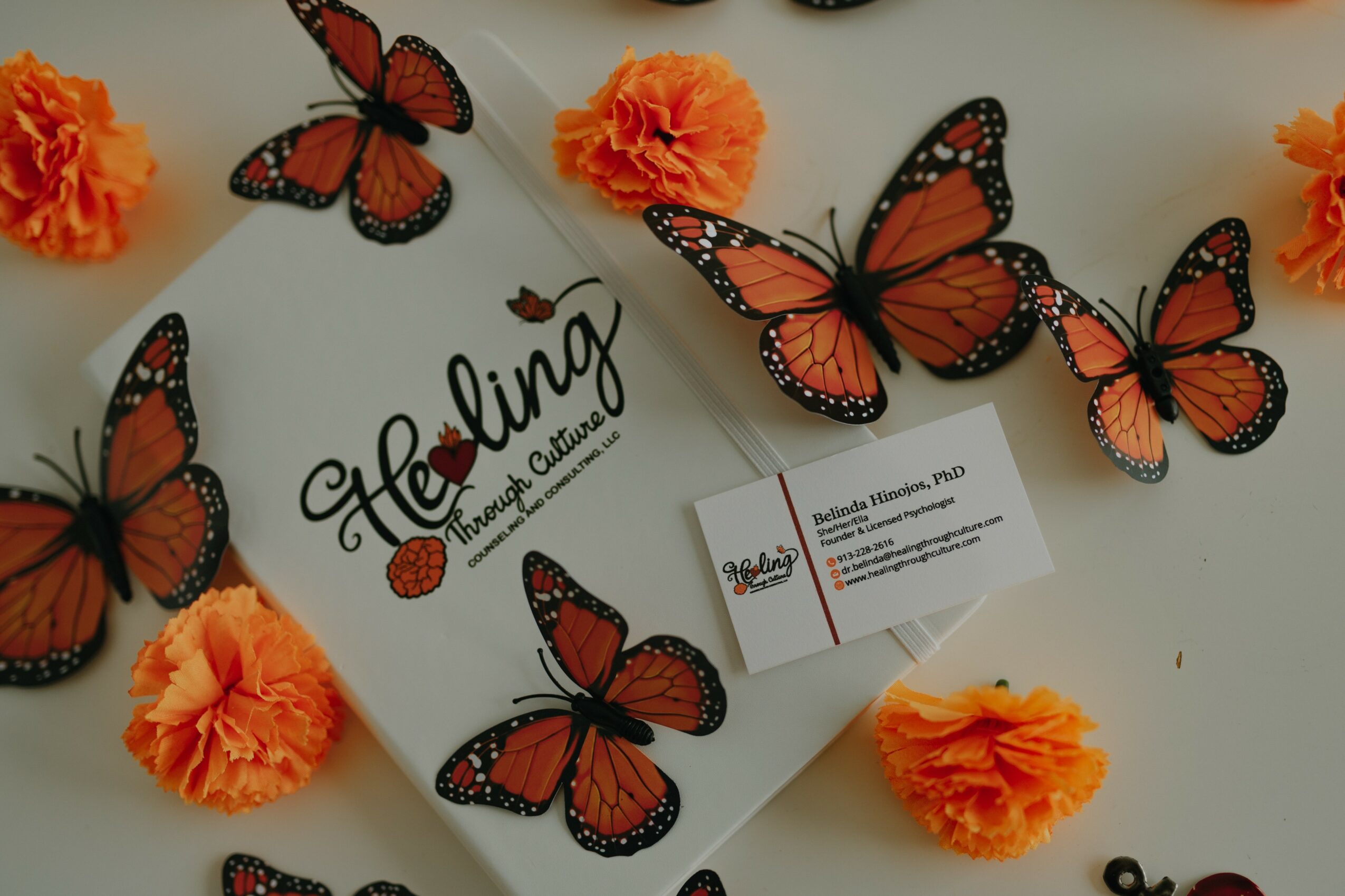
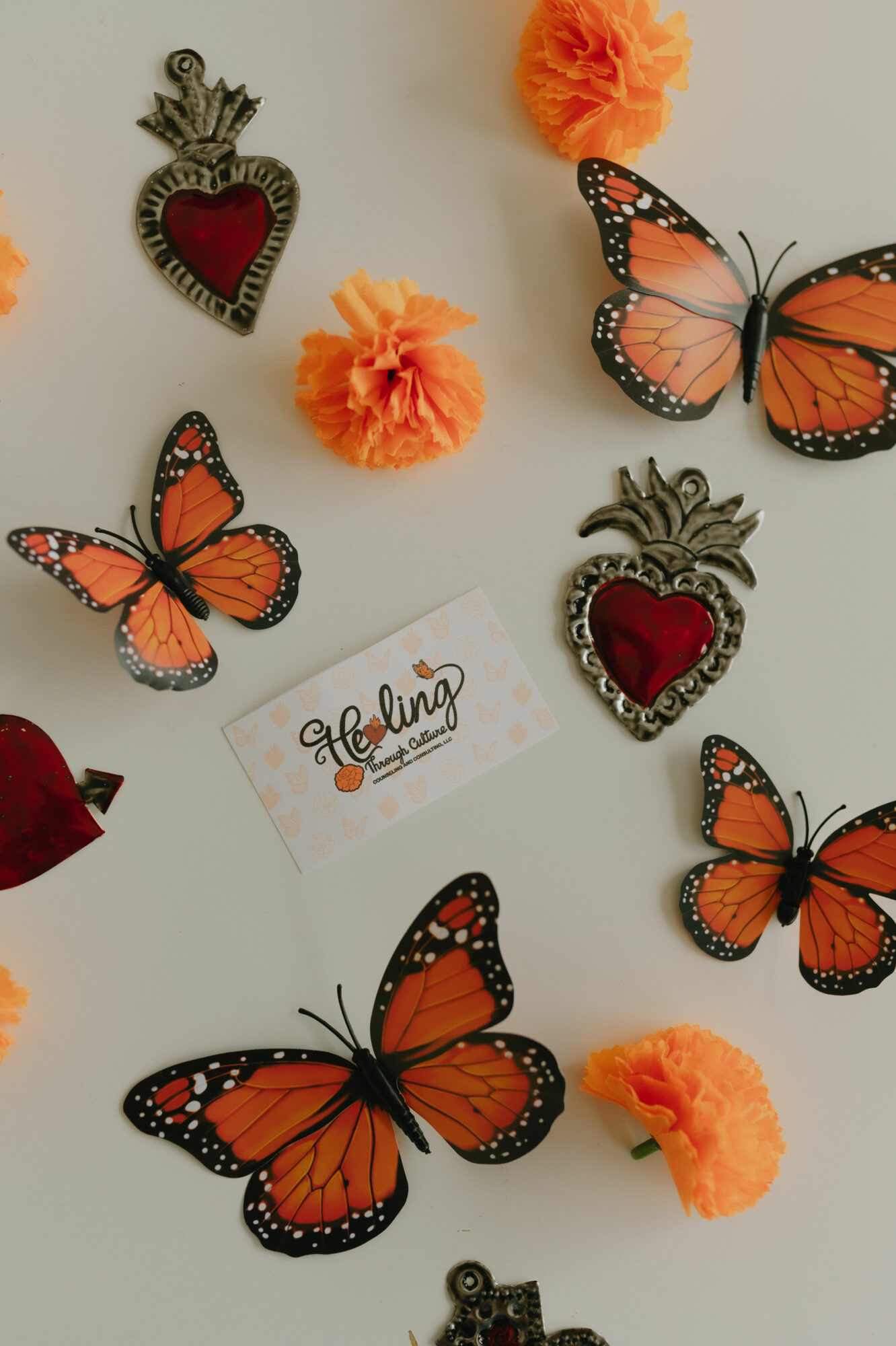
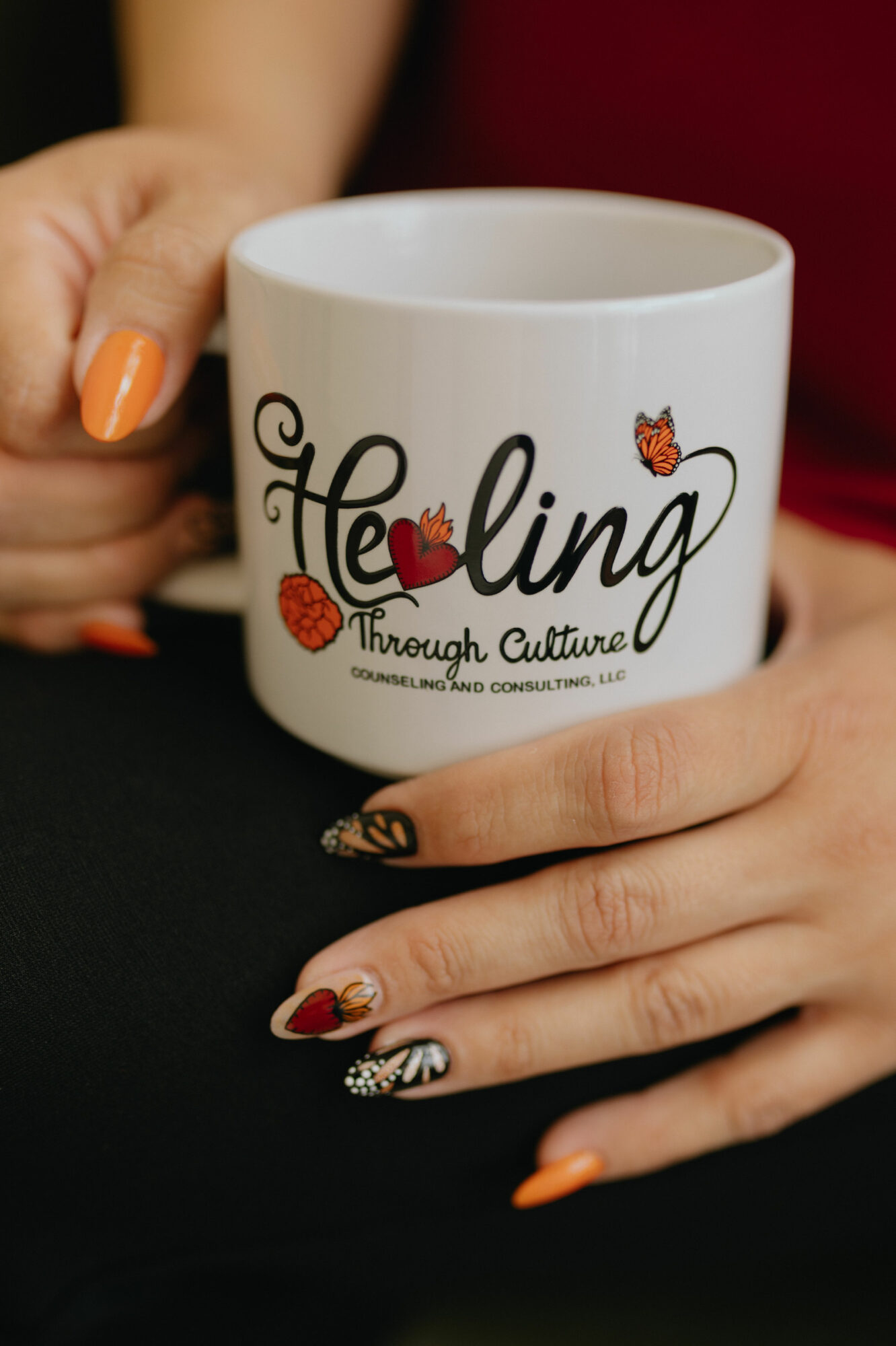
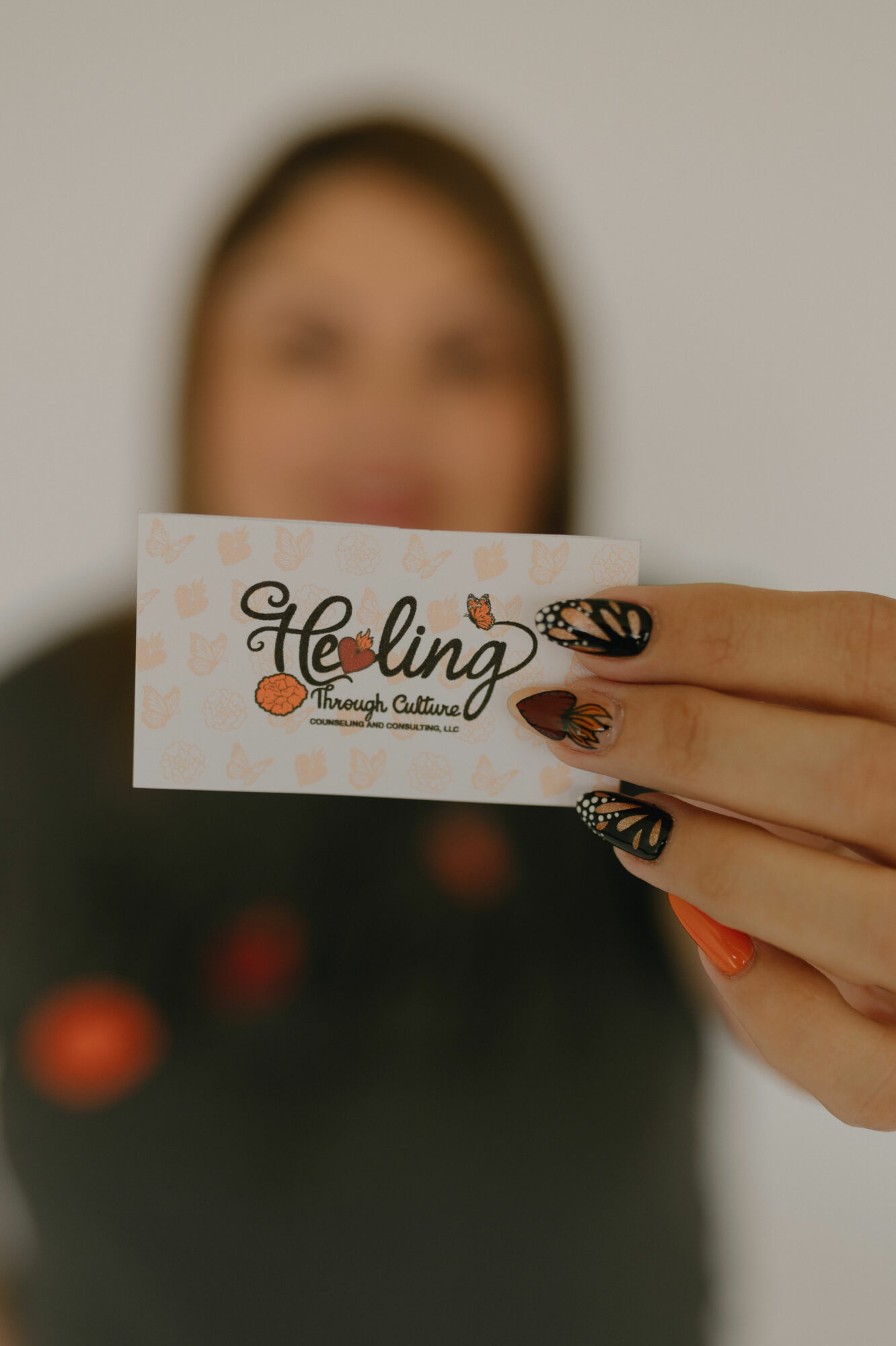
After 5½ years, I felt called to return home to Kansas City, to my family, my roots, and my community. That calling led me to create Healing Through Culture Counseling and Consulting, LLC. This practice represents the culmination of everything I’ve learned across nonprofit work, higher education, clinical training, and community-based and tribal settings.
Traditional models of psychology often treat culture as a consideration rather than the center of healing. They frequently overlook the historical and ongoing systems that have caused harm to communities of color, including medical and behavioral health systems that have excluded, marginalized, or misunderstood them. I wanted to create a space, and a model of care, that does things differently.
Healing Through Culture is a place where clients can set down the weight they carry, from their personal histories, their families, and the world around them, and simply be seen. A place where culture, identity, and lived experience are honored. A place where clients have the option to work with someone who shares their values and understands their realities.
My hope is that clients feel seen, that they know their stories matter, and that they recognize the courage it takes to walk through the door. Even when they don’t realize it, they are doing powerful work, challenging harmful systems, breaking generational patterns, and creating ripple effects of healing for themselves, their families, and generations to come.
Can you talk to us a bit about the challenges and lessons you’ve learned along the way. Looking back would you say it’s been easy or smooth in retrospect?
Has it been a smooth road? No, far from it. Like many first-generation professionals and people of color, my path has been shaped by both opportunity and obstacle. There were moments of feeling lost in systems that were not designed with people like me in mind, moments of self-doubt, and moments of having to work twice as hard to be seen, heard, or taken seriously.
Undergraduate was especially difficult. As a first-generation college student, I often felt unprepared academically and unsure of how to navigate the university system. Imposter syndrome was constant, I questioned whether I truly belonged there and worried that at any moment someone would realize I didn’t know what I was doing. There was also a deep sense of cultural isolation. I didn’t see many people who looked like me or shared my experiences, and it often felt like I was moving through spaces that weren’t built with students like me in mind.
Being away from home added another layer. While I was trying to survive academically and emotionally, life was still happening back home. There were family stressors, challenges, and responsibilities I felt deeply connected to, yet powerless to support from a distance. Carrying that weight while trying to stay focused on school was exhausting and, at times, overwhelming.
As my career progressed, navigating higher education and professional spaces continued to require invisible labor. Often, I was one of the few, or the only, while also feeling a strong responsibility to represent my community well. There were times when culture was minimized, misunderstood, or treated as secondary to “standard” practice, and I had to learn how to advocate for culturally grounded work while still navigating institutional expectations.
The work itself has also been heavy at times. Sitting with trauma, grief, and systemic harm, especially when it mirrors experiences from your own community, can take a toll. There were seasons of burnout, moments of questioning whether this field truly had room for the kind of work I wanted to do, and times when progress felt slow or hard-won.
More recently, starting my own private practice has come with a new kind of learning curve. Building something from the ground up and learning how to market myself in ways that felt unfamiliar was challenging, but also exciting. Connecting with others doing this work and watching the practice slowly take shape has been deeply rewarding.
At the same time, I’ve been incredibly fortunate to encounter mentors, colleagues, and communities who believed in me and opened doors when I needed support. Programs like the Minority Fellowship Program and my work within tribal communities reminded me that there are ways to practice psychology differently, ways that center culture, community, and healing rather than pathology.
The road hasn’t been smooth, but it has been meaningful. Every challenge clarified my values and strengthened my commitment to creating spaces, both in therapy and in training, where people don’t have to leave parts of themselves at the door. Those challenges are a big part of why Healing Through Culture exists today.
As you know, we’re big fans of Healing Through Culture Counseling and Consulting, LLC. For our readers who might not be as familiar what can you tell them about the brand?
Healing Through Culture Counseling and Consulting, LLC is a private practice and consulting business grounded in culturally responsive, trauma-informed care. The practice offers individual therapy, clinical supervision, consultation, and professional training for individuals, clinicians, and organizations who are looking for mental health services that honor culture, identity, and lived experience.
The counseling services at Healing Through Culture focus on working with adults and young adults navigating anxiety, depression, trauma, stress, life transitions, and identity-related concerns. Many clients are first-generation professionals, students, caregivers, and individuals from historically marginalized communities who are carrying not only personal challenges, but also the impact of systemic and intergenerational experiences. At the same time, the practice is open to anyone who is seeking therapy in a space that values reflection, cultural humility, and an understanding of the broader context shaping mental health.
What sets Healing Through Culture apart is the way culture is woven into every part of the work. Rather than treating culture as a background consideration, it is approached as a source of meaning, resilience, and connection. Therapy is collaborative, relational, and grounded in evidence-based practices, while remaining flexible and responsive to each client’s values, identities, and lived realities. Clients are invited into a space where their experiences make sense, and where they do not have to leave parts of themselves at the door.
In addition to clinical services, Healing Through Culture places a strong emphasis on training, supervision, and consultation. The practice provides clinical supervision for psychologists-in-training and early-career clinicians, with a focus on culturally responsive practice, ethical decision-making, and professional identity development. A central part of this work includes mentoring clinicians of color and supporting trainees who may feel isolated or underrepresented in traditional training environments. Consultation and training services are also offered to organizations, schools, and agencies seeking to strengthen culturally grounded and trauma-informed approaches.
From a brand perspective, what I am most proud of is that Healing Through Culture reflects my values with intention and care. It is a practice built on relationships, trust, and a belief that healing happens best when people feel seen, respected, and understood. Whether someone comes for therapy, supervision, or consultation, the goal is to create a space that feels welcoming, thoughtful, and deeply human.
Is there something surprising that you feel even people who know you might not know about?
Something that might surprise people is that I didn’t always envision myself owning a private practice. For much of my career, I saw myself rooted in community-based, university, and nonprofit settings, doing the work within larger systems. Starting Healing Through Culture wasn’t driven by a desire to be an entrepreneur, it came from listening to a calling and recognizing that I needed a different kind of space to do the work in a way that aligned with my values.
Building a practice from the ground up required me to step into roles I never imagined for myself, from learning the business side of therapy to putting myself out there in new ways. While that has been challenging at times, it has also been incredibly affirming. It’s allowed me to create a space that reflects who I am, honors the communities I come from, and offers care, training, and mentorship in ways that feel intentional and sustainable.
Contact Info:
- Website: https://www.healingthroughculture.com/
- Instagram: healing_through_culture
- Facebook: Healing Through Culture Counseling and Consulting, LLC