





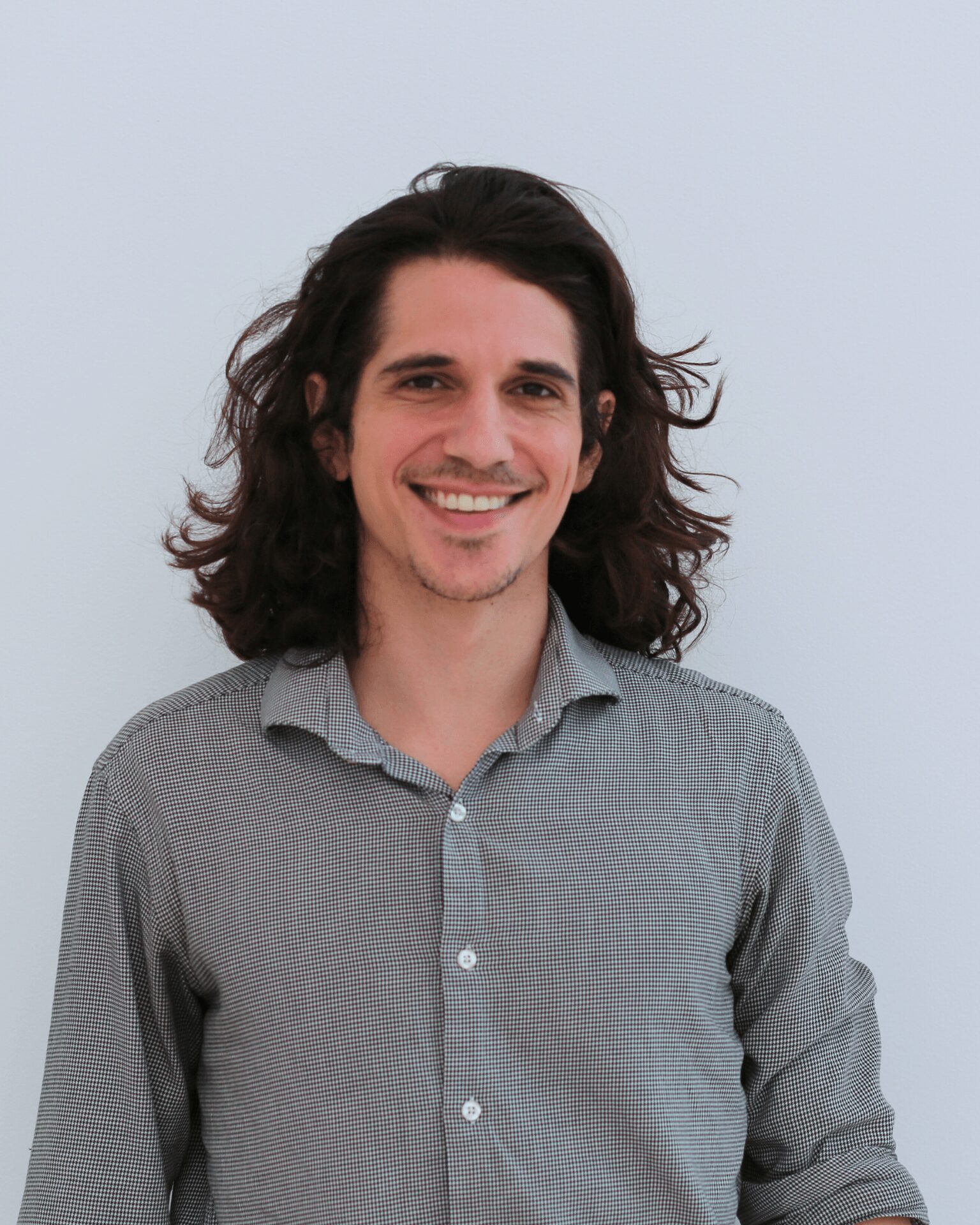
Today we’d like to introduce you to Evan Verploegh.
Hi Evan, so excited to have you on the platform. So before we get into questions about your work-life, maybe you can bring our readers up to speed on your story and how you got to where you are today?
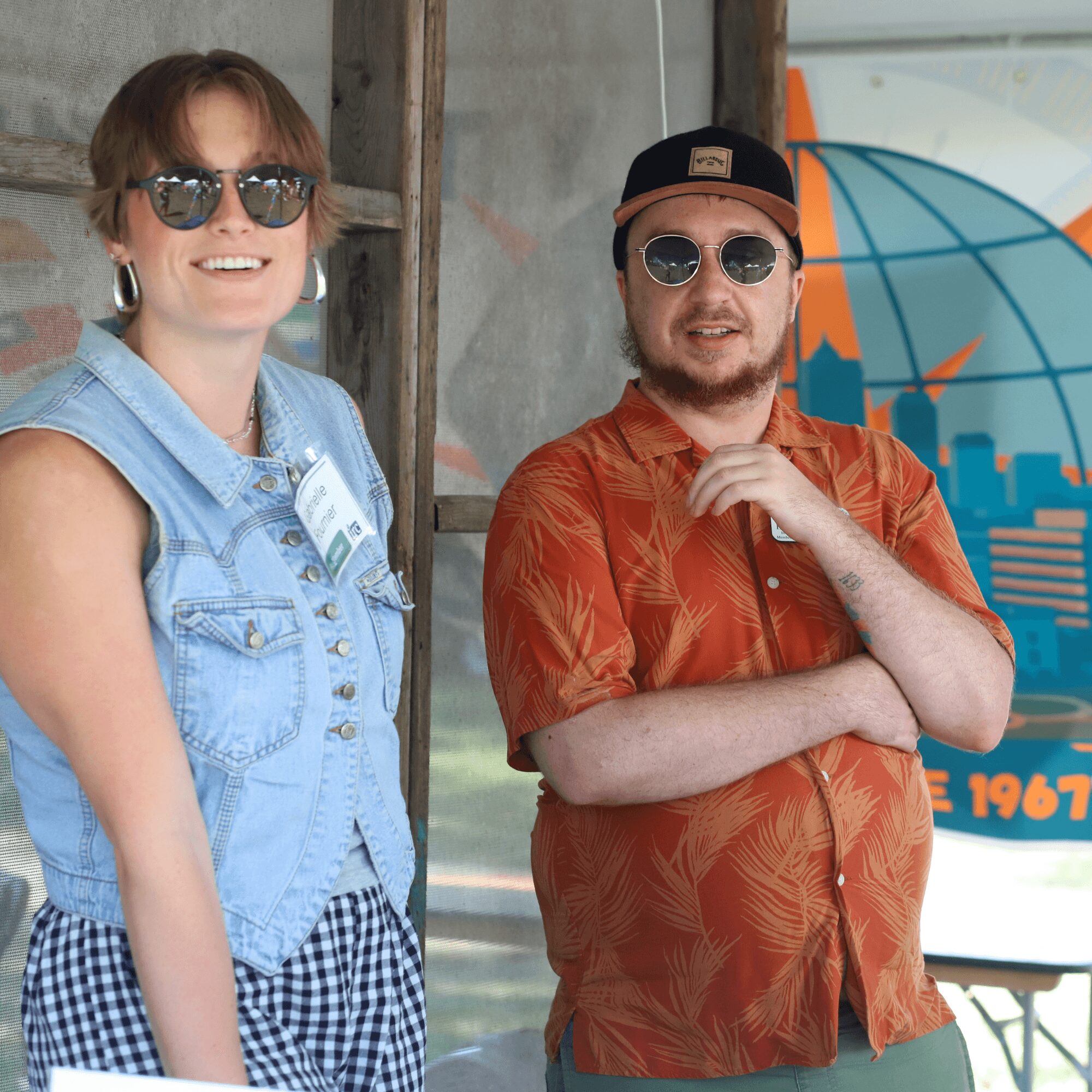
My background is fairly wide-ranging, and it certainly was not a direct path to the position I hold today. I was initially hired by the International Relations Council as our program coordinator. This includes booking speakers, coordinating with event spaces, handling catering – details like that. I’m from Wisconsin, and previously was the Event Coordinator for Rhinelander Chamber of Commerce, which is a small town in the northern part of the state. During that time I also was a lead coordinator of a music, art, and environmental festival called Project North. Both of those roles really helped me get familiarized with what it takes to put on a good event. It’s this fine balance of being hyper-prepared, while also extremely flexible when things (inevitably) don’t go exactly to plan.
My partner (Mackenzie Martin who works at KCUR) and I moved to Kansas City in the fall of 2019, and I started at the IRC just a couple months later. I was really drawn to the values and the mission of the organization – creating community and building dialogue are world events and global issues. In January 2023, I learned that our Executive Director Matthew Hughes would be taking over as the President and CEO of the World Affairs Councils of America, our parent organization. After some initial hesitancy, I threw my hat into the ring to be considered as the next leader of the IRC. What I lacked in experience as the leader of a nonprofit, I think I’d made up for in learning a lot from Matthew during his tenure. I came in wanting to put forth my own ideas, and shape the IRC into the organization I want it to be, while building off so many of the incredible initiatives he had put forth during his six and a half years with the IRC.
I’m now nearly three years into my tenure as ED, and I can say that things haven’t gotten any easier. I had to learn so much very quickly, including how to manage a board of 20 people, how to fundraise in a very financially uncertain time, and how to be a public-facing leader and all the scrutiny that comes with it. Some of my ideas have worked, and some have not. It’s important to know when to move on from a concept, even if you feel quite passionate about it. Sitting here at the end of 2025, I feel like we’ve really settled into a nice balance of honoring who we have been in the past 70+ years as an organization, and also pushing forward so we can get new folks involved and stay relevant in an age of information overload.
Would you say it’s been a smooth road, and if not what are some of the biggest challenges you’ve faced along the way?
My struggles have certainly come just from this being the first position of this magnitude that I’ve held. We are a small staff of two, and thus myself and my coworker Daniel Fitzpatrick do a little bit of everything. However, you still have to learn to delegate, whether that’s to Dan, to the board, volunteers, interns. It’s human nature to want to stay in control of everything, but you’ll drive yourself crazy if you don’t ask for help. I’m not good at asking people for things, but I’ve had to get better at that my necessity.
There is fundraising, event coordination, financial management, board relations, member relations, volunteer coordination, and so much else that goes into what we do as an organization. I came with experience on the event side of things, and that is still my favorite part of the job. Fundraising is the toughest. No one likes asking people for money, myself included. Finances will always be tight for nonprofit organizations like ours, and you have to learn how to advocate for yourself and remind people that we truly cannot do what we do without their support.
I’m not a naturally outgoing person, so the frequency of meetings, public speaking engagements, and social commitments related to the job can be quite taxing. But, it has gotten easier as I’ve gotten more acclimated to it. Like anything, it’s all about forming good habits and getting into positive routines.
Thanks – so what else should our readers know about International Relations Council?
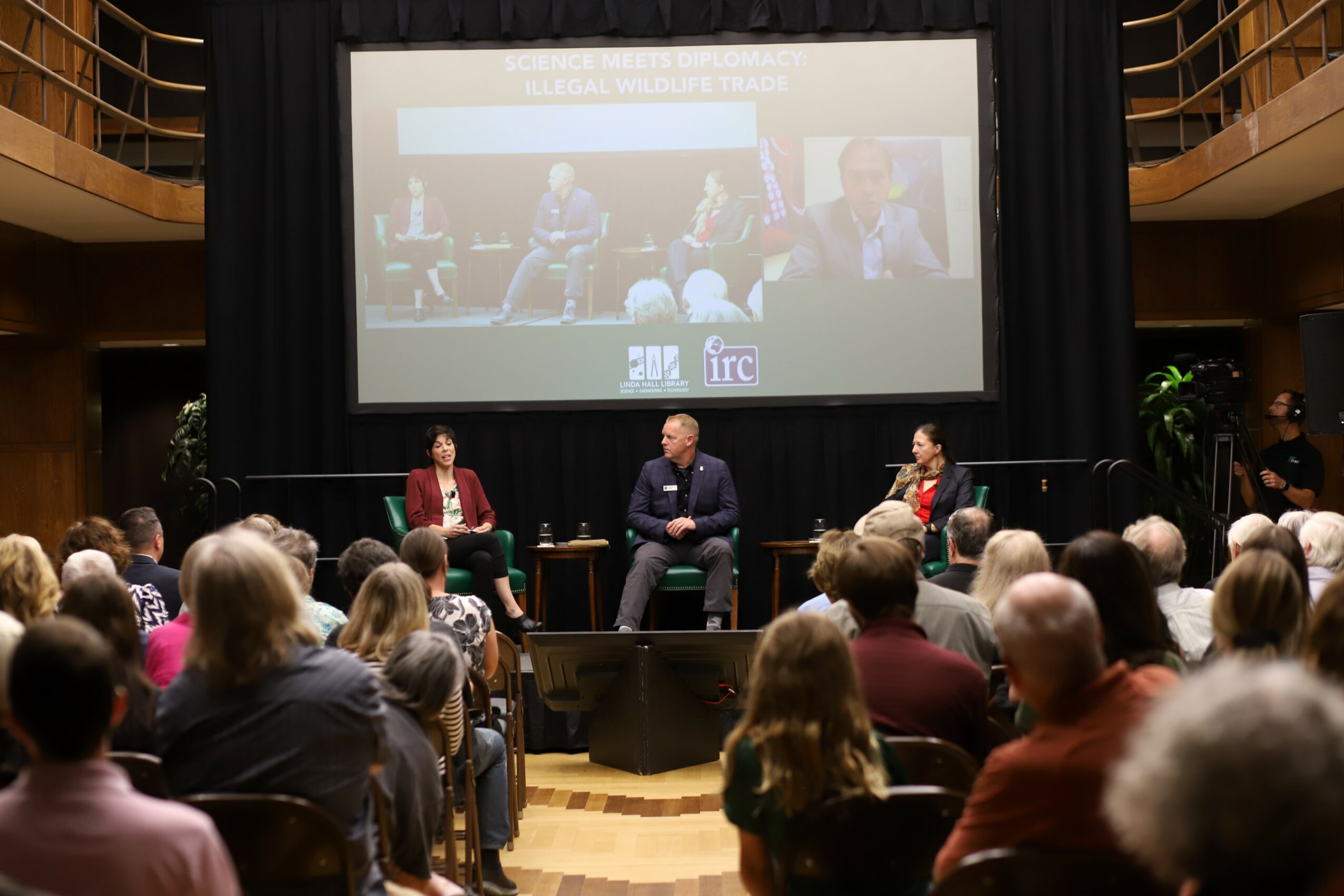
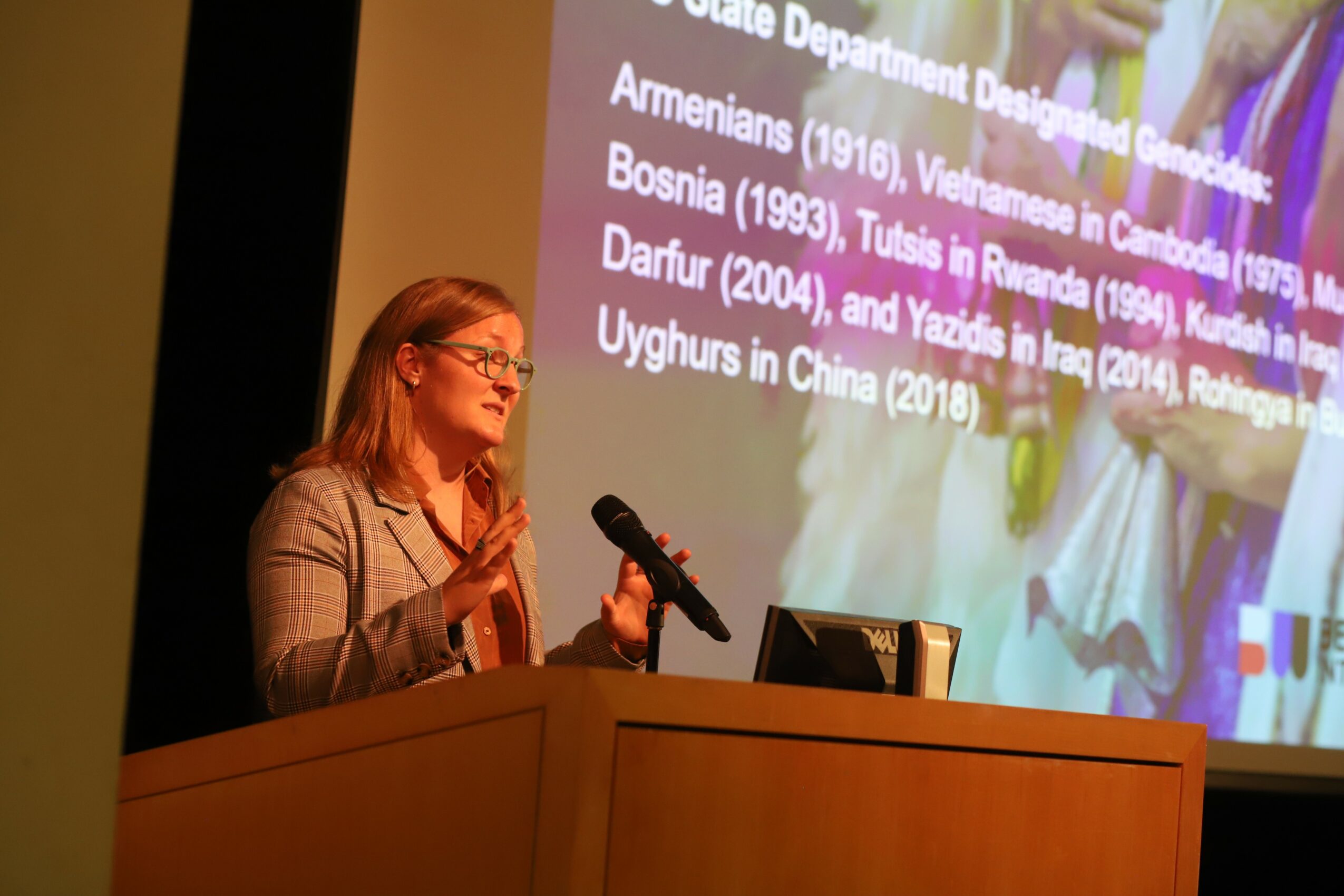
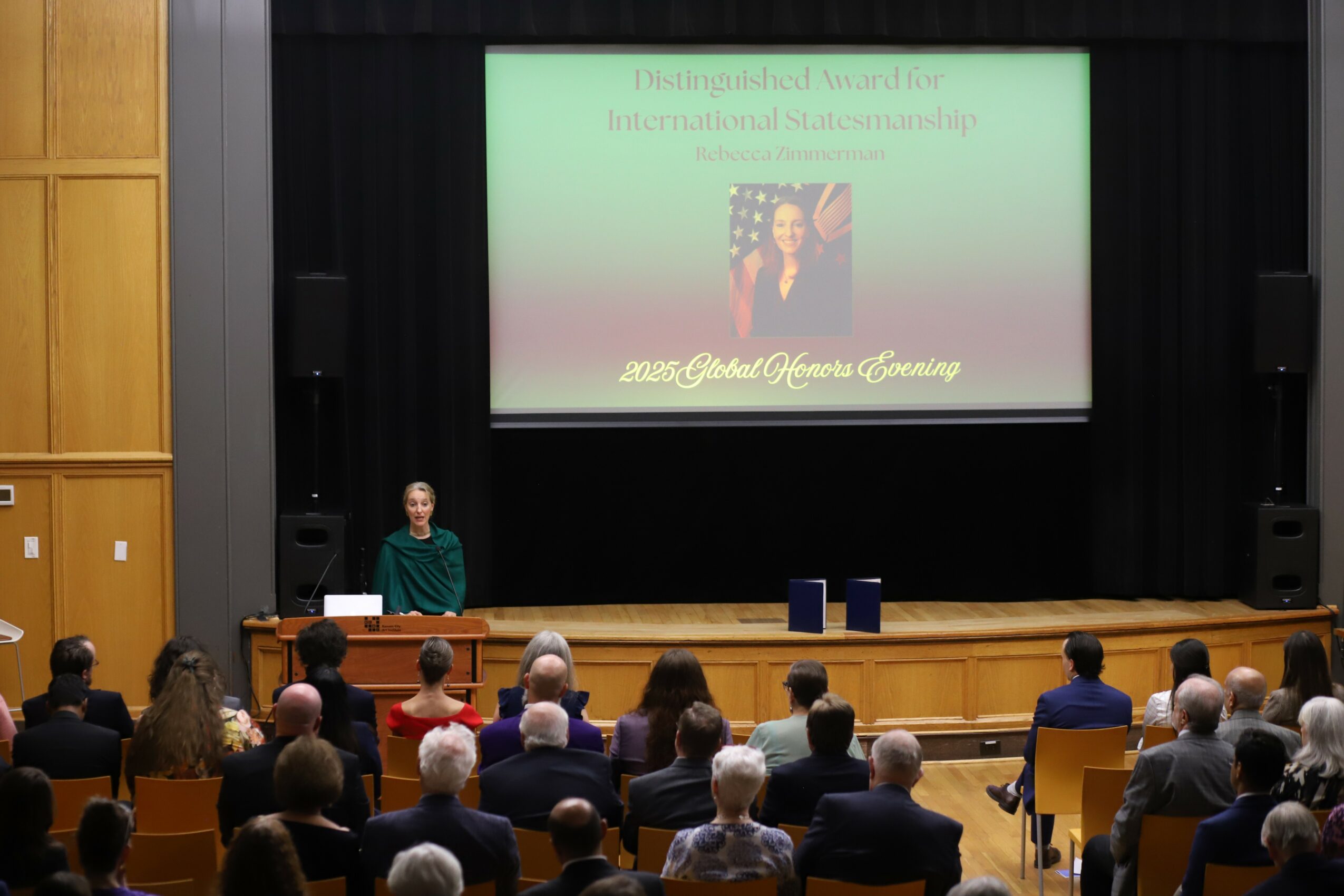
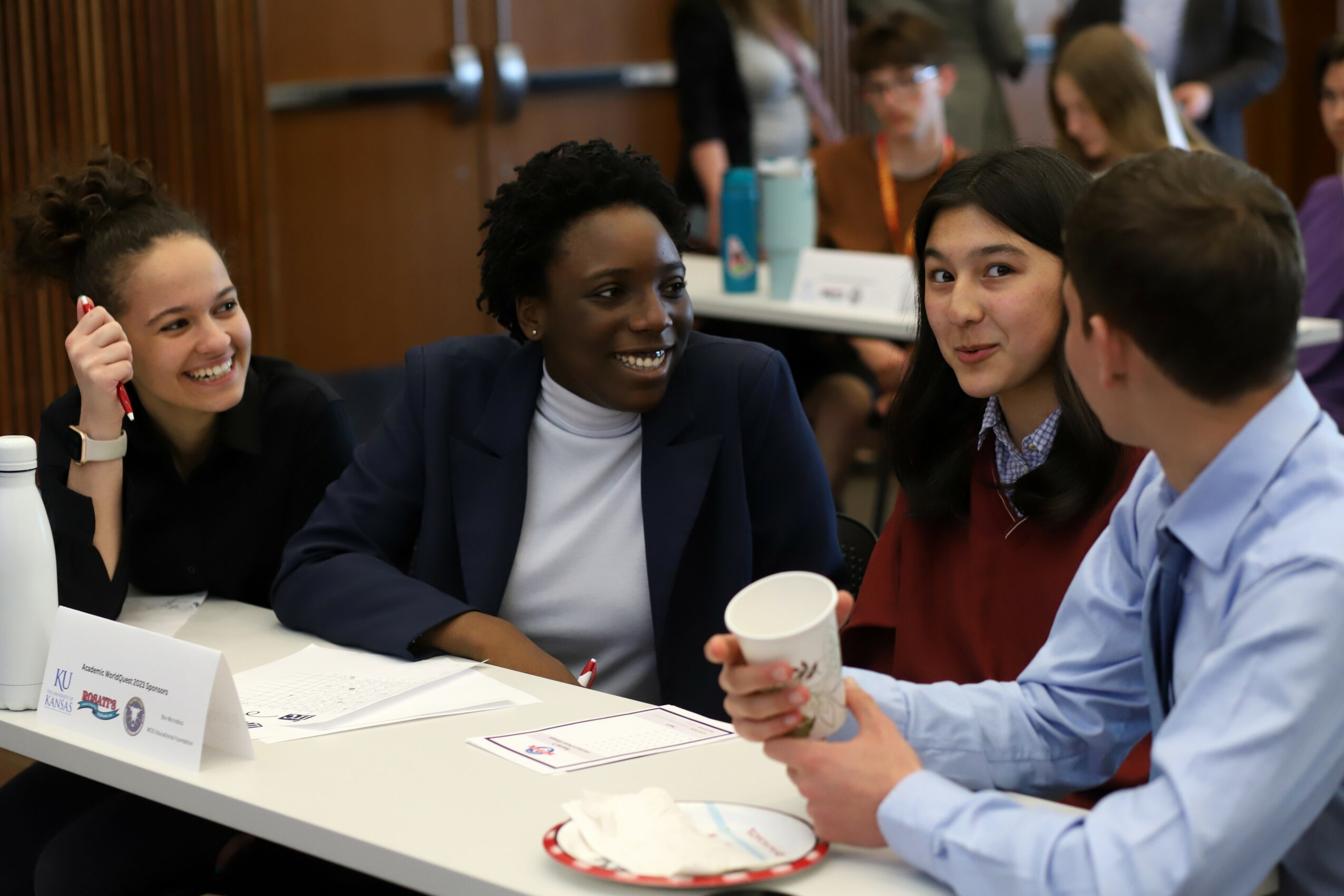
The International Relations Council was founded in 1955 by Eliot Berkley as an organization for people to get together to discuss international issues in a civic and respectful manner. We bring in experts, professors, Ambassadors, and journalists to hold programs on topics ranging from the Russian-Ukrainian war, to sports diplomacy, to the global economy. We also hold more informal events, such as roundtables and book clubs. We also have student programs, such as an international college and career fair, and a trivia competition with the winning school competing at a national competition in Washington D.C.
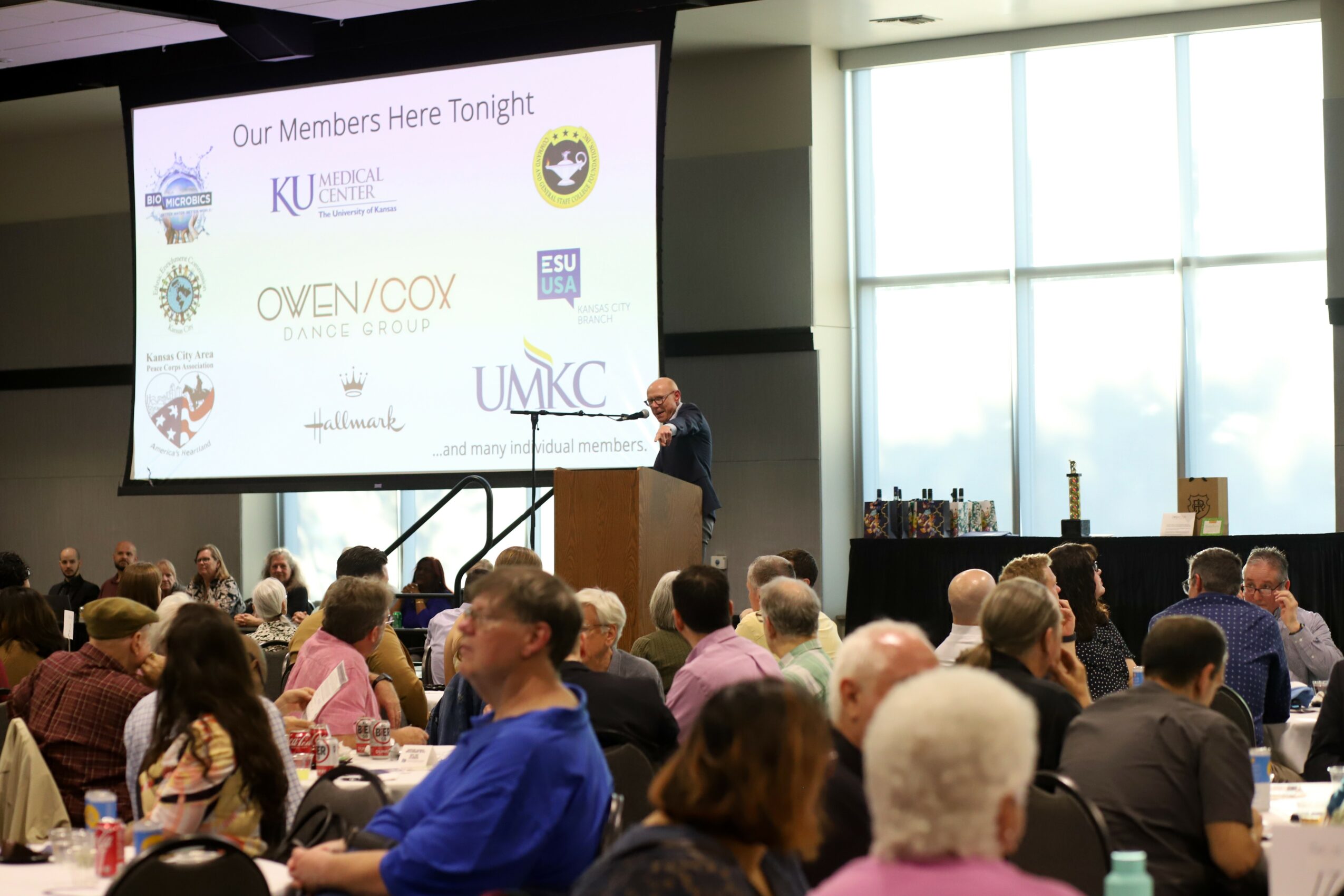
We are a membership organization. While most of our program are low-cost or free, members get access to some exclusive programs and opportunities. We have some people who have been involved with the organization for upwards of 50 years at this point. That is incredibly special to know that they have stuck with us for that long and remain a vital resource in their lives. We are a community organization at the end of the day, and our largest value is the relationships that are created and maintained through the involvement with the IRC.
Everyone is welcome at the organization. You don’t have to have to have majored in international affairs or political science to get value out of attending our programs. I don’t have a background in international affairs, and I constantly am in awe by what I am able to learn on a daily basis just by being around so many knowledgable people. There are lasting friendships that are created through this organization, and that is what I’m most proud of.
This idea of “third spaces” is so important right now. When we are so wrapped up consuming news, media, entertainment, and just about everything through a screen we are limiting our ability to make human connections. The International Relations Council believes it is important to get out and truly engage with our immediate community and the world at large. We seek to find common bonds for people who might otherwise not have the chance to interact with one another. I think where we excel the most in that is by how intergenerational our community is.
We’d love to hear about how you think about risk taking?
I wouldn’t say I take a risk-taking attitude in my work. We do like to be conscious about pushing what is considered “normal” programming, however. This includes the venues in which we use, the backgrounds and experience of the speakers we choose, and the format of said programs. It’s more about avoiding complacency rather than risk-taking, though. It can be easy to look at our calendar for the coming year and want replicate the cadence of the previous year. We try to focus on what worked for our audience. It’s about taking feedback, and using it to advance our programming, while hopefully getting more people in the door.
Pricing:
- Individual IRC Membership: $100/yr
- Recent Graduate: $50/yr
- Student: $25/yr
Contact Info:
- Website: https://www.irckc.org
- Instagram: https://www.instagram.com/irc_kc/
- Facebook: https://www.facebook.com/irckc
- LinkedIn: https://www.linkedin.com/company/international-relations-council
- Twitter: https://x.com/irckc
- Youtube: https://www.youtube.com/@irckc