





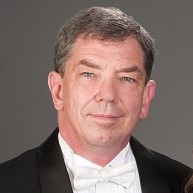
Today we’d like to introduce you to William Baker.
Alright, so thank you so much for sharing your story and insight with our readers. To kick things off, can you tell us a bit about how you got started?
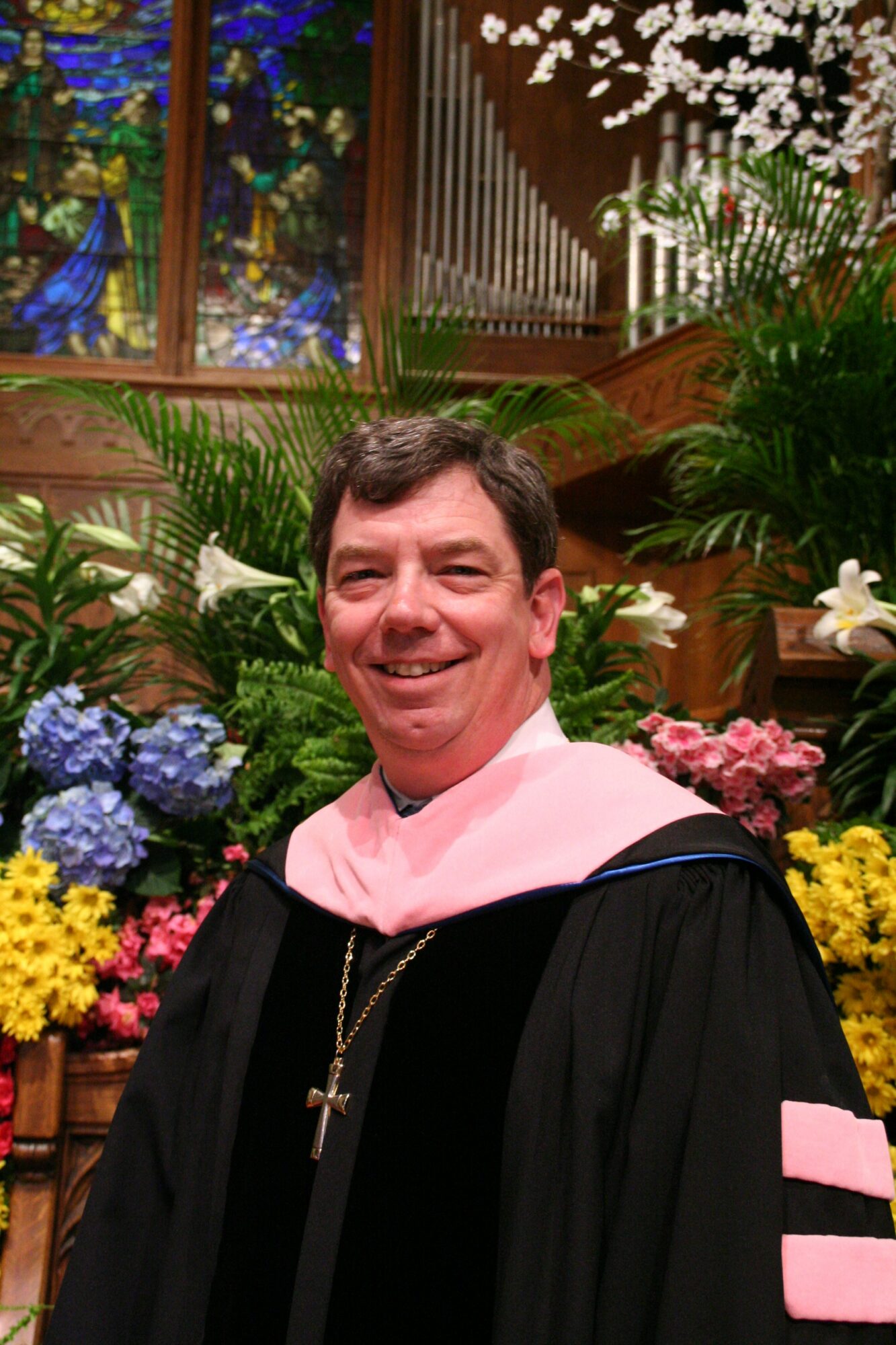
I was born in Atlanta in 1959 to a blue collar family. My father was a salvage man. My mother was a homemaker. My mother never went to school as a student. My father made it to the third grade. We were quite poor in those early days. My older brother was the first to go to high school. I was the first to go to college. My mother was a person of very deep faith and conveyed that faith to me, a faith I cherish to this day. I loved hymn singing in the church and would memorize hymns and sing them in the swing in my back yard. In fact, I had loud voice so my singing annoyed the neighbors. I loved music from as early as I can remember. I started in the school band playing trombone in the fifth grade. In time I excelled with the instrument, making district and state honor bands and youth symphonies. My love for hymns and for music came together in a love for choral music, and I decided early on that I wanted to grow up to be the music director in the church. I actually began school as a theory and composition major, but wound up studying vocal performance, American history and applied theology in undergraduate school. I went on to receive a masters in choral conducting, and then a doctorate in choral conducting from the American Conservatory of Music. My earlier studies had been at Mercer University Atlanta and the University of Georgia.
I became a church music director in July 1977 in a small suburban church that I served for four years. From 1981-2003 I served Methodist, Presbyterian and Lutheran churches in full time positions, including major positions in some of the nation’s most prominent churches. Since 2003 I have continued to serve as a church music director, but in smaller churches part-time that I have enjoyed immensely, including the St. Paul’s Episcopal Church in Lee’s Summit, MO, where I am now.
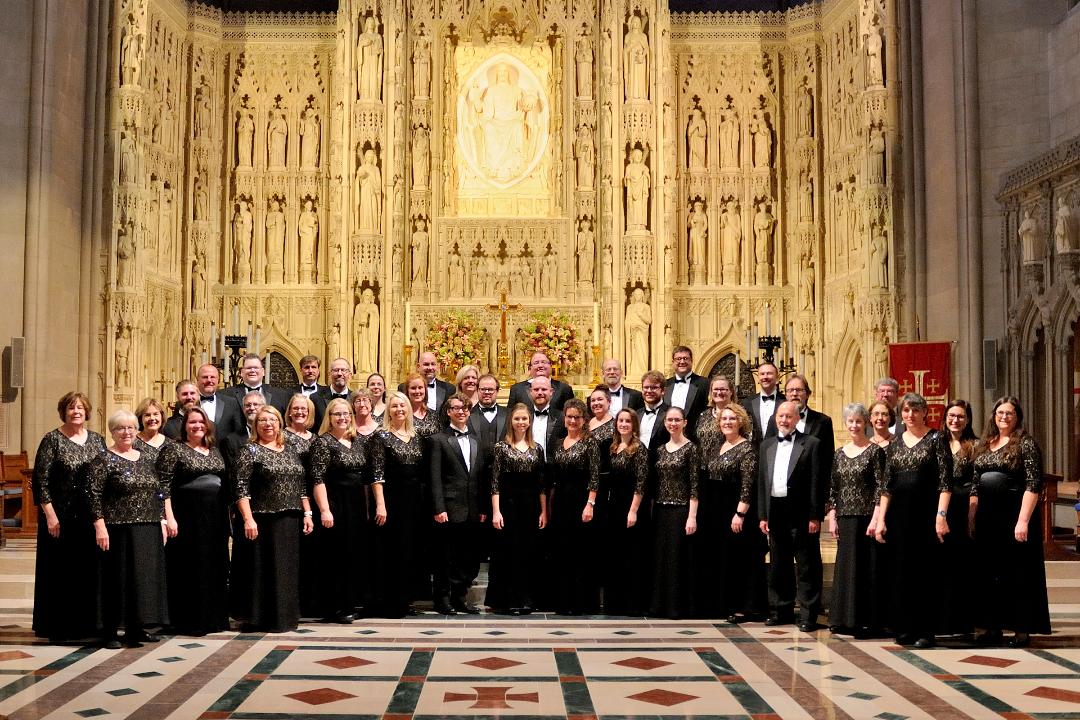
I created my first independent choral group, The DeKalb Choral Guild, in suburban Atlanta in 1978 when I was 19 years old. I led that group through 1992, and it is still a thriving entity to this day. In 1985 I created my first semi-professional “Festival Singers” touring choir that propelled my career to a level of regional and national awareness. That Atlanta choir became the flagship of the William Baker Choral Foundation, the primary thrust of my career since 2003. In 1998, I moved to the Kansas City area and created a second Festival Singers there. Now, the William Baker Choral Foundation has 13 music groups in four states, Kansas, Missouri, Illinois and Georgia, that involve nearly 1000 singers in a year. We also have two national educational institutions, with international activities from China to Kenya. The WBCF has one of the largest independent music libraries in the nation. The William Baker Festival Singers has produced over two dozen nationally released recordings, been featured in numerous local television and national radio programs, including NPR’s “Performance Today.”
Their recordings have been reviewed graciously in “The American Record Guide,” and they were named a national winner of the 2021 American Prize for Choral Performance.
I have been named a National Arts Associate for Sigma Alpha Iota; 2nd Prize winner of the 2023 Dale Warland Award for Choral Conducting; and received commendations from two Georgia governors, the governor of Kansas, and the Georgia House of Representative, in addition to US Congressman Phil Gingrey. I am the author of two devotional books and I host a weekly podcast, “The Choral Director’s Toolbox.”
Can you talk to us a bit about the challenges and lessons you’ve learned along the way. Looking back would you say it’s been easy or smooth in retrospect?
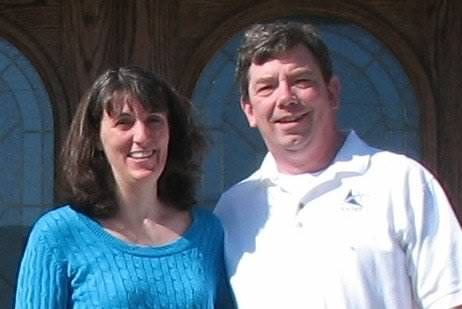
I often say that no man walks the face of this earth more blessed than me. If I were going to choose a mantra, that would be it. Growing up poor, and I grew up quite poor, is both a liability and a blessing. It is a liability because you don’t have many of the luxuries many people expect, and accomplishing some things is more challenging. On the other hand, growing up poor is a blessing. Your expectations are not as outlandish. You appreciate things more. You have to work harder to find your place in the world and you have to be more persistent…. a capacity for persistence is more beneficial in many ways than money or advantage. Now, I do for a living what I believe I was created to do, and I am able to have a comfortable living doing it. I have everything I need, and many things I want. Compared to where I grew up, my modest home is a mansion. Even more important it is filled with love. I married the most beautiful woman I’ve ever seen. The day we married was the sweetest day of my life and each day since has been sweeter. Our three adult children are creative, passionate, bright, and wonderful people. Yes, of course, there were challenges, but for every hour of challenge there have been days of joy. I can say without any hesitation that my life is filled with peace, contentment, adventure and joy. No complaints about anything!
Thanks – so what else should our readers know about your work and what you’re currently focused on?
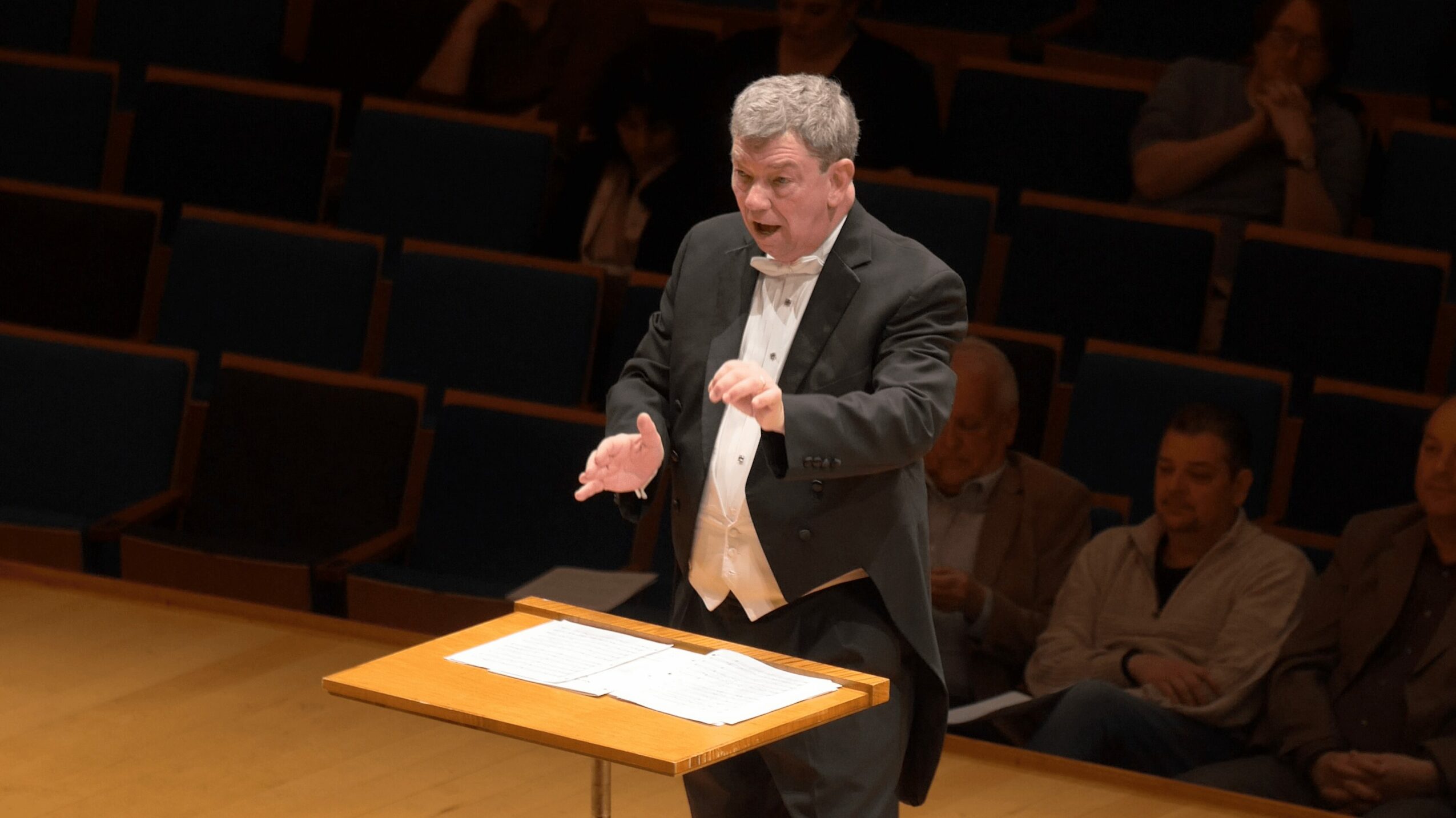
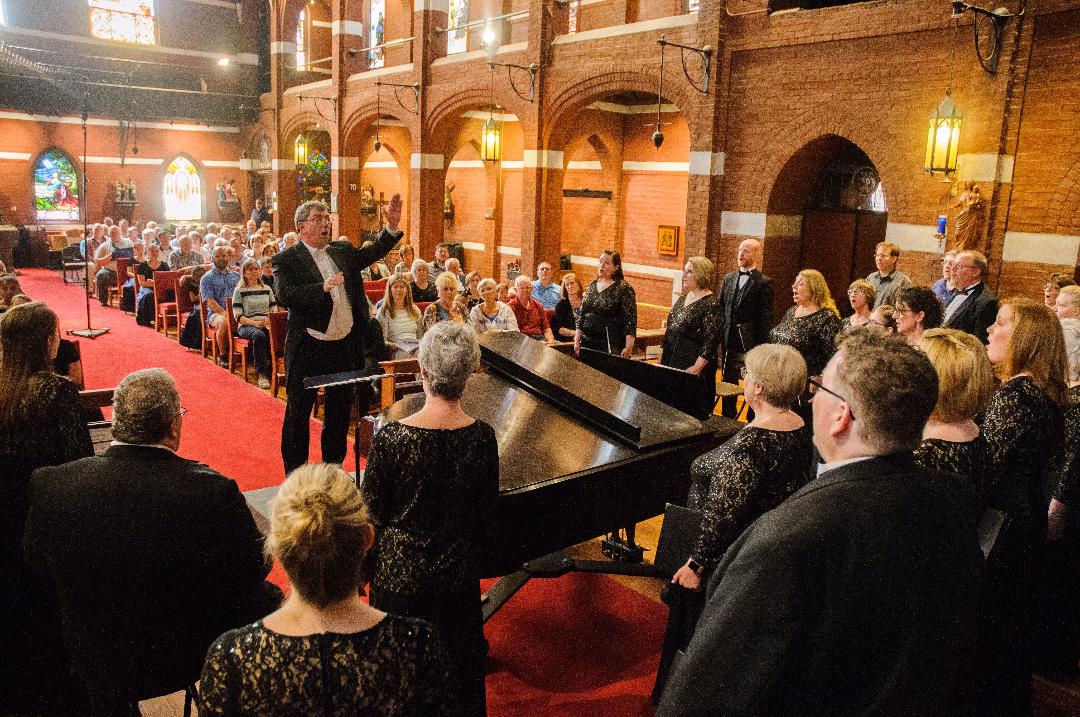
I guess I serve two roles now in my work. Role #1 is a musician, a choral (and often orchestra) conductor. My degrees are in music, and I have served as a church music director for nearly 50 years, and director of community and professional choirs for 48 years. Every year I conduct 4-5 concerts with full orchestra, including choral/orchestral works and orchestra-only works. I personally direct the William Baker Festival Singers based in Kansas City, Kansas City Bronze, the Summer Singers and Orchestra of Kansas City, the Summer Singers and Orchestra of Lee’s Summit, Zimria Festivale Atlanta, and I am music director for the St. Paul’s Episcopal Church in Lee’s Summit, MO. I have taught many conducting students, both through my own organization and through the (now defunct) American Conservatory. I sung in a chorus in Carnegie Hall, performed on Grammy winning recordings, and conducted in places like Canterbury Cathedral in England, the National Cathedral in Washington, and Trinity Wall Street Church in New York City.
In my other role, I function as the CEO of a national arts organization, managing and directing its operations, supervising creative and administrative staff, and visioning its future both short and long term. It is a fun way to make a living.
I think I am known for being an entrepreneur. Again, growing up poor honed survival skills and a capacity to create an unprecedented way to solve problems. It also made me less risk averse, willing to try new ideas. I have a special affection for American music, particularly folk music and folk hymns, along with the spirituals of the people who came to America in slavery. I think the fact that I have conducting skills in both choral and orchestral music is unusual.
Can you tell us more about what you were like growing up?
I was the skinny kid with thick glasses. I loved sports, especially baseball and dreamed I would be a major league baseball player. I loved reading… and I have read voraciously my entire life, even today. Most of all I loved music and I was determined to succeed at any cost. I practiced the trombone hours at a time. I memorized choir music, hymns and songs. Almost every thought and relationship I engaged was built around music.
I came home from school at the age of 12 and discovered my mother’s lifeless body, It was a trauma that impacted my teen years. I went through a period of anger and despair, and I had trouble learning how to hold healthy relationships. Fortunately, kind and loving people helped me through that period of tough teen years and young adult years.
I have always had a great interest in American history and politics, so much so that I changed my major in college for a few months to American history.
Contact Info:
- Website: https://www.ChoralFoundation.org
- Facebook: William Baker Festival Singers
- Youtube: William Baker Choral Foundation