





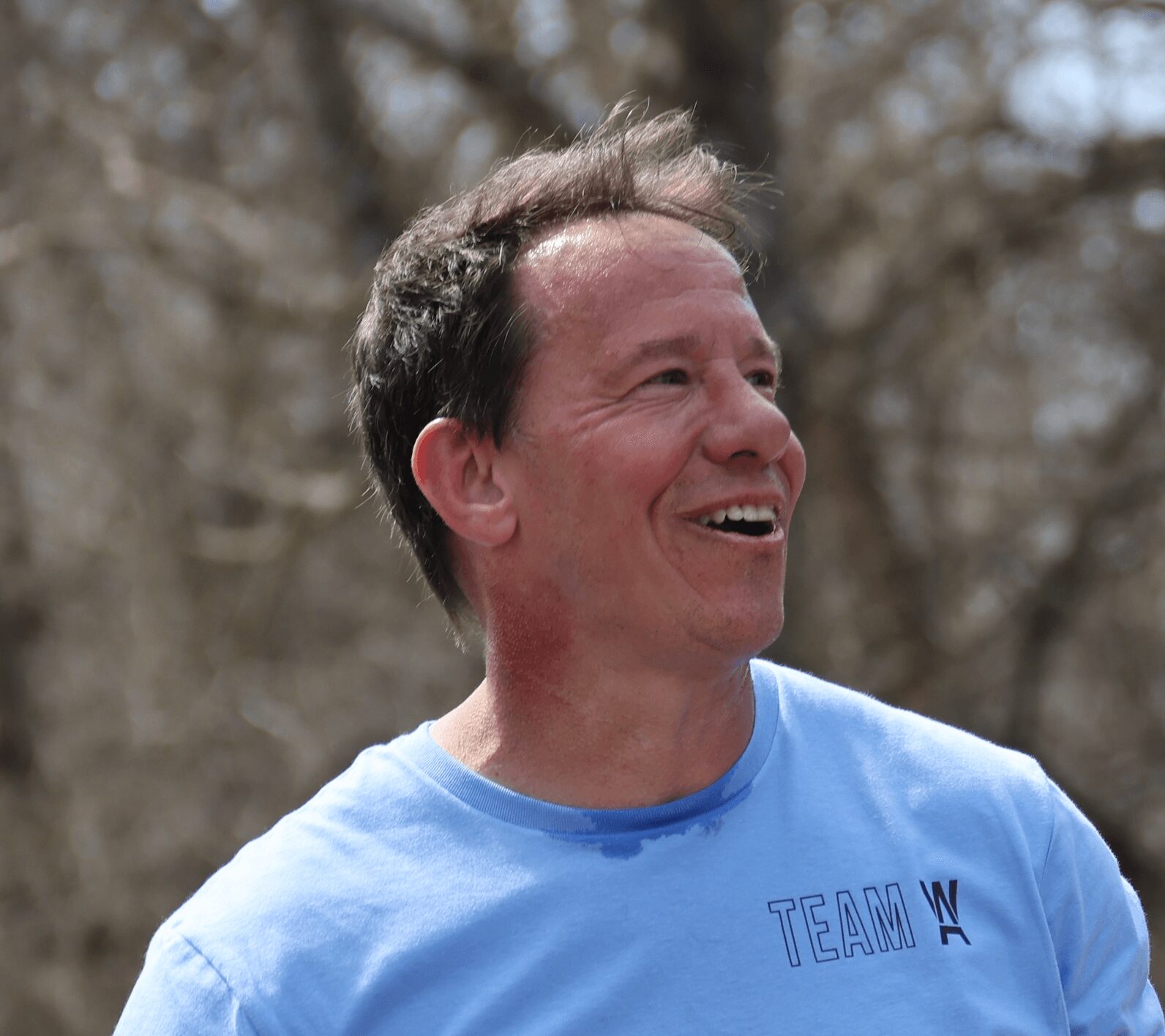
Today we’d like to introduce you to Mike Kenny.
Hi Mike, please kick things off for us with an introduction to yourself and your story.
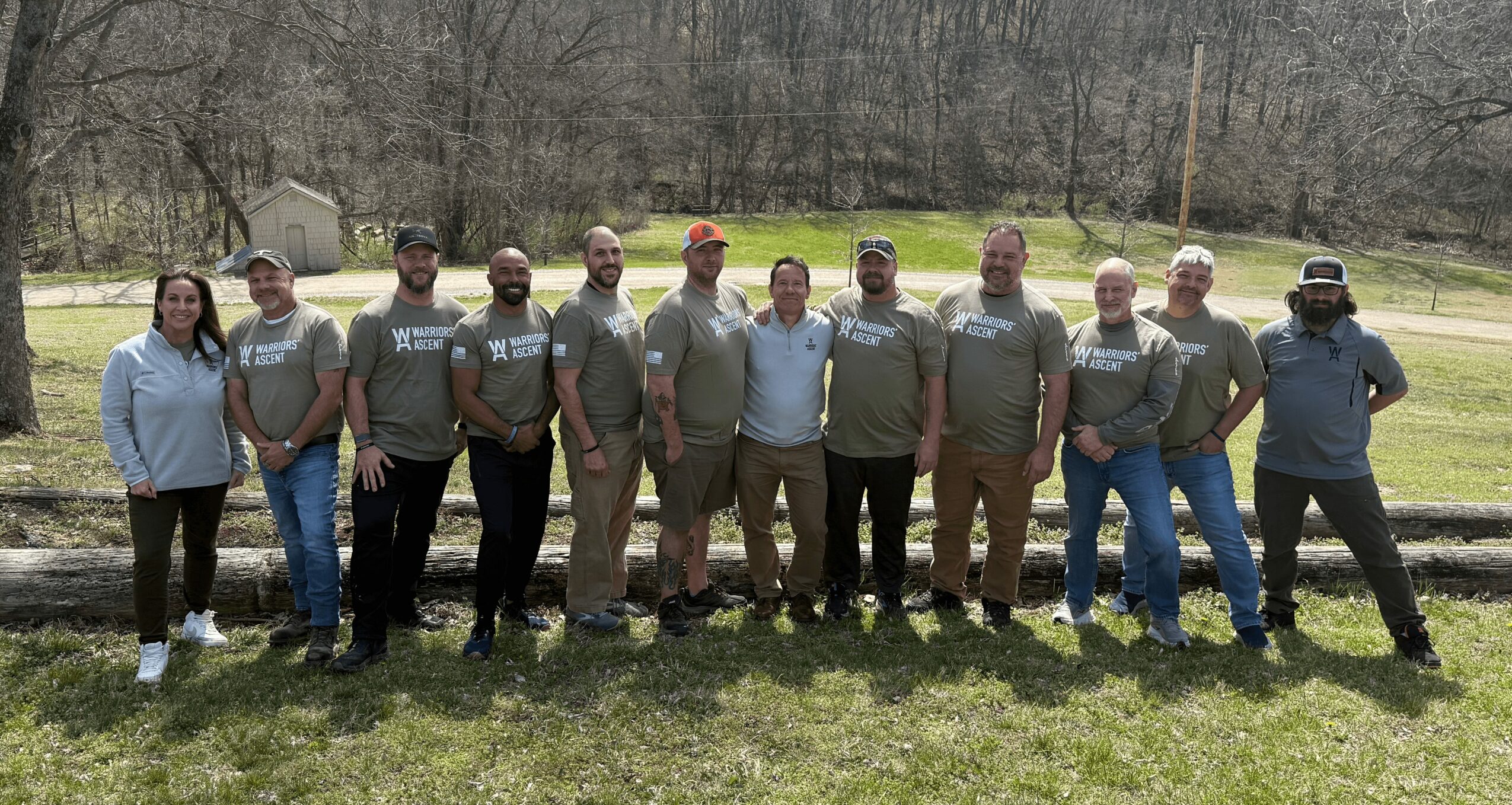
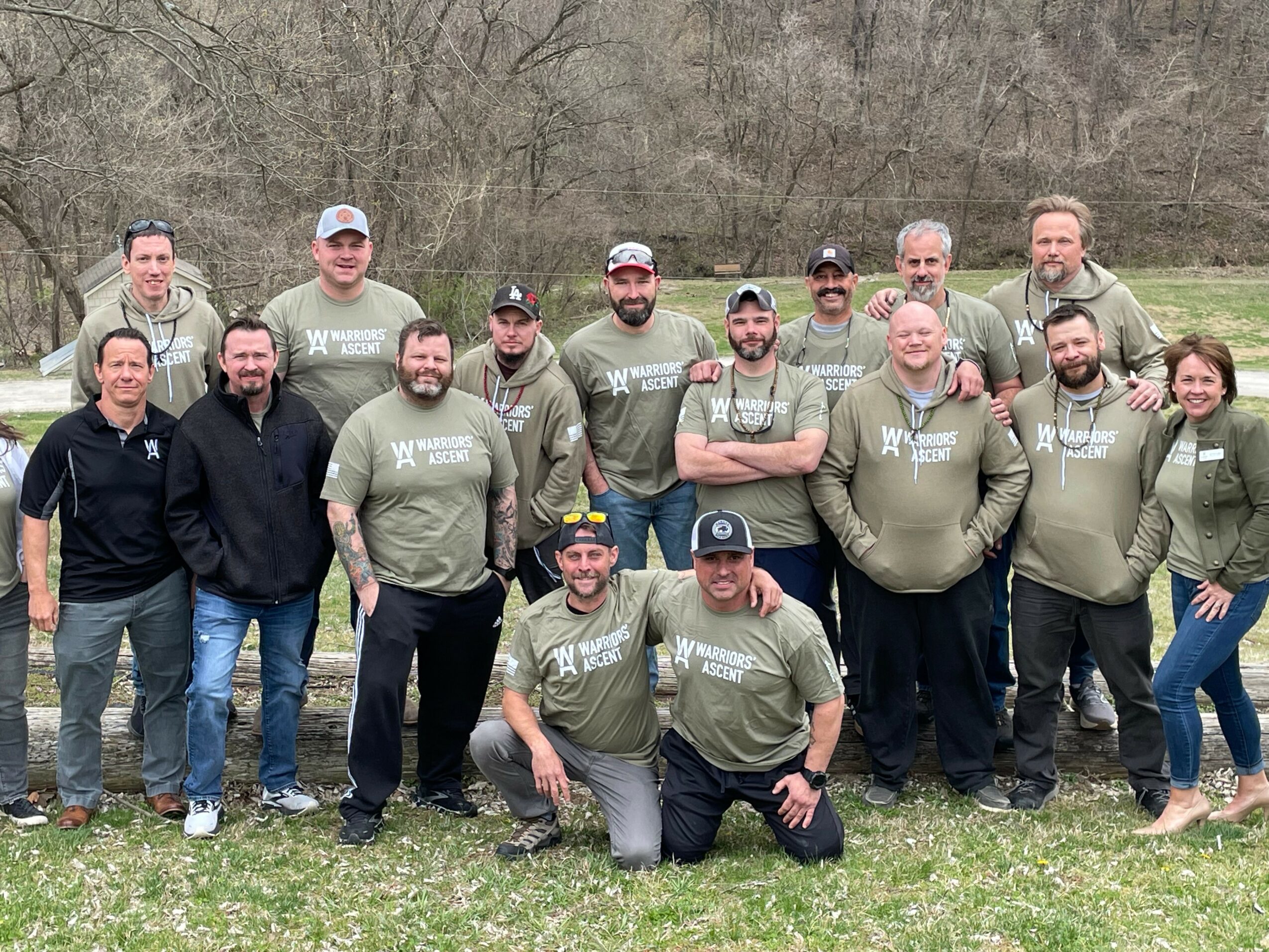
I graduated from the United States Military Academy at West Point in 1993 and served in the US Army as an infantry and special forces officer until 2015. Upon my retirement from the military I assumed the role of executive director for Warriors’ Ascent, a 501(c)(3) organization that that helps veterans and first responders with post-traumatic stress to take ownership of their lives and healing. Since 2016 we’ve help over 700 of our Warriors get their lives back by serving those that serve.
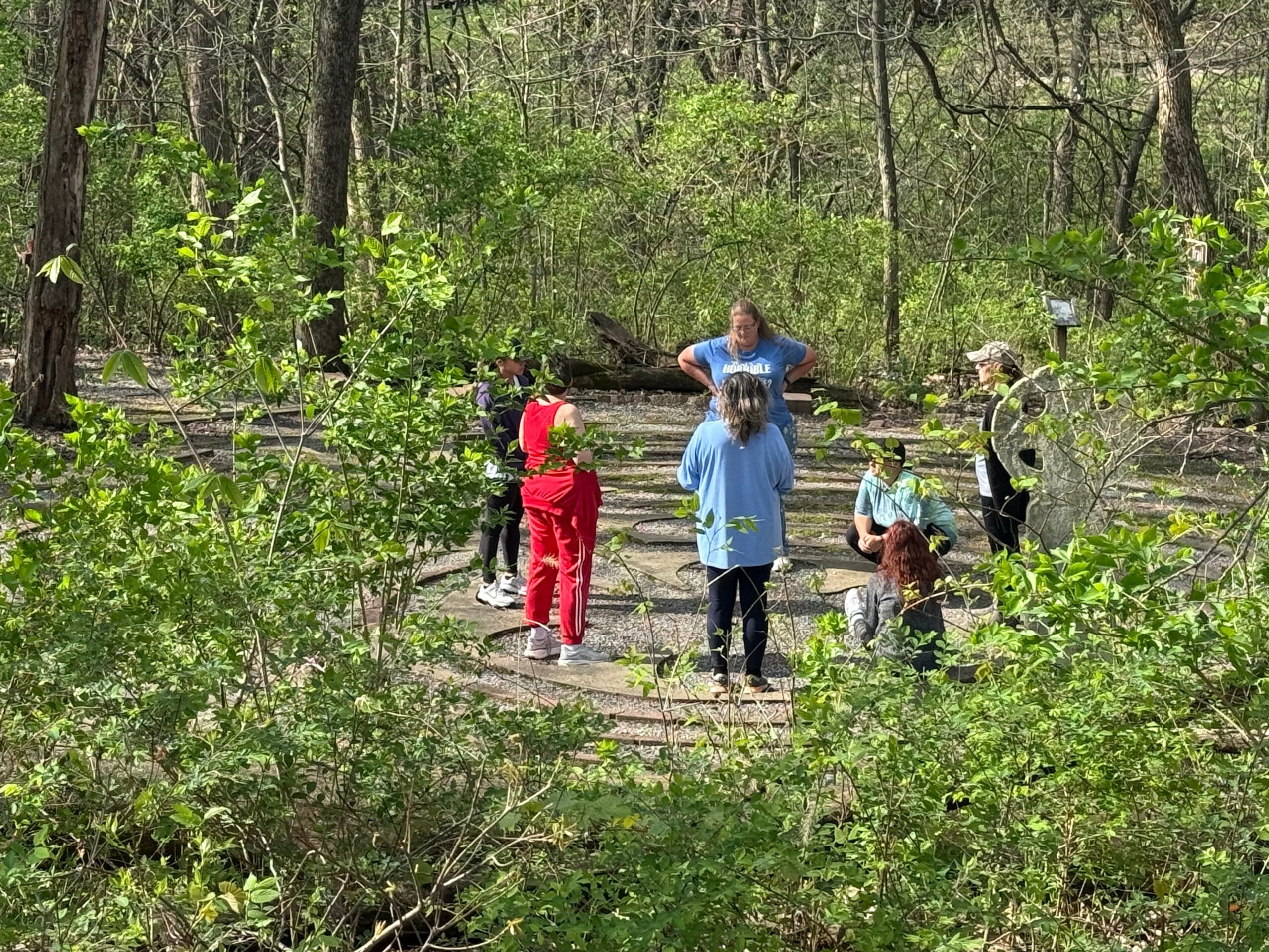
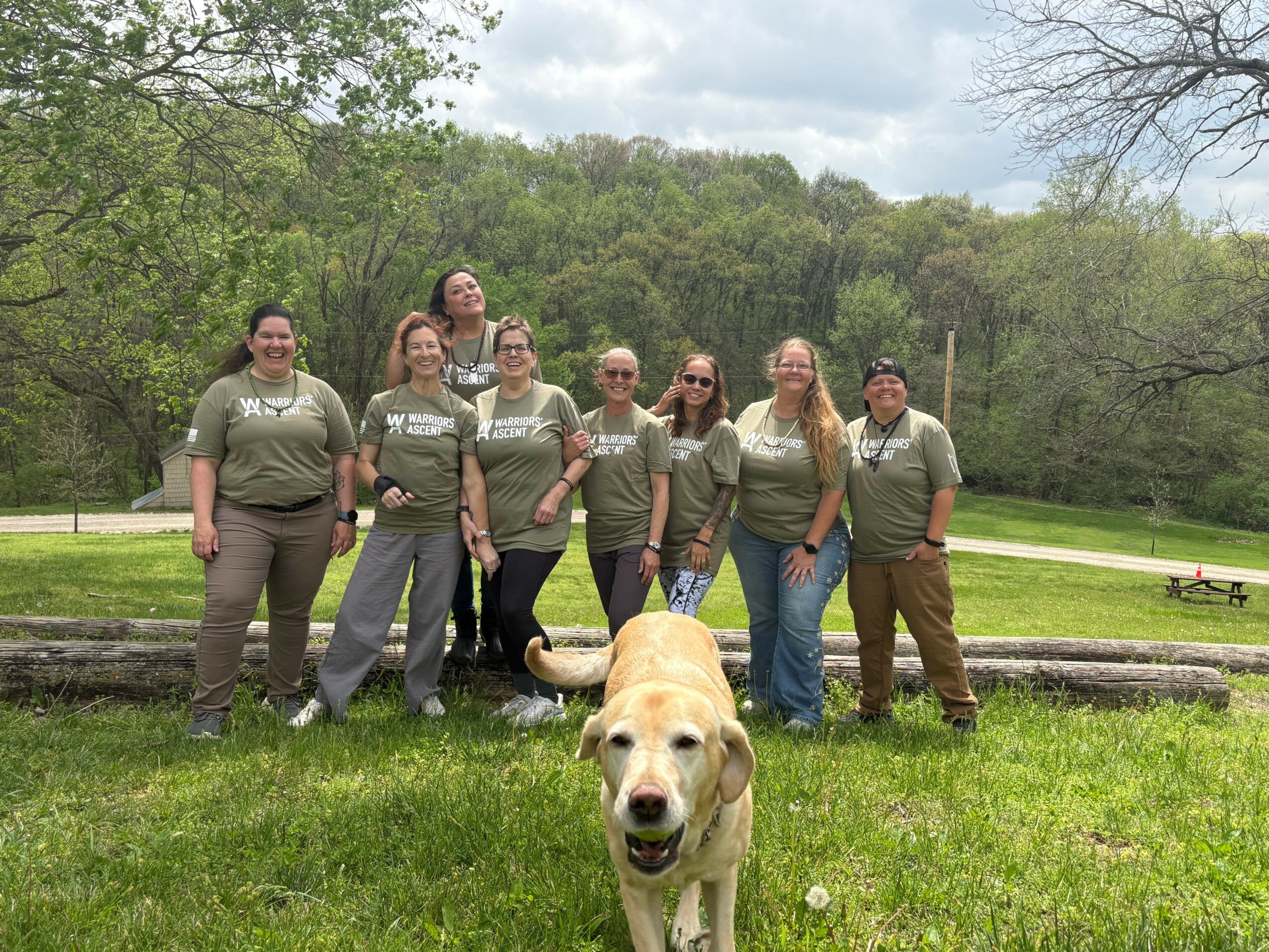
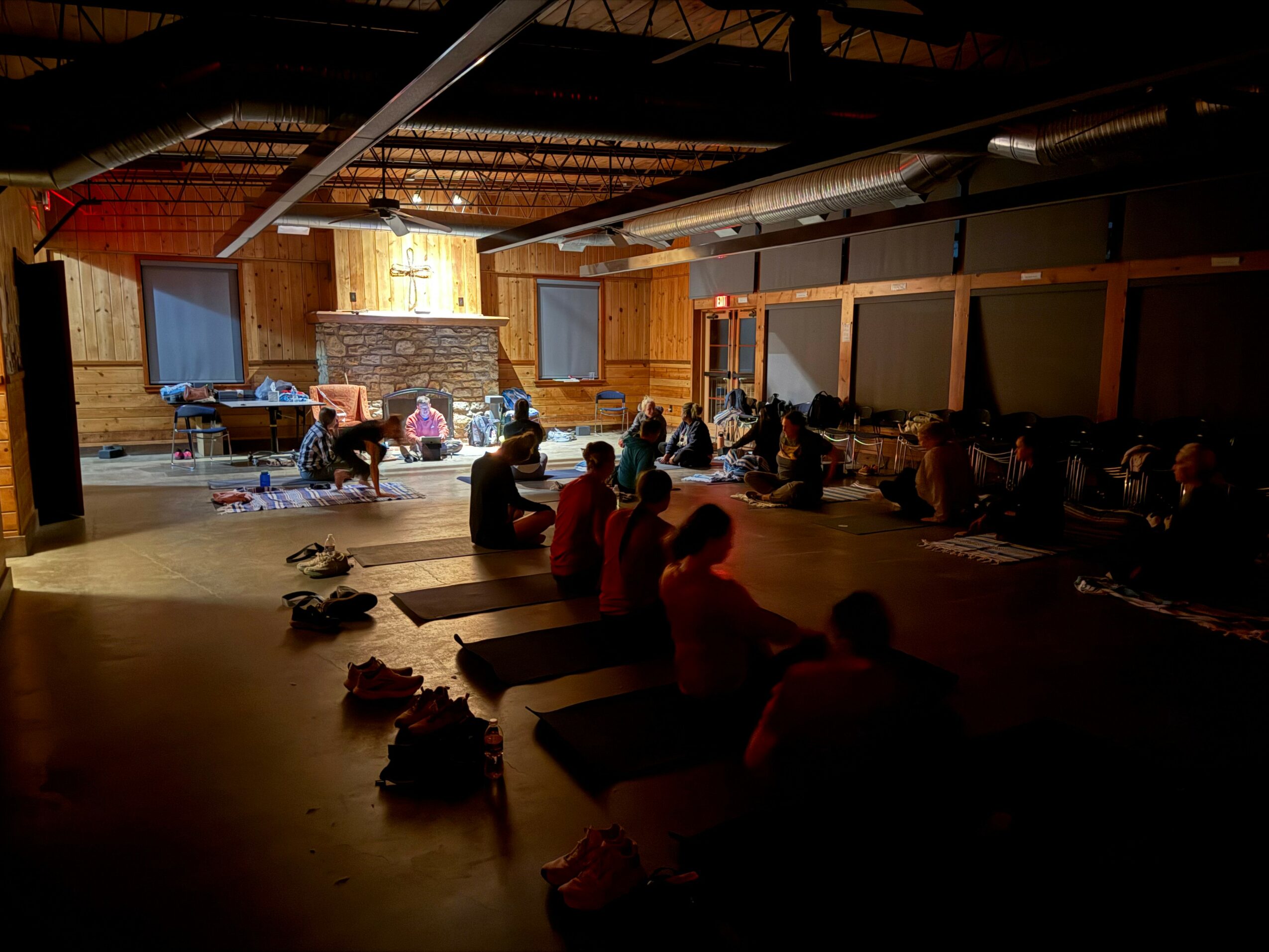
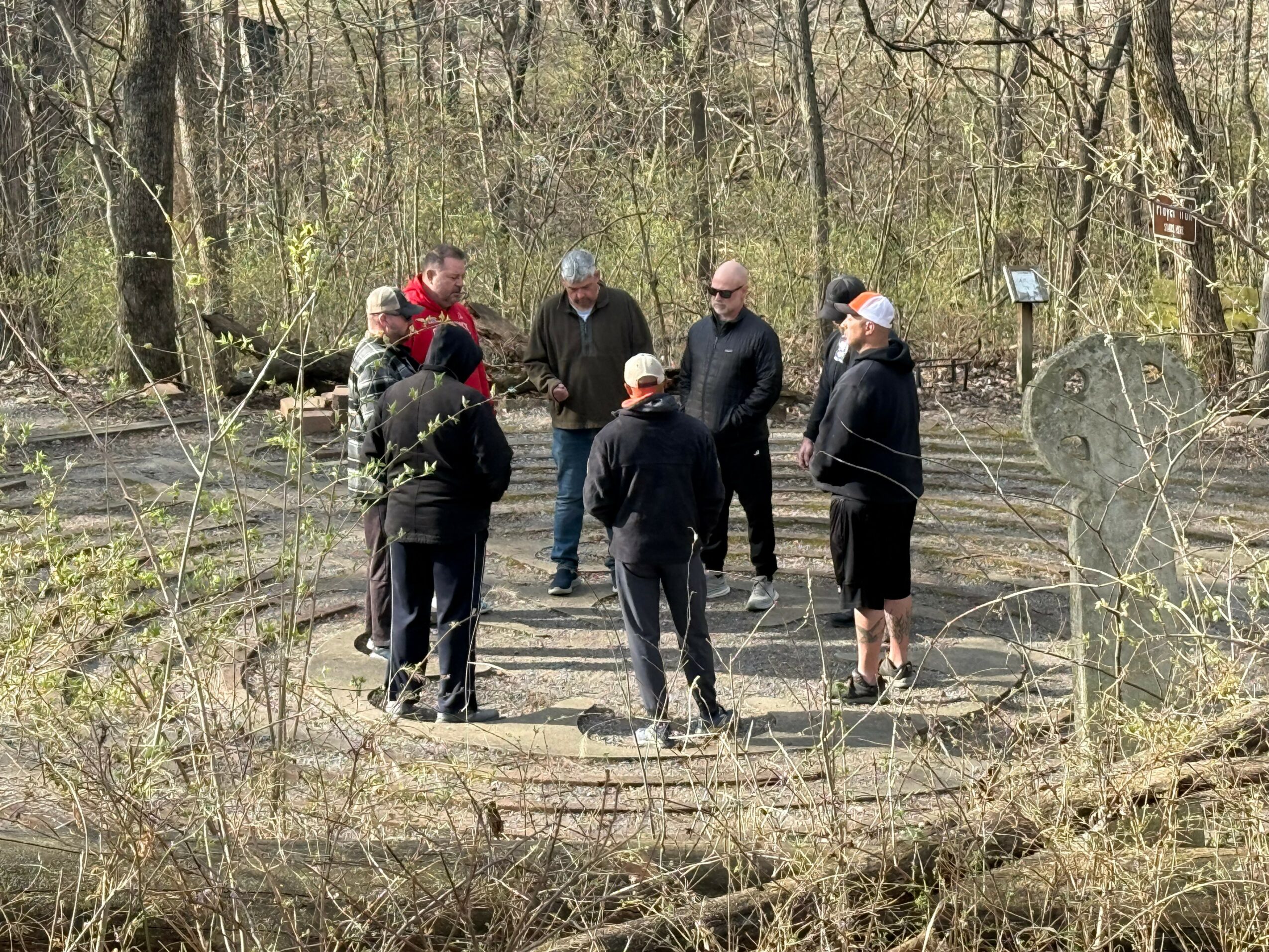
Warriors’ Ascent is a non-profit 501(c)(3) organization based in Kansas City, Missouri founded and run by veterans to help veterans, service members, and first responders who are struggling with PTS. Our five-day program, run 6 to 8 times a year, provides our attendees the tools they need to heal and tend the mind, body, and soul. Through meditation, mindfulness, fitness (yoga), nutrition, and cathartic activities we aim to put our attendees on the path to self-healing where they are empowered to take control of the quality of their lives while offering a sense of community and kinship with those sharing similar experiences. Attendees pay nothing to attend other than travel costs to and from the facility. See www.warriorsascent.org for further details.
Focus areas:
Establishing an environment of unconditional positive regard:
Developing and maintaining an emotionally supportive community.
Bonding through emotionally open experiences with fellow participants.
Becoming attuned to different social styles of interaction and communication.
Tending the mind:
Mindfulness practices and meditation
PTS and the brain
Films examining how we look at the world and our role in it.
Tending the body:
Yoga
Nutrition
Trigger point release, mobility, and functional movement.
Tending the soul:
Set core conditions of unconditional positive regard.
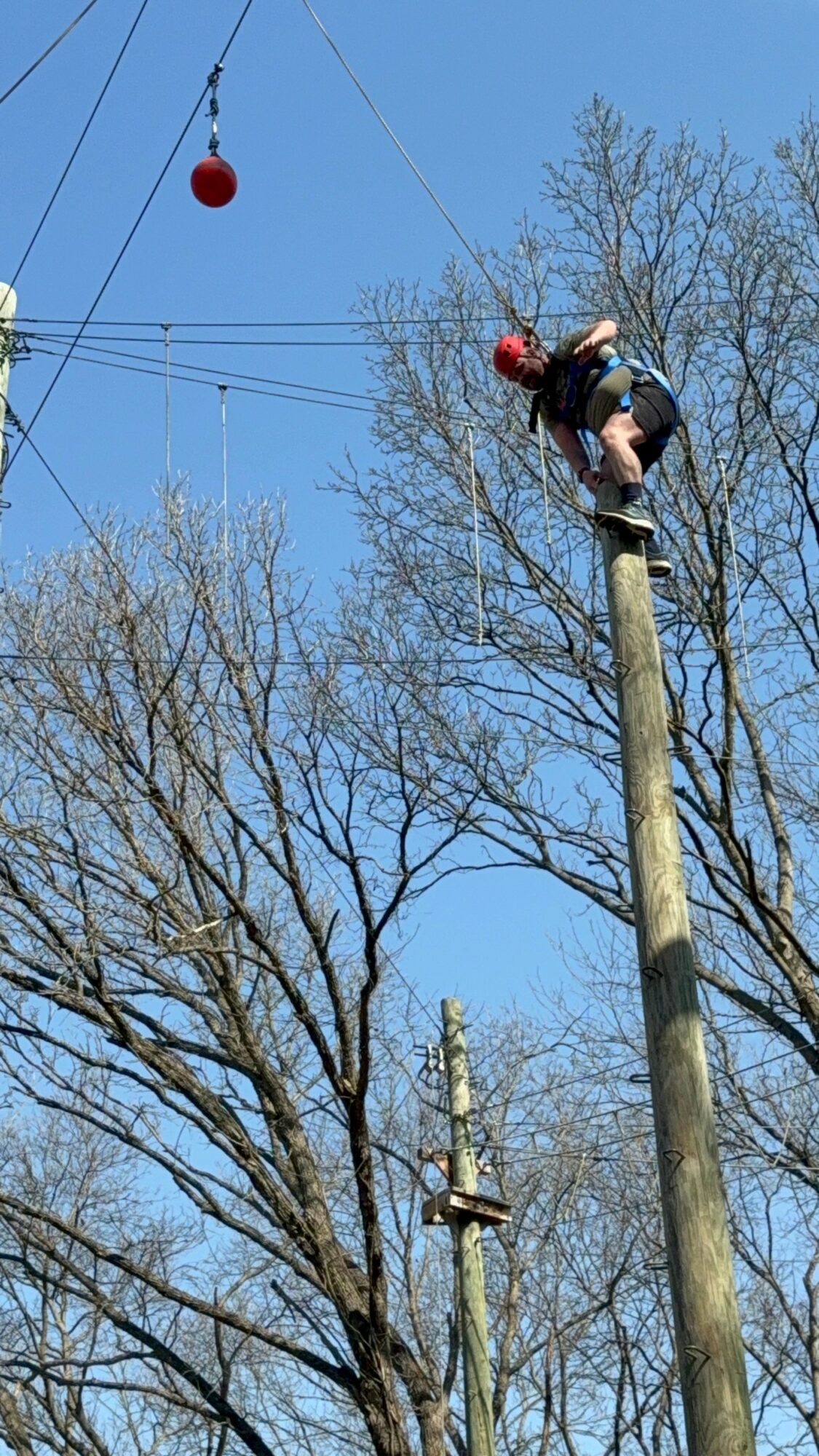
Warrior rituals: catharsis, ceremony for the dead, leap of faith
Finding our true selves, wholeness, individuation
Post graduation:
Encourage participants to seek and attend therapy if needed.
Impress upon participants the need to take ownership of their own healing by continuing the practices they learned.
Membership in an established alumni community of graduates with further outreach and activities.
Alright, so let’s dig a little deeper into the story – has it been an easy path overall and if not, what were the challenges you’ve had to overcome?
Acquiring the requisite funding for our intended growth is always a challenge. It is essential to tell our story and showcase our unique and highly effective program to both potential clients and donors/funders. The market is saturated with numerous organizations that provide assistance to veterans and first responders. Our challenge is to differentiate ourselves from the rest and highlight the efficacy of our program as evidenced by an article published about us in the Journal of Psychotherapy Integration that shows statistically significant positive outcomes in PTSD, depression, and even risky drinking.
As you know, we’re big fans of you and your work. For our readers who might not be as familiar what can you tell them about what you do?
I’m a West Point graduate and 22 year army veteran. I retired as a special forces lieutenant colonel in 2015 and have been the executive director for Warriors’ Ascent (www.warriorsascent.org) since 2016. Since then we’ve run 73 cohorts (classes) and graduated over 700 veterans and first responders from our life-saving program. As a special forces officer I’ve deployed all over the world particularly Asia and the Pacific Rim. In the special forces we prided ourselves on building the capacity of our host-nation counterparts to “work ourselves out of job” so that they could be more effective in catering for their own defense. I’ve brought this same concept to Warriors’ Ascent in that we build the capacity and agency of our Warriors so that they can fight their own battles, get their lives back on track, and live again. I’ve been an instructor both as a special forces operator and in the Command and General Staff College and School of Advanced Military Studies where I learned how both formulate and administer instruction to achieve learning outcomes. I’ve applied this knowledge to help make Warriors’ Ascent exceedingly effective in helping our students overcome post-traumatic stress.
What do you like best about our city? What do you like least?
Kansas City is very philanthropic. People are very friendly and generous. This is a great place to raise kids. It has great sports teams (Go Chiefs!) and a very cosmopolitan feel despite being a relatively small city. The downtown is very accessible and has lots to offer in the way of the arts, entertainment, sports, etc. What I like least about KC is the crime in certain areas but this afflicts all cities unfortunately.
Contact Info:
- Website: https://www.warriorsascent.org
- Instagram: https://www.instagram.com/warriorsascent/
- Facebook: https://www.facebook.com/warriorsascent/
- LinkedIn: https://www.linkedin.com/company/warriorsascent/
- Youtube: https://www.youtube.com/channel/UCCAc6iGmVeTcWA_p7m7kd1g