





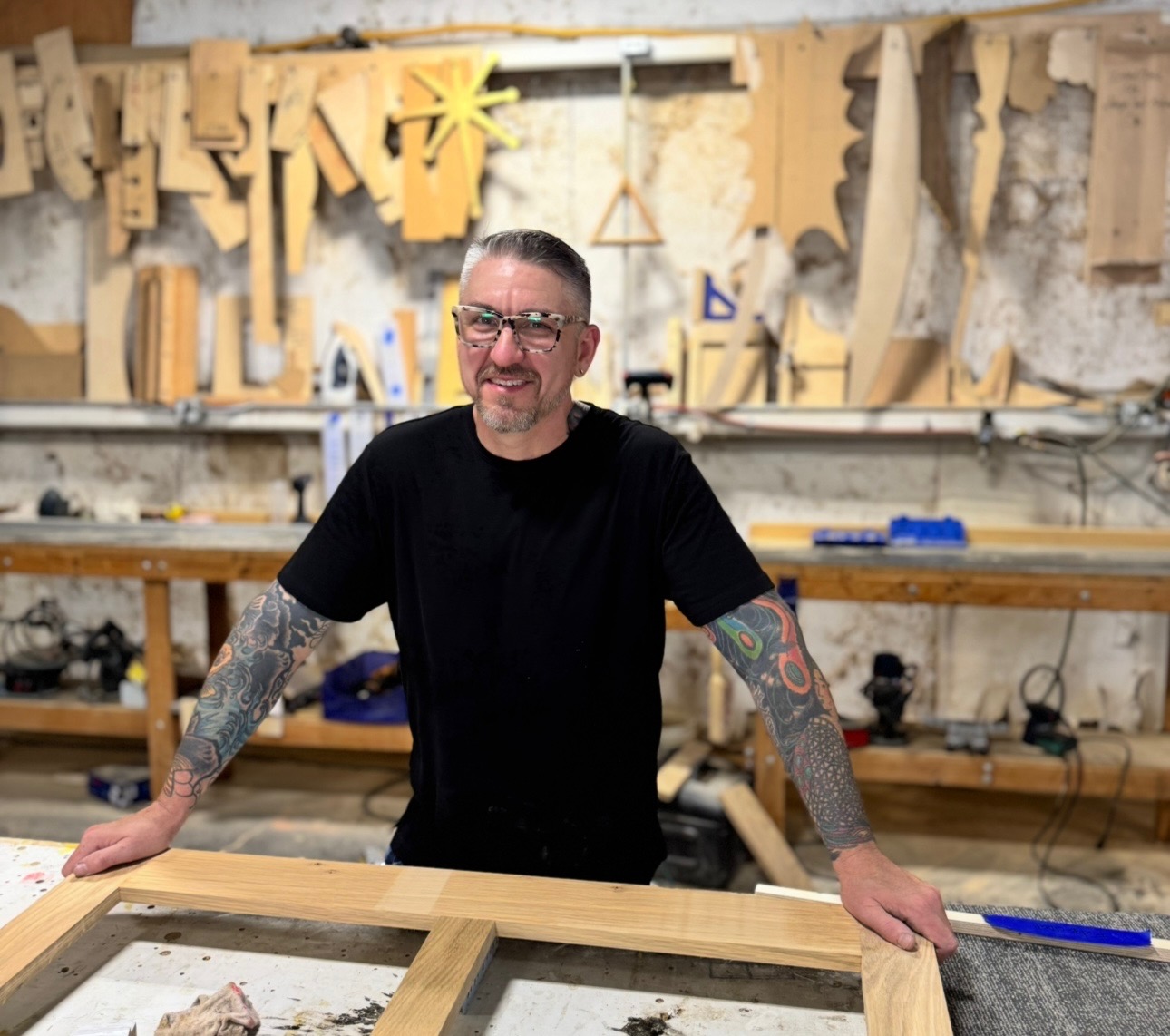
Today we’d like to introduce you to Michael Foley.
Alright, so thank you so much for sharing your story and insight with our readers. To kick things off, can you tell us a bit about how you got started?
A long story short. I’ve always enjoyed art and design. I majored in both those fields in college. The summer of 2001 I needed a job and my father just happened to have a cabinetry shop, with positions open! I quickly learned the ropes as an apprentice of sorts with my dad. I wasn’t very good and honestly the art cabinetry was an acquired taste that came later in my life. But I did realize the beauty of wood working and the unlimited potential of furniture. I was hooked. I spent countless nights and weekends in the shop building, learning, getting better with trial and error. Ultimately, I felt at home in the wood shop with all the whirling motors, the deafening tones of wood being shaped into something beautiful. I witnessed the the skill of my father and the other craftsmen in the shop transform raw material into beautiful heirloom furniture that people would cherish and hand off to the next generation and that… was magical! I wanted to do that forever. So, I became a full time employee at my father’s shop.
In 2008 my dad was forced to close the shop doors due to the wide reach of the recession. I bounced around to other cabinetry shops that had work. However the economical downturn was not over and a few of those shops succumbed as well. Those were difficult years but lessons were learned. In 2010 the economy drew breath and work was plentiful again. I was employed at a commercial cabinet shop at that time. The commercial aspect of cabinetry left little to be desired for me. But it was a shop full of tooling that I had access to on nights and weekends to fulfill my love of furniture. And so, I continued to build.
In 2014 my wife was accepted to a school in a different city. We moved and I established employment once again, I was quickly hired at a local cabinet shop in that area. The schooling my wife was to begin was a 2 year program. At this point I had already been dreaming of my owning my own shop. The house we were renting had a small 20×20 detached metal pole barn. I started purchasing power tools one at a time through Craigslist adds. and local trader magazines etc. I wanted to utilize the pole barn as workspace to continue my woodworking passion on the weekends. I offered my services to neighbors, old friends, family. I took advantage of social media to try and build a brand.
As luck would have it, people started requesting work and I was more than eager to build it for them, One job led to another. People were talking, orders were coming in. I unwittingly started a business. Mfcaseworks was born. I added tools, upgraded the electrical on the barn. Soon, there was enough work coming in that I could work for myself. I took the risk and resigned my full time job so I could focus on the work at hand.
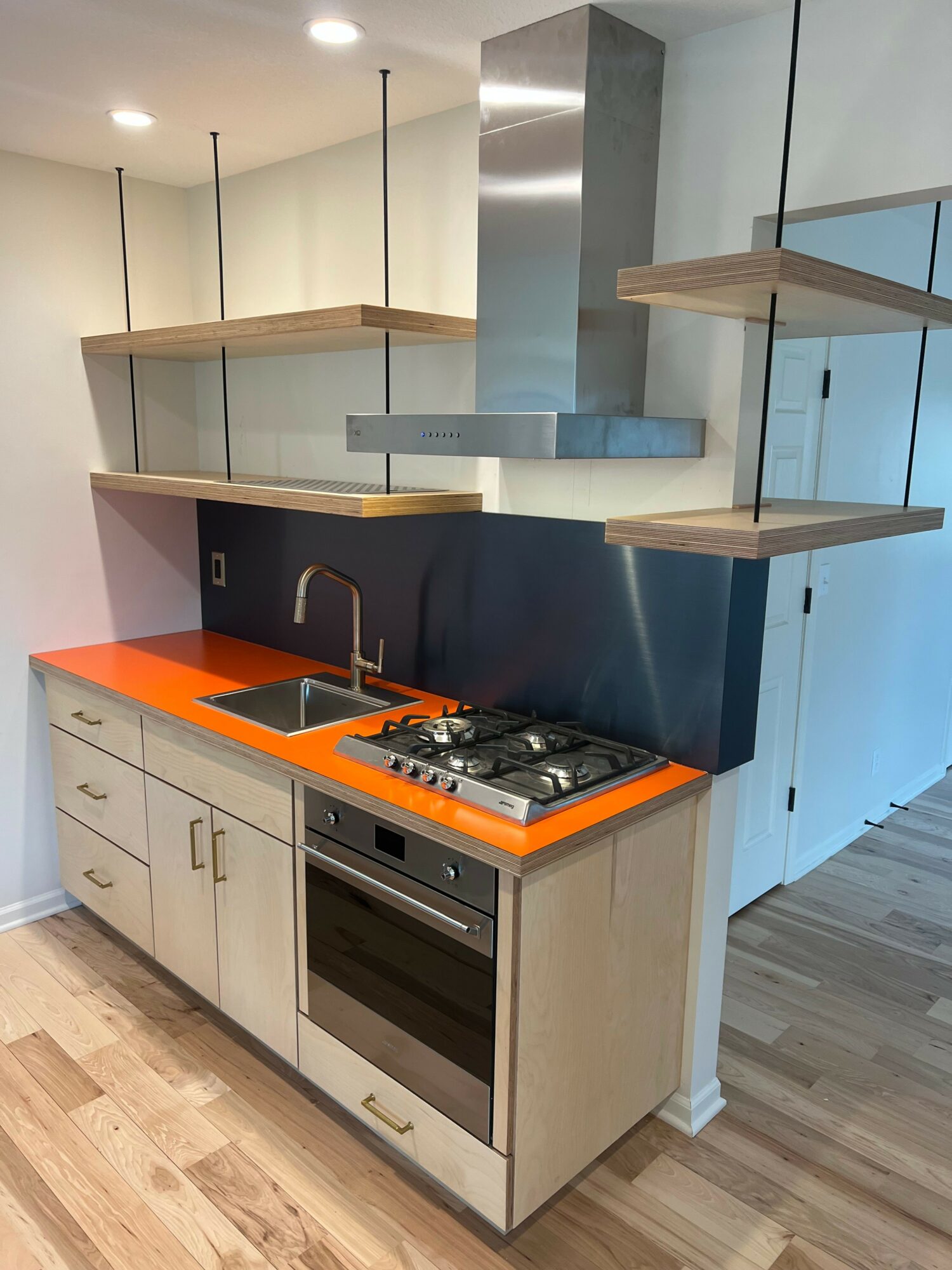
Those 2 years went by in the blink of an eye. In 2016 My wife found employment in Kansas City. We packed the house and a small but highly functional wood shop into the back of a uhaul and moved to Kansas City. We’ve always loved Kansas City and were so happy to be here! We bought a fixer upper home. A close friend let me rent a small 20×40 detached garage to establish operational status for the shop. I figured it would take years to build a steady clientele base here in the city. I planned to work on the house full time until it was livable, and work in the shop on nights and weekends as orders came in. I couldn’t have been more wrong. I was immediately busy. Orders from big to small. Kitchens, vanities and furniture! All I wanted, All I dreamed of was happening.
I quickly outgrew the small shop I was renting from my friend and moved into a 4000sqft shop in Blue Springs where I am today!
We all face challenges, but looking back would you describe it as a relatively smooth road?
The road certainly had its share of turbulence. As I mentioned, the effects of the 2008 recession were really eye opening. The building industry was hit incredibly hard. You have to understand it seemed as if it happened overnight. My dads shop was always busy. Then all sudden it fell quiet. The phone didn’t ring. Nobody was building anything. Stress levels were very high. My father suffered a heart attack at that time, thankfully he survived, but the business was doomed. Many businesses were closing left and right.
My dad decided to auction off the assets of the shop. Tools. material etc. I remember the day of the auction. I didn’t want to go but I wanted to be supportive. So I went. Watching the auctioneers hold up tools that I once knew so well to a crowd of people that reminded me of hyenas eyeing their still struggling prey in sub Saharan Africa. I will never forget that feeling. Awful.
As you know, we’re big fans of you and your work. For our readers who might not be as familiar what can you tell them about what you do?
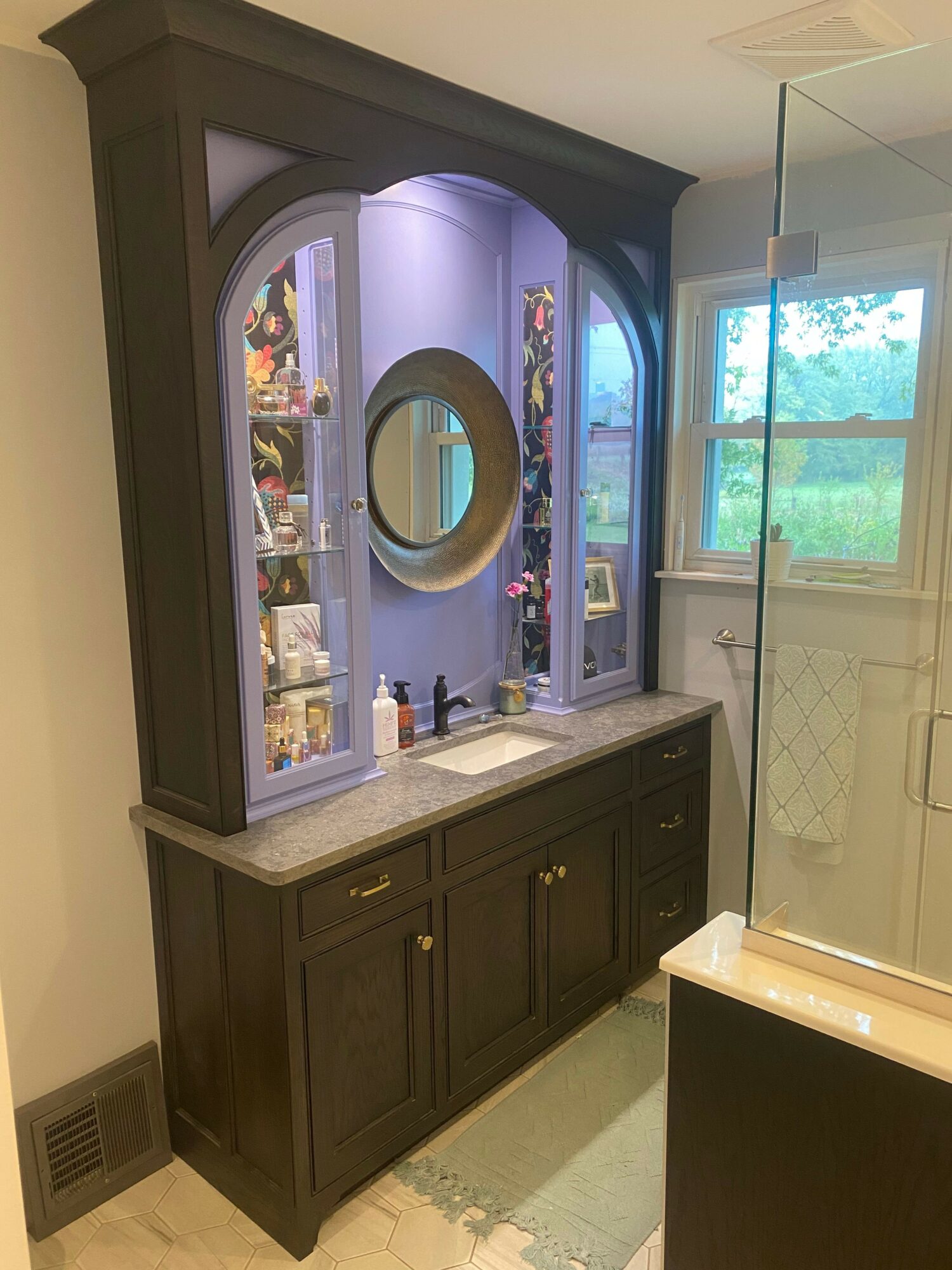
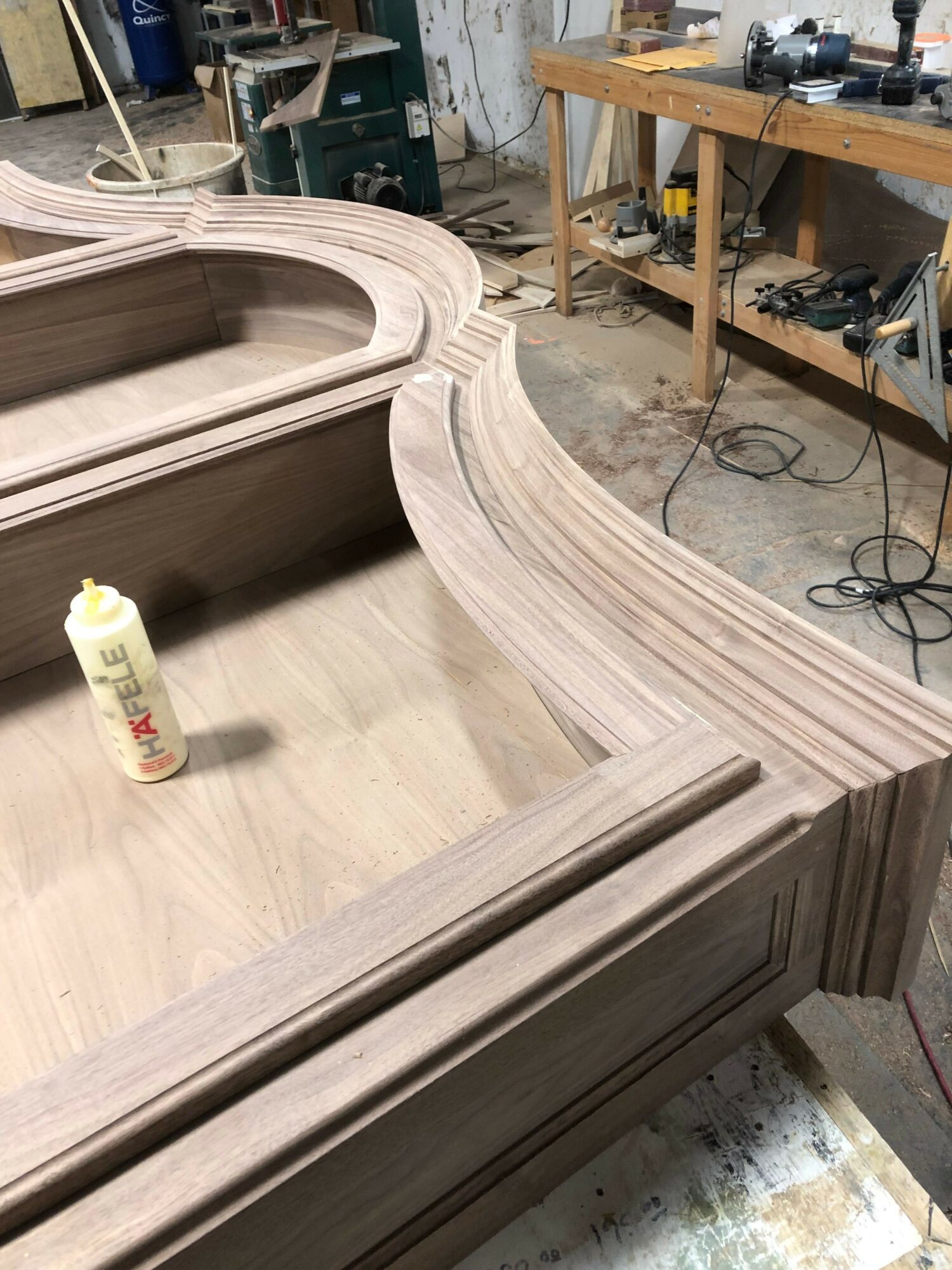
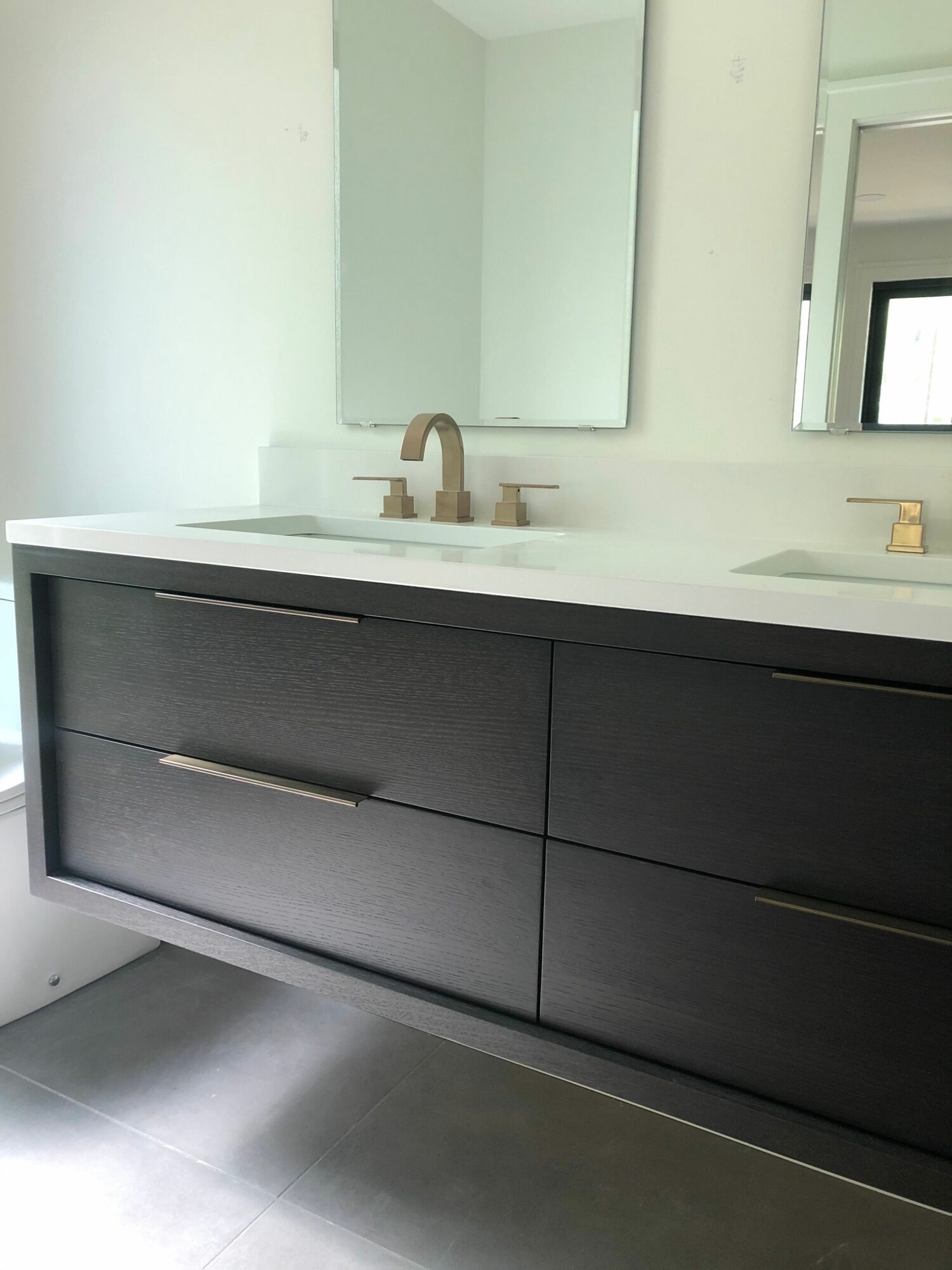
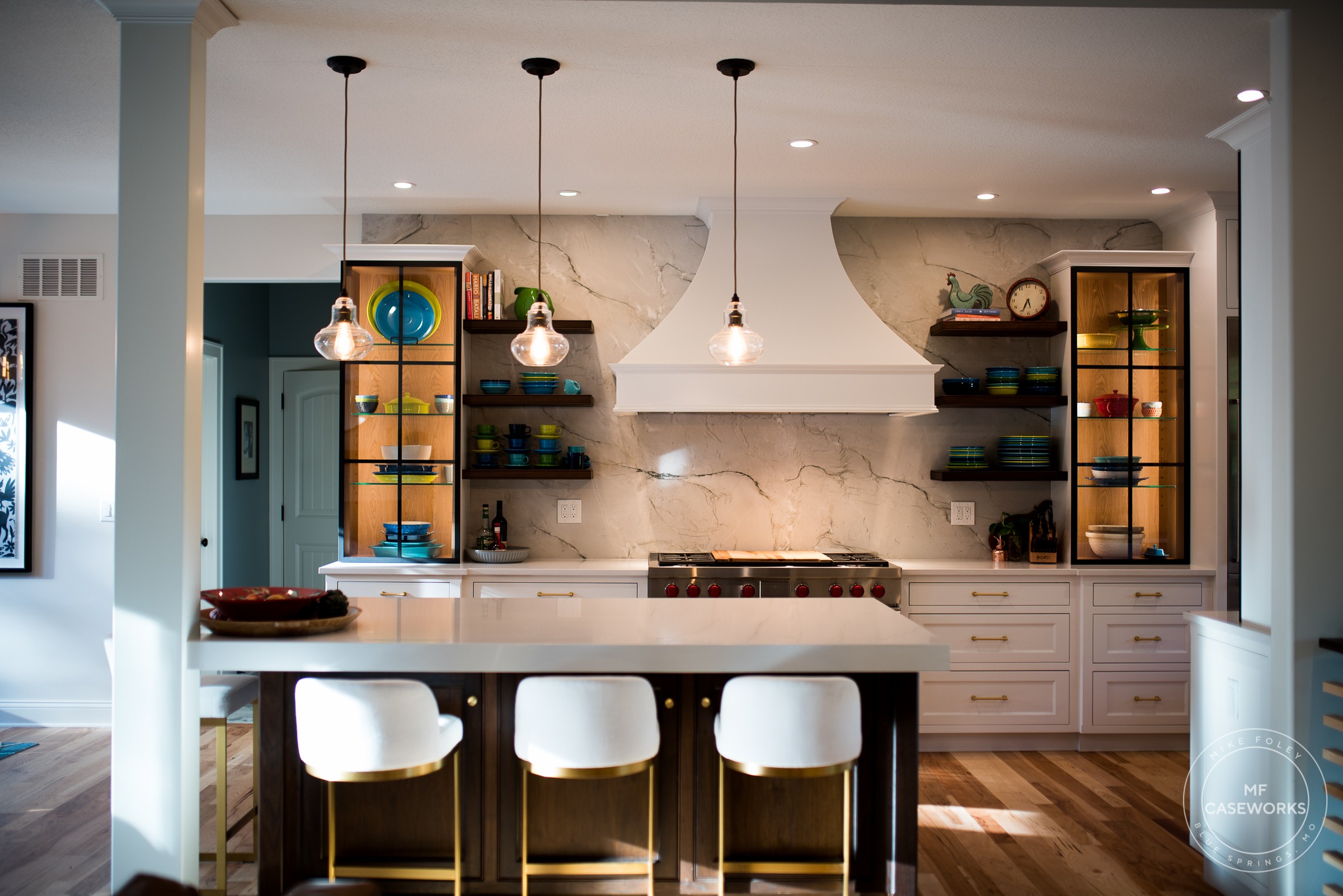
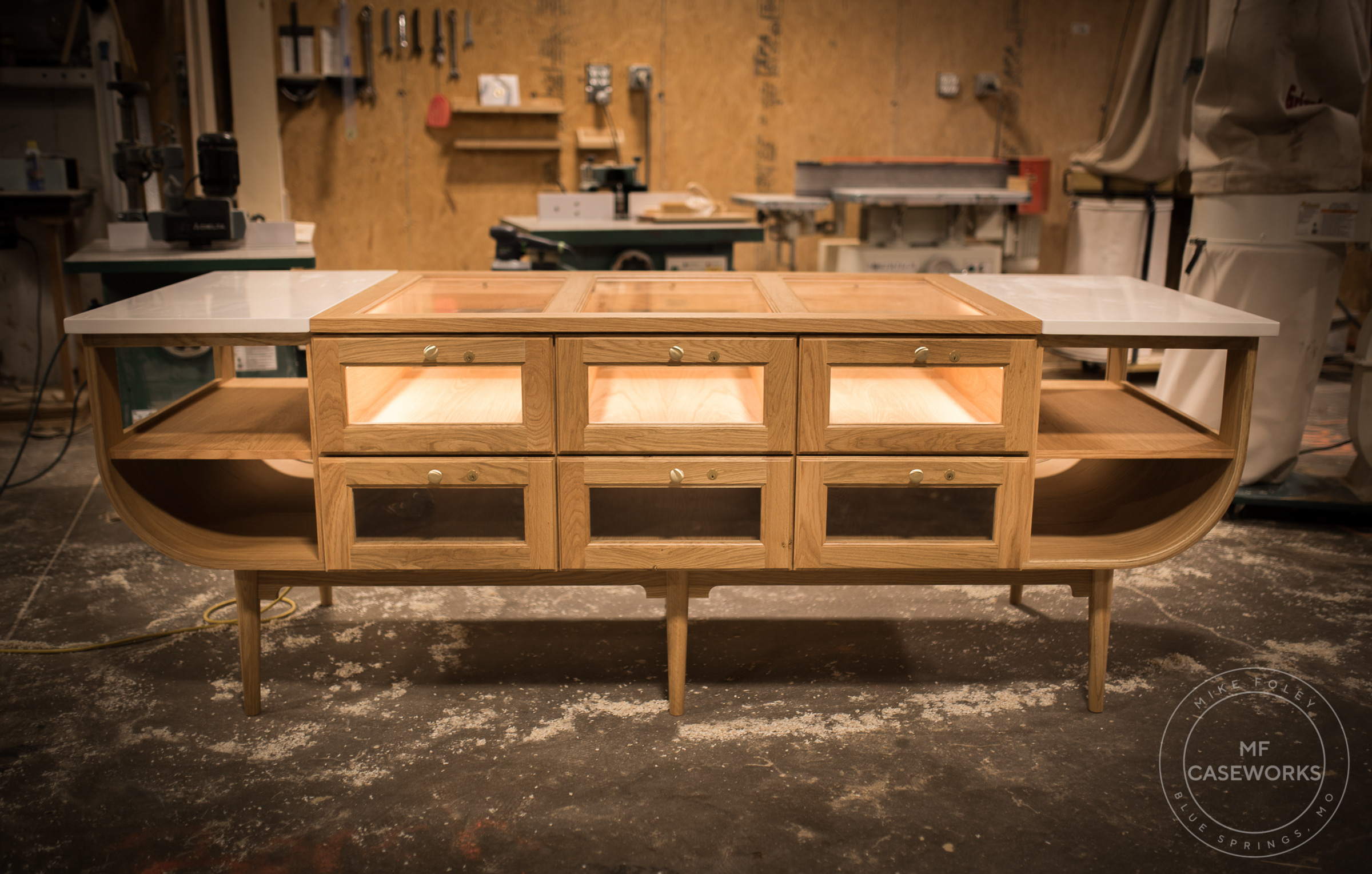
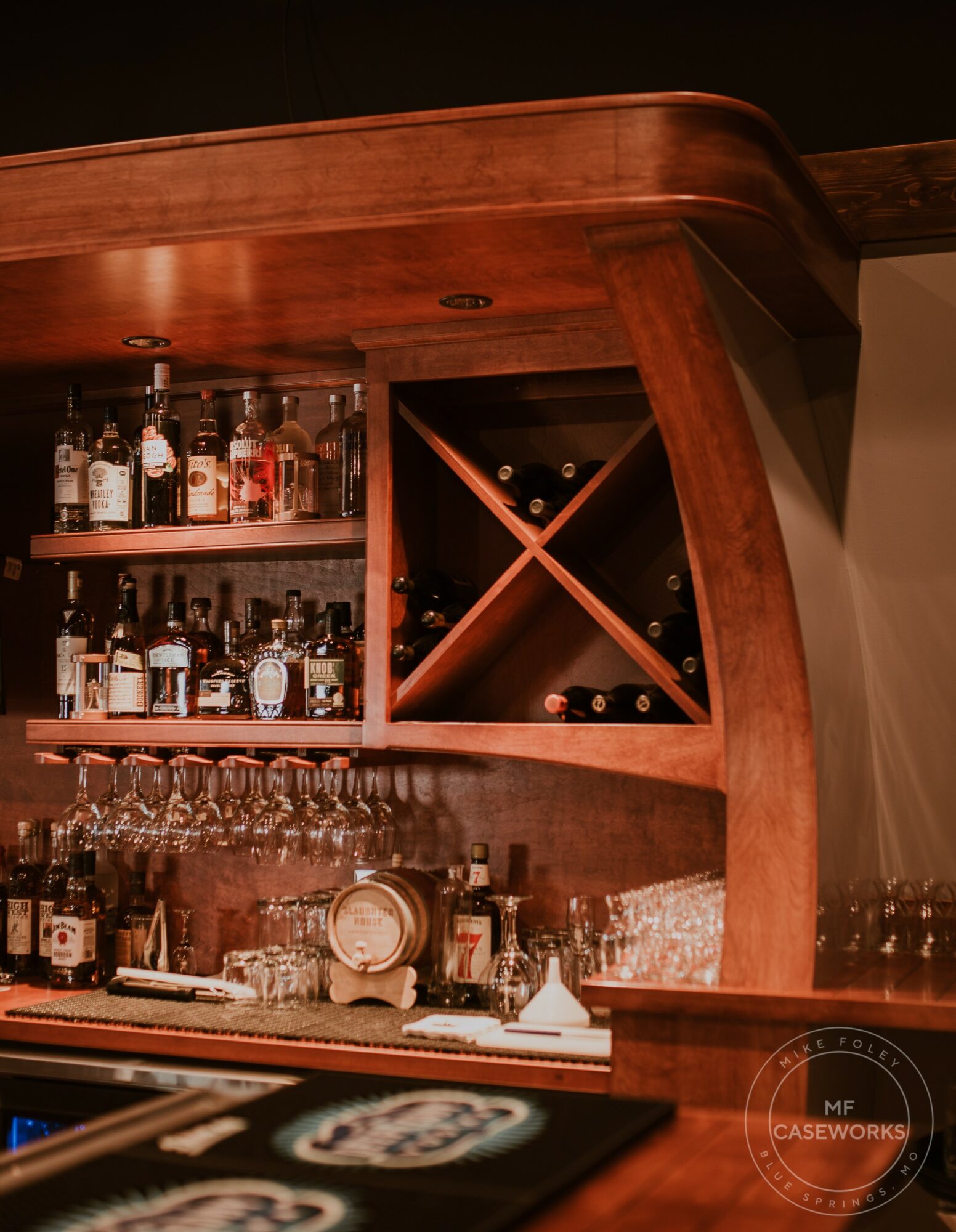
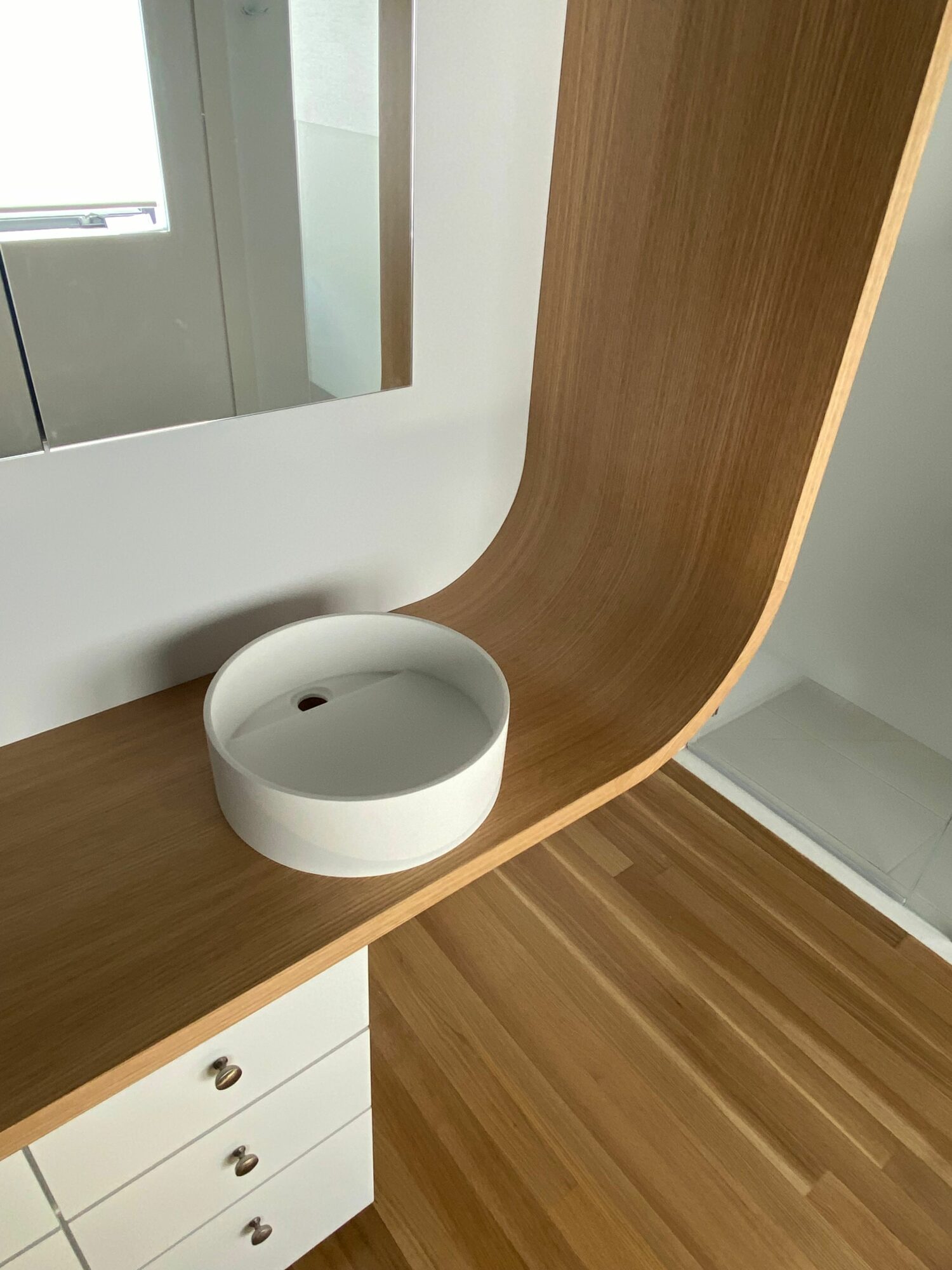
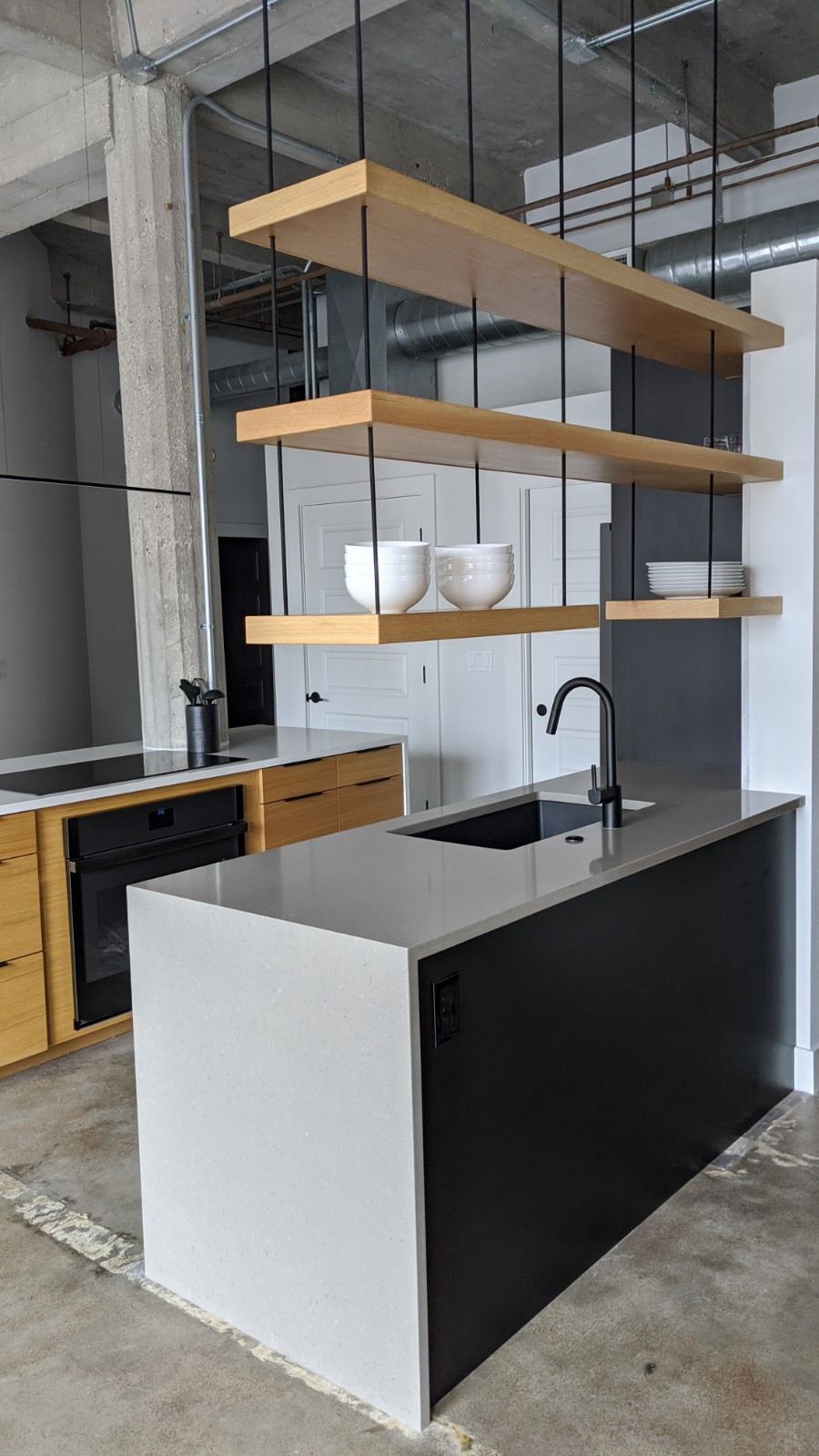
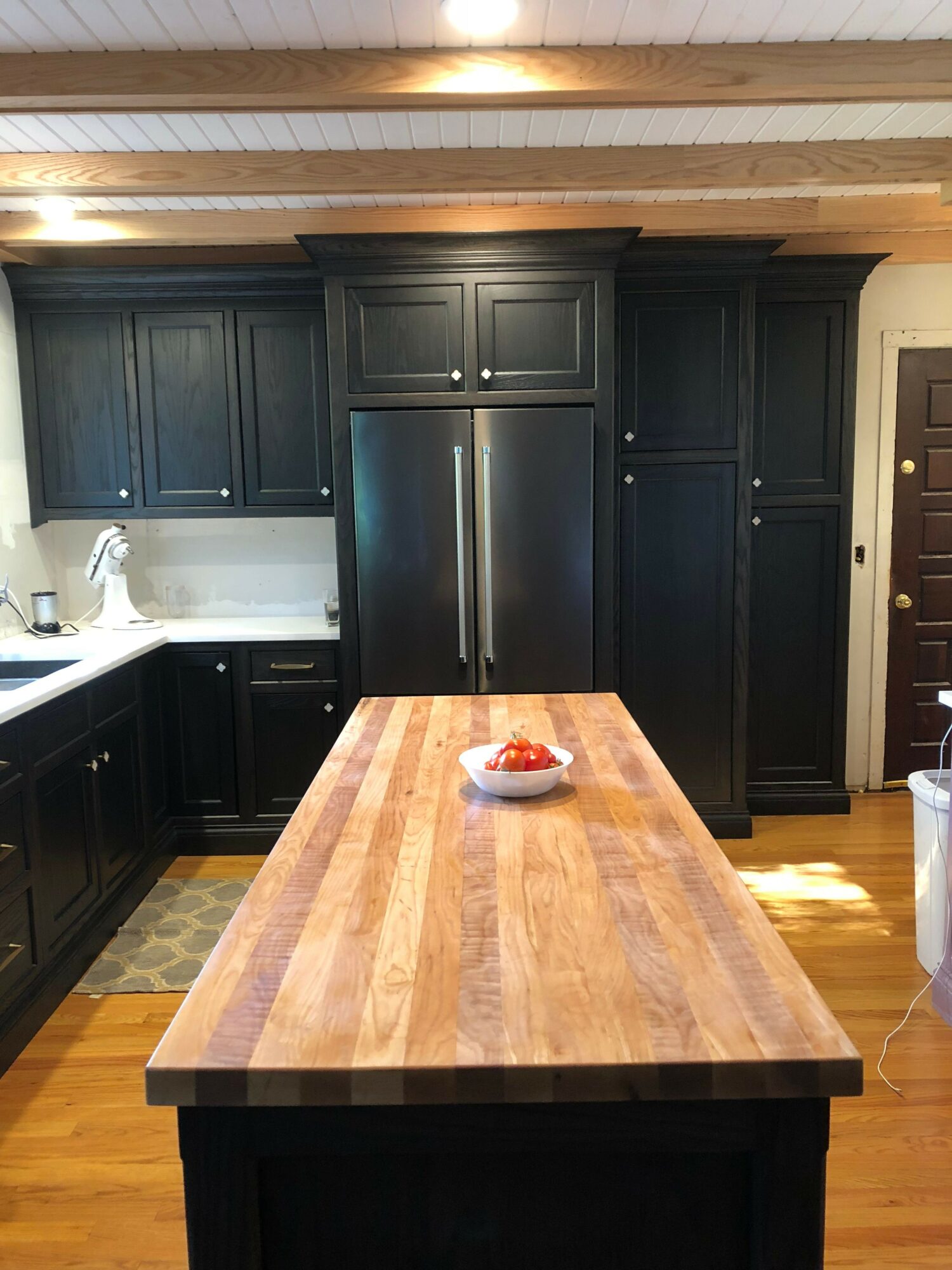
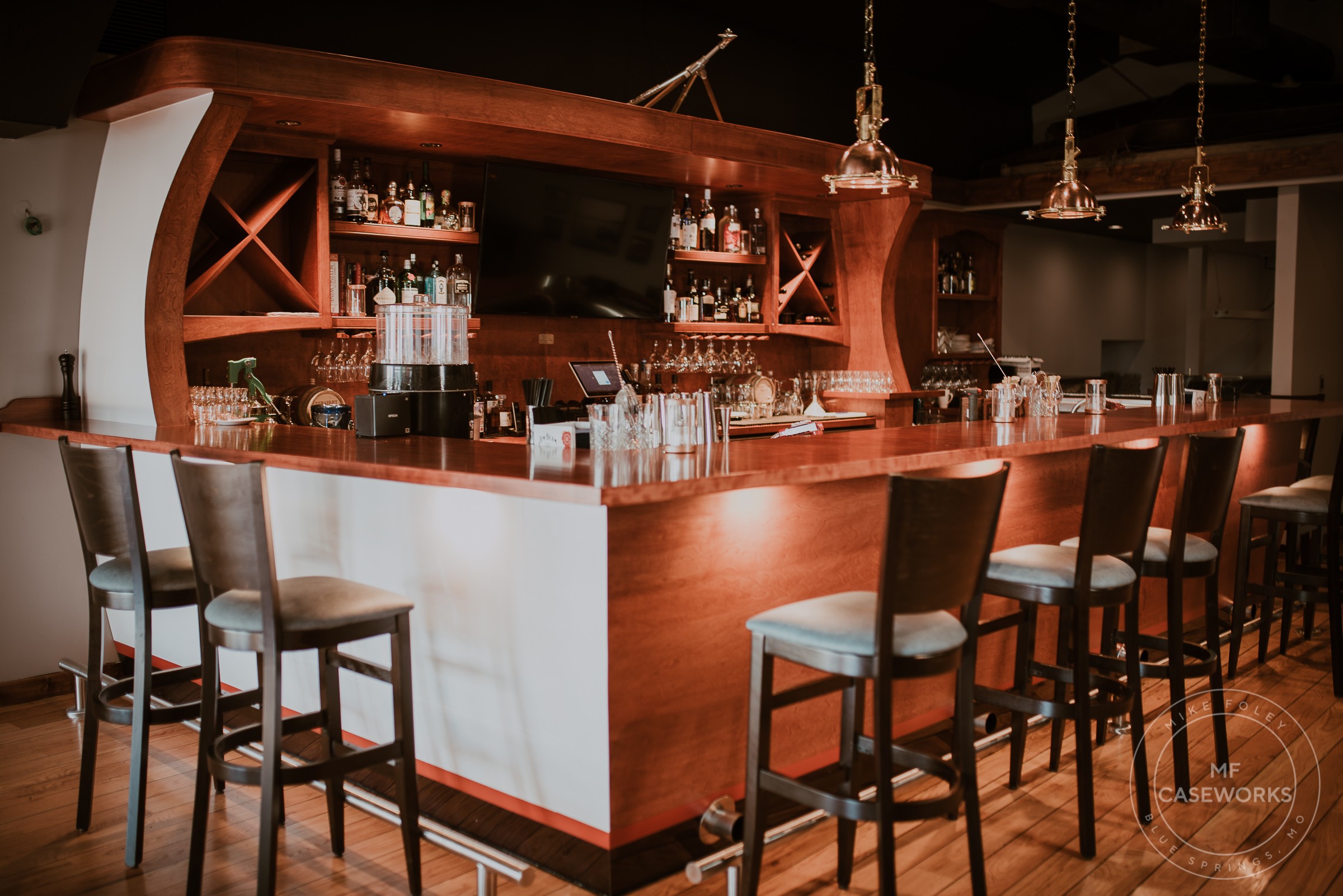
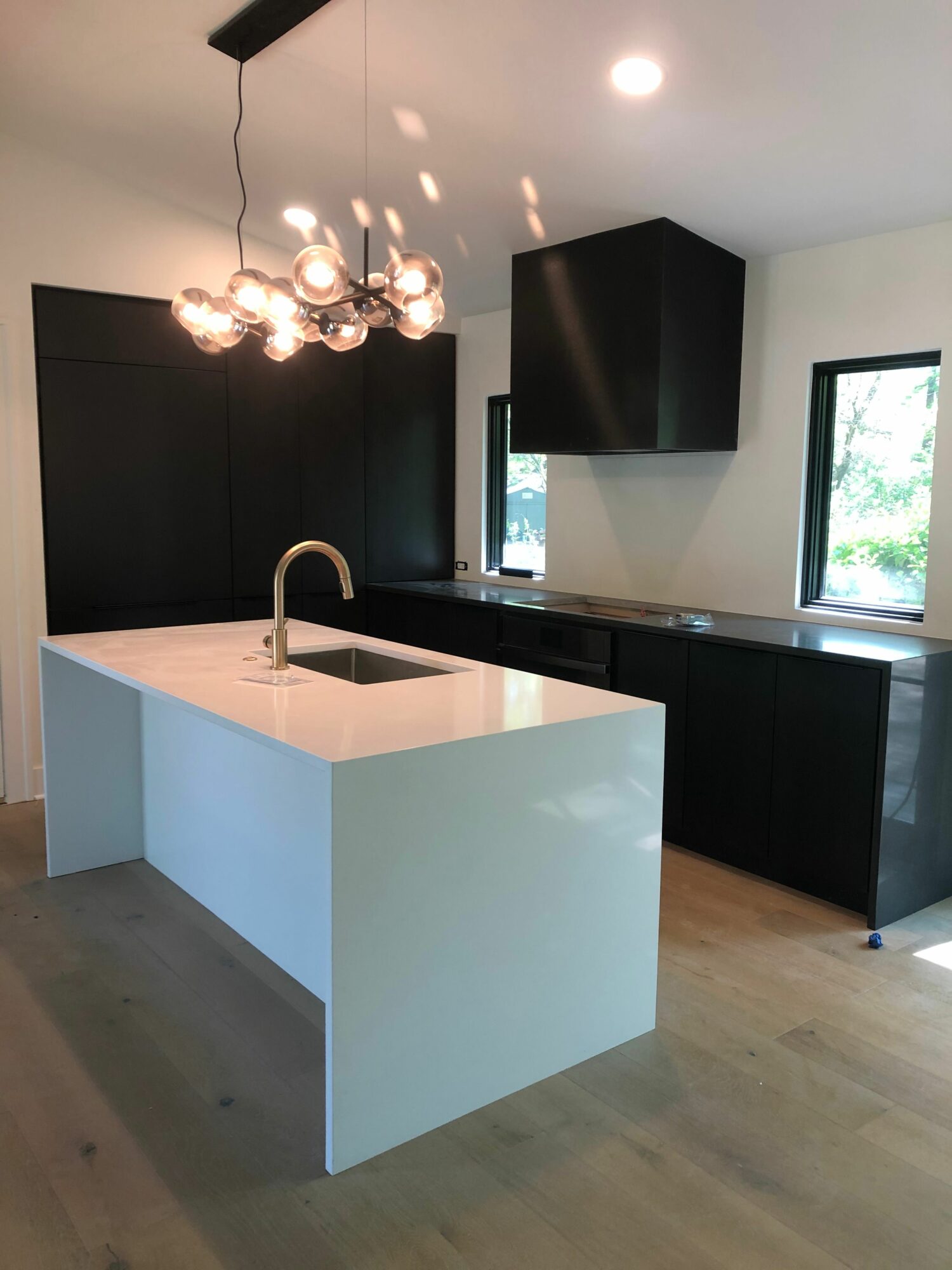
I specialize in custom cabinetry, furniture and woodworking. I immensely enjoy the design and fabrication process of everything I build. All the details combined are what make great products in the end.
I guess that’s what I’m known for. A close attention to detail. Everything I build is built with a love of craft. I build everything like the piece was going in my living room for me to look at for the next 30years. And I am discerning in that regard!
I take great pride in working closely with clients to help them realize their dreams. They start as clients and become great friends! My wife and I are frequently invited to their homes for dinners and celebrations etc. That has been immensely rewarding. I am beyond grateful for my customers.
We’d love to hear about how you think about risk taking?
I believe in calculated risk taking. Checking the depth of the pool before you dive in is just good practice. I think with any risky endeavor its just a good idea to do some homework before hand. After that, outline a plan of action and complete one step at a time.
I will occasionally get a spontaneous urge to modify a design right in the middle of fabrication. To deviate from the outlined plan already in motion. Now, this is can be dangerous for several reasons. What if I’m wrong!? What if I inadvertently cause a problem at installation for some unforeseen circumstance. Maybe my new plan takes far longer than anticipated.
But with enough thought, perhaps the change is a massive improvement! So I think that’s the takeaway. Give yourself time and to reach the right conclusion. To weigh all the variables at play and then proceed based on that measurement.
Contact Info:
- Website: https://www.Mfcaseworks.com
- Instagram: Mfcaseworks
- Facebook: Mfcaseworks