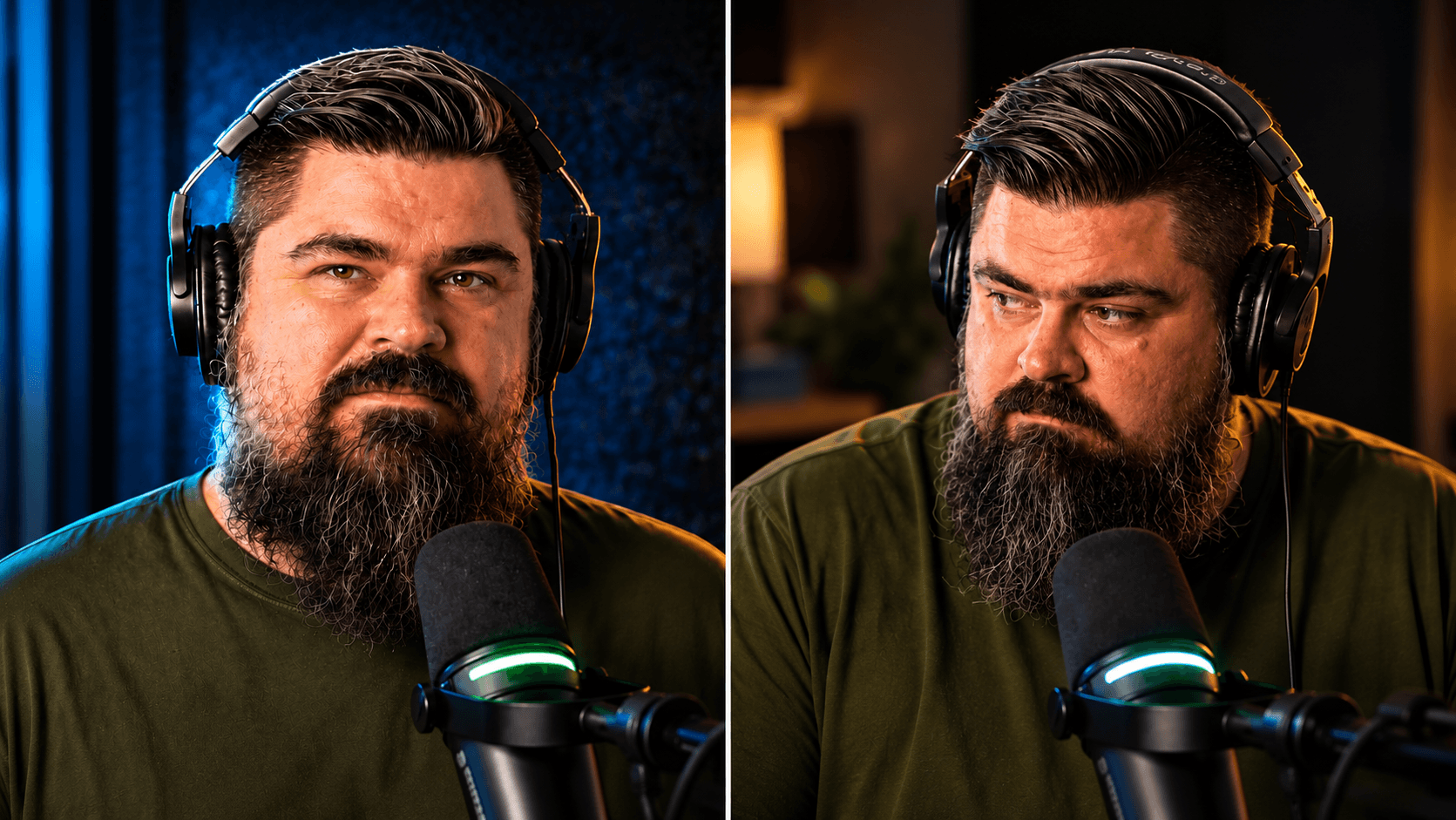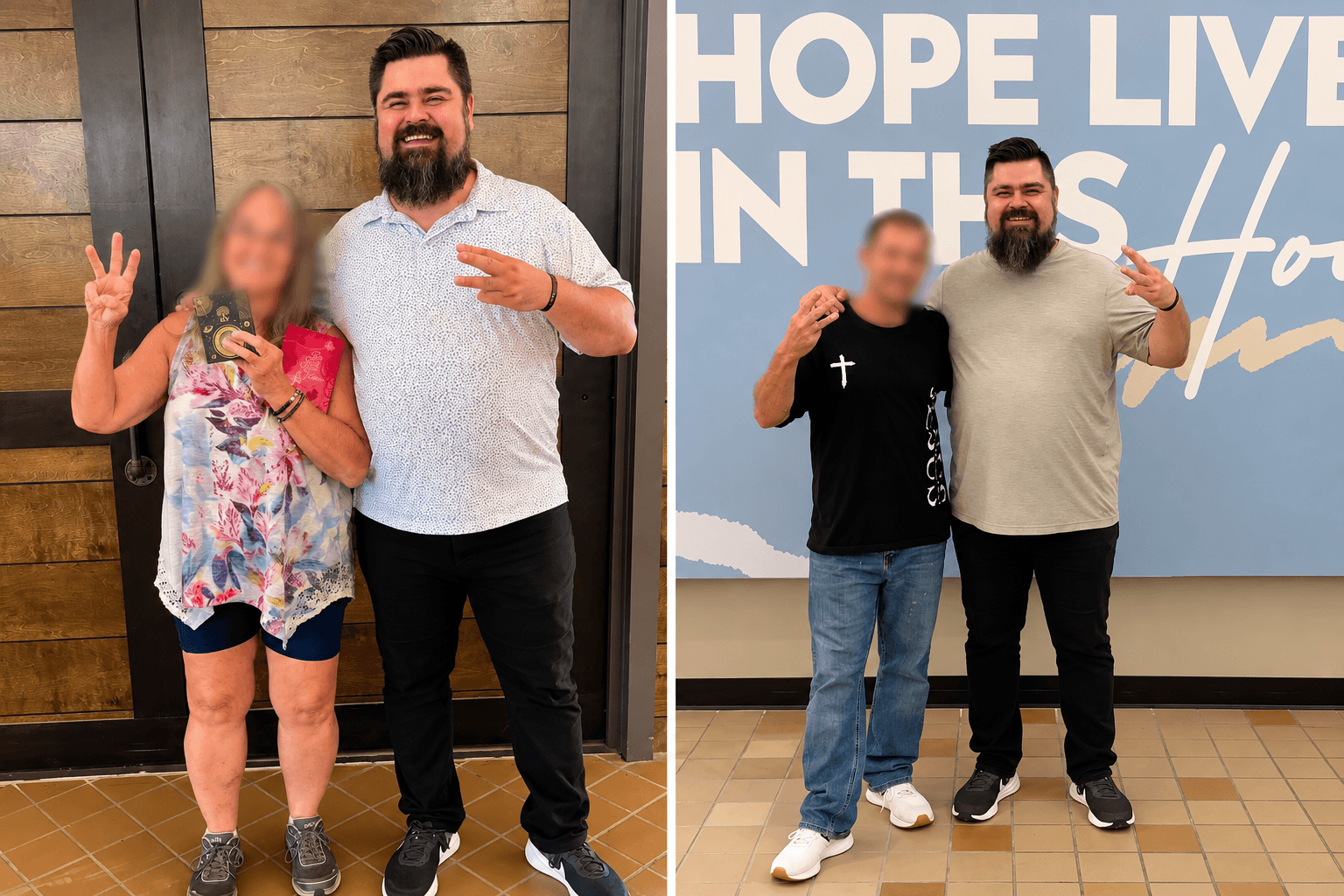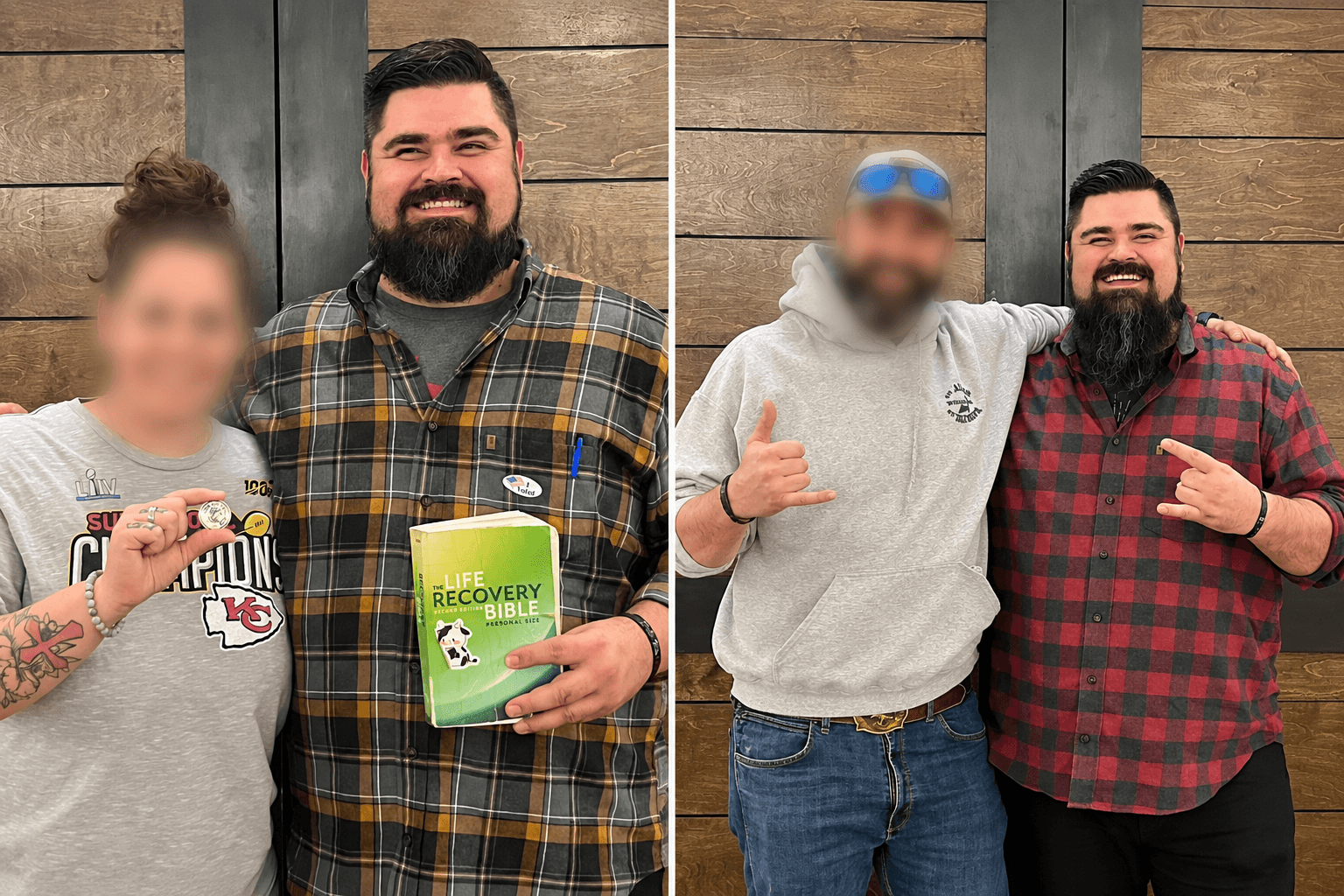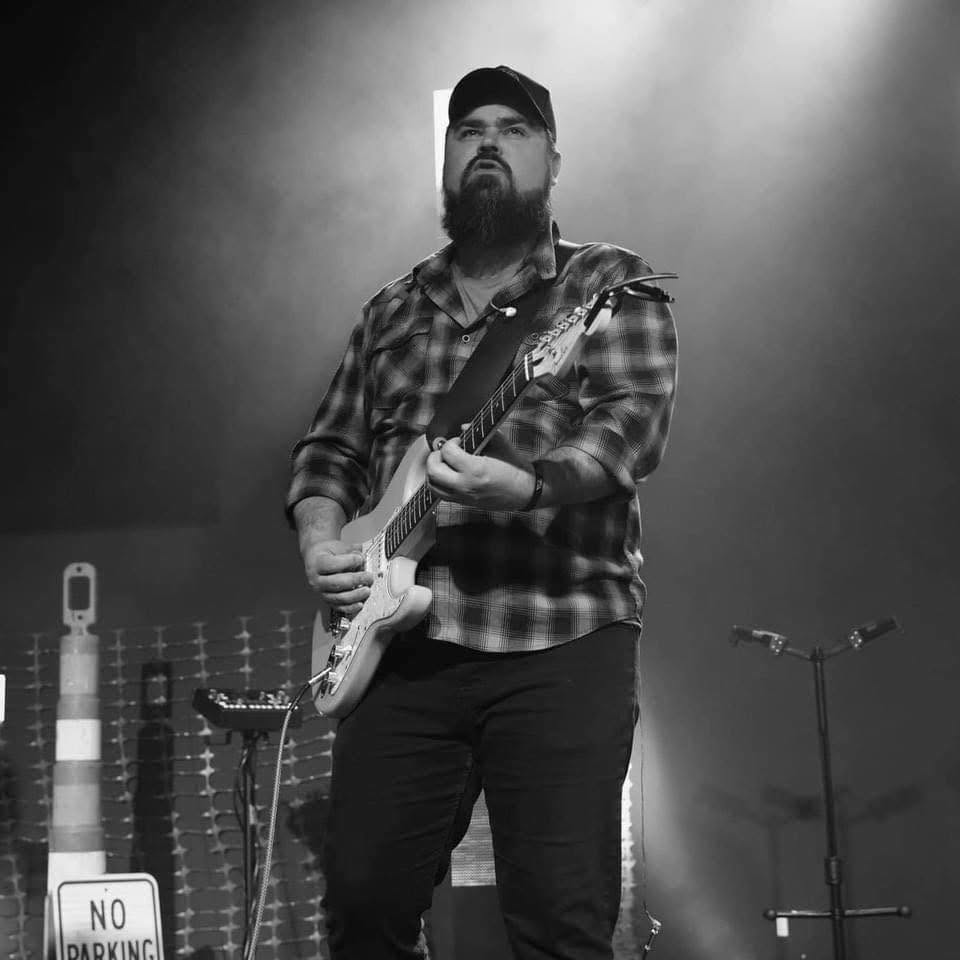






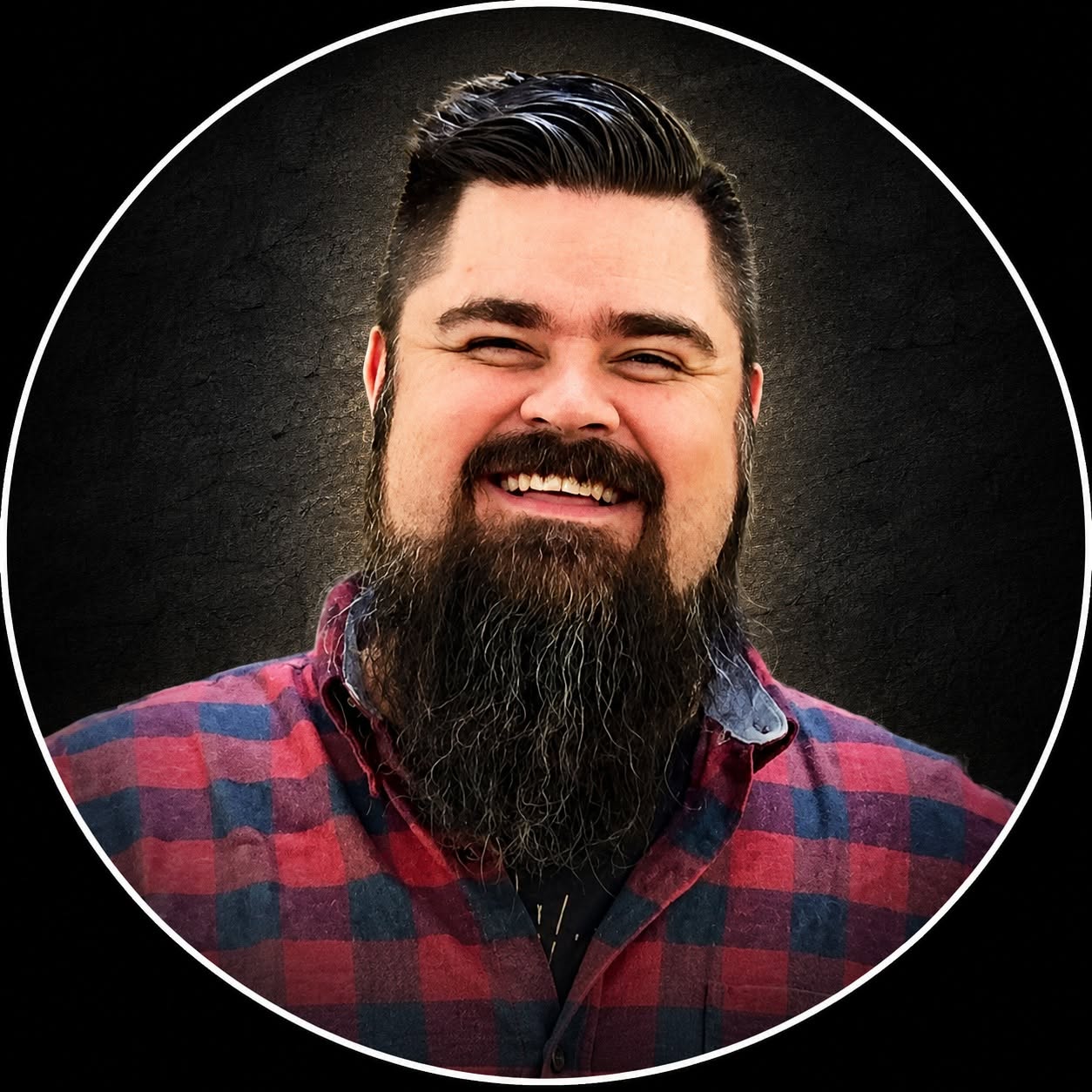
Today we’d like to introduce you to Josh Simcosky.
Alright, so thank you so much for sharing your story and insight with our readers. To kick things off, can you tell us a bit about how you got started?
My story really starts with recovery.
For a long time, I was very good at looking like I had things together while privately struggling with alcohol, addiction, anger, anxiety, people-pleasing, and the need to control how other people saw me. Eventually, that way of living caught up with me. In August of 2020, I got sober.
At the time, I thought getting sober was the goal. Six years later, I’ve realized that sobriety was really just the beginning.
Recovery forced me to start looking honestly at myself—not just at what I was doing, but at what was underneath it. I had to learn about boundaries, codependency, resentment, expectations, fear, responsibility, and surrender. Most importantly, my faith in Christ went from being something I believed to something I actually had to learn how to live.
As my own recovery continued, I started helping other men. That eventually grew into serving and leading in recovery ministry at my church, sponsoring men through the 12 steps, and coaching men who were dealing with many of the same patterns I knew so well: addiction, people-pleasing, codependency, anxiety, anger, unhealthy relationships, and the feeling of being completely stuck.
Somewhere along the way, I realized that I loved taking complicated ideas and making them practical. I didn’t want to just tell someone, “You need better boundaries,” or “You need to surrender.” I wanted to help answer the next question: Okay, but what does that actually look like on Tuesday afternoon when this person texts me?
That became a big part of my work.
I started the You Would Think podcast as a place to have those conversations publicly. The name comes from a phrase I caught myself using all the time: “You would think they would know better.” “You would think they would call.” “You would think after everything I’ve done for them…” I began realizing how often disappointment and resentment grow in the gap between what actually happened and what we thought should have happened.
That idea has grown into much more than a podcast. Today, I coach men one-on-one and lead an online men’s coaching group centered around honesty, responsibility, practical application, and accountability. I’m also still actively involved in recovery ministry because I never want helping others to make me forget that I’m a person in recovery too.
In October 2026, I’m also releasing my first book, You May Be Right, But What If You’re Wrong? — 12 Steps of Recovery for Every Christian’s Heart. The book grew out of something I’ve come to believe deeply: the principles of recovery aren’t only useful for people with a substance problem. Honesty, surrender, confession, forgiveness, accountability, making amends, and learning to live differently are deeply biblical practices that every Christian can benefit from.
The funny part is that none of this was some carefully designed career plan. I still work in IT, which has been my professional career for years. The coaching, writing, podcasting, and ministry grew organically out of my own recovery and the opportunities God kept putting in front of me to help the person sitting across from me.
I’m much less interested today in building something that looks impressive than I am in building something useful.
If someone hears my story, reads something I wrote, listens to an episode, sits in one of our groups, or has a conversation with me and walks away a little more willing to tell themselves the truth, take responsibility for what is theirs, and trust Christ with what isn’t—that feels like success to me.
I spent a lot of years trying to become the person I thought everyone else wanted me to be. A huge part of recovery has been learning to stop performing, accept reality as it is, and become faithful with the life that is actually in front of me.
In a lot of ways, everything I’m doing today grew out of that.
Would you say it’s been a smooth road, and if not what are some of the biggest challenges you’ve faced along the way?
It definitely hasn’t been a smooth road. In some ways, getting sober exposed struggles I didn’t even realize I had.
Alcohol and other unhealthy behaviors had become ways for me to escape discomfort. Once those were gone, I still had to learn what to do with anger, fear, resentment, rejection, anxiety, disappointment, and the need for other people’s approval.
One of the hardest lessons of recovery has been realizing that I can’t make my life better by getting everyone else to behave differently.
I spent a lot of years people-pleasing, trying to manage other people’s emotions, avoiding conflict, and carrying responsibility that wasn’t mine. I thought keeping everyone happy was the same thing as keeping the peace. It wasn’t. A lot of the time, I was sacrificing honesty in exchange for temporary relief.
Recovery has required me to learn boundaries, accept things I cannot control, have difficult conversations, let people misunderstand me, and sometimes allow other people to be disappointed in me without immediately trying to fix it.
There have also been significant personal losses and changes along the way. My marriage ended in divorce, relationships changed, and some of the ways I understood myself had to change too. Recovery didn’t prevent painful things from happening. It changed the way I learned to walk through them.
That’s probably one of the biggest misconceptions I had early on. I thought recovery meant eventually getting to a place where life wouldn’t be so difficult. Today, I think recovery is much more about becoming someone who can experience difficulty without needing to escape it.
Professionally, there has been another challenge: learning to build slowly.
I have a full-time career in IT while also coaching, writing, podcasting, serving in ministry, and raising my daughters. There’s always another idea I could pursue, another piece of content I could create, or another person I could try to help. I’ve had to learn that being called to something doesn’t mean I have to force it to grow.
That has changed how I define success. I’m trying to be faithful with what is actually in front of me rather than constantly chasing what could be next.
I still have struggles. I still get disappointed. I still catch myself wanting approval or trying to control outcomes. The difference today is that I recognize those things much sooner, and I have people around me who will tell me the truth.
Six years into sobriety, I probably understand recovery less as “I overcame this thing” and more as “I’ve learned a different way to live.”
And I’m still learning it.
Thanks – so what else should our readers know about your work and what you’re currently focused on?
Most of my work today centers around one idea: helping men get honest about what is keeping them stuck and then figure out what to actually do about it.
I do that primarily through writing, podcasting, and coaching.
I host the You Would Think podcast, where I talk about recovery, faith, relationships, boundaries, codependency, people-pleasing, anger, anxiety, and the expectations we place on ourselves and other people. The name comes from a phrase I noticed myself saying constantly: “You would think they would know better.” “You would think they would appreciate this.” “You would think they would change.”
I became fascinated by how much resentment and disappointment can grow in the space between reality and what we think reality should be. A lot of my writing and podcasting has grown out of exploring that gap.
I’m also an author. My first book, You May Be Right, But What If You’re Wrong? — 12 Steps of Recovery for Every Christian’s Heart, releases October 10, 2026. It takes the principles of 12-step recovery and applies them beyond addiction. The premise is that you don’t have to identify as an addict to benefit from learning how to admit when you’re wrong, surrender control, examine yourself honestly, confess, make amends, forgive, and live differently.
Coaching is where those ideas become very practical.
I work primarily with men who feel stuck in patterns like people-pleasing, codependency, unhealthy relationships, resentment, addiction, anger, anxiety, and difficulty setting boundaries. I coach men individually and through an online men’s coaching group.
One thing I emphasize heavily is that awareness by itself isn’t transformation. In coaching, we use a simple progression: Awareness, Truth, Application, Action, and Accountability. It’s not enough to recognize a pattern. We have to tell the truth about it, determine what that truth means in a specific situation, decide what action is ours to take, and then have people around us who will help us follow through.
I think what sets my work apart is that I’m not approaching these subjects only academically. I’m a person in recovery myself. I’ve had to practice these things in my own relationships, faith, parenting, work, and everyday life. I also remain actively involved in recovery ministry and 12-step work, which keeps what I teach grounded in real conversations with real people.
I’m also not particularly interested in giving people motivational answers that sound great but don’t survive contact with real life. “Set better boundaries” sounds good. But what do you say when your phone rings? What do you do when someone gets angry about your boundary? What happens when you know the healthy decision but feel guilty making it? That’s the conversation I’m interested in.
Whether I’m writing a book, recording a podcast, sitting across from someone one-on-one, or leading a group of men, the goal is essentially the same: help people see reality more clearly, take responsibility for what is theirs, surrender what isn’t, and take the next right action.
I’m probably most proud that all of this grew out of something I once would have preferred to hide. The hardest parts of my story have become some of the most useful parts of my life.
So maybe we end on discussing what matters most to you and why?
I say this all the time: “If I don’t have my relationship with Jesus, I don’t have my recovery, and without my recovery, I don’t have anything else.”
That’s probably the simplest answer to what matters most to me.
My relationship with Jesus comes first because everything else in my life flows from it. My recovery isn’t something I accomplished six years ago when I stopped drinking. It’s something I continue to live every day, and my faith is the foundation of it.
Recovery has taught me that I’m capable of making almost anything else the center of my life—approval, relationships, success, comfort, being needed, even helping other people. Those things can become ways of measuring my worth if I’m not careful. Following Christ continually brings me back to the truth that He is the standard, not me.
And without my recovery, I know how quickly everything else can disappear.
My daughters are incredibly important to me. So are the men I sponsor and coach, the people I serve alongside in ministry, my writing, my podcast, and the work I’m building. But I can’t be the father, friend, leader, coach, or writer I want to be if I abandon the things that keep me healthy and grounded.
That’s why I don’t view recovery as one part of my life competing with everything else. Recovery is what allows me to be present for everything else.
One of the greatest changes in my life has been moving away from asking, “How much can I accomplish?” and toward asking, “How can I be faithful with what God has put in front of me?”
Sometimes that means writing a book or recording a podcast. Sometimes it means sitting across from a man who is hurting and listening. Sometimes it means leading a recovery meeting. Sometimes it means putting everything else away and being Dad.
I want my life to be useful, but I don’t want usefulness to become another identity I have to maintain. I want it to be the result of staying close to Christ, continuing to work my own recovery, and then giving away what I’ve been given.
So when I think about what matters most, there really is an order to it:
Jesus first. Recovery second. Everything else gets built on top of that.
Because if I lose the foundation, eventually everything built on it goes with it.
Contact Info:
- Website: https://you-would-think-hub.lovable.app/
- Facebook: https://www.facebook.com/josh.simcosky/
- Youtube: https://www.youtube.com/@you_would_think