





Today we’d like to introduce you to Jere Hinson.
Hi Jere, we’d love for you to start by introducing yourself.
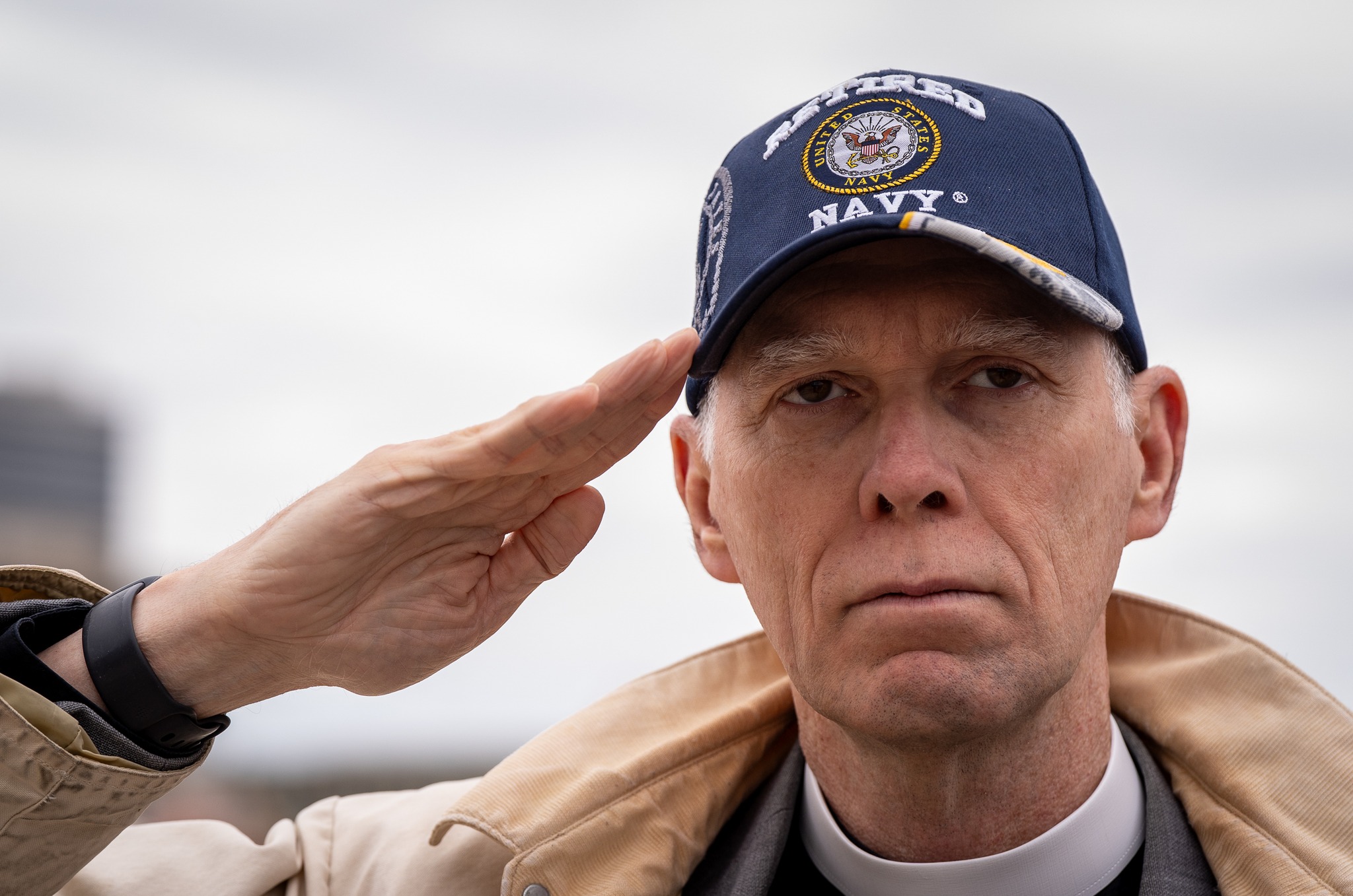
I grew up in a small town in the Boot Heel of Missouri. After earning a master’s at the University of Missouri at Rolla in mathematics, I was called to become a priest in the Episcopal church. That’s a long story in and of itself! More schooling followed leading to various adventures in ministry including 29 years as a Navy Chaplain. The Navy is America’s away team, and I spent almost 15 of 29 years away from home. What an enormous privilege it was to be with and serve Sailors and Marines who go in harm’s way on their nation’s behalf. Working in the ecumenical, inter-faith, and no-faith environments of spiritual care and leadership both excited and challenged me–it still does! Eventually I concluded my career in the Pentagon and began looking for the next adventure.
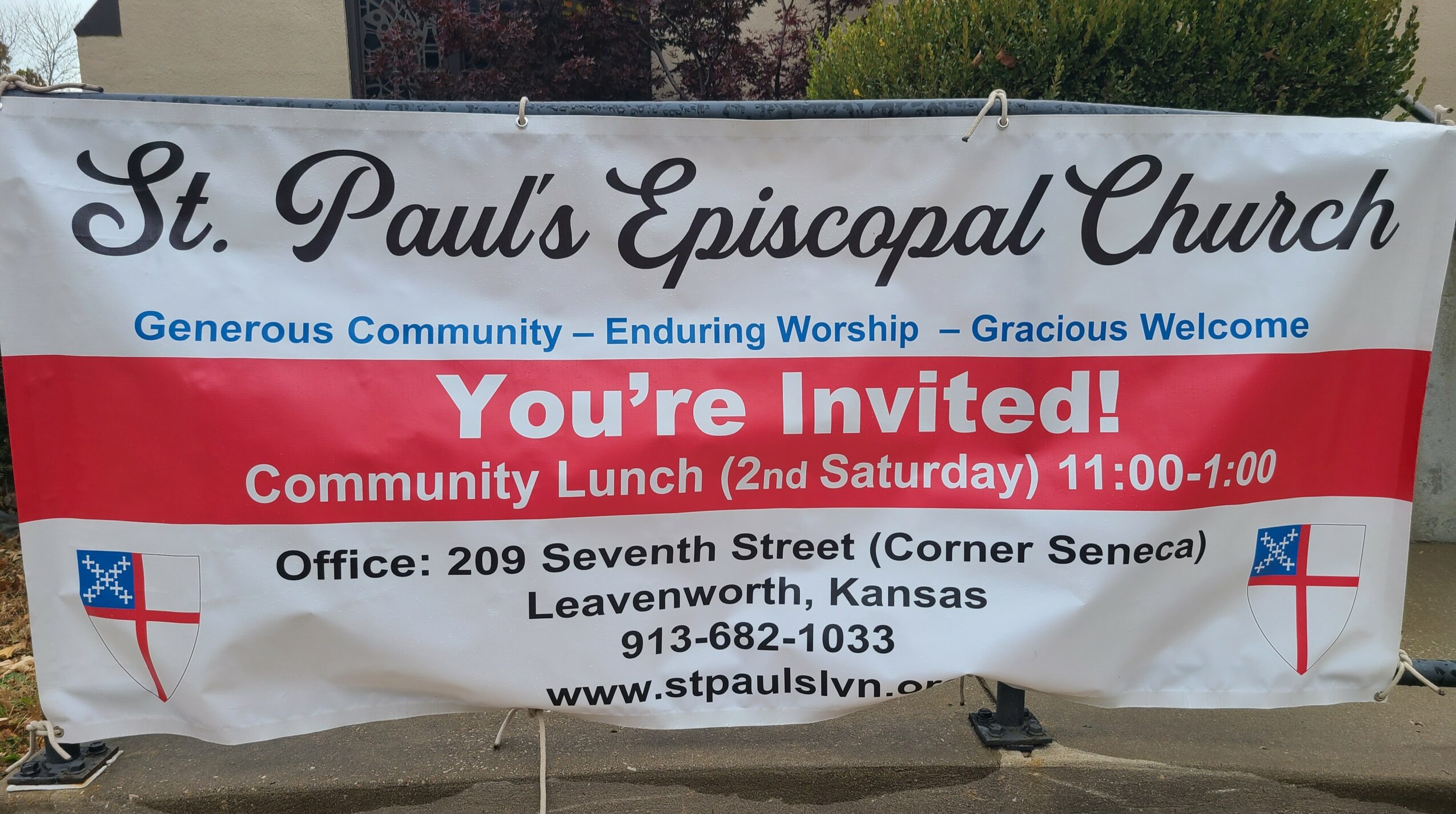
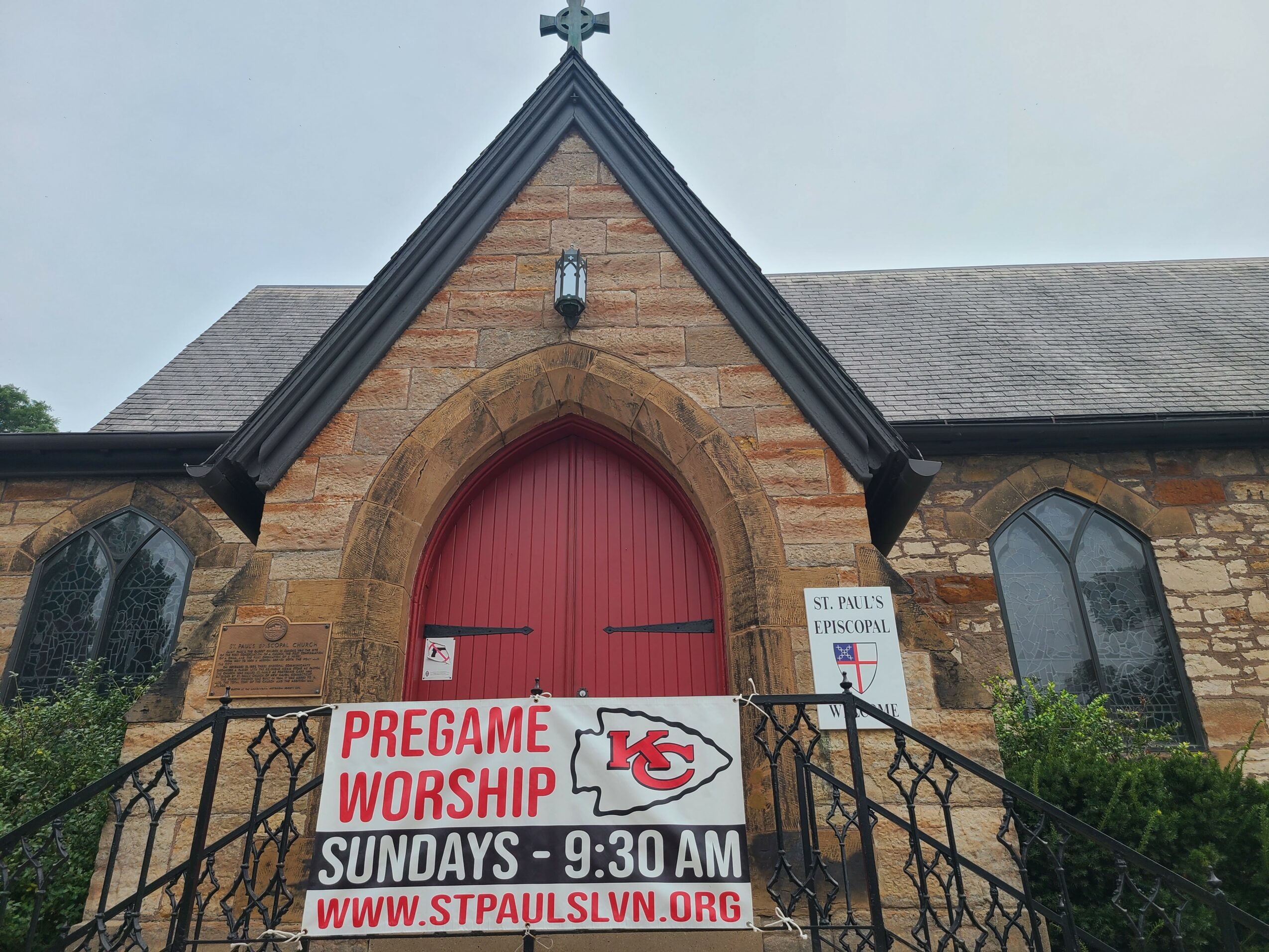
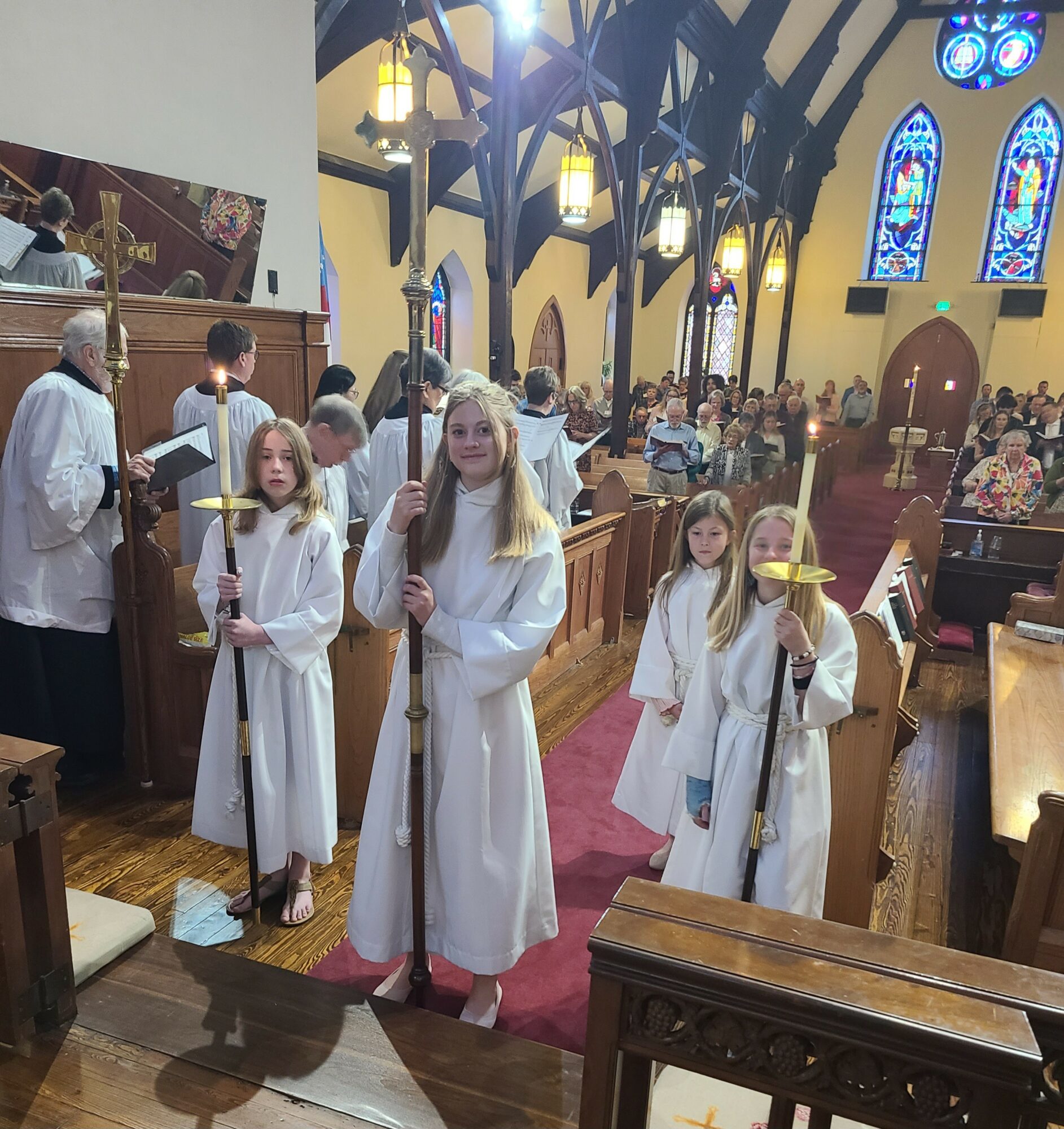
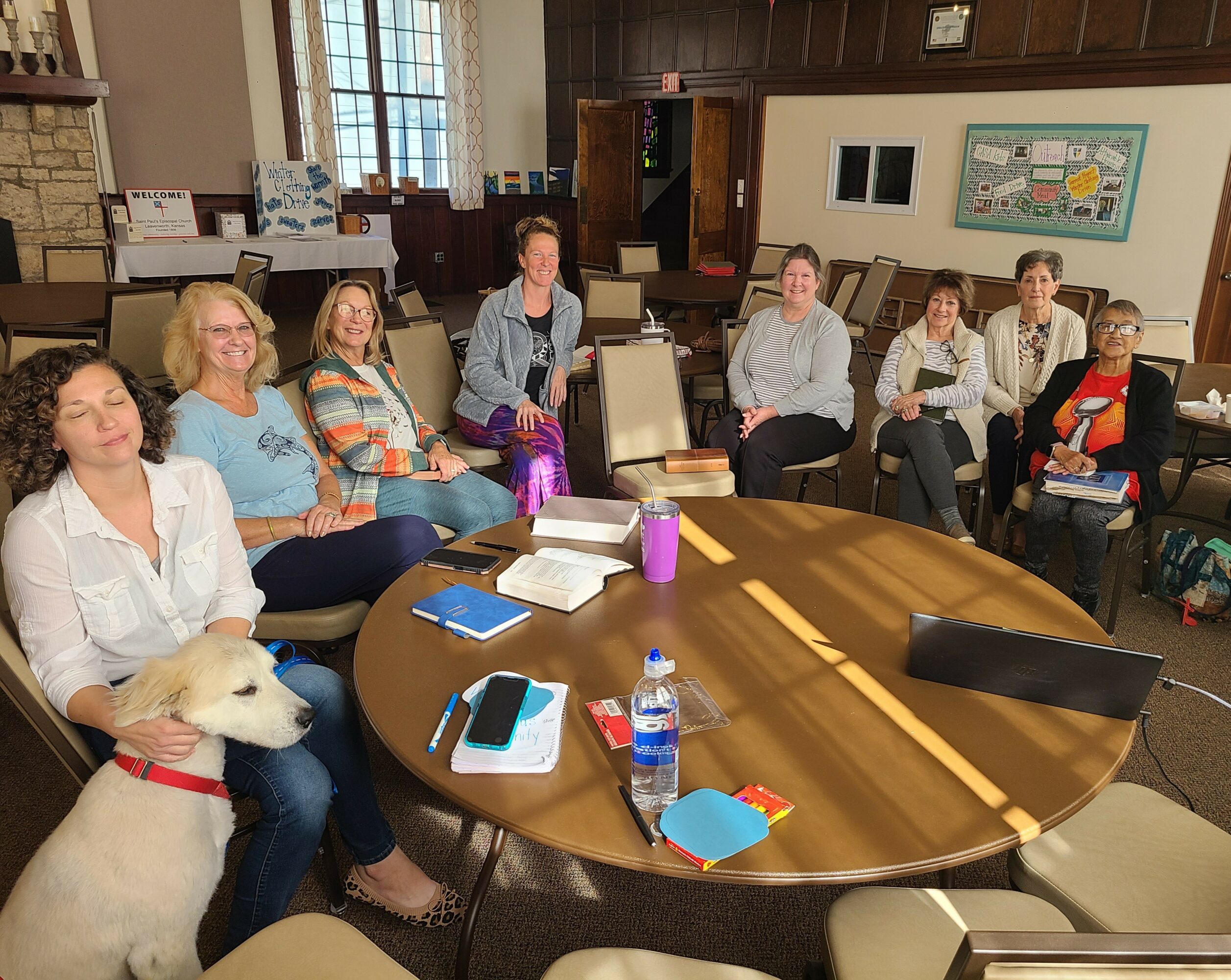
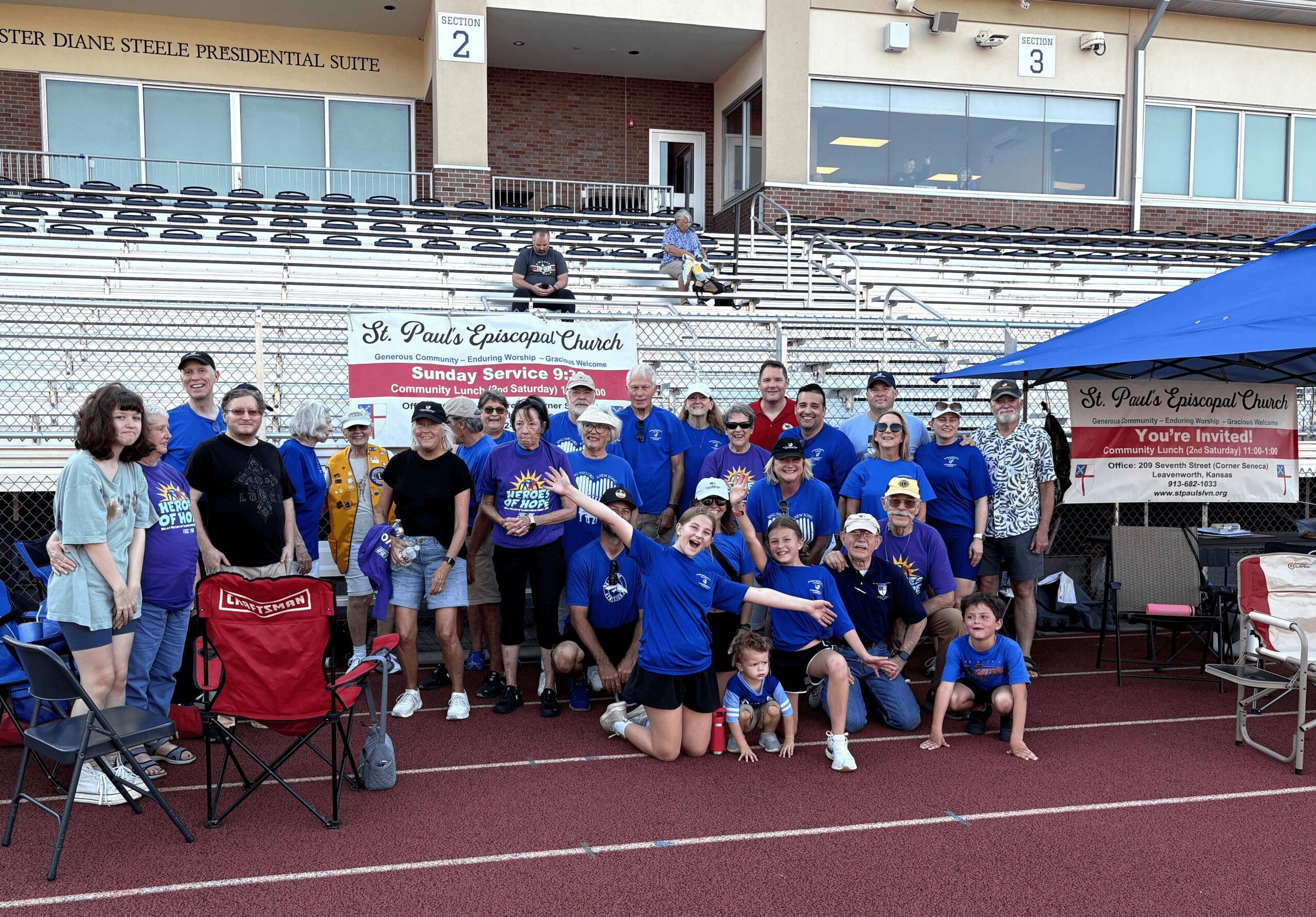
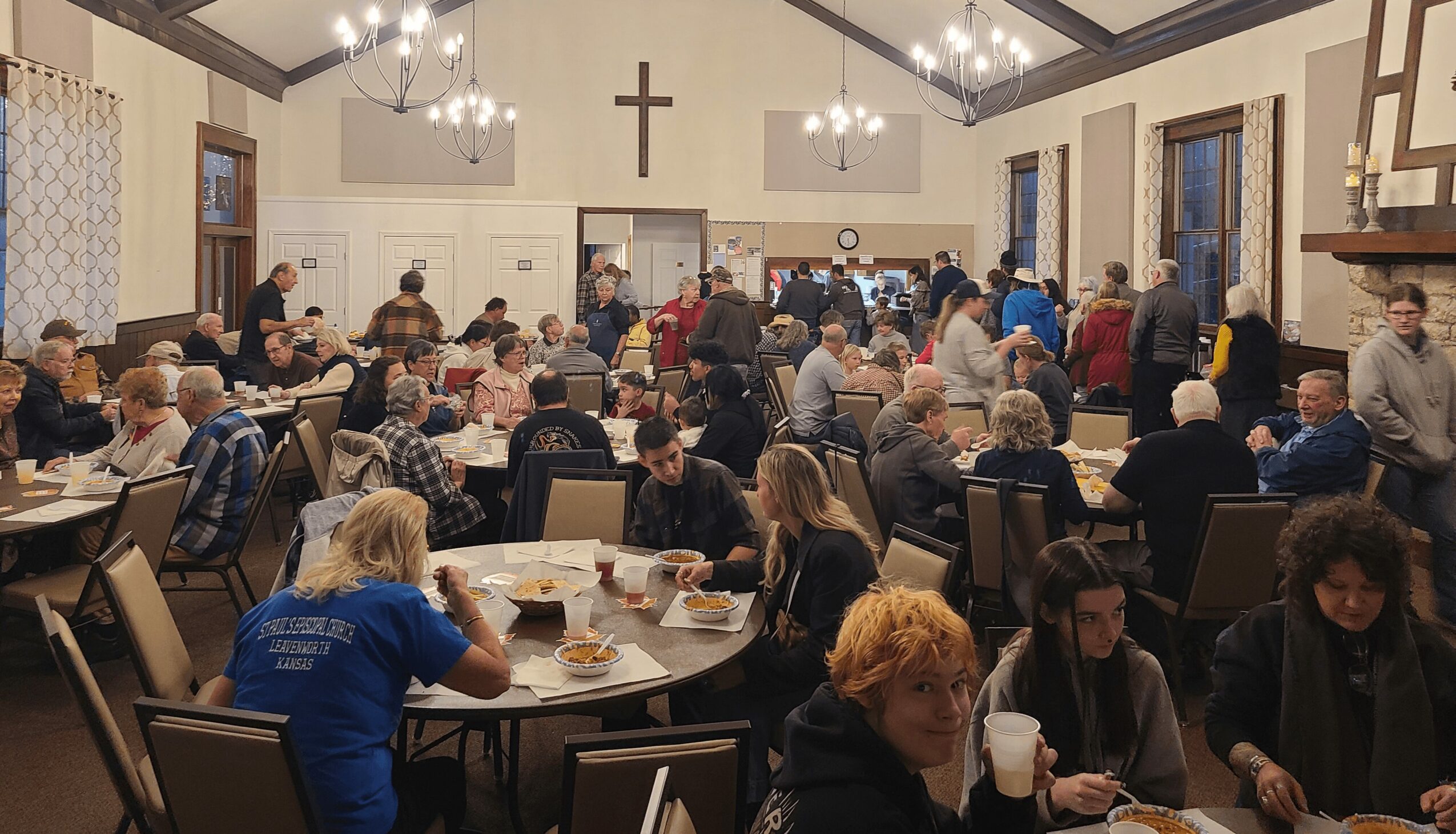
Much like Odysseus, another sailor, I returned home. In my case, to the Midwest, where I currently serve as a country parson to growing church in the Episcopal branch of the Jesus movement. St. Paul’s Episcopal church is the “first church of the first city of Kansas.” The first Episcopal sermon was preached in the 1830’s when Episcopal chaplains accompanied the Army to the founding of the fort. The church incorporated in 1856 and moved into the ‘new’ building in 1865. This historic witness to faith on the frontier has grown into a welcoming community that invites all spiritually curious people to come as they are, see faith in action, and sense a call to experience the passion, purpose and pleasure that comes from a faith practice.
I’m sure it wasn’t obstacle-free, but would you say the journey has been fairly smooth so far?
One of the hardest moments for me was discerning a call to ministry. My sense of inward call didn’t come until midway through seminary. It started with an Episcopal priest in Rolla, Missouri who helped me deal with a cult-like experience after a summer of working with travelling faith healers. I had a Damascus Road-like experience on the floor of Kemper Arena which revealed to me that I was NOT aligned with Jesus. So, I resolved to go back to my roots in the Episcopal Church, get my PhD in mathematics and be a good lay person. The first day back, the priest saw me and invited me out to lunch. Free food for a penniless grad student, yes please!
After getting to know me and helping me sort out my spiritual life, the priest suggested that I should consider being a priest. My response was not printable! He kept after me though, and after a few months I finally agreed to go through the discernment process. This process is about a year in length in the Episcopal Church and involves psychological profiling, interviews with commissions, and committees, and other bare-one’s-soul activities that someone on the spectrum like me finds unsettling. Still, I said, if it is of God, it will all work out and doors will open. My long-lost Godfather returned to my life and he happened to be the Chair of one of those committees. A number of other advocates appeared. It turns out I’m pretty good a preaching style that more resembles stand-up then it does a lecture and suddenly preaching scholarships appeared and seminary, which costs as much as law school, was paid for. Door after door continued to open, eventually culminating in ordination.
Another struggle comes from the nature of service in the Navy. I was gone from home a lot. Almost 15 of 29 years in total. My wife and I had three wonderful children. Our first grandchild is on the way and due 19 December. Unfortunately, our marriage did not survive the wear and tear that comes the constant hellos and goodbyes. Often when people think of trauma they think of specific large events. However, there is also trauma that comes about from cumulative nicks and cuts of a life lived in maritime service. Some families successfully navigate these hazards. We did not. I feel sad that we were unable to make it work, but at least we parted in a friendly manner.
Of course there are other more minor professional struggles–finishing as the alternate not the primary for a position I really wanted to do; not being picked to lead the Chaplain Corps; finishing second in an Episcopal election. Those struggles, however, are just waypoints that lead to other arenas of adventure.
Thanks for sharing that. So, maybe next you can tell us a bit more about your work?
As a Navy Chaplain I was known for the mantra “Go to sea!” which was emblematic of the need to be with one’s people. I also coined the phrase, “If your people know you love them, you can do cartwheels down the gangway and people will just say, “Oh, there goes our chaplain.” The final elevator speech that got me a hearing with senior leaders who would ask me what the job of a chaplain was as follows: “Sir/Ma’am, my job is to help your people face death well, live life better, and strive to fulfill their duty. The military is an organization that both inflicts and sustains casualties, so one better be able to return from that experience as whole as possible and chaplains lead that. Most Sailor/Marines are 18-30 and that age group often needs some coaching on how to live life well–have enriching and sustaining relationships, adult-well, and thrive as human beings. Chaplains are right there with them. Finally, the military is a virtue-based organization. A chaplain helps service members to courageously honor their commitments.”
In my career in the Navy I am most proud that I spearheaded the efforts to, for the first time since the end of the Cold War, increase the number of chaplains. We were able to demonstrate scientifically the difference having a chaplain as a member of ship’s company made in the life of the crew and individual Sailors. There were a number of longitudinal studies from Columbia and Duke which were extremely helpful, as well as a friend at the Center for Naval Analysis who helped me with the number crunching. We were then able to convince the larger institution to invest in their people’s spiritual health and wellbeing and the contributions that religious practices make to human thriving. This leveraged resources.
What do I specialize in? While I think of myself as a generalist, I suppose I might be considered a specialist in the following areas: I specialize in connecting people to a higher power, which gives them a sense of passion, purpose and pleasure. I specialize in connecting people to each other so that a community is formed where everyone thrives and transcendent reality is revealed. I specialize in cultivating curiosity and winsomely inviting people to explore their relationships and the spiritual life. I specialize in working in the religious, ecumenical, inter-faith, and no-faith arenas.
I love being with my people in the joys and sorrows of their lives. I love communicating the inner meaning of the Gospel to people at their point of need. I love growing a ‘main-line’ denomination church when such things are supposed to be in decline!!!
Can you share something surprising about yourself?
Most folks would be surprised to learn that I hold a second-degree black belt in Okinawan Kenpo. I trained most of my adult life but was thrilled to earn the black belts in a dojo in Japan. Though I don’t compete anymore and have mostly switched my physical training to focus on Tai Chi and yoga, martial discipline has mirrored spiritual discipline.
Contact Info:
- Website: https://www.stpaulslvn.org/
- Instagram: https://www.instagram.com/stpaulslvn/
- Facebook: https://www.facebook.com/stpaulslvn/
- Youtube: https://www.youtube.com/channel/UC49AbH2RU6p2Xsf1jdmUJiw
- Other: https://kansascountryparson.blogspot.com/