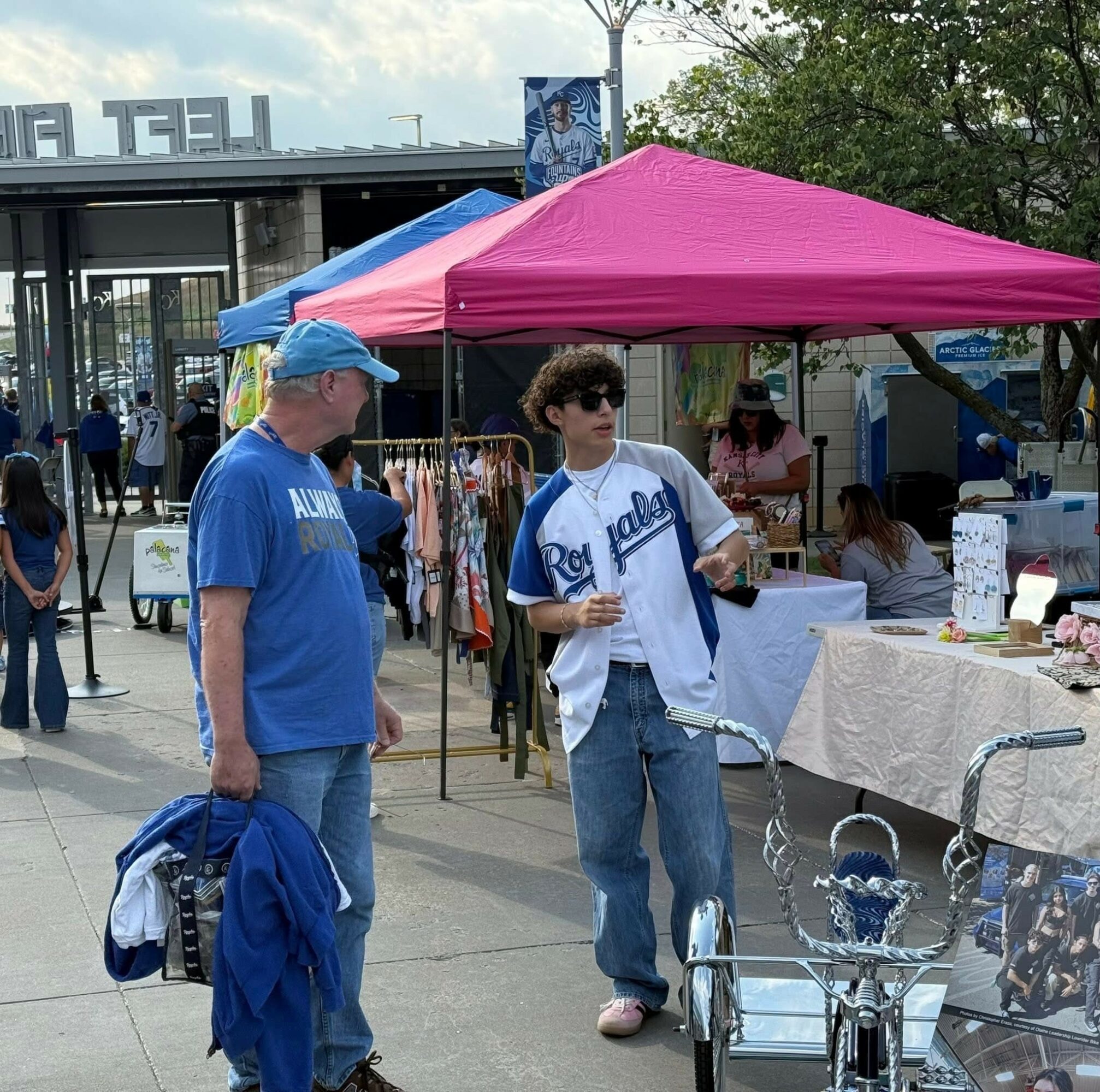




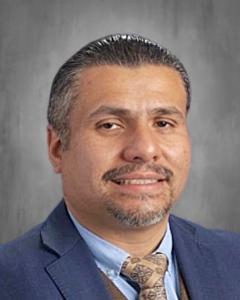
Today we’d like to introduce you to Erik Erazo.
Erik, we appreciate you taking the time to share your story with us today. Where does your story begin?
Originally from California, I came to Kansas after leaving the military to visit family—never intending to stay, and certainly not planning a career in education. I had applied to Hummer as a mechanic, drawing on my military training and schooling, and while waiting to hear back, I accepted a temporary position as a security guard with Olathe Public Schools. I never left.
Today, I serve as the Executive Director of Student and Community Engagement for Olathe Public Schools, where I continued developing programs that connect students to hands-on learning, leadership, and community partnerships. Over my 23 years in the district, I pursued evening classes at Kansas City Kansas Community College before transferring to Pittsburg State University, where I earned both my bachelor’s and master’s degrees in education.
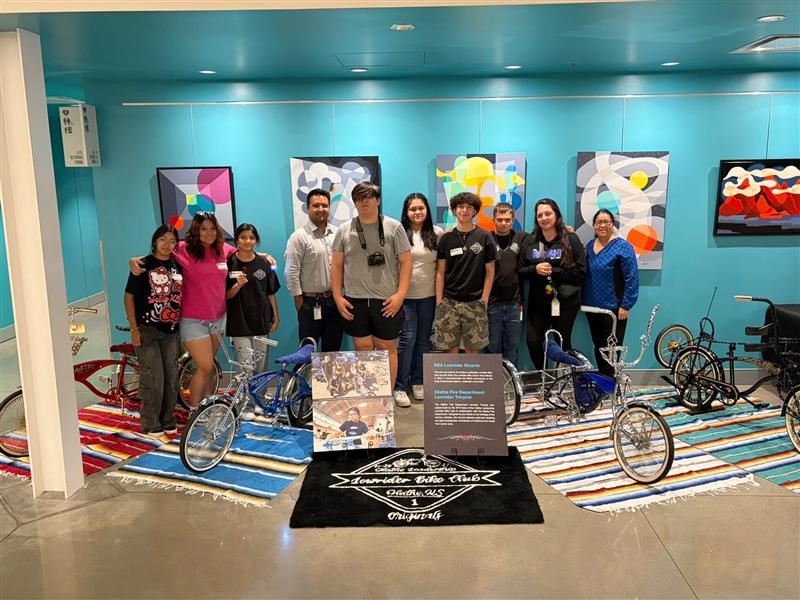
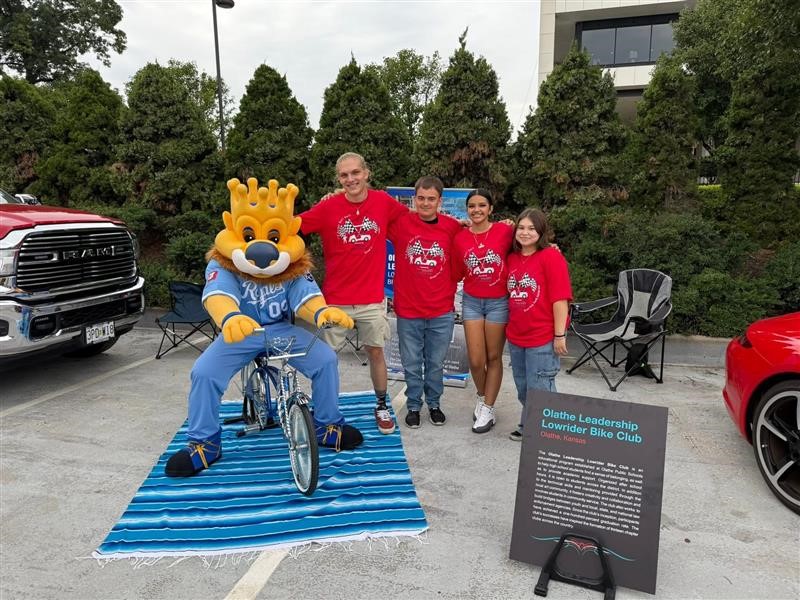
During that time, I founded the Olathe Leadership Lowrider Bike Club—the first chapter in what would become a nationwide program and one that remains proudly rooted in the Olathe School District.
What began in Olathe has since grown into 16 chapters across the country, including multiple sites in Olathe middle and high schools, programs throughout California and New Mexico, a chapter in Pueblo, Colorado, and another preparing to open in Los Angeles. Each student in the program receives a bike kit to customize and showcase throughout high school—but they do not take it home until graduation. Across all chapters, we maintain a 100% high school graduation rate.
A major reason for that success is the extraordinary leaders, mentors, and sponsors who guide each chapter. In Albuquerque, New Mexico, world-renowned lowrider painter Rob Vanderslice oversees one of our largest programs, while our Española chapter works alongside it as another flagship site. Both were featured on 60 Minutes last year. In San Diego, our chapter includes members of the United Lowrider Coalition—an organization instrumental in overturning California’s long-standing no-cruising ordinances—led by its president Jovita Arellano and her husband, “Mr. Rabbit,” the national president of the Impalas Car Club.
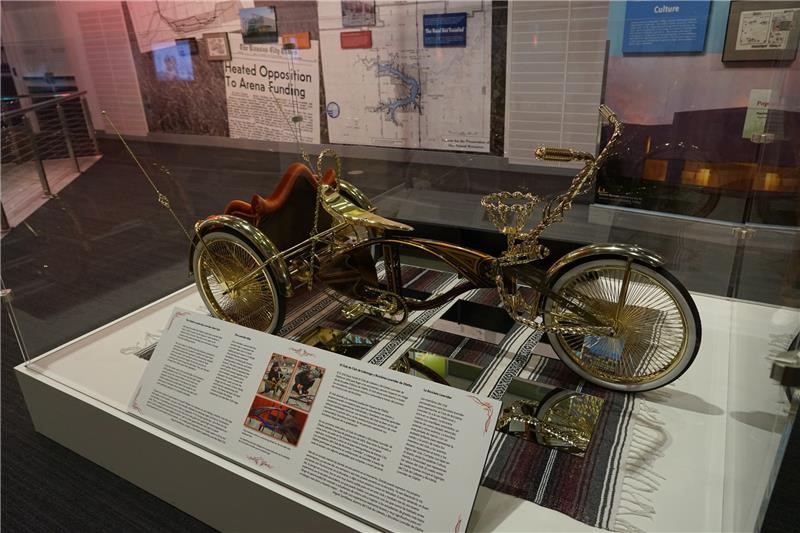
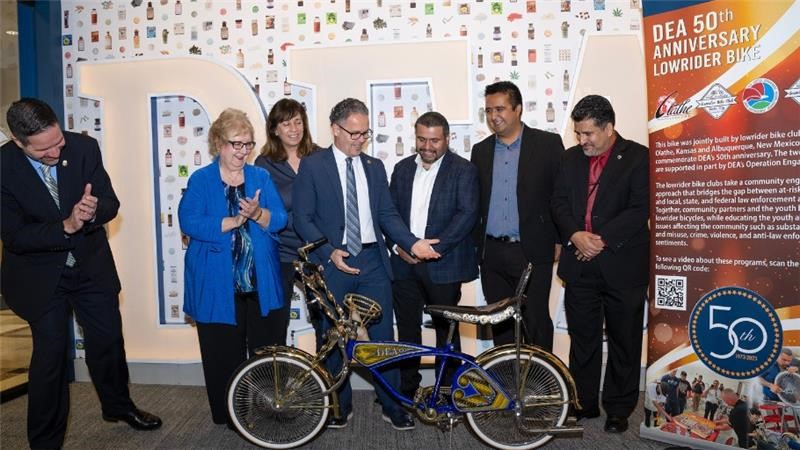
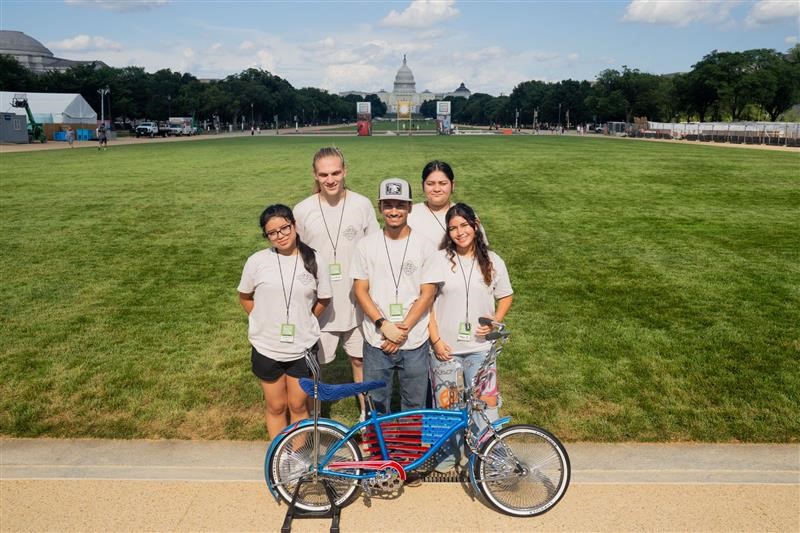
The program has also been featured by major news outlets and museums, including an invitation from the Smithsonian to participate in its 2025 Folklife Festival, where students built a bike on the National Mall for use in the Smithsonian’s education programming. Additional bikes are permanently displayed at the DEA Museum—donated for the agency’s 50th anniversary—and at the Johnson County Arts and Heritage Center. We also regularly participate in museum programs, college showcases, and educational events nationwide.
While lowrider bike clubs have existed since the 1970s, what makes our program unique is its educational foundation. We were the first to operate with certified educators developing curriculum centered on leadership, teamwork, and career readiness. Our students have gone on to college, the military, law enforcement, public service, and a wide range of professional careers, and many alumni now return as mentors—leading to the creation of a formal alumni association.
Sustained through grants and donations since 2017, the program continues to grow—and a documentary currently in production will soon tell the story on a national stage.
Can you talk to us a bit about the challenges and lessons you’ve learned along the way. Looking back would you say it’s been easy or smooth in retrospect?
It definitely wasn’t a smooth road at first.
The idea started small and very personally. I grew up around lowriding, riding a lowrider bike to elementary and middle school long before I ever owned my first lowrider car in high school. When I began thinking about how to better connect mentors with students, I knew we needed something that would truly draw young people in—something cultural, creative, and hands-on. That’s where the idea for the Leadership Lowrider Bike Club was born.
In the beginning, we had just a $500 grant from the Olathe Public Schools Foundation and five students. Funding was limited, so the bikes were simple—mostly out-of-the-box kits with a few bolt-on upgrades. The biggest challenge wasn’t building the bikes; it was proving that the program was worth investing in. We had to show that this wasn’t just about bicycles, but about leadership, mentorship, and long-term student success.
Momentum really began to shift after I connected with Logan Bonny, a sergeant with the Olathe Police Department who was serving as the department’s public information officer at the time. He helped bring visibility to the program through local news coverage and has remained one of our strongest supporters and lead mentors from day one.
From there, the growth came year by year. With the continued support of partners like the DEA, local police and sheriff’s departments, Arvest Bank, and other community organizations, the program has been able to expand steadily and sustainably—turning what started as a small pilot into a national model rooted in education, leadership, and community trust.
Alright, so let’s switch gears a bit and talk business. What should we know about your work?
At the heart of our work is education through art, craftsmanship, and leadership.
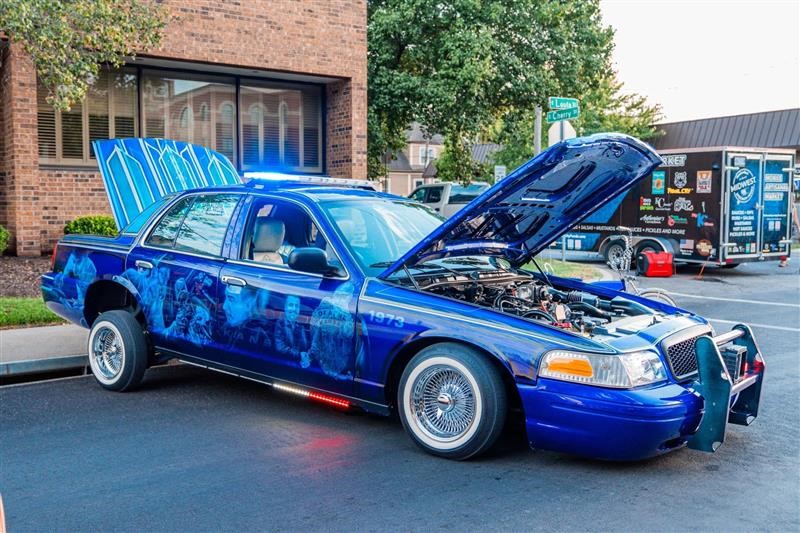
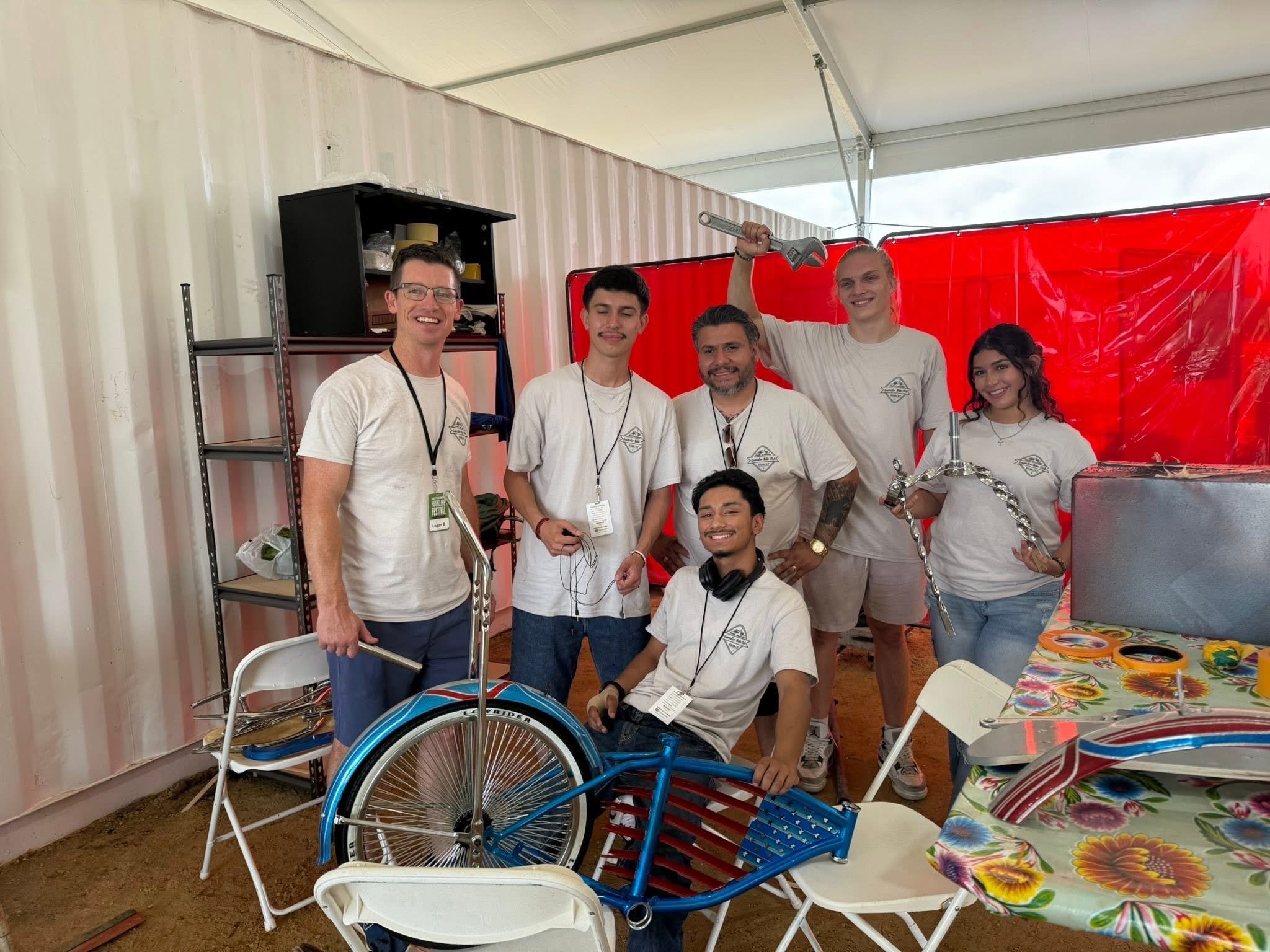
In our program, students specialize in lowrider-style paint and metal fabrication. They start with a basic banana-seat bike frame, then learn how to modify it—cutting sections, welding new metal, reshaping components, and doing full bodywork. From there, the artistic process begins. Every build starts with a silver base coat topped with metal flake. Students then tape intricate patterns over the surface before layering translucent candy paints, creating depth, movement, and one-of-a-kind designs. The final result is a rolling piece of art—no two bikes are ever the same.
What I’m most proud of is that the artistry is only one part of the story. These builds represent patience, discipline, teamwork, and confidence. Students don’t just learn technical skills; they learn to see a complex project through from start to finish and to believe in their own creativity. We don’t impose limits on design—because creativity can’t be confined—and that freedom is often what helps students discover talents they never knew they had.
What truly sets us apart is that we combine this hands-on art form with a structured, education-based model led by certified educators and supported by professional mentors from law enforcement and the community. The result is a program where culture, craft, and curriculum intersect—and where students leave not only with extraordinary bikes, but with leadership skills, career pathways, and a sense of belonging.
Any big plans?
The sky truly is the limit.
Our long-term goal is to establish a chapter in every state. We’ve seen firsthand that the program works, and we’re passionate about helping other communities build something meaningful for their students. What makes our model unique is that chapters are free to join—there are no franchise fees or participation costs. Each site handles its own local fundraising, while we provide ongoing support through monthly Zoom meetings, shared resources, and an annual national conference that brings everyone together.
We’re also beginning to look beyond U.S. borders. Recently, we spoke with a group in South Africa about launching a chapter, and the possibility of an international program is incredibly exciting. Ultimately, our vision is to create opportunities for students around the world to develop leadership skills, confidence, and pathways to success—no matter where they live.
The future is about growth, connection, and continuing to prove that education, art, and mentorship can change lives.
Contact Info:
- Instagram: https://www.instagram.com/olathelowriderbikeclub/
- Facebook: https://www.facebook.com/OLLBikeclub/
- Twitter: https://x.com/OLL_Bikeclub