



Today we’d like to introduce you to Chrystal Paasch.
Hi Chrystal, we’d love for you to start by introducing yourself.
Creativity has always been a foundation of who I am. The mediums have simply changed over time.
In high school, I thought I wanted to be a fashion designer. I was always drawn to clothes, jewelry, interiors, packaging — anything with a strong point of view. My parents were wholesale sales reps in Dallas, so I was around product, buyers, showrooms, and the business side of beautiful things early on. I didn’t have the language for it at the time, but I was paying attention to how design, taste, presentation, and commerce all worked together.
My first real entry into entrepreneurship came from wanting things I couldn’t quite afford. I was working an office job and living in a polished city, so I began making and sourcing pieces that felt closer to what I wanted to see in the world. That eventually led me into jewelry, which has always had a special place in my heart, and later into a boutique home decor brand that grew into wholesale accounts and national press.
For years, I was building product-based businesses from the inside: creating the brand, writing the copy, directing the visuals, designing the customer experience, figuring out the marketing, and learning the operational reality behind all of it. I didn’t just study brand from the outside — I learned it by having to make the whole thing work.
In 2017, after a painful personal loss and a season of deep burnout as a mom of three young kids, I stepped back and realized that the parts of business I loved most were not necessarily the inventory, production, or overhead. What I loved was the creative direction. The brand architecture. The positioning. The way an idea becomes something people can understand, feel, and believe in.
That was the beginning of my shift into brand and creative work for other businesses.
Today, through FORMA, my strategic brand studio, I work with founders and teams to help clarify what they’re building and translate it into a brand world that feels coherent, elevated, and commercially useful. Most of my work sits somewhere between brand strategy, creative direction, messaging, and embedded creative leadership.
Because much of my work has been remote — and often with clients outside Kansas City — I haven’t always had a visible presence in the local creative scene, even though I’ve loved watching it from a bit of a distance. Over the last year, I’ve become much more intentional about changing that. I started attending 1Million Cups, CreativeMornings, and more local business and creative gatherings because I realized I wanted to be more plugged into the community here, not just professionally but personally.
Kansas City has such a thoughtful, generous creative energy, and I’m excited to keep finding more ways to contribute to it. My work may still reach beyond the city, but this is home — and I’d love for more of what I’m building now to connect back here.
At the center of it, I think I’ve always been doing the same thing: noticing what makes something feel alive, then helping other people make that feeling easier to see.
Would you say it’s been a smooth road, and if not what are some of the biggest challenges you’ve faced along the way?
No, it definitely has not always been a smooth road.
A lot of my path has been built through rounds of starting over, refining, and finding my way in through the side door. I didn’t come up through a traditional agency track, and for a long time I felt like that meant I had to prove my credibility in a different way. I didn’t have the same résumé as someone who had spent years inside an agency, so my “street cred” came from doing the work itself: building brands, making decisions, learning the systems, and figuring things out in real time.
That unconventional path has been both challenging and clarifying. I’ve navigated imposter syndrome, burnout, motherhood, entrepreneurship, and the personal growth that comes with building a business around your own judgment, taste, and point of view.
When I pivoted more fully into brand and creative work in 2017, it wasn’t because everything was neatly lined up. It was because I had reached a point where I knew the pieces I loved most — creative direction, messaging, positioning, visual storytelling, and brand-building — were the pieces I wanted to keep building my life around.
One of the more unexpected challenges has been learning how to belong locally while much of my work happens remotely. Online relationships, referrals, and clients outside Kansas City gave me freedom and range, but also made it easy to feel disconnected from the place I call home. Becoming more intentional about showing up locally has reminded me how much I value being in rooms with other people who are building things.
There have been hard seasons and slow seasons, but they’ve taught me a lot. In many ways, they forced me to do the same work for myself that I now help clients do: clarify what matters, strip away what doesn’t, and build something that feels both true and useful.
So no, it hasn’t been smooth. But it has made the work stronger — and it has made me much more interested in building a practice that is not only creatively rigorous, but rooted in real relationships, real places, and the communities we choose to be part of.
Can you tell our readers more about what you do and what you think sets you apart from others?
My work spans creative direction, brand strategy, visual storytelling, and entrepreneurship — and to me, those things have never felt separate.
Creativity, especially, is the center of how I work, even when the output is a business strategy, a brand foundation, a website, a campaign, or a messaging system. I’ve always believed entrepreneurship is a form of creative problem-solving. It’s creating something from nothing, seeing possibility where there isn’t yet a clear path, and bringing an idea into the world in a way other people can understand, feel, and respond to.
That’s the part of business that has always excited me most. There are principles, of course — strategy, positioning, customer experience, marketing, sales — but the work becomes really interesting when creativity is at the heart of how those pieces come together.
Through FORMA, my strategic brand studio, I help founders and teams clarify what they are really building, then translate that into messaging, positioning, visuals, content, and a brand world that feels coherent. I tend to work best with founders who have something special but under-articulated. They know there is more depth or potential there than people are currently seeing, but they may not yet have the language, structure, or creative direction to make it clear.
A lot of my role is noticing. I notice patterns, gaps, emotional cues, visual signals, language, atmosphere, and the little details that make something feel believable. Then I help shape those pieces into something more useful and more fully realized.
One thing I’ve learned over the years is that creativity has to be protected, especially when it is also part of how you make a living. Years ago, I read Elizabeth Gilbert’s Big Magic, and one idea that stayed with me was the danger of asking creativity to perform too quickly — to immediately prove itself, monetize, or become productive. That can flatten it.
When I had a physical product business, I used to have what I called “design days.” Those were days set aside for developing products, playing with materials, following ideas, and letting things expand without needing every experiment to become something right away. I still have a version of those now. Sometimes that means trying new tools, exploring a visual direction, studying a place, writing through an idea, or following a creative thread before I know exactly where it belongs.
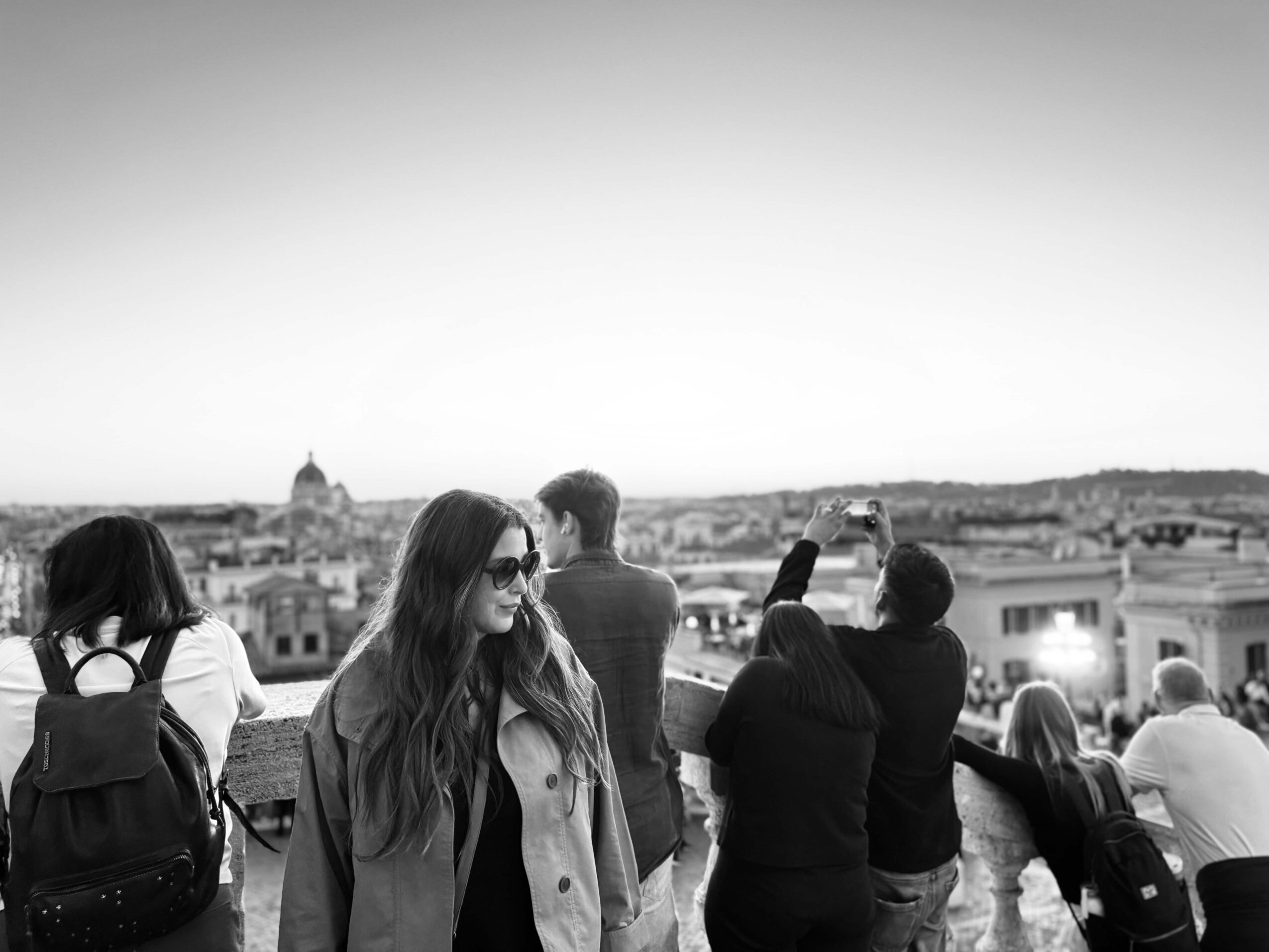
Right now, I’m most proud of the Field Studies I’ve been developing. They are small visual and written studies of places, spaces, and moments I collect through travel and observation — hotels, streets, interiors, cities, textures, windows, corners, and the details that create a sense of place. They connect to my professional work, but they didn’t begin as a business offer. They began as a way to notice more closely and make something simply because I felt compelled to make it.
That feels important to me. Some creative work eventually becomes part of the business, and some of it just keeps the business alive from the inside.
What sets my work apart is that I don’t see brand as decoration. I see it as a living system — part strategy, part feeling, part structure, part atmosphere. I care deeply about beauty, but I don’t think beauty is enough on its own. The work has to make sense. It has to support the business. It has to help the right people recognize themselves in it.
At the center of it, my work is about making things feel more believable — taking something with real potential and helping it become clearer, more coherent, and more fully itself.
Risk taking is a topic that people have widely differing views on – we’d love to hear your thoughts.
I think I’ve always had a high tolerance for risk, though the way I understand risk has changed a lot over time.
When you’re younger, risk can look more like impulse or restlessness. You try things because you’re curious, because you’re bored, because you want to see what happens. As you get older — especially as a parent and a business owner — risk becomes much more intentional. It becomes *What am I willing to bet on, and why?*
The biggest risk I’ve taken has probably been betting on myself to build a life and a body of work that actually fit me. I wanted to do meaningful creative work, but I also wanted a life where I could be present for my children, have room to travel, follow ideas, and keep building something that felt alive. There was no perfectly clear roadmap for that. There rarely is.
Entrepreneurship requires a certain comfort with uncertainty. So does creativity. In both, you’re often making decisions before you have full proof that they’ll work. You’re following a thread, testing an idea, reading the room, adjusting, and trusting that your judgment will get stronger as you go.
I don’t generally think of risk as recklessness. I think of it as part instinct, part strategy, and part willingness to be misunderstood for a while. Most interesting things require some stretch before they make sense to other people.
For me, risk tolerance is directly connected to satisfaction — not just success. The more willing I’ve been to make choices that are aligned with the life and work I actually want, the more fulfilled I’ve felt. It doesn’t mean every choice has been easy or that every risk has worked out neatly. But I would rather keep building toward something true than choose the safer path simply because it’s easier to explain.
So yes, I’d say I’m a risk-taker. But at this stage of my life, I’m interested in meaningful ones — the kind that let you build a world you actually want to live and work inside.
Pricing:
- Brand / creative direction intensives — project-based
- Messaging, positioning, and brand foundation work — scoped by need
- Embedded creative leadership — available for select teams
- Hospitality Field Studies / creative production — scoped by property and deliverables
- Inquiries welcome through Forma or BYCLP
Contact Info:
- Website: formakc.com + byclp.com
- Instagram: https://www.instagram.com/chrystalpaasch
- LinkedIn: https://www.linkedin.com/in/chrystalpaasch
- Other: https://substack.com/@freeformfieldguide
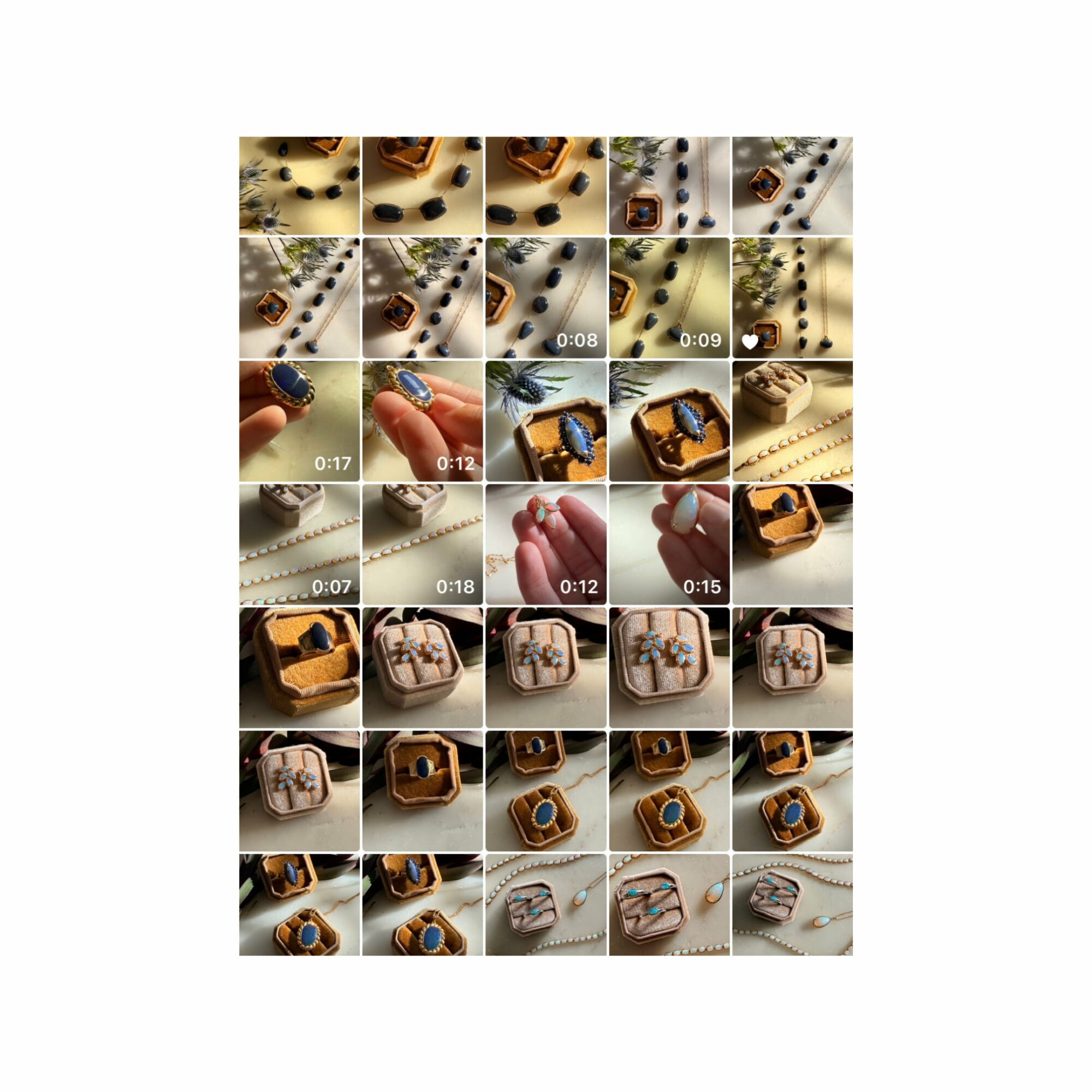
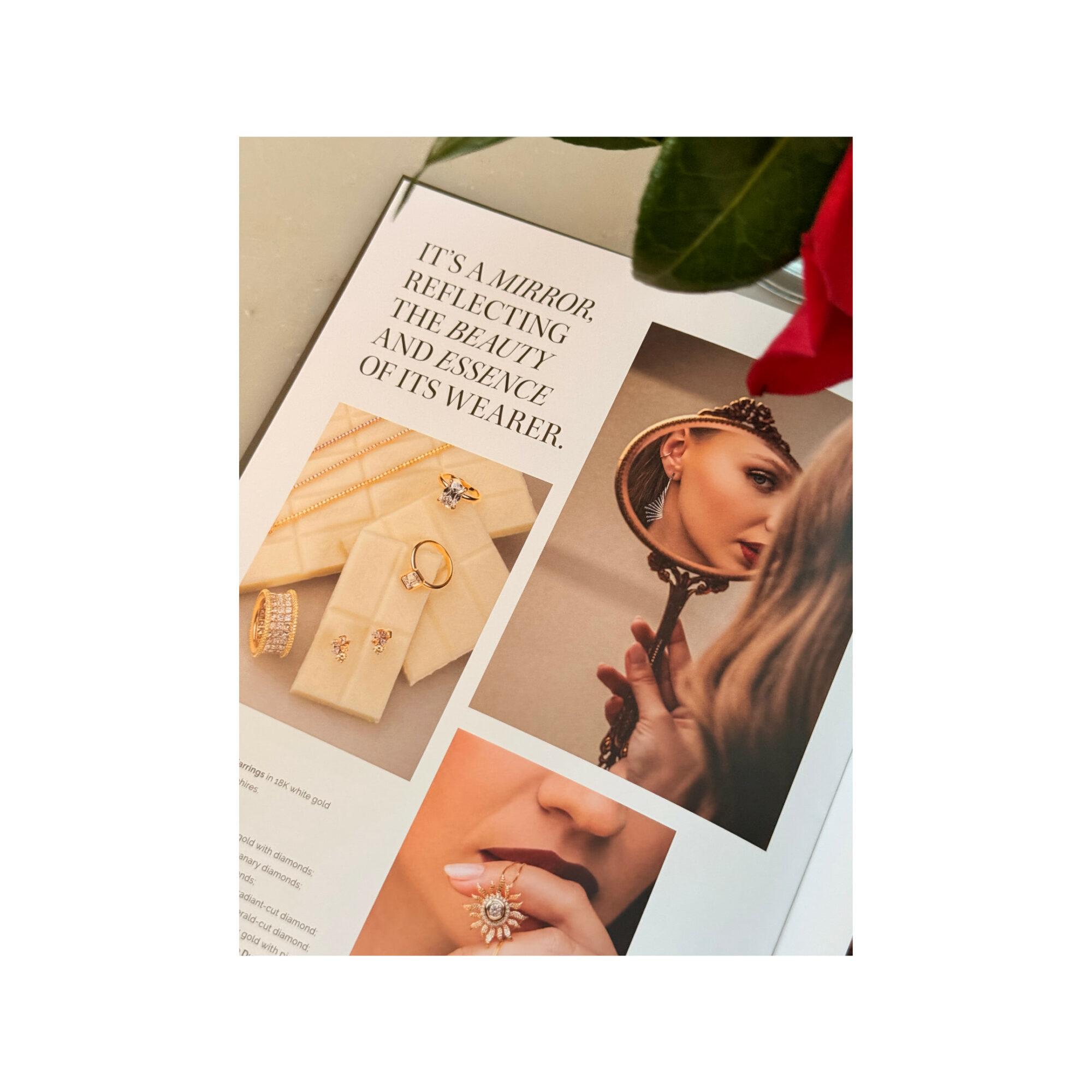
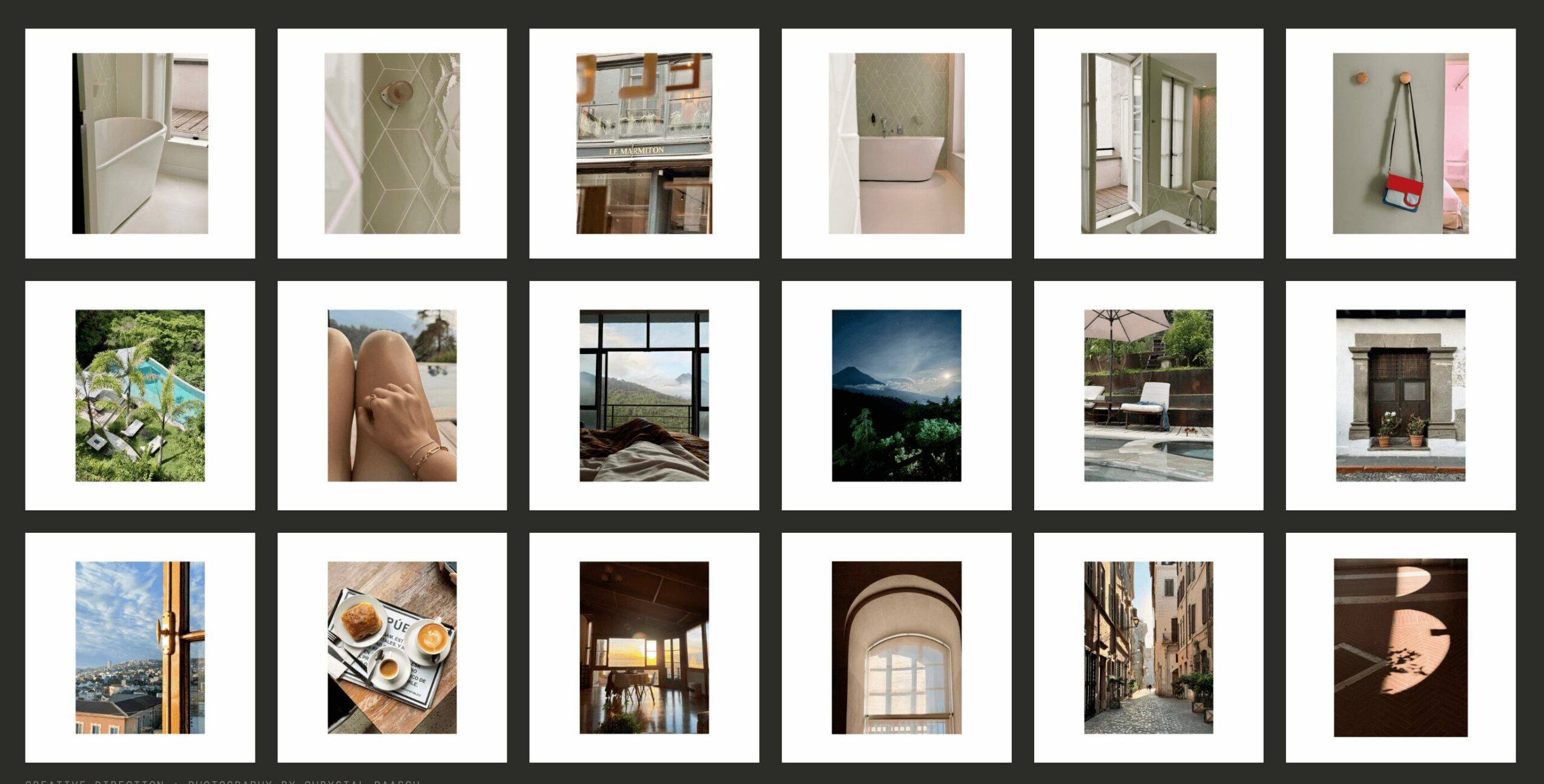
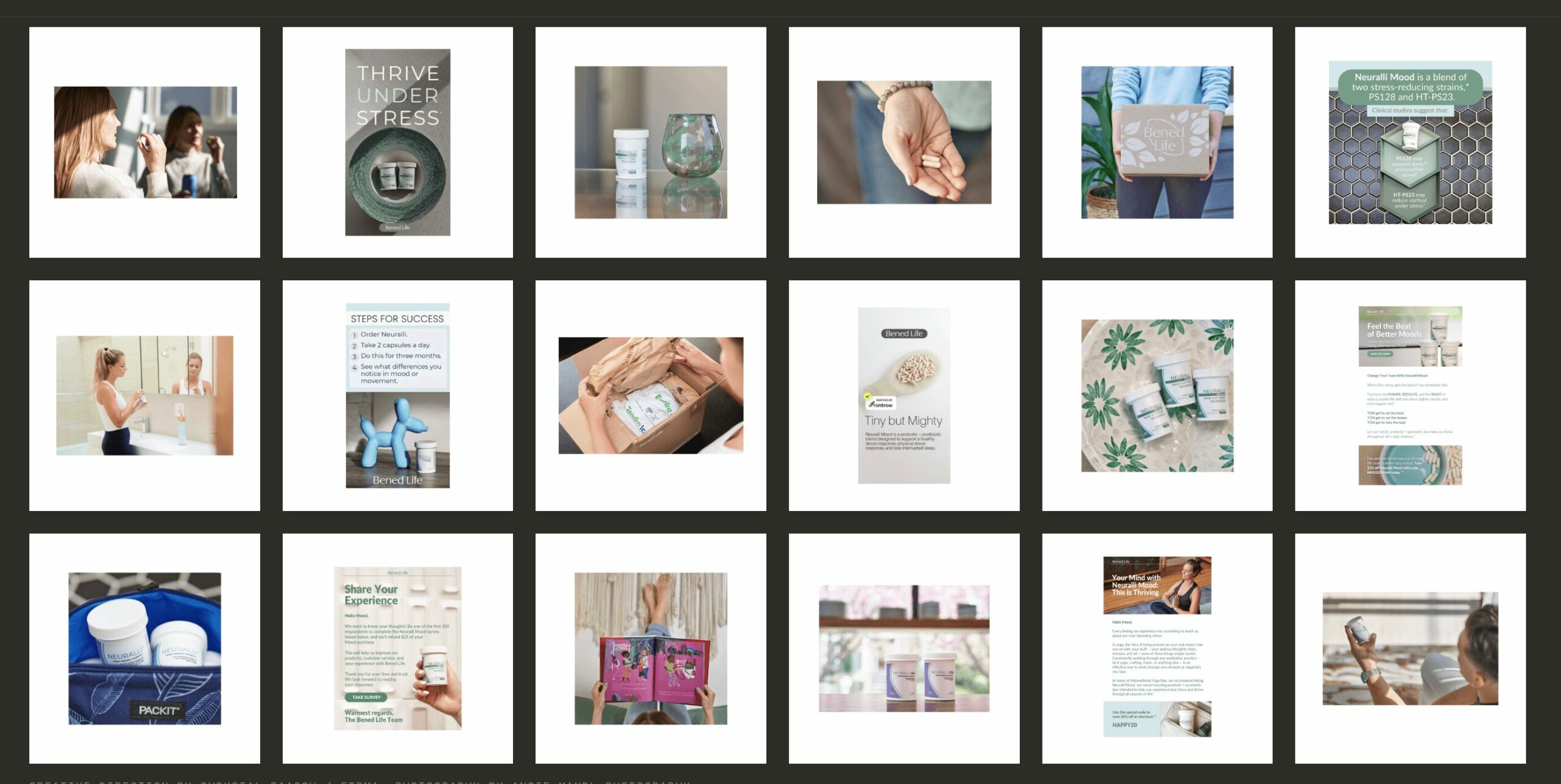
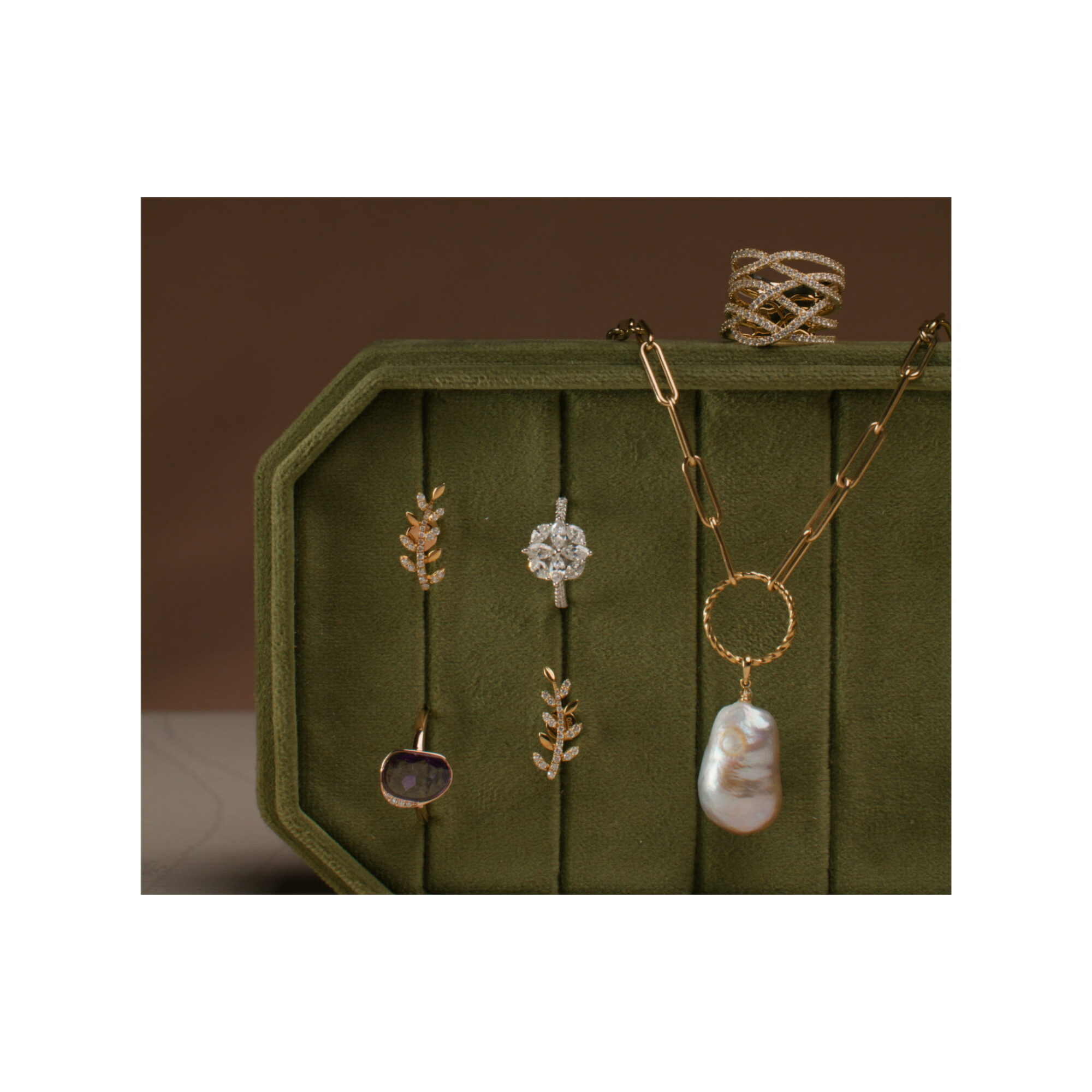
Image Credits
Chrystal Paasch, Angie Mandl Photography, SPEC Media, Cristina Munoz, Emmalee Rathsam