





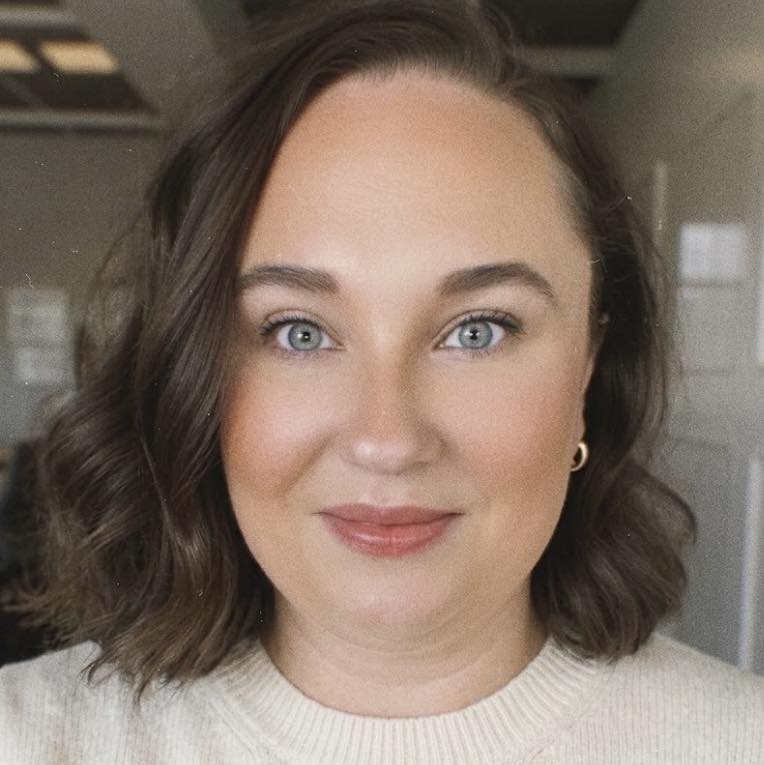
Today we’d like to introduce you to Nicolette Martin.
Alright, so thank you so much for sharing your story and insight with our readers. To kick things off, can you tell us a bit about how you got started?
I’ve always been someone who needs to understand the story underneath the story. That’s what drew me to journalism. I studied at the University of Iowa before transferring to Missouri State, where I spent most of college in the newsroom — covering beats, editing copy, designing pages, and eventually running the paper as editor-in-chief.
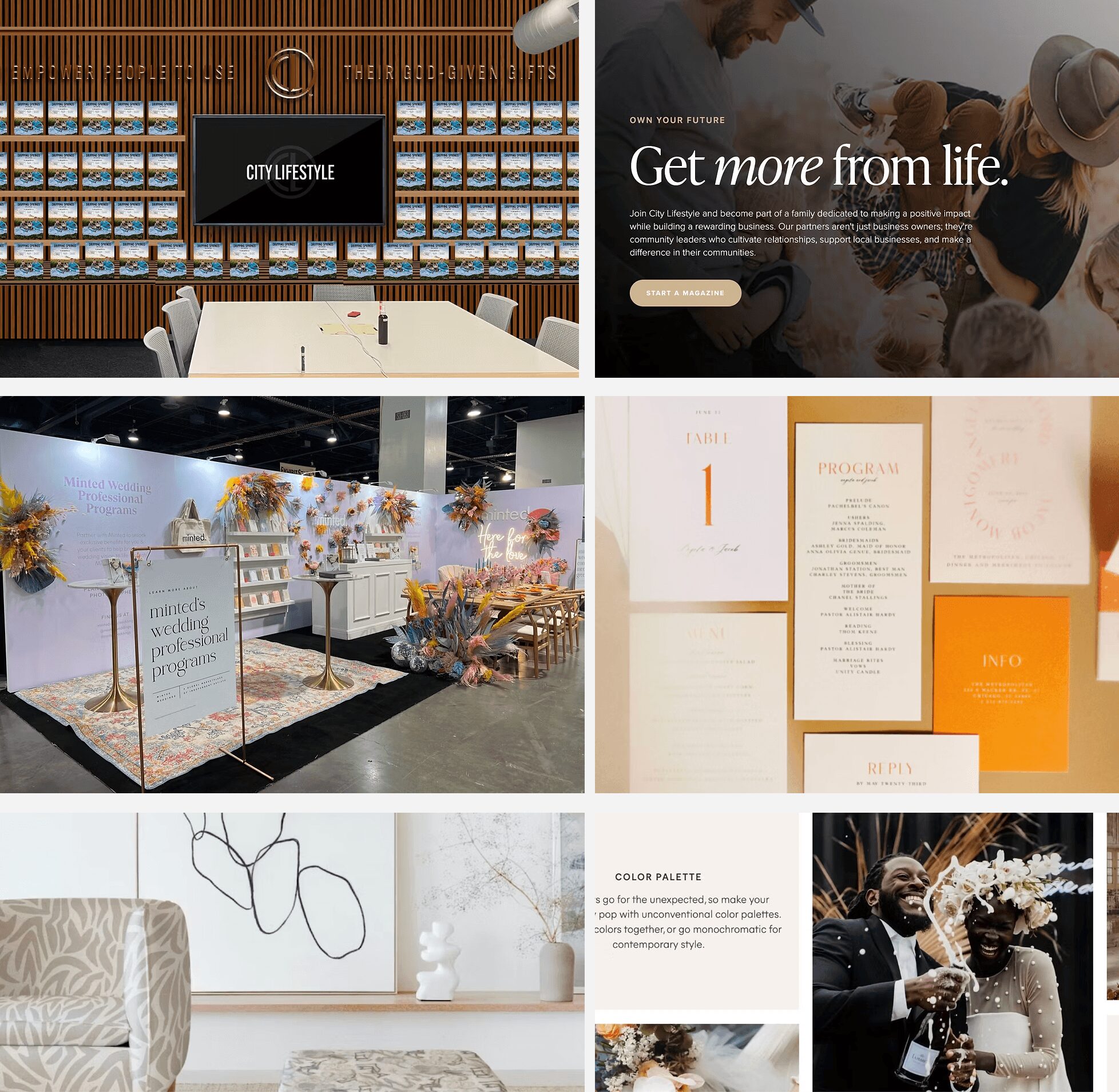
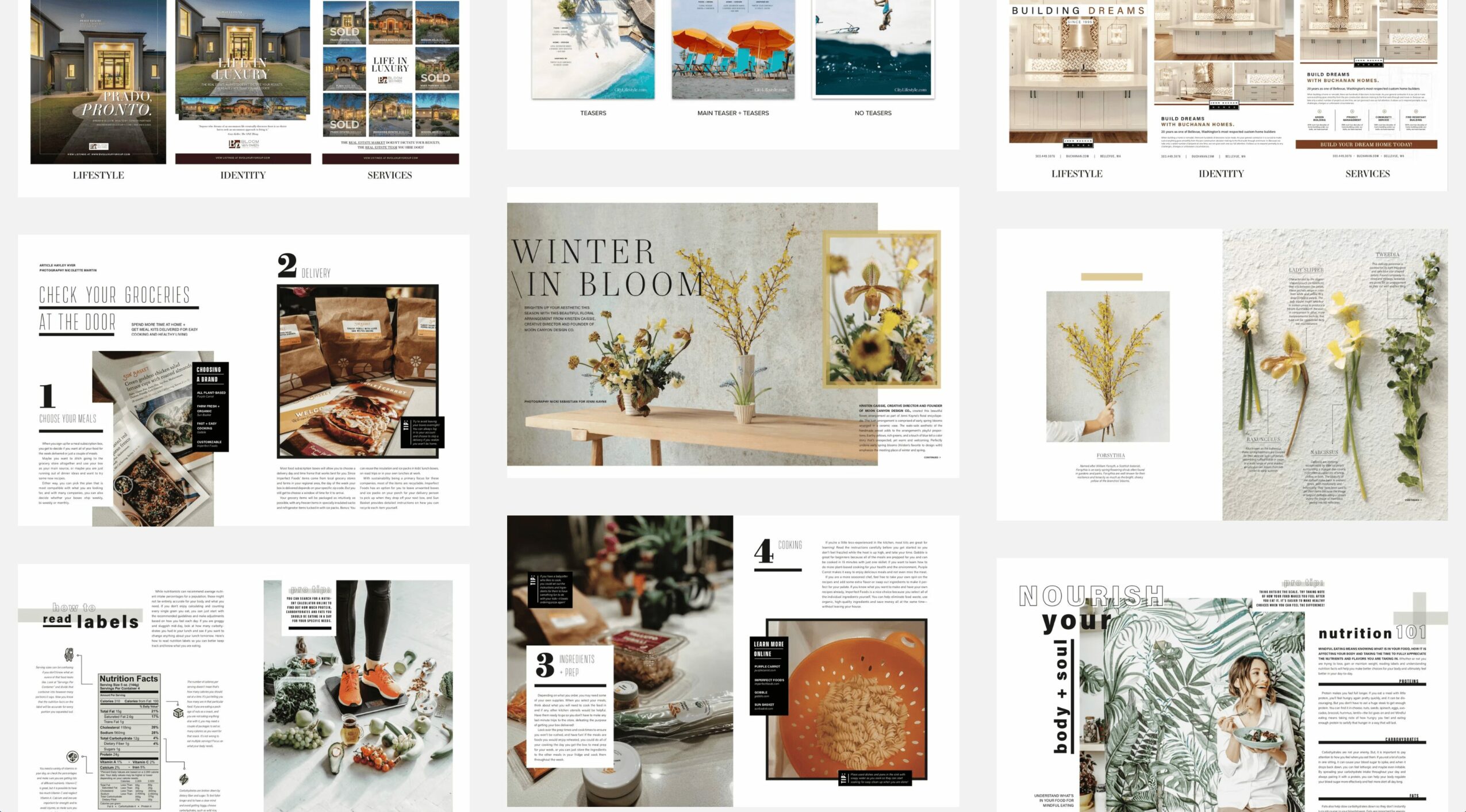
After graduation, I took my first design job laying out legal publications. From there I landed at City Lifestyle designing magazines. I started out designing thirteen publications a month and somewhere in all of it, I realized I was less interested in the design itself and more interested in the story and the brand underneath it.
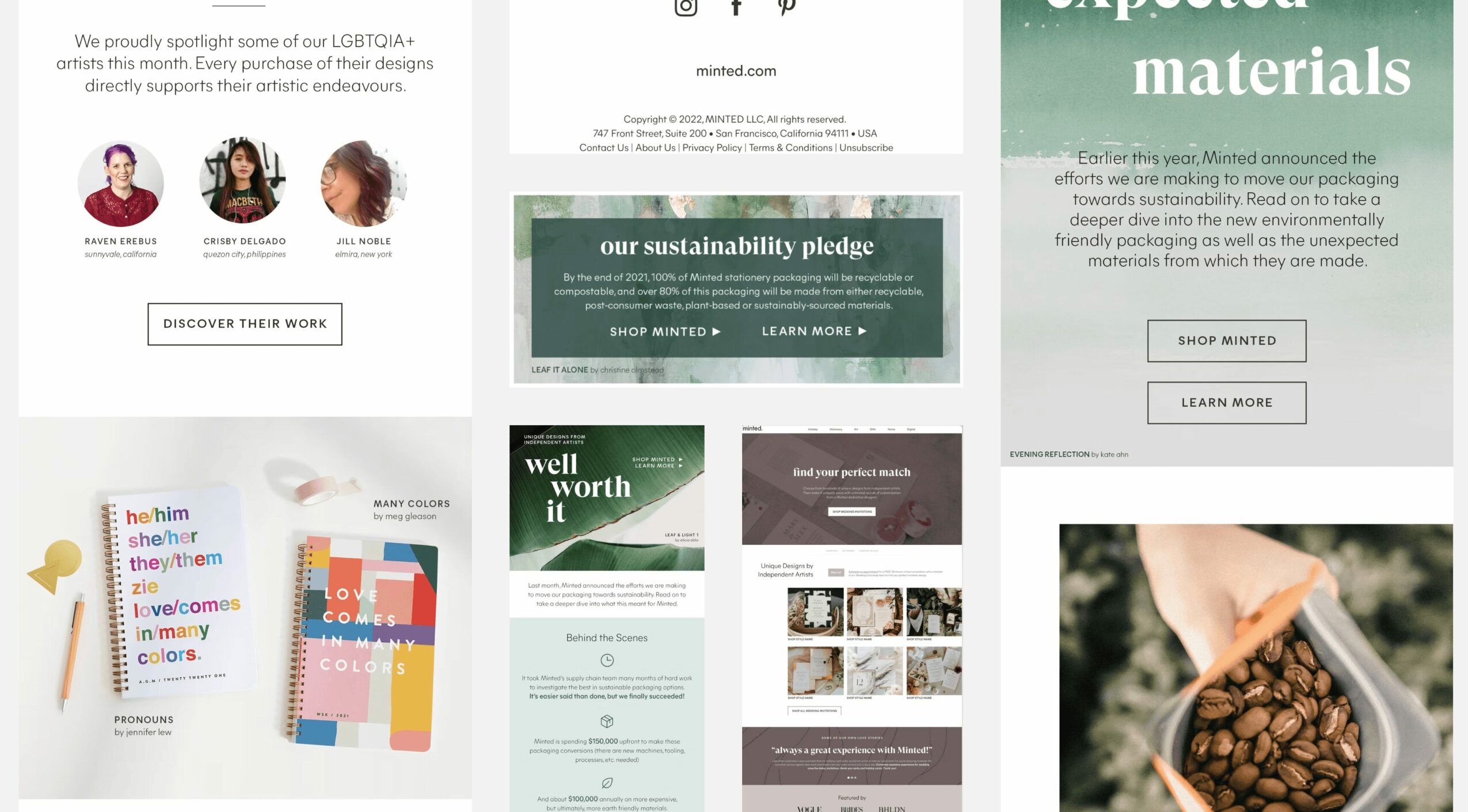
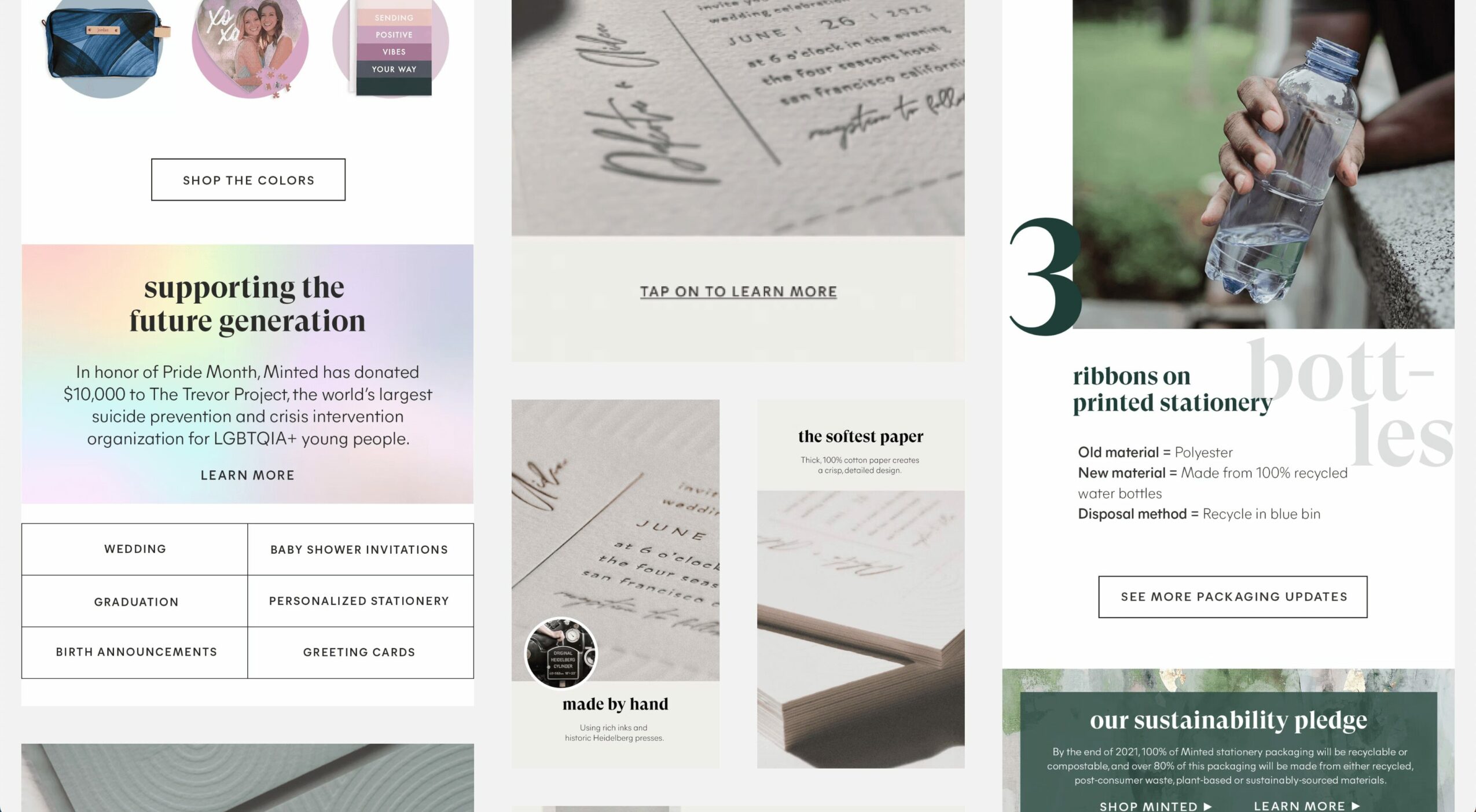
I moved into digital, then to Minted — a global e-commerce company where I served as Creative Director across weddings and stationery, and worked with brand partners like West Elm, BHLDN, and Target. I even had a couple ad designs in Martha Stewart Weddings and Real Simple, which was pretty cool.
And then my life changed in a way that suddenly made things very clear.
I had my daughter while I was at Minted, and I was laid off while I was on maternity leave. I want to be careful about how I say this, because what I felt wasn’t just anger (though there was some of that for sure). It was more like clarity. About what it means to hand someone else the pen to your own story. I had given so much of my energy, my creativity, my best thinking to an organization that, in the end, made a business decision that had nothing to do with my worth and everything to do with a spreadsheet. And I was sitting there holding my daughter thinking: never again.
Not never again work hard, not never again care deeply, but never again let someone else decide what my time and energy are worth.
I went back to work — back to City Lifestyle, this time in a senior brand leadership role responsible for brand identity across 200+ franchise markets nationwide. And I was good at it, but I was different. That season had permanently changed how I thought about where my energy was going and who was really in control of my narrative. The tension that had been quietly building in me around the marketing industry’s growth-at-all-costs mentality (optimize everything, automate everything, measure everything) suddenly felt personal in a way that it hadn’t before, and it bothered me in a way I was finally ready to do something about.
That experience didn’t just push me toward entrepreneurship; it reoriented how I think about where energy goes — in business and in life. You can’t pour into everything. The brands that last know what they’re for and have the discipline to protect it. So do the people.
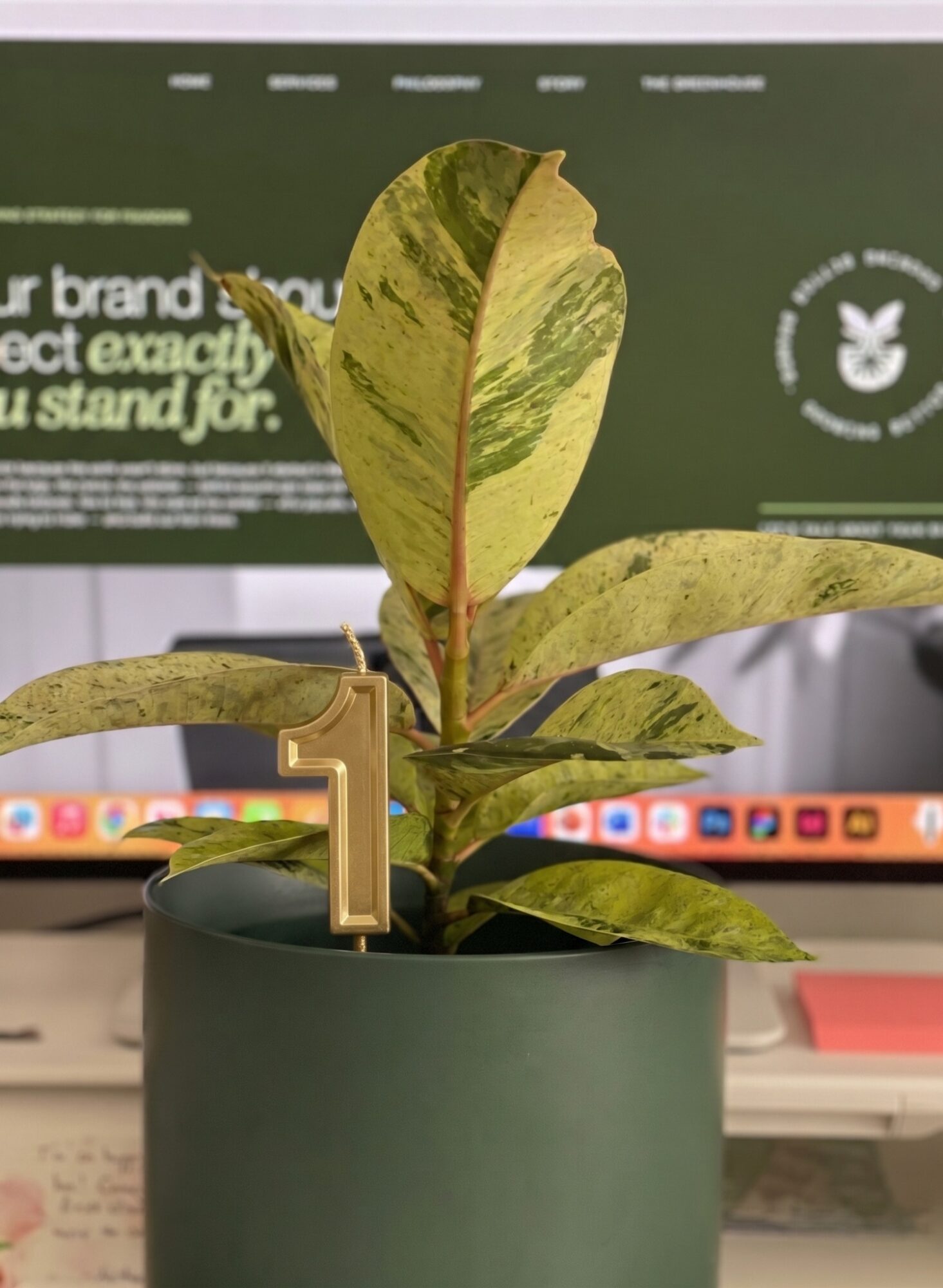
I started Rooted Brand House because I wanted to build something that reflected that. A brand consultancy built on the idea that brand has to come from the inside out; that before you worry about your logo or your content strategy or your website, you have to know who you actually are and what you actually stand for. I call my methodology the Embodied Brand Framework, and it’s really just a structured way of doing what a good journalist does: asking the right questions and listening until something true comes out.
My daughter is a little older now, and she’s the reason I think about presence the way I do — not just being technically available, but actually there. Building Rooted the way I have, with intention about where the energy goes and who gets access to it, has made that possible in a way I couldn’t have gotten to any other way.
It all started in a college newsroom in Springfield, Missouri, and finished in a season of my life that broke me open enough to actually make a change and create the life I wanted.
Alright, so let’s dig a little deeper into the story – has it been an easy path overall and if not, what were the challenges you’ve had to overcome?
I wouldn’t say it’s been smooth necessarily, but it hasn’t been too bumpy.
The layoff on maternity leave was the most disorienting professional experience of my life — not just because of the timing, but because of what it forced me to come to terms with. I had built my identity around being good at my job — being reliable and the person who figured it out. And then a business I had given a lot of energy to made a decision that had nothing to do with any of that. Learning to separate my worth from my employment status, while also caring for a newborn, was not the easiest or most graceful process.
Starting Rooted was its own version of hard because there’s a particular kind of loneliness in building something yourself, especially when you’ve spent your whole career inside organizations with teams and structure and someone else’s vision to execute. Suddenly you’re the one deciding everything and, to out myself as a Swiftie, it’s miserable and magical at the same time.
There’s also imposter syndrome, which is real and relentless, and I think it hits differently when you’ve built something yourself because there’s nothing else lending you credibility. There isn’t a title with a job description, you just decided you were this and now you have to keep deciding it every day. I have over a decade of experience and a body of work I’m genuinely proud of, and I still have mornings where I wonder if I’m enough to back up what I’m putting out into the world. I’ve just gotten better at not letting that voice make my decisions.
The hardest part, underneath all of it, has been learning to trust my own judgment at full volume. In corporate roles, there’s always a layer of consensus — someone to run things by, a process to follow, a hierarchy that absorbs some of the risk — but when you’re the founder, the judgment stops with you. I’ve had to get comfortable with that.
There have also been the practical realities of building a business while being a present parent. Some weeks I’ve gotten it right and some weeks I haven’t, and I’ve had to make peace with the fact that done and present is often better than perfect and exhausted.
Thanks – so what else should our readers know about your work and what you’re currently focused on?
At its core, what I do is help business owners figure out who they actually are and then build a brand that’s honest about it. That sounds simple, but it isn’t.
Most brand work starts on the outside. You hire someone to design a logo, build a website, write some copy. And those things matter, but if they aren’t rooted in something deeper — if there isn’t a clear, examined point of view underneath it all — they start to feel hollow pretty quickly, to the founder and to the people they’re trying to reach. I’ve seen it happen over and over again: a beautiful brand that doesn’t hold up because it was built on aesthetics instead of identity.
The Embodied Brand Framework is my answer to that. It’s an inside-out process — we start with the deep work of uncovering who you are, what you stand for, and why it matters before we ever talk about how you look or what you post. We move through reflection, excavation, building, and eventually into the kind of brand that you don’t just display — you actually live. The work spans brand strategy, narrative development, messaging, visual identity direction, content systems, and website strategy. And for some clients, it extends into long-term brand relationship — an ongoing partnership where I’m essentially functioning as a fractional brand director, embedded in the business over time.
I specialize in working with founders and purpose-driven leaders who are at an inflection point. They’ve built something real. They know it’s time to get serious about the brand. And they’re ready to do the deeper work instead of just reaching for another template or another trend.
As for what sets me apart, I think it’s the combination of where I’ve been and how I work.
I bring a decade of brand experience across some genuinely complex environments — national franchise systems, global e-commerce, cross-channel campaigns at scale. I understand brand infrastructure. I know what it takes to build something that holds across many different contexts and many different people. That’s not a common background for a boutique brand strategist, and it means I’m thinking about your brand as an operational asset, not just a creative one.
But I also came up as a journalist. Which means I know how to ask the question underneath the question. How to sit with someone and listen until the real story surfaces. How to take something complex and make it clear without making it small. That instinct runs through everything I do.
And I work with a small number of clients at a time, intentionally. The work is deep by design, and the results reflect that. My clients aren’t getting a templated process with their name dropped in. They’re getting me, fully present, for the duration of the engagement.
Do you have any advice for those looking to network or find a mentor?
I’ve never considered myself great at traditional networking, and for a long time I thought that was a flaw I needed to fix, but the more opportunities I have, the more I realize that the problem wasn’t the networking. It was that I’ve always wanted to go deeper than small talk at a cocktail party. A thirty-second elevator pitch or the performative exchange of business cards all feels really forced to me, like everyone agreed to pretend the surface was enough. I can’t do it convincingly, and I’ve stopped trying.
What I’ve found instead is that it’s less about networking broadly and more about finding the right people and the right rooms, and then saying yes when they appear. Yes to the coffee, yes to the introduction you weren’t sure about, yes to the event that doesn’t feel like anything, but something in you says go anyway. The relationships that have actually shaped my career didn’t come from working a room. They came from showing up consistently in spaces where people were thinking about things I cared about, and letting the connection happen naturally from there. When you find your people — and you will know them when you find them — everything changes.
You get what you give. Not in a transactional, keep-score kind of way — but in the truest sense. When you show up generously, make the introduction without being asked, share the resource or the referral that actually helps someone — people remember that. The opportunities that have meant the most to me didn’t come from pitching myself into a room. They came from someone who knew me, trusted me, and said my name when I wasn’t there. That’s the goal. To be the kind of person someone thinks of when an opportunity walks through the door.
On mentorship — I think we put too much pressure on finding the one person who will be the answer. What I’ve found is that mentorship is plural and informal. It’s the person two steps ahead who will take a coffee meeting. The peer who challenges your thinking. The person in a completely different industry who reframes something you’d been stuck on. None of them came with the title of mentor. They were just people I paid attention to and stayed in relationship with.
Before you go looking outward, look at how you’re showing up in the relationships you already have. Are you generous with your knowledge? Are you making introductions for other people? Are you the kind of connector you’re hoping to find?
And for women especially — find community with other women who are building things. There are rooms where you don’t have to explain certain things. Where the context is already shared and someone just gets it without you having to spend the first ten minutes establishing why it’s hard. Find yours and protect them.
Contact Info:
- Website: https://rootedbrandhouse.com
- Instagram: @rootedbrandhouse
- LinkedIn: https://www.linkedin.com/in/nicolette-martin and https://www.linkedin.com/company/rootedbrandhouse