




Today we’d like to introduce you to Laura Treas.
Hi Laura, thanks for joining us today. You could tell us more about your work.
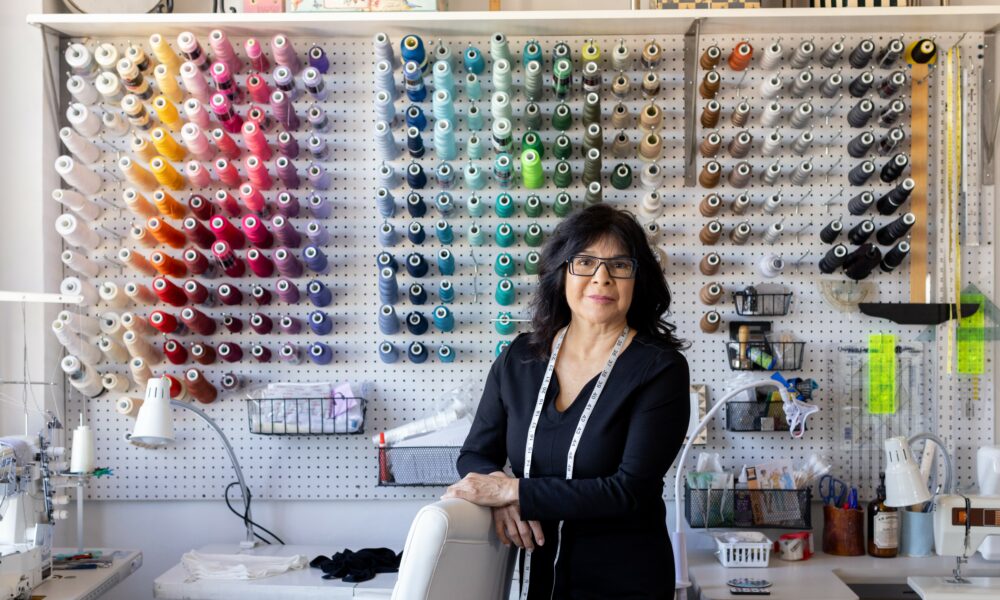
15 years ago, I was asked to turn some warehouse space into manufacturing for a garment company with national sales, and I started down a new road in the fashion industry. It’s called small-batch manufacturing. I trained a team of seamstresses and championed for them to get living wages. I have a family restaurant background, which translates to manufacturing in many ways. Industrial equipment and a screen full of orders don’t scare me. And like a cook, it takes experience to execute promptly, so I ensured every sewist got what they were worth. I frequently felt like I was forging a new path or swimming in uncharted waters because it was hard to find help, so I figured it out step by step. But it’s my personality to turn over every stone and check it out even if the information hasn’t been used for several years; doing a little recon is never a waste of time. My new focus is to pass on what I have learned by helping others who want to have a micro factory for sewing and become independent sewing contractors. Our country needs them, and supply chain issues are gaining some attention as the new norm. My mission has always been to elevate the needle trades. It takes talent and experience to produce quality products. It’s not easy because Grandma did it. Grandma was good because she had years of experience.
Please talk to us about the challenges and lessons you’ve learned. Looking back, has it been easy or smooth in retrospect?
The biggest challenge has been forging ahead when I have missed the mark. Every product has its learning curve, and sometimes the machines don’t cooperate, the fabric is tough, or it’s just a complex product to sew for anyone, but I said yes. I own my mistakes, but I’m not going to quit. When that happened, I just had to take the loss and sometimes took a hit to my reputation. It’s hard when you let clients down, and they have invested in the product. I’ve always been transparent, though. I tell them upfront when I haven’t sewn something, but they usually want it locally made, so I try. The other struggles were self-made because I have said yes to jobs to learn, which frequently had me burning the candle at both ends. It paid off in the end because I know a lot about the industry in rare areas. I have taught refugees from the Congo how to make hockey jerseys and basketball shorts, all with a language barrier. I paid my dues, made mistakes, and now have extensive experience.
Thanks for sharing that. We’d love for you to introduce yourself.
I’m a post-surgical compression wear expert who does custom undergarments, and I also help clients launch their sewn products because I know how. Because manufacturing clients asked for help from the beginning stages, my business evolved into offering patterning and technical packages and coaching them through the entire process. I provide industry content for their social media and marketing ideas. How to help them talk about their products using industry speak? I’m also known as a knit specialist and am happy that I quit being afraid of a stretch because we all live in leisure wear. Since locally made goods are popular, I make various products and inventions that must be sewn on a sewing machine. I’ve had 5 clients get approved to pitch for Shark Tank as startups only, and that’s what I’m most proud of because it shows the collaboration and trust between me and my clients. They trust my advice. My devotion to helping others become independent sewing contractors sets me apart. I train them on specific products that I know they will succeed with and mentor them individually. That might mean meeting them at the industrial sewing machine store or helping them learn how to invoice.
What matters most to you? Why?
What matters most to me is bringing back domestic manufacturing. I come from a city that was second to NY before it went overseas. We can accomplish this on many levels because large quantities must slow down. Our planet cannot sustain fast fashion. There is quite a bit of small-batch manufacturing in every country that has always happened, and it can spread if we train and mentor those who are interested. Thank goodness interest in the trades is rising because you can make a living wage sewing.
Contact Info:
- Website: www.affirmawear.com/www.fashiontechkansascity.com
- Instagram: https://www.instagram.com/lauratreas/
- Linkedin: https://www.linkedin.com/in/laura-treas-93984216/
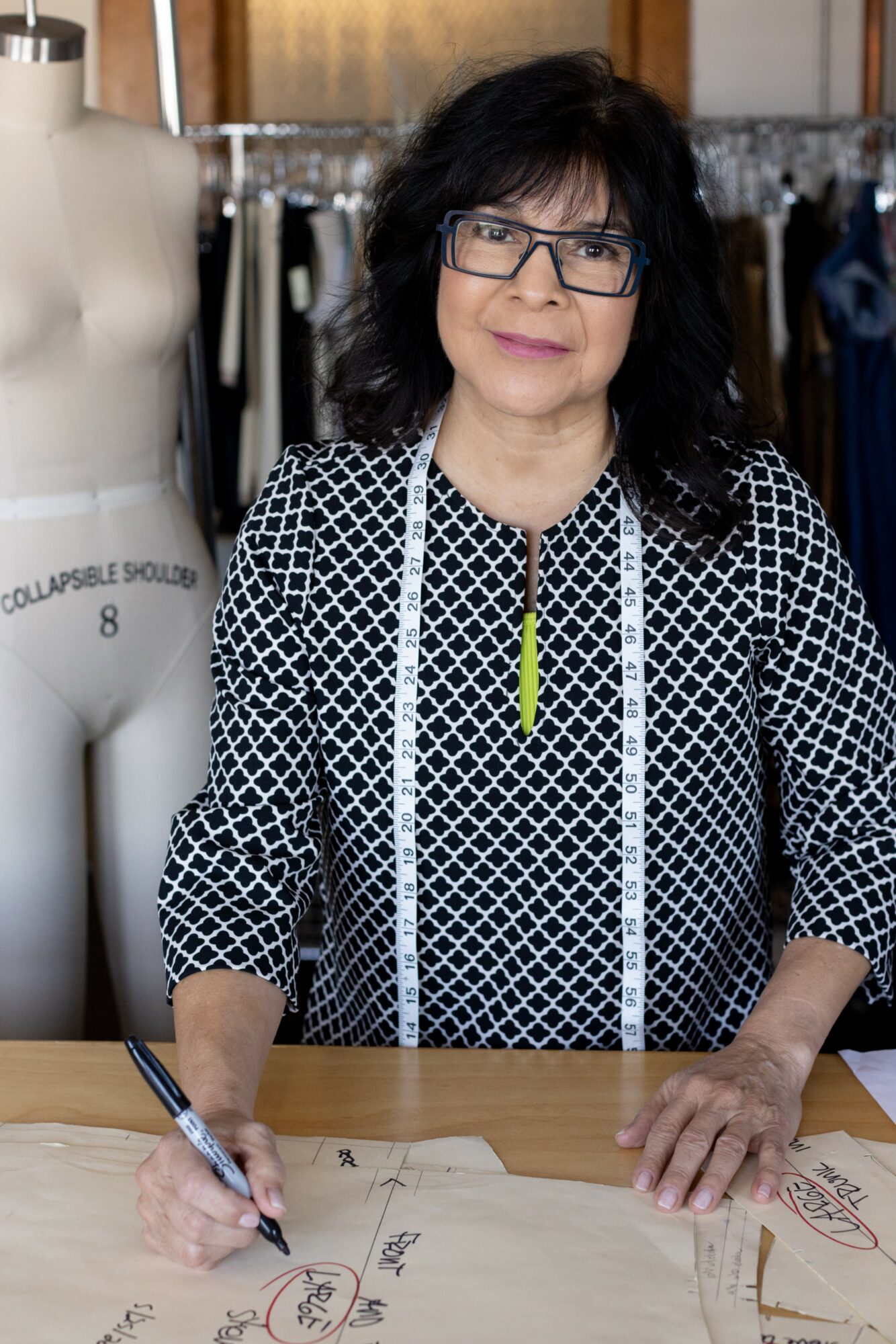
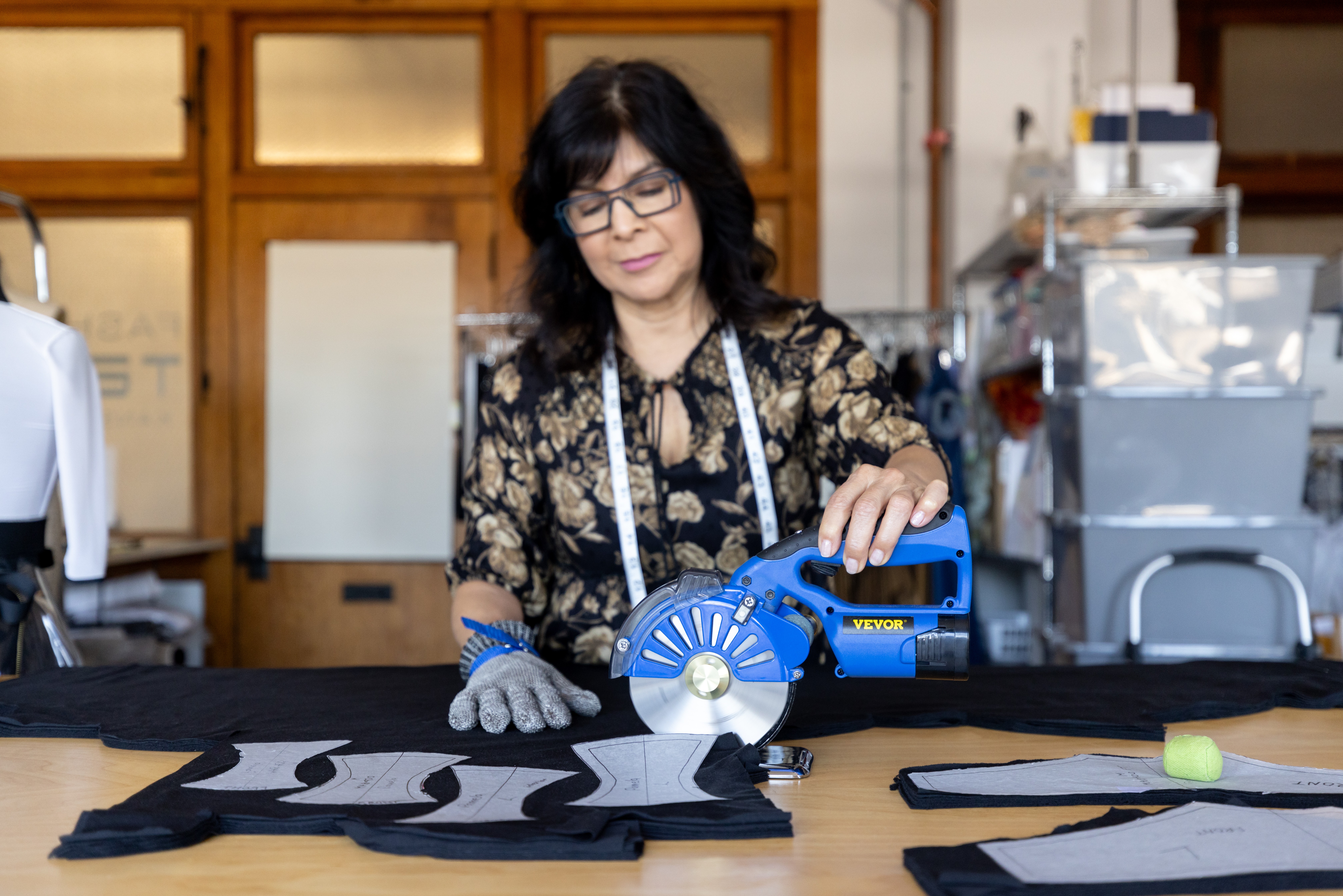

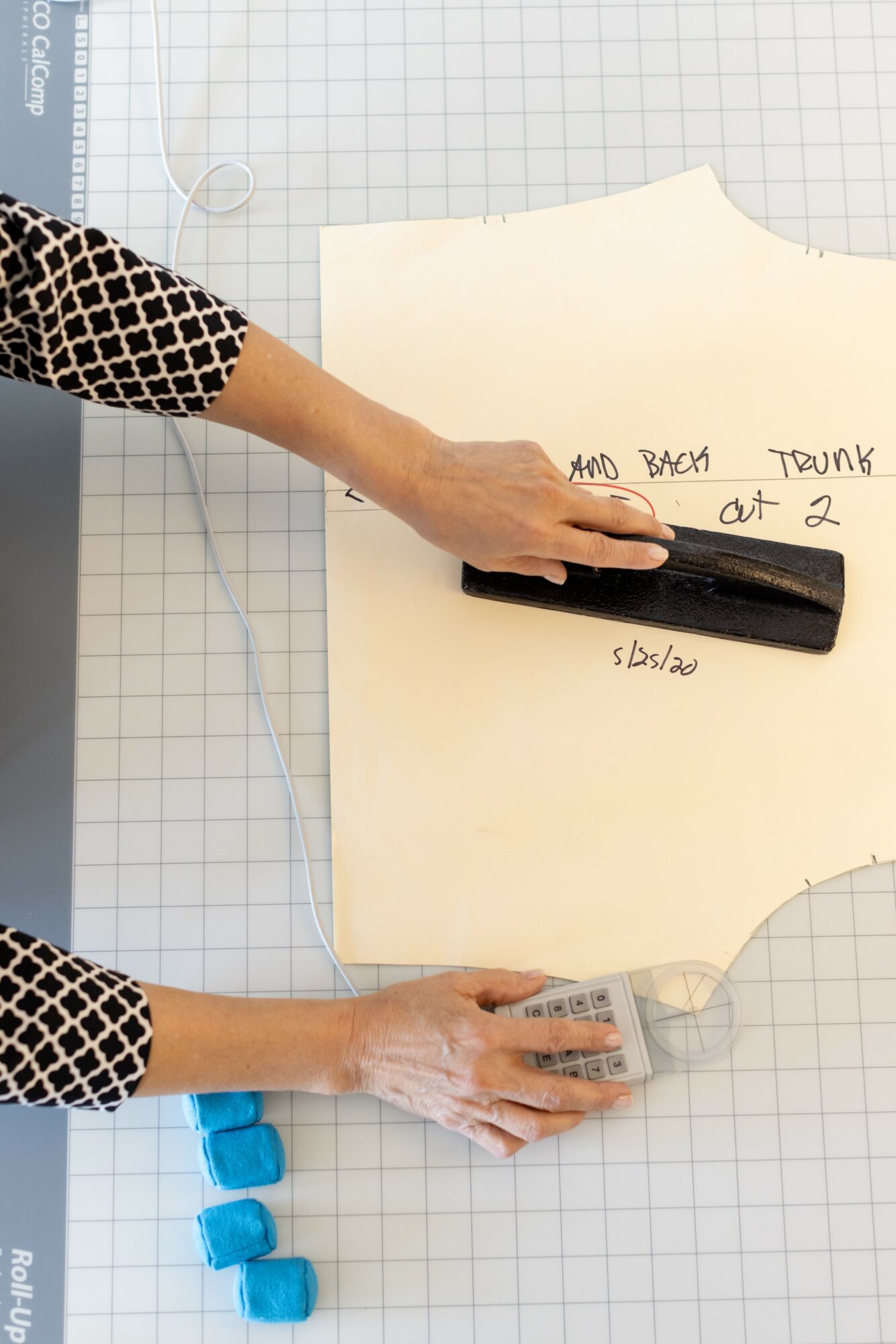
Image Credits
Heirloom Photography by Rita Clark