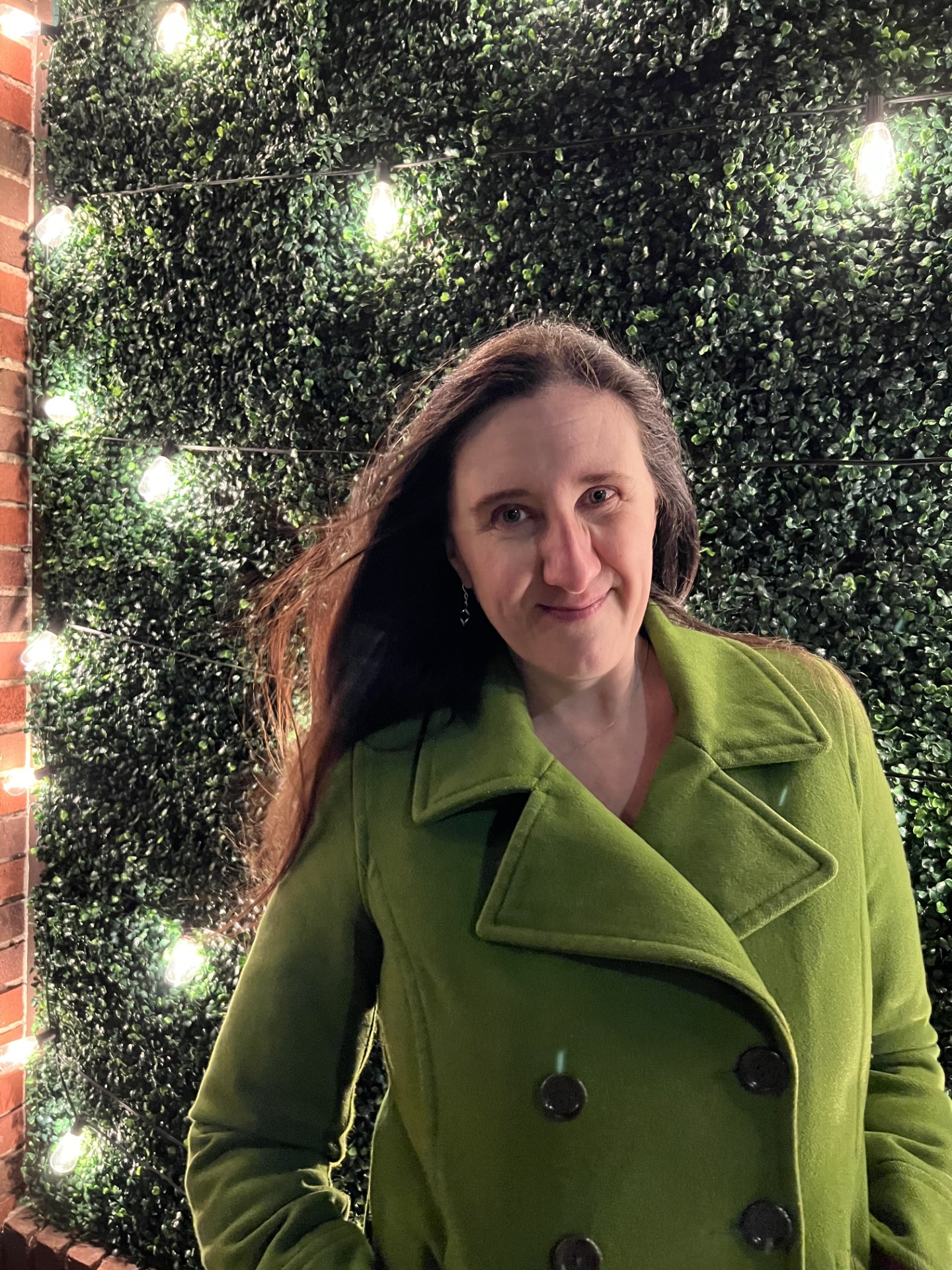






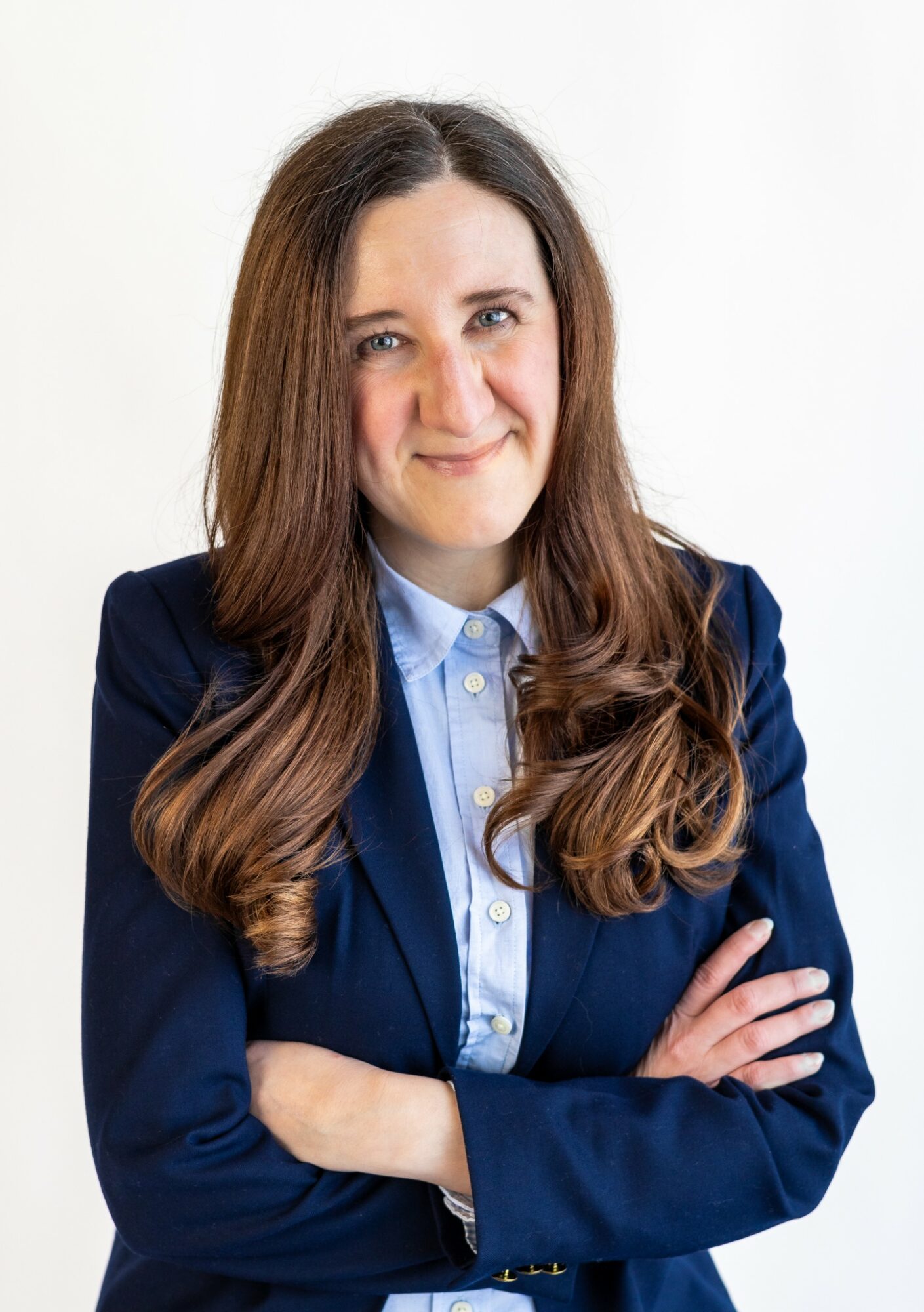
Today we’d like to introduce you to Laura Schneider.
Alright, so thank you so much for sharing your story and insight with our readers. To kick things off, can you tell us a bit about how you got started?
I spent the first five years of my career as a college advisor and post-secondary coach. I worked at two non-profit organizations during this time, focusing on college admissions, financial aid, retention, internships and careers, and college graduation.
About six months into my tenure at one of these organizations, a data analyst was hired. I watched him use data to transform the way our organization operated on a day-to-day basis, and I saw the positive impact data had on how we worked with our students and their loved ones. Eventually, he invited me to join him in some of his research. We read books, journals, and scholarly articles related to our work, then had discussions about the potential applications of what we had read. It was fascinating.
At the same time, I met another colleague, who has since become a mentor of mine. He’s a data visualization whiz, and I was floored by his ability to design data and how well he was able to communicate data to those around him. I knew I wanted to tap into that, as well.
I absolutely adored my students, and it was hard to say goodbye to them. But after years of helping them navigate the pathways to their dreams, it became increasingly obvious that I needed to take my own advice. I left my job, went to grad school, and started working in the research and evaluation field, primarily in higher education and college access non-profits.
Alright, so let’s dig a little deeper into the story – has it been an easy path overall and if not, what were the challenges you’ve had to overcome?
No, the road hasn’t always been smooth. I am a woman working in a male populated space, and I have certainly felt the weight of that. Additionally, research and evaluation findings aren’t always favorable, so I have had to be the bearer of bad news on a number of occasions. Those conversations can be difficult; even though my work is holistic, some individuals take it personally. I have also encountered people who view research findings as a threat, and they have actively devalued, ignored, and/or suppressed them. I have had to learn that it’s less about me and the work that I do, and more about protecting their own egos or brands. And, thankfully, I’ve also worked with people who enjoy engaging with research and data. They are curious, have a desire to improve, and want to talk about how to incorporate data and research into strategy, organizational goals, and decision making. Those are the fun conversations.
Thanks for sharing that. So, maybe next you can tell us a bit more about your work?
I work in non-profit research and evaluation, which includes program evaluation, survey design, research, data analysis, and data visualization. I am known for using research and data to improve organizational operations and programmatic outcomes.
What would you say have been one of the most important lessons you’ve learned?
Rest is mandatory, not an option. I love what I do, so there have been times when I’ve allowed my work to be all-consuming. However, that isn’t healthy for me, and it isn’t healthy for the ones who mean the most to me.
I’m also more productive when I’ve allowed myself to step away from my work. That seems strange, right? But I see things with clearer eyes; I am more energized, I am more focused, and the quality of my work improves. Rest is a crucial part of my success.
Contact Info: