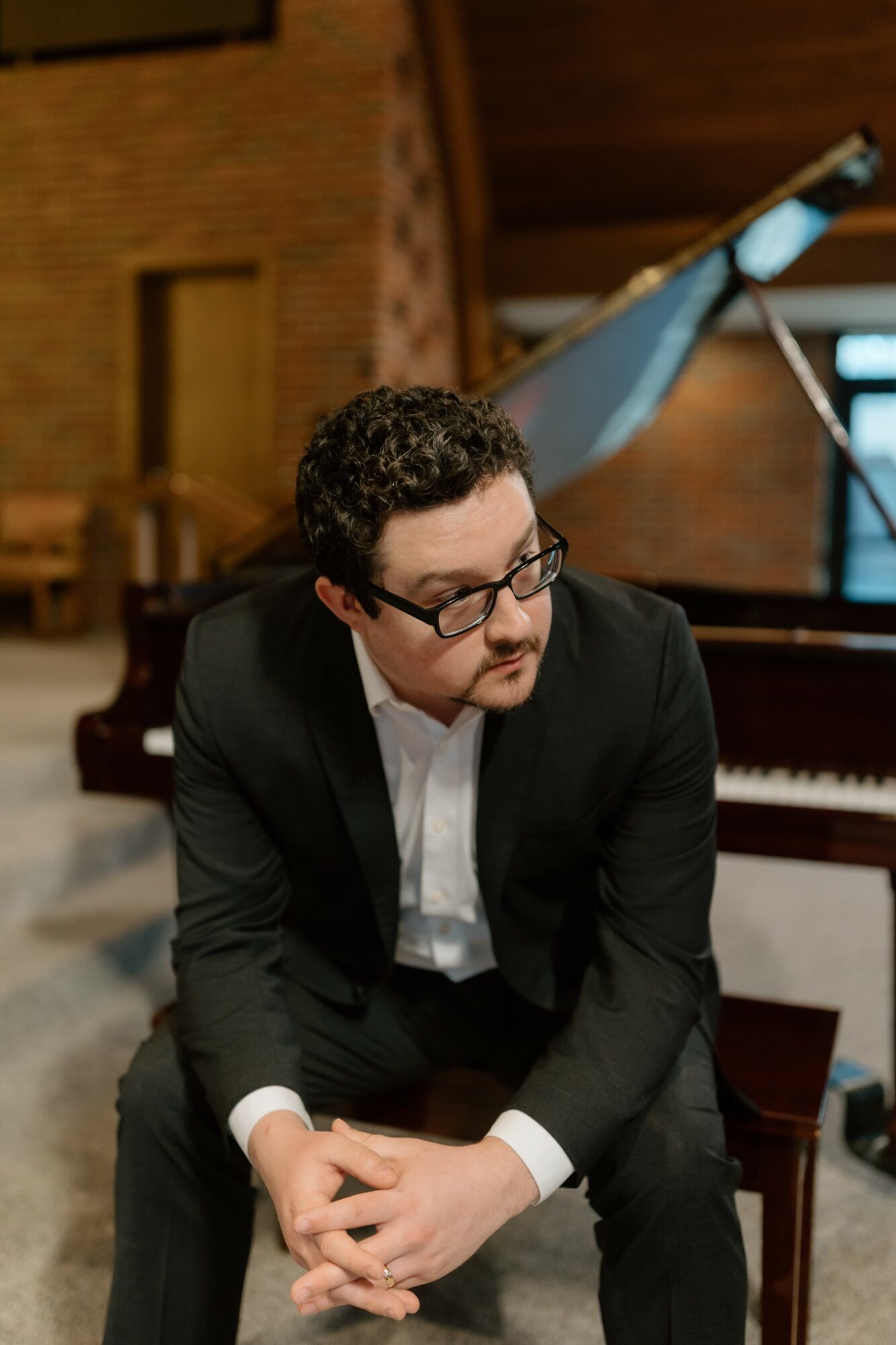





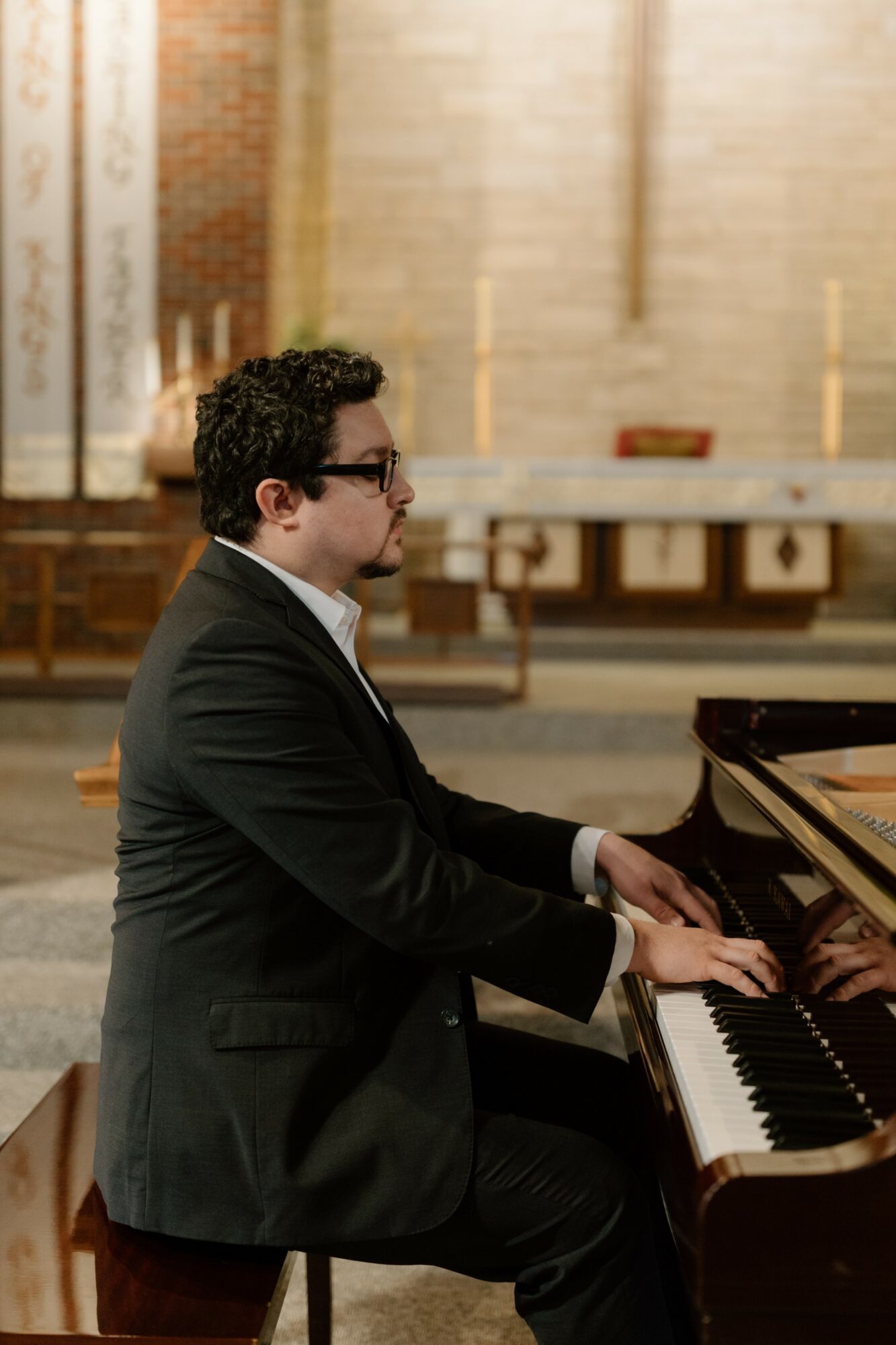
Today we’d like to introduce you to John Livingston.
Hi John, we’d love for you to start by introducing yourself.
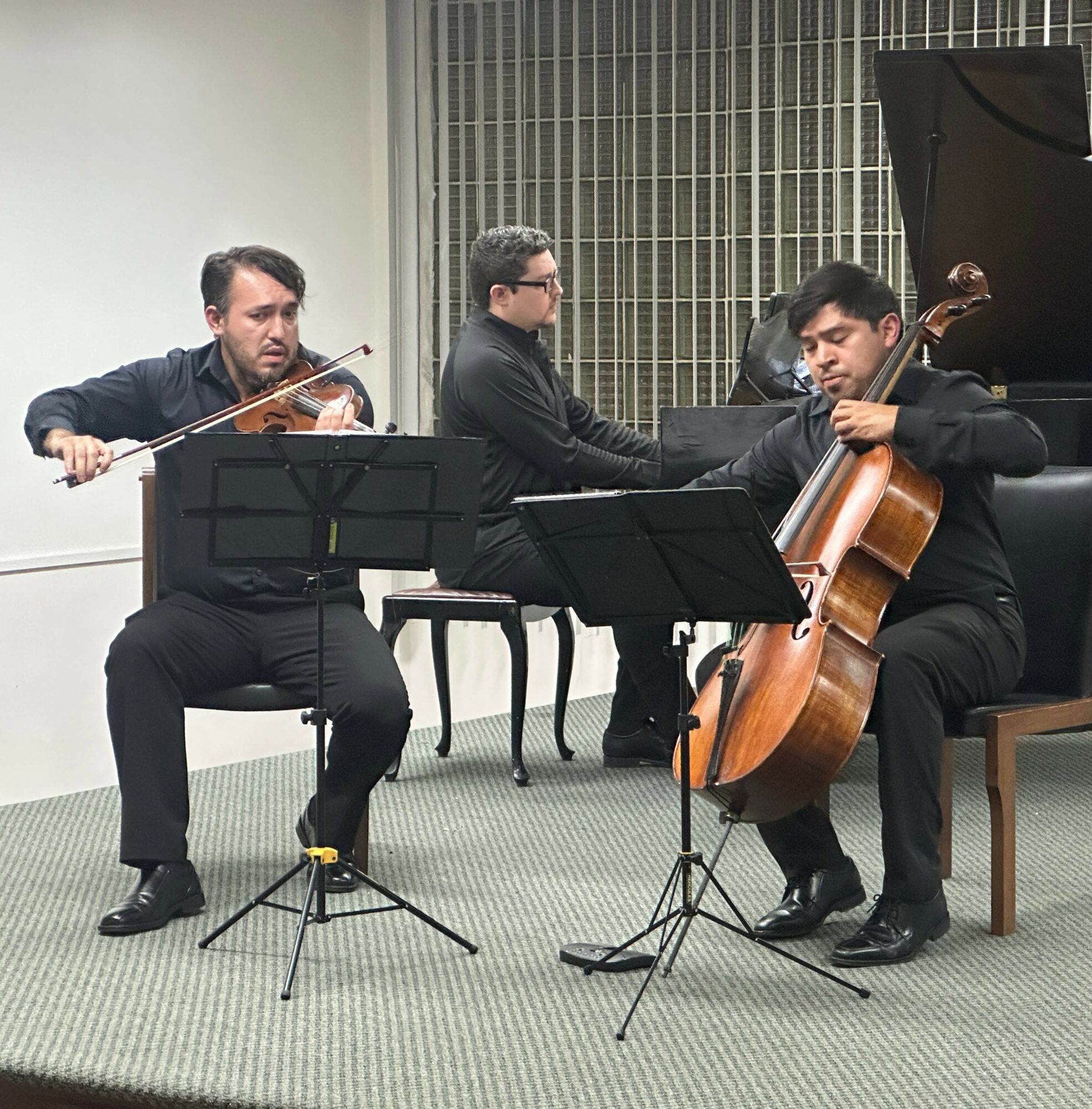
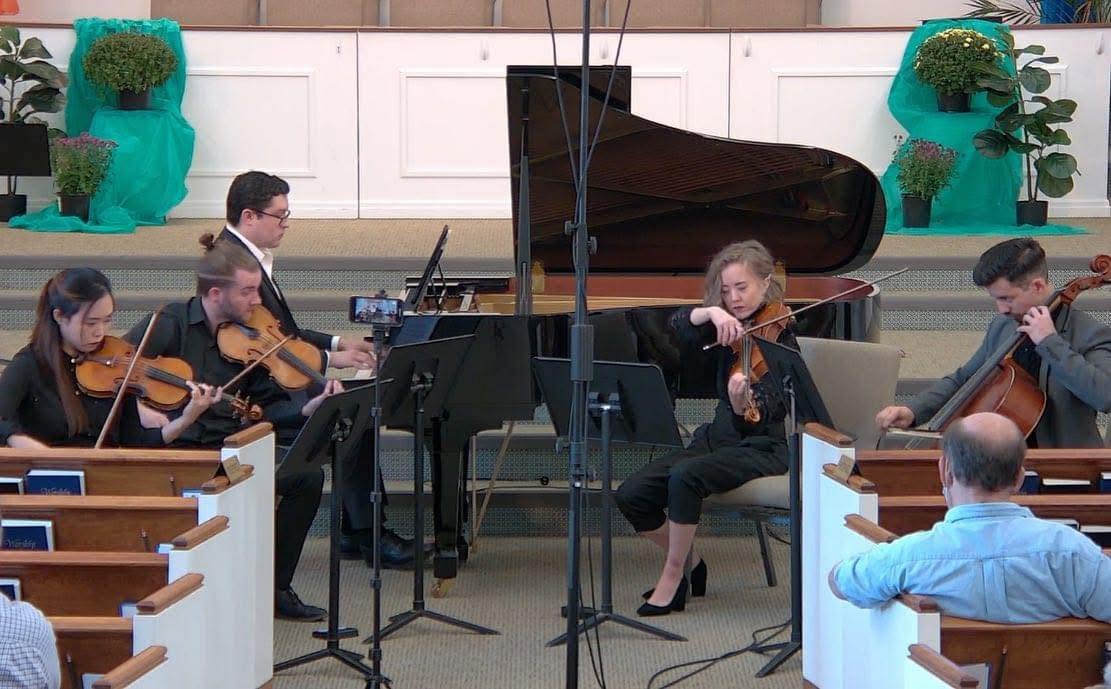
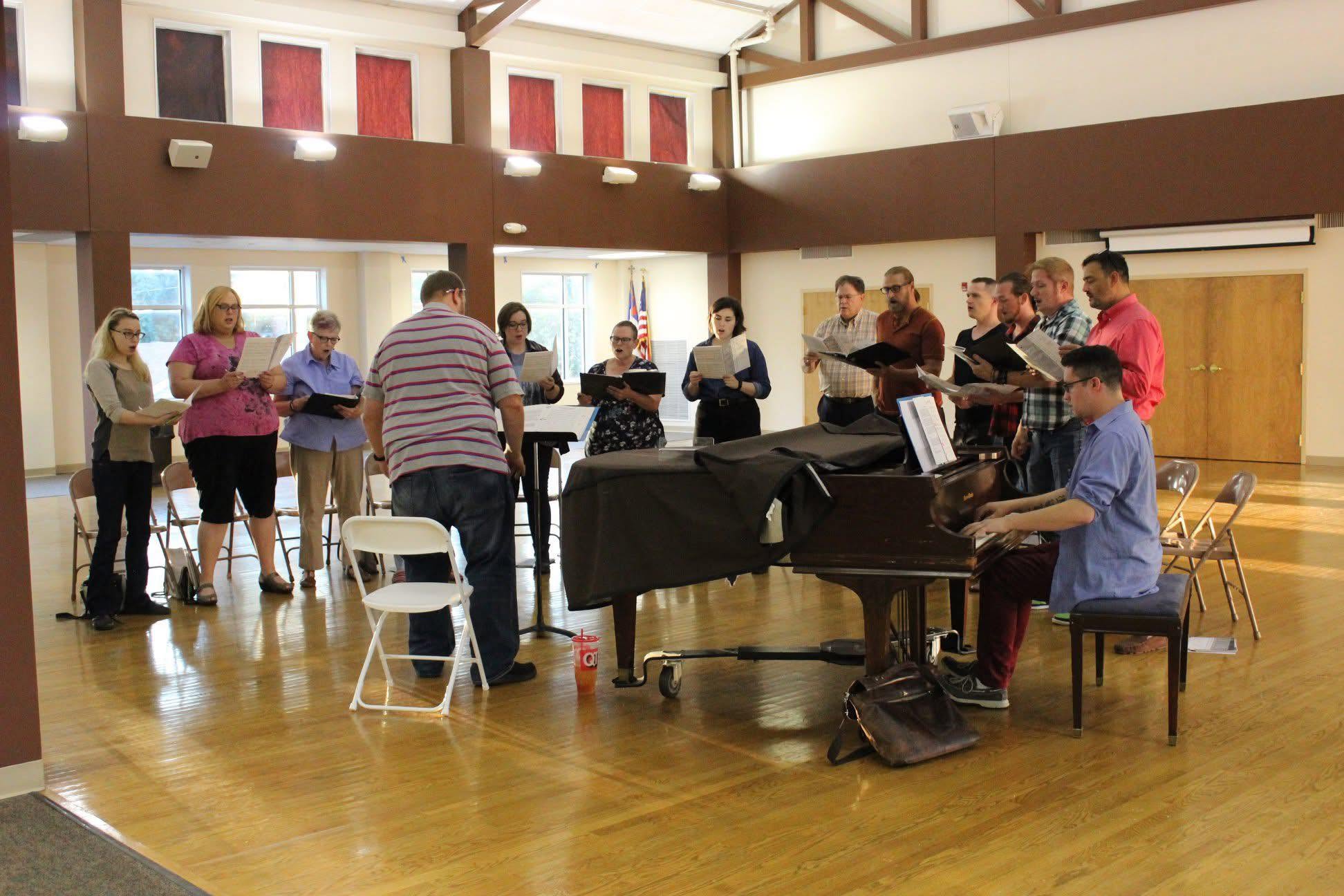
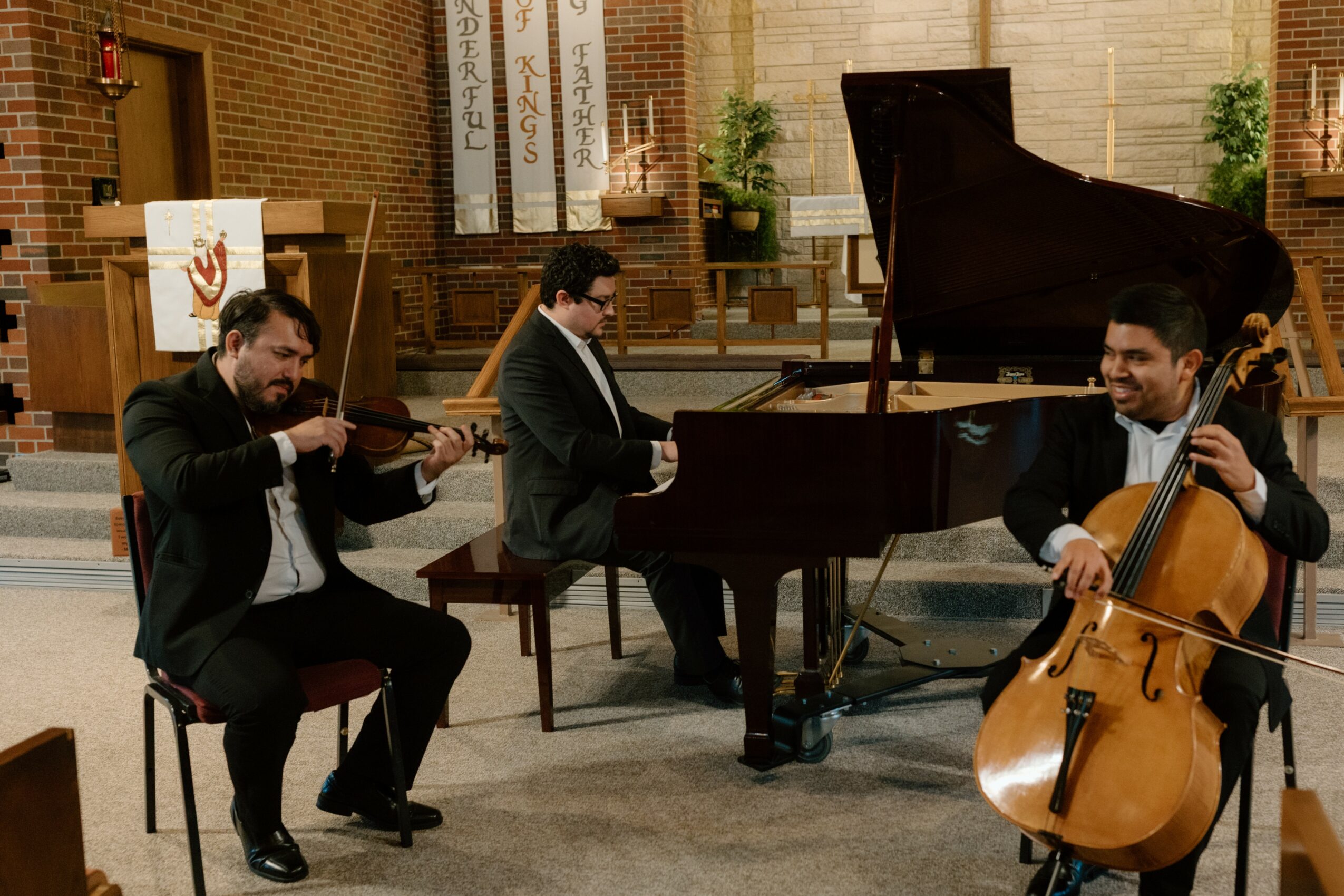
I actually have quite the story. From birth I wasn’t quite dealt a complete hand of cards. I was born to a Mexican dad and an American mother of Scottish heritage. My mother initially met my dad because he was her drug dealer and after some time I was born and 11 months later my brother came along. Eventually while we were still toddlers, another family member turned in my dad and got him sent back to Mexico where he was told he could never come back to the US. My brother and I were taken away from our mom and put into the foster care system where we were mistreated for years. When I was around 5 years of age my great-grandparents on my mother’s side adopted my brother and I to keep us together, as we were going to get sent to different families in different states and our family wanted to keep us together. Of course this was quite the sacrifice, because my great-grandparents were in their late 70’s at that time. They took us to their livestock farm where my brother and I grew up learning discipline working with the animals and helping maintain the farm. Around the age of 10, my great-grandmother started us in piano lessons, having seen an ad in the newspaper and thinking that learning an instrument would be a fun summer experience for us and maybe grow into a hobby that be good for the spirit and keep the mind strong and healthy. I was hooked immediately. The ability to take black dots on a page and transfer them into pressing the right “buttons” on the keyboard to create music was kind of like a fascinating and exciting game for me, especially as a young kid who always was starting to enjoy video games. From that moment on, I was nigh inseparable from a piano/keyboard. I became obsessive with my piano practice, even to the point that I was practicing 6-8 hours a day as a teenager. I asked if I could do high school at home with one of those online homeschool programs, which was agreed to, and so I basically taught myself high school. I could get up early in the morning, do my chores, knock out my school lessons on the computer, and then finally get to practice the rest of the day. All I wanted to do was be in front of that piano. Often my mom even had to make me stop practicing and make me go outside and play with me brother, you know be a kid. What kid of 13 asks for the complete piano sonatas of Beethoven for his birthday? I loved to discover new music and would constantly order new music or check it out from the library and voraciously read through it at the piano, trying to play as much of it as possible the first time as I could. Over the years this led to me being a very good sight-reader, perhaps even an elite one. This has served me well in my career as a collaborative pianist, something I started doing around the age of 13 when a violinist at my church was playing the Mendelssohn Violin Concerto and needed an pianist to play it for her for a recital and I agreed to do it. From there I knew I wanted to make music with other people and to this day it is my favorite form of performance. When I was 13 my first piano teacher even gave me her piano students when she retired, after telling me she needed to stop being my piano teacher because I had gone as far as she could take me. This all eventually led me to UMKC to study with Dr. Robert Weirich for an undergrad degree in Piano Performance. During my time there I tried to collaborate with as many people as I could, reaching out to the professors in voice, cello, trombone, violin, etc. and gaining much experience with the collaborative repertoire. After my undergrad I continued on to a Masters Degree studying with Sean Chen. After graduation I have become a highly sought after collaborative performer and am often hired as a freelance pianist to play for recordings, audition, recitals, and competitions. I perform often with the Midwest Chamber Ensemble, I am the official pianist for the KC District and Regional rounds of the Met Opera Competition, am the Organist/Pianist and Music Director at Lutheran Church of the Resurrection in Prairie Village and am the full-time accompanist for the middle and high school choirs at the Pembroke Hill School. I am also a founding member and integral performer of: a community choir called Choral Spectrum, an opera company called Dramatic Voices Midwest, and a piano trio called the Lienzo Piano Trio with whom I recently had the pleasure of traveling to Ecuador to perform a concert tour in the cities of Cuenca and Quito.
I’m sure it wasn’t obstacle-free, but would you say the journey has been fairly smooth so far?
The road has definitely not been smooth, and has been littered with struggles along the way. I mentioned being raised by my great-grandparents who became “mom” and “dad” to me and my brother and that is how we referred to them. Dad died shortly after I had started piano lessons, when I was 11 years old. As the oldest, I kind of had to become the man of the house and help take care of my mom and brother, way too early to have to take that on. A few years later, I discovered I have bipolar depression and after some specific events this led to two weeks in a psych ward after which I was given medication to treat the depression. However, taking the medication made me feel like I was underwater or a zombie and this affected my music. I have always poured my emotion into my music and play passionately and people listening to me would often would tell me they could feel the emotion clearly. I lost all that depth while on the depression medication and therefore decided to stop the medication and resolved to deal with the symptoms of depression on my own, a cross I bear to this day. Perhaps poetically, when I am playing music, the symptoms of depression disappear. In many ways I believe music has saved and continues to save my life.
After high school, I actually went straight into a local college in Oregon (where I grew up) and because I had neglected socializing and going out of the house much while I was doing the homeschooled high school, I was a bit overwhelmed by all the stimulus of attending college and ended up making some bad choices that led to me flunking out of that college. A few years later I got a job teaching music theory with some friends who had previously attended UMKC and they helped get me a second chance at college, which I did not waste.
At UMKC, in Dr. Weirich’s studio, there was only one other undergrad and he was a Senior and so I had to deal with a lot of imposter syndrome, especially because there were so many Masters and Doctoral students who played so well and were technically brilliant. I felt a little deficient in this area because after my piano teacher stopped teaching me at age 13, I had a couple years on my own before finding another teacher, who only taught me for a couple more years. By the time I made it to UMKC, I had many years without a teacher and structured lessons. One graduate student in particular my first year, Matt Siegel, took me under his wing and really helped me feel at home and stop the mental spiral I was going through having moved all by myself from my family in Oregon all the way to Kansas City, Missouri. Unfortunately, he died tragically at the beginning of my second year at UMKC, which rocked me and gave me more trouble especially with the depression I was still tenuously in control of.
One semester from the end of my Masters Degree, my mom died which was one of the hardest things I ever had to go through. Mom was the one who started me in piano lessons and was constantly a staunch supporter of me and my music. She always believed I would go far. Through the many years and hours of practice she would often sit in her easy chair and just listen. She loved classical music, and loved it even more when I played it. Losing her left a void that will never be filled.
Thanks for sharing that. So, maybe next you can tell us a bit more about your work?
There is so much that I do, but to put it as succinctly I would say that I am a collaborative pianist who specializes in working with other musicians to make the best music possible and in situations where they are a soloist, try to make them sound as good as they can. This is something I am extremely proud of and am very good at. These musicians often have little slip ups, whether because they are performing from memory and they forgot something, or they are nervous, or they just aren’t secure enough, whatever the reason is I am very skilled at catching them and making it seamless to where an audience member that isn’t following along in the music wouldn’t know there was a mistake at all. My high level of reading music and ability to feel and breathe with the other musicians and craft nuanced performances that comes from caring enough about the other musician/s to listen them but also be able to read and play my part to a high level (not just surviving as I so often see), sets me apart from the many of great technician pianists, pianists that can blow through a Rachmaninoff Concerto or play an hour long solo piano recital of Beethoven, Liszt, and Chopin nearly perfectly, but when you put them in a collaborative situation it’s clear they aren’t used to listening to or caring about other musicians.
I am also really proud of my ability to make most pianos sound good even when they haven’t been taken care of whether that’s not being tuned or not being regulated. All 88 keys of a piano have several moving parts to them and need to be painstakingly adjusted to where they all move evenly. A good pianist can feel when keys are out of regulation and require different pressures to play and this affects your technique. Violinists, cellists, singers, etc. can get to know their instrument intimately and bring it with them wherever they perform. This is an advantage as their instrument practically becomes an extension of themselves. Pianists often have to adjust very quickly to different pianos of varying qualities and still be able to make them sound as good as possible.
I am just also extremely proud of some of the opportunities I have had and accomplishments I have been able to achieve. Some of my favorites are: getting to play at Carnegie Hall, performing Beethoven’s “Emperor” Concerto with an orchestra, touring and performing in another country with my trio, and getting to play performances of entire Wagner operas from the piano including Die Walküre from the epic Ring Cycle, a performance of which is actually currently a finalist for an American Prize. These are just a few of the things I have been lucky and blessed to do in my career and coming from where I came from and the struggles I have had to overcome, I think it is a testament to the power of perseverance and passion and not letting anything stand in the way when you find your purpose.
What do you like and dislike about the city?
I love how passionate Kansas City is about music. There are so many opportunities here, compared to some of the other cities I have lived in. Personally my life revolves around Classical Music, but whatever style of music you play there is a devout and voracious audience for it. You can’t be lazy, and you have to work hard, but if you do there are chances for you to get your music out there.
Unfortunately there is a little bit of a gate-keeping attitude especially in the Classical Music scene and if there was something that I would say I dislike about our city it is that. Sometimes the professional music companies or even journalists can have a bit of an elitist attitude and politics are of course a major factor, which is partly why I have had so many fingers in different pies creating my own opportunities. Anyone in the performing arts knows that you can’t please everyone, and I have always had people who looked down on me or were dismissive of me. I’ve never let that stop me. I believe that I have something to say with my music and sometimes that message is just for me, and sometimes other people also get it. Either way, I am compelled to play and always will.
Contact Info:
- Website: https://www.johnlivingstonpianist.com/
- Instagram: lienzopianotrio
- Facebook: https://www.facebook.com/profile.php?id=61587506155446
- Other: https://www.lienzotrio.com/