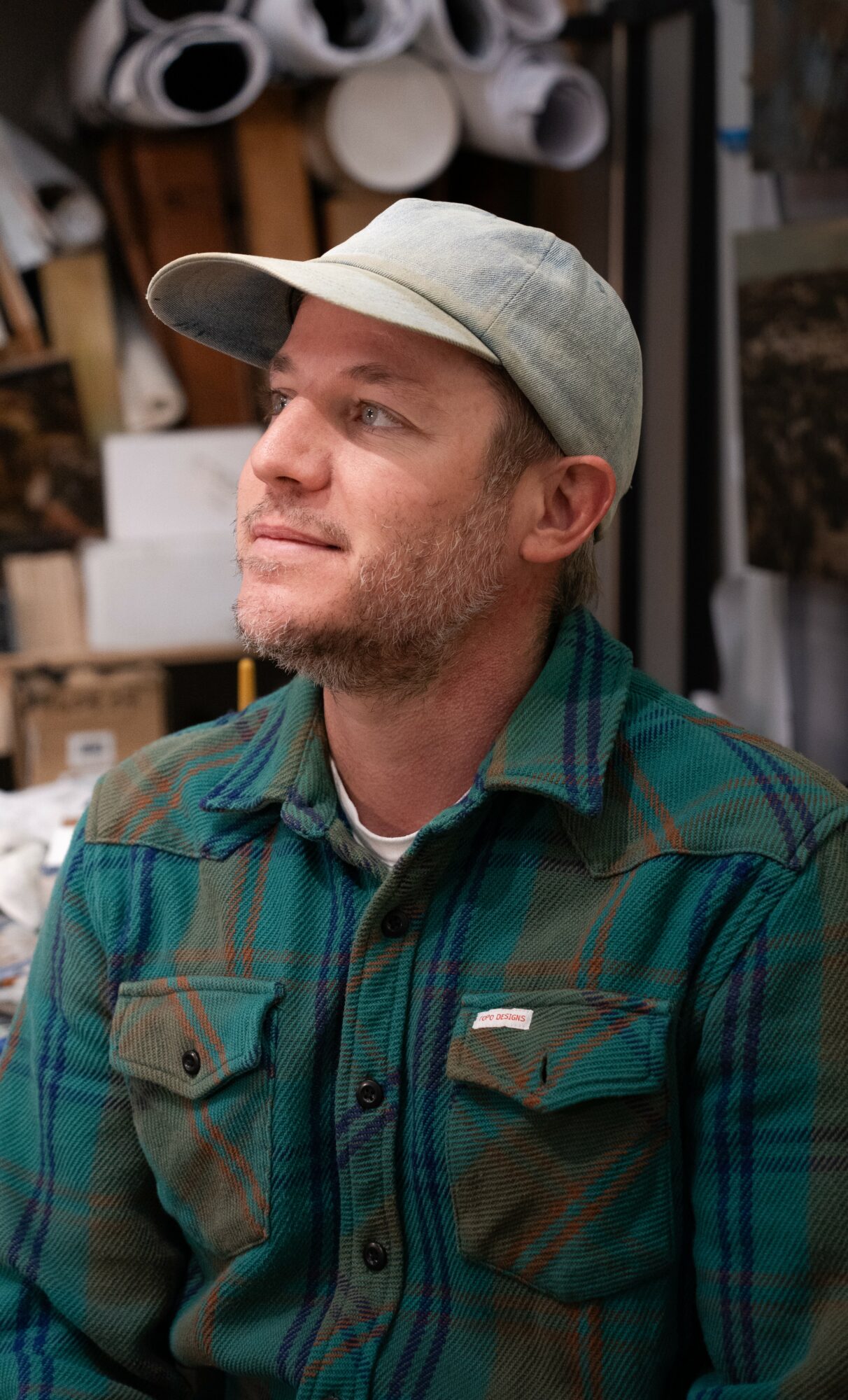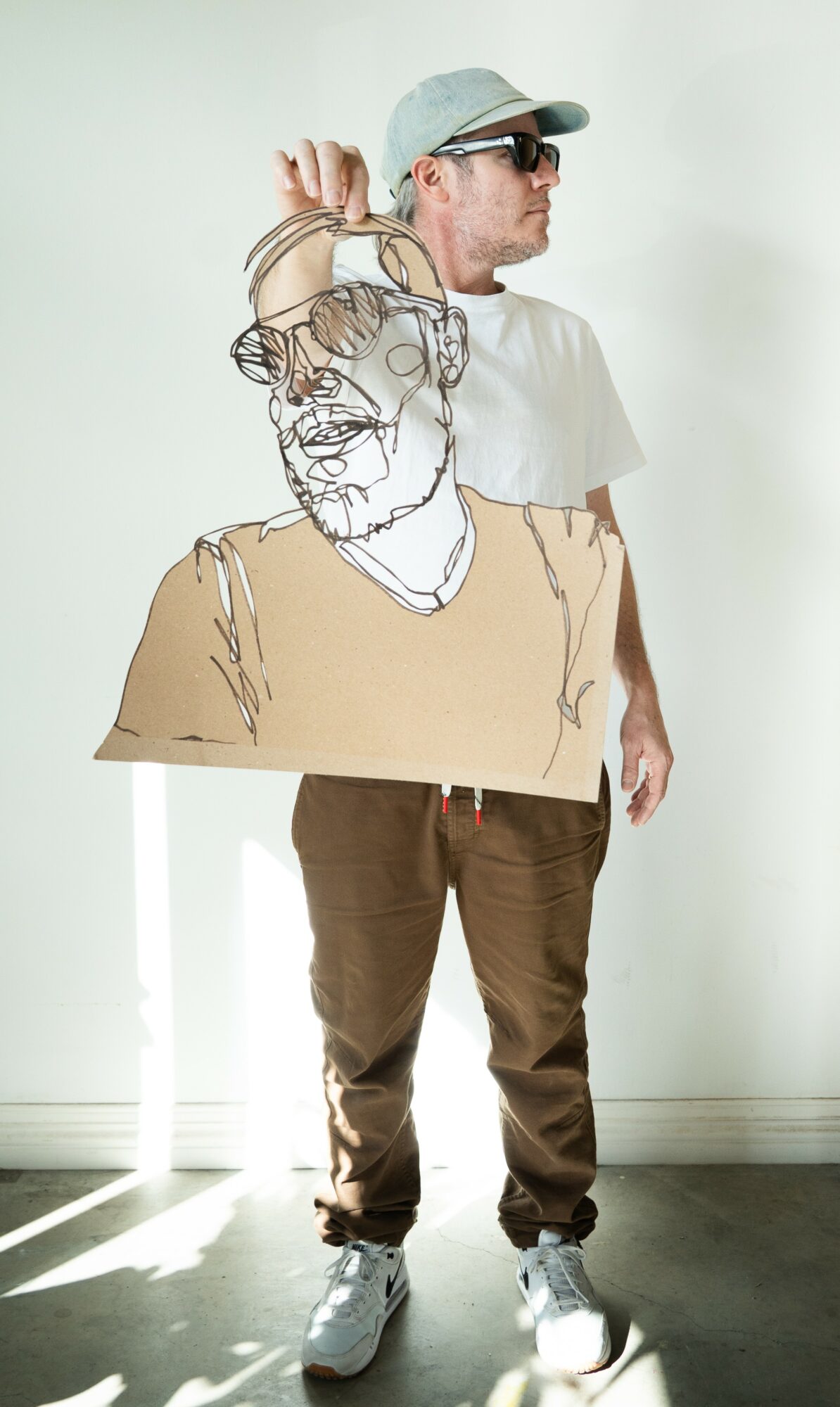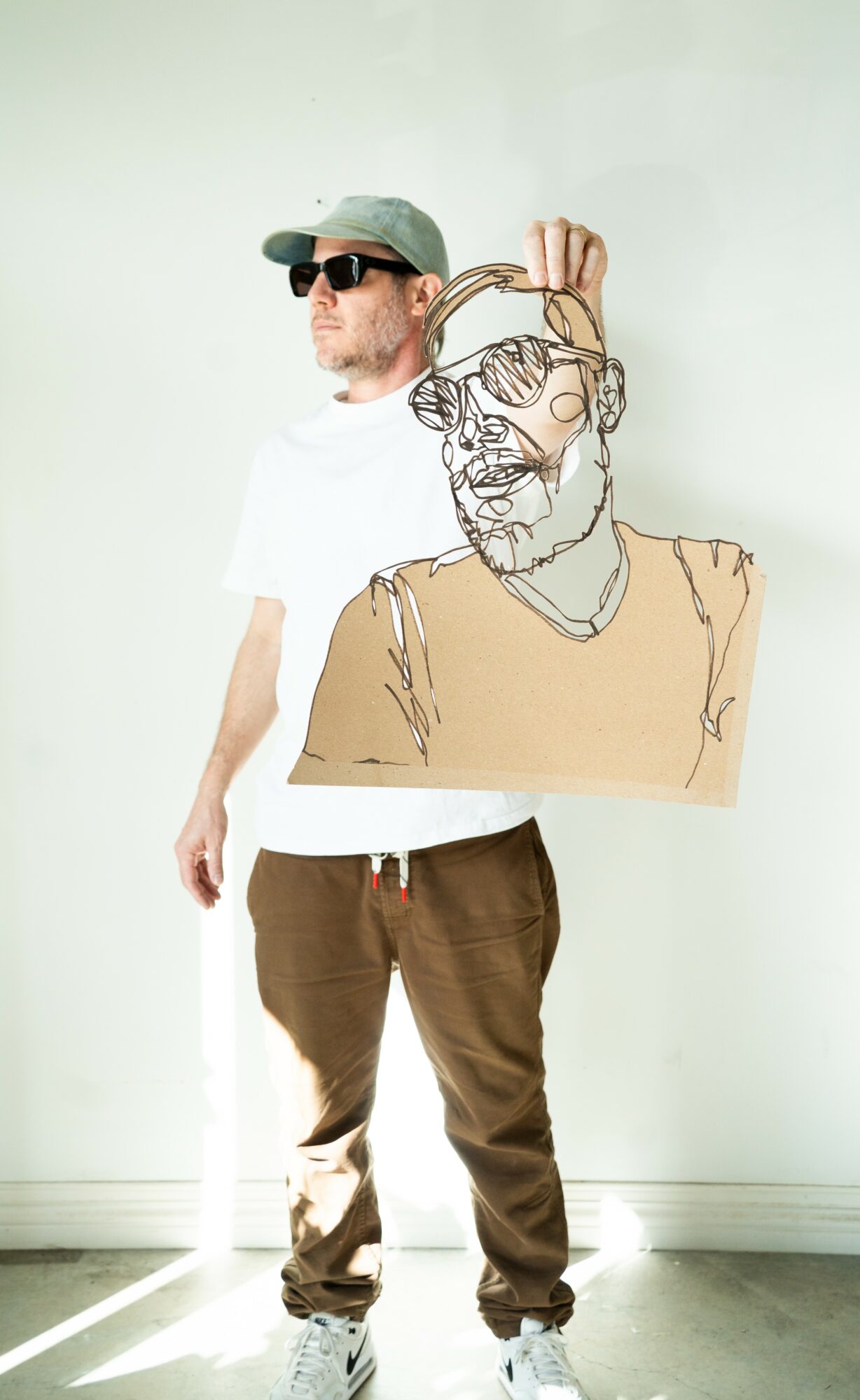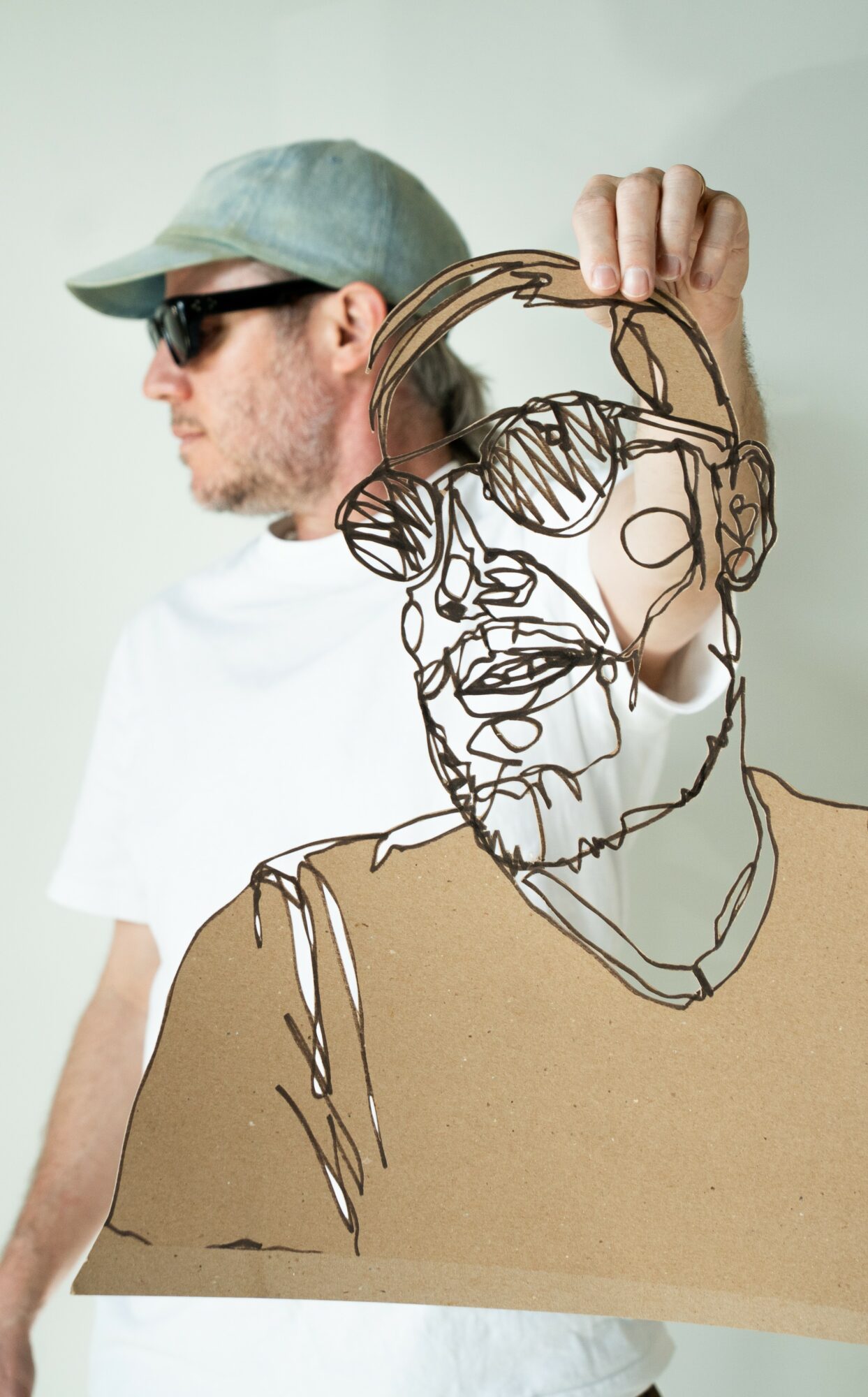


Today we’d like to introduce you to Jeromy Morris.
Hi Jeromy, thanks for joining us today. We’d love for you to start by introducing yourself.
From 1997 to 2003, I was traveling as a professional rollerblader, creating video parts and appearing in magazine spreads and interviews. That period shaped how I think about collaboration, documentation, and visual storytelling. As that chapter began to wind down, I was shooting a lot of photographs and beginning my transition into another form of art.
FFWD… After graduating from the University of Kansas with a Visual Communications/Graphic Design degree, the art collective mentality really started to take shape. I was interested in breaking the rules of how a creative business was “supposed” to start, favoring collaboration, experimentation, and shared resources over traditional models.
That impulse first took form in the mid-2000s through the Fresh Produce Art Collective (founded in 2006), a self-organized group of artists in and around Lawrence, Kansas. Fresh Produce functioned as a kind of starter culture, shared studio space, weekly meetings, exhibitions, and events that emphasized production, collaboration, and individual vision within a collective framework. The collective helped cultivate a stronger local art ecosystem and reinforced the idea that a vibrant art scene grows directly from strong ties between artists.
From there, the focus naturally expanded into physical spaces. Between 2007 and 2010, I was involved with DO DOT DOT, followed by Lost Art Space in 2010, which operated out of the old Penny Annie’s candy shop. Those early DIY venues led to further gallery projects each reinforcing the idea that artists could build their own infrastructure rather than wait for permission.
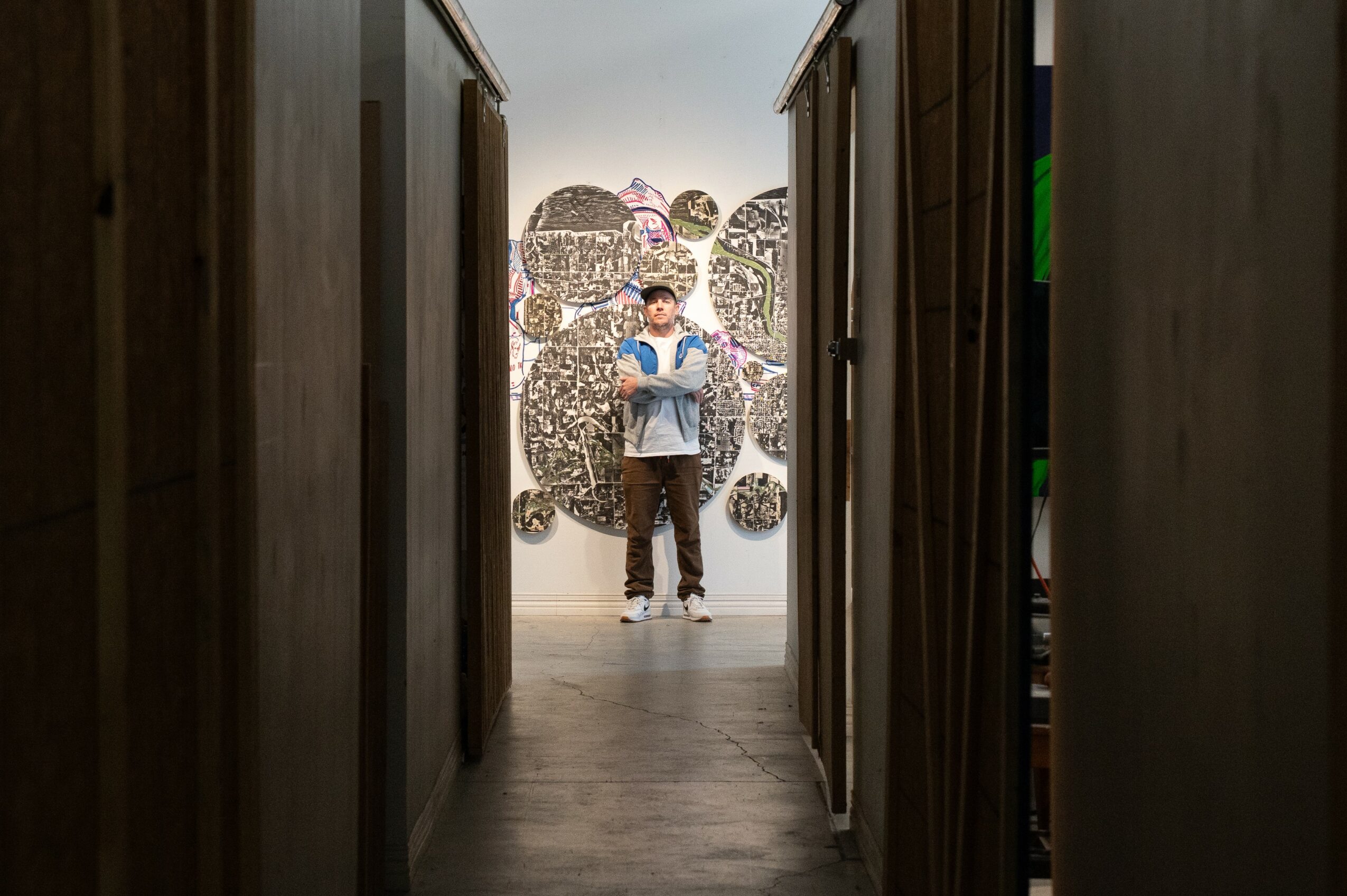
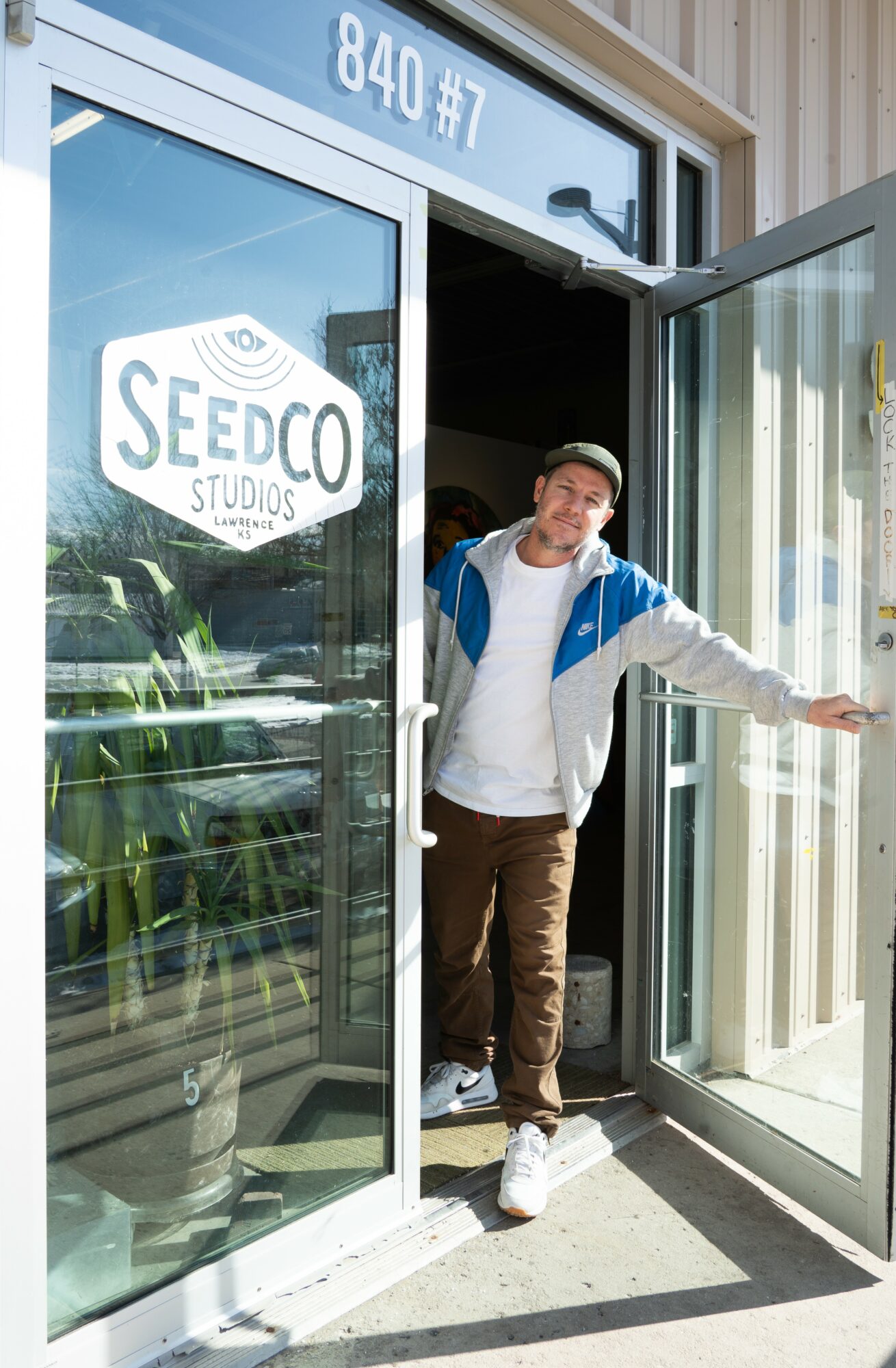
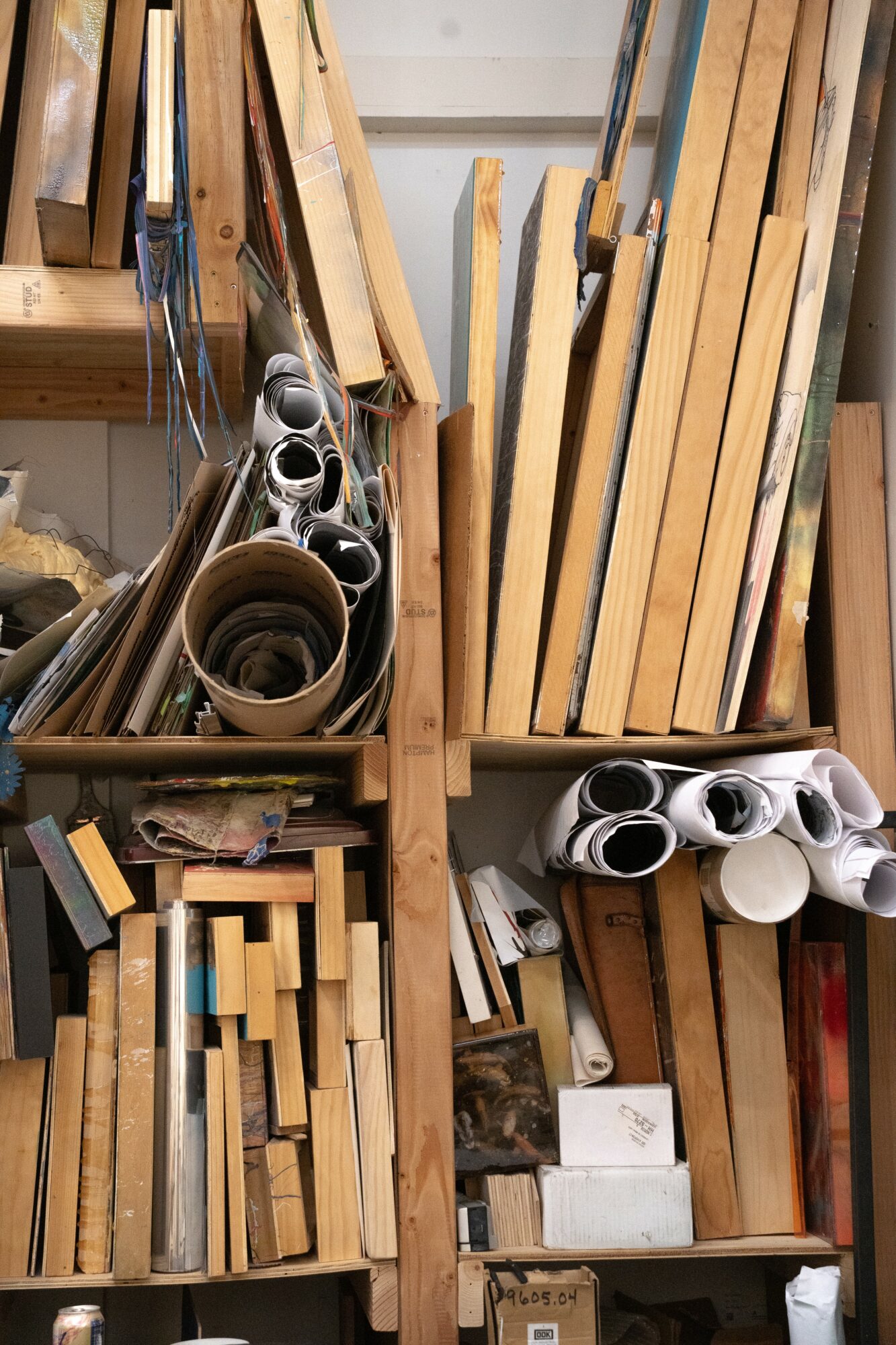
In 2012, that momentum culminated in the founding of SeedCo Studios in Lawrence. SeedCo was envisioned as a creative factory and laboratory, transforming post-industrial space into an active, collaborative environment for artists working across disciplines. Shortly after starting SeedCo Studios, I began working as the Director of Fine Art at Cider Gallery, the premiere gallery in Lawrence, where I curated exhibitions highlighting artists at all stages of their careers, from those just beginning to well-seasoned masters of their craft, while also bringing in voices from the surrounding region and beyond.
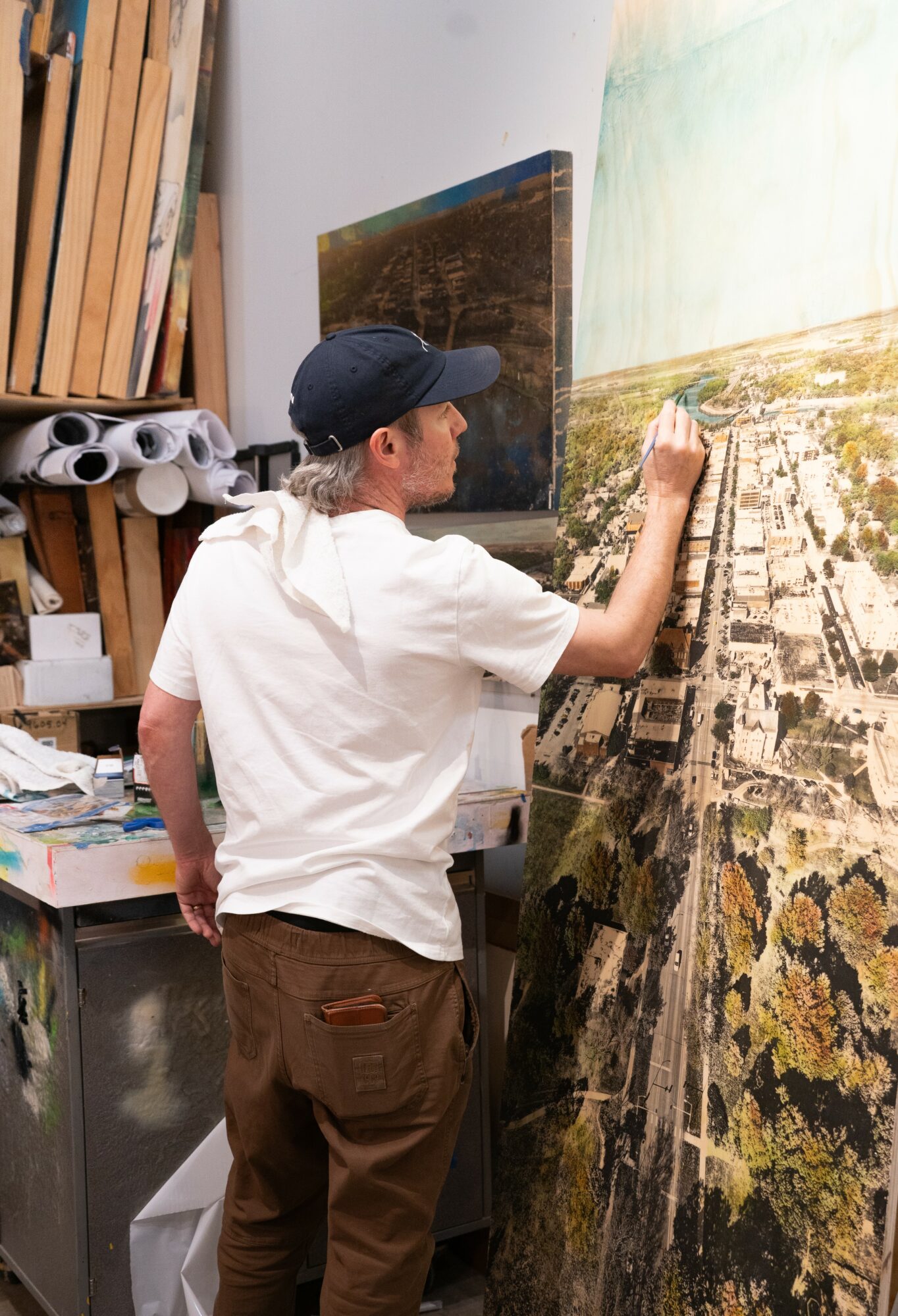
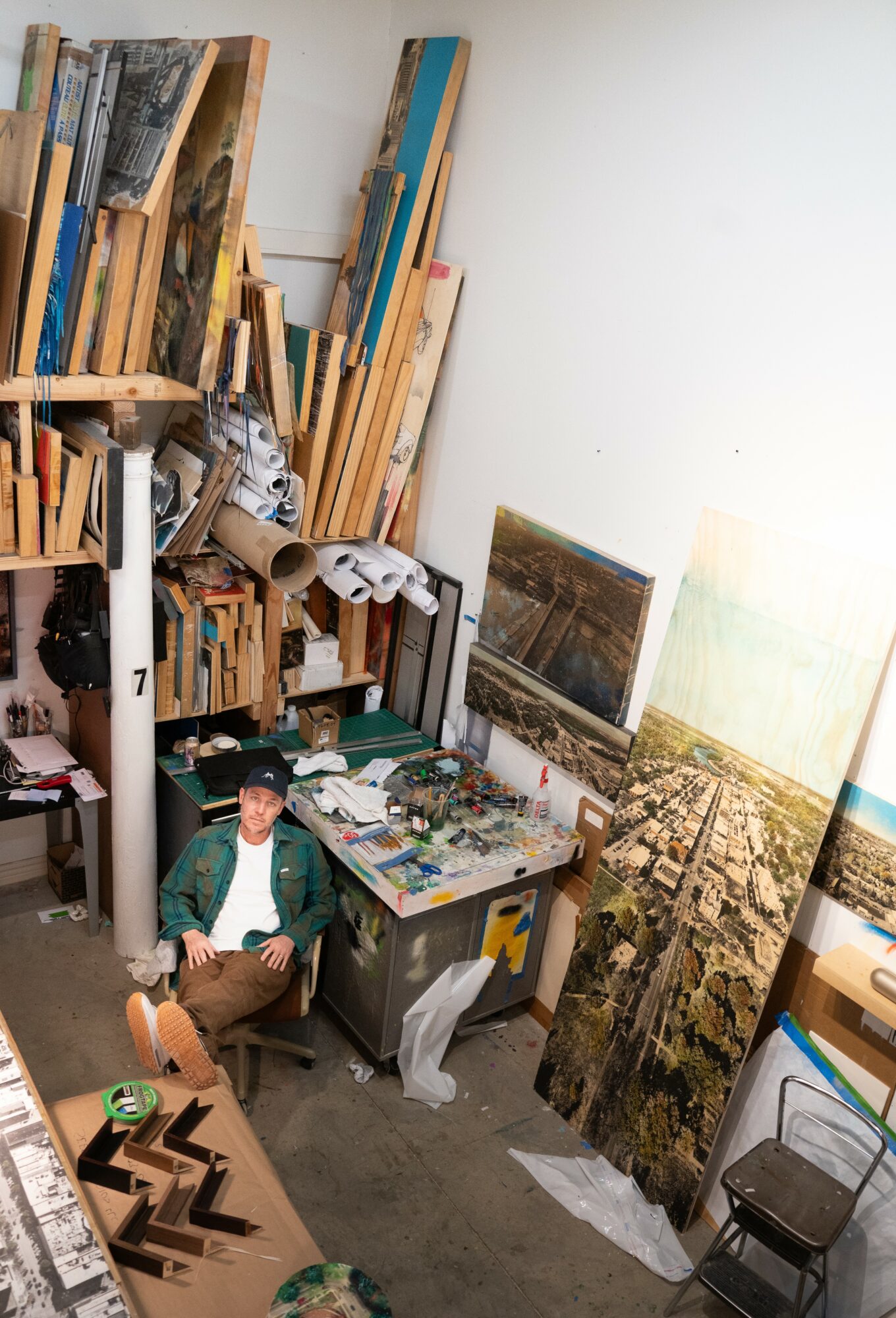
Throughout all of this, it’s been important to me to not only build a brand and a business, but to prioritize my own studio practice, continuing to make work, stay materially engaged, and further myself as an artist and maker alongside the communities I help support.
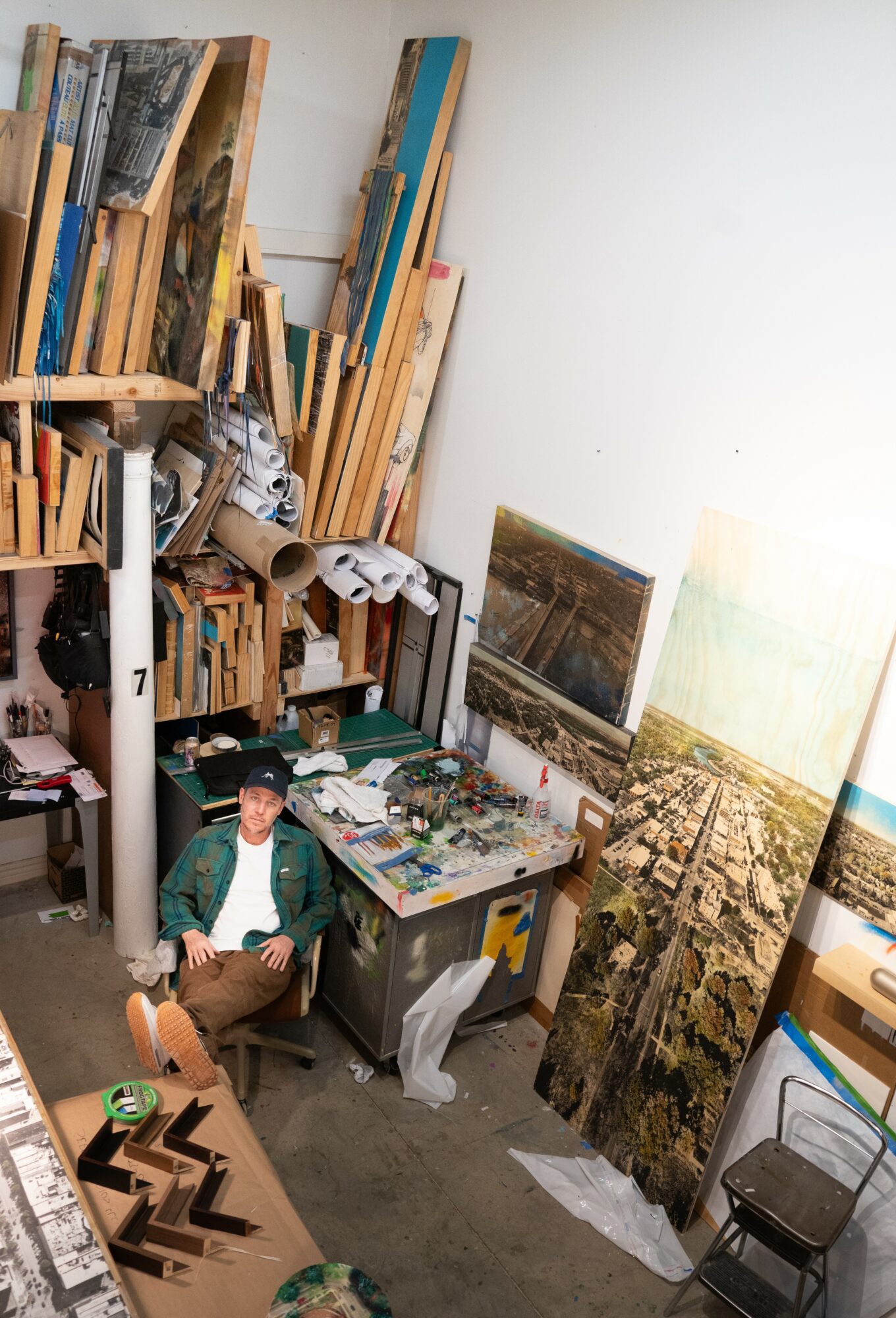
What began as a modest studio and gallery has steadily evolved, and today SeedCo Studios is a custom-built space housing 23 artist studios, supporting artists at all stages of their practice.
Looking back, the throughline has always been the same: collaboration, experimentation, and community. From traveling and documenting culture on the road to building collectives, galleries, and permanent creative spaces, each phase has been about creating momentum, fostering collaboration, and sustaining a culture of making that continues to look forward rather than linger on the past.
I’m sure it wasn’t obstacle-free, but would you say the journey has been fairly smooth so far?
It definitely hasn’t been a smooth road. It’s been a long, ongoing struggle with plenty of challenges along the way, especially navigating the many different characters, personalities, and perspectives that come with building and sustaining creative spaces and communities. Managing relationships, expectations, and communication has often been just as demanding as the logistical side of things.
I’ve also learned, sometimes the hard way, that the philosophy of “ask for forgiveness instead of permission” doesn’t always translate well in the real world. While that mindset can work in certain creative contexts, it becomes much more complicated when you’re dealing with regulations, safety requirements, and infrastructure. Fire marshals, inspections, and keeping spaces up to code introduce a level of accountability that can’t be bypassed, no matter how good the intentions are.
All of those obstacles have forced me to become more patient, more organized, and more thoughtful about how I move projects forward. Even though it’s been difficult, those struggles have shaped how I lead, how I collaborate, and how I build spaces in a more sustainable and responsible way.
Thanks for sharing that. So, maybe next you can tell us a bit more about your work?
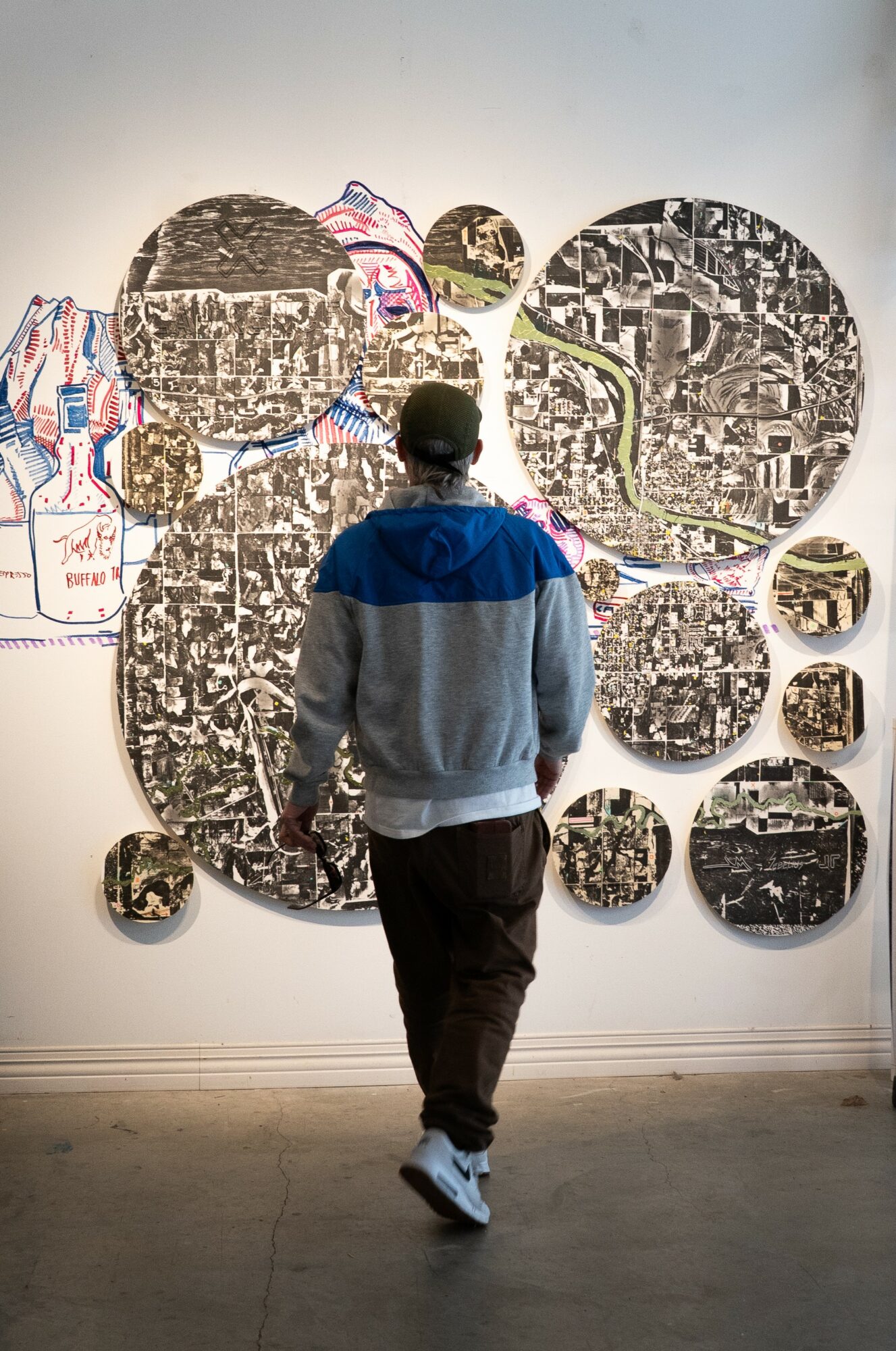
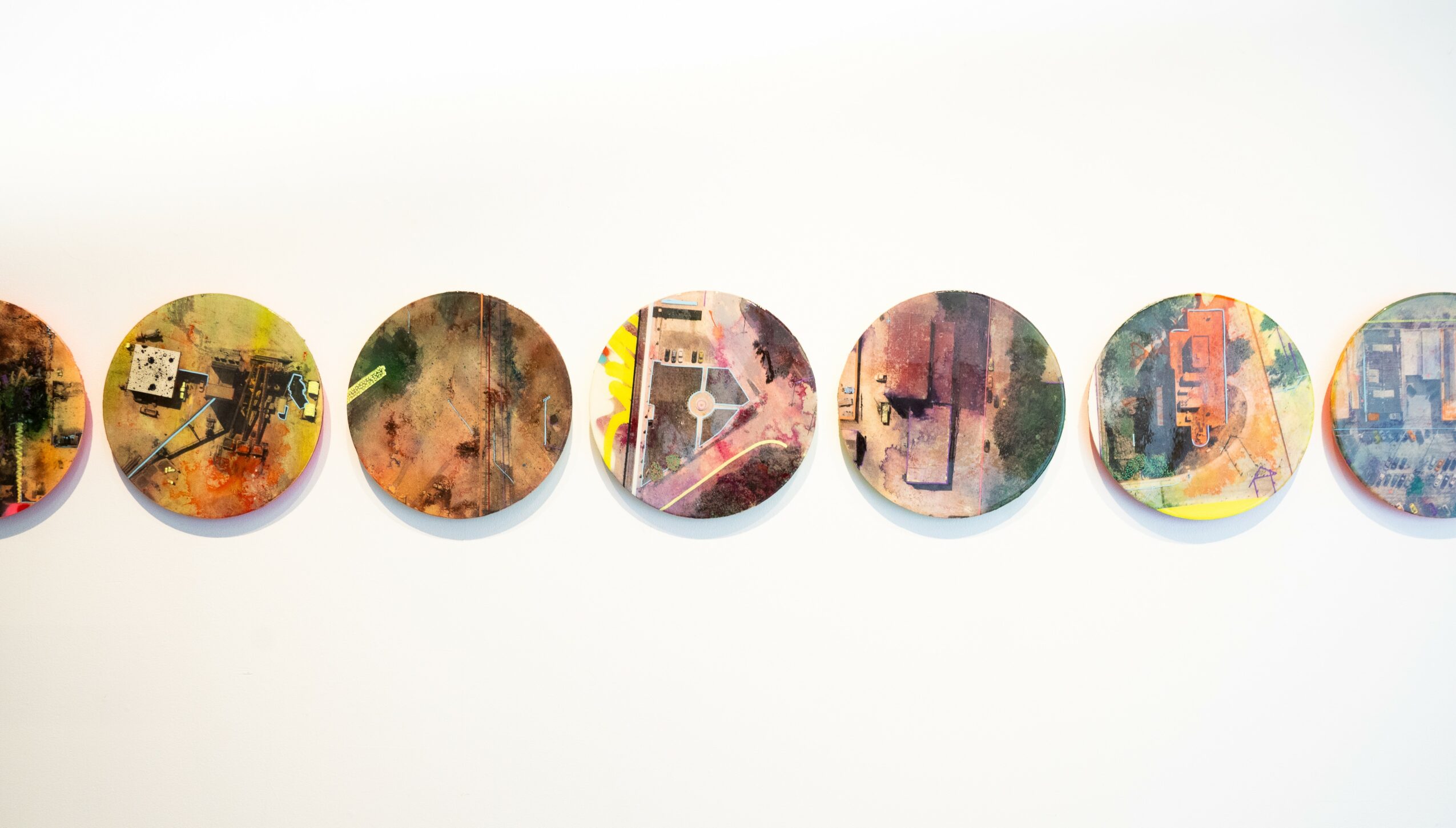
At the core of my professional life is a commitment to maintaining a consistent studio practice. No matter how many other roles I’ve taken on, I’ve always tried to protect that time, because everything I’ve built is ultimately about enabling myself to continue making artwork. Creating has always been the foundation, and the larger goal has been to build a life and career that supports that process rather than pulling me away from it.
Alongside my own practice, my career has evolved into wearing many hats…artist, organizer, collaborator, and facilitator. I’ve worked to create opportunities not just for myself, but for other artists as well, which has naturally led to larger-scale projects and partnerships. Recently, I’ve been able to collaborate on major initiatives with new buildings being developed in the area, with regional hospitals and health facilities, helping to outfit entire spaces with artwork in collaboration with other artists at SeedCo Studios.
These projects allow me to think beyond individual pieces and instead consider how art lives within architecture, public space, and daily life. They’ve also reinforced the idea that a sustainable creative career doesn’t have to be linear, it can be layered, flexible, and built over time through relationships, persistence, and a willingness to adapt.
What matters most to you? Why?
What matters most to me is having strong business ethics and doing my best to be fair, especially in situations where it truly counts. Money can be complicated, and I understand that people often struggle with how to allocate limited resources, but that makes it even more important to be thoughtful, transparent, and principled in those decisions.
Making sure artists are recognized and paid for their work is a huge part of that for me. Art is not free, it requires talent, time, skill, and years of dedication. Too often, creative labor is undervalued or treated as something people should do simply for exposure or passion. I believe artists deserve real opportunities to earn real money so they can build sustainable lives that aren’t defined by constant financial struggle.
I’ve also been lucky enough to include my daughter, Opal, in some of these larger projects. Watching her come into her own as a creative and an entrepreneur has been incredibly meaningful, and it reinforces why this work matters to me on a deeper level.
At the end of the day, I care about helping create systems and spaces where artists are respected, supported, and able to thrive, not just creatively, but professionally as well.
Contact Info:
- Website: www.seedcostudios.com | www.cidergallery.com | www.jeromymorris.com
- Instagram: https://www.instagram.com/jeromymorris/
- Facebook: https://www.facebook.com/cidergallery