




Today we’d like to introduce you to Jen Campbell.
Hi Jen, I’m so excited to have you on the platform. So before we get into questions about your work life, you can bring our readers up to speed on your story and how you got to where you are today.
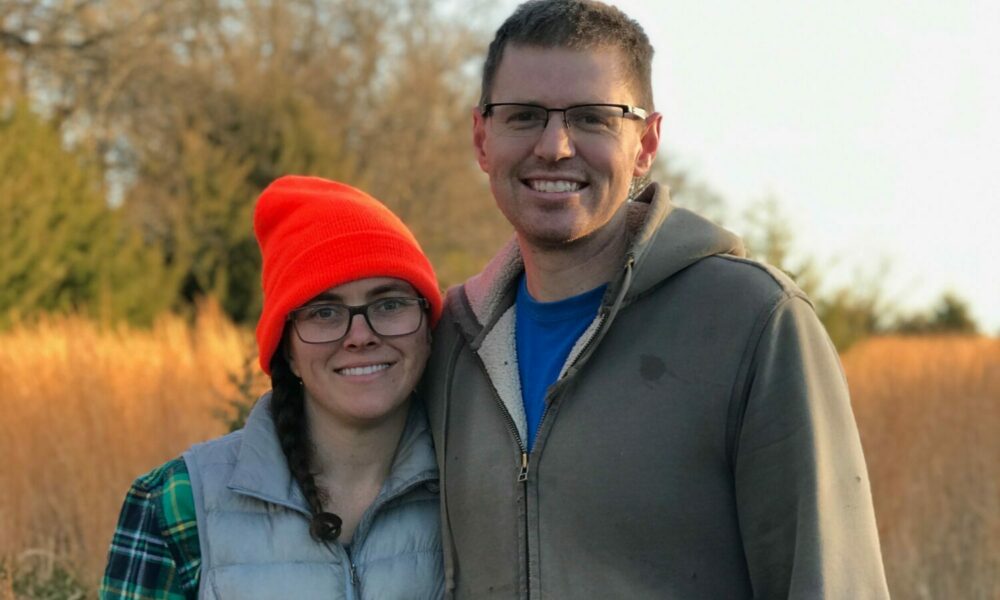
Matt and I started Woolly Bee Farm in 2016. We met while both attending Kansas State University. After graduation, Matt, a mechanical engineer, found a job he loved and excelled at. We put down roots in Manhattan and started to garden at the community gardens. This was the first time we had grown our food. We were hooked. The idea of raising a family on a farm while growing flowers and food for our community took hold of us. We moved to the farm and Wamego in 2016. Matt continued to work in Manhattan while I became a full-time farmer. We focused on growing flowers and berries and raising honey bees. After a few seasons of trial and error, we started selling at the Manhattan farmers market, and soon after, we were selling to florists in the Kansas City area. Woolly Bee Farm has two acres in cut flower production, an ever-expanding strawberry patch, raises pastured pork and chicken, and an apiary with 20= hives.
We have three small kids who have known the farm their whole lives, and they are the finest crop we have ever raised. An incident on June 30, 2023, has brought a new identity to our lives as farmers. Matt and I were walking together between the rows of flowers that evening when lightning struck us. It’s been almost 7 months since that incident, but our farm still feels its impact every day. Matt is on a long road to recovery and is currently living out of state as an outpatient at the best brain rehab center in the country. The farm has cut back on animal production for the foreseeable future, but we remain committed to providing our community with fresh-cut flowers, delicious jam, and honey. We are excited for the 2024 growing season.
We all face challenges, but looking back, would you describe it as a relatively smooth road?
To perfect a masterpiece, a pianist probably practices a piece hundreds of times, maybe even thousands; this differs from farming. With some crops, you get one chance per year to get it right—one chance. We try to be knowledgeable about our craft by self-education, taking courses from industry leaders, and by doing and gaining as much experience as possible. We have learned to prepare for the worst and hope for the best. With the ever-changing climate swings, we are prepared as best we can to act to prevent crop losses.
Thanks for sharing that. So, you could tell us a bit more about your work.
As a flower farmer, I spend my days during the growing season from March to October planting, weeding, cultivating, tilling, harvesting, and processing cut flowers. I love being outside and enjoy the physical demands of my job. Every day is different, and I enjoy growing quality stems that surpass what you can find at the wholesaler. We are known for growing a wide variety of cut flowers with a phenomenal vase life. I love meeting new customers and connecting with returning customers at the market, building relationships with florists, and spreading joy one bouquet at a time.
What do you like best about our city? What do you like least?
I only experience Kansas City a little while zooming in from one florist shop to the next as fast as possible. I enjoy supporting local eateries near my flower route to grab a quick bite. I greatly enjoy the florists I have relationships with who appreciate what we grow on the farm.
Contact Info:
- Website: http://woollybeefarm.com
- Instagram: https://www.instagram.com/woollybeefarm/
- Facebook: https://www.facebook.com/WoollyBeeFarm
- Other: https://www.etsy.com/shop/WoollyBeeFarm
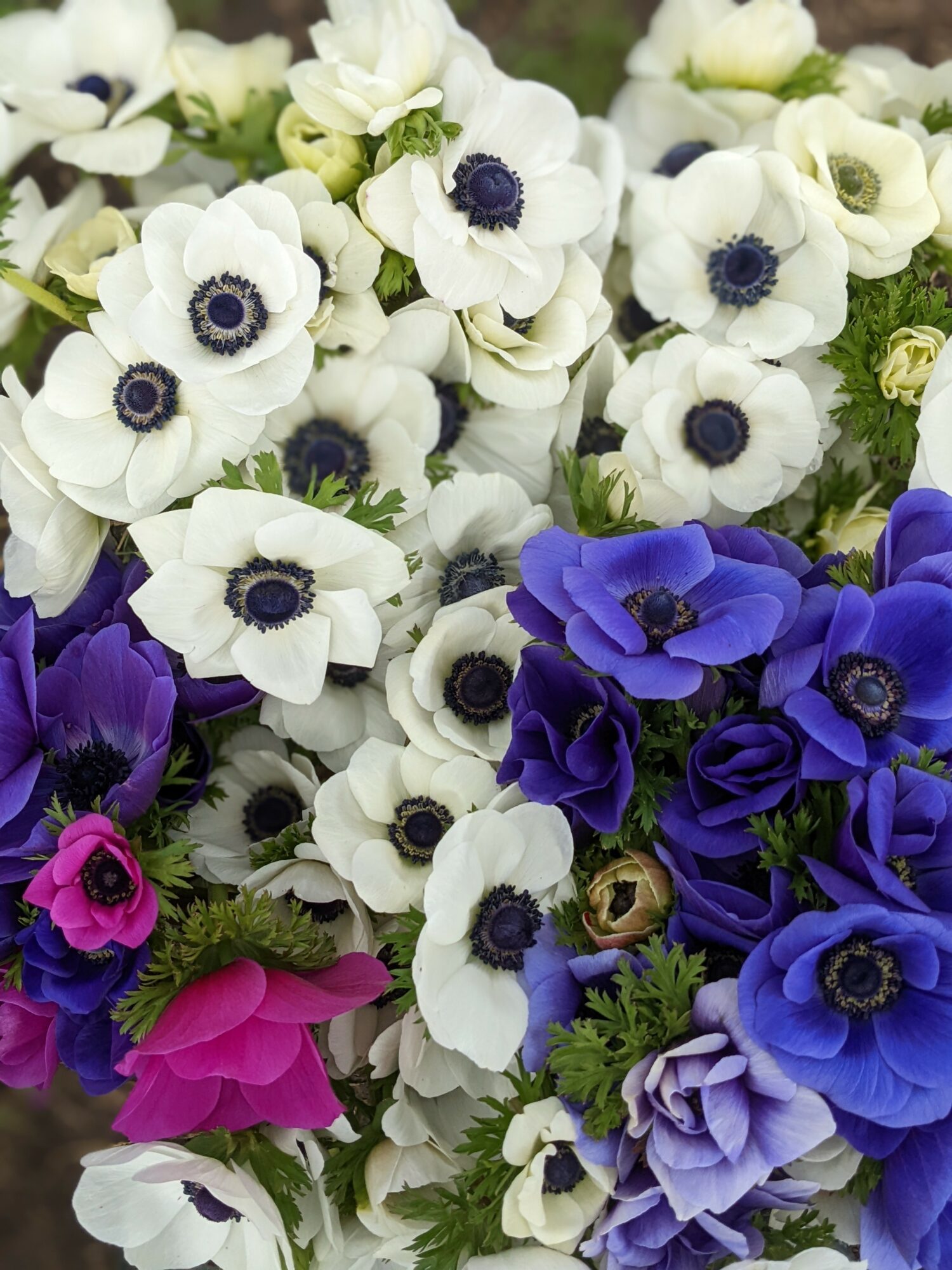
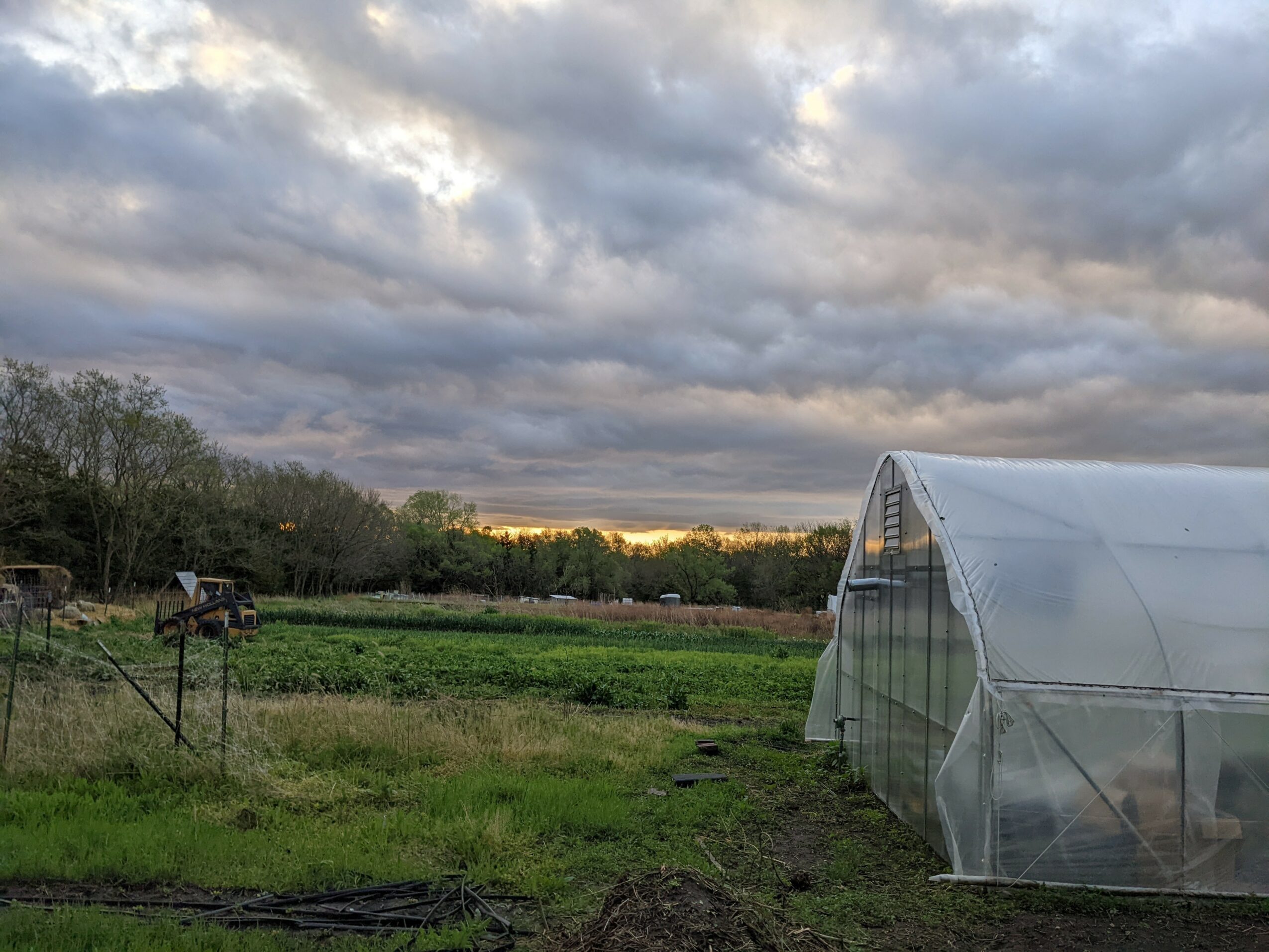
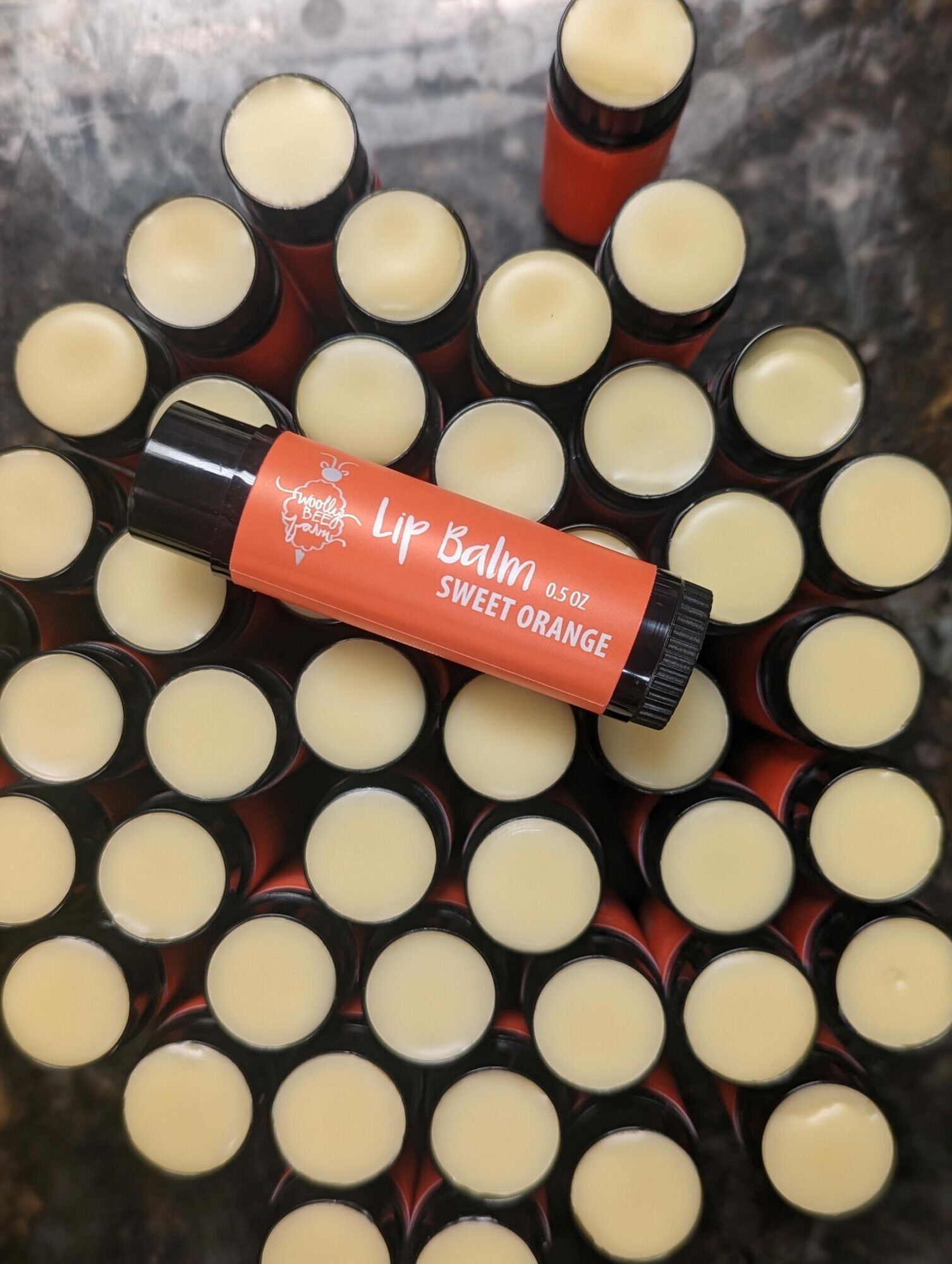
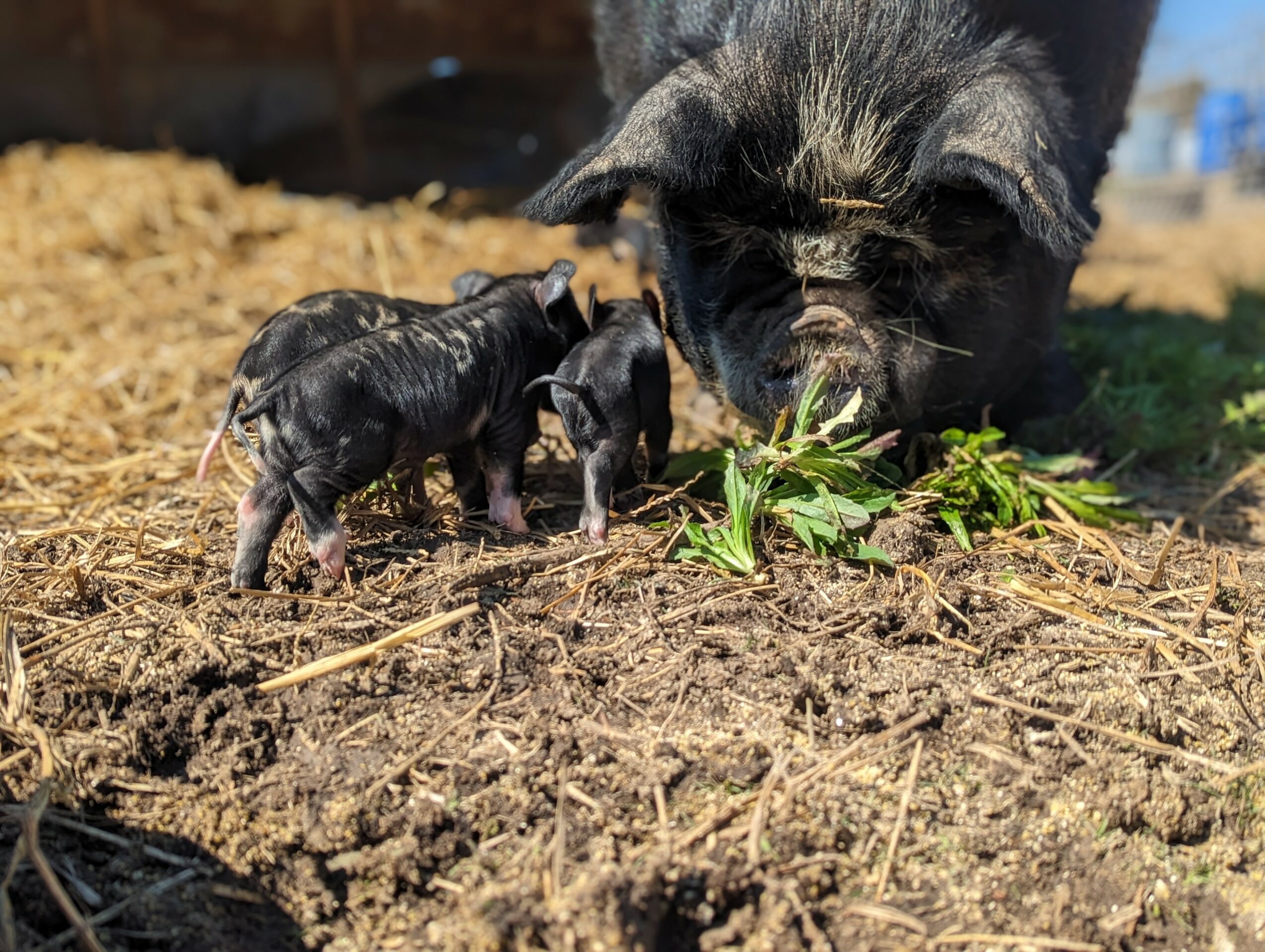
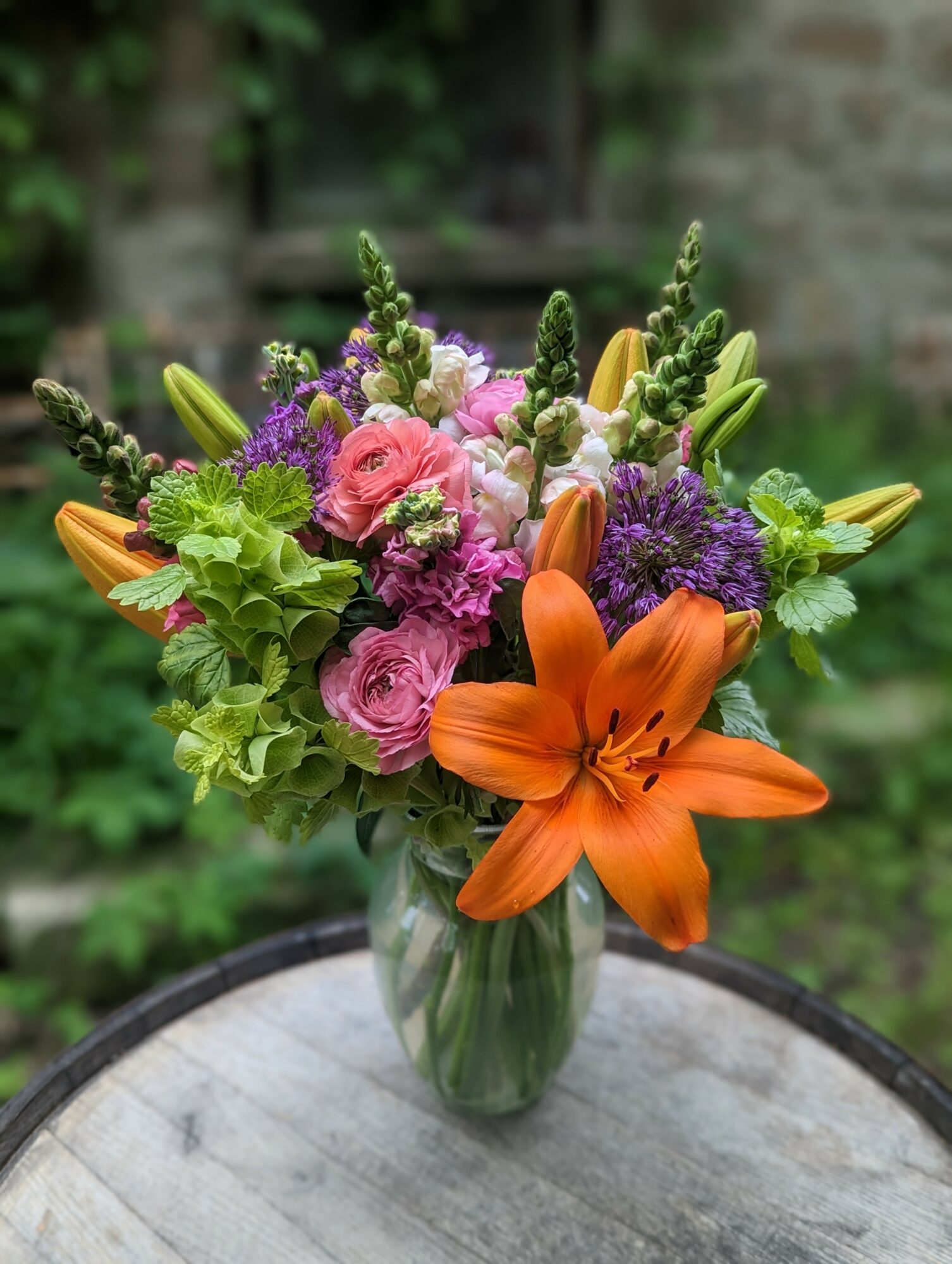
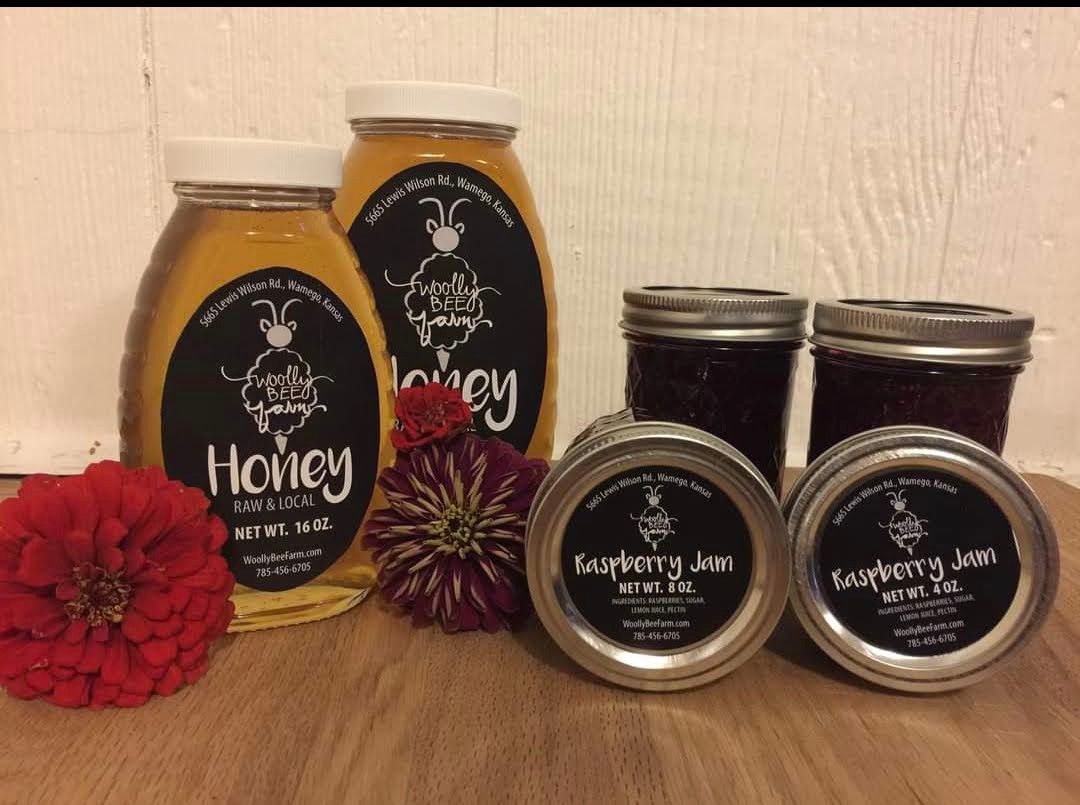
Image Credits
Woolly Bee Farm