





Today we’d like to introduce you to Hannah Earley
Hi Hannah, thanks for joining us today. We’d love for you to start by introducing yourself.
My little brother, Mitchell, was born with Cerebral Palsy and cortical visual impairment. Growing up, I loved helping him with anything/everything. When I went to college, I figured I would do something in the medical field to help adults with disabilities. I ended up going to Occupational Therapy (OT) school and knowing I wanted to help people like my brother (other adults with intellectual/developmental disabilities (IDD)) be as independent as possible. However, there weren’t any jobs in KC with this population as an occupational therapist. The closest I could get would be working in a school or in a pediatric outpatient/inpatient clinic. But I really wanted to work with adults, so I took a job in skilled nursing working with older adults in a senior community instead. Throughout my time there, I volunteered and took part time jobs in various settings trying to understand the IDD community better. I researched and talked with many organizations in the area that supported adults with IDD, some that provided respite care or vocational services, social activities. This helped me realize the need for OT services with adults with IDD in the KC community.
I Can Therapy was born to serve teens and adults with IDD in KC to help them be as independent as possible and live full lives.
I’m sure it wasn’t obstacle-free, but would you say the journey has been fairly smooth so far?
Absolutely not. I think this is a life long journey and learning process. We take insurance and that has been one of the bigger struggles. Now I have a rehabilitation manager who assists with billing and following up with claims. Before her, I was driving to all my clients homes, treating, trying to expand my business, scheduling and communicating with families and clients and following up with insurance when I wasn’t getting paid. I felt so overwhelmed and stressed and was going deeper and deeper into my savings (as I wasn’t getting paid for insurance because I didn’t have enough time to call insurance).
Can you tell our readers more about what you do and what you think sets you apart from others?
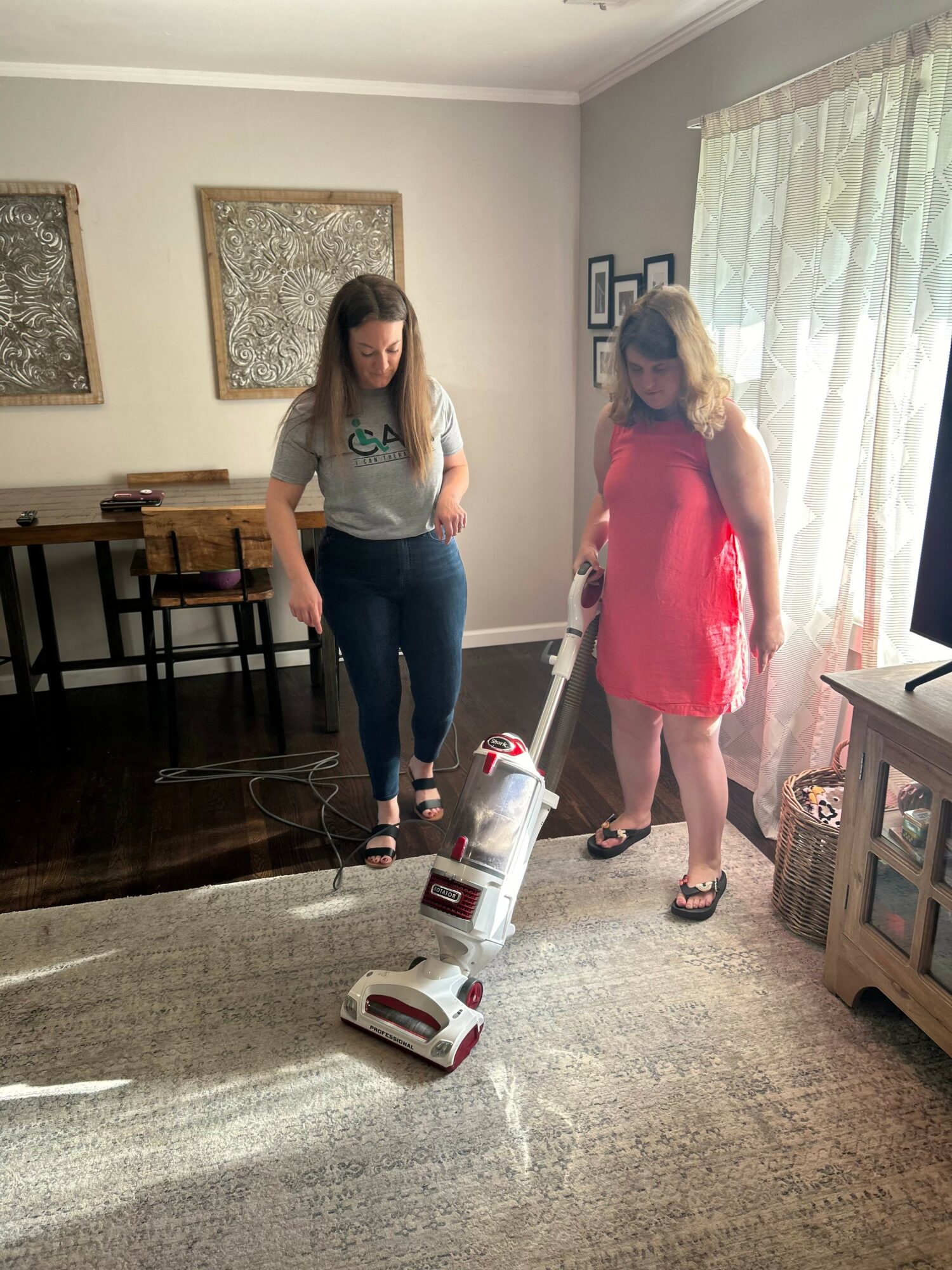
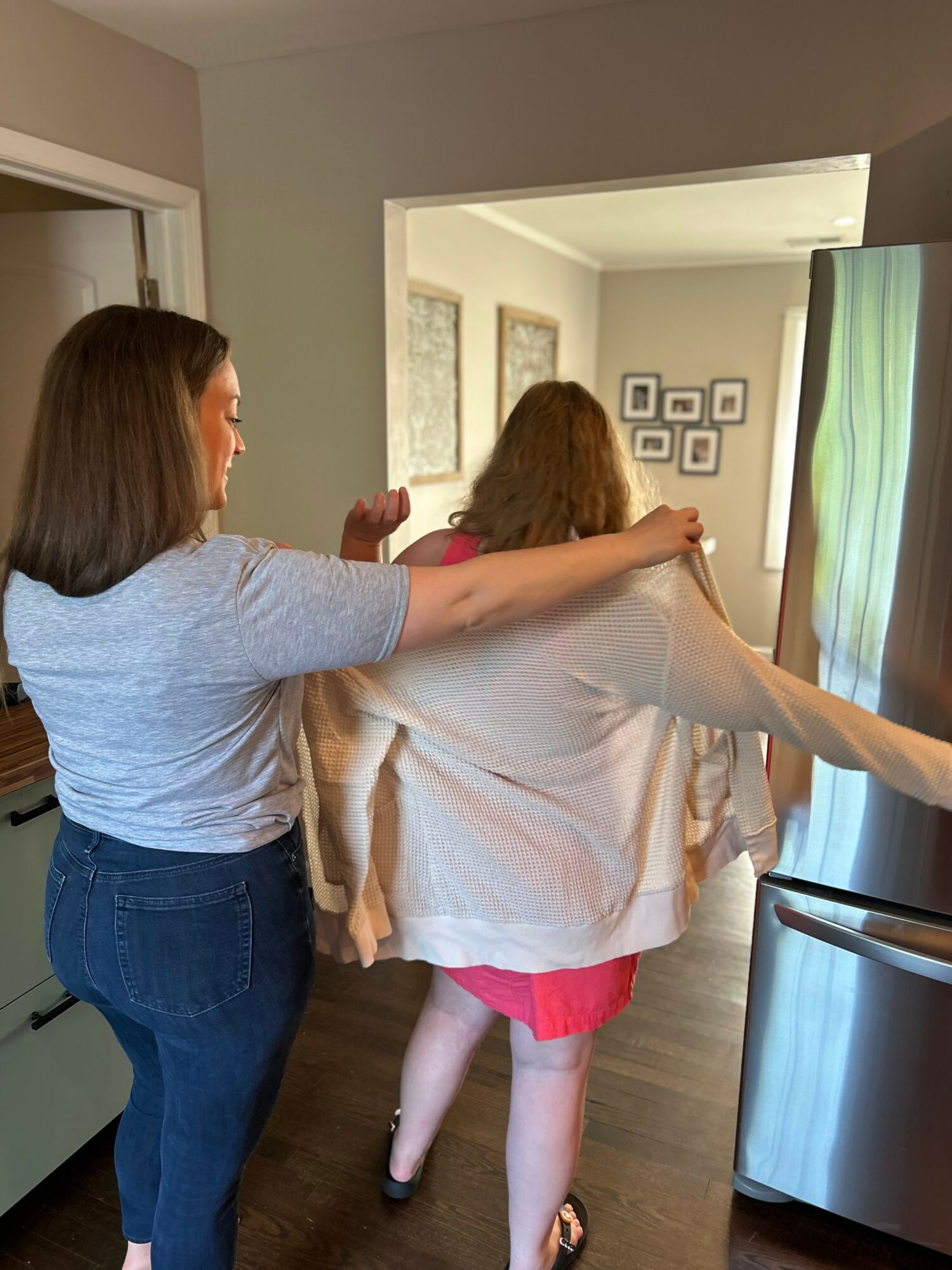
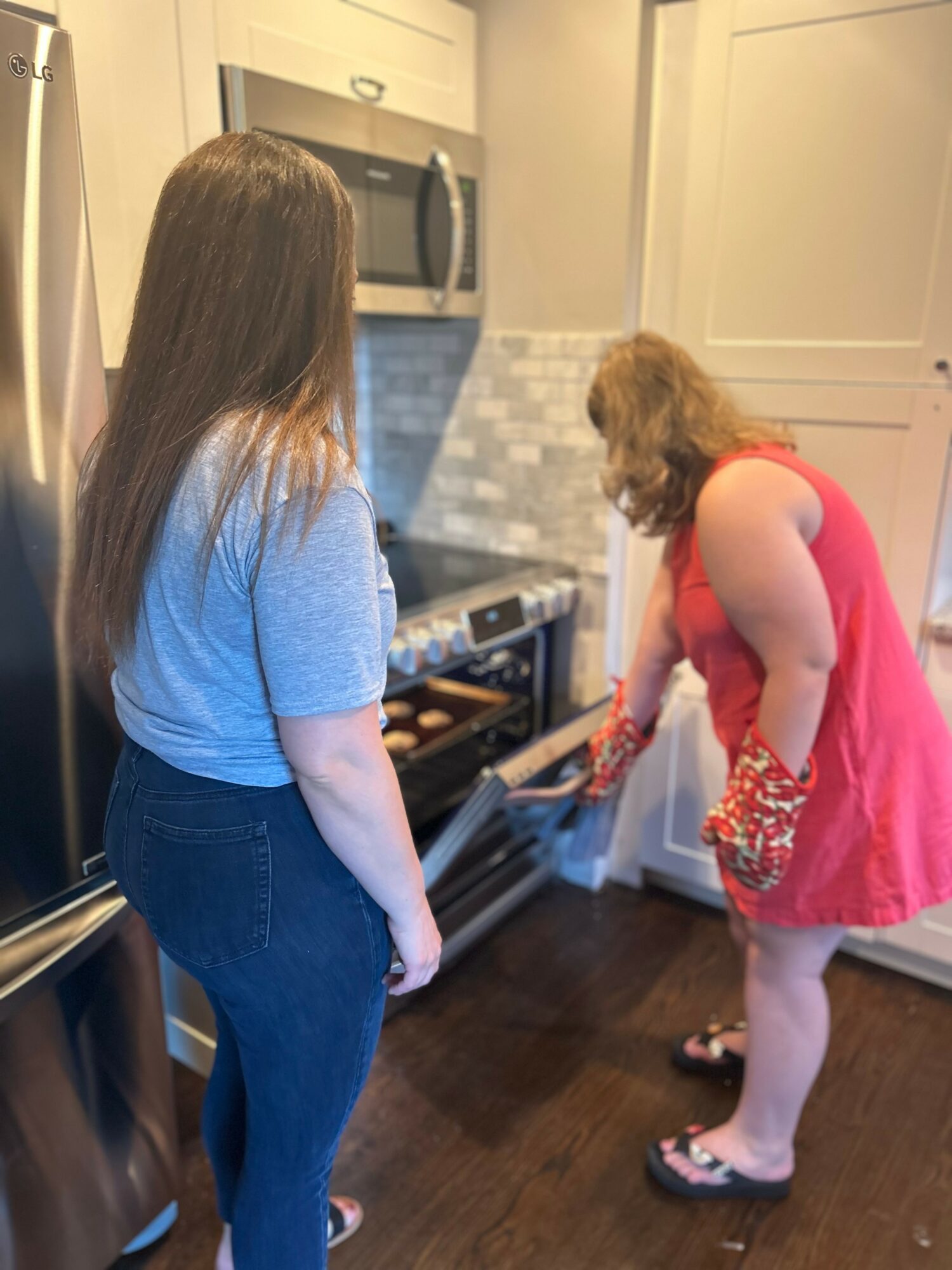
Occupational therapy can help someone with anything that they want to do in a day. We can help someone be more independent with self-cares like dressing, bathing, toileting, grooming, eating or with higher level activities like chores, cooking, shopping, money management, health care management (taking care of health, nutrition, appointments, medications), socialization, leisure, working/volunteering/schooling, transportation/driving, grocery shopping/errands. Sometimes the barrier to being independent is a certain function like fine motor coordination or strength, or it may be a sensory component, a cognitive processing component, a visual/hearing/speech component. OTs use their training and knowledge to overcome or compensate for barriers and be able to achieve the task/goal.
My specialty is the IDD community because I truly believe that adults can be doing adult things like working and socializing with peers, living independently, etc. I believe that with the right support they can achieve whatever it is they want to achieve. A big fear that parents with kids with disabilities have is, what will my child do after I die. What does life look like for that child (now adult with a disability)? We can help get them on that path to launching into adulthood!
I love working with adults because they get support throughout their childhood (plenty of services for pediatrics), but they age out of high school at 21 and a lot of people really struggle to know what’s next. Most families struggle in the day to day when they have a kid with a disability, this means that it takes a lot of support and forward thinking to get all the resources in order for preparing for adulthood. Right now the Kansas waiting list for the IDD waiver is 10+ years. Therefore, if a family gets their child on the waiting list when they are 18, they may not get assistance until the young adult is now 28. The family has to learn to navigate what this looks like for those 10 years they are out of school and have no government funding. OT can be really helpful at this point, trying to get the client to be as independent as possible to see what the client can be capable of (school, work, living independently, living with a roommate, etc).
The IDD community awareness of capabilities is definitely growing- so many people are being recognized that they can work, they can live independently, but a lot of times this takes a lot of repetition and support to be successful. OT can assist with education, training in these areas!
I am most proud that I am in an “untapped” market in KC. OT with this population doesn’t exist before I Can Therapy! We can now support adults with IDD live full and independent lives in their homes and community.
What would you say have been one of the most important lessons you’ve learned?
That we are never done learning. I think this is true for the IDD community. Just because they age out of school doesn’t mean they are done learning and growing. Just because they are a certain age doesn’t mean that they aren’t capable of being independent in self cares or daily tasks. We can always learn new things.
I know I have learned so much by owning my own business! I learn new things every day!
Contact Info:
- Website: https://icantherapyllc.com
- Instagram: icantherapyllc
- Facebook: icantherapyllc