





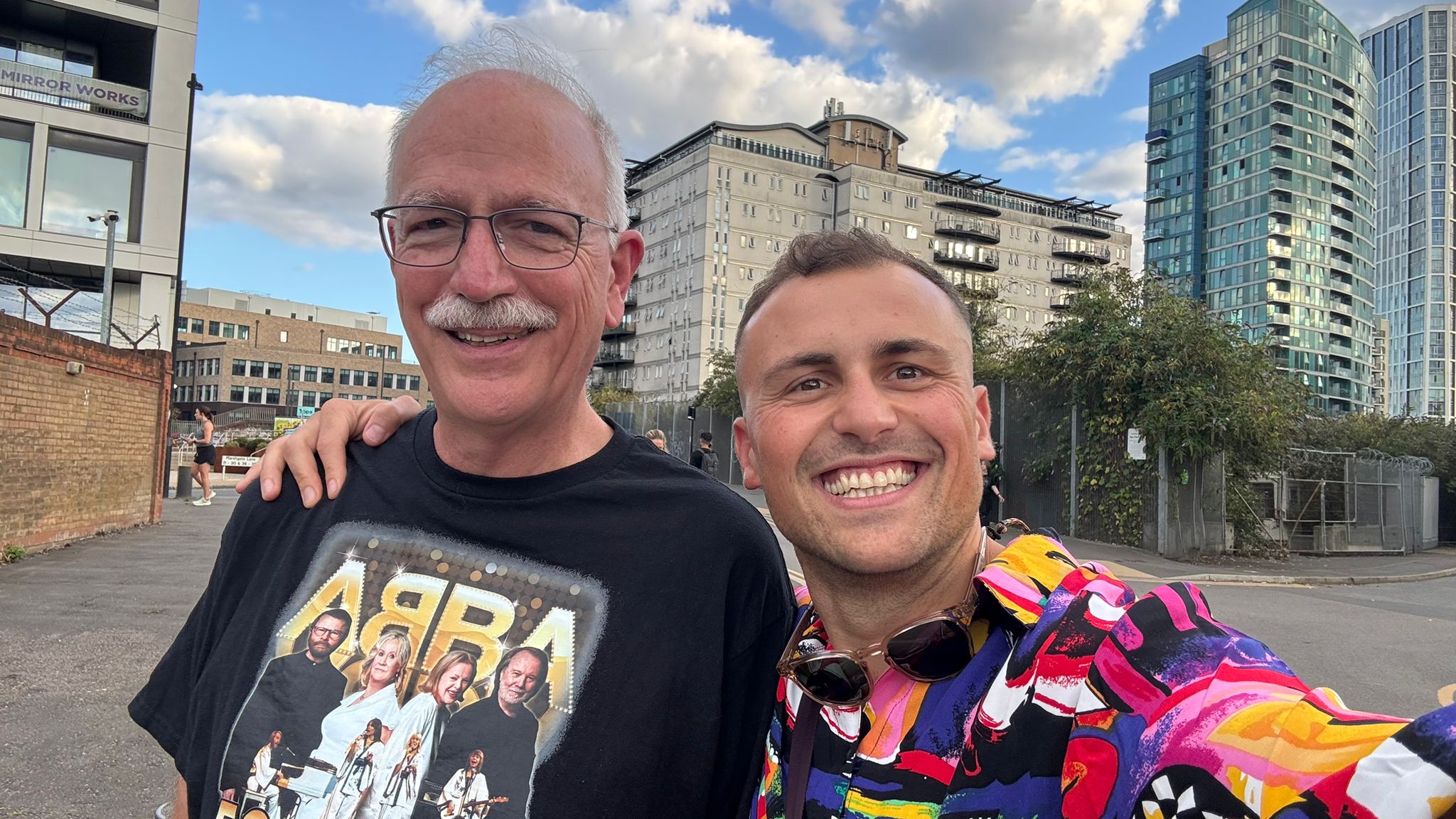
Today we’d like to introduce you to Denis Blidariu.
Hi Denis, so excited to have you on the platform. So before we get into questions about your work-life, maybe you can bring our readers up to speed on your story and how you got to where you are today?
It did not begin with a business plan or a brochure. It began with a journey.
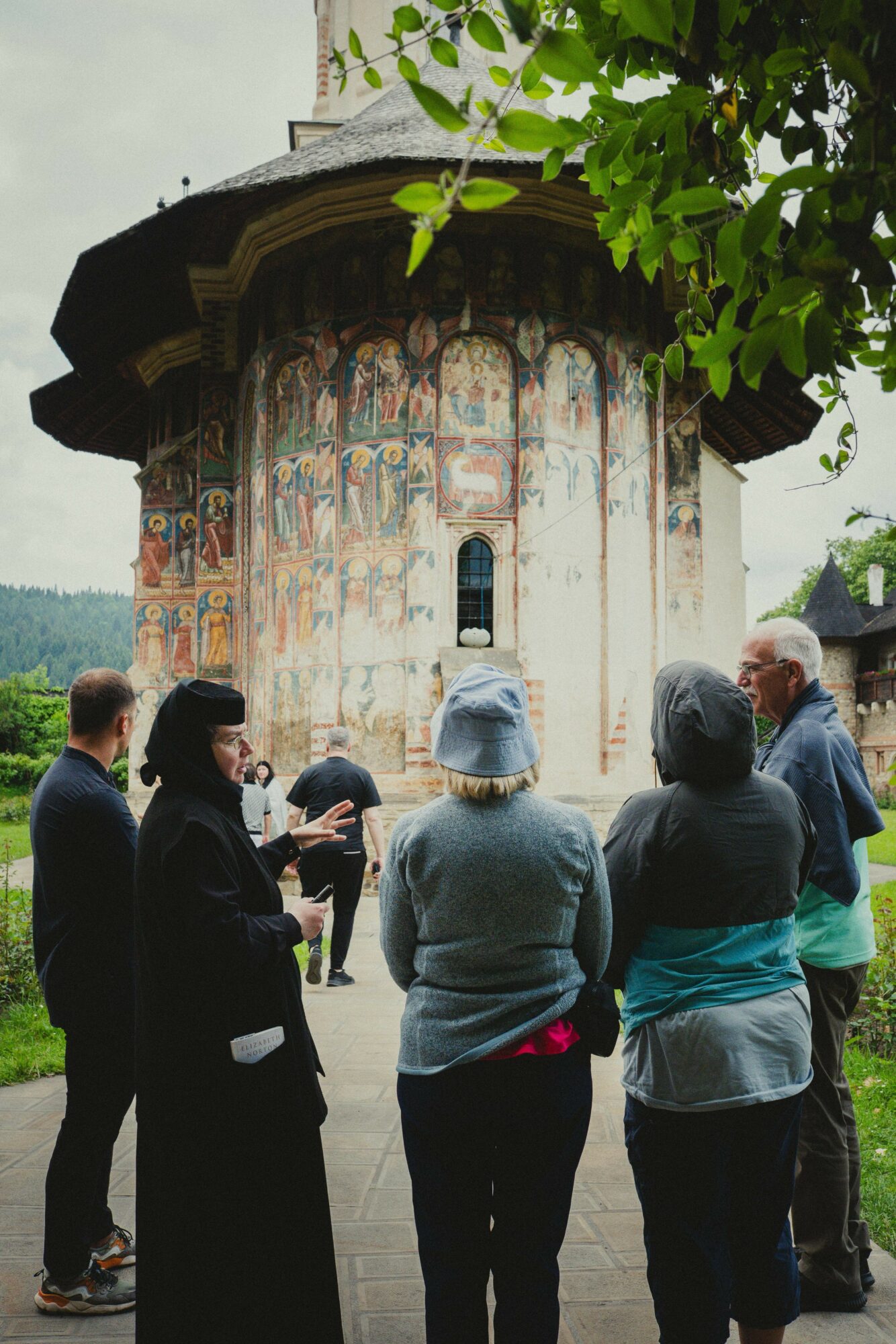
In 2008, Harold Phillips arrived in Romania during a season of sabbatical, carrying a simple but profound goal: to experience what it feels like to be a stranger in a strange land. Romania was not meant to be a destination that changed his life—it was simply a place to listen, observe, and learn. But somewhere between the rhythm of Bucharest streets, the layered history of Transylvania, and the quiet faith found in village churches, something unexpected happened. Romania stayed with him. What started as one visit became many. Over the years, Harold returned more than 25 times—each journey revealing deeper stories of culture, history, religion, and resilience. Friends began to notice. They asked questions. They listened to stories. Eventually, they asked the question that changed everything: “When can we experience this for ourselves?”
At the same time, another story was unfolding. Denis Blidariu had grown up within the landscapes Harold had come to love—historic cities, countryside villages, monasteries older than modern nations, and the rich blend of Romanian and Roma culture. Introduced to Harold’s family and friends in 2011, Denis did more than guide visitors; he welcomed them into his home country with pride, humor, and heart. He understood that travel is not about checking landmarks off a list, but about connection—sharing meals, music, stories, and moments that linger long after the journey ends. Together, they discovered a shared philosophy.
Travel should be intimate.
Travel should be immersive.
Travel should matter.
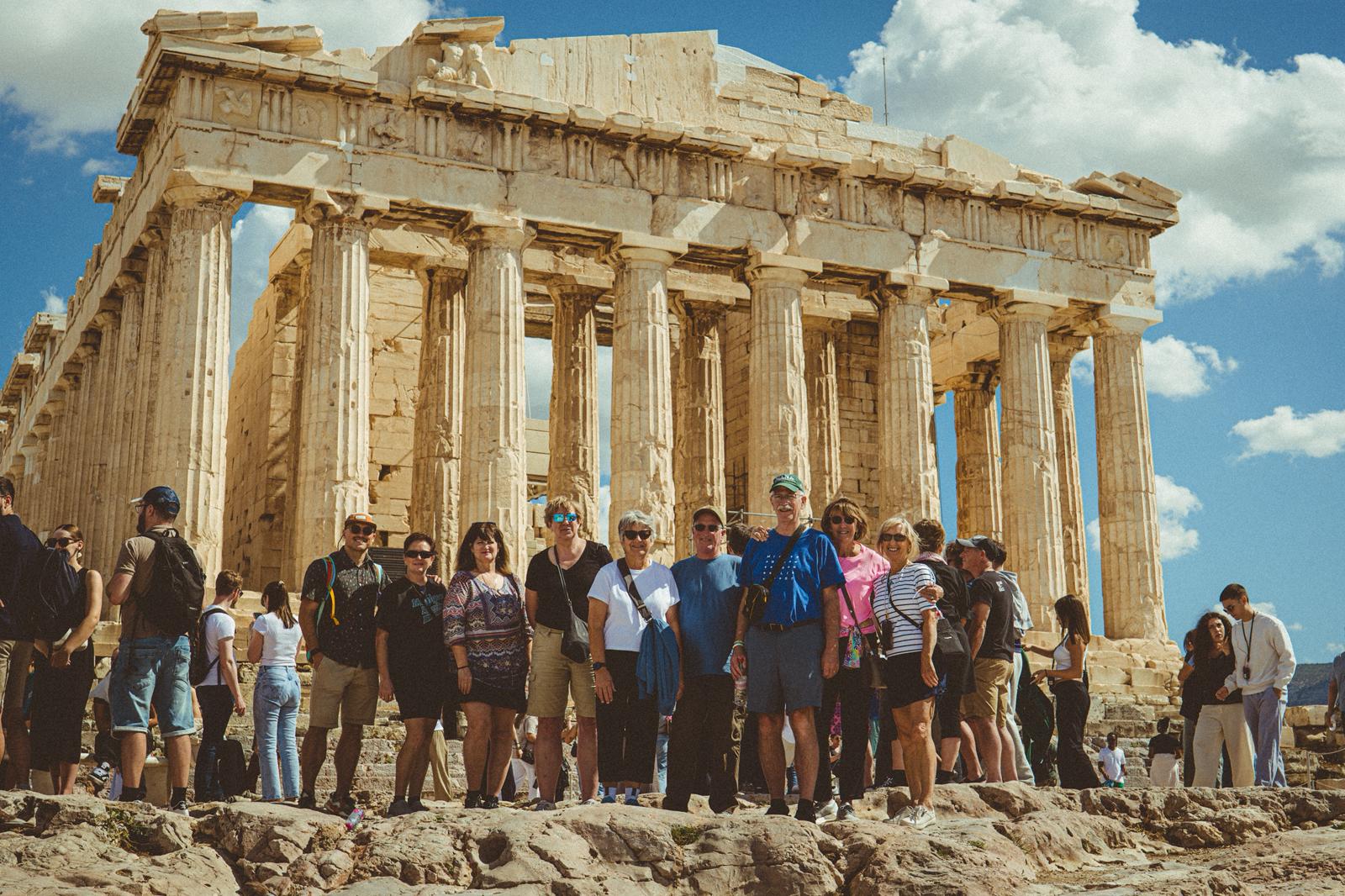
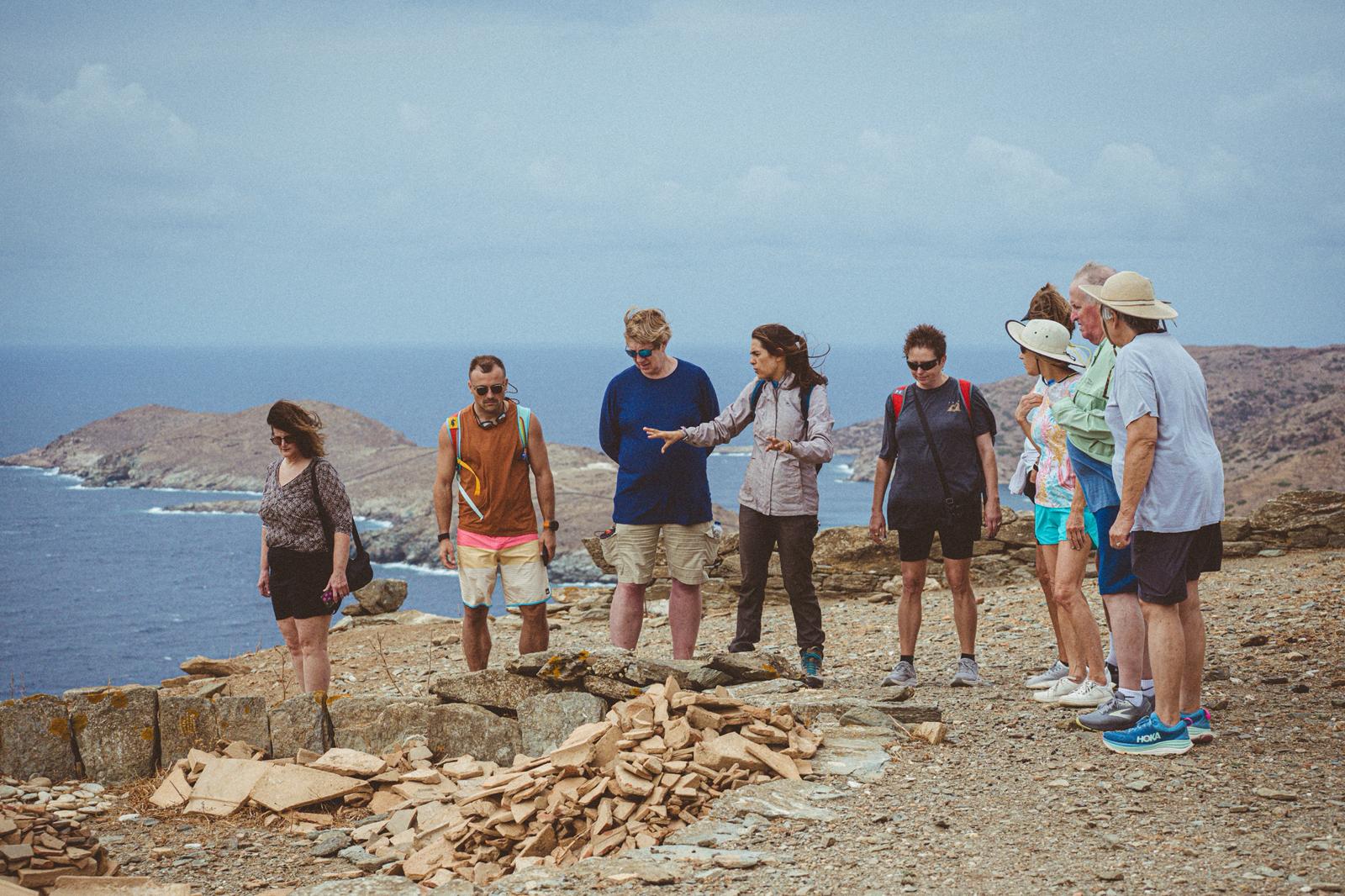
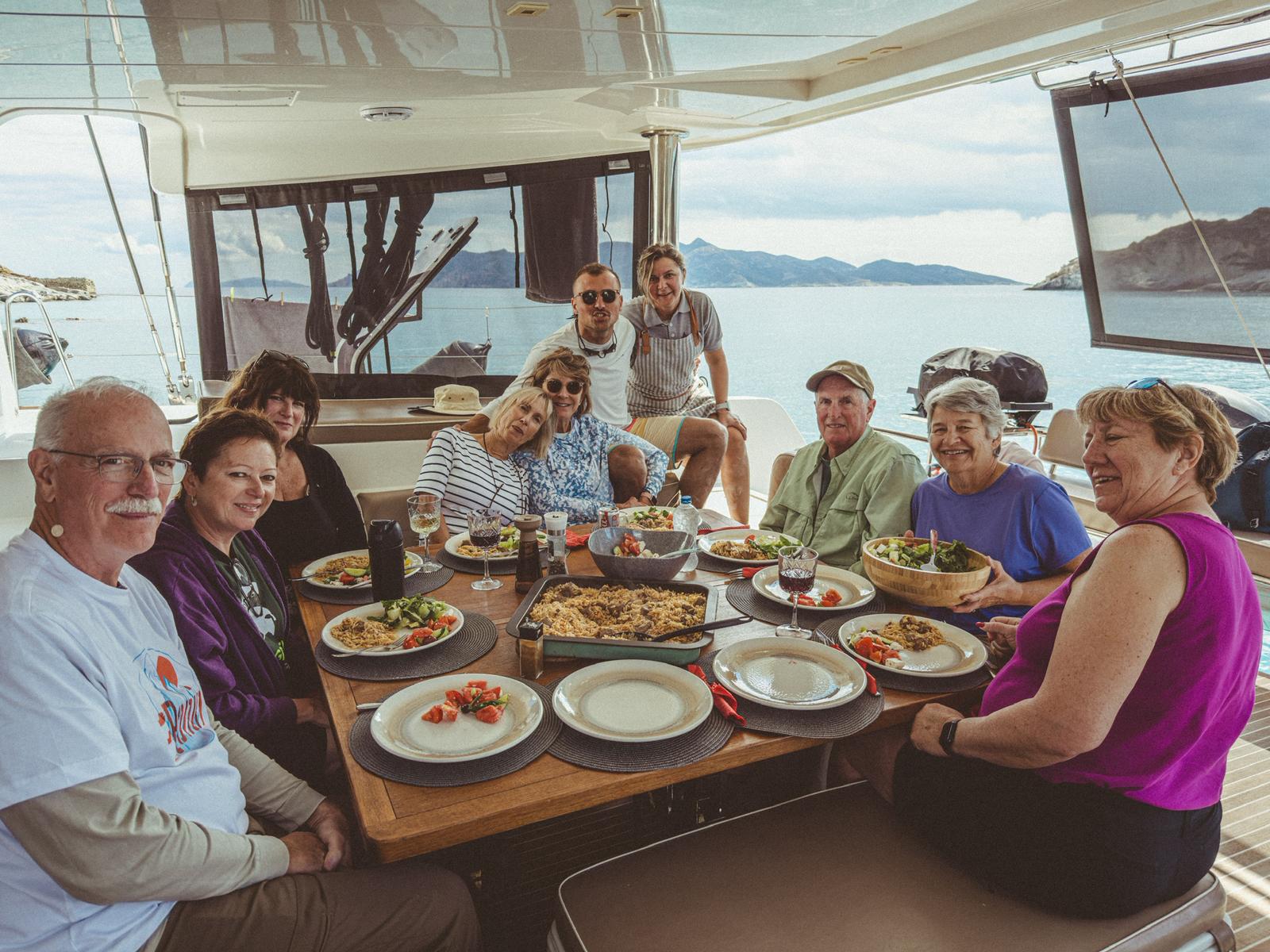
Inspired by years of leading purpose-driven trips—particularly in Slovakia, where Harold learned from mentors how travel could genuinely impact communities—this vision took shape. Small groups. No tour buses. No anonymous hotels. Instead: boutique stays in historic city squares, rural inns surrounded by nature, and even the nostalgia of a night train. Groups small enough to open doors, hear stories, and be welcomed rather than processed. Thus, Let’s Romania was born. Romania became the heart of the journey—mysterious Transylvania, castles and churches, food and music, countryside and cities—but it didn’t stop there. With the same spirit, the road expanded to the UK, Greece, Colombia, Sicily and Italy, Slovakia, Austria, Poland, Turkey, India, Sri Lanka, and Kenya, with new destinations on the horizon.
Always the same promise: No crowds. No rush. No surface-level tourism. Just six travelers at a time—plus Harold and Denis—walking slowly, listening deeply, traveling with purpose.
This is how it started.
Not as a company, but as a calling.
Not as tourism, but as relationship.
And the journey continues.
We all face challenges, but looking back would you describe it as a relatively smooth road?
It has never been a smooth road—and that is precisely what shaped us.
The earliest challenge was choosing not to follow the traditional model of tourism. Small groups, boutique hotels, rural inns, night trains, and deep cultural immersion sound beautiful, but they are far more complicated than filling a bus and booking chain hotels. Every itinerary required careful planning, trusted relationships, and flexibility when things didn’t go as expected. Intimacy in travel demands effort.
Another challenge was trust—both earning it and giving it. Guests were asked to step outside their comfort zones: unfamiliar foods, long conversations in unfamiliar languages, places without polished tourism infrastructure. At the same time, we relied on local communities, small family-run hotels, and regional partners who don’t appear in guidebooks. Building these relationships took time, patience, and many return visits.
Cultural misunderstanding was another hurdle. True immersion means encountering perspectives shaped by different histories, politics, and faith traditions. These moments were sometimes uncomfortable, occasionally emotional, and always honest. We learned that meaningful travel doesn’t avoid complexity—it walks to the center of it and listens.
There were also practical challenges. Travel regulations changed. Borders closed. Plans were interrupted by global uncertainty. Entire trips had to be postponed or reimagined. Through it all, we learned to hold itineraries loosely and people tightly.
Perhaps the greatest struggle was saying no—no to growing faster, no to larger groups, no to easier options that would dilute the experience. Growth was tempting, but integrity mattered more. We chose depth over scale, even when it meant slower progress.
Looking back, each challenge refined the vision. The obstacles taught us what we truly value: relationship over convenience, presence over perfection, and purpose over profit.
It has not been a smooth road.
But it has been the right one.
As you know, we’re big fans of you and your work. For our readers who might not be as familiar what can you tell them about what you do?
Our work grows out of lives shaped by service, advocacy, and long-term relationships.
Harold has served for many years as a coordinator with the Cooperative Baptist Fellowship Heartland, work that has centered on connection, care, and creating spaces where people and communities are truly seen. That experience shaped his approach to travel—not as consumption, but as accompaniment. Organizing people, listening across differences, and building trust over time are skills he brings directly into every journey we host.
Denis comes from a background rooted in advocacy and inclusion. As a Sign Language Interpreter, his professional life has always been about access—ensuring that communication is not a barrier and that every voice matters. His work in the nonprofit sector has included advocating for youth rights, disability inclusion, and environmental justice, including time working with Greenpeace. These experiences deeply influence how our trips are designed: with awareness, respect, and responsibility toward people and the places we visit.
Together, these paths converge in what we do today.
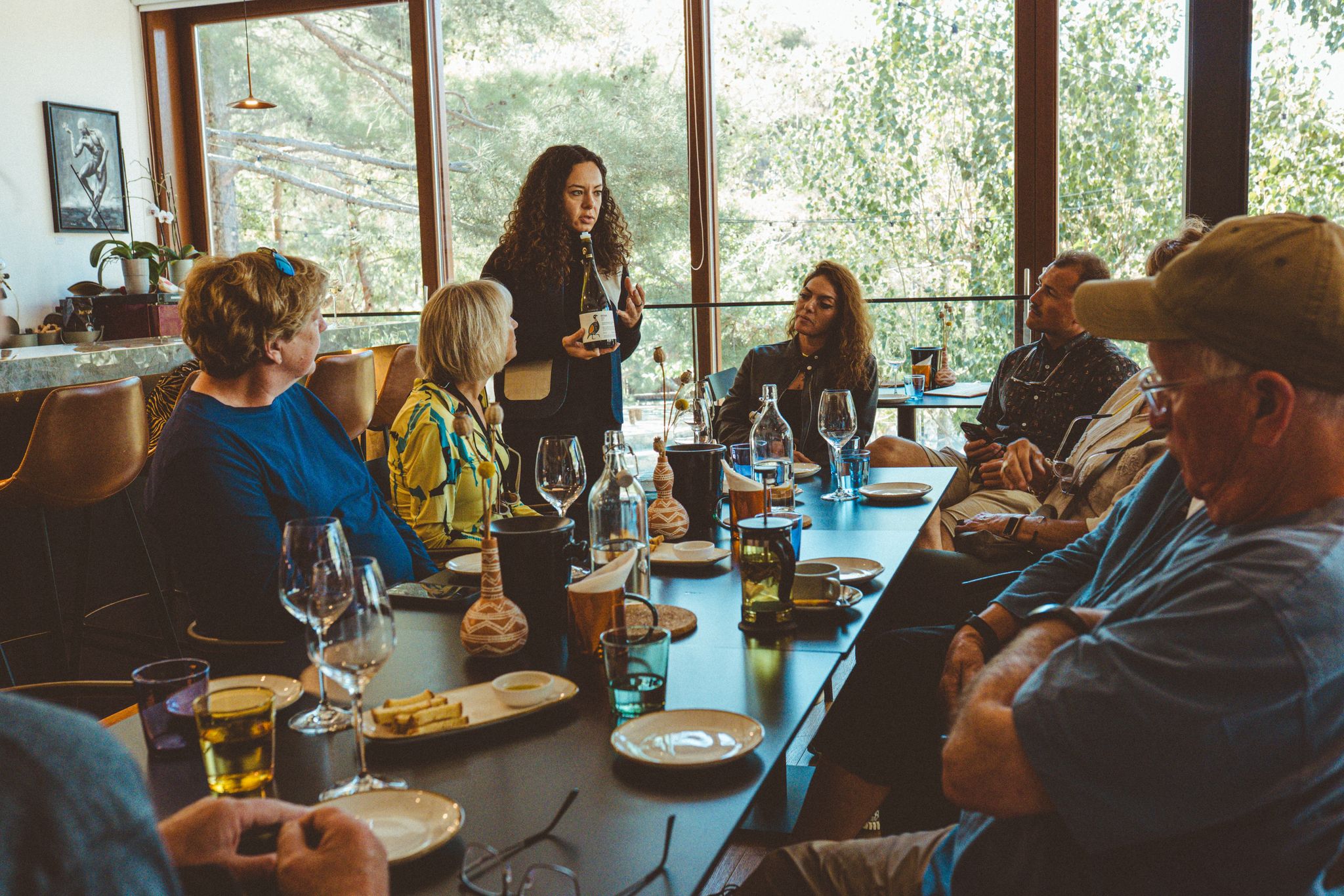
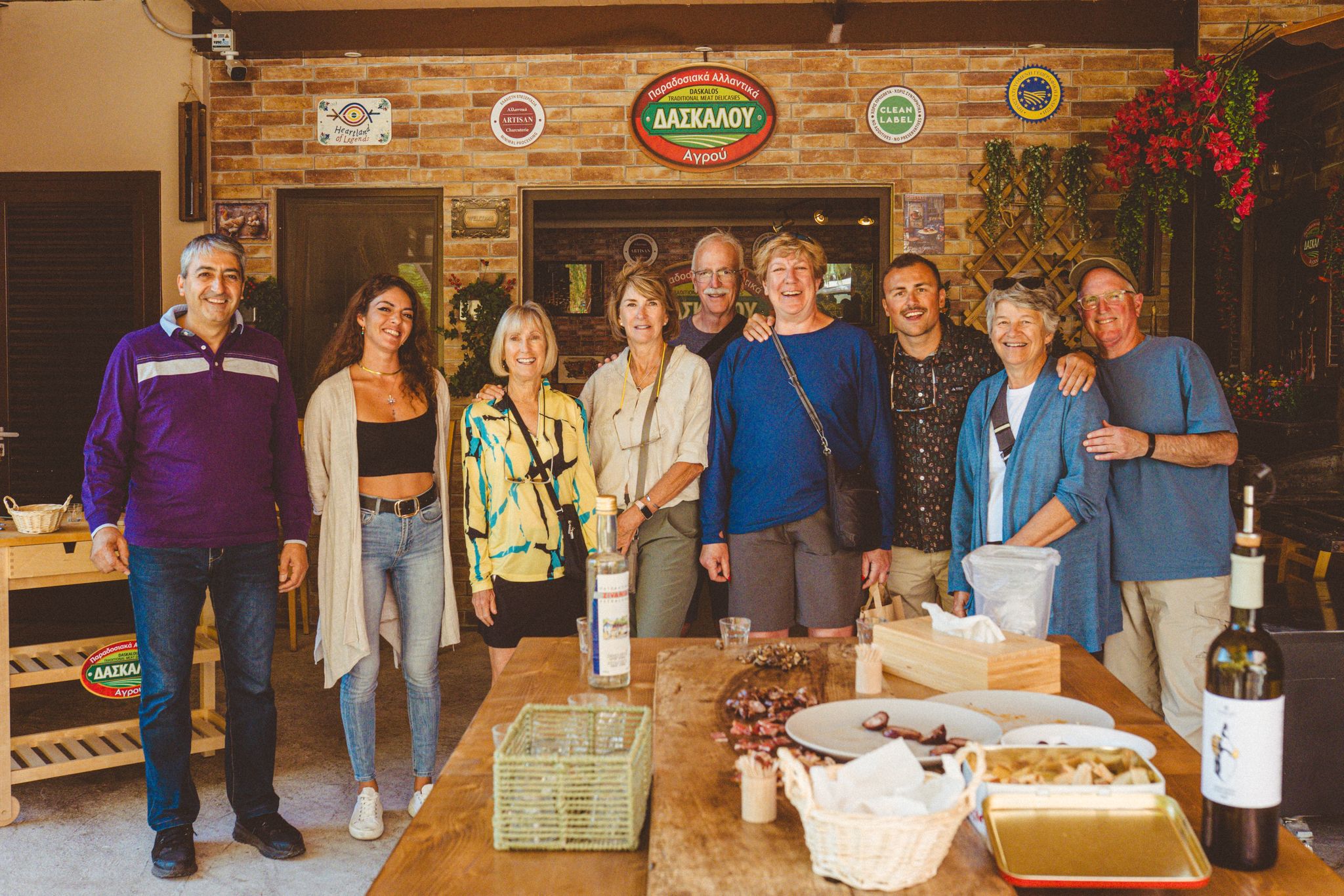
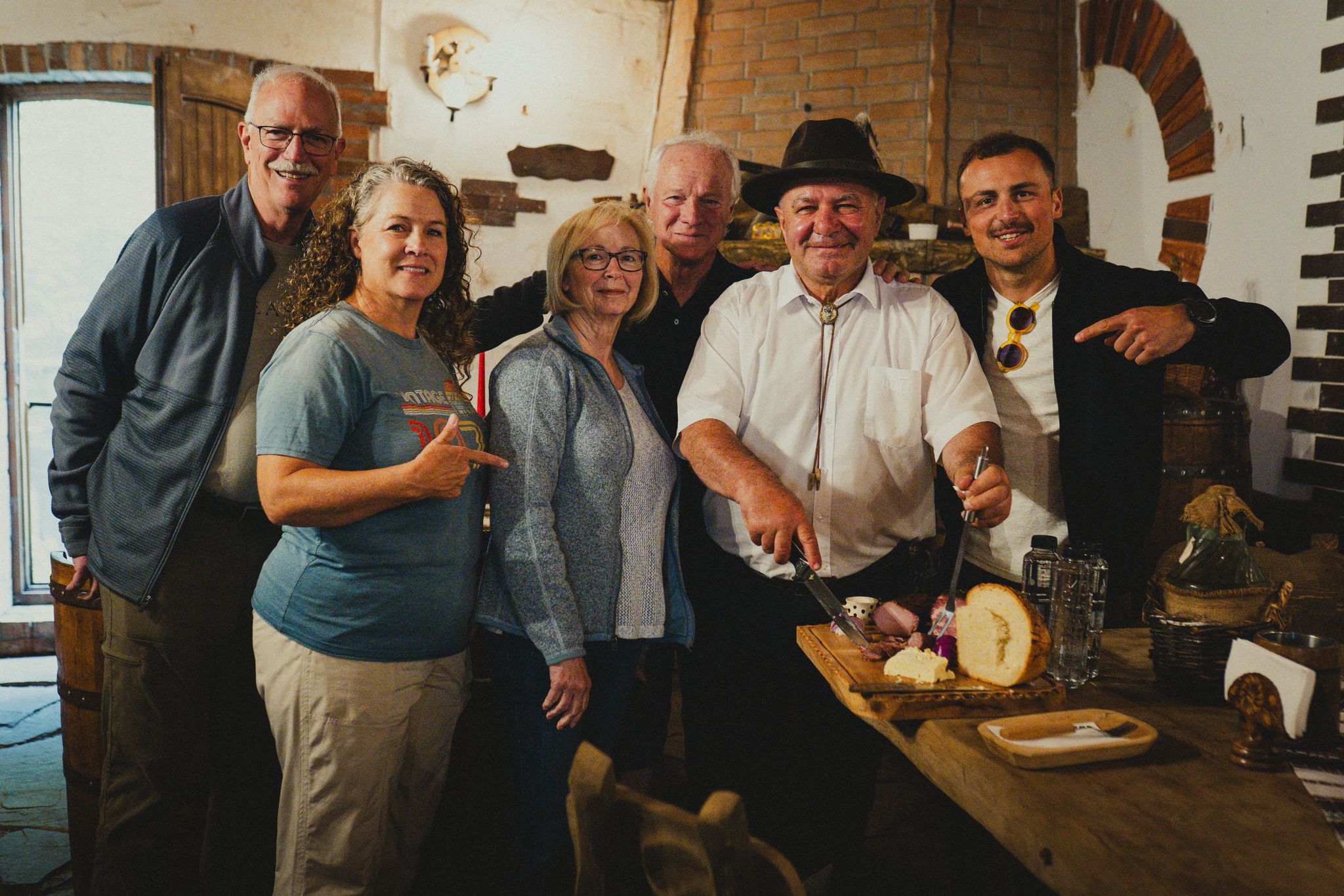
We specialize in small, intentional travel experiences that emphasize cultural immersion and meaningful encounters. Our groups are small enough to allow for real relationships—conversations that go beyond guidebook facts and moments that invite reflection. We seek out communities, not crowds; stories, not spectacles.
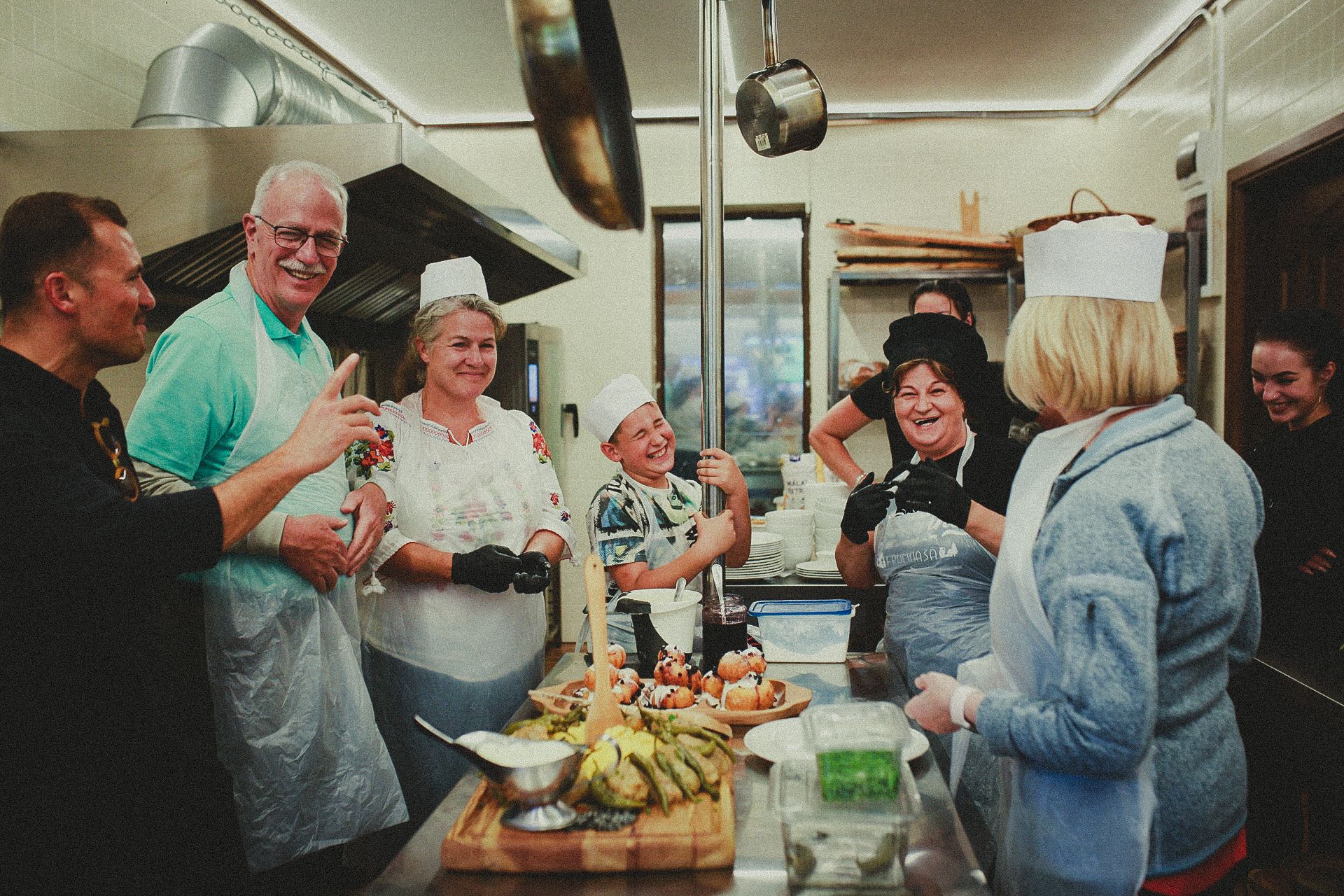
We are known for our personal hosting style. We travel alongside our guests, adapt when needed, and make room for unexpected beauty—whether that’s an impromptu music moment, a shared meal in a rural village, or a conversation that reshapes understanding. Our backgrounds in service and advocacy mean we approach each destination with humility and curiosity, not entitlement.
What we are most proud of is that our journeys create lasting impact—not only for travelers, but also for the communities we visit. Guests often tell us they return home changed: more aware, more connected, and more intentional in how they engage the world.
What sets us apart is simple but rare:
We lead with relationship.
We design with purpose.
And we believe travel, done well, can be a force for good.
That is the heart of our work.
Do you have any advice for those looking to network or find a mentor?
For us, mentorship has never come from formal programs or intentional “networking events.” It has come through showing up, listening well, and committing for the long term.
The mentors who shaped our path were people we first respected for their work and character. Relationships grew naturally—through shared projects, time spent in the same communities, and a willingness to learn rather than impress. One of the most important lessons we’ve learned is that mentorship often begins by serving alongside someone, not by asking them to mentor you.
For Denis, that mentorship and leadership were found in Harold. What began as working together grew into a relationship built on trust, shared values, and mutual respect. Through years of collaboration, Denis learned not only how to lead groups and design meaningful experiences, but how to listen well, carry responsibility with humility, and hold purpose at the center of every journey. That mentorship was not transactional—it was lived, modeled, and practiced side by side.
We’ve also learned that the best mentors don’t always look like mentors at first. Sometimes they are community leaders, local partners, or people working quietly behind the scenes. Remaining open to learning from unexpected voices has been essential.
When it comes to networking, we believe in depth over breadth. Rather than collecting contacts, we invest in relationships. Follow up. Stay in touch. Share updates. Celebrate others’ work without expecting something in return. Networking rooted in authenticity tends to sustain itself.
Finally, patience matters. Mentorship is not instant. It grows over years, not weeks. The most meaningful guidance we’ve received came from relationships that were allowed to evolve naturally, grounded in mutual respect and shared values.
Pricing:
- Small-group journeys (typically 6 guests maximum) Our pricing reflects intentionally small groups, personal hosting, and curated experiences that large tours cannot offer.
- All-inclusive experience (with minimal exceptions) Most trips include accommodations, daily breakfast, several group meals, private transportation, guides, entrance fees, and curated cultural experiences. Flights to/from the destination are usually not included unless noted.
- Boutique & historic accommodations We prioritize boutique hotels, family-run inns, and unique historic properties—often located in city centers or rural settings—which are a significant part of the experience and pricing.
- Purpose-driven encounters included Community visits, mission-related encounters, and cultural immersion experiences are included and thoughtfully planned, not added as optional extras.
- Typical price range Depending on destination, length, and inclusions, trips generally range from mid to upper-tier pricing compared to standard group tours, reflecting the depth, access, and personal nature of the journey rather than luxury for luxury’s sake.
Contact Info:
- Website: https://www.letsromania.com/
- Instagram: https://www.instagram.com/letsromania/
- Facebook: https://www.facebook.com/LetsRomania