



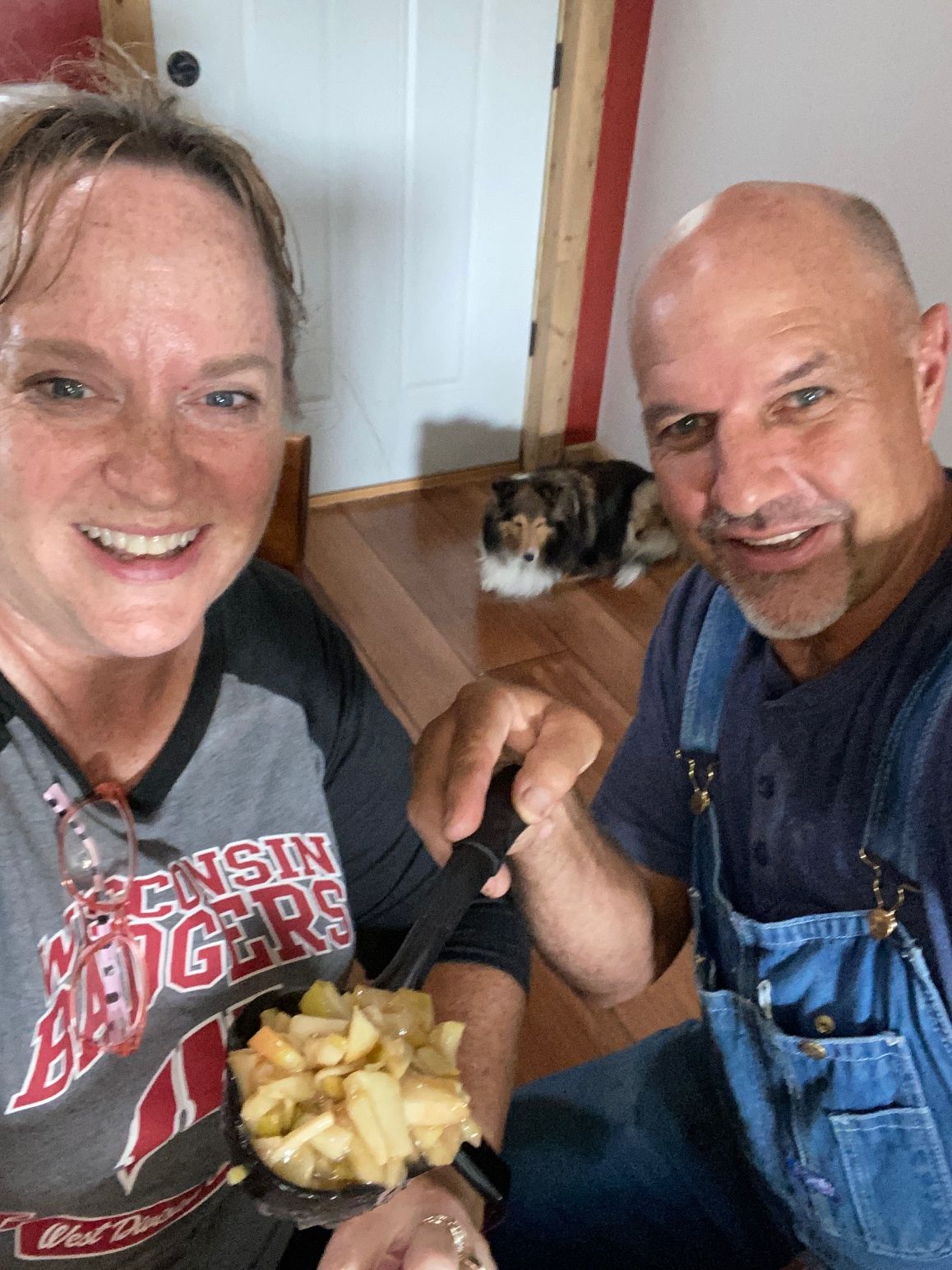
Today we’d like to introduce you to Brad And Lorie Brunner.
Hi Brad and Lorie, so excited to have you on the platform. So before we get into questions about your work-life, maybe you can bring our readers up to speed on your story and how you got to where you are today?
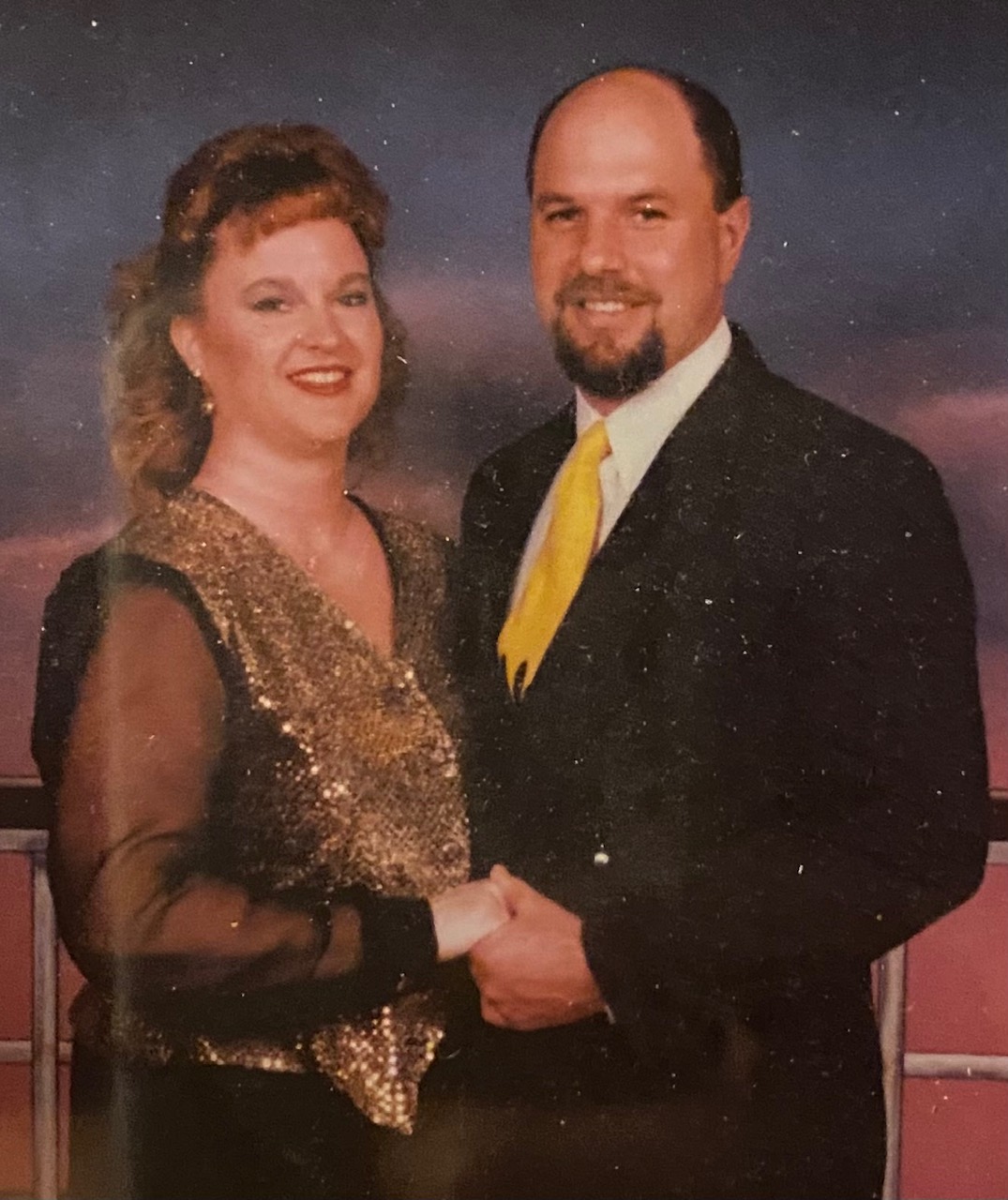
It feels like both forever ago and just yesterday that Lorie and I met in a Statistics class at UW–Madison. We’re proud Badger fans and lifelong Cheeseheads at heart—but we’ve adapted well to Chiefs Kingdom and never miss a good football game.
Lorie continues to pour her heart into teaching Kindergarten in the St. Joe school district. She’s gifted with a passion for sewing, quilting, and cooking—and she has an extraordinary talent for caring for her husband, which I’m grateful for every single day. 😊
We tied the knot during my senior year at the UW, though Lorie still had a year to go. Truth be told, she’s never really stopped learning. She earned her first degree in Retail and Management from Mankato State, followed by a second in Family and Consumer Sciences (formerly Home Economics) from UW–Stout, and later completed her master’s degree at Fort Hays State. Her professional development with additional classes continues to this day. Her dedication to growth and education has always amazed me. Teaching kindergartners and a class size of 20+ to boot, now that is something to be proud of and she is amazing at it.
After college, we had no clear roadmap—just a lot of desire and a willingness to ride the roller coaster of life together. My first job was in commodity trading, which I did for six years. Then, life took a turn: my uncle retired from the family’s original 80-cow dairy farm in northeast Wisconsin, and my dad needed a new partner. So, we dove in headfirst, expanding the farm to 500 milking cows between 1991 and 2006.
Eventually, we faced a personal bankruptcy—an incredibly humbling chapter that taught us more than we ever expected. In hindsight, it was probably the only way God could get my attention and nudge me toward a new path. We sold the farm in 2006, and I returned to commodity trading, this time in renewable fuels and the ethanol business.
Since then, our journey has taken us through seven different states, chasing opportunities and growing through each move. Most recently, I worked with a major oil company in Houston, helping site a renewable jet fuel plant on the Houston Ship Channel.
As college sweethearts, we were married over 40 years ago, and over time, our family grew to eight members—four biological sons and two adopted daughters. It was our daughters who inspired the evolution of this dream. Witnessing the stark difference between the boys’ pre-iPhone days on the farm and the impact those same devices had on our girls, we decided to take action. And so, Selah Hills Ranch was born—a name rooted in the Biblical term often thought to mean “pause and reflect.”
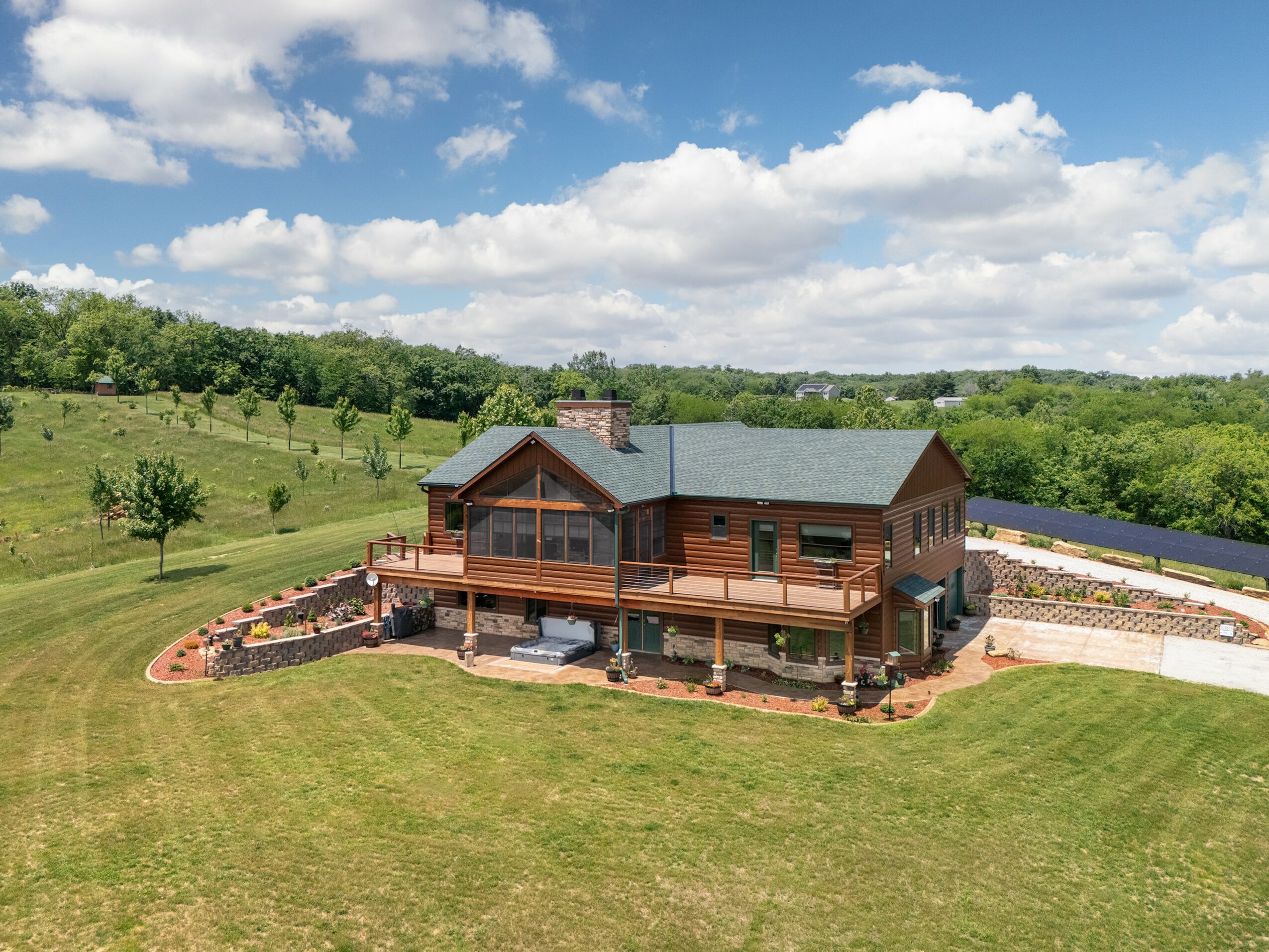
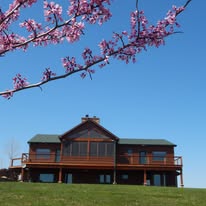
In 2025, we finally turned the page toward the life we’ve always dreamed of. Back in 2010, we bought an old horse pasture and that’s been our home base ever since. That first summer, our family lived in a camper and tents, followed by two years in a garage—seven of us, no debt, and a whole lot of grit. We cleared the land ourselves, bit by bit, and poured our hearts into it. Bought a few cows and chickens along the way and now we are building a second home on this property to share with you as soon as able.
Today, with sweat equity and unwavering determination, we’re proud to call Selah Hills Ranch home. It’s our little slice of heaven, and we’re thrilled to share it with you while we continue to grow and improve.
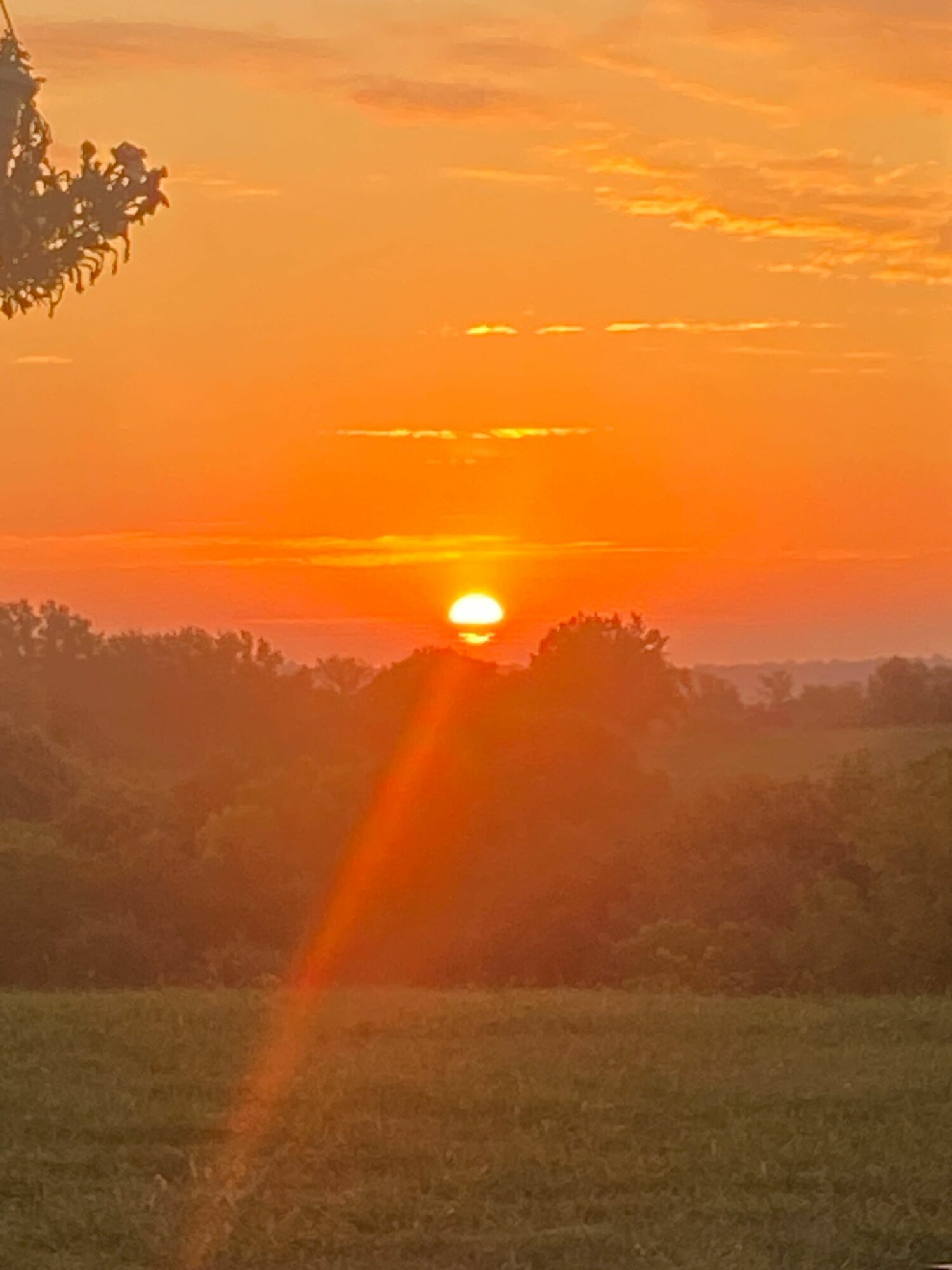
We look forward to meeting you, hearing your story, and learning what’s on your heart—if you feel comfortable sharing. In the meantime, we invite you to sit back, relax, and soak in all the beauty and peace that God has to offer.
Welcome to Selah Hills Ranch. It truly is a wonderful place to be.
Can you talk to us a bit about the challenges and lessons you’ve learned along the way. Looking back would you say it’s been easy or smooth in retrospect?
Selah Hills Ranch has been a process. Once started as a place to live has evolved into a place to be. As we pursued the vision God gave us, it never comes easy. Despite having the vision, we didn’t have the financial means nor was it the right time in our lives to develop this opportunity.
Both of us still had our careers in front of us and we needed to generate capital to make the dream a reality. The rear part of the property is very scenic and preferred building site. However, we needed to sell our home in another part of the country to make this happen. Unfortunately, the day we received an offer on the house in Arizona, Brad’s job was consolidated under the CEO’s roll, and we now were faced with finding another position in the same field. While seeking another position, Brad was able to harvest wood off of the property and that product has now been included in the construction of Selah Hills.
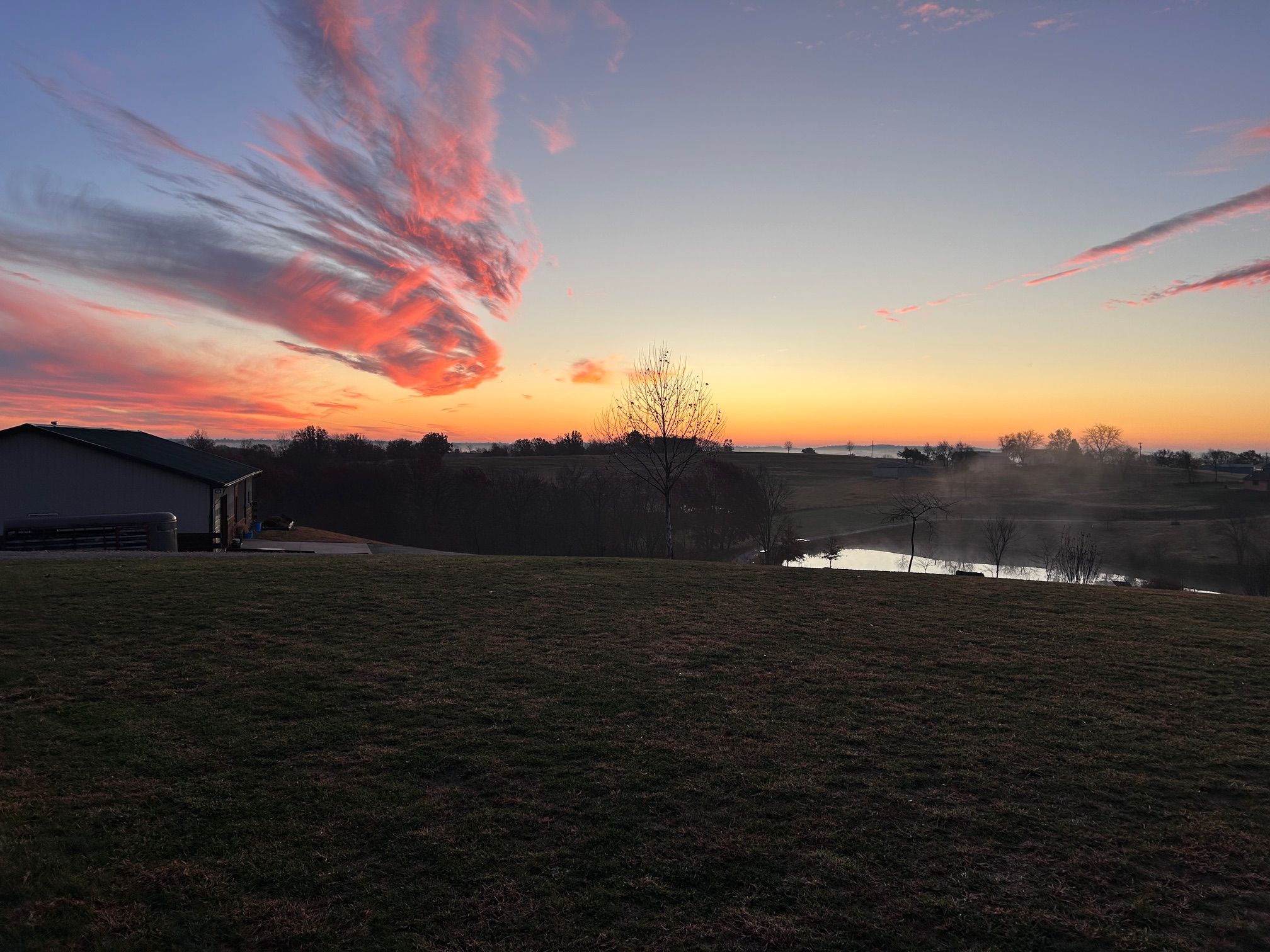
Part of the process included a pond to be dug and used as fill to create a quarter mile driveway. In the process, the driveway created a berm which resulted in a second pond. Fortunately, the state of Missouri was very helpful as they informed us that livestock ponds did not need permitting.
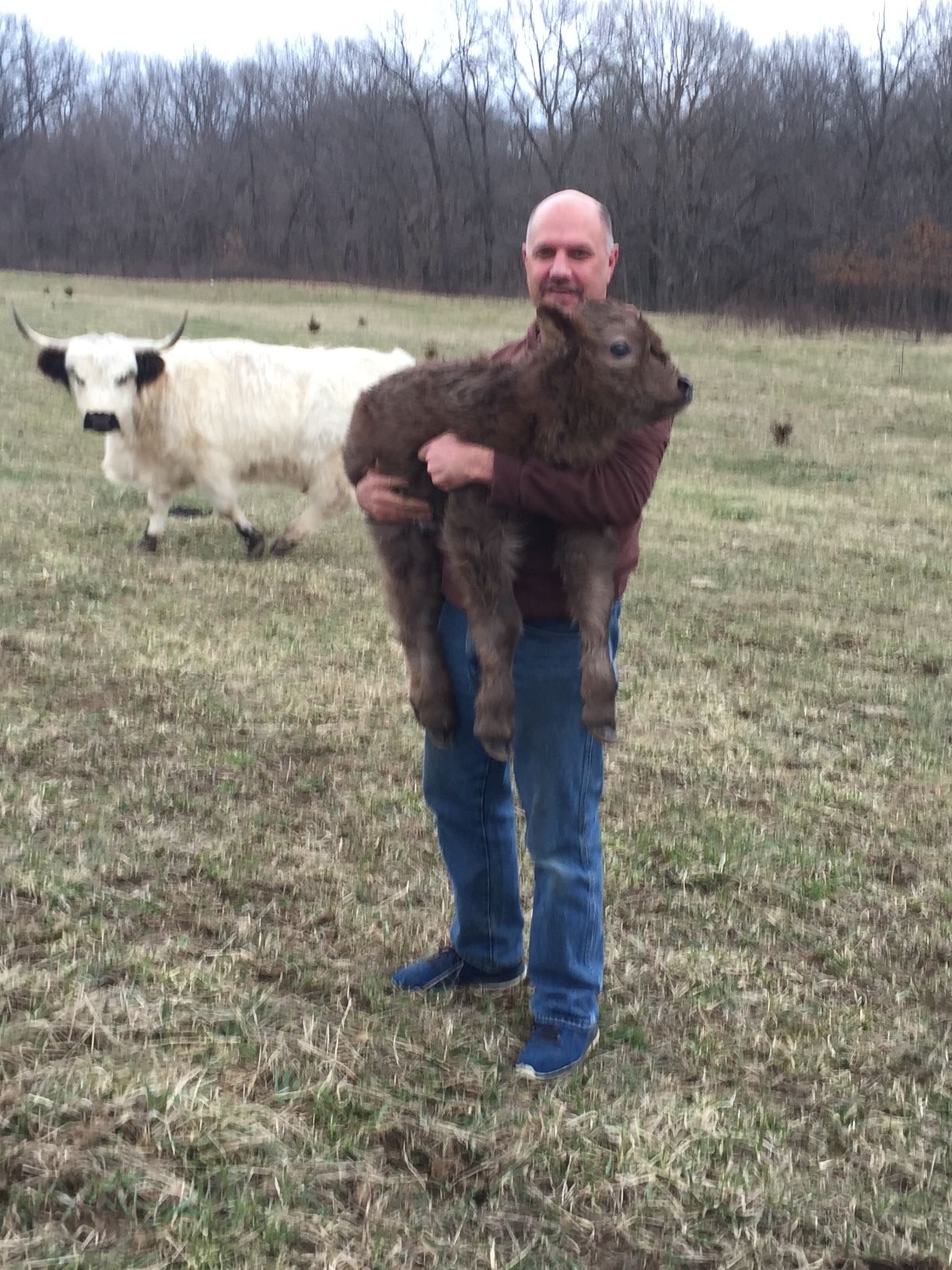
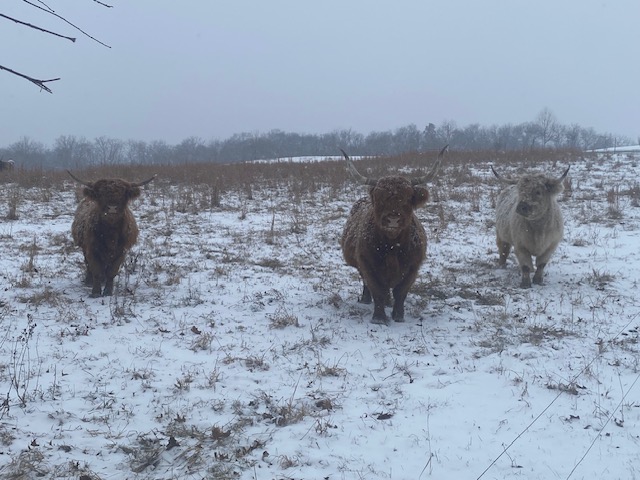
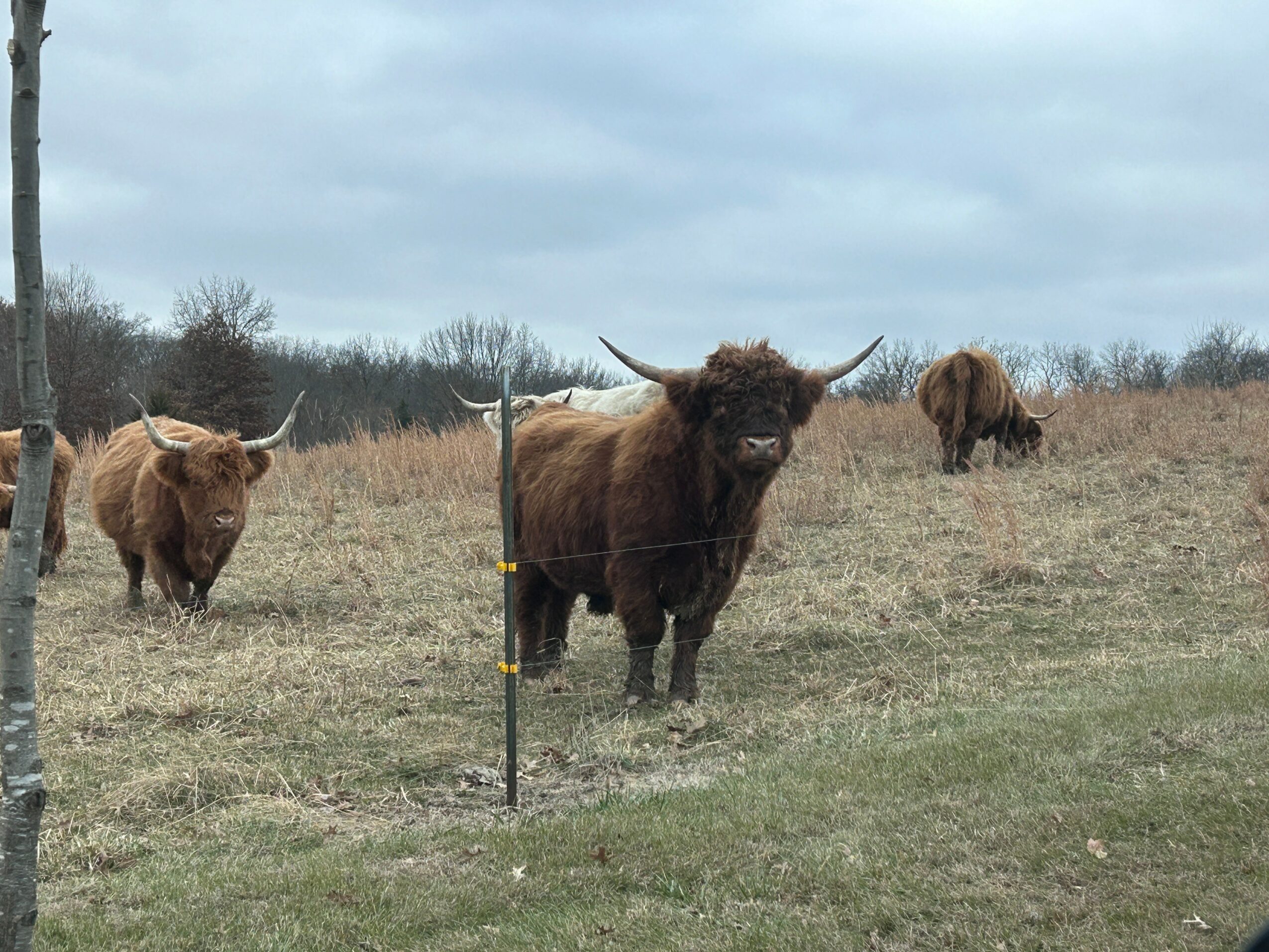
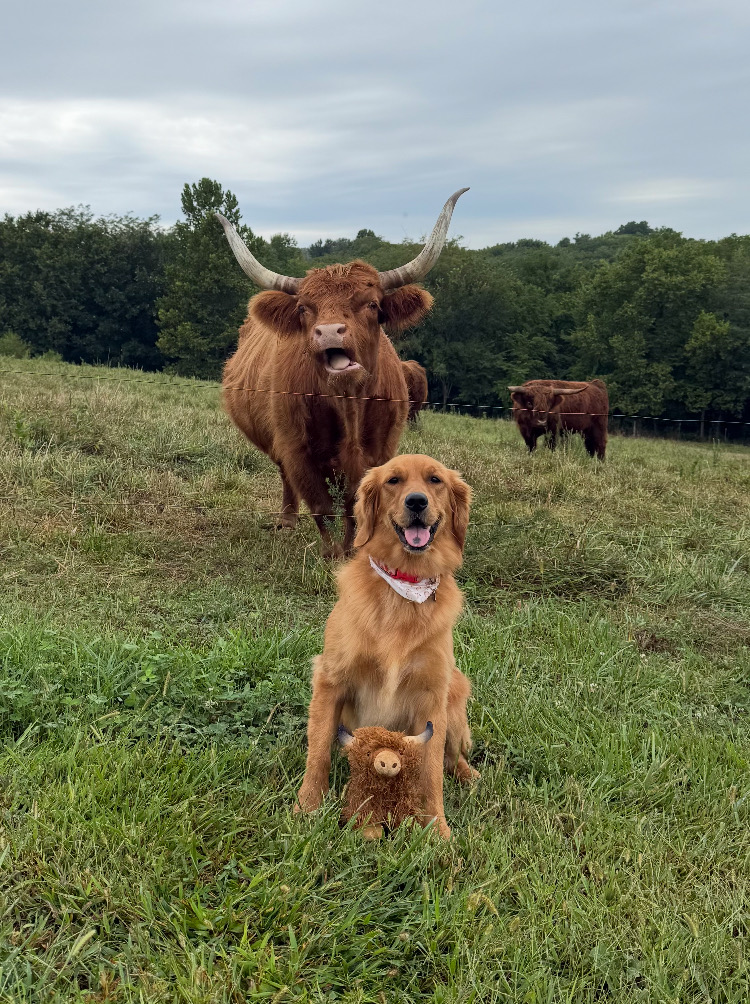
Thus, the Scottish Highland herd of cattle for Selah Hills Ranch was born!
Thanks for sharing that. So, maybe next you can tell us a bit more about your work?
Lorie began her college education at the University of Wisconsin–Madison and later completed her degree at Mankato State University—now known as the University of Minnesota, Mankato—majoring in retail management. After graduating, she worked as an assistant manager at a fabric store in Mankato.
When Lorie and Brad started their family, she shifted her focus to raising their children, even homeschooling their four boys for a period of time. After moving to Wisconsin, their local Perkins restaurant was remodeling, and they acquired two of the booths. They set them back-to-back in their home and used a retail mirror to keep an eye on the boys while they worked and played.
Following the adoption of their two daughters, Brad’s career path changed, prompting Lorie to return to school. She enrolled at the University of Wisconsin–Stout to earn her teaching credentials so she could work in public education. After many years of substitute teaching, she secured a full-time position at the Kansas City, Kansas Early Childhood Center, where she taught preschool for four years.
Later, the family relocated back to St. Joseph. Lorie accepted a kindergarten teaching position at Mark Twain Elementary, which is now an early childhood center. She transferred to Parkway, where she has been teaching kindergarten for the past four years.
Brad began his career as a commodity trader for a major grain company in Minnesota. Six years into that role, his father asked if he wanted to return to the family’s original dairy farm in northeastern Wisconsin. In 1991, the family transitioned from the grain industry to dairy, and over the next 15 years grew the herd from 80 milking cows to more than 500.
In 2006, another major transition came when they sold the farm and pivoted back to the grain industry—this time connected to renewable fuels, particularly ethanol.
Their work took them across the country, from Wisconsin to Arizona, Missouri, Minnesota, Kansas, South Dakota, and Texas, before ultimately settling in Saint Joseph, Missouri.
Each move centered around renewable fuels or commodity-based roles. Most recently, Brad concluded his renewable fuels career with a major oil company in Houston. During this chapter, they installed geothermal and solar power on their property, allowing them to live almost entirely off-grid.
Now, they’ve shifted into the hospitality industry—because, as they like to say, there’s really no such thing as retirement. Their daily vocabulary now includes words like “channels,” “channel managers,” “SEO,” and “SMO.”
Today, Brad splits his time between building another home, planning and preparing a group campsite, and maintaining the existing homestead.
In terms of your work and the industry, what are some of the changes you are expecting to see over the next five to ten years?
AI will have significant impact on SEO organizations. This should drive the cost of commissions and services lower for both owner and guests. This vacation rental market continues to grow and there is more interest every day in finding areas to disconnect from our devices and technology in general. WE see a growing desire and understanding of the need to connect with real conversations and real people by building relationships that matter. Selah Hills Ranch is offering a tech free place to decompress while stopping to small the rose along the way. We believe there will be more of these types of opportunities as AI continues to progress.
Pricing:
- Base pricing-$135/king suite
- Base pricing-$105/queen suite
- Base pricing-$350/night for three bedroom package
- Base pricing-$500/event for event room
Contact Info:
- Website: https://www.selahhillsranch.com
- Instagram: https://www.instagram.com/selahhillsranch/
- Facebook: https://www.facebook.com/profile.php?id=61574631410690
- Twitter: https://x.com/selahhillsranch