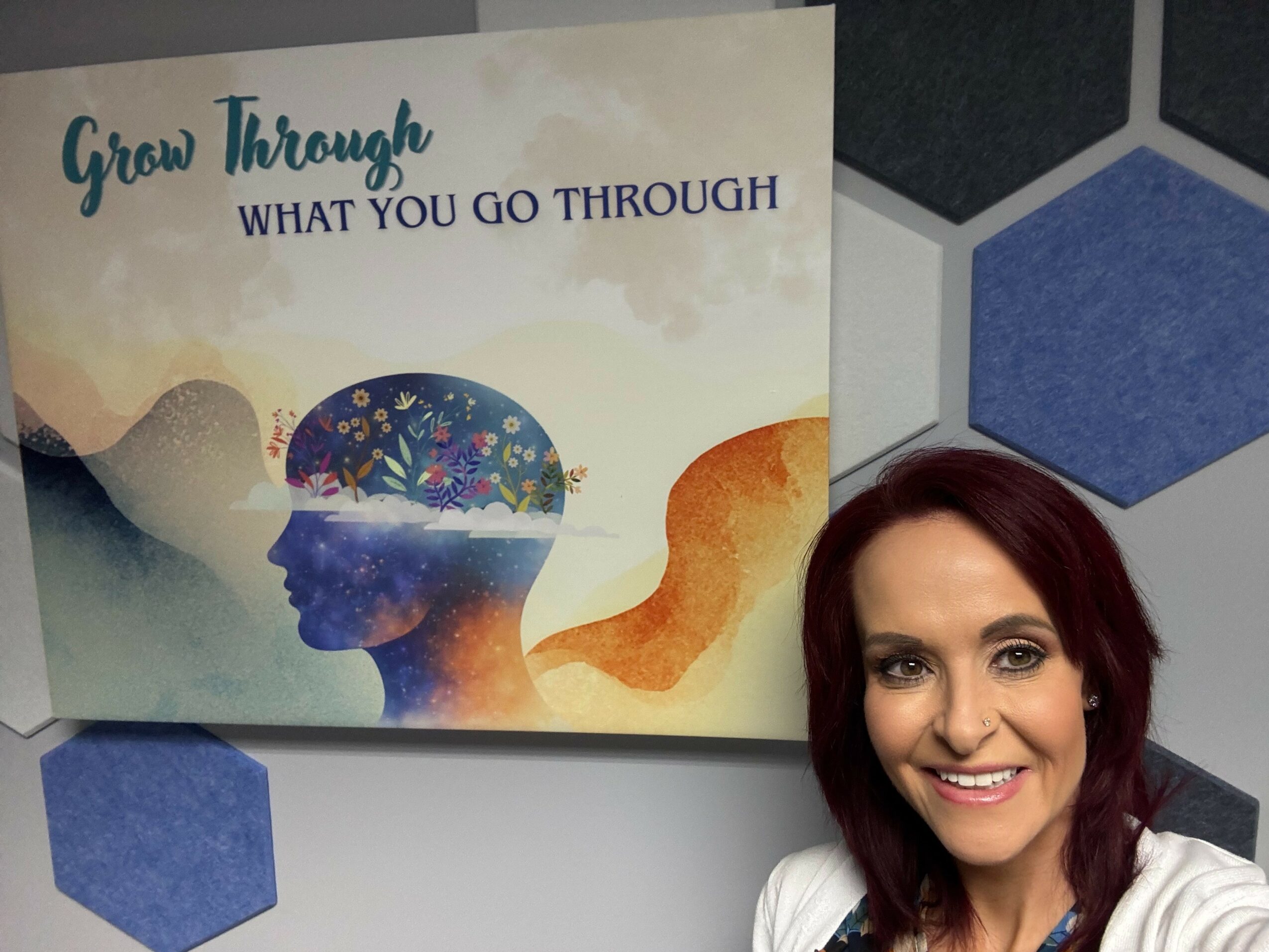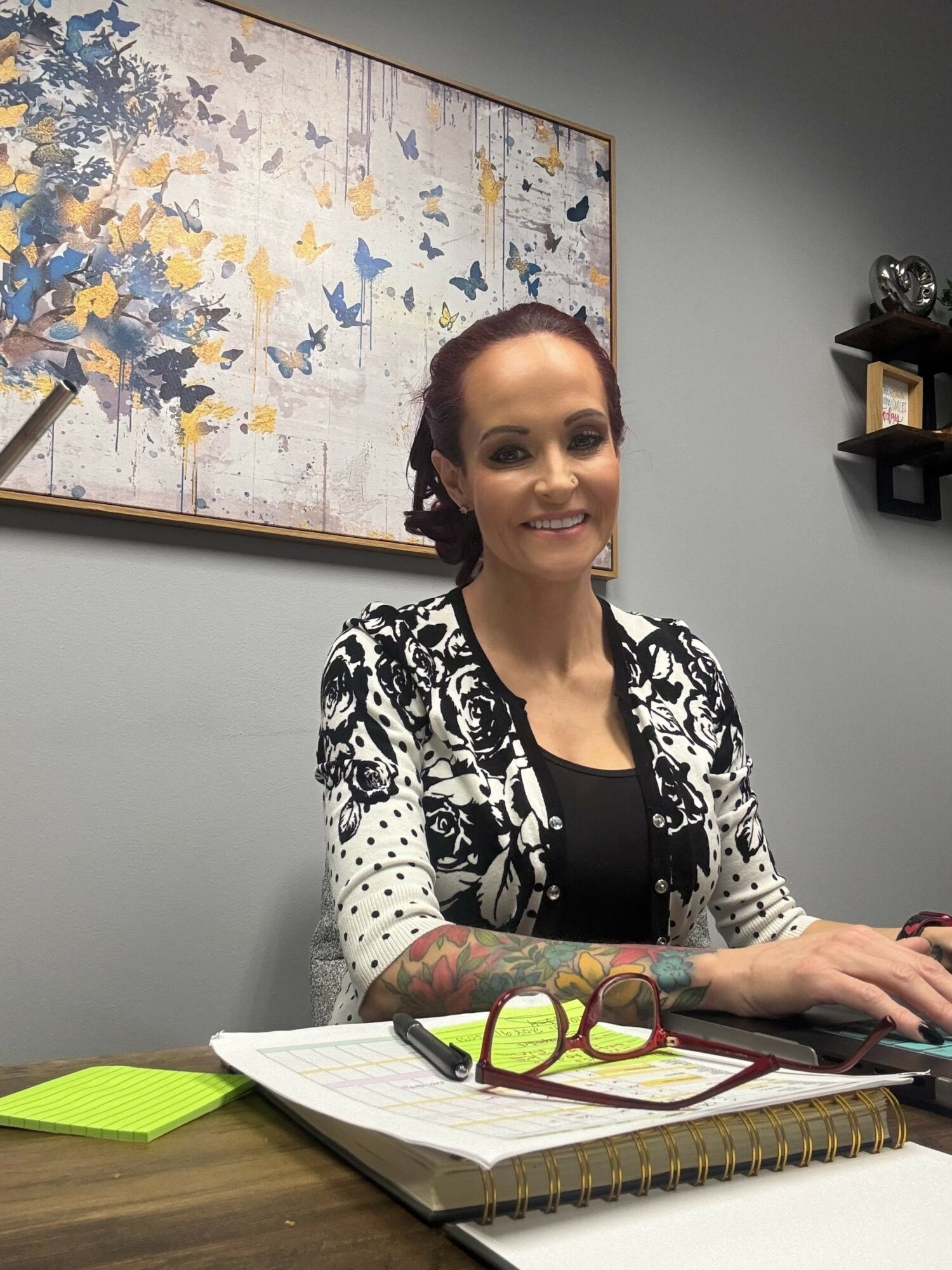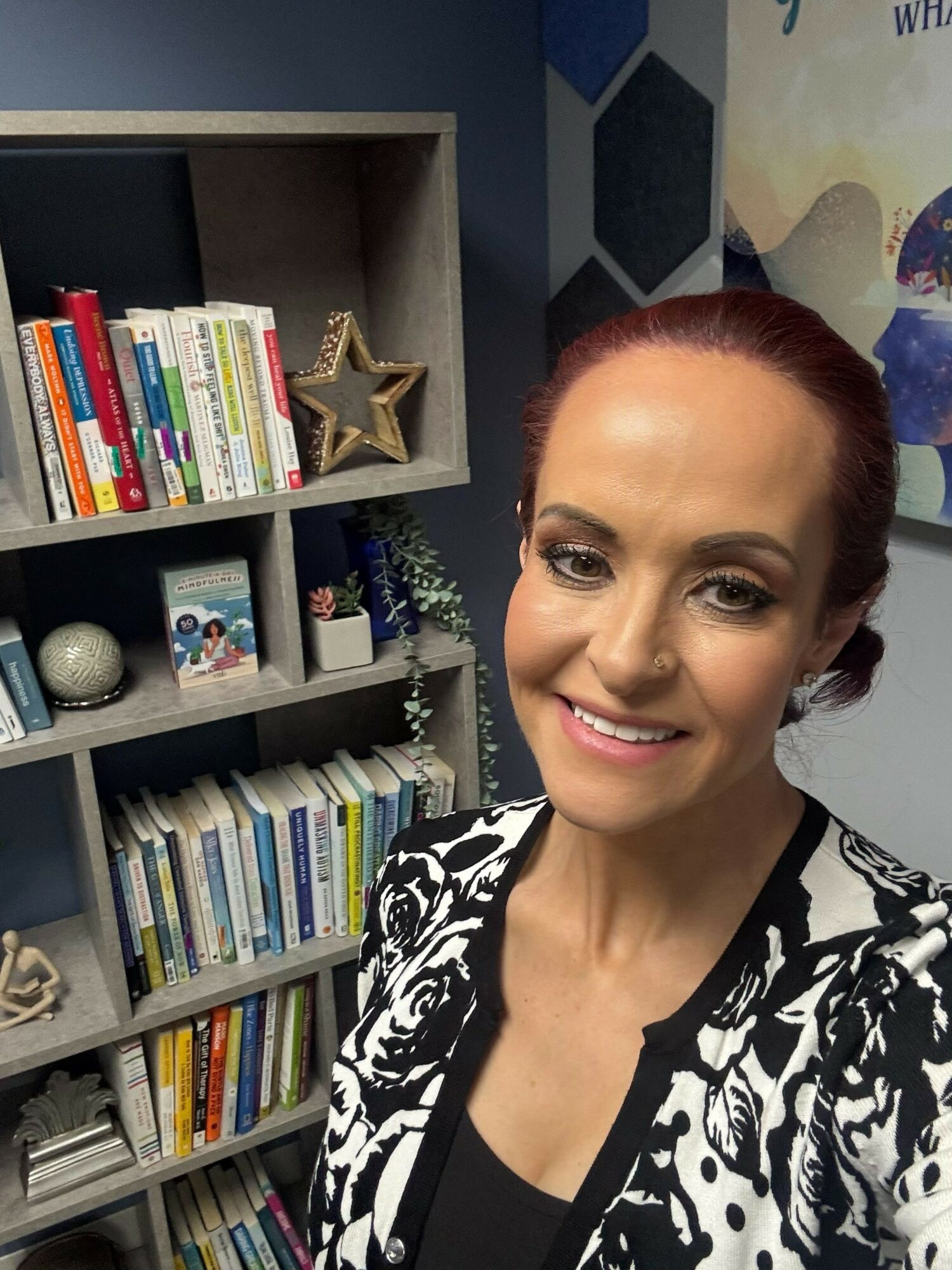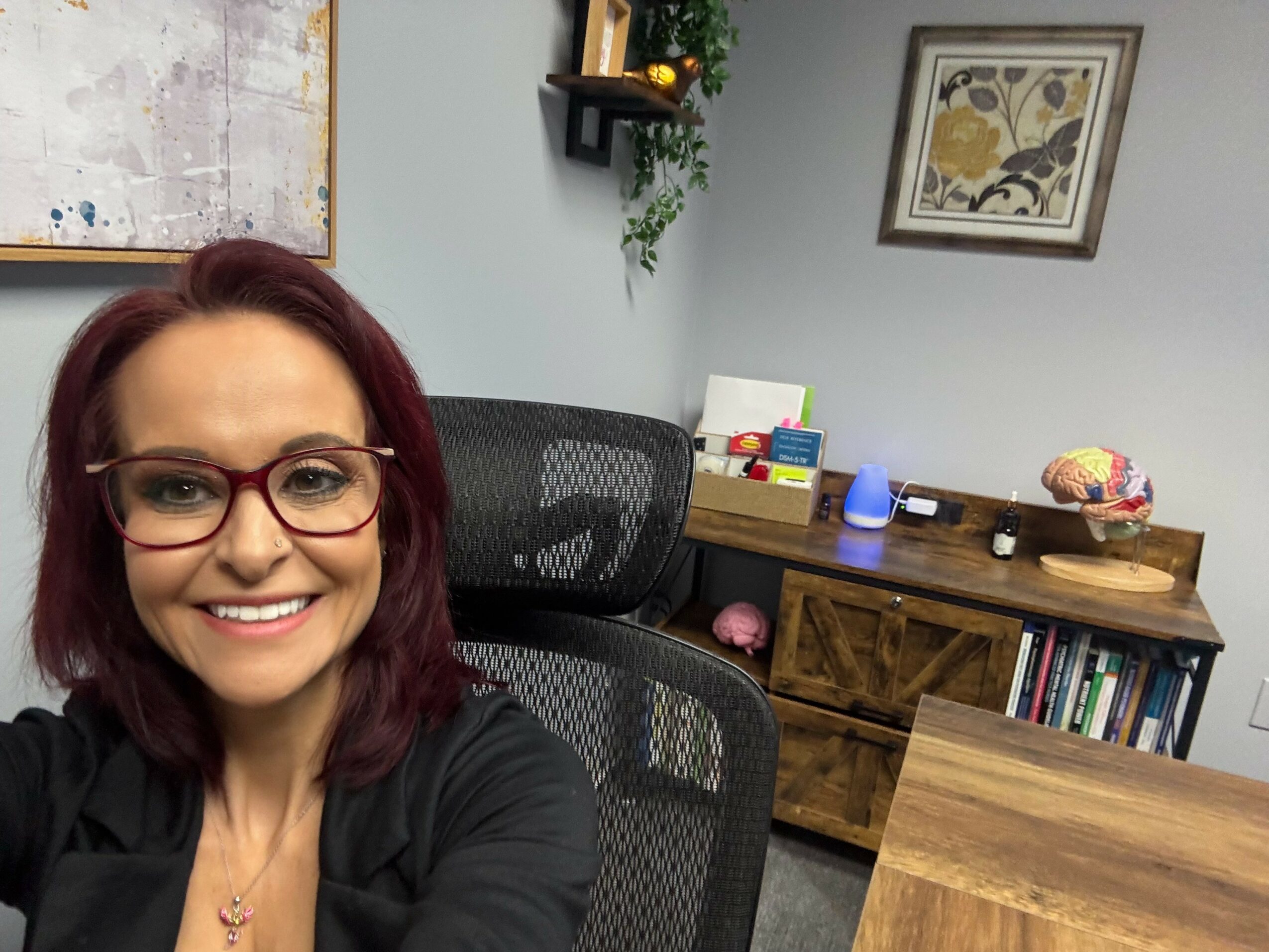






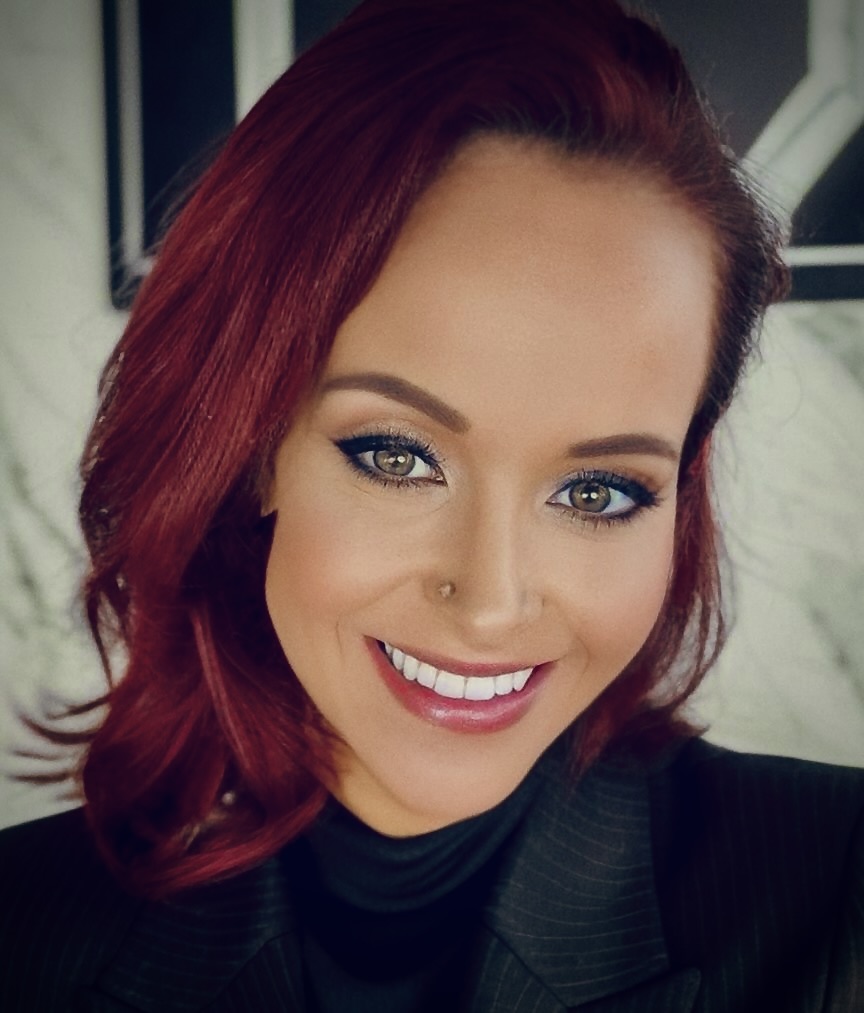
Today we’d like to introduce you to Tricia Ebert.
Hi Tricia, so excited to have you with us today. What can you tell us about your story?
Yes — that makes it stronger. That is the real story.
Here’s a version that sounds more personal and grounded:
Mental health care is something I have dedicated my life to, but I was a patient first. My own experiences shaped my understanding of how important it is to feel seen, supported, and treated as a whole person, not a diagnosis. Professionally, I began in the mental health field through social work over 16 years ago, I progressed into all facets of mental health: trauma therapy, domestic violence treatment, addiction counseling, hospice, mental health crisis centers, hospital systems, and outpatient practice. Every step of that journey deepened my understanding of trauma, resilience, and the many ways people adapt just to survive.
As I worked in different settings , Throughout my career, I kept seeing the same problem: too many people were trying to heal inside systems that felt rushed, impersonal, or disconnected from the whole person. I’ve always been drawn to the deeper work of understanding not just symptoms, but the story underneath them — trauma, relationships, stress, loss, patterns, and the ways people learn to survive. I was determined to bridge the gap between the “therapy side” and the “psychiatry side” of mental health. I felt I could provide greater care for patients if I could also provide psychiatric care and medication management. I did not want to be siloed. I went back to school and am now a psychiatric nurse practitioner. I am tremendously passionate about holistic, person-centered care. Personally and professionally I believe: healing is not symptom management alone. People need care that is thoughtful, individualized, and grounded in genuine human connection.
Starting my own practice felt like the natural next step. I wanted to create something that reflected both my experience and in alignment with my values — a space where people could receive care that feels deeper, more personal, and more aligned with real healing. This business is what I’m creating from everything I’ve lived and learned along the way.
Alright, so let’s dig a little deeper into the story – has it been an easy path overall and if not, what were the challenges you’ve had to overcome?
My passion for mental health began in my early teens, when I saw how transformative healing can be. Since then, I’ve dedicated my life to learning, growing, and finding the best ways to help people. Pivoting has been part of my life for as long as I can remember, and over time it became one of my greatest strengths. I know how to adapt, reset when I need to, and keep moving forward. Even when a door closes, I’ve learned that another one usually opens with even more possibility.
The path to where I am now has not been linear. In a lot of ways, it has felt like putting together a puzzle. I became a massage therapist, an addiction counselor, a social worker, a trauma specialist, and then entered nursing, growing f to psychiatric nursing and ultimately becoming a psychiatric nurse practitioner. Looking back, all of those pieces were leading me toward the work I feel called to do now.
That does not mean the road was easy. I’ve had to heal my own trauma, navigate financial stress, go through divorce, and continue moving forward while becoming a new mom. There were a lot of logistical and emotional challenges along the way. But I do not back down from a challenge, and I genuinely love learning and growing.
That ability to keep pivoting helped me leave systems that were not meant for me and walk away from places that no longer supported my growth. Over time, I kept exploring different settings, different methods, and different ways to provide the best care possible. That ultimately led me back to school and deeper into the path of becoming a psychiatric nurse practitioner.
And I truly love what I do. Every obstacle and challenge has been worth it. It may not always feel that way in the middle of it, but looking back, every step has been part of building a career that feels deeply meaningful to me. I love the people I work with, and I’m grateful to do work that feels so aligned with who I am.
Alright, so let’s switch gears a bit and talk business. What should we know?
My practice is built around the belief that mental health care should feel personal, thoughtful, and deeply human. I provide psychiatric care through a trauma-informed, whole-person lens, which means I’m not just looking at symptoms or diagnoses in isolation. I’m paying attention to the full picture — trauma history, nervous system patterns, relationships, environment, coping strategies, life stress, and the deeper story underneath what someone is experiencing.
What sets my practice apart is that I bring together both medication management and therapeutic depth. I really value creating a space where people feel seen, safe, and understood, not rushed through an appointment or reduced to a checklist. I’m especially passionate about working with people who have complex histories, trauma, anxiety, mood issues, ADHD-related concerns, and those who have often felt misunderstood in more traditional systems of care.
I think what also sets me apart is that this work is not just professional for me — it is deeply personal. Mental health care is something I have dedicated my life to, and that shows up in the way I practice. I’m thoughtful, curious, and always learning. I care a lot about doing work that is both clinically grounded and genuinely healing.
Brand-wise, what I’m most proud of is that I’ve created something that truly reflects my values. My practice is not built around volume or a one-size-fits-all model. It is built around depth, authenticity, compassion, and meaningful care. I want people to know that when they come to my practice, they are entering a space where they can bring their full story and be met with respect, nuance, and real intention.
At the core of my brand is the idea that healing is not just about reducing symptoms — it is about helping people reconnect with themselves, understand their patterns, and move toward a life that feels more grounded, empowered, and whole.
What does success mean to you?
I define success as a mindset more than a destination. To me, success is not some final place you arrive at. It’s something you build step by step, day by day, in small ways that matter.
Did you do 1% better today than you did yesterday? Did you learn something new? Did you fail and try again? Did you push through something hard? Did you make time for self-care? Did you do something that was actually in alignment with your values? All of those things are success to me.
I think success is made up of many small moments that, over time, create growth, resilience, and a meaningful life. It’s a journey, not a finish line.
Contact Info:
- Website: https://www.innerbridge-psychiatry.com
- Facebook: https://www.facebook.com/TriciaInnerBridge/