





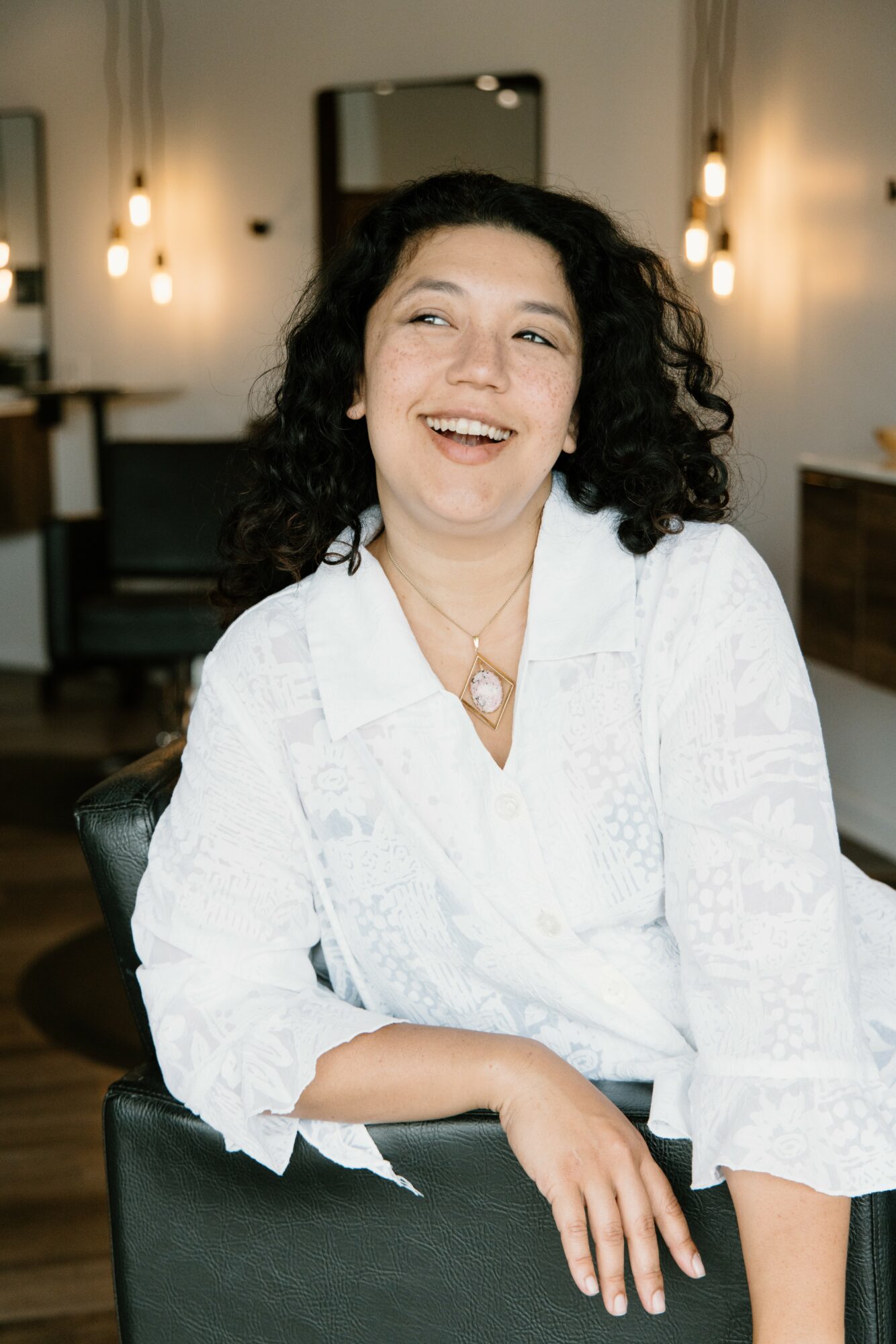
Today we’d like to introduce you to Kolika Simmons.
Hi Kolika, it’s an honor to have you on the platform. Thanks for taking the time to share your story with us – to start maybe you can share some of your backstory with our readers?
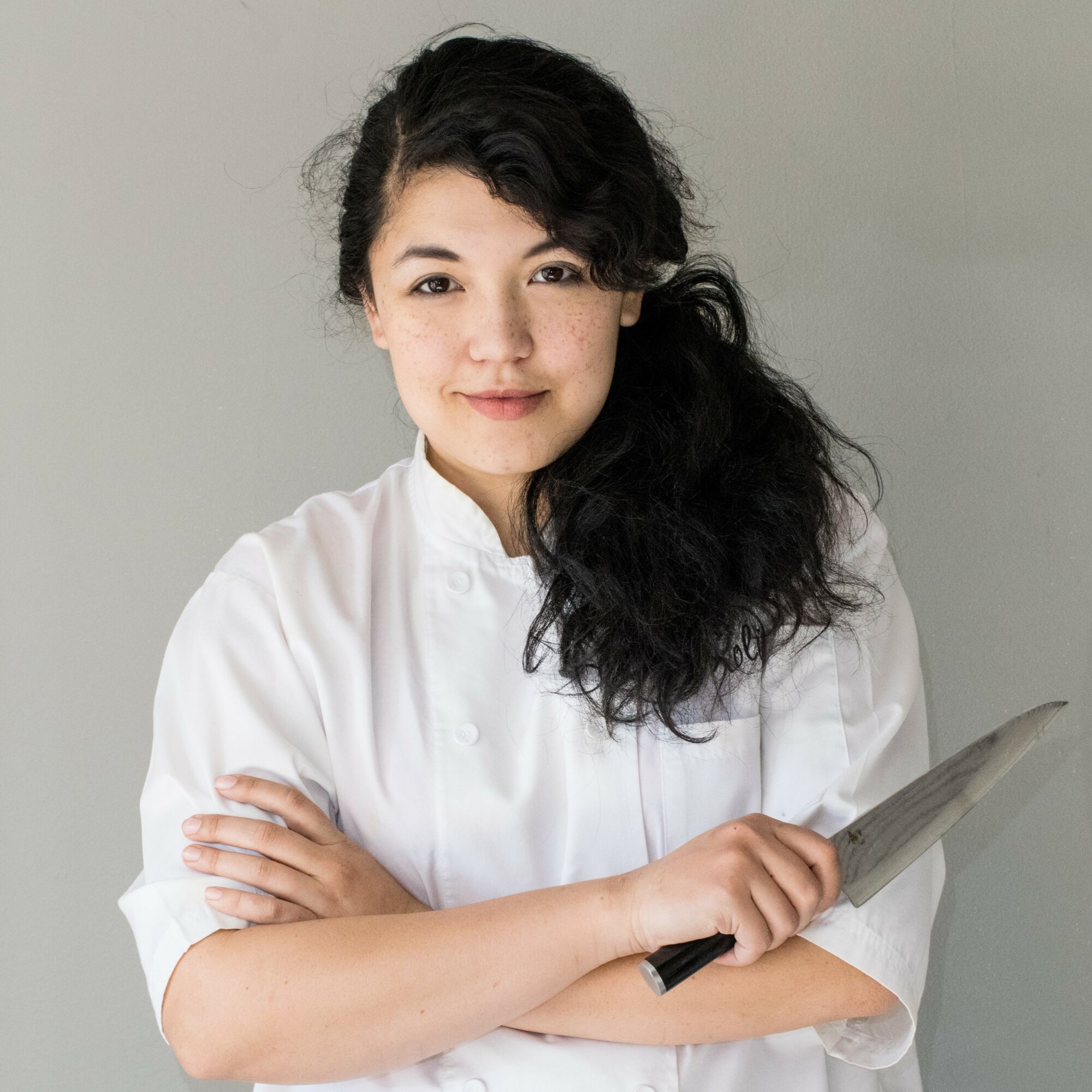
I was a chef for 13 years, and – like every good chef – I had a burnout plan. This is what we call it when we know we physically, mentally, emotionally, and/or financially be in the culinary industry anymore. Most chefs have this plan. It’s a tough industry that operates on razor-thin margins of profit and there’s almost never a guarantee for things like long-term financial stability or a retirement plan. It’s a rough world.
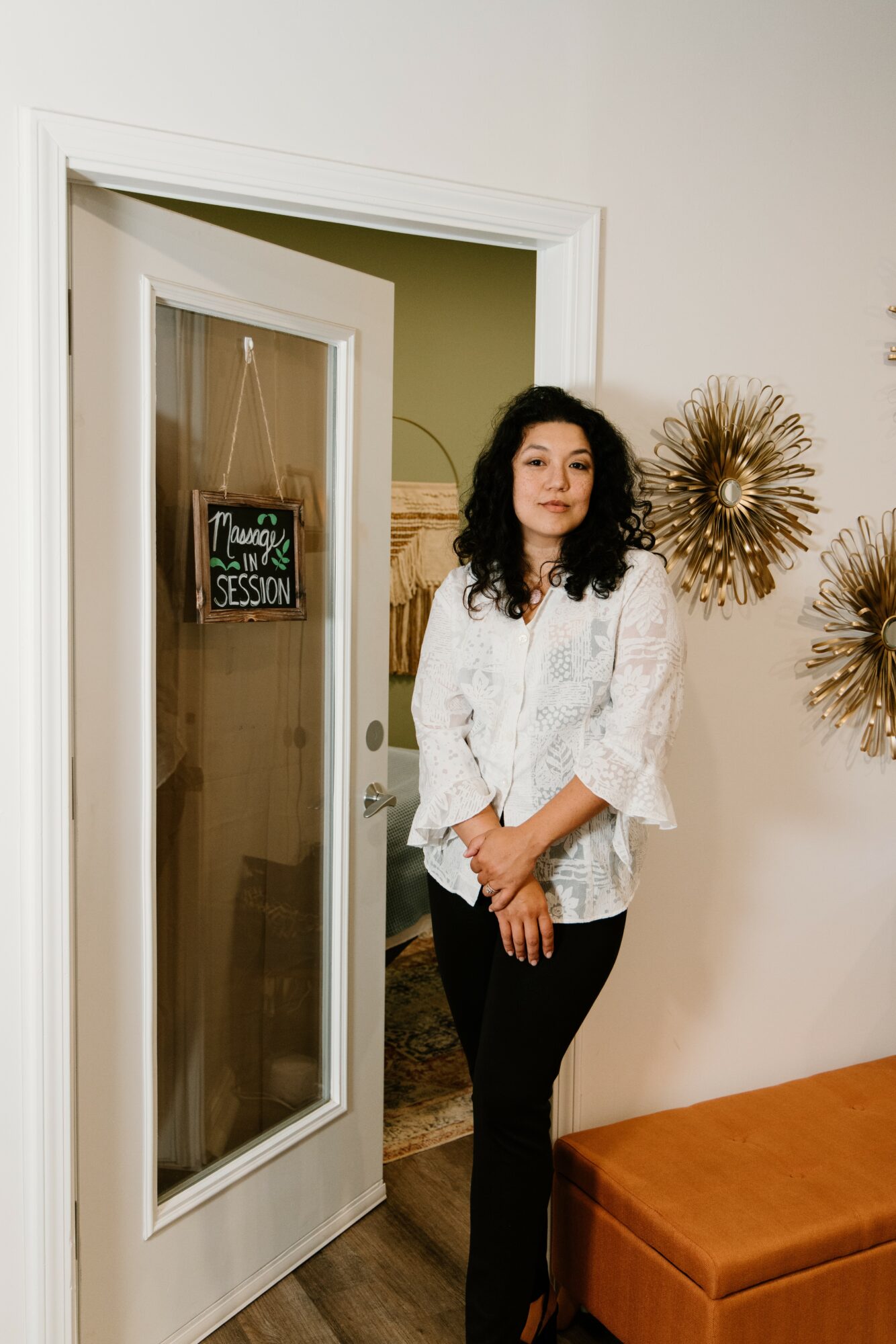
When the pandemic hit, I was one of the tens of thousands of people that were furloughed. I decided that this was the perfect time to execute my burnout plan to become a massage therapist.
A fair portion of the Precolonial Philippines ran on what was known as a caste system, and the caste that we were in is called the Albularyo. This is a fancy word for ‘witch-doctor.’ The Albularyo practice an art called ‘Hilot’ which is sort of a combination of massage therapy and herbalism. Anyone with a computer and an ability to learn can become a certified herbalist, so that was easy. Going back to school for massage therapy was harder, but I made it through and graduated in 2021. I’ve been doing one-on-one deep healing ever since.
Would you say it’s been a smooth road, and if not what are some of the biggest challenges you’ve faced along the way?
The biggest obstacle for me was finding a solid client base. Body therapy can be a semi-treacherous road because of the problems that are found with human trafficking. Early in my career, I was contacted by more than one ‘individuals’ attempting to hire me for on-location work for several employees–usually code for “you’re about to be trafficked.” If you’re smart and savvy, you can avoid it with little more than a headache to show for it.
It was also a bit of a challenge to find the right client base for me. The spa world really has a chokehold on relaxation, on Swedish-style circulatory massage, but I wanted to practice in a way that was more medically relevant. Myofascial release and deep somatic release was more interesting to me, and learning about different pathologies was unbelievably exciting. Once I found a large enough client base to practice Hilot and deep myofascial therapy, it was smooth sailing.
Can you tell our readers more about what you do and what you think sets you apart from others?
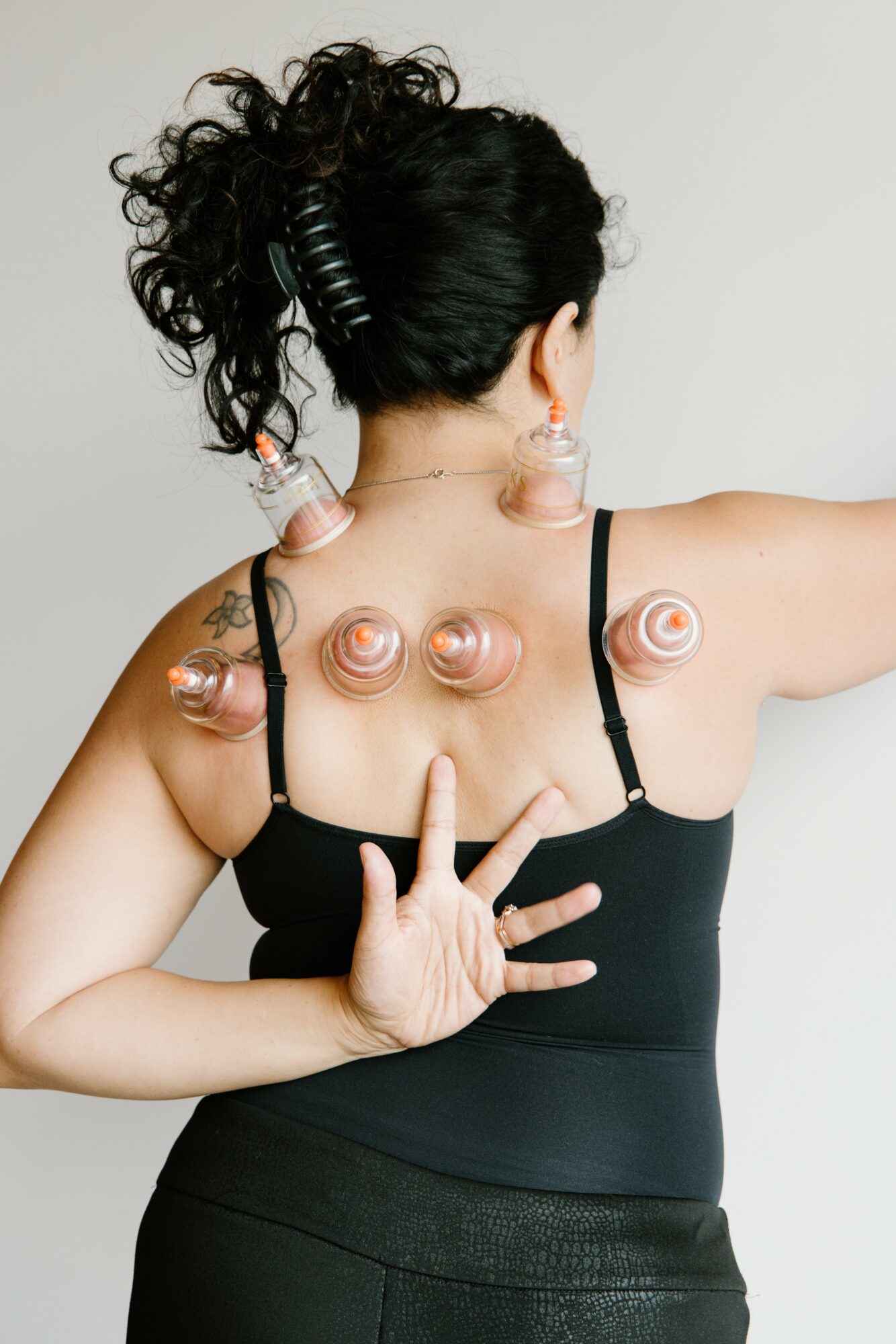
I’m a licensed massage therapist who specializes in deep myofascial release, craniosacral therapy, indigenous Filipino medicine, and deep somatic healing.
Alright, so to wrap up, is there anything else you’d like to share with us?
The best advice I’ve ever received and could ever reiterate is: Find the thing you would do for free and get paid to do it. Most lifetimes are long enough to experiment with lots of new things, so it’s often best to simply get out of your own way and try something that would make you happy.