





Today we’d like to introduce you to Justin Corbin.
Hi Justin, it’s an honor to have you on the platform. Thanks for taking the time to share your story with us – to start maybe you can share some of your backstory with our readers?
Some of my earliest memories involve messing around with recorded sound. I had one of those tan Fisher-Price cassette recorders with a built-in handle as a kid. I would take it around recording sounds, and I remember discovering that if I partially pressed the pause button while recording, it would interfere with the tape and distort the sound. I obviously had no idea what was happening technically. I just knew I could make the machine sound strange, and I liked experimenting with it. My brother and I also got in trouble once for recording ourselves saying curse words and playing it back and laughing hysterically, so I guess recorded sound was a source of both experimentation and trouble pretty early on.
I played the drums in school band starting in the fifth grade and did the whole marching band/jazz band thing throughout high school. I discovered “electronic music” via Nine Inch Nails which broadened my ideas of how sound could be created, recorded, and manipulated. By my late teens, I’d started making electronic music of my own on the family computer. I saved up money for music software and taught myself how to use it, spending countless hours writing, recording, experimenting, and figuring things out as I went. HAUTLLE emerged from that period and has continued evolving ever since.
A major shift happened when I became interested in DIY electronics and started building my own machines. First, I built a synthesizer and then a drum machine, which eventually led me into the world of modular synthesizers – building a larger instrument out of individual electronic modules that can be connected and reconfigured in different ways. Building instruments changed my relationship with electronic music, and I became increasingly interested not just in composing a finished piece, but in building systems, establishing rules and interactions, and seeing what emerges from them.
That eventually began expanding beyond sound as well. Visuals, programming, physical objects, and the presentation of the work became increasingly connected to the music rather than separate things. HAUTLLE today is really the result of all of those interests converging.
The other major change has been becoming involved with the Kansas City Synth Collective. Before KCSC, I had very little experience performing live beyond occasional open-mic opportunities and odd collaborations. I didn’t really have an avenue into live electronic performance. KCSC provided both that opportunity and, more importantly, a community of people interested in making and supporting this kind of work. I’ve gone from showing up and performing to helping organize events and creating visuals for other artists, and that community has become an important part of what I do.
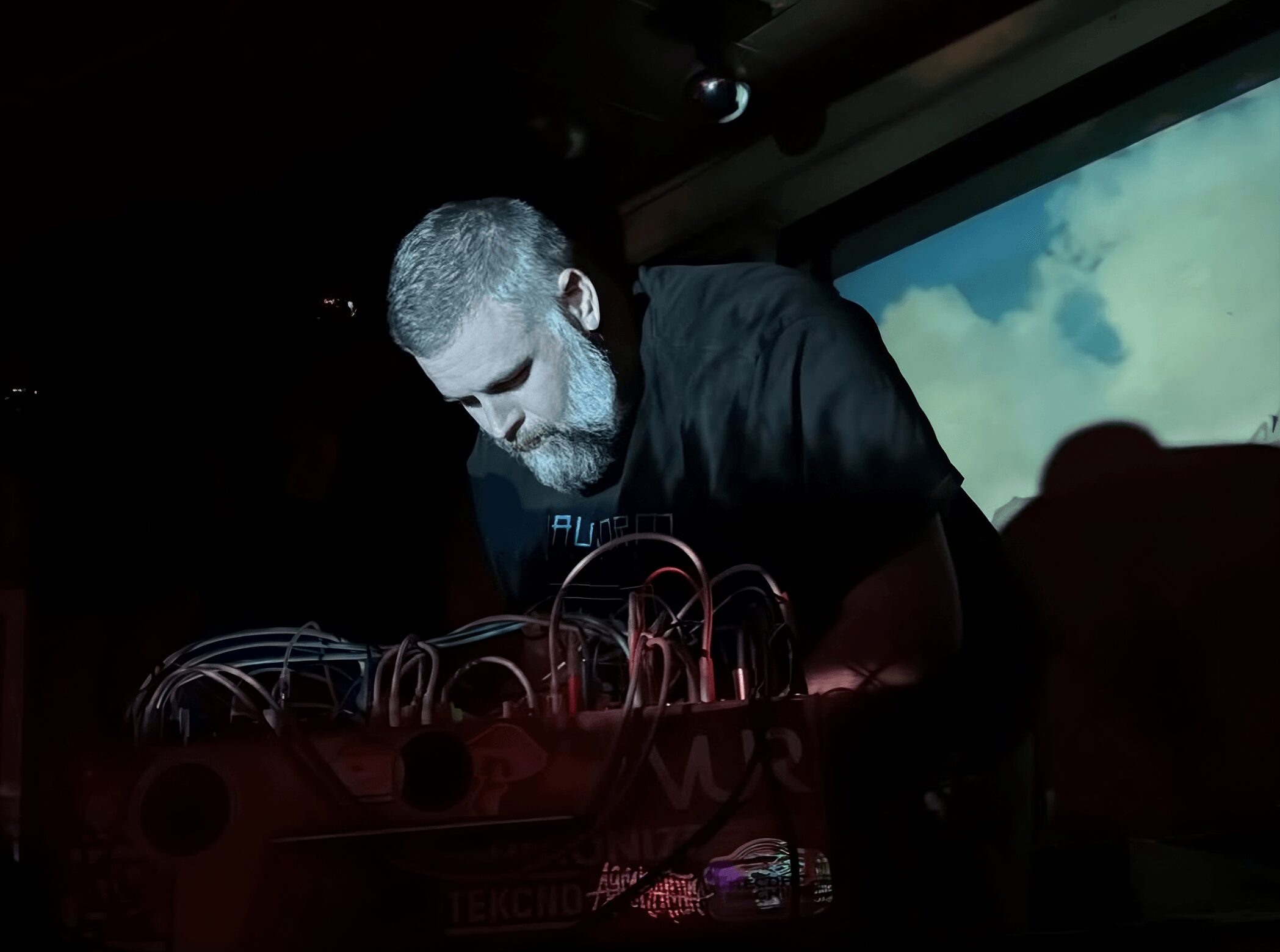
Today I’m performing regularly, making and releasing music, creating visual systems that react and evolve during performances, programming and modifying my own tools, and producing small physical editions of my work. I’m still following essentially the same curiosity I had with that cassette recorder as a kid: figuring out what these machines can do, pushing them somewhere unexpected, and seeing what comes out.
We all face challenges, but looking back would you describe it as a relatively smooth road?
I don’t know that I’d describe it as either a smooth or particularly rough road. One of the biggest challenges has simply been figuring out how to maintain a creative practice alongside the rest of adult life. I have a full-time day job, a home, relationships, dogs, and all the normal responsibilities that compete for the same limited number of hours. Music and art have always been important to me, but there have definitely been periods when I’ve had more time and energy to devote to them than others.
Another challenge for a long time was simply finding community and opportunities. Electronic music can be an oddly solitary pursuit. A person can make an enormous amount of noise by themself in a room with some machines and a computer! For years I was creating things without really having an obvious avenue for performing them or many connections to other people doing similar work locally. I didn’t necessarily see that as an obstacle at the time; it was just how I worked. Online forums and other global communities on the internet were how I interacted with and discovered experimental electronic music, so there was always a certain distance between that world and what I was doing locally. Mostly, I was just making whatever I thought was interesting.
That’s one reason becoming involved with the Kansas City Synth Collective has been so significant for me. Finding a community of people actively creating opportunities for one another changed what felt possible. KCSC isn’t really about waiting for someone else to decide that this kind of music deserves a stage. We organize shows, invite people to participate, share knowledge and equipment, collaborate, and try to make space for people who might otherwise be making interesting things alone in their bedrooms or basements. I was one of those people, so being able to help provide that opportunity to somebody else now means a lot to me.
I’ve also had to learn to be comfortable letting things be imperfect. My natural tendency is to experiment, reflect, revise, rebuild, and disappear down technical rabbit holes. That’s often where the interesting discoveries happen, but at some point you also have to decide something is finished enough to release, or that a performance system is ready enough to put in front of an audience. Performing more regularly has been particularly good for that. A show has a date on the calendar; eventually you have to stop tinkering and actually do the thing.
I don’t really think of any of those challenges as things I’ve permanently overcome. They’re just tensions that are part of maintaining a creative life. I’m still figuring out how to balance time, curiosity, experimentation, community, and actually finishing things.
Thanks – so what else should our readers know about your work and what you’re currently focused on?
HAUTLLE started as my personal experimental electronic music project, but over time it’s grown into something broader than just music. I make and perform electronic music, create live visuals, program and modify some of the tools I use, and produce small physical editions of my work. All of those things feed into one another.
A lot of my work is centered around systems, experimentation, and allowing some amount of unpredictability into the process. Rather than trying to completely control every detail, I often like to establish a set of conditions and then interact with what happens. That might mean building a generative music system that makes decisions on its own, programming visuals that continuously evolve during a performance, or improvising with electronic instruments where I don’t necessarily know exactly where the performance will end up. I’m interested in the point where something I’ve designed starts surprising me.
That carries into the way I present and release the work as well. I’ve become increasingly interested in physical media at a time when music has largely become intangible. My recent release Private Test Signal, for example, was issued as a small edition of hand-assembled 3-inch CDs, and I’m currently exploring other outdated physical formats for future releases. I like the idea that the object isn’t simply merchandise attached to the music, but that it can be another part of the work itself.
The visual side has also become a significant part of what I do. I create real-time visuals for my own performances as well as other artists, particularly through events with the Kansas City Synth Collective. Rather than preparing a video and pressing play, I prefer systems that can be performed and manipulated live alongside the music. I’ve also spent a lot of time modifying and programming the hardware I use for visuals so that it behaves more like an instrument than a video player.
One of the things I value most about HAUTLLE is that it’s become a place where all of my different interests can coexist. Music, electronics, programming, visual art, design, physical media, and performance all end up feeding back into each other. I don’t spend much time worrying about which discipline something belongs to or whether it fits a particular style. I tend to follow whatever I’m curious about, figure out how it works, mess with it, and see where it leads. HAUTLLE gives me a framework for all of that.
So maybe we end on discussing what matters most to you and why?
Curiosity is probably what matters most to me. I want to keep learning, questioning things, taking things apart, and figuring out how they work. I’ve never been particularly interested in doing something a certain way simply because that’s how it’s normally done. I’d rather understand it for myself, experiment with it, and come to my own conclusions. That applies not just to art and technology, but to how I try to approach the world in general.
I also value having the freedom to follow that curiosity without necessarily knowing where it’s going to lead. Not everything needs to have an immediate purpose, become a product, or even turn out well. Some of the things I’ve learned the most from started with “I wonder what happens if…” and went somewhere completely different from what I expected. Having room for that kind of exploration is important.
Increasingly, community matters a lot to me too. I’ve spent much of my life being pretty comfortable figuring things out on my own, but becoming more involved with the creative community around Kansas City has made me appreciate how much is possible when people share what they know, create opportunities for each other, and genuinely want to see other people make interesting things. I don’t think creativity needs to be a competition. Someone else’s success doesn’t diminish mine.
Being able to contribute to that community and help create more opportunities for experimental art in Kansas City has become important to me. There are people all over the area making strange and interesting things who might not fit neatly into the usual venues or expectations. I know what it’s like to make that kind of work without really knowing where it belongs, so helping create places where people can share it with an audience feels worthwhile.
Contact Info:
- Website: https://hautlle.com
- Instagram: https://www.instagram.com/the_hautlle/
- Other: https://hautlle.bandcamp.com/
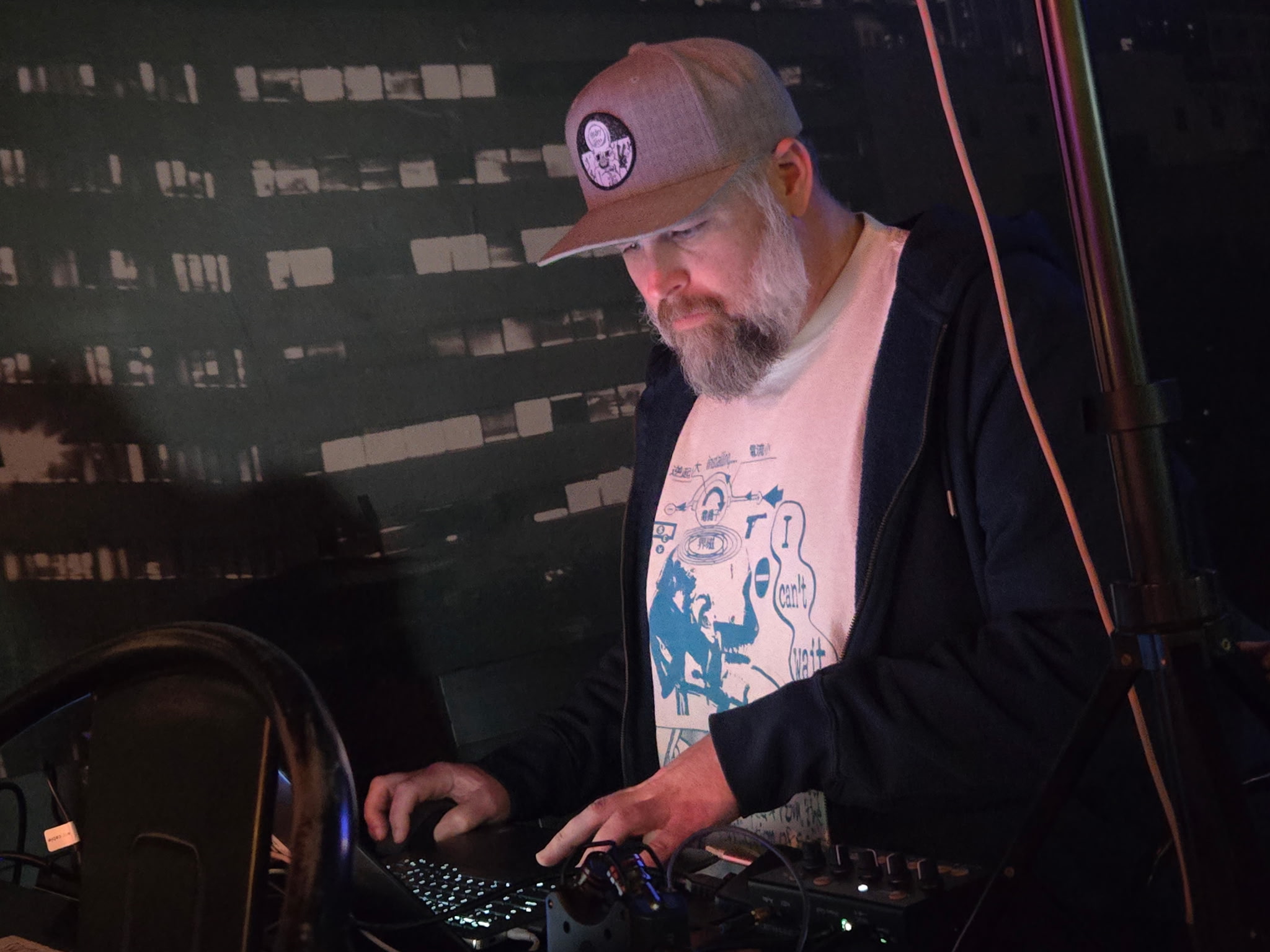
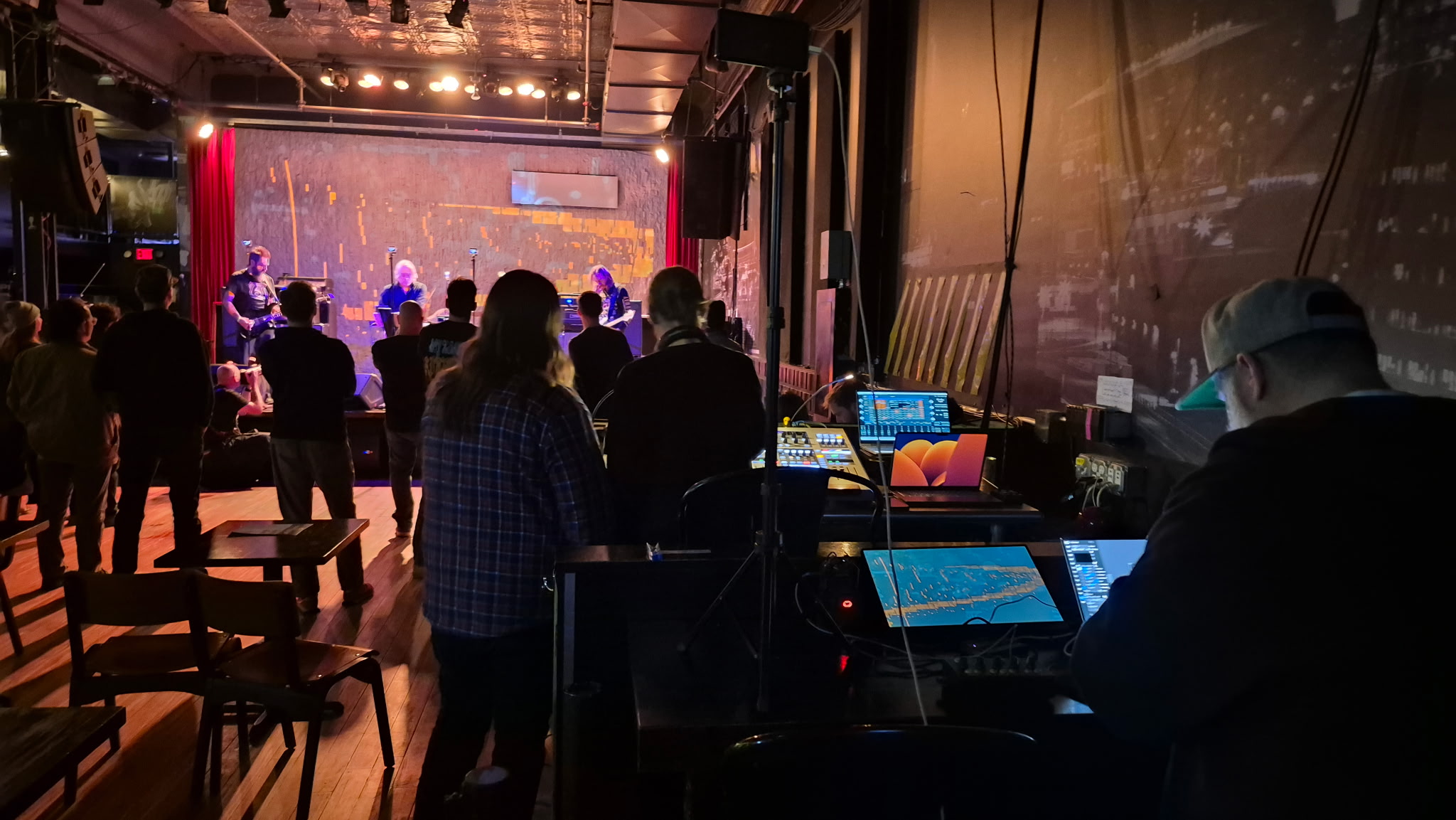
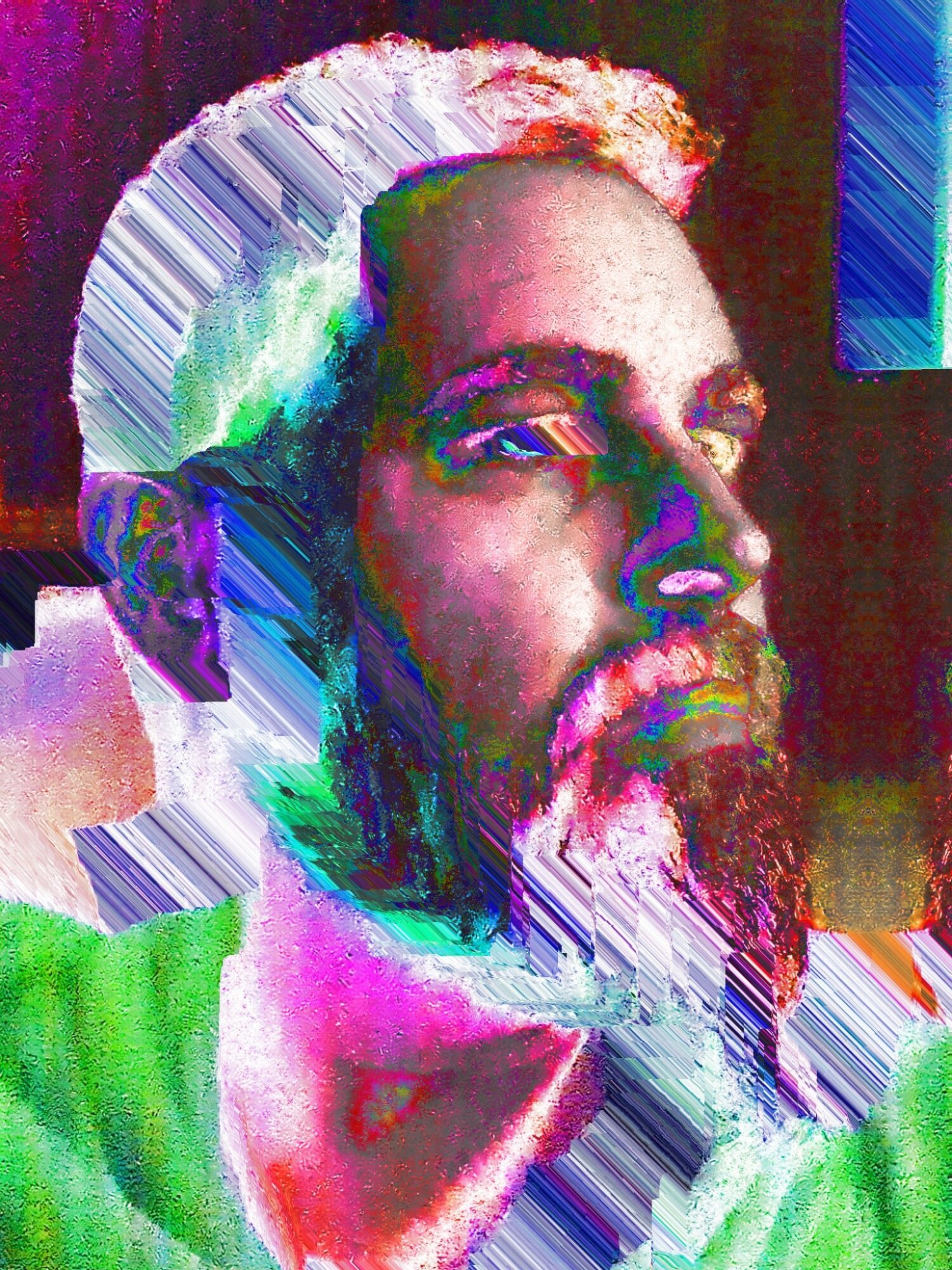
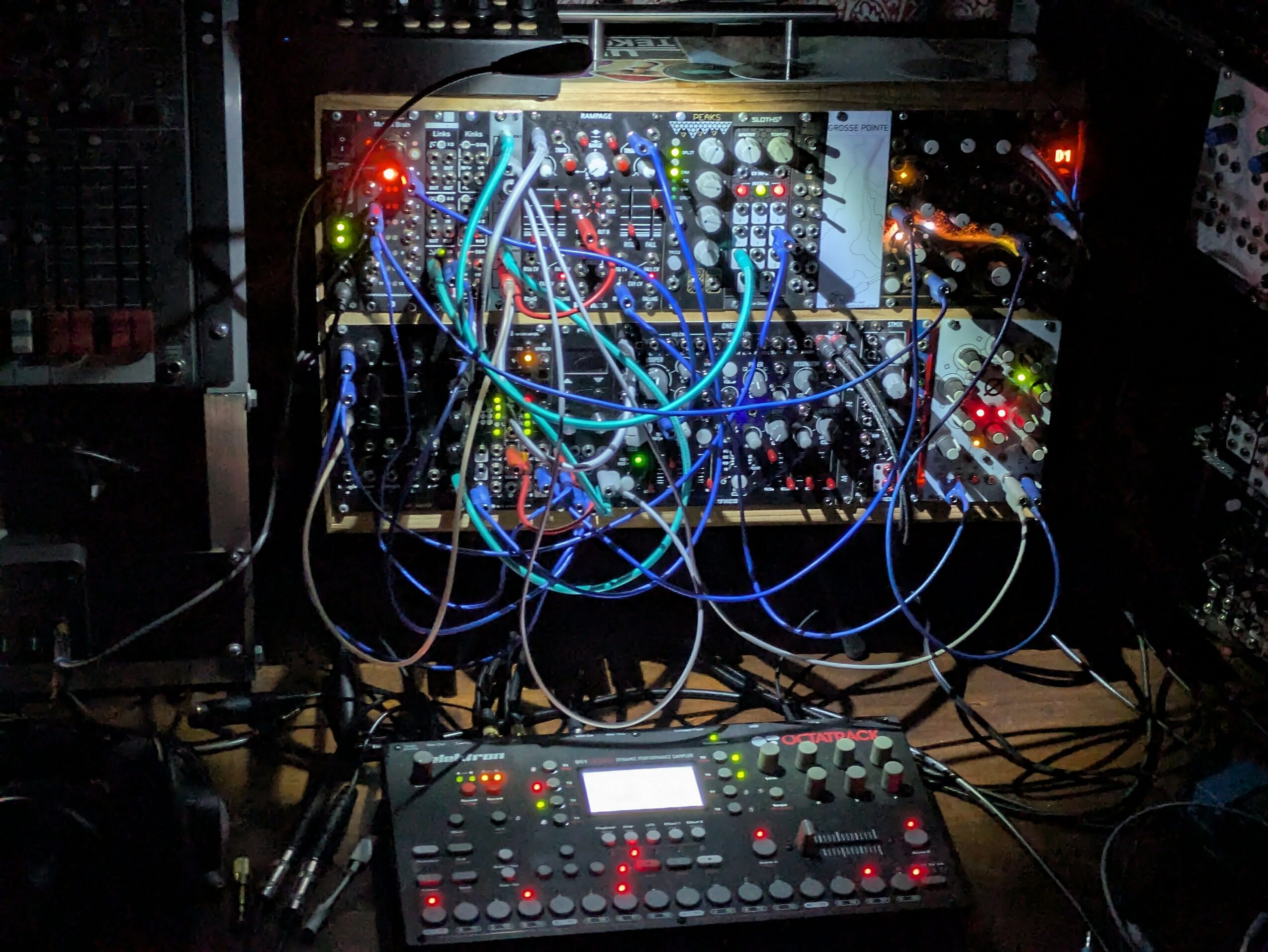
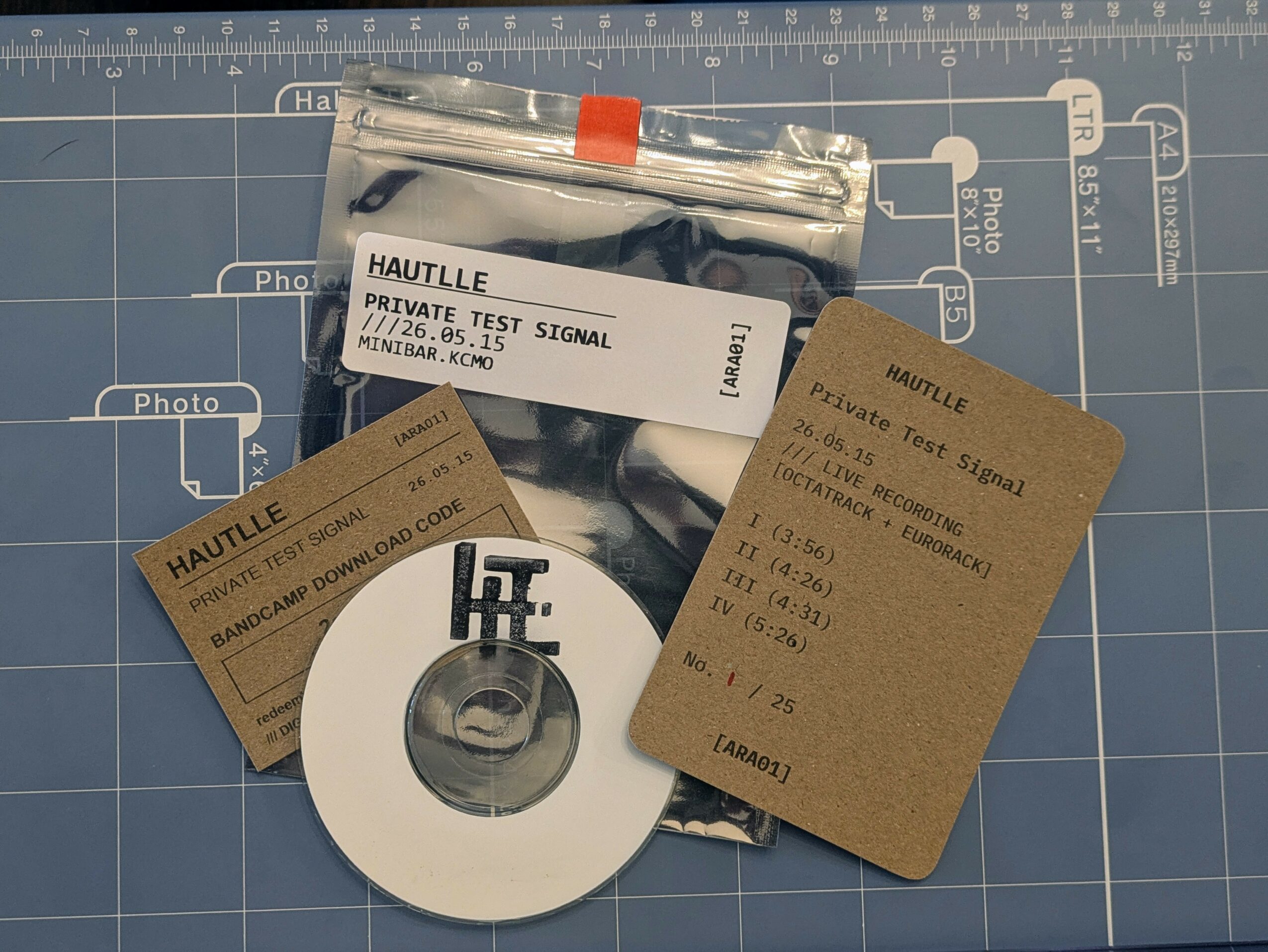
Image Credits
Jordy Brady, Grayson Phillips, HAUTLLE