





Today we’d like to introduce you to Christine “Mooncat” Ziemer.
Hi Christine, please kick things off for us with an introduction to yourself and your story.
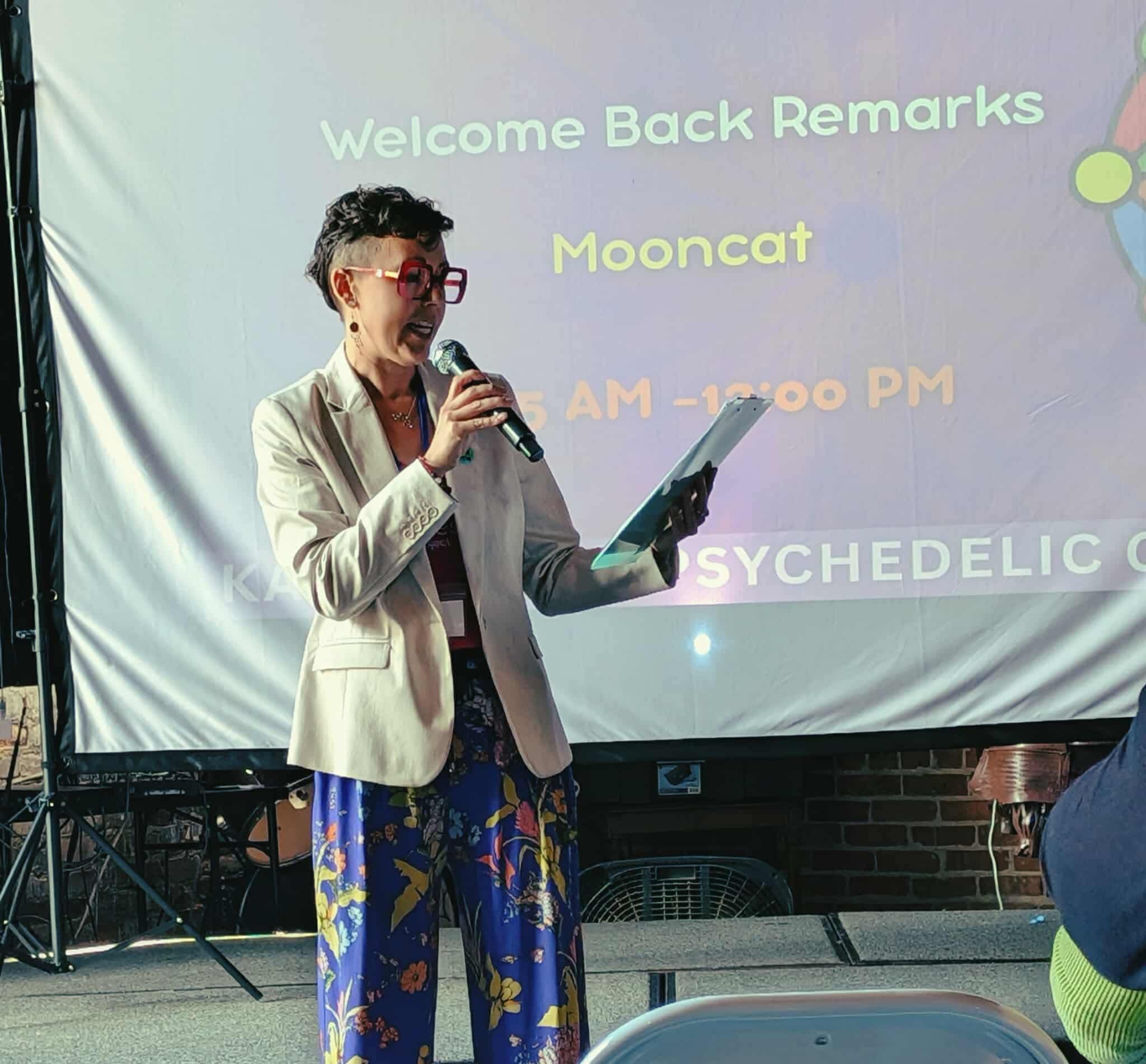
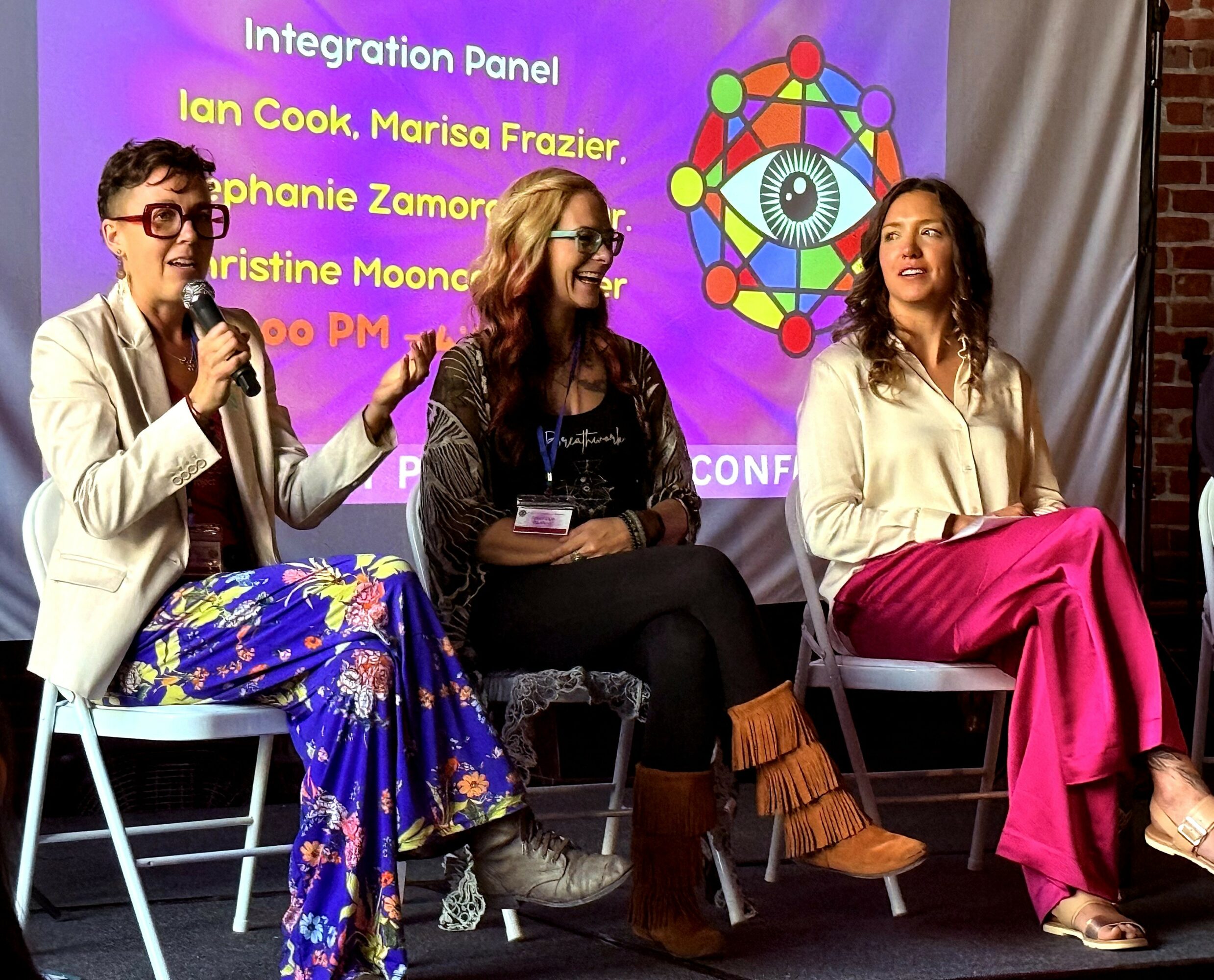
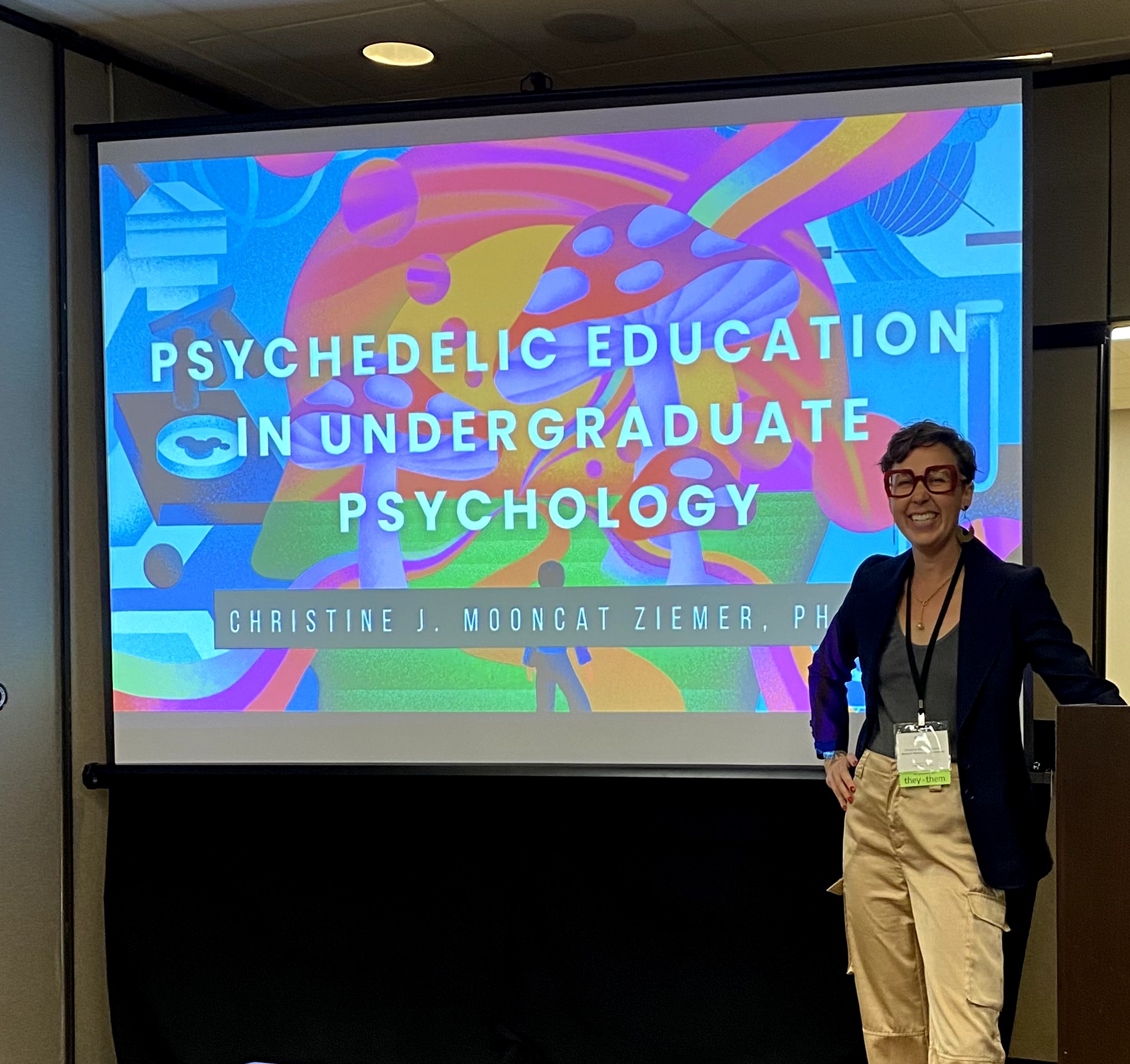
As a psychology professor at Missouri Western State University, I had a growing interest in the ways psychedelics were being explored in order to understand human consciousness and treat mental illness. I developed university courses to explore the topic of psychedelics and spiritual (transpersonal) psychology. As these courses began to gain attention in the psychedelic sphere, I was contacted by other professors creating similar courses and programs at their colleges and universities. Together, we started the Psychedelic Educators Network (PEN) which is a growing global network of professors from different departments who teach psychedelic courses in higher education. I am also involved in psychedelic education and harm reduction through volunteering with psychedelic peer support services (Zendo and Fireside Project), working with Midwest Psychedelic to create psychedelic trainings for Missouri therapists, and co-founding the Kansas City Psychedelic Integration Circle and the Psychedelic Society of Kansas City. In 2025, we hosted a full day psychedelic conference in Kansas City bringing together experts in the field to educate, connect, and network together.
We all face challenges, but looking back would you describe it as a relatively smooth road?
The psychedelic space is evolving rapidly. I wouldn’t have dreamed that these courses and topics would be so accepted when I was in graduate school 15 years ago. A lot of the stigma around psychedelics is starting to change. Still, probably the biggest obstacle to being a psychedelic educator is the fact that there is so much misinformation around psychedelics. People still have a lot of fear and stereotypes about these substances based on decades of drug war propaganda. Part of educating folks about psychedelics is first dismantling the conditioning and lies we’ve been fed. On the other side, folks who may have had a positive experience with psychedelics can sometimes become overly eager and energized about their potential to heal and may push them too strongly. To me, psychedelic education involves taking an honest look at the data and discerning what we actually do know from what we don’t.
Appreciate you sharing that. What else should we know about what you do?
Psychedelic educators, peer support providers, and community builders play an important role in the psychedelic movement. Instead of only warning about drugs or championing them, educators take a balanced and honest approach to both the potential benefits and harms that may occur with psychedelic use. Peer support providers meet people where they are without judgment. We are able to help folks through difficult experiences without stopping the experience or exerting our influence on its direction. Community builders bring people together around a shared interest to help provide both education and peer support. My role in Kansas City and the wider psychedelic space has been in these three areas of education, peer support, and community building.
Can you tell us more about what you were like growing up?
As a child I loved to write, draw, dance, sing, and perform. I loved to be awed by nature and travel. Although I considered myself shy, I loved organizing and hosting parties and get-togethers for my friends. I can see how my love of bringing people together and creating community has carried through to my adult life.
Contact Info:
- Website: psychedelickc.org, kc-psychedelic.com, psychedelic-educators-network.com, and midwestpsychedelic.com
- Facebook: https://facebook.com/ziemerc