





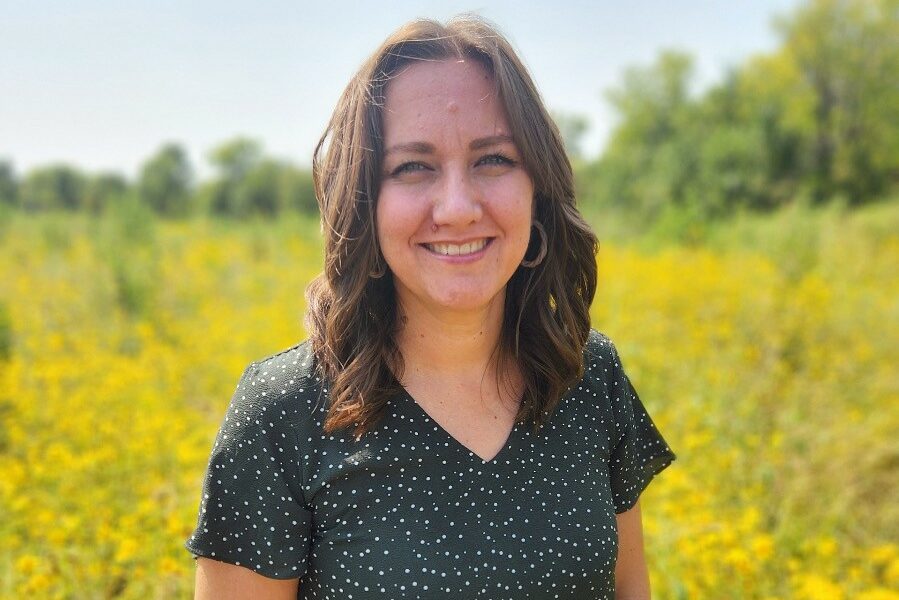
Today we’d like to introduce you to Stephanie Risinger.
Hi Stephanie, thanks for joining us today. We’d love for you to start by introducing yourself.
My professional and personal lives have been deeply interwoven over the last 15 years. I’m currently a perinatal mental health therapist, which means I help women and their families who are experiencing infertility, pregnancy loss, pregnancy or postpartum mood, and anxiety disorders. But this is not at all what I set out to do. When I started graduate school in 2007, I had hoped to work primarily with children. I had enjoyed working with children and teens for years in other capacities and knew that was the direction I wanted to go. At that same time, my husband and I started trying to conceive a child. Conceiving a child turned out to be much more complex than we had ever anticipated; by the time we finally conceived, 4 years after we started trying, I had graduated with my master’s degree and was a therapist in a school for children classified as Emotionally Disturbed. My husband and I lost that baby at 8 weeks due to an ectopic tubal pregnancy. We were devastated. I took a few days off from work and returned to meet with a sixteen-year-old client, only to learn that she was pregnant, due at the same time as I would have been due. After my session with her, I left work and cried for the remainder of the day. I remember feeling a terrible sense of injustice that a sixteen-year-old would accidentally get pregnant and be unprepared. At the same time, I wanted nothing more than to have a baby. At the same time, I felt incredibly guilty that I couldn’t be helpful to her at such a difficult time in her life. I had to refer her to another therapist who could be present and engaged with her.
This became a defining moment in that I began to see how deep my pain was in this process and began learning that I was not alone. After our first pregnancy loss (yes, there were more), women began sharing with me their own stories of loss, and I saw, for the first time, that so many women were experiencing this deep pain in silence. On the other end of the spectrum, I saw this sixteen-year-old girl faced with an unexpected pregnancy and less than supportive home life and realized the extent of the support she would need to bring this child into the world. The process of childbearing and childrearing is complex. We live in a culture that expects women to get pregnant quickly and easily when they are ready and then expects these women to provide everything these children need, basically all on their own or with the sole help of a single partner. But we need so much more. We need connection and support. We need practical and emotional guidance. We need to know, without a doubt, that we are not alone. I’m beginning to see a shift in this perspective within our culture, but we have a long way to go, and I’m determined to be part of that change in my work and personal life. There’s much more to my story, but there’s not quite enough space for it here. I went on to struggle with infertility for 5 more years before giving birth to my first daughter in 2017. Then, my second daughter in 2019. These personal experiences (with a little postpartum anxiety sprinkled in) led me to move into a specialty in perinatal mental health, and it is, without a doubt, exactly where I’m supposed to be.
Would it have been a smooth road, and if not, what are some of the biggest challenges you’ve faced along the way?
It has been a challenging road! As with any business, there are ups and downs. I’ve changed my specialty as my life and preferences have changed. Private practice has been both excellent and challenging. In March 2020, I returned from maternity leave and started working with the area’s premier perinatal mental health group practice. It was an incredible opportunity, and I was thrilled. Then, two weeks later, the world turned upside down due to COVID. I spent the next year attempting to balance meeting my family’s needs with the ever-changing challenges of childcare and meeting the practice’s needs. After a year, it became apparent that these two things did not align, and I had to leave the practice and launch it on my own. I was heartbroken, as I had adored this team of women and gained much knowledge and wisdom from my time there. But I knew that I had to do what would work for my family’s needs in such a unique time. It pained me to leave, but it was better than I could have imagined. However, being out on my own feels scary at times. There’s a lot of responsibility as a sole proprietor. But the freedom is wonderful. I have total control over my brand, how I serve my clients, and my workplace setting. I couldn’t be more pleased with my decision to create something for myself.
I appreciate you sharing that. What should we know about Hopeful & Whole Counseling?
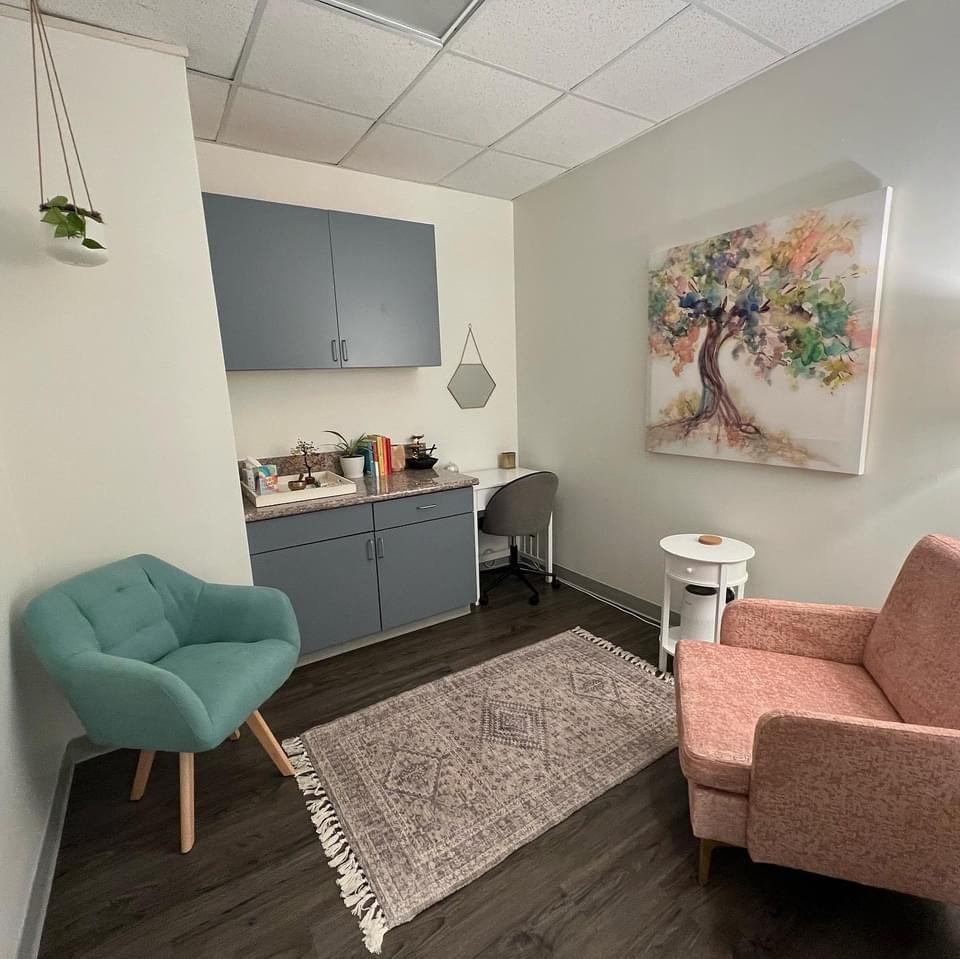
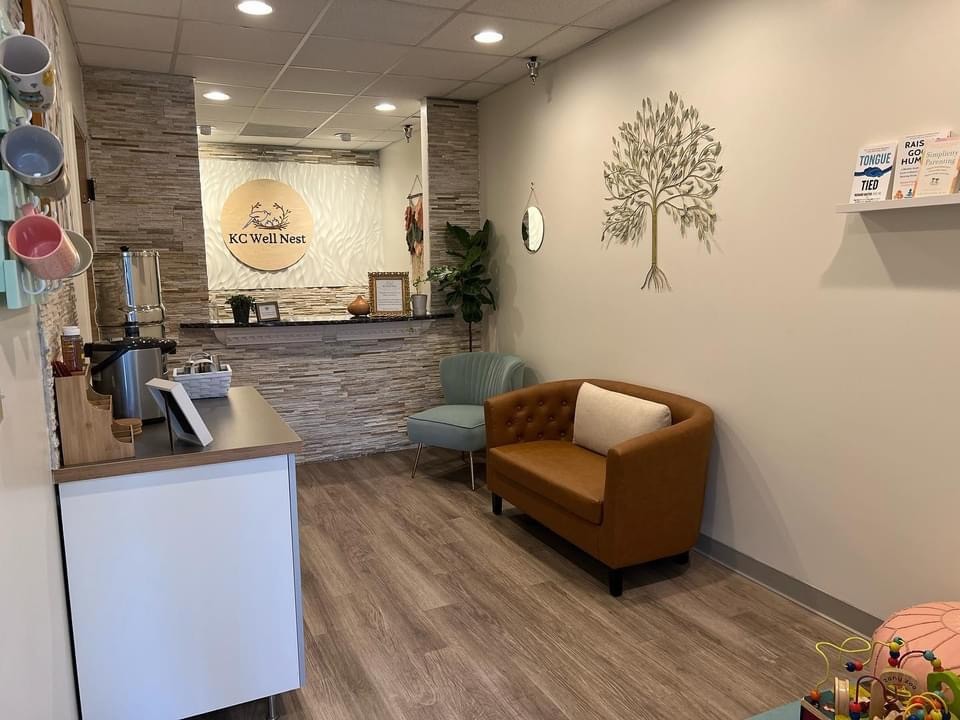
I am a Perinatal Mental Health Therapist in private practice. I serve women and their families in the childbearing years. This usually includes pregnancy, postpartum, infertility, loss, and parenthood. I became a therapist to help people get to the root cause of their life challenges and find ways to live healthier, more fulfilling lives. I initially wanted to work with children and families but shifted my focus after several years of personal infertility, pregnancy loss, and postpartum anxiety. I had a unique perspective and could help other women through similar experiences. I take a holistic approach to mental health and take into consideration all possible contributors to mental health and emotional challenges. I may make some referrals to nutrition therapists, acupuncturists, functional medicine doctors, and other practitioners when appropriate. I am also a Christian and offer faith-based counseling to those who request it. Getting into nature can be an important part of the healing process. Whether it’s simply sitting outside for 5 minutes a day and breathing fresh air, taking in the sunshine, taking daily walks, eating real, whole foods, or walking barefoot in the grass. This is by no means a complete picture of how we heal, but our lack of time in nature certainly contributes to our overall stress experience as a society.
What was your favorite childhood memory?
I couldn’t possibly come up with one favorite memory. What comes to mind as what was best about my childhood is freedom, especially in the summer. I remember playing outside for hours, running through the sprinklers with my neighbors, and being completely exhausted but happy at the end of the day. Kids today miss out on all of that unstructured playtime. I’m grateful to have had it in my childhood.
Contact Info:
- Website: hopefulandwhole.com
- Instagram: instagram.com/hopefulandwholecounseling
- Facebook: facebook.com/stephanierisingerlcmft