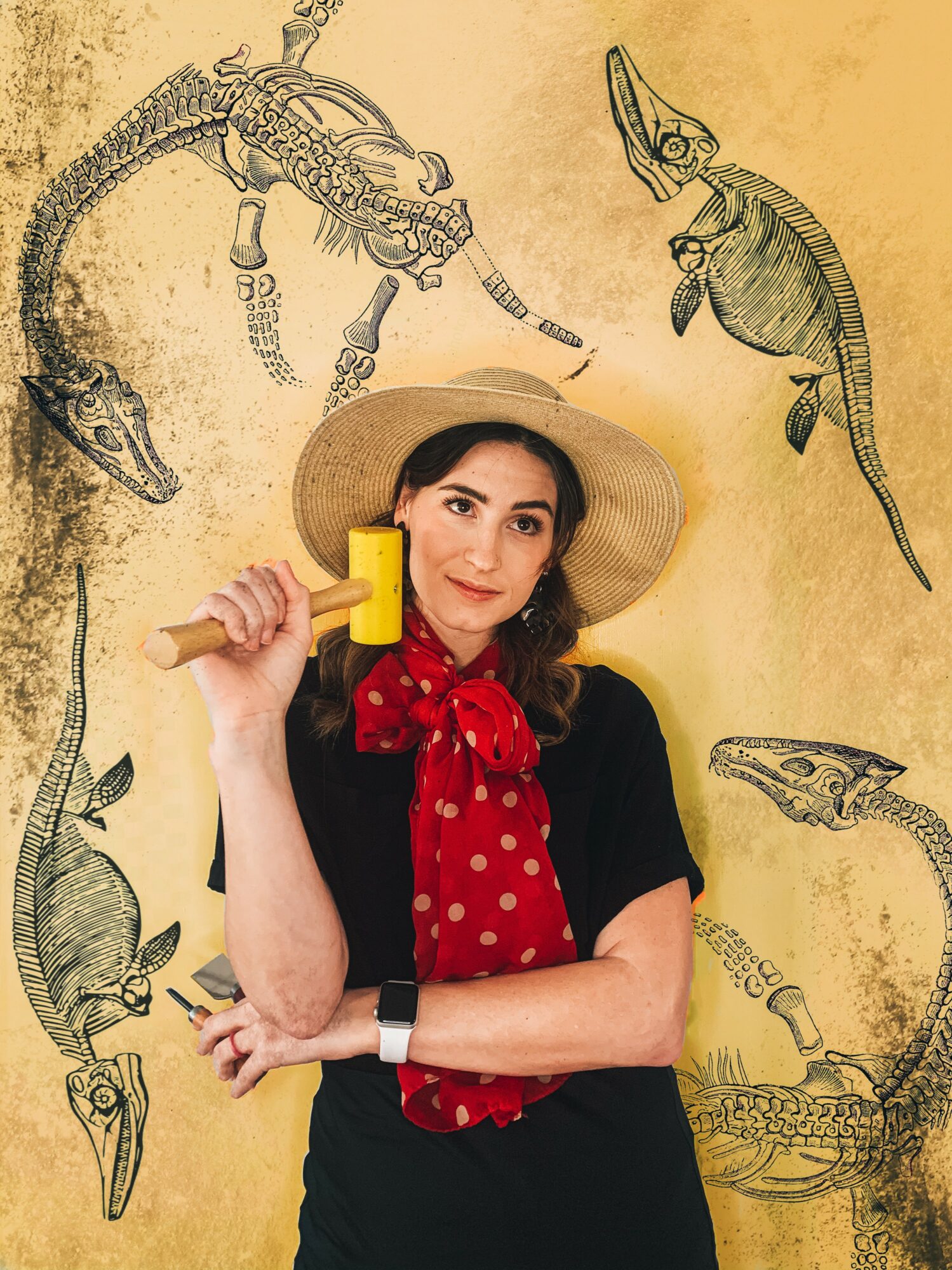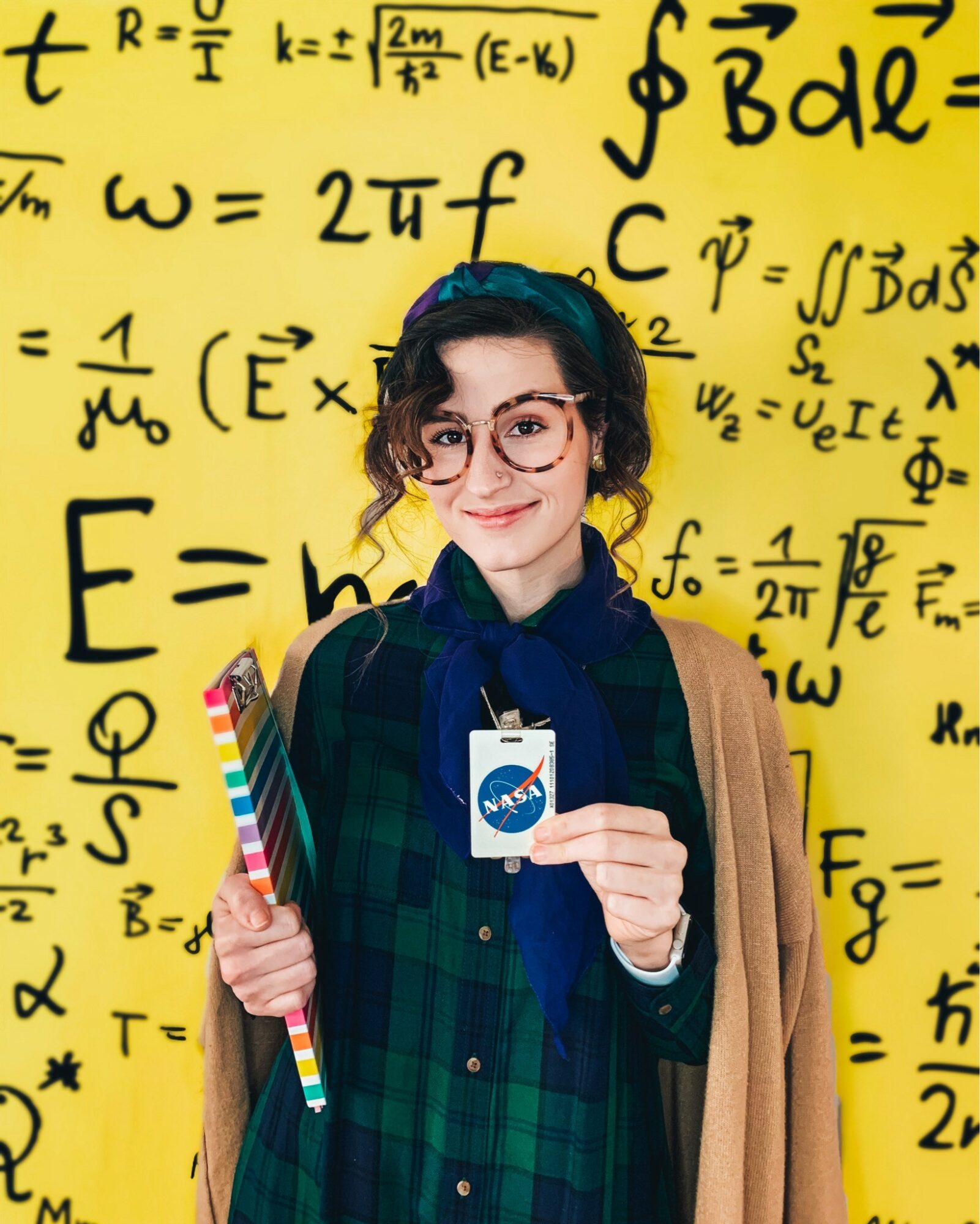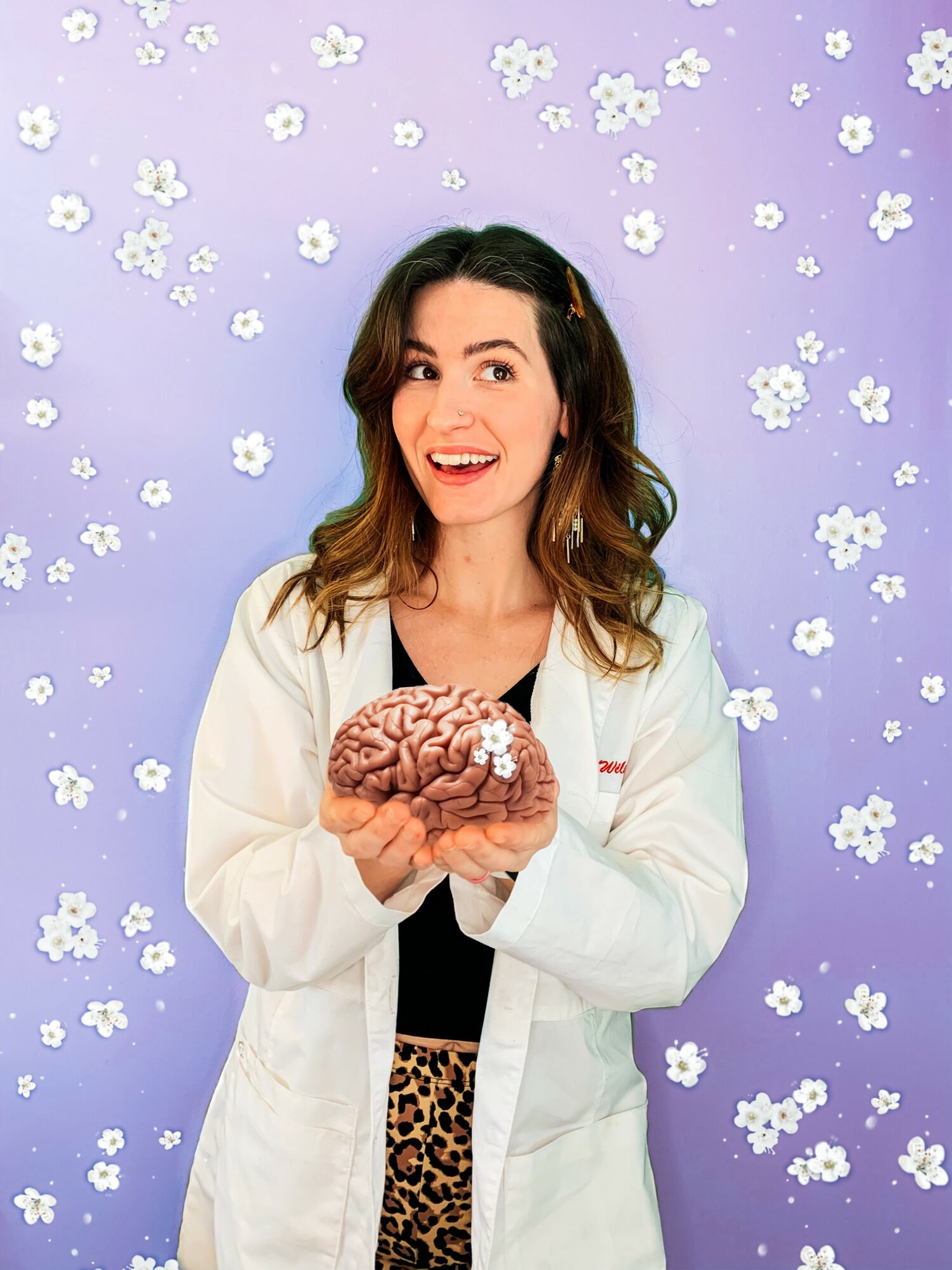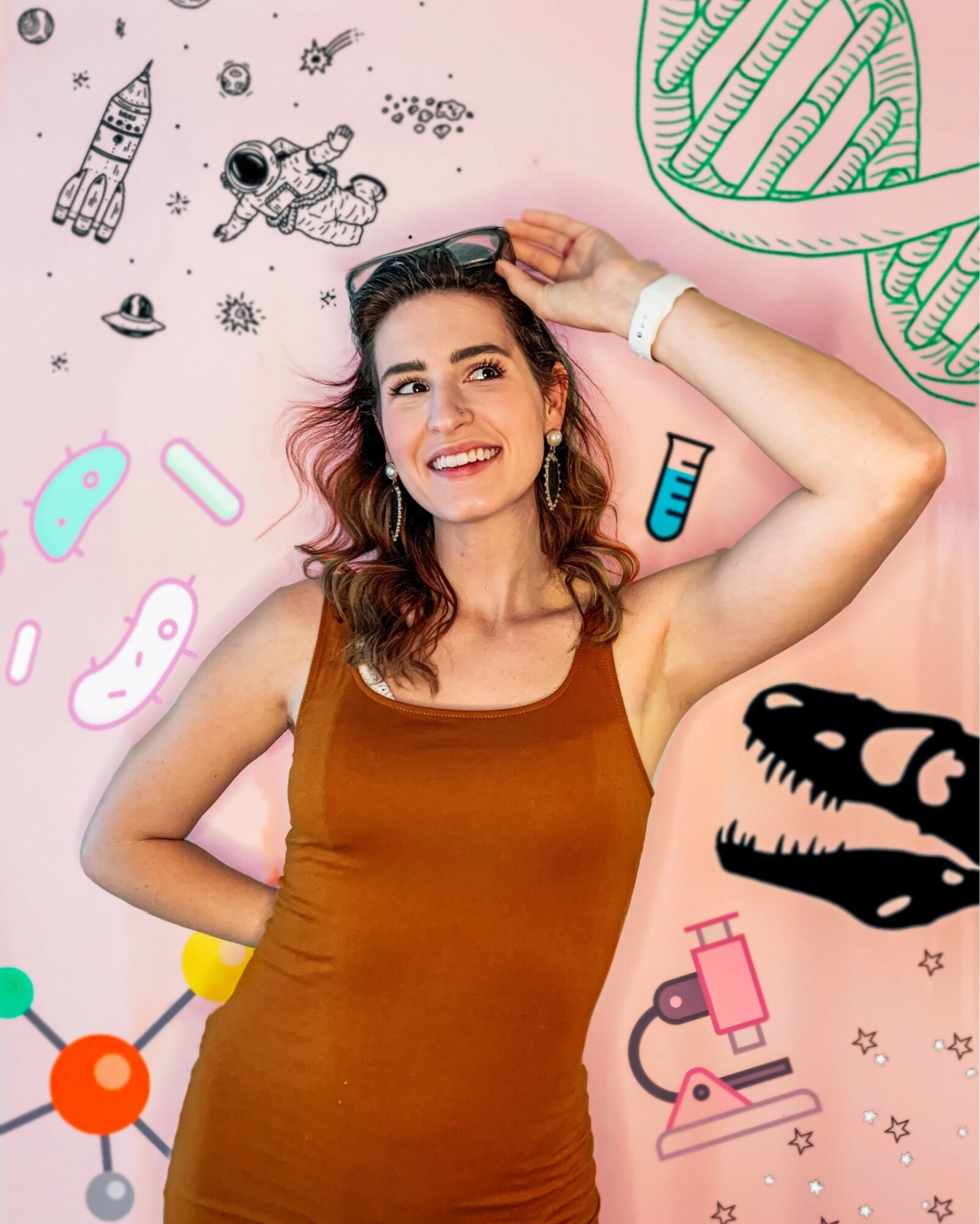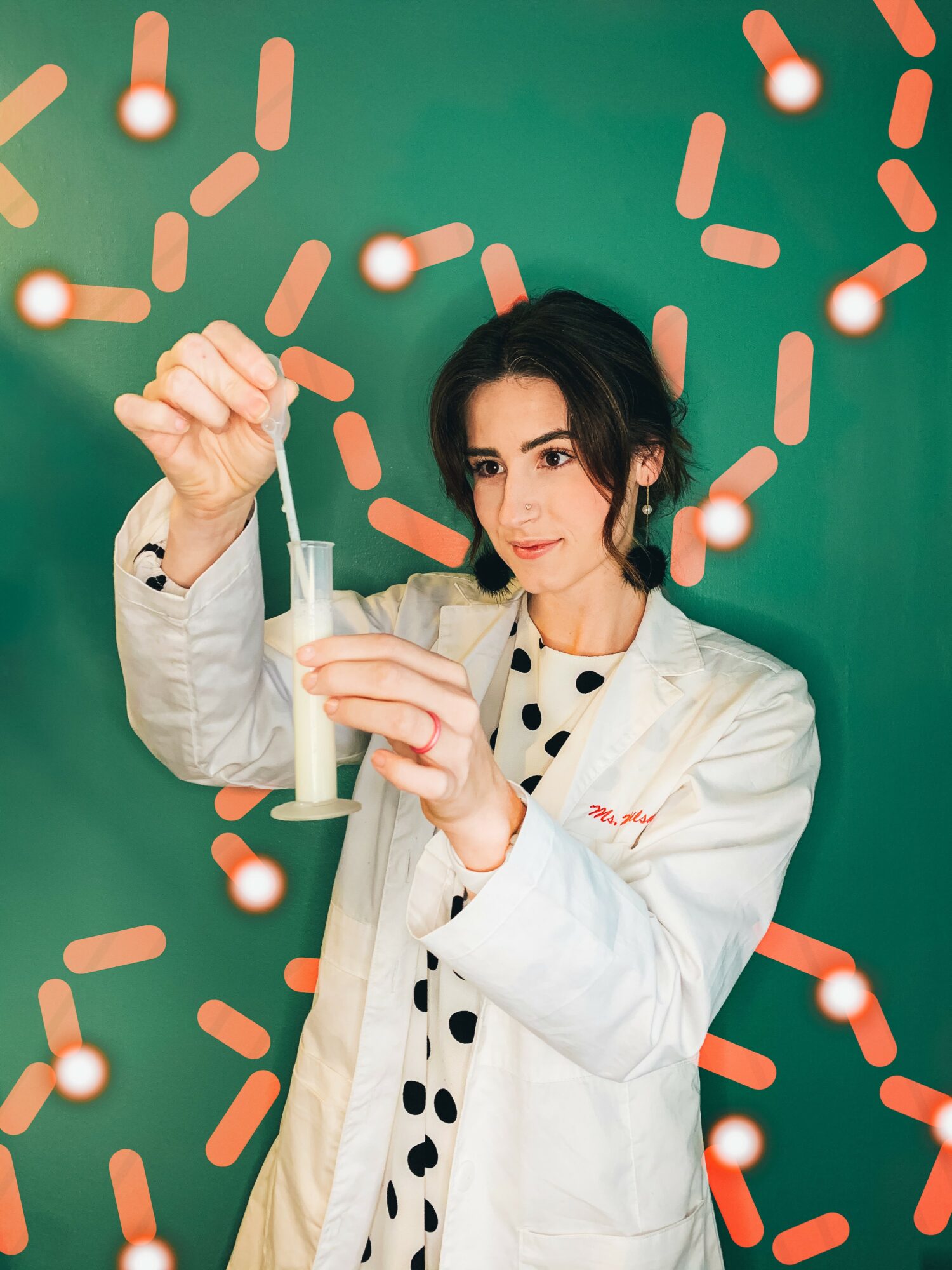





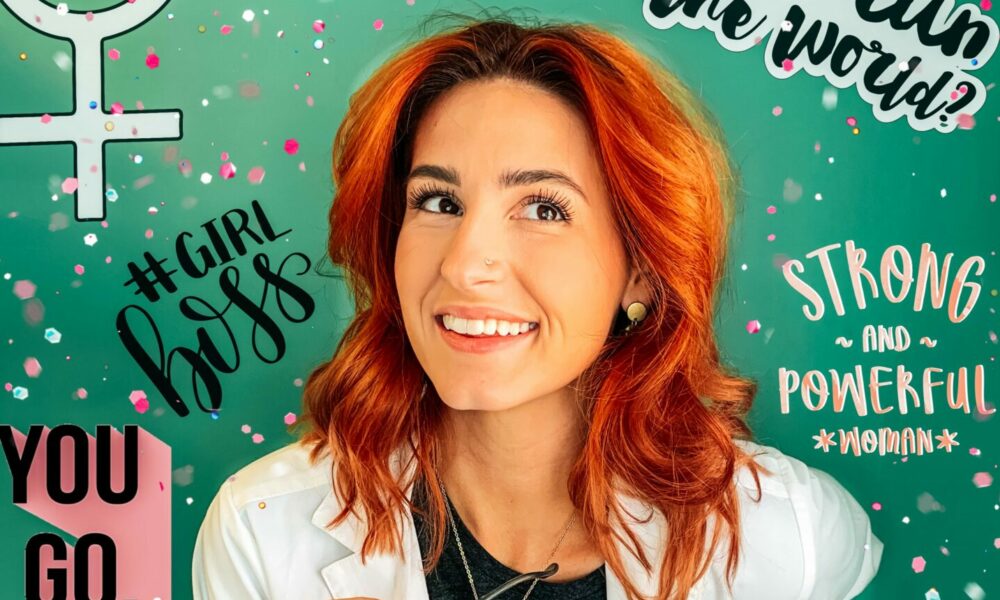
Today we’d like to introduce you to Presley Wilson.
Alright, so thank you so much for sharing your story and insight with our readers. To kick things off, can you tell us a bit about how you got started?
I was born and raised in Salina, Kansas, a small town in the middle of the United States. And if you’ve even been to a small town in the middle of Kansas, then you would know that “entertaining yourself” is something that is expected and encouraged. As for me, I spent a majority of time outside exploring my environment. I may not have realized it at the time, but the way of thinking that fueled my utmost curiosities then was the very same thing that would drive my passion for a career in science education.
Science has always been the tool I’ve used to understand the world around me. And yes, it has led to a lot of asking “why”… From a child, coming home from school every day, immediately dropping her book bag and running outside to explore until the sun went down, asking questions like why do airplanes fly? Why do rainbows form? Why can I see the moon during the daytime? To a woman going into her 7th year as a science educator, asking questions like, how can I make science accessible to all? What barriers are in the way of students believing in their scientific abilities? When will my students stop asking me if the Earth is flat? HAHA. Kidding….kind of.
As I’ve gotten older, I’ve realized that my love for science comes from the mere fact that it provides logic and sense, and order in a world that might otherwise seem chaotic. Though the answer to the “why’s” of my adulthood may sometimes be “I don’t know”, it’s comforting to say that it’s really just “I don’t know yet”– I mean, if you think about anything for long enough, you can find the “science” in everything: from the matter, it’s composed of, to how it obeys the laws of nature, to the mechanism that makes it work. In that sense, I don’t know how anybody could not constantly interact and appreciate science, whether or not they are aware of labeling it as such.
But ultimately, I think what I love most about science is constantly being surprised by the infinite nature of what people’s minds are capable of asking, seeing, connecting, and how our different perspectives and different experiences create a multitude of possible questions and ways to answer these questions. Science tells us that our collective consciousness is rare, and it continually inspires me to love deeper, connect with others, and remind them that SCIENCE IS FOR EVERYONE.
I’m sure you wouldn’t say it’s been obstacle-free, but so far would you say the journey has been a fairly smooth road?
So, what is it like to be a woman in STEM? That has always been such a difficult question to answer because every woman’s experience is particularly unique. For me personally, to be a woman in STEM has been an interesting journey. Yes, I have been the only woman in the room. And yes, I have felt the need to prove myself in order to be heard. Despite the challenges, there have been many gratifying opportunities including the ability to push for a more inclusive and diverse science classroom…especially in the STEM subjects. This essentially was the brainchild behind starting Beauty and the Beaker. The desire to make STEM accessible to everyone is what drives my passion. Being a woman in STEM has let me see and understand the struggles of other women, be empathetic to them, and look for ways to change what needs to change.
However, it has been on this journey that has made me wonder how well we are retaining women once they have entered STEM programs. Inherently there are obstacles for women in any career field, but when it comes to women in STEM, there is a dangerous myth that girls must “sink or swim” and that changing the curriculum runs the risk of “watering down” important “sink or swim” course work.
Studies have shown that women leave STEM careers at disproportionally higher rates than men, creating a retention problem that is often known to be part of the “leaks” in the STEM pipeline. Women leave for a variety of reasons ranging from work-life balance to bias experiences. Even when millions of dollars have gone to recruitment and retention initiatives, I truly believe that there are three things that we can all do to contribute to the retention of women in STEM fields by creating more welcoming and inclusive environments.
Be an honest and supportive mentor.
I have been blessed with amazing mentors, both men, and women. They have been honest with me about their own biases and possible challenges that I may face as a woman in STEM, including balancing my career with a desire to have a family.
Educate yourself and educate others.
Have conversations a create a welcoming environment. There have been so many pushes for Diversity and Inclusion, but I believe these branches across all areas of bias, not just the most obvious ones.
Be a storyteller of women’s successful stories in the field.
Imagine living in a world where we truly cheered each other on and learned from experiences that are outside of our particular niche. I have overcome many obstacles and challenges in my career field, simply by having someone who believed in me enough to share my story.
Appreciate you sharing that. What else should we know about what you do?
“Ms. Wilson, why do you even LIKE teaching science?”
This is a question I get asked often as an educator, and although in most cases I am quick to offer a short and concise answer like “well, I have to buy groceries, don’t I?” (Kidding again HA). In all actuality my “why” encompasses so much more.
I love the opportunity to share my passion with the next generation because I believe that it is important, for not only scientists but also children of all ages to learn about how science affects and explains the world and their everyday lives. Science shows us the way toward creative solutions to real-world problems. It shows us how to think critically and teaches us the resilience to keep asking questions. Ultimately science doesn’t just teach kids about science, it teaches them about life and how to think independently for the entirety of it.
At the end of every school year, if my students leave my classroom with more confidence in themselves as scientists, resiliency in the pursuit of knowledge, and a sense of wonder that drives a lifelong love of learning, then that is all I can ask for. That is what I believe truly sets me apart from others.
We’d be interested to hear your thoughts on luck and what role, if any, you feel it’s played for you?
I don’t believe in luck. I believe in Jesus. I believe he has placed every desire that I have for an ultimate, greater purpose and I strive every day to lean into those gifts. In the world of STEM is has always seemed that science and religion are often cast as opponents in a battle for human hearts and minds.
But far from the silo of strict creationism and the fundamentalist view that evolution simply didn’t happen lies the truth: science and religion are complementary. This is the viewpoint that has not only fueled my passion for the pursuit of knowledge but also with every pursuit has drawn me closer the truth of a one true God.
God cast us in his own image. We have free will and intelligence. Without science, we could only ever operate at the whim of God. Discussion of the idea that our universe is fundamentally intelligent is even more profound. Through science and the use of mathematical rules, we can and do understand how nature works.
Contact Info:
- Email: [email protected]
- Website: www.beautyandtbeaker.com
- Instagram: https://www.instagram.com/beauty_and_the_beaker/