






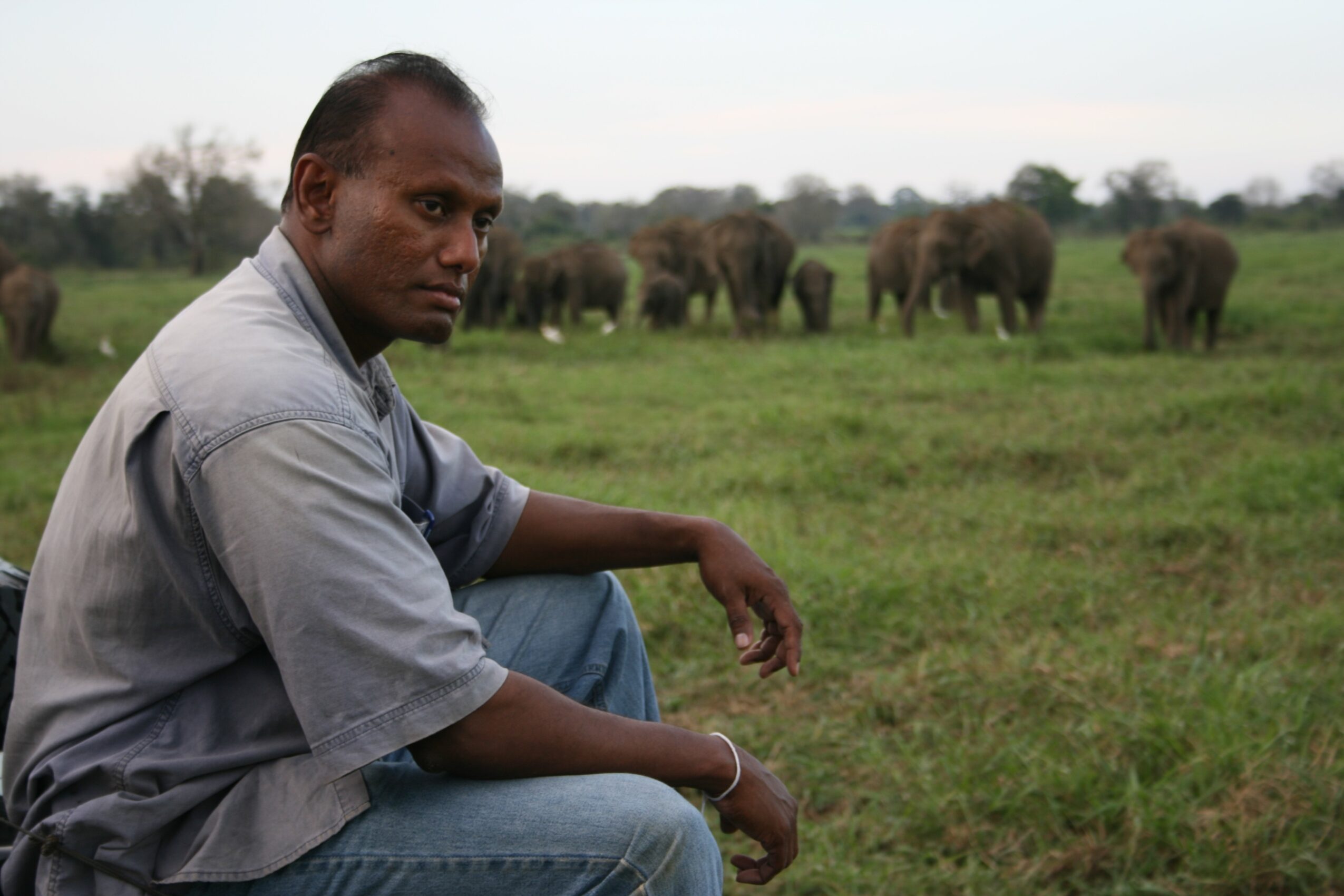
Today we’d like to introduce you to Ravindra Corea.
Hi Ravindra, so excited to have you on the platform. So before we get into questions about your work-life, maybe you can bring our readers up to speed on your story and how you got to where you are today?
My journey into wildlife conservation began long before I ever imagined making it my life’s work. Growing up in Sri Lanka, I was fascinated by nature and wildlife. As a young boy, I spent countless hours exploring the marshes and wetlands near my home, catching snakes, observing birds, and discovering the extraordinary diversity of life around me. Those wetlands were my first classroom, and they instilled in me a lifelong curiosity about the natural world.
However, when I was about 14, I watched helplessly as those same wetlands were destroyed to make way for development. Seeing a place that had meant so much to me disappear beneath concrete and buildings was a defining moment in my life. It made me realize how vulnerable nature was to human activities and inspired my determination to do something to protect it.
That passion eventually took me to the United States, where I studied conservation biology at Columbia University in New York and spent nearly two decades working at the American Museum of Natural History, first as a curatorial assistant and later as a scientific consultant. Those experiences strengthened my scientific foundation and helped shape my understanding of conservation as both an ecological and a human challenge.
In 1995, I founded the Sri Lanka Wildlife Conservation Society (SLWCS) with a vision of developing a different approach to wildlife conservation—one that recognized that protecting wildlife and improving people’s lives were not competing objectives, but fundamentally interconnected goals.
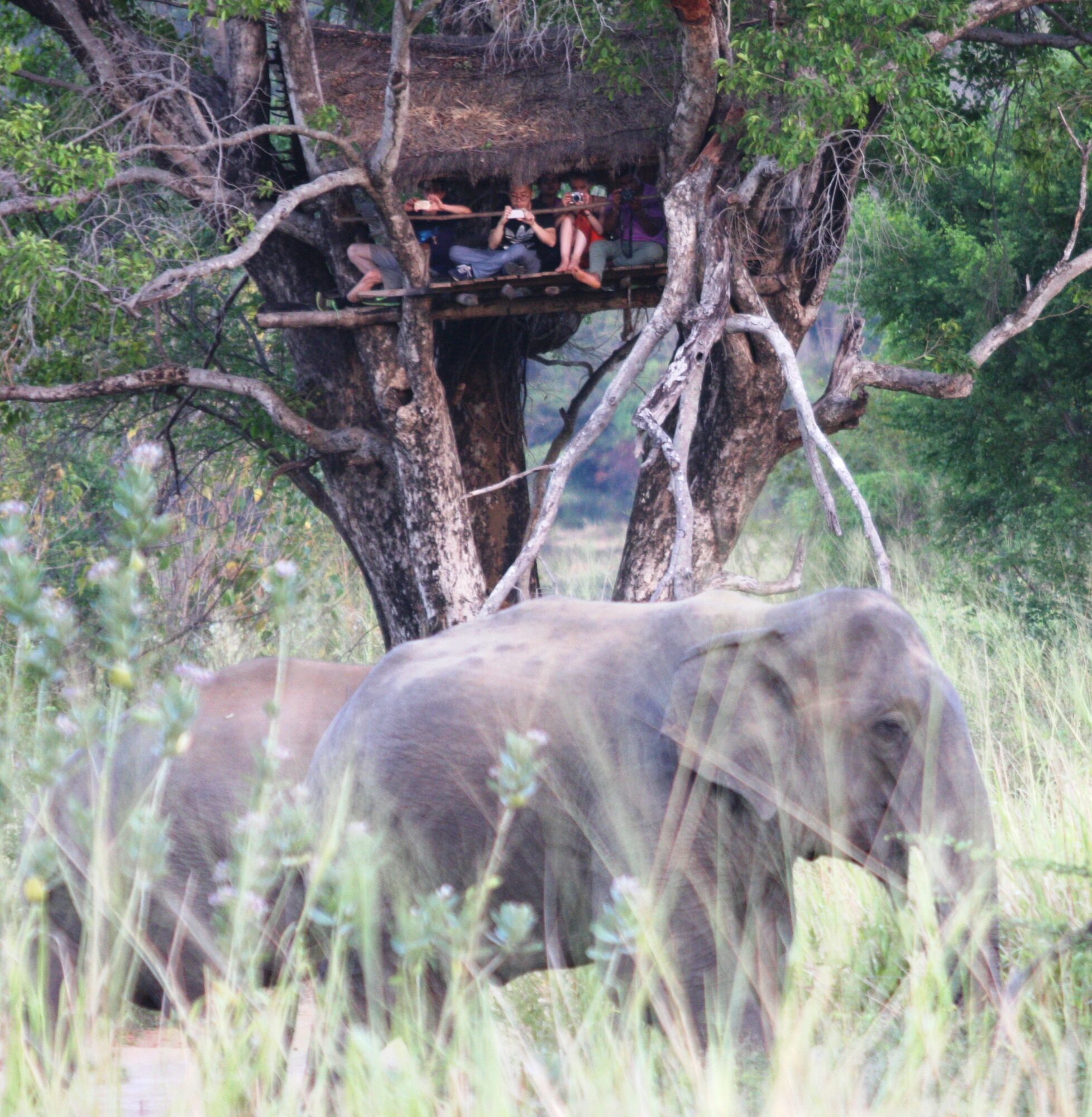
My work increasingly focused on the escalating conflict between people and wild elephants in Sri Lanka. I realized early on that conservation could never succeed by focusing exclusively on animals while overlooking the struggles of rural communities who shared their landscapes with wildlife. Farmers were losing their crops, livelihoods, and sometimes their lives to elephants, while elephants were being killed in retaliation. I came to believe that if we wanted to save elephants, we first had to help the people who lived alongside them.
This philosophy led me to establish Saving Elephants by Helping People in 1997, one of Sri Lanka’s pioneering community-based human-elephant conflict resolution initiatives. What began as an effort to find practical solutions to a seemingly intractable problem gradually evolved into an integrated conservation program combining scientific research, community participation, education, responsible travel, and sustainable rural development.
Over the years, we have developed several innovative initiatives, including Project Orange Elephant, which helps farmers protect their crops while generating additional income, and the EleFriendly Bus, which provides schoolchildren with safe transportation through elephant habitat while allowing elephants to continue using their traditional corridors. We have also expanded our scientific research to include elephants, leopards, sloth bears, and other wildlife, alongside marine conservation initiatives.
Our work has received international recognition, including the United Nations Development Programme’s Equator Prize in 2008 and the Global Development Network’s Most Innovative Development Project Award in 2015. While these honors have been deeply gratifying, what has always mattered most to me is seeing tangible improvements in the lives of rural communities and knowing that our efforts are helping wildlife survive.
Today, more than 30 years after founding SLWCS, I continue to lead the organization while also working as a Wildlife Officer for the City of Los Angeles. Although the environments are vastly different—from the elephant landscapes of Sri Lanka to the urban wilderness of Los Angeles—the underlying challenge remains remarkably similar: finding ways for people and wildlife to coexist safely and sustainably.
Looking back, my journey has been one of curiosity, determination, perseverance, and an unwavering belief that conservation must work for both people and nature. It has certainly not been an easy road, and there have been many challenges and setbacks along the way. But I have learned that meaningful conservation is not about quick fixes. It requires patience, scientific understanding, community trust, and a willingness to challenge conventional thinking.
If there is one principle that has guided my life’s work, it is that we cannot protect wildlife without caring for people, and we cannot secure humanity’s future without protecting the natural world. What began as a young boy’s fascination with the marshes of Sri Lanka has become a lifelong mission to demonstrate that people and wildlife can not only coexist, but thrive together.
Can you talk to us a bit about the challenges and lessons you’ve learned along the way. Looking back would you say it’s been easy or smooth in retrospect?
It has certainly not been a smooth road. In fact, I would say that some of the greatest lessons I have learned about conservation have come from the challenges, disappointments, and setbacks encountered along the way.
When I founded the Sri Lanka Wildlife Conservation Society (SLWCS) in 1995, I quickly realized that protecting wildlife was far more complicated than simply protecting animals and their habitats. Conservation is ultimately about people—their needs, aspirations, livelihoods, and relationships with the natural world. Nowhere is this more evident than in Sri Lanka, where rural communities have lived alongside wild elephants for generations, often at considerable personal and economic cost.
One of our earliest and most persistent challenges was convincing people that conservation could actually improve their lives. Imagine asking a farmer who has just lost an entire season’s harvest to elephants to support efforts to protect those same animals. For someone struggling to feed a family, conservation can seem like a luxury they simply cannot afford. Building trust required patience, persistence, and, most importantly, demonstrating through practical solutions that protecting wildlife could also bring meaningful benefits to communities.
This realization shaped our philosophy of Saving Elephants by Helping People and inspired initiatives such as Project Orange Elephant and the EleFriendly Bus. However, developing innovative solutions is only half the battle. Sustaining them over time is an entirely different challenge.
I believe the single biggest challenge facing conservation today is making it economically and financially sustainable, particularly when we need to channel meaningful benefits to local communities who have the greatest direct influence on wildlife and their habitats. These communities are often expected to shoulder the costs of conservation while receiving a disproportionately small share of its benefits. Unless we address this fundamental imbalance, even the most scientifically sound conservation strategies will struggle to achieve lasting success.
Funding has therefore been a constant struggle. Conservation organizations like ours are often dependent on grants, donations, and short-term project funding, while the challenges we are addressing require commitments spanning decades, sometimes generations. It is extraordinarily difficult to build long-term conservation programs, retain skilled personnel, maintain research operations, and support rural communities when financial resources are uncertain.
Another major frustration has been the disconnect between the enormous economic value generated by nature and the relatively small proportion of that value reinvested in protecting it. This is where I believe the corporate sector and the travel and tourism industries could play a far more significant and transformative role.
Businesses and tourism operators benefit enormously from healthy ecosystems, wildlife, and the natural landscapes that attract visitors and sustain local economies. Yet much of the prevailing approach remains conventional: corporate social responsibility initiatives, occasional donations, short-term sponsorships, and tourism models that generate revenue from nature without adequately reinvesting in its long-term protection or in the communities living alongside it.
While these approaches may produce positive publicity and some short-term benefits, they have generally failed to deliver conservation financing at the scale and continuity required. I believe many businesses have yet to recognize that conservation should not be treated as an optional charitable activity or a marketing opportunity, but as an essential investment in the natural and social systems upon which their own prosperity depends.
The travel industry, in particular, has an extraordinary opportunity to become a genuine partner in conservation. Instead of merely selling wildlife experiences, it could help create economic models in which every visitor contributes directly to protecting biodiversity, supporting conservation research, and improving the livelihoods of local communities. The potential is enormous, but realizing it requires moving beyond conventional business practices toward partnerships that create measurable, lasting benefits.
There have been other challenges as well: navigating bureaucratic obstacles, dealing with shifting policies and institutional priorities, confronting habitat loss and escalating human-wildlife conflict, and trying to sustain scientific research in difficult field conditions. Perhaps most disheartening are the occasions when years of conservation progress are undermined by decisions driven by short-term economic or political interests.
Nevertheless, these experiences have reinforced rather than weakened my commitment. They have taught me that conservation cannot succeed through science, goodwill, or passion alone. It must also make economic sense, create opportunities for people, and become an integral part of how businesses and societies operate.
After more than three decades, I remain convinced that the future of conservation lies in transforming it from an activity that constantly struggles for financial support into one that generates sustainable value for people, businesses, and nature.
Ultimately, the greatest challenge is not convincing people that wildlife is worth saving. It is creating a world in which protecting wildlife is worth more—economically, socially, and environmentally—than destroying it.
Thanks for sharing that. So, maybe next you can tell us a bit more about your business?
The Sri Lanka Wildlife Conservation Society (SLWCS) is a nonprofit, science-based conservation organization that I founded in 1995 with a mission to develop practical, sustainable solutions that enable people and wildlife to coexist. For more than three decades, we have worked at the intersection of wildlife research, biodiversity conservation, community development, and environmental education, guided by a simple but powerful philosophy: Saving Elephants by Helping People.
What makes SLWCS different is our belief that conservation cannot succeed in isolation from the people who share their landscapes with wildlife. Rather than approaching conservation exclusively as a biological or environmental challenge, we recognize it as an interconnected ecological, social, and economic issue. Our work integrates scientific research with practical, community-centered solutions that protect wildlife while improving rural livelihoods.
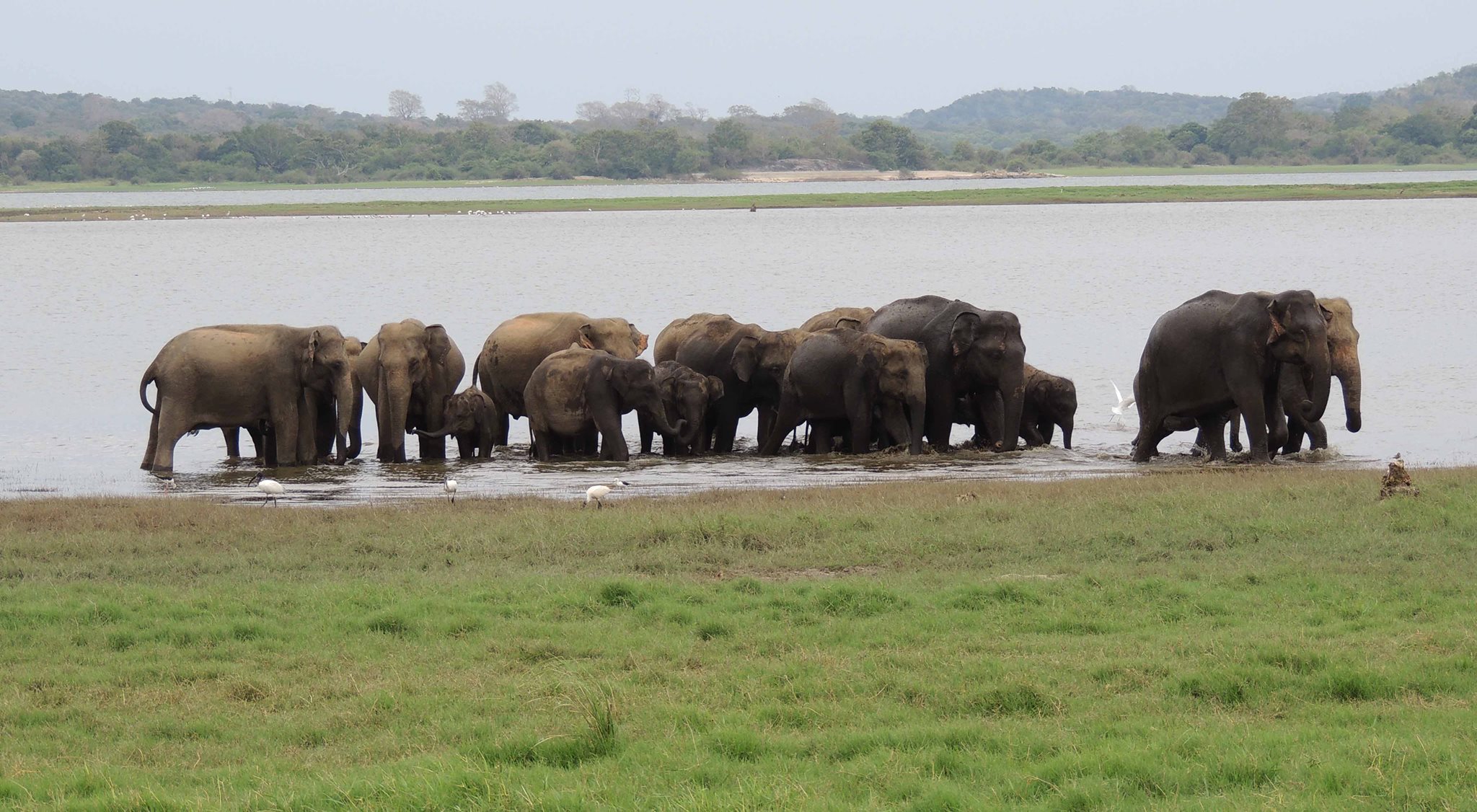
We are perhaps best known for our pioneering efforts to mitigate human-elephant conflict in Sri Lanka, one of the most serious conservation and humanitarian challenges facing the country. Our initiatives include Project Orange Elephant, an innovative program that uses citrus cultivation to help farmers protect their crops from elephants while creating additional income, and the EleFriendly Bus, which safely transports children through elephant habitat, reducing dangerous encounters while allowing elephants to move through their traditional landscapes.
One of our earliest and most significant innovations was pioneering the concept of fencing elephants out of villages rather than fencing them into protected areas. Traditionally, electric fences were erected along the boundaries of national parks and wildlife reserves, attempting to confine elephants within protected areas despite their need to move across much larger landscapes. We challenged this conventional approach by developing and implementing community-based electric fencing systems around villages and agricultural settlements, protecting people, homes, and crops while allowing elephants greater freedom to move through their natural habitats. Some of the electric fences we established nearly three decades ago remain operational today, demonstrating the long-term effectiveness and sustainability of this approach. This initiative exemplifies what makes SLWCS different: our willingness to challenge conventional conservation thinking and develop innovative, scientifically informed solutions that address the needs of both people and wildlife.
Our work also encompasses long-term ecological research on elephants, leopards, sloth bears, and other wildlife, as well as marine conservation, habitat protection, and community-based environmental education. These initiatives have earned international recognition, including the United Nations Development Programme’s Equator Prize in 2008 and the Global Development Network’s Most Innovative Development Project Award in 2015.
However, what truly sets SLWCS apart is our commitment to translating conservation science into practical solutions while creating opportunities for people from around the world to become active participants in conservation.
One of the most exciting aspects of our work is how we have integrated responsible travel and experiential learning into our conservation model. We believe travel can be much more than sightseeing or recreation. When thoughtfully designed, it can become a powerful vehicle for conservation financing, environmental education, cross-cultural understanding, and sustainable community development.
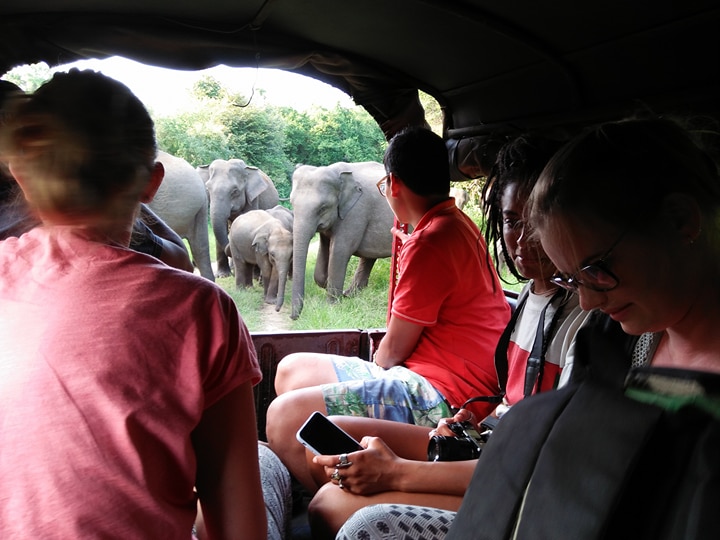
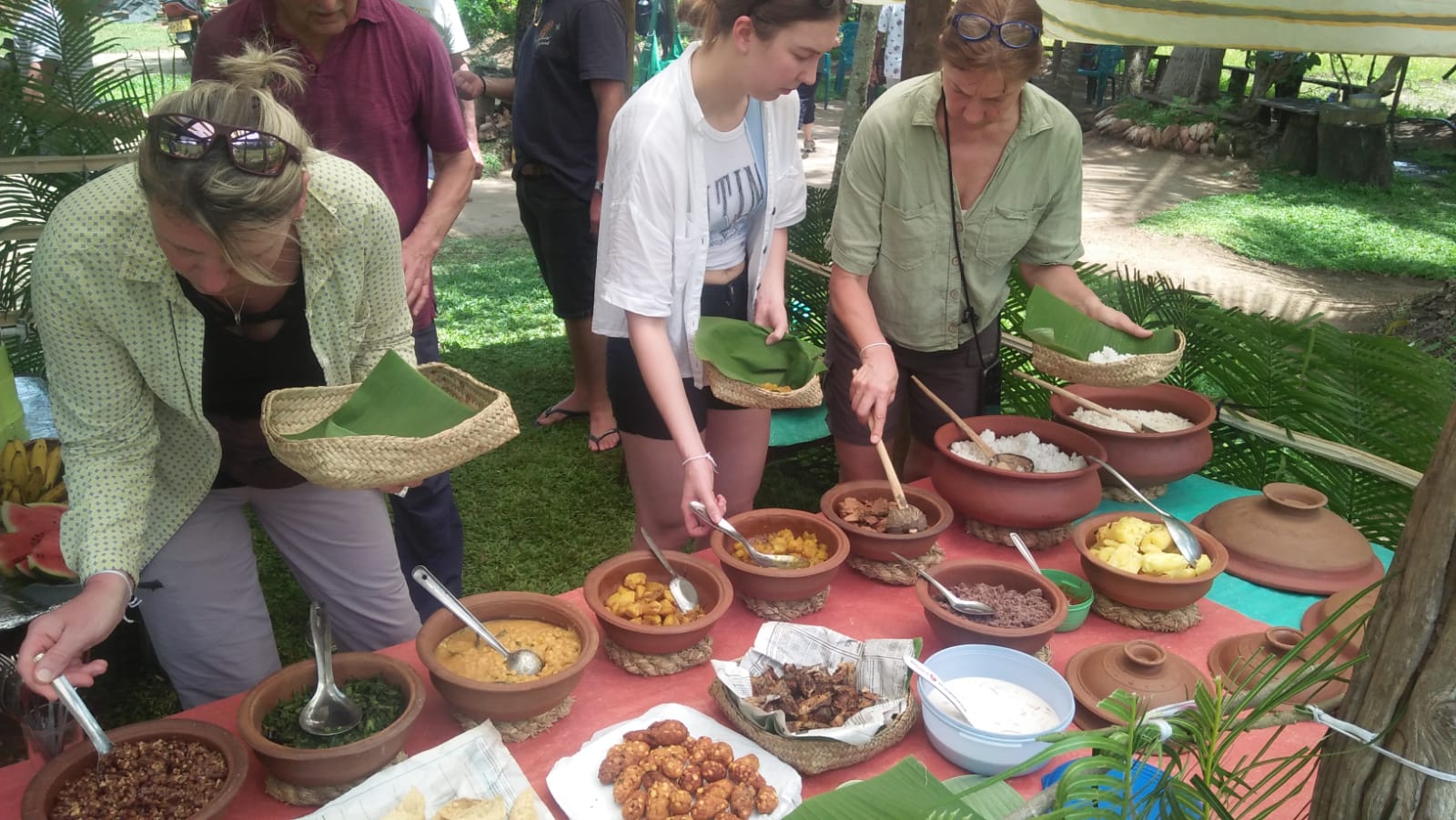
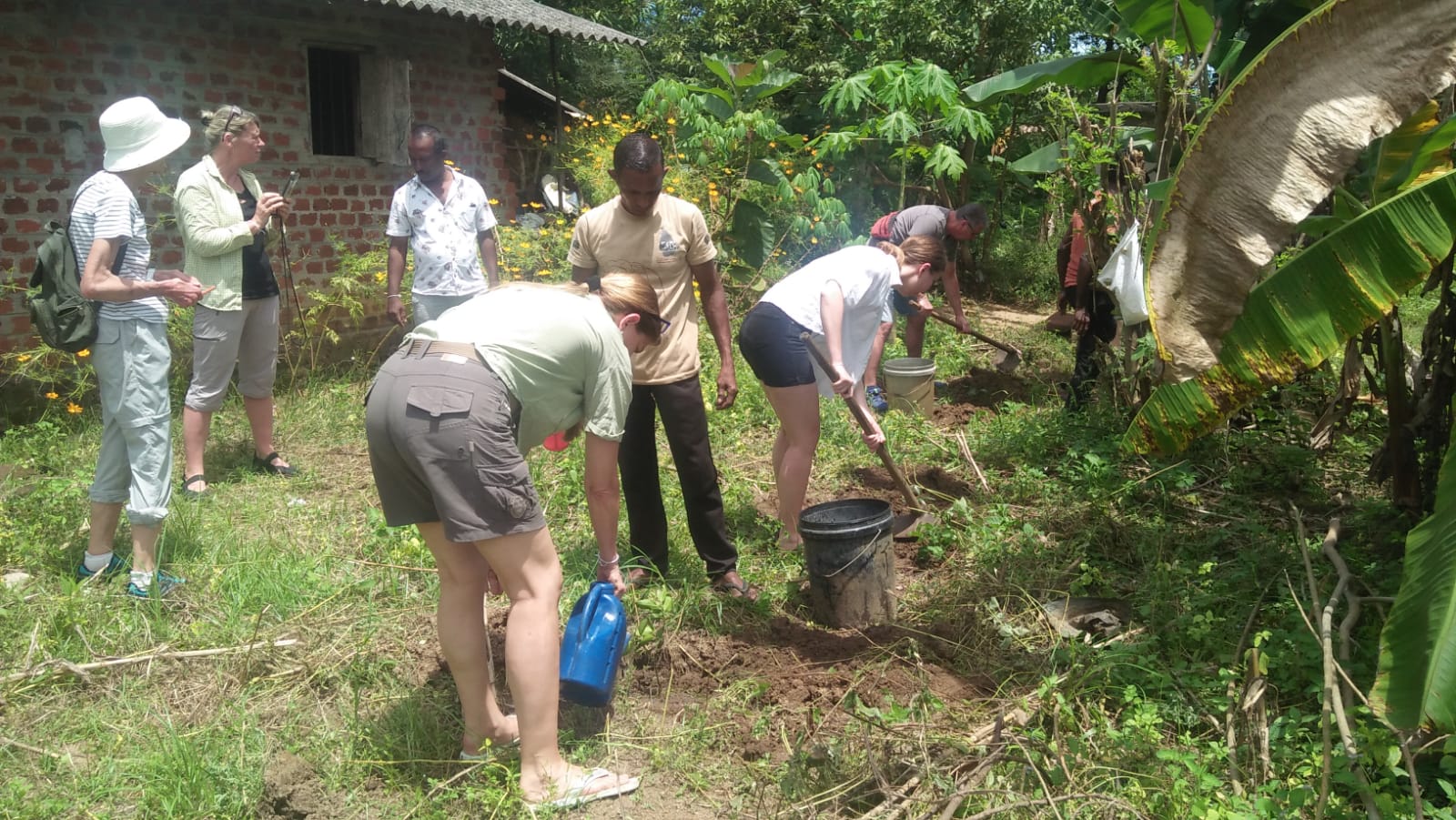
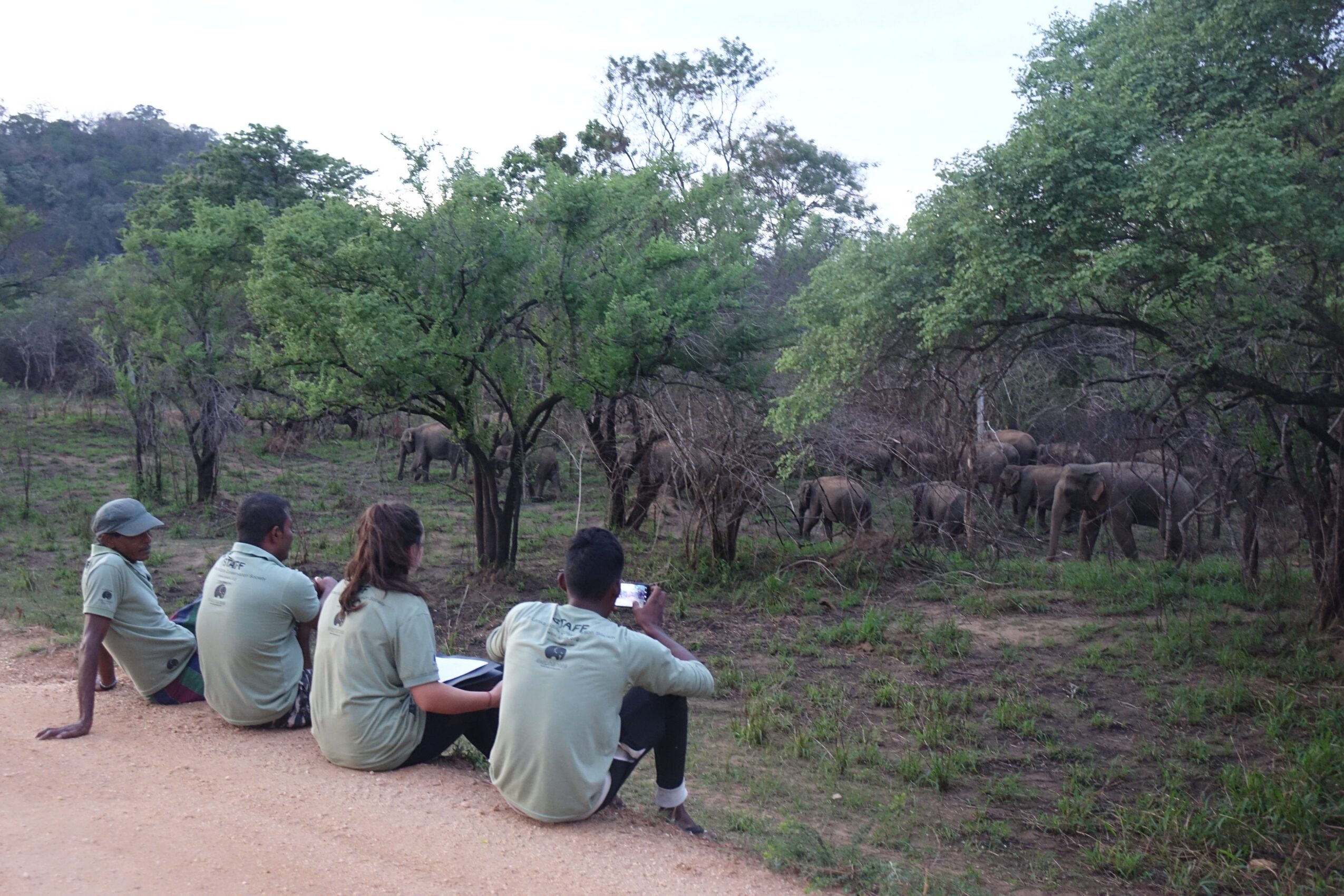
Through our international volunteer and experiential learning programs, we invite people to move beyond the traditional tourist experience and become directly involved in authentic wildlife research, conservation, and community engagement activities. Participants work alongside our field scientists and conservation teams, gaining firsthand exposure to the challenges of protecting wildlife in landscapes shared with people.
Unlike conventional wildlife tourism, where visitors are primarily observers, our programs offer opportunities to participate in ongoing field research, wildlife monitoring, habitat assessments, conservation initiatives, and community engagement. Participants learn not only about wildlife ecology and behavior but also about the complex human dimensions of conservation. Importantly, their participation contributes to our continuing conservation efforts rather than activities created solely for tourists.
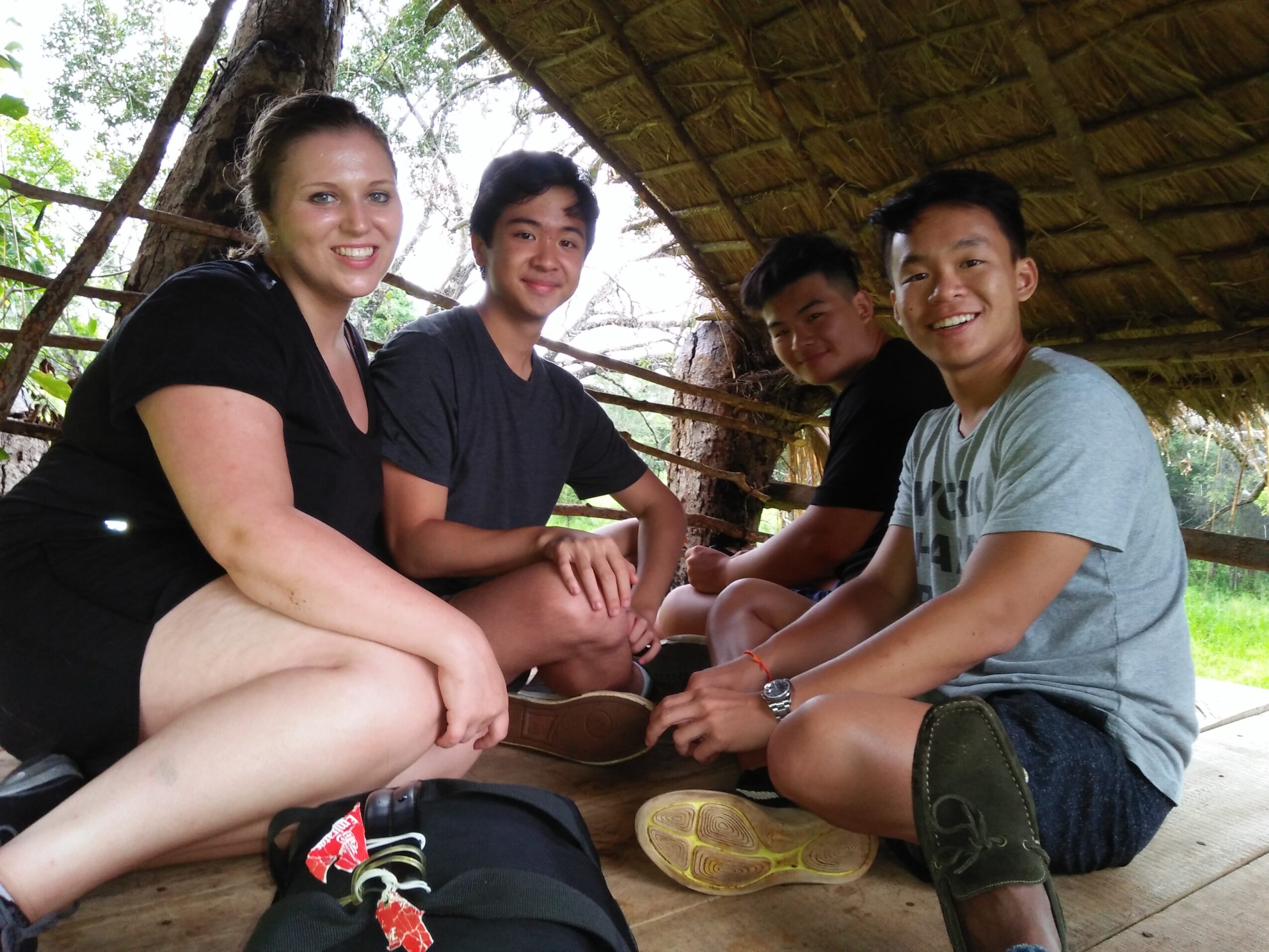
We have also developed specialized family volunteering and senior volunteering programs, making meaningful conservation experiences accessible to people across generations. Families can share the extraordinary experience of learning about wildlife and contributing to conservation together, while older adults can engage in purposeful, intellectually stimulating activities that draw on their interests, life experiences, and abilities. These programs demonstrate that conservation participation need not be limited to young students, scientists, or adventurous travelers. Everyone has something valuable to contribute.
Another important dimension of our approach is building partnerships with established travel companies, educational travel providers, and conventional tour operators. Rather than expecting the travel industry to reinvent itself, we are creating opportunities for operators to incorporate authentic, immersive conservation experiences into their existing itineraries.
Through these partnerships, travelers can participate in structured wildlife research, conservation, and community engagement programs that go far beyond conventional wildlife viewing. This creates a mutually beneficial model: travelers enjoy more meaningful and memorable experiences, tour operators differentiate their offerings, local communities benefit from responsible visitor engagement, and conservation programs receive much-needed financial and practical support.
We see this as an important opportunity to transform the relationship between tourism and conservation. Instead of wildlife and natural habitats being merely attractions from which the travel industry generates revenue, they become living assets in which the industry and its customers actively invest.
What I am most proud of is that SLWCS has remained true to its founding principles while continually evolving and innovating. We have never wanted to be an organization that simply identifies environmental problems or produces research reports. We want to demonstrate solutions, challenge conventional approaches, and create models that others can adapt and replicate.
Our greatest achievements are not necessarily the international awards or recognition we have received, although those are certainly gratifying. They are the farmers who can cultivate their land with greater security, the children who can travel to school more safely, the communities that begin to see wildlife as an asset rather than a liability, and the international volunteers who return home with a deeper understanding of conservation and a lifelong commitment to protecting nature.
I would like readers to understand that SLWCS is more than a wildlife conservation organization. We are building bridges between science, communities, responsible travel, and sustainable development. We offer opportunities for individuals, families, students, educational institutions, businesses, and travel companies to become part of meaningful conservation work and contribute to solutions that create lasting benefits.
Ultimately, our vision is to help change the way people value and engage with nature. We want to demonstrate that conservation does not have to be perpetually dependent on charity, nor should responsible travel be confined to minimizing negative environmental impacts. Both can become proactive forces for positive change.
Our message is simple: Don’t just visit nature. Become part of protecting it.
That is what SLWCS stands for, and it is the legacy we are working to build.
Is there anyone you’d like to thank or give credit to?
If there is one thing I have learned over more than three decades in conservation, it is that no meaningful or lasting achievement is ever the work of one person. Although I founded the Sri Lanka Wildlife Conservation Society (SLWCS) in 1995, its journey and accomplishments belong to an extraordinary community of people and organizations who believed in our vision, often long before we had the resources, recognition, or track record to demonstrate what we could achieve.
I must begin by acknowledging the very first members of our Board of Directors, who came on board when SLWCS was little more than an ambitious idea and a determination to change how wildlife conservation was approached in Sri Lanka. They believed in the vision of an organization that would integrate scientific research, wildlife protection, and rural community development. Their willingness to lend their time, expertise, credibility, and encouragement helped transform that vision into a functioning organization. Those early expressions of faith were invaluable, especially when we were challenging established conservation practices and proposing approaches that had yet to be tested.
I am equally indebted to the individuals, foundations, and institutions that took a chance on us during our formative years. Organizations such as the **U.S. Fish and Wildlife Service, Canadian International Development Agency (CIDA), International Elephant Foundation, Disney Wildlife Conservation Fund, Rufford Foundation, Born Free Foundation, Alexander Abraham Foundation, and the IUCN Netherlands Committee** provided support that helped us turn innovative conservation ideas into practical field initiatives.
Their contributions were especially important in establishing our pioneering *Saving Elephants by Helping People* program, including our community-based electric fencing initiatives. These projects challenged the conventional practice of trying to confine elephants within protected areas and instead sought to protect villages and agricultural lands while allowing elephants to move through their natural landscapes. The fact that some of these early fences remain operational nearly three decades later is a testament not only to the soundness of the concept but also to the confidence and commitment of those who helped make it possible.
I would particularly like to recognize **Linda Reifschneider and Asian Elephant Support**, whose longstanding friendship, advocacy, and generosity have helped sustain several of our pioneering initiatives, including our EleFriendly Bus and EleVets programs. Similarly, the International Elephant Foundation has been an important partner in supporting elephant conservation and helping us connect with the wider international conservation community.
Over the years, organizations such as the United Nations Development Programme, the Global Development Network, Google.org, the Whitley Fund for Nature, and other foundations and grant-making institutions have provided recognition, financial support, or opportunities that helped strengthen our credibility and expand the reach of our work. More recently, partners including Taronga Conservation Society Australia, Chamäleon, and other supporters have helped us continue developing and expanding our community-based conservation initiatives.
I also want to recognize the corporations, businesses, and travel industry partners that have supported our work through sponsorships, donations, collaborative programs, and responsible travel opportunities. Their contributions have demonstrated the tremendous potential for the private sector to become a meaningful partner in biodiversity conservation. I remain especially grateful to those who understood that supporting conservation is not simply an act of charity, but an investment in the long-term wellbeing of people, wildlife, and the natural environments upon which we all depend.
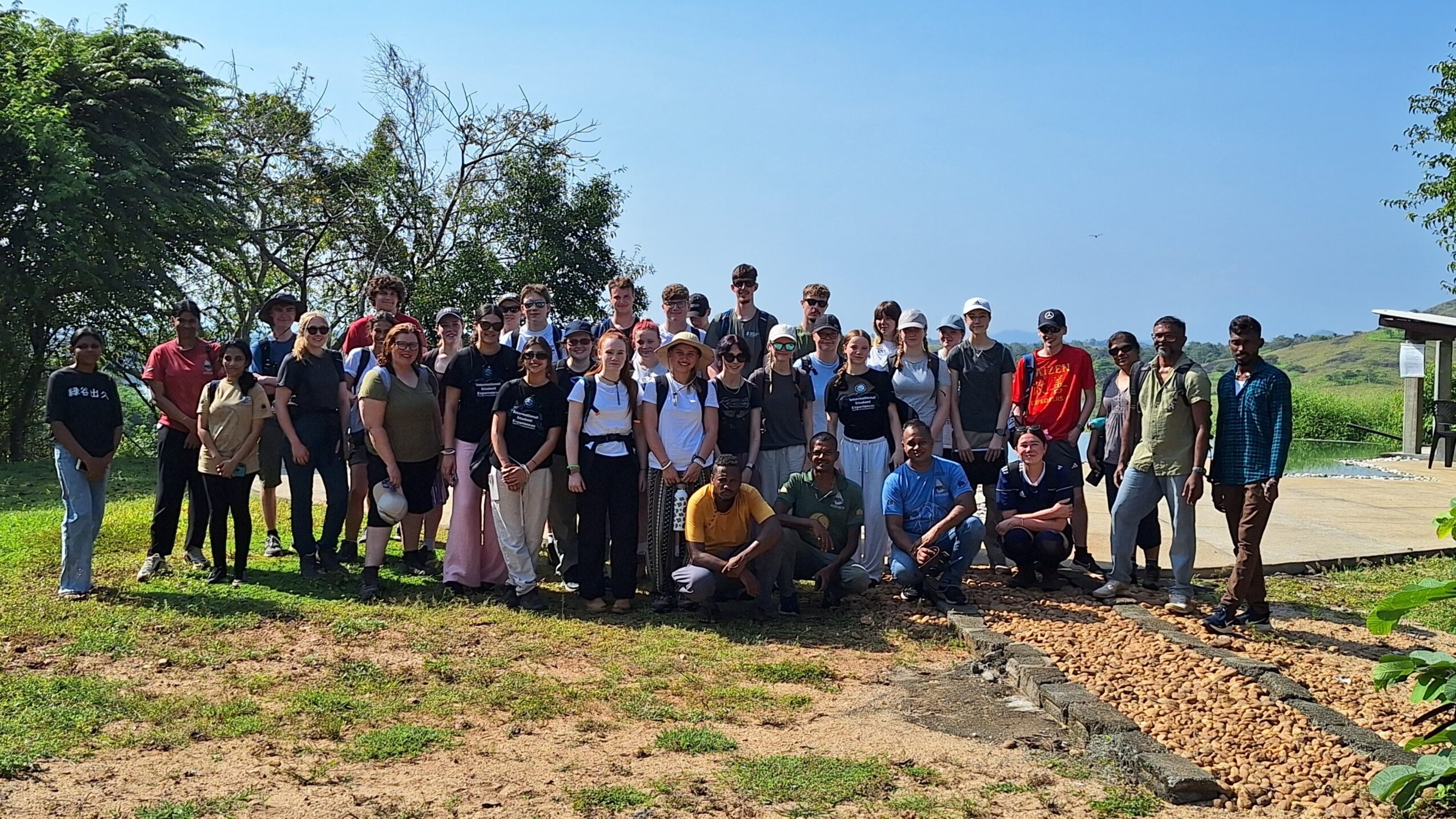
An especially important place in our story belongs to the thousands of international volunteers who have traveled to Sri Lanka to participate in our conservation programs. These individuals have contributed their time, energy, skills, enthusiasm, and financial resources to support our research, conservation, and community engagement activities. Many arrived as strangers and left as lifelong friends, advocates, and ambassadors for SLWCS. Their participation has helped us sustain field operations through periods when conventional grant funding was uncertain or unavailable.
But perhaps the greatest credit belongs to the rural communities with whom we have worked. The farmers, village leaders, schoolchildren, and families living alongside wild elephants have been our most important partners. They placed their trust in us, participated in initiatives that sometimes challenged generations of established practices, and demonstrated that conservation can succeed when communities are empowered to become active stakeholders rather than passive beneficiaries. Without their cooperation, commitment, and willingness to embrace new ideas, none of our achievements would have been possible.
I must also acknowledge the dedicated SLWCS staff, field researchers, conservation officers, and local team members, past and present, who have worked under extraordinarily challenging conditions, often with limited resources and little recognition. They are the people who turn our ideas into action every day. Their dedication, resilience, and intimate knowledge of the landscapes and communities where we work have been fundamental to our success.
Looking back, what moves me most is that so many people and organizations from different countries, cultures, and walks of life have come together around a shared belief that people and wildlife deserve a future together.
The SLWCS story is not simply about an organization that has survived for more than 30 years. It is about a collective commitment that has endured through changing circumstances, financial uncertainties, and countless challenges because people continued to believe that our work mattered.
I have always believed that conservation is ultimately an act of hope, but hope alone is not enough. It takes people willing to turn that hope into action, and supporters willing to stand behind them even when the results may take years to materialize.
To everyone who has served on our boards, funded our projects, volunteered in our programs, worked in our field teams, opened doors, offered encouragement, or simply believed in what we were trying to accomplish, I owe an enormous debt of gratitude.
Whatever SLWCS has achieved over the past three decades, we have achieved together. And whatever impact we continue to make in the years ahead will depend on that same spirit of partnership, generosity, and shared responsibility.
Contact Info:
- Website: https://www.slwcs.org
- Instagram: https://www.instagram.com/slwcs_org/
- Facebook: https://www.facebook.com/SriLankaWildlifeConservationSociety/
- LinkedIn: https://www.linkedin.com/company/slwcs
- Twitter: https://x.com/slwcs_org
- Youtube: https://www.youtube.com/@slwcsinfo7213
Popular
-

Kansas City’s Most Inspiring Stories
-

Carla Frankoviglia-Gilfry Is Helping People Rethink Wellness From the Mind Out
-

Hidden Gems: Local Businesses & Creatives You Should Know
-

Portraits of KC
-

Celebrating a Decade of Growth: Lakeisha Bouy on Building a Salon, a Brand, and a Community
-

Highlighting Local Gems