





Today we’d like to introduce you to Melissa Sisk.
Hi Melissa, please kick things off for us with an introduction to yourself and your story.
I started foraging as a kid, picking lambsquarters with my grandmother for casseroles. I didn’t know that’s what it was called. She and my grandfather grew up in the Depression and wasted nothing, so weeds went into dinner right alongside the tomatoes and green beans. It stuck.
Thirty-five years later I’m a certified herbalist, and I still can’t cross a parking lot without noticing what’s edible. My family and I live on 40 acres in Johnson County, Missouri, where I homeschool our three kids and run Fletcher Creek Farm, high tunnel and all. Watching my own kids see abundance everywhere they look is a big part of why I teach.
I co-founded the Mid-MO Homestead Expo, which is entering its fourth year, and I lead seasonal foraging walks at places like Powell Gardens. I also do site surveys, where I walk someone’s property and identify every plant I can find, so they know what they can eat and what to keep their kids and pets away from.
What I want is simple. I want people to look at the ground and see food. Everything I do comes back to that.
Would you say it’s been a smooth road, and if not what are some of the biggest challenges you’ve faced along the way?
Smooth would be a stretch. Farming and teaching both come with a lot of weather and a lot of plans that don’t survive contact with it.
Our two acres of native trees and shrubs have struggled because of overspray drifting over from neighboring fields. It is hard to watch plants you tended get set back by something you can’t control. It taught me to work with what the land will actually give me. I put new plantings in protected spots, and I pay attention to the wild plants that come back no matter what. They are usually tougher than anything I could buy.
Marketing was its own education. I’m happiest with my hands in the dirt or out on a trail with a group, not writing about myself. Learning to share what I know with the people who need it took years of practice, and I’m still at it. The best way I’ve found to get someone interested is to hand them a leaf, tell them what it is, and let them taste it.
I think right now is a good time for more people to know this stuff. Food costs are rising and the world feels uncertain, and most of us have walked past a free meal a hundred times. Learning to recognize what grows around you is a small way to feel more connected and a little more capable. You don’t need acres of land or years of experience. You just need someone to point and say, “that one is good to eat.”
Appreciate you sharing that. What else should we know about what you do?
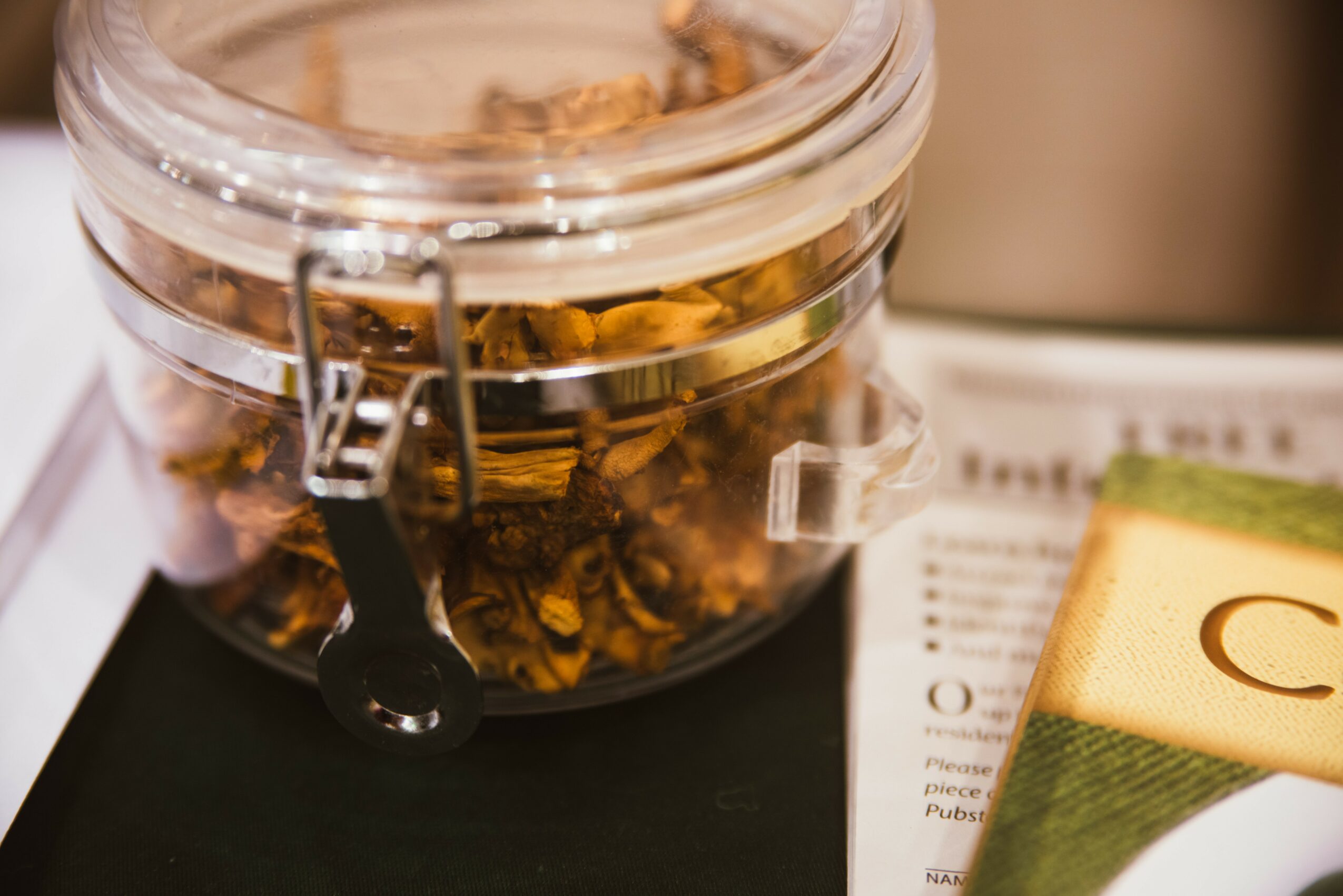
I teach people to find and use the wild plants growing around them. Most of that happens on foraging walks, where we move slowly, stop at nearly everything, and taste what’s safe to taste. I bring food to every walk, like pickled daylily buds, queen Anne’s lace pickles, and crackers made with seeds I gathered myself. It is hard to be nervous about a plant after you’ve eaten something delicious made from it.
I also do site surveys. I walk a yard or a pasture, identify every plant I can, and write up a guide with photos of what is growing on that property, what you can eat, and what to keep away from kids, pets, and livestock. One horse owner learned she had two plants on her land that are a problem for horses. A flower farmer found out which wild plants she could safely put in her arrangements. People are often surprised by how much is already growing right outside their door.
For families, I teach classes on our farm in Johnson County, geared toward homeschoolers. I’m a homeschooling mom myself, so I know how to teach with kids in the mix.
I’m most proud of two things. The first is the Mid-MO Homestead Expo, which I co-founded and which is entering its fourth year. It brings neighbors together around skills that used to be common knowledge. The second is smaller. It’s the moment a kid holds up a leaf and says, “Wait, I can eat this?” My own kids see the world differently now, and watching other families get that same shift never gets old.
What sets me apart is probably the combination. I have 35 years of hands-on experience and I’m a certified herbalist, but I teach like a neighbor. I’m careful about safety. I tell everyone to confirm an identification with at least three sources before eating anything, and I spend real time on the toxic lookalikes. And I would much rather you walk away able to identify five plants confidently than hand you a list of fifty you’ll forget.
Let’s talk about our city – what do you love? What do you not love?
What I like best about Kansas City is how much green is woven through it. You can be in the middle of a neighborhood and still find a creek bottom, a prairie remnant, or an overgrown fence line full of food within a short drive. Places like Powell Gardens put plants in front of people who might never otherwise slow down for them. The people are a big part of it too. Kansas City has a real Midwest friendliness, and plenty of folks who care where their food comes from and want to learn to do things themselves. Every class I teach has someone in it who asks a great question I hadn’t thought of.
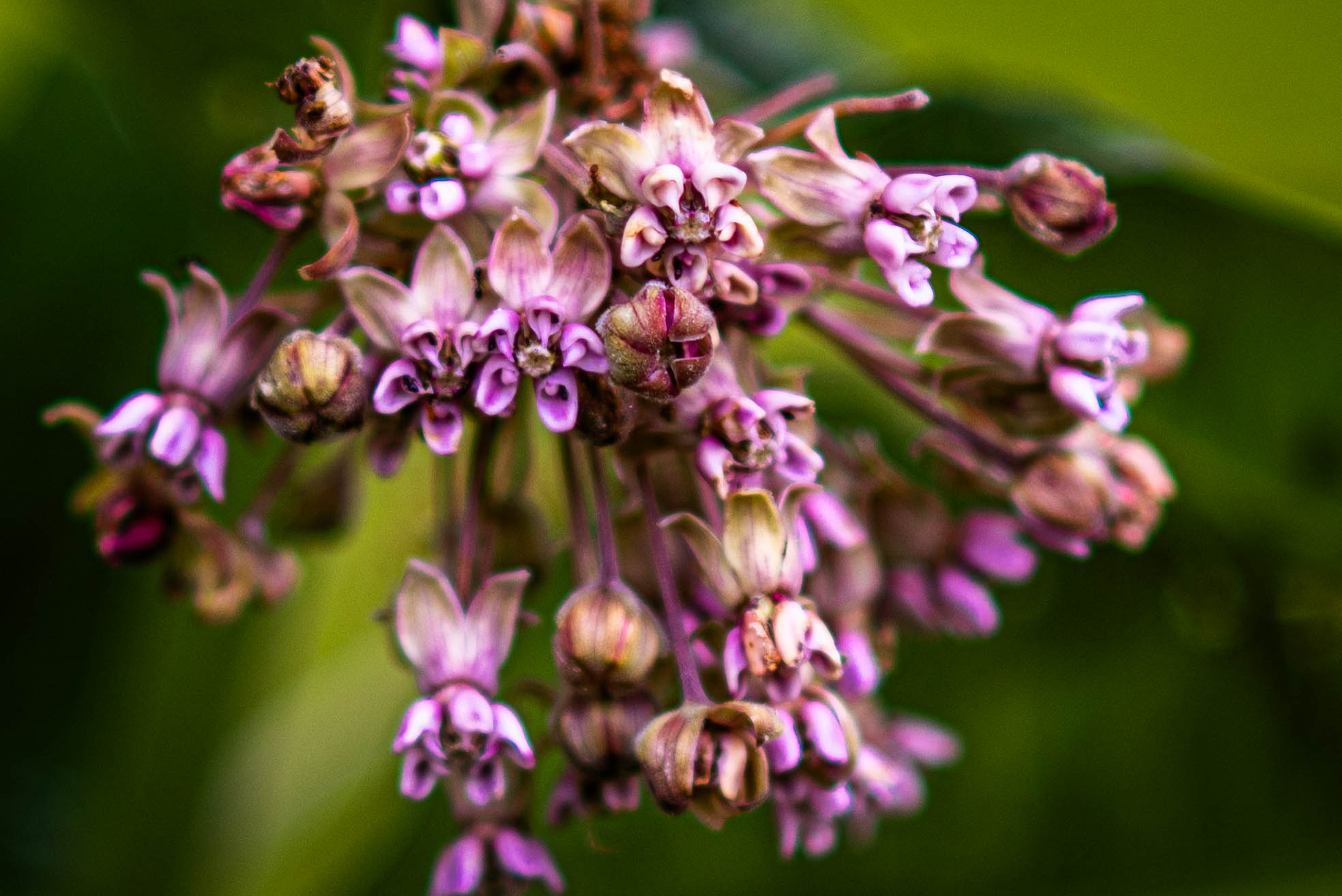
What I like least is how often the city treats native plantings as a problem. Weed and tall grass rules can turn a yard of milkweed and coneflower into a citation, because tall and wild gets read as unruly. Those same plants feed pollinators, shelter birds, and hold soil in place. A lawn that gets sprayed and mowed down to nothing looks tidy and does very little for anything living, while a meadow looks messy to some eyes and is full of life. I would love to see rules that make room for native plantings and recognize what they do for everyone, people included. A lot of those “weeds” are also dinner, so a wild-looking yard can be a pantry.
Pricing:
- Public foraging walks: $40 per person for a two-hour guided walk with tastings. Powell Gardens members get 10% off, and Powell Gardens tickets include garden admission.
- Homeschool group classes at your location: $40 per family within 30 miles, with a minimum of 10 families. Groups farther out get a custom quote.
- Homeschool group classes at your location: $30 per family within 30 miles, with a minimum of 10 families. Groups farther out get a custom quote.
Contact Info:
- Website: https://www.fletchercreekfarm.farm
- Instagram: https://www.instagram.com/fletchercreekfarmstead/
- Facebook: https://www.facebook.com/fletchercreekfarmstead