


Today we’d like to introduce you to AJ Finnegan.
Hi AJ, so excited to have you with us today. What can you tell us about your story?
My story really began in high school, where I discovered that art and storytelling were going to be a major part of my life. I was involved in both visual and performing arts, which gave me an early appreciation for the ways that images, design, performance, and storytelling can work together. I competed in art competitions, performed in theatre, and became the 2016 State Champion in Prose Reading. Those experiences helped me realize that creativity wasn’t simply something I enjoyed—it was something I wanted to build my life around.
After high school, I attended East Central College, where I earned my Associate of Fine Arts. I then continued my education at the Kansas City Art Institute, earning my Bachelor of Fine Arts. KCAI was a major turning point for me. I explored illustration, animation, graphic design, and filmmaking while developing my own artistic voice. I was also selected for a Kansas City Royals–sponsored studio internship, co-created a children’s book called *Planet Zoocey Woocey*, and completed my senior thesis film, *Gears N Lightning*, which was later selected for the 2024 Uplift Film Festival.
For a long time, I understood myself primarily as a storyteller. I thought storytelling was the common thread connecting the different forms of art that interested me, and I assumed that I would eventually have to find one medium that felt like “my” medium. But that understanding began to change as I became an educator.
I completed my Master’s degree in Secondary Education and began working as a teacher, bringing my background in fine art, graphic design, animation, and filmmaking into the classroom. Teaching unexpectedly changed the way I understood my own artistic practice. I began to realize that what I enjoy most isn’t necessarily working within one particular medium or even simply telling a story. What really excites me is the exchange of ideas watching an idea move from one person to another, seeing how it is interpreted, challenged, transformed, and communicated through different forms.
That realization changed how I think about myself as an artist. I became increasingly interested in what happens when ideas interact with one another: how they can bend, fold, overlap, break apart, and change as they move between people and mediums. Graphic design, animation, writing, filmmaking, and traditional art no longer feel like separate practices to me. They are different languages that can communicate with one another.
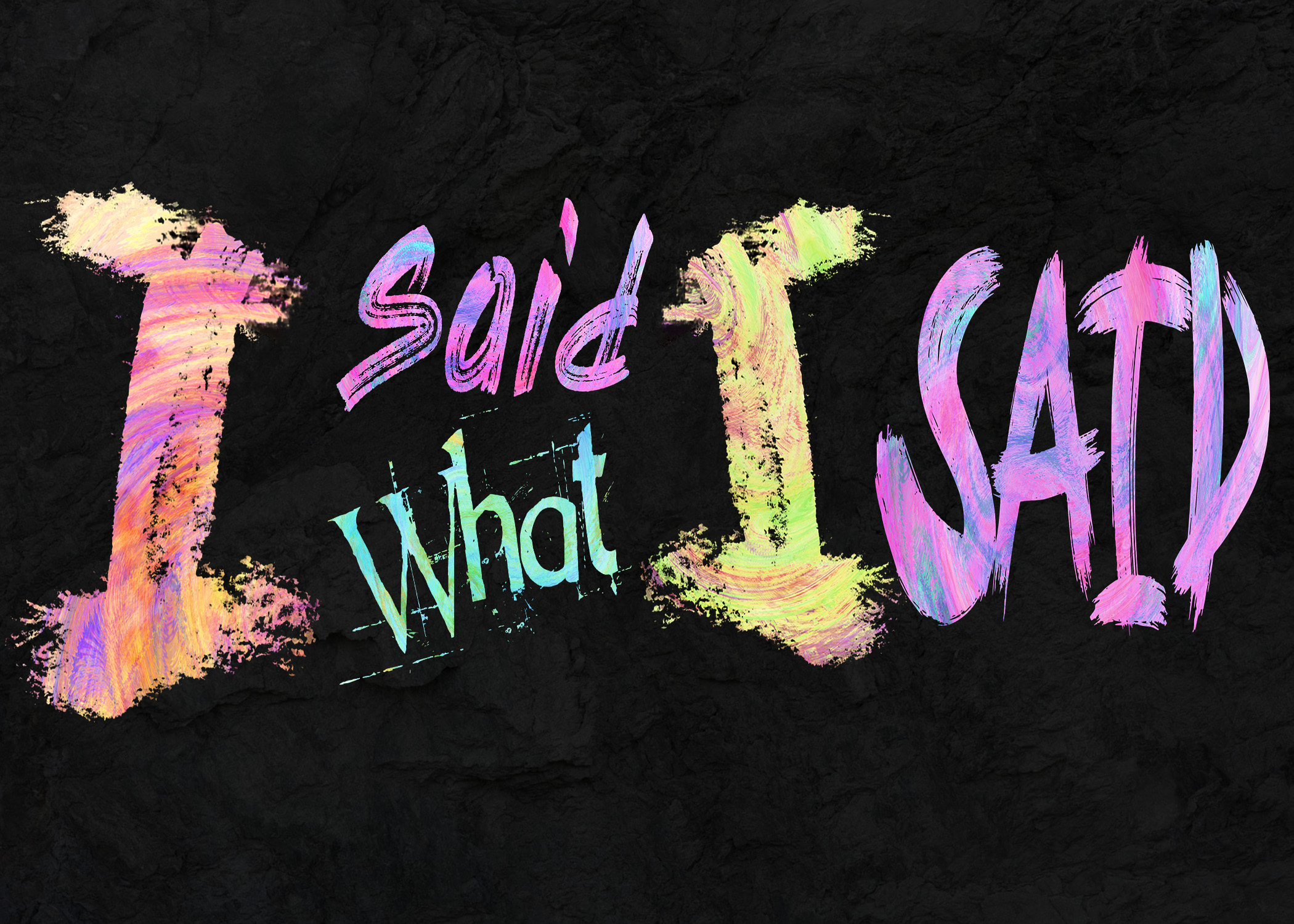
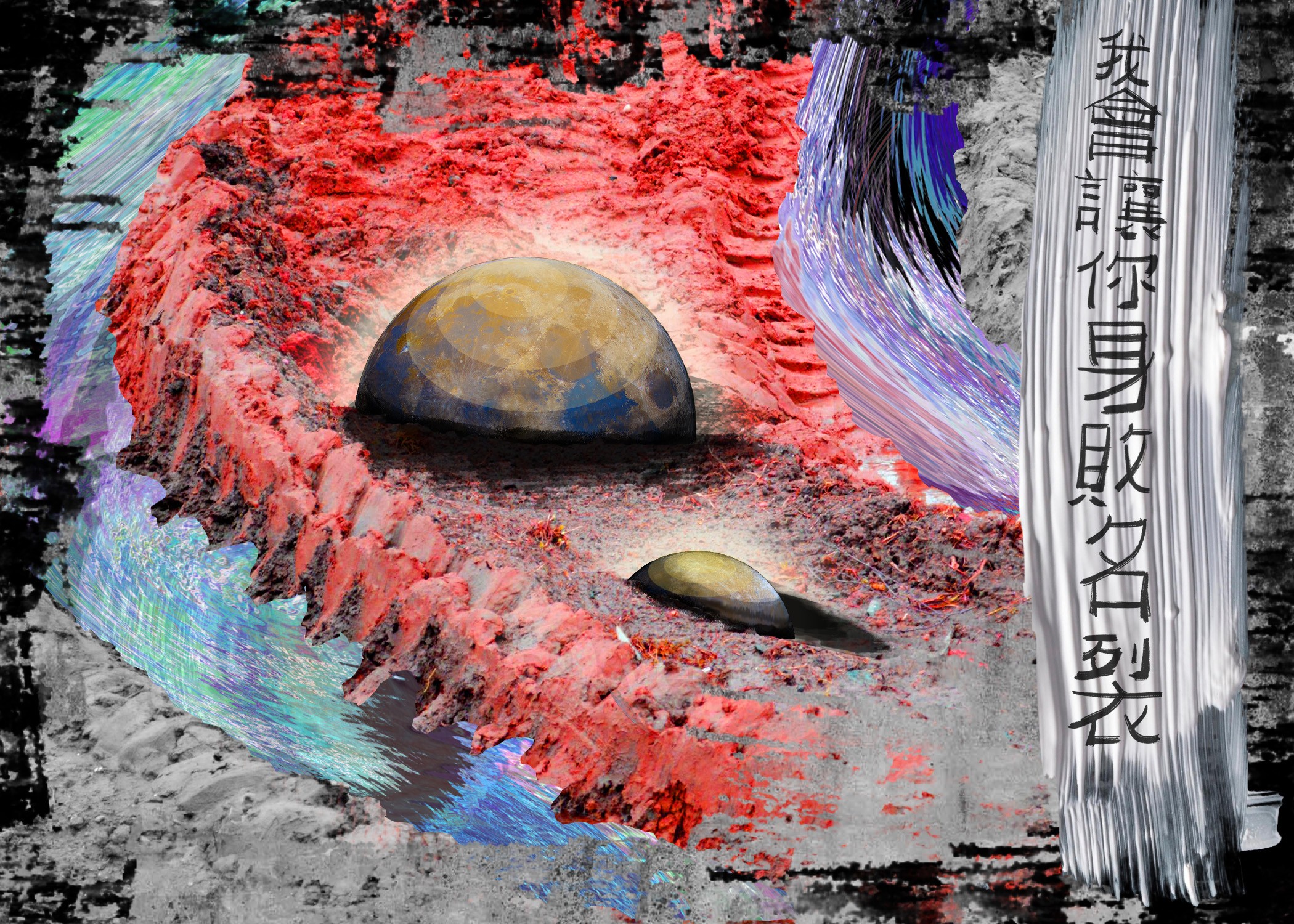
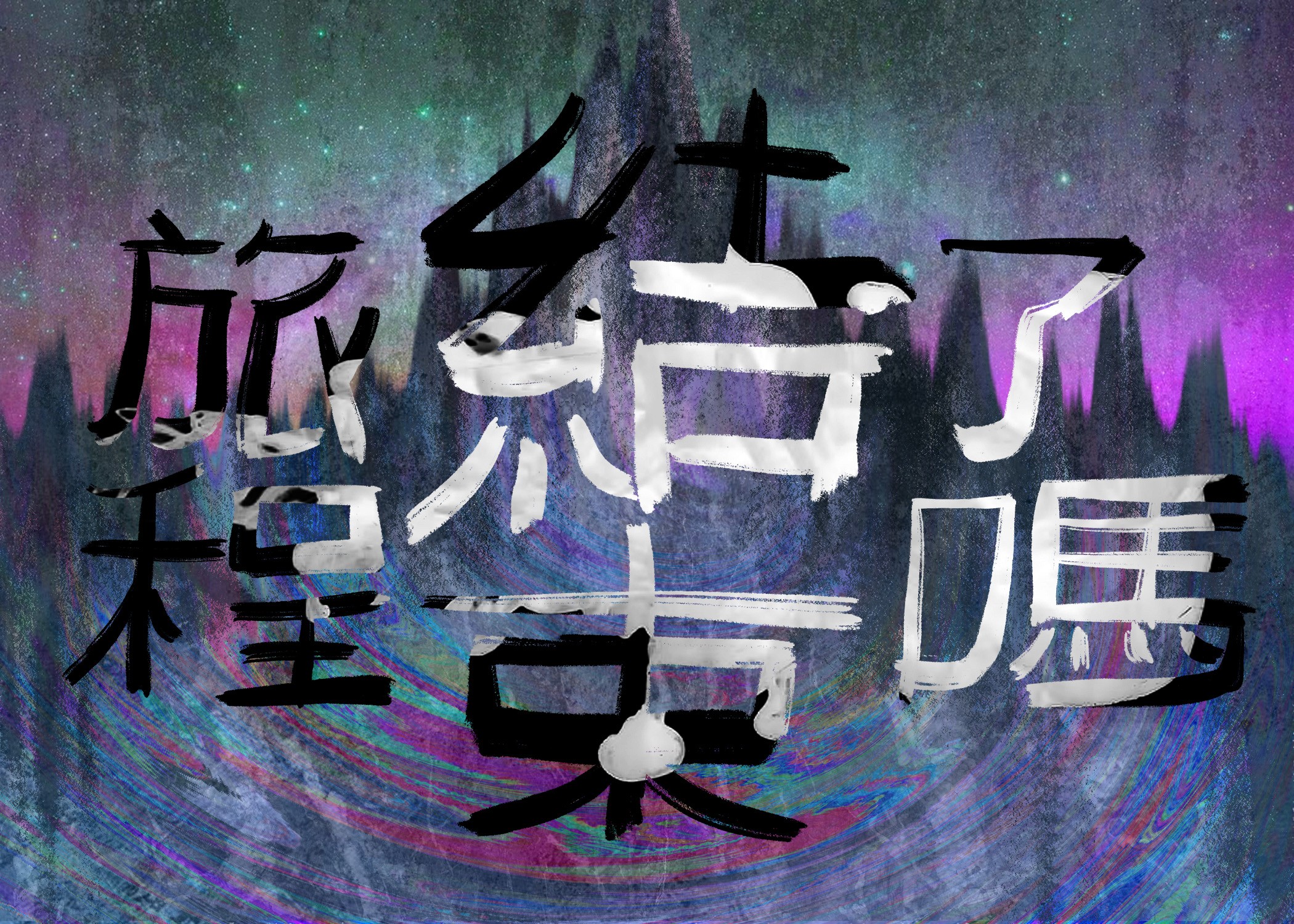
That philosophy is at the center of my current work, I Said What I Said. It is a multipart, multidisciplinary body of work that brings together graphic design, animation, and literature to explore emotion, personal experience, communication, and the process of understanding and unlearning. Rather than treating each medium as an isolated project, I’m interested in how the different pieces speak to one another and how the meaning of an idea can shift when it moves from an image, to a written passage, to an animated sequence, or into another form entirely.
The series has continued to grow into a larger creative project that includes visual artwork, writing, and film. In many ways, it represents where I am now as an artist: less interested in defining myself by a single medium and more interested in creating spaces where ideas can interact and transform.
Today, I work as an educator while continuing to develop my own artistic practice. Teaching and making art have become deeply connected for me. The classroom has taught me to listen to how other people interpret ideas, and my studio practice gives me a place to investigate those ideas further. There is a constant exchange between the two.
Looking back, my path hasn’t been completely linear—and I don’t think it was supposed to be. I started by thinking I needed to find my voice as a storyteller. I eventually realized that my artistic voice is less about telling a single story and more about exploring what happens when ideas meet then they are communicated, questioned, interpreted, and transformed.
That is where I find the most excitement as an artist: in the space between ideas, and in discovering what they can become when they are allowed to change.
I’m sure it wasn’t obstacle-free, but would you say the journey has been fairly smooth so far?
No, it definitely hasn’t been a smooth road.
One of my biggest struggles as an artist has been figuring out what medium I actually wanted to work in. Early on, I felt like I had to choose between theatre and visual art. I loved performing and storytelling, but I also loved drawing and creating visual work. Choosing one path meant feeling like I was potentially giving up another part of myself.
My first college art class actually made that decision even harder. I struggled in that class so much that I remember thinking, “I’m never doing this again.” For a while, I questioned whether visual art was really where I belonged. But at the same time, I knew I didn’t want to lose my ability to draw. Drawing was too important to me to simply walk away from.
Eventually, I realized that I didn’t have to choose one medium in the way I originally thought I did. My experiences in art, theatre, graphic design, animation, filmmaking, and eventually education all became parts of the same creative language. The challenge was learning how those pieces could communicate with one another.
Another major struggle was completing my Master’s degree in Secondary Education while beginning my first two years of teaching. Trying to become a good teacher, manage a classroom, develop curriculum, learn the demands of the profession, and complete graduate-level work at the same time was incredibly difficult. There were times when I felt like I was trying to build two careers simultaneously. Teaching required so much of me that finding the time and energy to continue developing as an artist was a constant challenge.
But those experiences ultimately changed my understanding of my artistic practice. Teaching exposed me to the ways different people interpret, communicate, and transform ideas. I began to realize that what I enjoy most isn’t necessarily one particular medium. It’s the exchange of ideas and seeing what happens when those ideas move between people and forms—how they bend, fold, change, and become something new.
That realization has become a major part of the work I’m doing now. My current I Said What I Said Series is a multipart body of work that brings together graphic design, animation, and literature. Instead of asking myself, “Which medium am I?” I’m now asking, “What is the best way to communicate this idea?”
I think that shift has been one of the most important developments in my career. The struggles didn’t necessarily give me a straight path forward, but they taught me that I don’t have to limit myself to one path in the first place.
Appreciate you sharing that. What else should we know about what you do?
My work exists at the intersection of graphic design, illustration, animation, filmmaking, and literature. For a long time, I thought I needed to figure out which one of those mediums I was supposed to specialize in. Over time, I’ve realized that the medium isn’t necessarily the most important part of my practice. What interests me most is the exchange of ideas—how an idea communicates, how someone interprets it, and how it can bend, fold, change, or become something completely different as it moves between people and mediums.
That understanding has become the foundation of my current artistic practice, particularly through I Said What I Said; a multipart, multidisciplinary body of work that uses graphic design, animation, and literature to explore emotion, memory, communication, personal experience, and the process of understanding and unlearning.
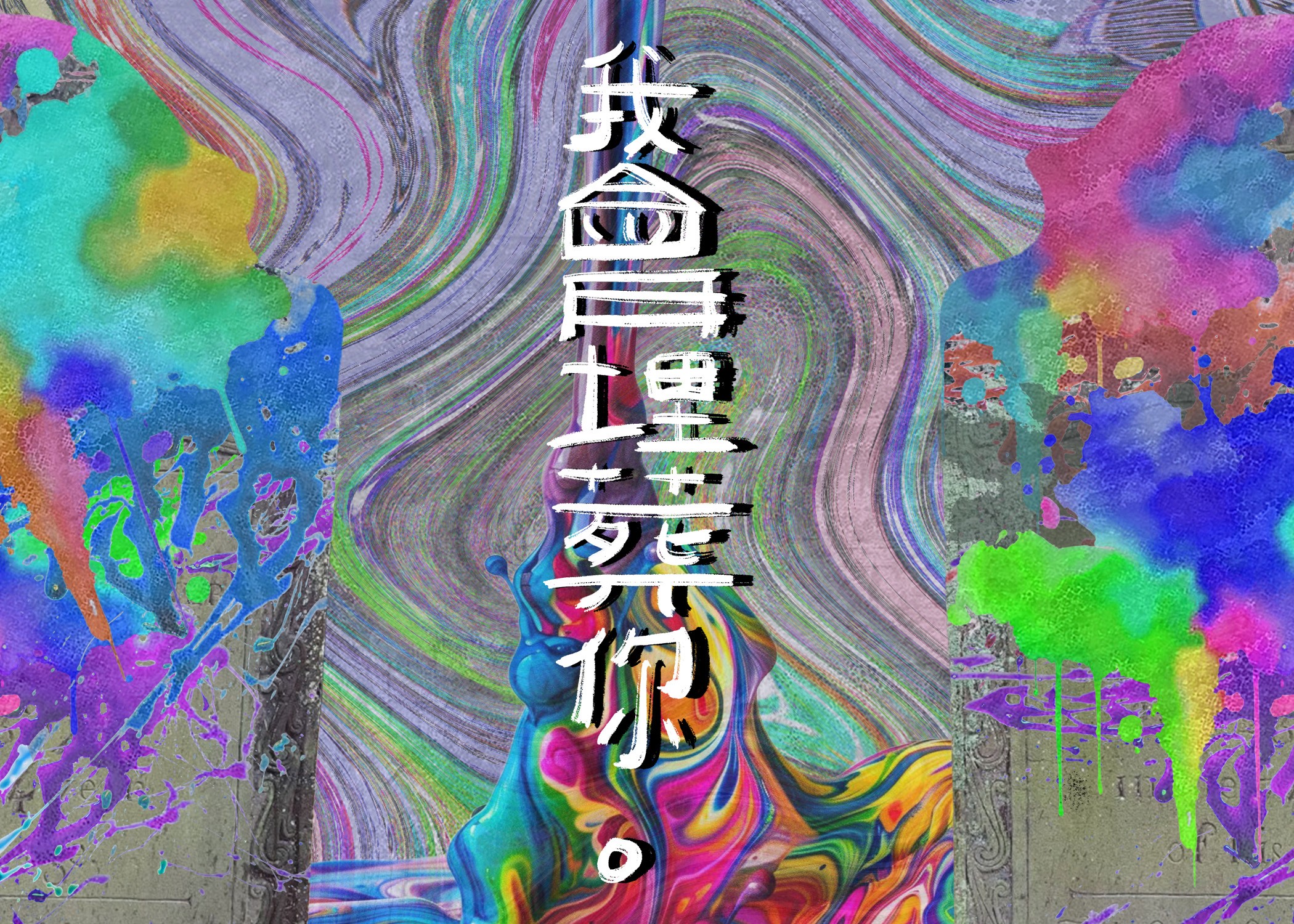
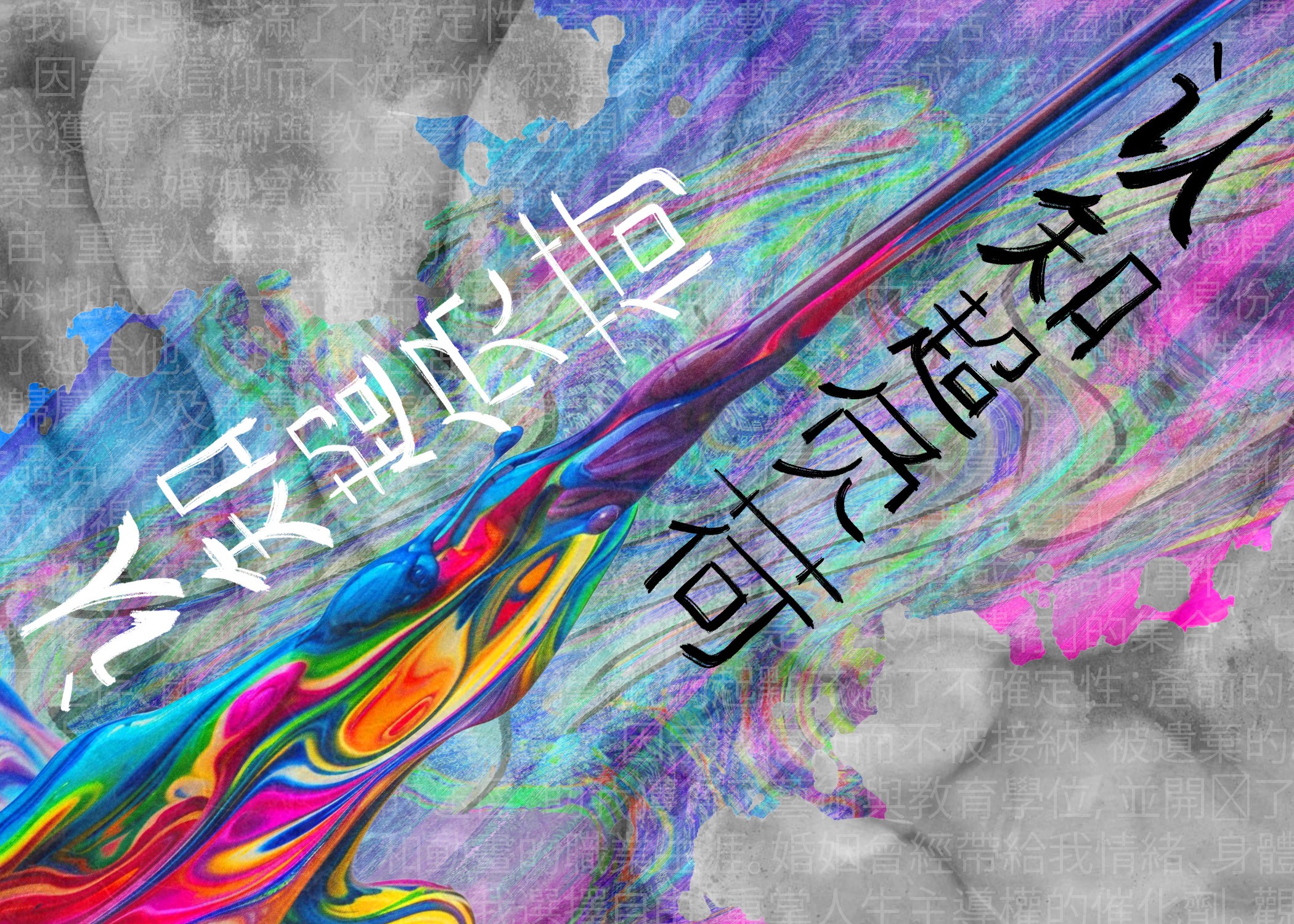
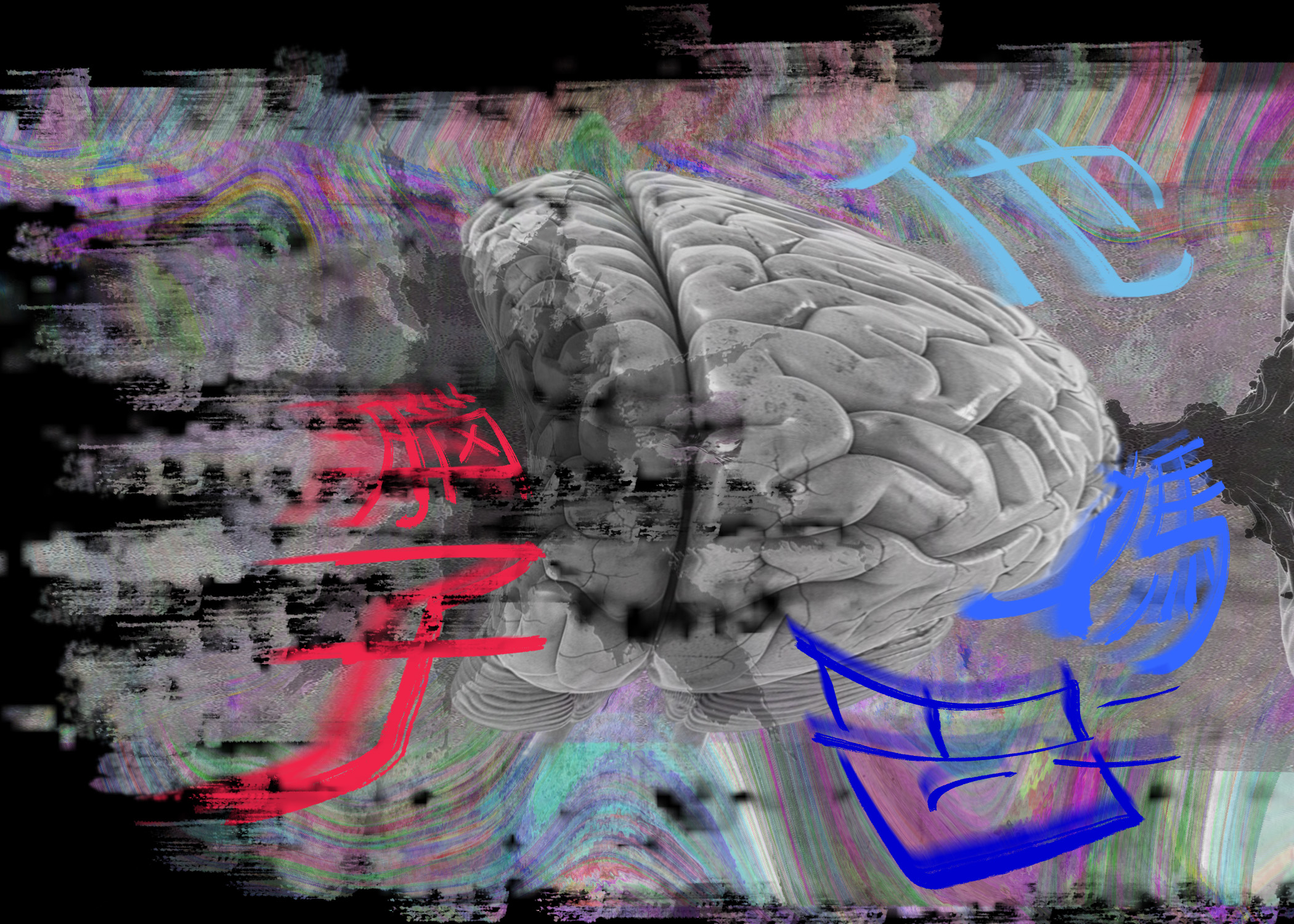
The graphic portion of the series uses Photoshop, typography, text, imagery, color, and layered visual elements to create pieces that feel almost like visual records of emotional experiences. The text isn’t simply placed on top of an image; it becomes part of the image itself. The project notes describe the work as a combination of graphic and text art that connects past and present emotions through an emphasis on emotional authenticity and the relationship between memory and expression.
One of the things that is particularly important to me is that the works aren’t meant to exist completely independently. Each design continues from the previous design and leads into the next. That structure reflects the way I think emotions work. An experience doesn’t necessarily end when the experience itself ends. It can carry into the next thought, the next emotion, and the next experience, changing shape along the way.
That’s also why I don’t want to describe I Said What I Said as simply a graphic design series. I’m building it as a larger body of work where images, typography, animation, writing, and film can communicate with one another. A thought that begins as a written statement can become a graphic. That graphic can become part of an animation. An animation can lead to another piece of writing. The meaning can shift as it moves from one form to another.
I’m probably most proud of the fact that I’ve reached a point where I no longer feel like I have to choose between the different parts of myself as an artist. I can draw, design, animate, write, make films, and teach—and instead of those things competing with one another, they inform each other.
I’m also proud that I’m still drawing and continuing to develop my visual language while exploring digital processes. My practice has become less about finding a single medium and more about finding the right language for an idea.
What sets my work apart, at least from my perspective, is that I’m interested in creating relationships between things that might normally be separated. I don’t just want to make an image or tell a story. I want to explore what happens between the image, the story, the viewer, and the next idea.
Ultimately, I’m interested in the way ideas evolve. I want my work to feel like something that is still moving—where one thought becomes another, where emotions overlap and change, and where the viewer isn’t simply looking at a finished object but is invited into an ongoing conversation.
That is what I Said What I Said has become for me: not just a collection of artworks, but an evolving conversation between ideas, mediums, experiences, and people.
What would you say have been one of the most important lessons you’ve learned?
The most important lesson I’ve learned is that I don’t have to choose just one thing in order to be an artist.
For a long time, I thought I had to figure out what my medium was. Was I a storyteller? An illustrator? A graphic designer? An animator? A filmmaker? Was I supposed to choose theatre or visual art? I spent a lot of time thinking that eventually I would have to settle on one answer.
I’ve learned that my strength isn’t necessarily in one medium. It’s in the connections between them.
Becoming an educator was a huge part of that realization. When I started teaching, I began seeing ideas through other people’s perspectives. I watched students take an idea, interpret it differently, and turn it into something I never would have imagined. That made me realize that what excites me most about being an artist is that exchange—seeing how ideas communicate with one another and how they bend, fold, change, and evolve.
That realization completely changed how I approach my own work. Instead of asking myself, “What kind of artist am I?” I started asking, “What does this idea need in order to be communicated?”
That question has given me permission to move between drawing, graphic design, animation, writing, and filmmaking without feeling like I’m abandoning one for another.
It’s also the reason I Said What I Said has become such an important body of work for me. The series allows ideas and emotions to move between different forms, with each piece connecting to what came before and what comes after. The work is intentionally constructed as an evolving sequence because emotions themselves don’t exist in isolation—they change based on our experiences and what happens next.
So I think the biggest lesson has been to stop worrying so much about defining myself and start paying attention to what I am curious about.
I don’t need to have one medium, one title, or one perfectly defined path. I can be an educator and an artist. I can draw and animate. I can design and write. I can make a film and create a graphic series.
The more I’ve allowed those things to coexist, the more clearly I’ve understood my artistic voice.
I think I’ve finally learned that my job isn’t to fit myself into a medium. My job is to follow the idea and see where it takes me.
Contact Info:
- Website: https://Finneganstudios.com
- LinkedIn: https://www.linkedin.com/in/alanjfinnegan