



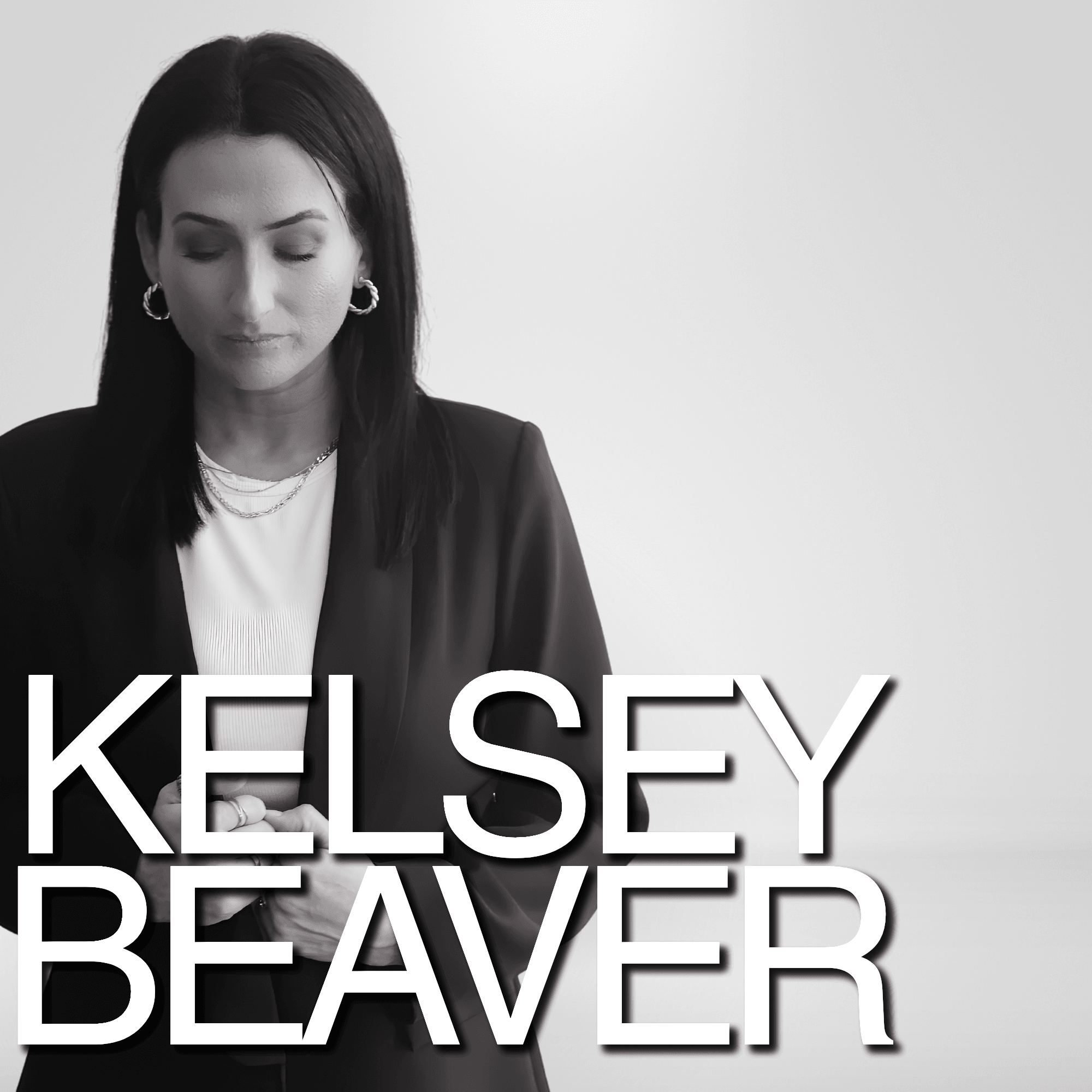
Today we’d like to introduce you to Kelsey Beaver.
Hi Kelsey, thanks for joining us today. We’d love for you to start by introducing yourself.
If you had met me a few years ago, you probably would not have guessed I would become a business owner, author, publisher, and community advocate. Honestly, I would not have guessed it either.
I spent a large part of my life feeling like I was either too much or somehow not enough. I was diagnosed with ADHD as a young adult, served in the Air Force, became a wife and mother, and learned how to keep going even when I did not fully understand what was happening inside my own mind and body. I could handle responsibility, solve problems, and take care of other people, but I did not always know how to recognize or explain my own needs.
Motherhood changed that.
As I began noticing how differently my children experienced sound, movement, textures, emotions, and everyday environments, I started seeing parts of myself more clearly too. Our needs did not always look the same, but the need underneath them was familiar. We needed room to experience the world in our own ways without being treated like we were difficult, dramatic, or doing something wrong.
That realization eventually became sensory dough co.
I started the company on January 11, 2024. There was no big team, investor, or perfectly organized launch plan. There was me, an idea I believed in, and a willingness to figure things out one decision at a time.
At first, I was creating sensory dough by hand. But I quickly realized the product was only the doorway. A jar of dough could help a child settle after a hard day. A sensory kit could give a parent a few peaceful minutes to reconnect with their child. A tool placed in the right classroom or therapy space could help someone participate instead of being removed, corrected, or misunderstood.
That mattered to me.
As the company grew, I expanded into sensory kits, activity bins, regulation tools, custom products, community events, and partnerships with businesses and organizations that care about inclusion as much as I do. I opened a sensory shopping space inside The Calm Room at My Little Town in Warrensburg, creating a place where families could pause without having to apologize for needing the pause.
I also wrote “How We Feel the World,” a children’s book based on a message I wish more of us learned early: two people can be in the exact same place and experience it completely differently. Neither person is wrong. Sometimes understanding begins when we stop expecting everyone to feel, react, learn, and regulate in the same way.
My work eventually led me into another role as the local publisher of Macaroni KID Clinton, Sedalia, Warrensburg, and Whiteman Air Force Base. Through that platform, I help families find local events, resources, businesses, and people worth knowing. It has given me another way to strengthen connections within communities that are often doing incredible work without receiving much attention for it.
Today, sensory dough co. is still handmade, but the vision has grown far beyond what I could see when I began. Our products are now used in homes, classrooms, therapy settings, community spaces, and local businesses. We are building partnerships, creating inclusive experiences, and helping make sensory support feel normal, approachable, and available to more people.
The business has grown, but so have I.
I used to believe I needed to become more polished, less sensitive, or easier for other people to understand before I could do something meaningful. Building this company taught me the opposite. The parts of me I once tried hardest to minimize are the same parts that allow me to notice what others miss, create with intention, and build spaces where people feel considered.
I am still learning as I go. I still overthink things, change directions, make mistakes, and occasionally wonder how I ended up responsible for all of this. But I also know why I keep going.
I am building what I once needed, what my children deserve, and what I believe many other families have been quietly looking for too.
Alright, so let’s dig a little deeper into the story – has it been an easy path overall and if not, what were the challenges you’ve had to overcome?
No, it has not been a smooth road. Some seasons have felt more like building the road while trying to walk on it.
One of my earliest challenges was believing I was allowed to take my own idea seriously. I did not come from a traditional business background, and I did not begin with investors, employees, or a large amount of capital. I began at home, making products by hand while raising two young boys and managing the realities of my own health, neurodivergence, and family life.
For a long time, I thought confidence had to come before action. I kept waiting to feel completely prepared, qualified, or certain. Eventually, I realized that confidence was not going to arrive and give me permission. I had to build it by doing the work while I was still nervous.
There have been plenty of practical challenges too. I am often the person developing the products, sourcing materials, testing ideas, managing the website, creating content, filling orders, answering messages, handling partnerships, setting up events, tracking inventory, and cleaning up the mess afterward. Small business ownership can look exciting from the outside, but much of it happens quietly, late at night, after the rest of the household has gone to sleep.
Pricing has been another difficult lesson. I care deeply about keeping sensory support accessible, especially for families who may already be paying for therapies, services, and other resources. At the same time, handmade products require real time, safe materials, thoughtful preparation, packaging, and testing. Learning that affordability should not require me to undervalue my own labor has taken time.
I have also had to help people understand that sensory products are not “just toys.” Play may be what someone sees, but underneath that play can be regulation, communication, motor development, connection, confidence, and relief. There is a great deal of education involved in this work, and sometimes the people who could benefit most are the ones who have never been given the language to recognize that need.
Growth has created its own challenges. Every new opportunity sounds exciting, and I am naturally someone who wants to help, say yes, and find a way to make things happen. I have had to learn that not every opportunity is the right opportunity. A partnership can look impressive and still be misaligned. A busy calendar can look like success while quietly pulling me away from the reason I started. Protecting the mission sometimes means saying no, setting a boundary, or walking away from something I once would have accepted just to prove I belonged in the room.
There have also been moments when my intentions were questioned or misunderstood. That is hard when the work is deeply personal. I had to learn that being visible means people will sometimes form opinions without knowing the full story. I can listen, reflect, and take accountability when necessary, but I cannot build something meaningful if every decision is controlled by the fear of being misunderstood.
My biggest obstacle, though, has probably been unlearning the belief that I have to prove my worth through exhaustion. I am still working on that one. I am learning that rest is not a reward for reaching the end of an impossible list. Asking for help is not failure. Changing direction is not inconsistency. Growth is not only measured by how much I can produce.
The difficult parts of this journey have made me more intentional. They have taught me to trust my instincts, protect the purpose behind the business, and stop shrinking the vision to make other people more comfortable. The road has not been smooth, but it has been honest. I think that is part of why this work connects with people. It was not created from a distance. It was built inside the same complicated, overstimulating, beautiful real life as the families it is meant to serve.
Thanks for sharing that. So, maybe next you can tell us a bit more about your business?
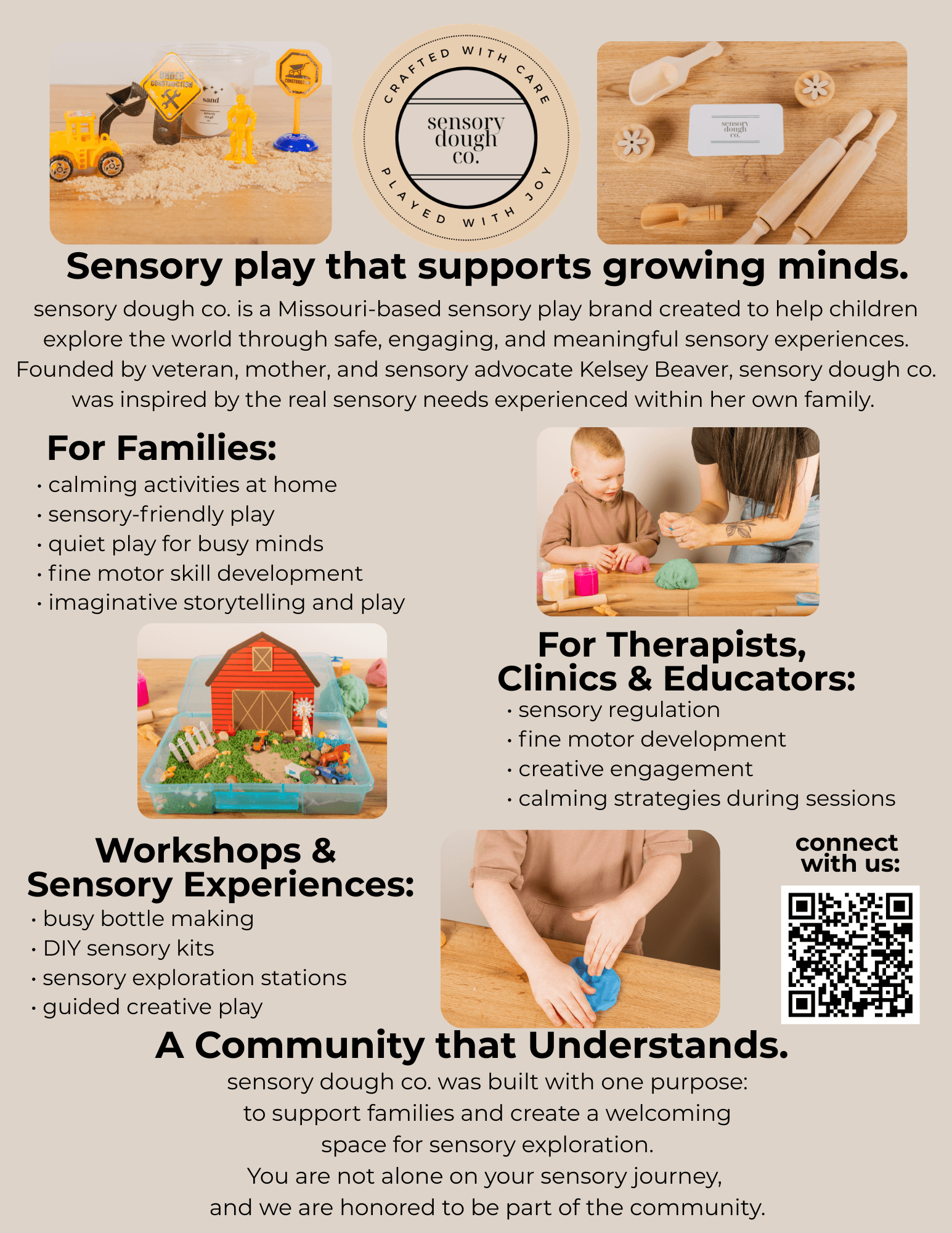
sensory dough co. is a veteran- and woman-owned sensory brand built around one simple belief: people should not have to earn the right to feel comfortable in the world around them.
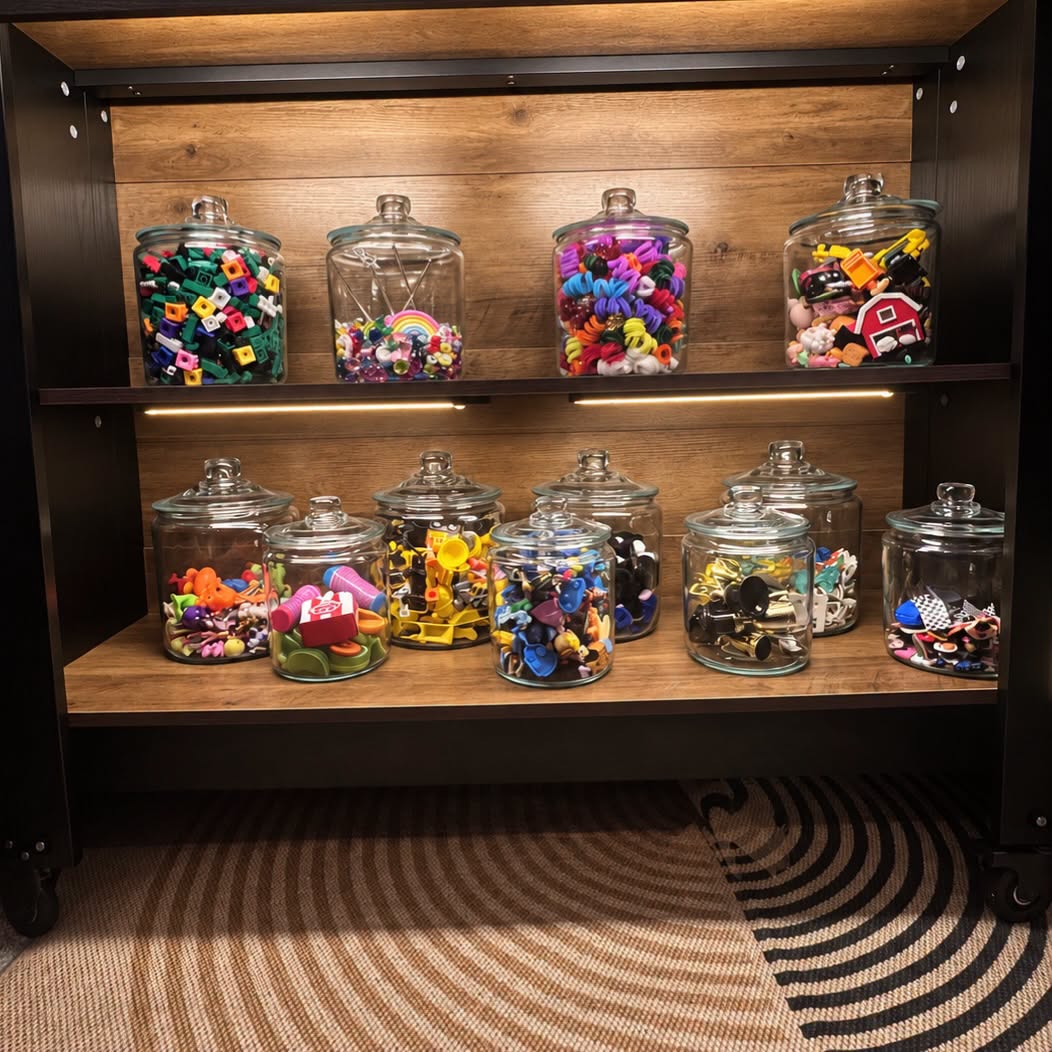
We create handmade sensory dough, slime, fluff, activity kits, sensory bins, regulation tools, and custom sensory experiences for children, families, classrooms, therapists, businesses, and community organizations. Our products are playful and inviting, but there is always intention behind them. We think about how something feels in the hands, how much noise it makes, whether the activity can be adapted, and whether the person using it has room to interact with it in their own way.
One thing that sets us apart is that we do not approach sensory support as something reserved for a diagnosis. Some people use sensory tools to focus. Others use them to calm down, stay present, develop fine motor skills, connect with a child, or simply enjoy the experience. There is no single correct way to use what we make, because there is no single correct way to experience the world.
We are probably best known for turning sensory play into complete experiences. A kit may become a lemonade stand, a construction site, a pizza shop, or an entire pretend world. The goal is not to tell someone exactly how to play. It is to offer enough of a starting point that creativity, communication, and connection can take over.
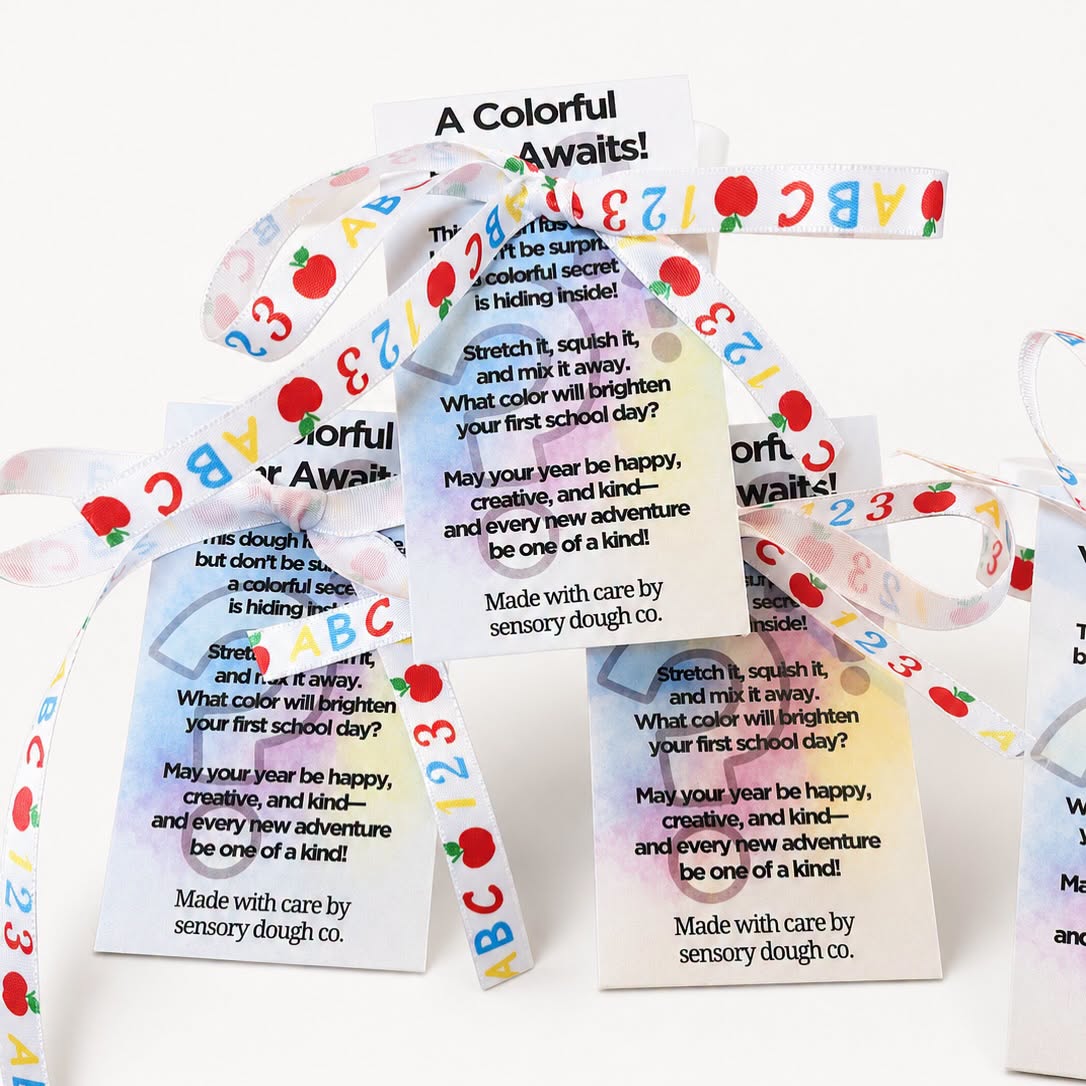
We also work closely with local businesses, educators, therapists, and community organizations to create products and experiences for the people they serve. That might mean developing an activity kit for a pediatric therapy setting, creating sensory supports for an event, designing custom party favors, or helping a business think more intentionally about accessibility and inclusion.
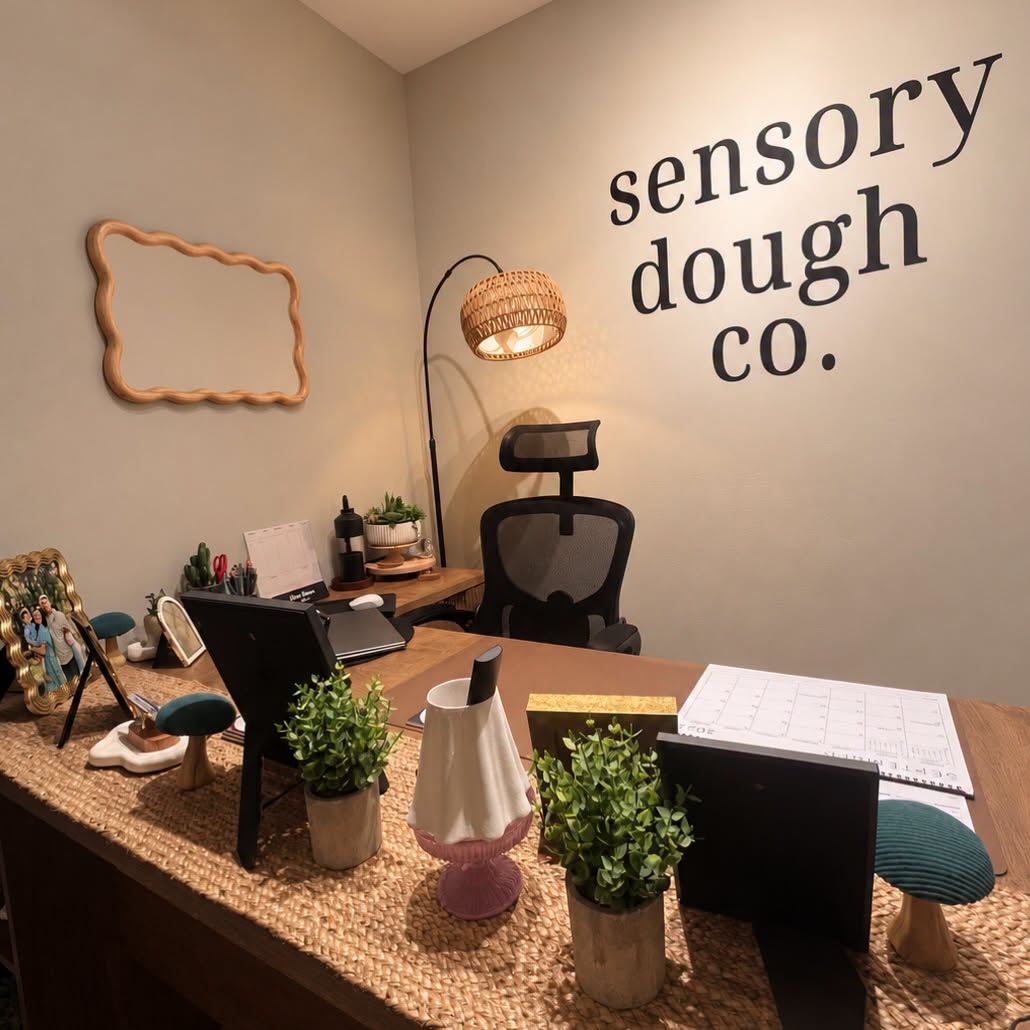
Some of the work I am most proud of cannot be measured by the number of products sold. Inside My Little Town in Warrensburg, we created a Calm Room and sensory shopping space where a child or caregiver can step away when the environment becomes too much. No explanation is required. No one has to prove they need it. They can simply use the space and return when they are ready.
I am also proud of “How We Feel the World,” the children’s book I wrote and published to help families talk about sensory differences. The book grew from the same purpose as the business. I wanted to give children language for what they experience and remind them that different does not mean wrong.
Although we make products, I do not see sensory dough co. as only a product company. We are building practical tools, better conversations, and spaces where more people are considered from the beginning. Inclusion should not be something added after someone struggles. It should be part of how we design the experience in the first place.
Everything we do comes back to the real person on the other side of it. Not a customer profile or a label. A child who wants to participate. A parent trying to understand. A teacher looking for another way to help. An adult who has spent years believing they were too sensitive. I want them to encounter our brand and feel an immediate sense of relief: this was made with someone like me in mind.
Do you have any advice for those just starting out?
Start before you feel ready, but pay attention while you do it.
When I started, I thought successful business owners must have reached some magical point where they felt confident, organized, and completely sure of what came next. I know now that most of us are making the best decision we can with the information we have that day.
You do not need to have the final version of your business figured out before you begin. My original vision for sensory dough co. was much smaller than what it has become. If I had forced myself to follow that first version exactly, I would have missed some of the most meaningful parts of the business. Your customers will show you what resonates. Your community will reveal needs you did not know existed. Let the business teach you what it wants to become.
At the same time, do not confuse movement with progress. Buying supplies, redesigning a logo, joining another platform, or saying yes to every opportunity can make you feel productive without actually moving the business forward. Learn your numbers early. Know what each product truly costs, including your time. Track what sells, what only receives compliments, and what repeatedly creates more work than value. Compliments are encouraging, but they do not pay an invoice.
I wish I had understood sooner that not every person is my customer, and that is a good thing. When you try to speak to everyone, your message becomes so broad that the people who genuinely need what you offer may not recognize themselves in it. Be clear about who you serve, what you believe, and why your work matters. The right people are not looking for the most generic version of you.
Protect your ideas, but do not hide them until they are perfect. Perfection can be fear wearing a more respectable outfit. Share the work. Test it. Listen carefully. Improve it. Some ideas will be wonderful. Some will be expensive lessons. Both can move you forward if you are honest about what happened.
I would also tell anyone starting out to stop treating exhaustion as proof that they want it badly enough. There will be late nights and demanding seasons, but burnout is not a business strategy. Build systems before you desperately need them. Save your files properly. Document your process. Keep business and personal finances separate. Set policies before someone gives you a reason to need one. Charge enough to continue doing the work well.
Be thoughtful about partnerships too. Exposure is not always valuable, and an opportunity does not become a good fit simply because someone invited you. Ask what is expected, what each side is contributing, who owns the work, and whether the relationship supports the direction you are actually trying to go. You are allowed to decline something that looks impressive but feels wrong.
Most importantly, do not build a business that requires you to disappear inside it. Your worth cannot rise and fall with your sales, follower count, busiest month, or someone else’s opinion of your potential. The business is something you are creating. It is not the full measure of who you are.
Begin with what you have. Learn what you do not know. Take the work seriously, but leave room to change your mind. You are not behind because someone else appears further ahead. You are building something they could never build in exactly the same way, because they have not lived the life that gave you the idea.
Contact Info:
- Website: https://www.sensorydoughco.com
- Instagram: https://www.instagram.com/sensorydoughco
- Facebook: https://www.facebook.com/sensorydough
- LinkedIn: https://www.linkedin.com/in/kelseybeaver
- Youtube: https://www.youtube.com/sensorydoughco
- Other: https://s1.blinq.me/phS402SXRWt0FTCOJ7WY?bs=icl