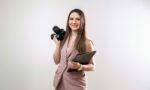


Today we’d like to introduce you to Maquille Gatlin.
Alright, so thank you so much for sharing your story and insight with our readers. To kick things off, can you tell us a bit about how you got started?
I’ve always been curious when it comes to technology. I started PC gaming as early as elementary school, and one of my favorite games was SimCopter. The more I used computers, the more curious I became about how they actually worked. That curiosity eventually turned into a hobby of building computers, and over time I got into more intricate systems involving things like open-loop water cooling, liquid metal, overclocking, and other modifications.
Looking back, it was pretty evident throughout middle school and high school that I had both a technical side and a creative side.
In high school, my art teacher introduced me to Photoshop. My first project was an illustration of Drake, who was my favorite artist at the time. After that introduction, I started teaching myself Photoshop outside of class. A lot of my cousins were rappers, so I eventually started getting paid to create album covers and other graphics for them. One of my favorite YouTube channels at the time was ChChCheckItsClan, which had a lot of Photoshop tutorials that I would follow and learn from.
For my senior project, I ended up creating a huge portfolio of Photoshop tutorials, and after I graduated, it was actually used as an example for other students at my school. That was probably one of the first moments where I realized something I taught myself for fun could turn into something much bigger.
Eventually, I became interested in starting my own business and was introduced to Shopify. That’s where I discovered my love for website design. A lot of the skills I had developed through graphic design translated naturally into designing websites, so it felt like another extension of the same creative process.
Around that same time, I bought my first DSLR camera, a Nikon D7500, and started doing photoshoots. I found myself really drawn to beauty retouching because it brought me right back into Photoshop, which was already familiar territory for me.
After a few years of doing photography and websites, I took a hiatus from photography and focused almost exclusively on web design, with some graphic design here and there, while also working a full-time job for about six years.
Eventually, I started thinking about how I could differentiate myself in the web design space and offer more value to small businesses. I decided to begin offering photography and video services alongside the websites I was creating. This time, I purchased a mirrorless camera, which was a huge jump from the DSLR I had used years earlier, and started creating media content for clients in addition to their websites.
Somewhere in that process, I found my love for cinematography and storytelling.
What started as a way to add more value to my website services slowly became the part of the work I was most passionate about. I realized I loved capturing moments, creating emotion, and figuring out how to tell a story visually.
Today, I’m gradually shifting my focus away from website creation and more fully into cinematography and storytelling. It’s interesting because when I look back, it doesn’t really feel like I’ve jumped from one unrelated thing to another. Every step, from computers, to Photoshop, to graphic design, to websites, to photography, gave me skills that I now use in filmmaking.
I’m still learning and evolving, but for the first time, I feel like all of those different parts of me; the technical side and the creative side; have finally come together in one place.
We all face challenges, but looking back would you describe it as a relatively smooth road?
It hasn’t been a smooth road at all, but I honestly wouldn’t have it any other way. I feel like if you’re not making mistakes, you probably aren’t being adventurous or curious enough. Most successful people tried a lot of things, failed at a lot of things, and learned along the way. You can absolutely learn from other people’s mistakes, but sometimes there’s a certain wisdom that only comes from actually experiencing something yourself and feeling everything that comes with it.
One of my biggest struggles has been learning how to be okay with “incompleteness.”
I’ve always liked things to feel finished, whether it’s an idea, a project, a business concept, or whatever it may be. Creating something new could be frustrating because I had a hard time accepting that the unfinished version of something isn’t a problem. It’s literally a required stage of eventually creating the finished version.
Even with something as simple as a business name, I used to feel like I needed to know exactly what the name was before I could start building anything else. If something didn’t feel completely aligned, I would sometimes convince myself that I needed to revamp everything.
Looking back, I realized that a lot of that was procrastination disguised as perfectionism.
The constant need for everything to feel complete and polished can keep you from actually creating. Art is full of incompleteness. Every finished photograph, film, website, painting, song, or idea had an awkward stage where it wasn’t fully formed yet.
I’ve learned that it’s important to allow ideas to flow from the divine to the canvas before we immediately filter them through our doubts, fears, pride, ego, past experiences, or concerns about how they will be received. That’s difficult to learn, especially as a creative, but I think the first step is simply becoming aware that the filtering process is happening.
Another challenge has been balance.
Like a lot of entrepreneurs, I work a full-time job while building my creative business on the side. I’ve been working in technology since I was 26, and recently I’ve been fortunate enough to advance in my career and move into a Business Analyst role that I take very seriously. At the same time, my cinematography work has started growing.
Both require real time, attention, and dedication.
When you love what you’re building on the side, you have to be careful not to neglect the career that’s currently providing stability and paying the bills. There are seasons where my career requires more from me, and other seasons where my creative business requires more. I’ve had to learn how to recognize those shifts and adjust where I put my energy.
That has also required sacrifice. I’ve missed time with friends and family, and I’ve stepped away from things that used to be a huge part of my identity, like PC gaming, because there are only so many hours in a day. When you really want something, eventually you have to decide what you’re willing to temporarily give up to make room for it.
The last struggle I’ll mention is one that became much more noticeable once I started using Instagram seriously for my business: learning to stay in competition with myself instead of everyone else.
Once you start following other photographers, cinematographers, directors, and creatives, you’re constantly exposed to incredible work. If you’re not careful, you can look at someone else’s best work and convince yourself that you’re behind or that you’ll never reach that level.
I’ve learned that it’s mostly an illusion.
Whatever is meant for me, I believe God will provide. My responsibility is to continue becoming better than I was yesterday. Learn something. Try something. Create something.
I also believe part of manifestation is taking on the identity of the person you want to become. If I want to be a director creating incredible short films, documentaries, and other creative work, I can’t wait until someone officially gives me that title. I have to wake up and start moving like that person now. I have to study, practice, create, take opportunities, and make decisions from that identity.
Social media is an amazing place for inspiration and an incredible way to present your work to the world, but I don’t think artists should allow it to convince them that they’re behind.
Someone out there needs what you create. Even if that work only reaches one person and genuinely moves them, I think that’s enough reason to keep creating.
Can you tell our readers more about what you do and what you think sets you apart from others?
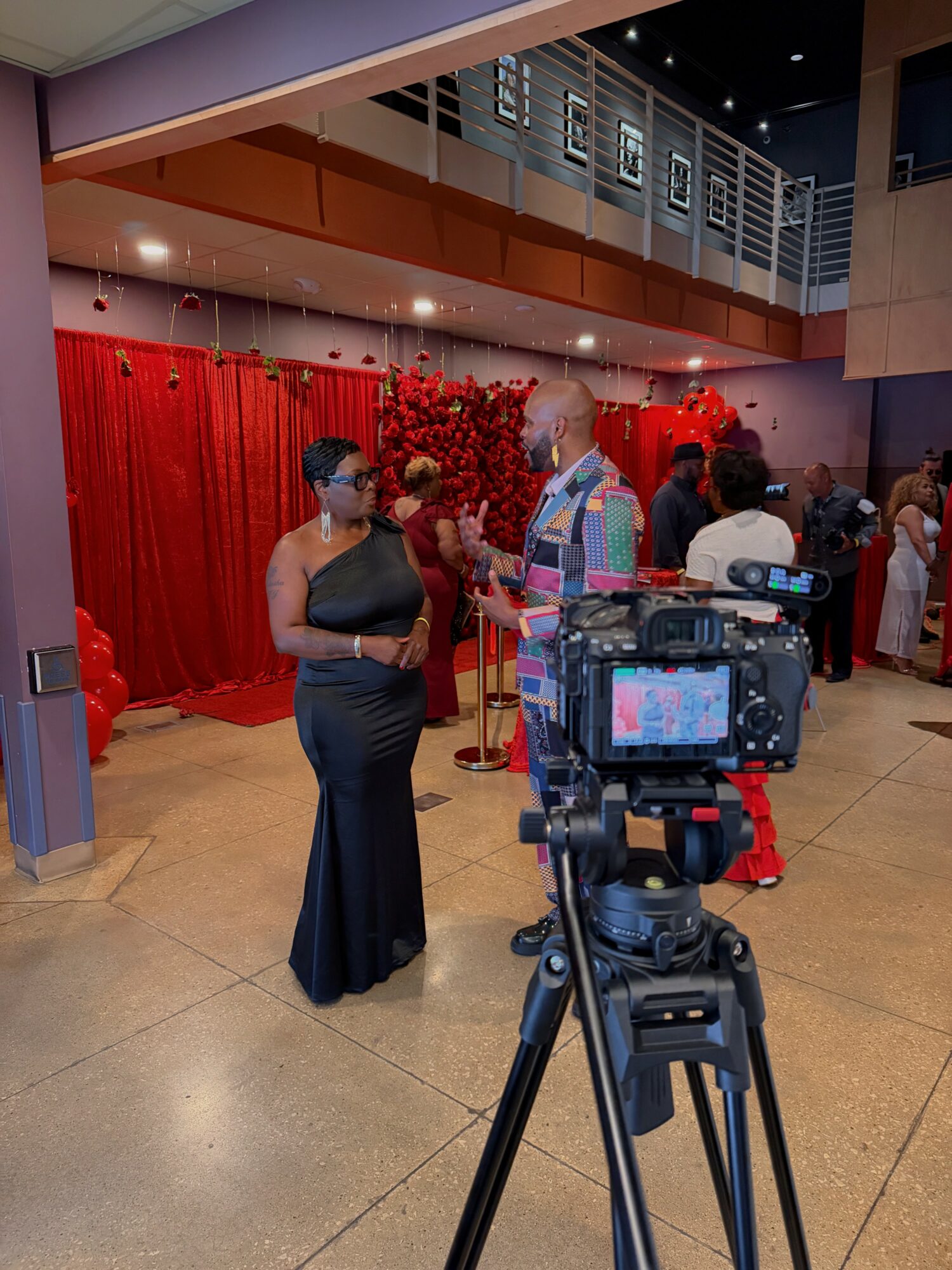
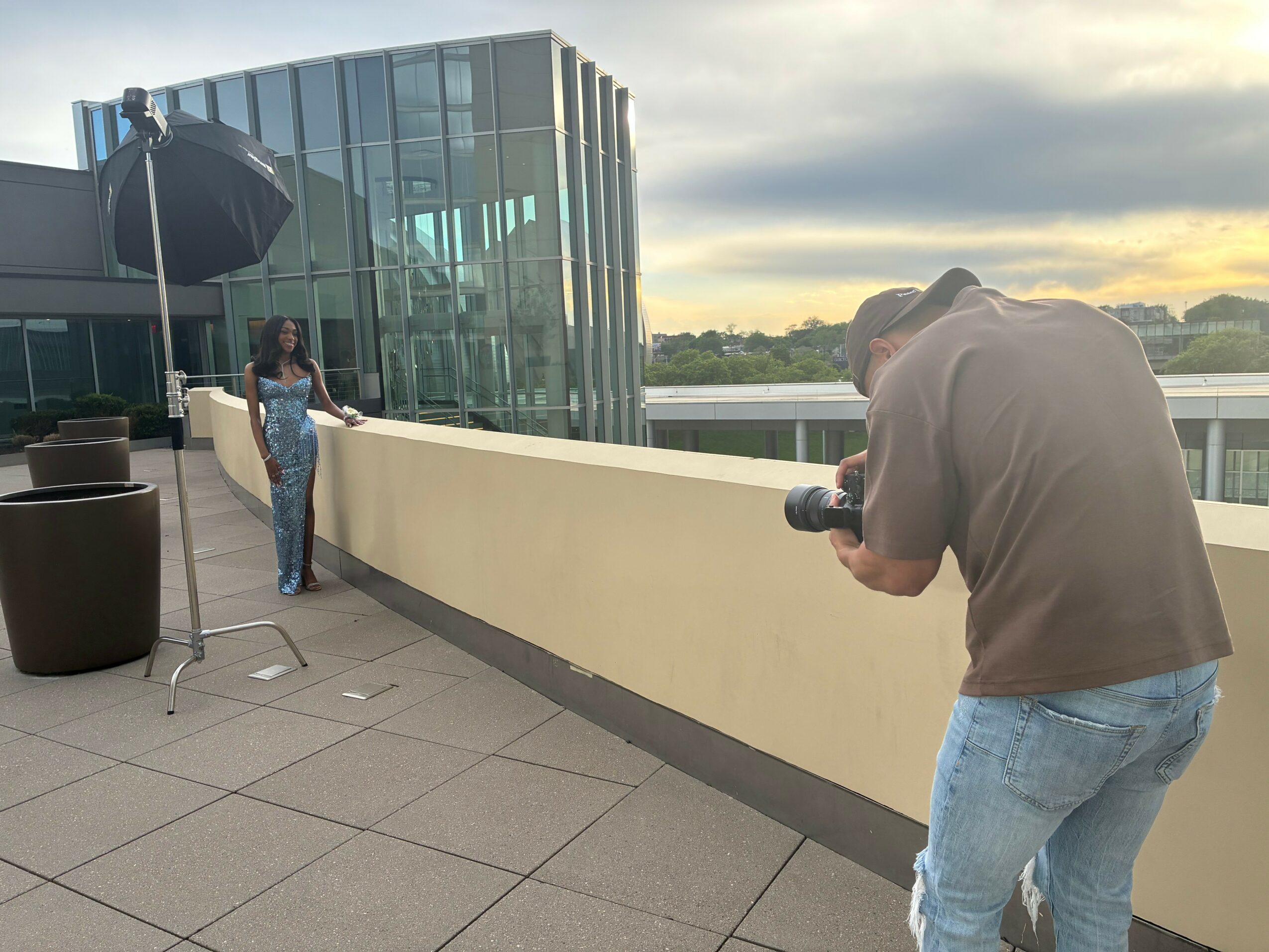
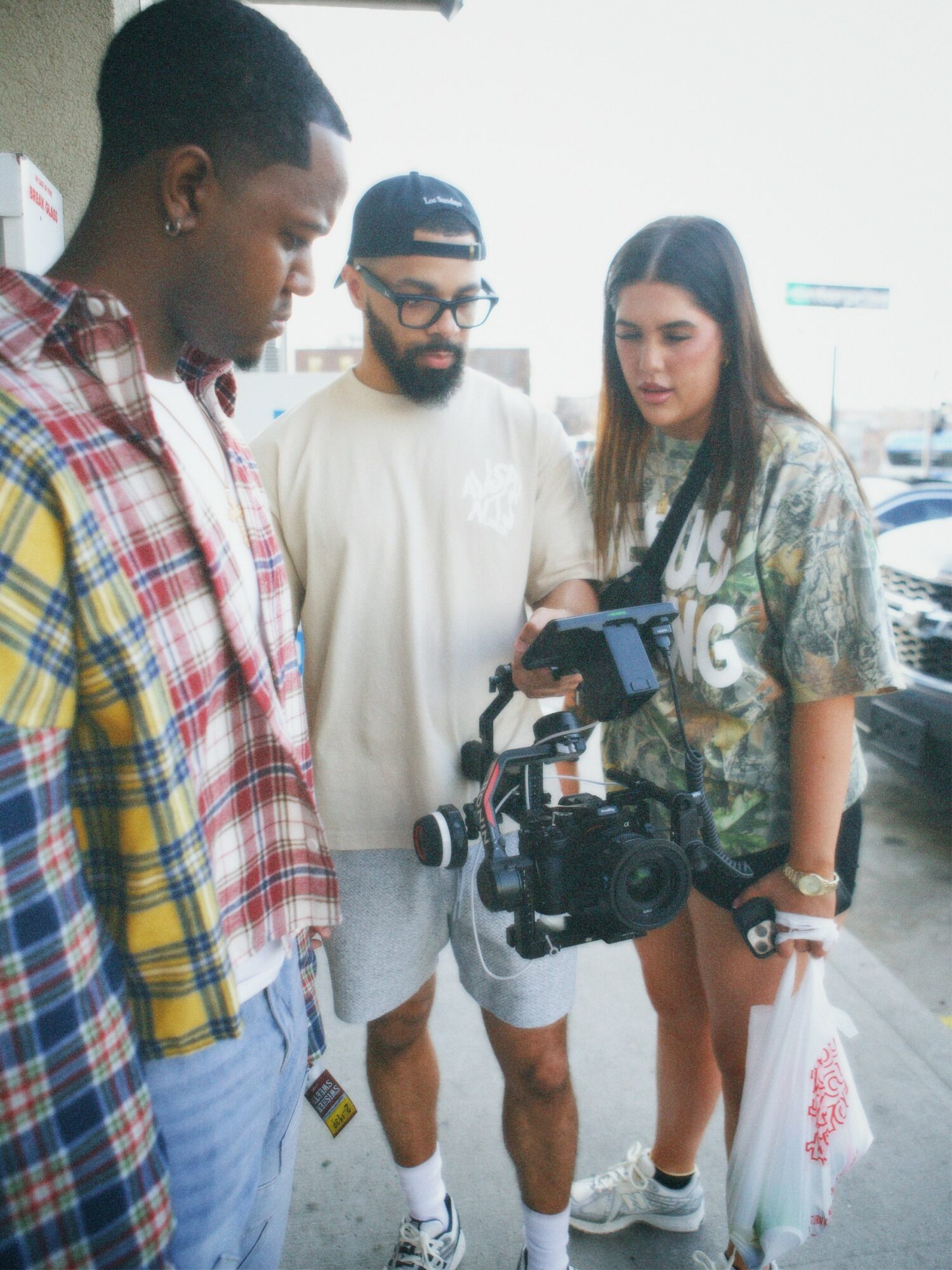
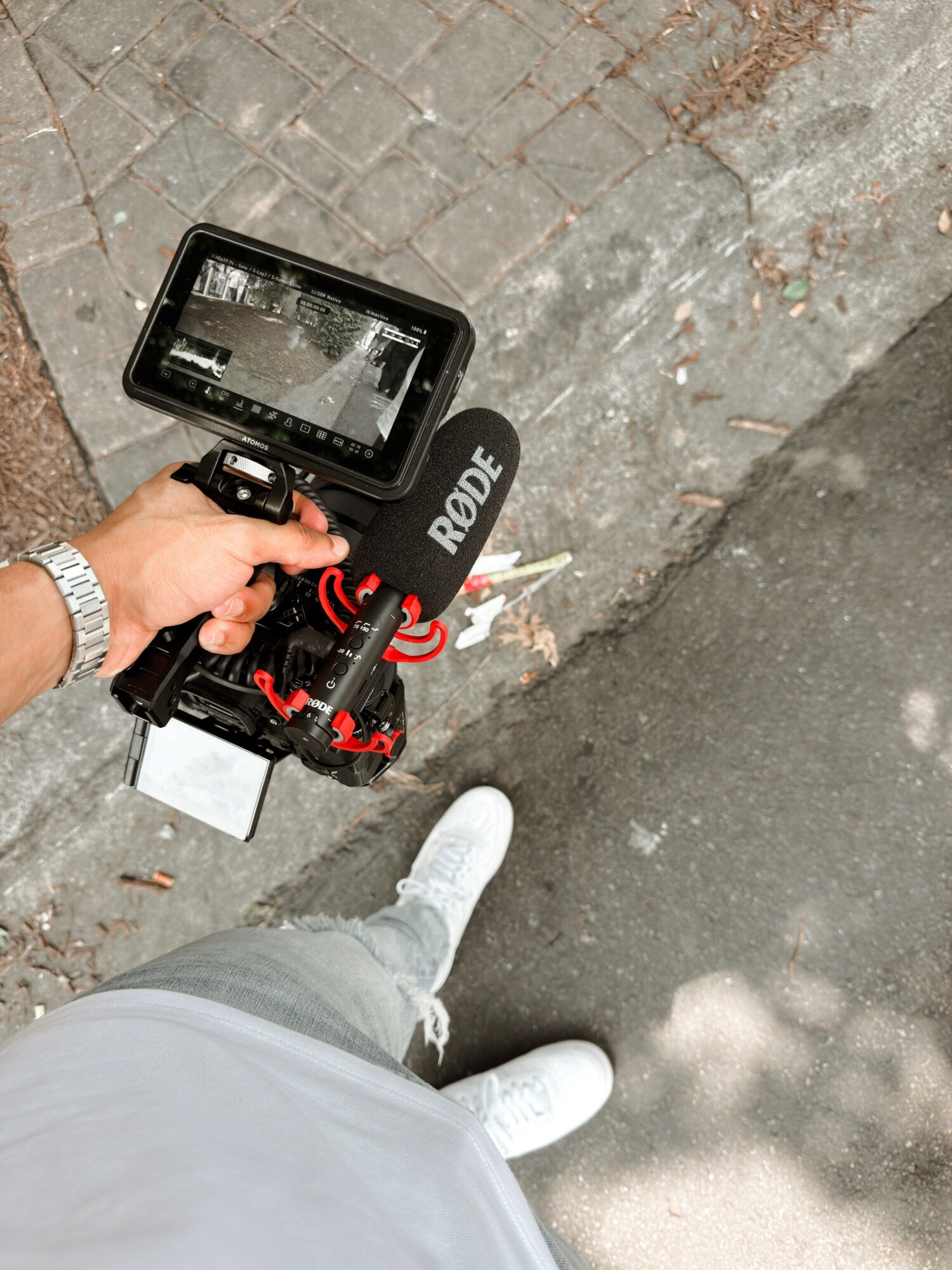
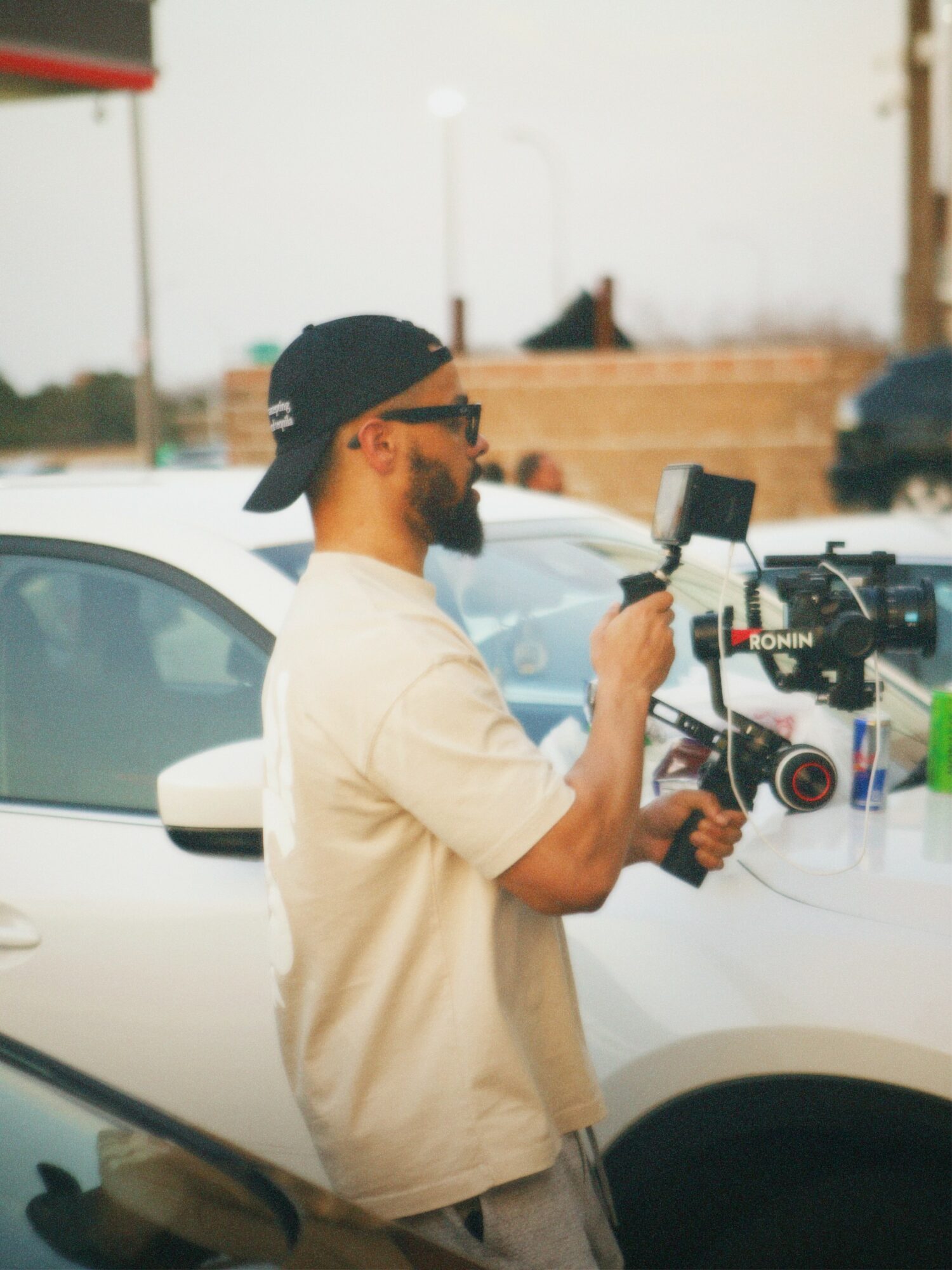
I’m your camera guy! I’m a cinematographer based in the Kansas City area, and I specialize in storytelling. That can look like event recaps, documentaries, vlogs, music visuals, or promotional content for small businesses. I also create things like business walkthroughs and lifestyle content that help brands show people who they are instead of just telling them.
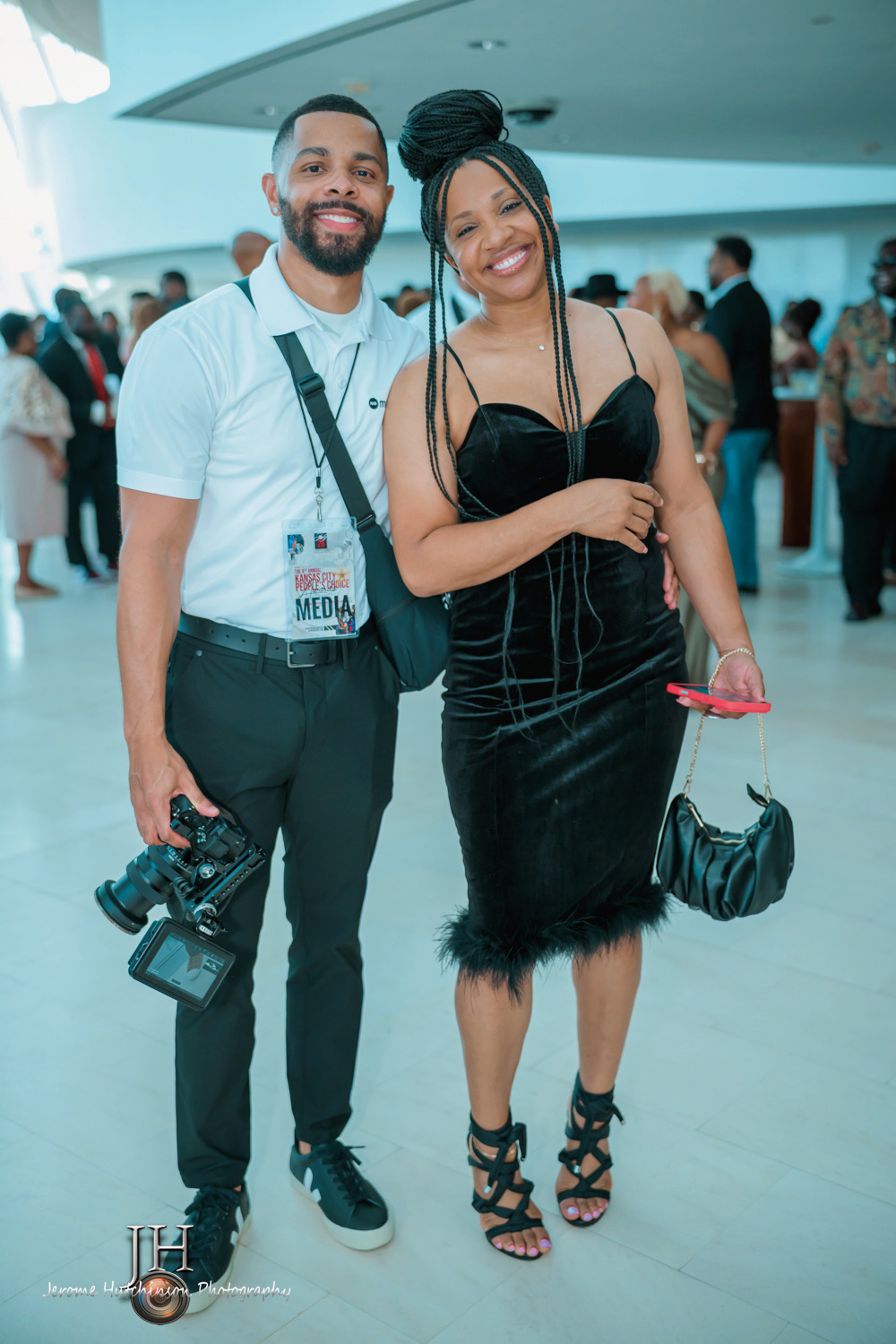
I really only started stepping out and networking more seriously with my video work recently, so a lot of this still feels new. What I’m probably most known for right now is the recap I created for the 2026 Kansas City’s People’s Choice Awards. That video got a lot of traction on social media and led to a lot of DMs, comments, and inquiries, especially from people complimenting the overall quality of the video.
Another project I’m proud of is a short piece I call a “music visualizer” that I created using Olivia Dean’s “A Couple Minutes.” I got a small group of people together and created an actual story around the song instead of just filming a traditional performance video.
One of my most recent projects, and probably the one I’m most proud of, was a 14-minute vlog/documentary-style recap I created for a local gospel group called Soul Therapy. It’s my good friend Tristan’s group, and he had been following my work for a while before calling me to document their trip to Charlotte, North Carolina. We were there for six days, and I captured the entire experience and turned it into one 14-minute story.
That project was definitely my most challenging one so far because it forced me to think beyond just getting nice shots. When you have that much footage, you have to really think about pacing, structure, emotion, what moments matter, and how everything connects. You can’t just mash a bunch of clips together and call it storytelling. Then, of course, there was the process of color grading around 260 clips afterward.
I think what sets me apart is the combination of storytelling and my technical side. I’ve always been someone who watches tutorials, researches things, experiments, and wants to understand how everything works. I’ve been that way since I was young, and naturally that carried over into cameras and editing.
Having strong technical knowledge gives you an advantage because you understand what it takes to make an image look clean, properly exposed, color accurate, and high quality. Understanding things like exposure, shooting in log, color grading, camera settings, lighting, and editing matters. When you can combine all of that with good storytelling, I think that’s where the work really starts to stand out.
At the same time, I don’t think technical quality is everything. Great storytelling has always worked. Some of the best short films, documentaries, and vlogs from 10 or 15 years ago weren’t shot in 4K and didn’t have today’s “cinematic” look, but they still connected with people because the story was there.
For me, the goal is to have both. I want the story to make you feel something, and I want the image quality and technical execution to be the icing on the cake.
Do you have any advice for those looking to network or find a mentor?
I didn’t really go looking for a mentor. My mentor actually found me.
Back in 2019, while I was doing websites on the side, I was also working in a website coordinator role. I felt like a lot of the skills I had taught myself over the years translated well into that position. Then one phone call changed a lot for me.
A customer called in with a request that was technically “out of scope,” but I found a way to make it work anyway. From that interaction, he saw something in me. We eventually connected outside of work and have been a part of each other’s circle ever since.
His name is Overton Loyd, and he’s been a great friend and mentor to me since that phone call.
Overton also introduced me to Landmark Worldwide. I went on to take the Forum, the Advanced Course, and part of the leadership course. He never pressured me into any of it. He would simply send me one of his free weekend passes and say, “Check it out and see what you think.” Overton is a Landmark graduate himself, and over the years I’ve picked up a lot of distinctions and ways of thinking from those courses that I’ve been able to apply to my own career, relationships, creativity, and personal development.
When it comes to finding a mentor, I think sometimes people focus too much on asking someone, “Will you be my mentor?” instead of focusing on building genuine relationships. Be curious. Be useful. Ask questions. Show people that you’re willing to learn. Sometimes mentorship develops naturally when someone recognizes something in you and sees that you’re serious about growing.
Networking has been just as important for me, especially with cinematography. You can be the most skilled person in the world, but what is skill without opportunity?
On the other side of that, you don’t necessarily have to be the most talented person in the room to get great opportunities either. You need to show up, build relationships, be dependable, and give people a reason to remember you.
Once I started posting my work on Instagram, going to events, meeting people, and even volunteering my camera work in situations where I knew I could create something valuable, opportunities started coming from places I couldn’t have predicted.
That’s when networking really clicked for me. The goal isn’t just to collect contacts. It’s to get yourself into rooms where you have an opportunity to show people what you can do.
Once people experience your work firsthand and you deliver, they don’t just remember the video. They remember who created it.
And that’s when they start coming back for YOUR work.
Contact Info:
- Website: www.maqdigital.com
- Instagram: https://www.instagram.com/maqdigital
- Facebook: https://www.facebook.com/gatlin.maquille/
- Youtube: https://www.youtube.com/@maqdigital