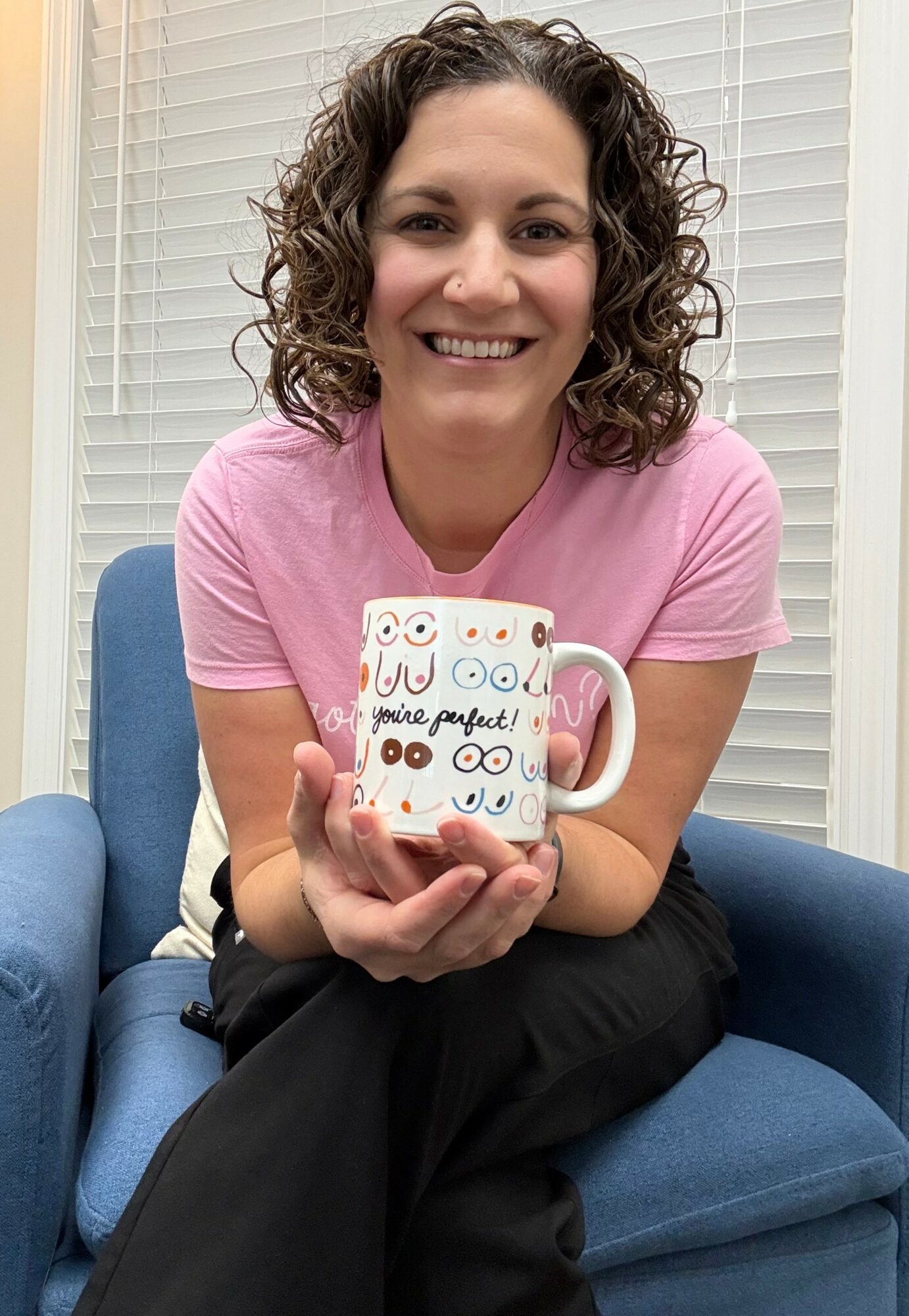






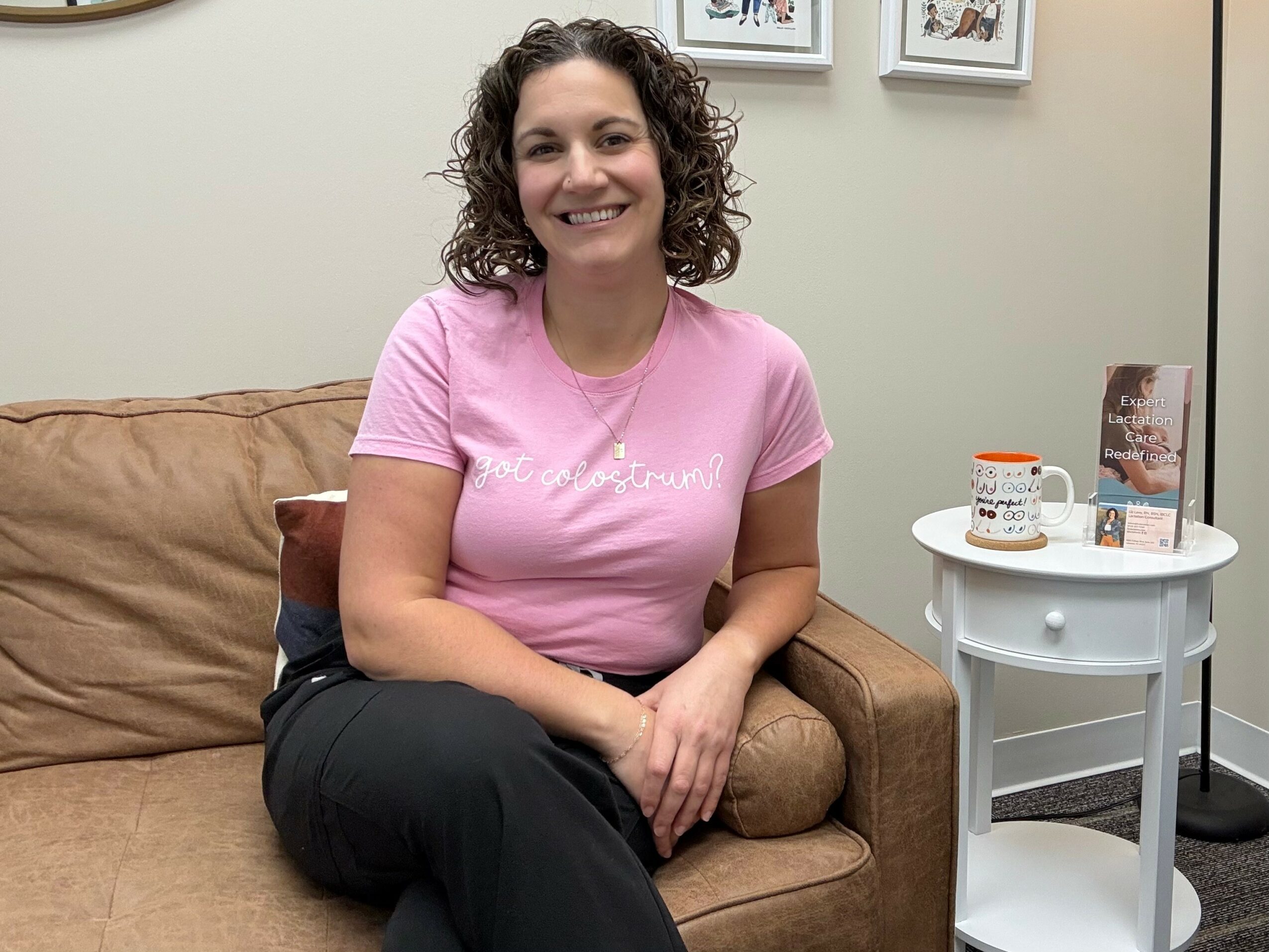
Today we’d like to introduce you to Liz Levy.
Hi Liz, thanks for joining us today. We’d love for you to start by introducing yourself.
After becoming an IBCLC, I kept seeing families struggle with issues that were not easily solved. Too often they were offered quick, band-aid solutions to problems when no one had really taken the time to figure out what was causing the problem in the first place. They were sometimes given advice that addressed one small piece of the puzzle without looking at the full picture.
That was a big part of what pushed me away from working in a hospital setting and toward private practice. I wanted to be able to spend more time with families, look more comprehensively at what was happening, and support them beyond those first couple of days in the hospital. So many breastfeeding challenges actually become apparent after families go home, when the initial newborn support has ended and they are suddenly trying to figure things out on their own. I wanted to be there for that part of the journey.
Then I became a mother myself, and both of my babies had oral ties and feeding challenges. Experiencing that first hand made some of the things I had already observed professionally feel even more real. I understood how overwhelming it can be to navigate conflicting advice and try to figure out what actually applies to your baby. Even as a lactation professional, I could appreciate how valuable it is to have someone who can step back, look at the whole picture, understand the different pieces, and help you navigate the next step.
When I started my private practice, I followed a more traditional model of care, primarily offering individual, one-off lactation consultations. While those visits could absolutely be helpful, I gradually realized that the model itself didn’t always allow me to provide the kind of care I believed families actually needed. Feeding challenges rarely fit neatly into a single appointment. A baby might improve in one area but develop a new challenge a week later, or a family might need support as they navigated pumping, oral function, supplementation, milk supply, or simply changes in feeding as their baby grew.
That is really what I see myself doing for families now. In addition to being their lactation consultant, I often feel like I’m a bit of a case manager. Feeding challenges can involve so many different pieces and sometimes multiple providers, and parents shouldn’t have to figure out how all of those pieces fit together on their own.
That realization ultimately led me to rethink the way I structured my practice. I transitioned from primarily offering individual consultations to a concierge model of lactation care, where I work with families over an extended period of time rather than simply addressing whatever is happening during one appointment.
This model allows me to really get to know each family, follow their progress, adjust the plan as things change, and be proactive rather than constantly reacting to the latest problem. It also gives families someone in their corner who understands their history and can help them navigate the bigger picture.
My practice has evolved quite a bit since I started, but the core belief behind it has stayed the same: families deserve thoughtful, individualized care that looks beyond the immediate problem, gets to the root of what is happening, and adapts as feeding changes. I want parents to feel less overwhelmed, more informed, and confident that they have someone helping them navigate the process rather than having to piece everything together on their own.
Alright, so let’s dig a little deeper into the story – has it been an easy path overall and if not, what were the challenges you’ve had to overcome?
It has not been a particularly smooth road, especially in the last few years trying to navigate all the changes in insurance coverage. I think there’s a misconception that once you build a successful business, everything becomes easy. In reality, I’ve had to continually adapt and figure out what works, both for my clients and for me as a business owner.
One of the biggest struggles has been learning how to balance being a healthcare provider with being a business owner. I came into private practice because I wanted to provide a certain level of care to families, but I quickly learned that being really good at lactation and running a sustainable business are two very different skill sets. I’ve had to learn about marketing, finances, systems, boundaries, pricing, and all of the behind-the-scenes pieces that no one really teaches you when you become an IBCLC.
I’ve also had to be willing to recognize when something isn’t working and have the courage to change it. One of the biggest examples of that was insurance coverage. When I first started my private practice, I accepted insurance because I wanted my services to be accessible to as many families as possible. But over time, the reimbursement model became increasingly difficult to sustain, particularly for the kind of individualized care I wanted to provide. Insurance tends to work better for a higher-volume model, while I was intentionally trying to build something very different: a practice where I could spend more time with each family, really understand what was going on, and provide thoughtful, personalized care rather than trying to see as many clients as possible.
Ultimately, stepping away from accepting most insurance coverage wasn’t simply a financial decision. It was a decision about the kind of practice I wanted to build and the kind of care I wanted to provide. I didn’t want to create a high-volume practice where I had to rush from one appointment to the next in order to make the business work. I wanted to create a practice where the quality of the care came first and the business model supported that.
While the changes haven’t been easy, I’m thankful for them. Every time I’ve had to step back, figure out what isn’t working, and make a change, I’ve ended up with a practice that is more aligned with the kind of care I actually want to provide.
Thanks for sharing that. So, maybe next you can tell us a bit more about your business?
Lactation Liz is a private lactation practice focused on individualized, relationship-based care during pregnancy and throughout the breastfeeding journey. I specialize in helping families navigate lactation and feeding challenges, with a particular focus on oral dysfunction, ties, milk supply, pumping, supplementation, and babies who are struggling to feed effectively, whether that’s by breast or bottle.
A big part of what sets my practice apart is the way I structure my care. Rather than primarily offering one-off visits, I offer three concierge packages: Embrace, which includes prenatal support and 12 weeks of postpartum care; Snuggle, which provides 8 weeks of support; and Cuddle, which provides 4 weeks. Families also have unlimited text access to me throughout their package, so they can reach out when questions or challenges come up between visits instead of having to wait until their next appointment. I believe that ongoing support gives families a much better opportunity to reach their feeding goals than trying to address everything one appointment at a time.
What I’m most proud of is being able to truly be present for families during those first few months. There can be so many questions and unexpected challenges during that time, and I love being the person they can turn to when they aren’t sure what to do next. I want my clients to feel like they have someone in their corner who knows their story and can help them navigate each step rather than feeling like they’re floundering on their own. Having a smaller client load allows me to be able to do this even better.
I’m also beginning to offer Dynamic Body Balancing, a form of cranial fascial therapy that uses gentle bodywork to help release areas of tension and restriction in babies. It can be particularly helpful for babies with oral dysfunction, but I also love it as a supportive therapy for babies who may be carrying tension from their time in utero, the birth process, or normal development.
Ultimately, I’m most proud of building a brand around care that feels personal. I don’t want Lactation Liz to be a place where families feel like a number. I want them to feel known, supported, and confident that they have someone walking alongside them throughout their feeding journey.
Is there a quality that you most attribute to your success?
I think the quality that has been most important to my success is adaptability. I’m always willing to look at what I’m doing, ask whether it’s actually working, and change course when it isn’t.
Contact Info:
- Website: https://www.lizslactation.com
- Instagram: https://www.instagram.com/lactationliz
- Facebook: https://www.facebook.com/lactationliz