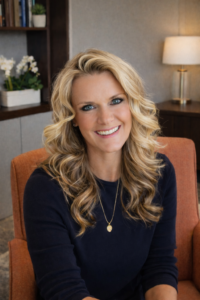






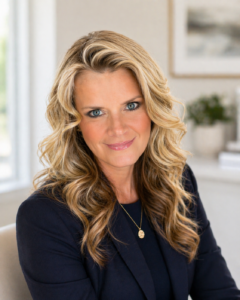
Today we’d like to introduce you to Kirsten Oelklaus.
Hi Kirsten, thanks for sharing your story with us. To start, maybe you can tell our readers some of your backstory.
When I look back, I don’t think I chose this work as much as it chose me.
As an intern at Menninger Clinic, I was unexpectedly assigned to co-lead a creative arts group in the Eating Disorder and Trauma Recovery Program. I remember walking into that room and being struck by the people sitting in front of me. They were intelligent, creative, funny, compassionate, and incredibly gifted. Yet each of them was being held hostage by an illness that had stolen so much of their identity.
I remember thinking, These could be my friends. My siblings. My colleagues. That realization changed the trajectory of my career.
More than 30 years later, I’m still inspired by the courage of the people I have the privilege of working with every day.
One of the biggest misconceptions about eating disorders is that they’re about food. In reality, they’re often an attempt to solve something much deeper. They may provide a sense of safety, control, identity, or even hope during incredibly painful seasons of life. My job isn’t to simply take the eating disorder away. It’s to help people understand why it developed in the first place and work together to discover healthier, more authentic ways of meeting those same needs.
That’s why my work has always centered on connection. I believe eating disorders thrive in isolation, shame, and perfectionism. Recovery begins when people reconnect with themselves, with the people they love, and with a life that feels meaningful and authentic. One of my greatest joys is watching someone begin to discover who they are beyond the eating disorder and realize they are so much more than the illness that has defined them.
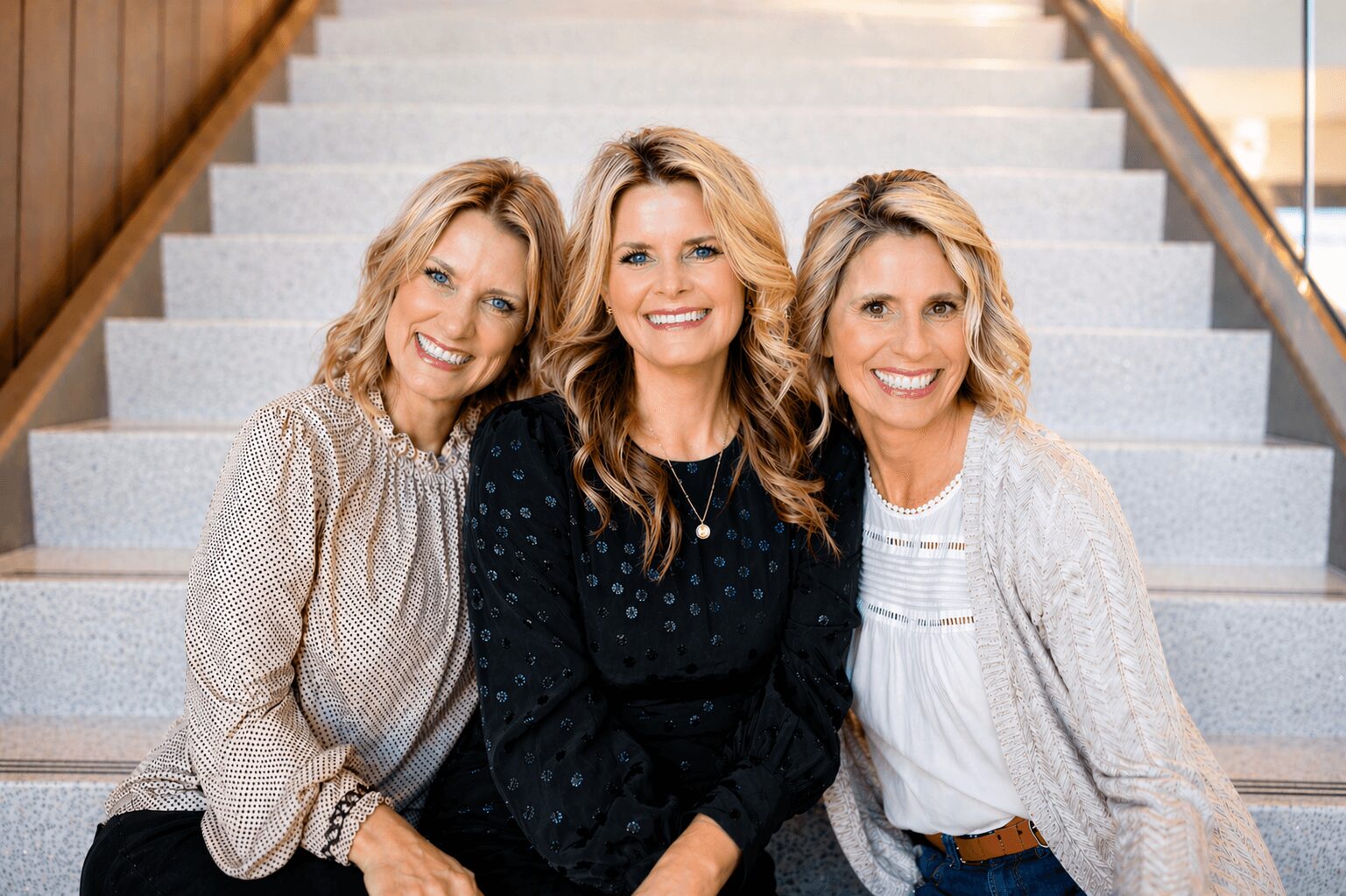
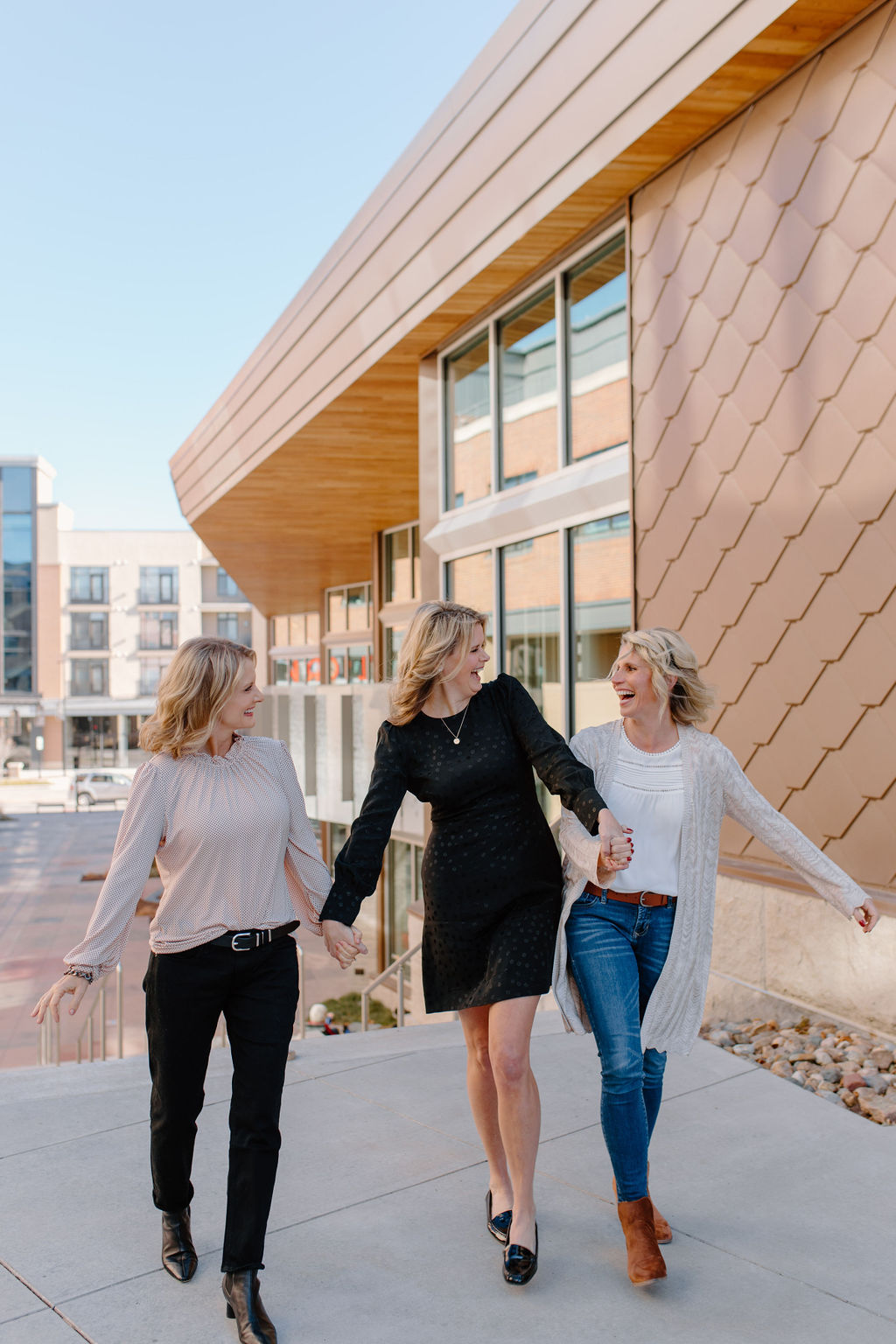
In 2018, my longtime colleagues and friends Brooke Wesley, Amy Sullivan, and I founded Bellatore Recovery because we wanted to create the kind of program we believed people deserved. A place where individuals are known, where treatment is deeply individualized, and where relationships are considered just as important as clinical expertise. Every decision we’ve made has been guided by the belief that recovery is ignited through connection.
If there’s one thing that continues to inspire me after all these years, it’s this: people are remarkably resilient. I’ve watched individuals walk through our doors believing they would never recover, only to leave reconnecting with their families, pursuing careers, becoming parents, returning to school, discovering joy again, and building lives filled with meaning and purpose.
Those moments never get old. They’re why I still love coming to work every day.
I’m sure it wasn’t obstacle-free, but would you say the journey has been fairly smooth so far?
One of the greatest challenges has been helping people understand what eating disorders really are. They’re often misunderstood as being about food, weight, or appearance, when in reality they are complex mental illnesses with significant medical, psychological, and relational components. That misconception can delay treatment, increase shame, and leave individuals and families feeling isolated.
Another ongoing challenge is navigating today’s healthcare system. Managed care and insurance requirements don’t always align with the realities of eating disorder treatment. Recovery isn’t linear, and meaningful healing can’t always be measured in a few weeks or by a checklist. We spend a great deal of time advocating for clients to receive the level and duration of care they truly need.
Despite these challenges, what continues to inspire me is that recovery is possible. I’ve had the privilege of watching individuals who once believed their eating disorder would define them go on to reconnect with their families, pursue careers, become parents, and build lives filled with meaning and purpose. Those moments remind me why this work matters.
Alright, so let’s switch gears a bit and talk business. What should we know about your work?
When I think about what I’m most proud of, my mind doesn’t go to professional accomplishments. It goes to the people I’ve had the privilege of walking alongside.
There are clients I’ve known for years who once couldn’t imagine a life beyond their eating disorder. To later watch them get married, become parents, build careers, pursue dreams they had put on hold, or simply experience the freedom to enjoy everyday moments is incredibly meaningful. Those milestones represent so much more than recovery. They represent lives reclaimed.
I’m especially touched when someone finds purpose through their own recovery. I’ve had former clients go on to become therapists, dietitians, physicians, and other helping professionals because they want to offer others the same hope they once received. Watching their pain transform into compassion and purpose is one of the greatest gifts of this work.
I’m also deeply grateful for the opportunity to mentor clinicians entering the field. Whether I’m supervising graduate students or supporting therapists as they pursue their Certified Eating Disorders Specialist (CEDS) credential through iaedp, it’s inspiring to watch their confidence, clinical judgment, and compassion grow. Knowing they’ll go on to care for countless individuals and families creates a ripple effect that extends far beyond my own work.
More than anything, though, I’m proud of the relationships that have been built along the way. If a client or family leaves feeling that they were truly seen, deeply cared for, and never lost hope, then I feel we’ve accomplished something meaningful. Clinical knowledge is essential, but I’ve come to believe that healing happens through authentic connection. Being invited into some of life’s most vulnerable moments is a privilege I’ll never take for granted.
Before we go, is there anything else you can share with us?
If there’s one thing we’d want people to know, it’s that recovery is possible.
Eating disorders don’t discriminate. They affect people of every age, gender, body size, race, and background, and they are among the most misunderstood mental illnesses. Too often, individuals and families wait to seek help because they don’t believe they’re “sick enough” or they worry about what others will think. The truth is that earlier intervention leads to better outcomes, and no one should have to face an eating disorder alone.
We also hope our community continues to recognize the importance of connection. In a world that often encourages comparison, perfectionism, and isolation, genuine relationships have the power to heal. Whether it’s a family member, a friend, a teacher, a coach, or a therapist, one caring person can change the trajectory of someone’s life simply by noticing, asking questions, and being willing to stay connected.
Finally, we’re excited about a project that is especially close to our hearts. Brooke Wesley, Amy Sullivan, and I are collaborating with Just Like You Films on a documentary about eating disorders. Our hope is that it will spark conversations, reduce stigma, and help more individuals and families recognize the signs of these illnesses before they become life-threatening. If our story encourages even one person to reach out for help or inspires one community to better understand eating disorders, then it will have been worth it.
Recovery doesn’t begin when someone becomes perfect. It begins the moment they believe they don’t have to walk the journey alone.
Contact Info:
- Website: https://kirstenoelklaus.com/
- Instagram: @kirsten.oelklaus.therapy
- Facebook: https://www.facebook.com/kirsten.oelklausobrien
- LinkedIn: https://www.linkedin.com/in/kirsten-oelklaus-lscsw-ceds-439656244/