




Today we’d like to introduce you to Nicole Price.
Hi Nicole, so excited to have you on the platform. So before we get into questions about your work-life, maybe you can bring our readers up to speed on your story and how you got to where you are today?
I’m endlessly fascinated by people.
I always have been.
That’s probably why I’ve had what looks like four or five careers. I don’t actually think I’ve changed careers at all. I’ve just found different ways to ask the same question: How do we help people understand each other a little better?
The answer to, “What do you do?” depends on what day you catch me.
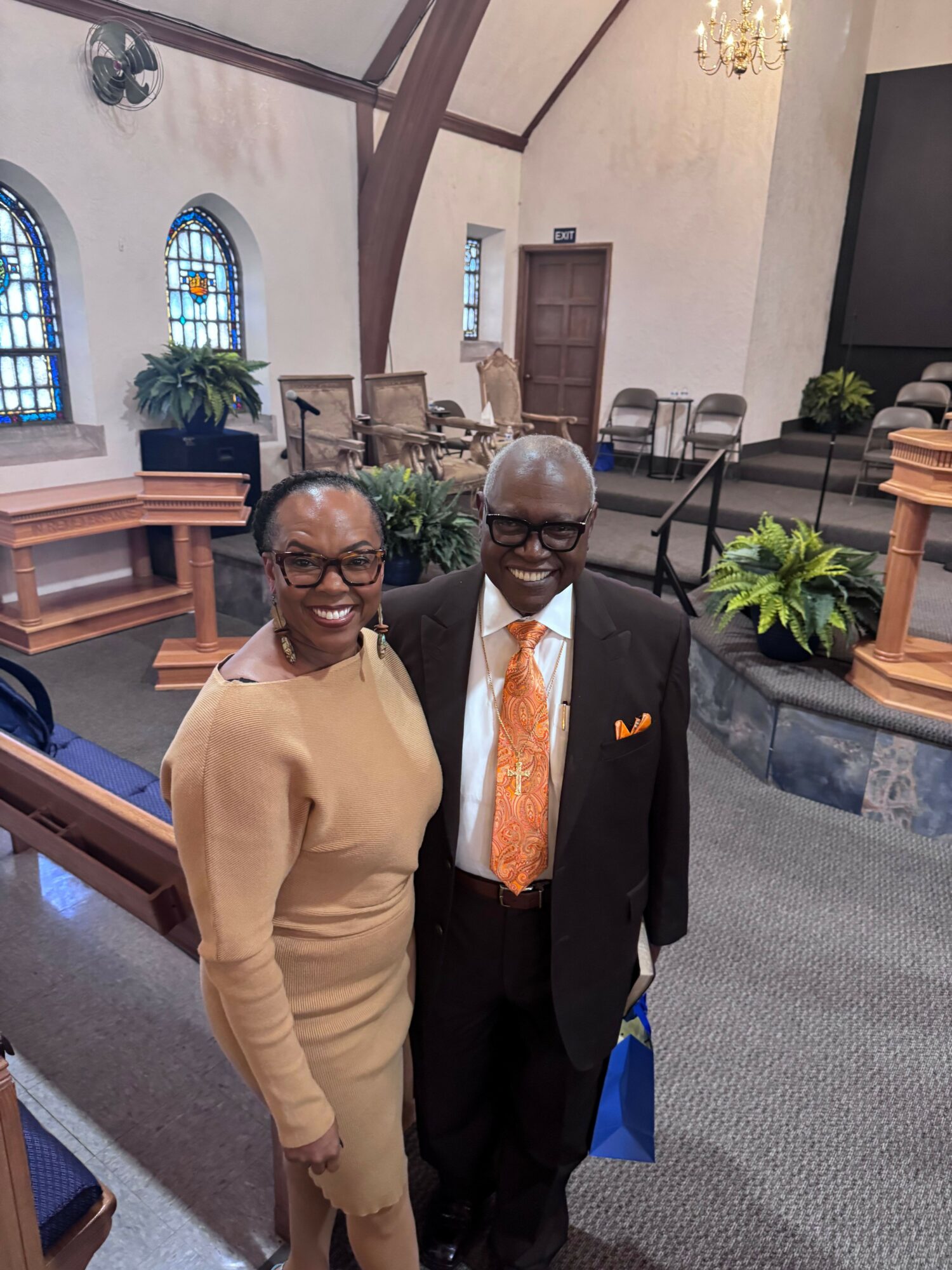
Some days I’m teaching executives how to build better workplace cultures. Some Sundays I’m preaching. Sometimes I’m standing beside a family helping them celebrate the life of someone they love. And now, somehow, I’m also doing stand-up comedy.
None of that was part of the plan.
I started out as a chemical engineer because I like solving problems. Engineering taught me to look at a problem, figure out what’s actually causing it and design something better. Eventually, I found myself much more interested in applying that thinking to people and organizations. Turns out, people are a LOT more complicated than chemical reactions.
I moved from engineering into leadership development, earned my doctorate in leadership and management and eventually started Lively Paradox. Our mission is pretty simple: we help people get along at work. That means I spend a lot of my time talking about empathy, accountability, leadership and all the messy things that happen when humans have to work with other humans.
But my work didn’t stay at work.
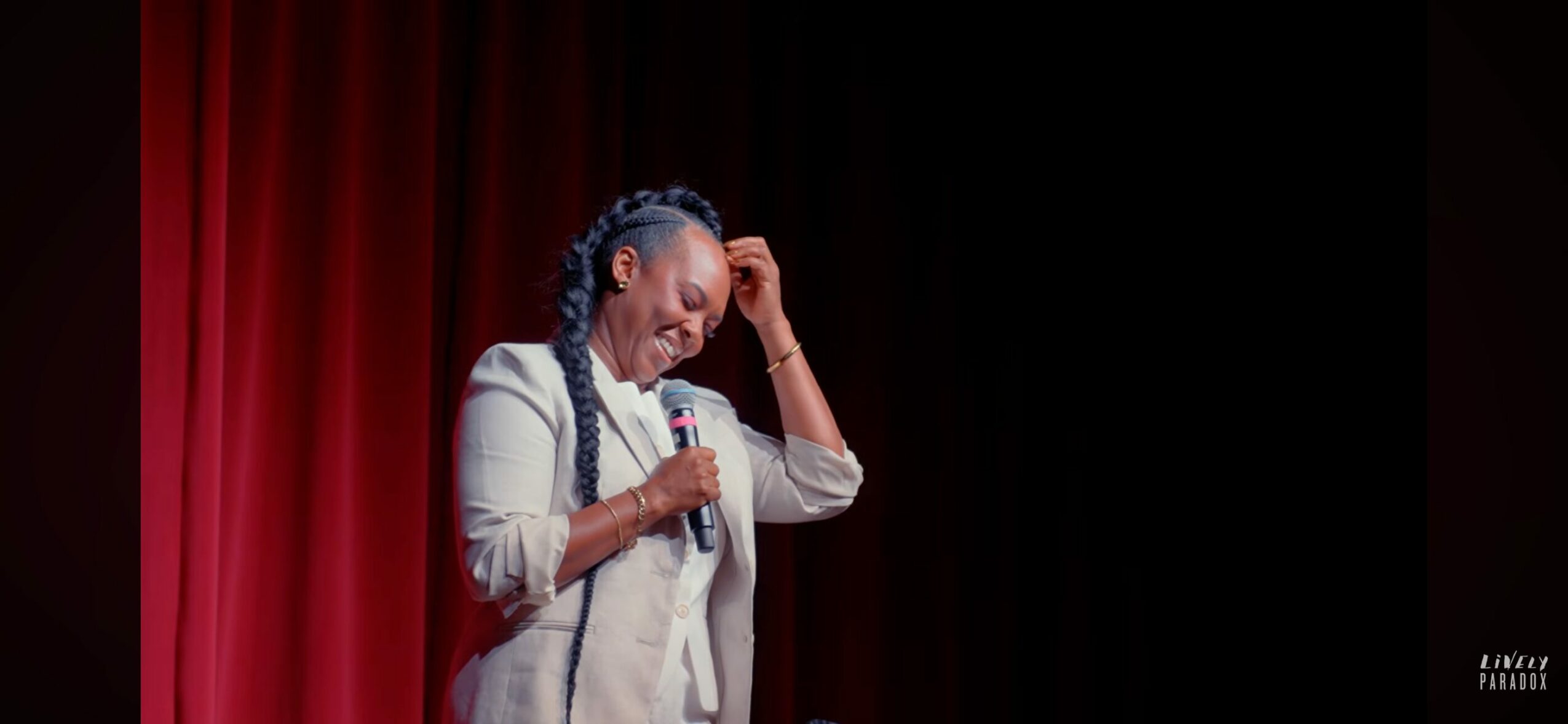
I preach because I love talking about God. I became a funeral celebrant and discovered how sacred it is to help a family tell the truth about a life while they’re grieving. And at 49 years old, I wrote and performed my first one-woman comedy show. That one surprised even me.
But comedy makes sense too. People will laugh their way into a truth they’d fight you over if you said it differently.
So now I speak to CEOs. I preach sermons. I stand with grieving families. I write. I teach. I make people laugh. And I’m still fascinated by people.
Somewhere along the way, people started calling me the “Empathy Revolutionary.” I laughed the first time I heard it, but it stuck. Because whether I’m in a boardroom, a pulpit, a funeral chapel or on a comedy stage, I’m really trying to do the same thing: get us to see each other a little more clearly.
I guess my résumé looks confusing.
It doesn’t confuse me.
I just keep finding new places where empathy belongs.
Can you talk to us a bit about the challenges and lessons you’ve learned along the way. Looking back would you say it’s been easy or smooth in retrospect?
Absolutely not. And I don’t know anybody interesting who has had a completely smooth road.
I’ve had businesses struggle. I’ve made expensive mistakes. I’ve had relationships end. I’ve lost people I love. My mother was killed by an impaired driver. At 45, a DNA test revealed that the man I had always known as my father wasn’t my biological father. I’ve had seasons where I was very successful publicly and privately wondering how in the world I was going to make everything work.
And I’ve gotten things wrong.
That’s probably an important part of my story because I teach empathy for a living, and I didn’t arrive here because I’ve always been wonderfully empathetic. I can be impatient. I can be defensive. I like being right. I’m an engineer. I have DATA. [laughs]
Some of my greatest lessons in empathy have come from having to sit with the possibility that my understanding of a person, a situation—or even myself—was incomplete.
Losing my mother changed how I understand grief. My DNA discovery changed how I think about identity, family and secrets. Divorce taught me things about boundaries and loving people without abandoning yourself. Entrepreneurship has taught me humility about 47 different ways. And working as a celebrant has probably taught me more about humanity than almost anything else I’ve done.
I wouldn’t call every difficult thing that has happened to me a gift. Some things just hurt. Some things were unfair. Some things I wish had never happened.
But I do believe we get to decide what we do with what happened.
I’ve tried to let my experiences make me more curious instead of more certain. More compassionate without becoming less accountable. More willing to ask, “What might I not understand here?”
That’s really where the Empathy Revolutionary came from.
Not because I’ve mastered empathy.
Because I’ve needed it.
Alright, so let’s switch gears a bit and talk business. What should we know?
My company is Lively Paradox, and our mission is pretty simple: we help people get along at work.
That sounds almost too simple until you’ve worked somewhere where people don’t. [laughs]
We work with organizations and leaders on the human side of leadership—empathy, accountability, communication, conflict, culture and all the things that determine whether talented people can actually work well together.
I’m probably best known for my work around empathy. I call myself the Empathy Revolutionary because I’m trying to rescue empathy from the idea that it’s just about being nice. Empathy is not agreement. It isn’t lowering standards. It isn’t avoiding difficult conversations. In fact, some of the most empathetic things I’ve ever done have required me to tell somebody something they absolutely did not want to hear.
For me, empathy is about understanding people well enough to lead them well.
I think what sets Lively Paradox apart is that we don’t teach empathy instead of accountability. We teach them together. I don’t want leaders choosing between caring about people and getting results. Good leadership requires both.
And I still think like an engineer. I’m interested in root causes. If a team says they have a communication problem, I want to know why. If people don’t trust each other, why? If turnover is high, why? If everybody keeps having the same conflict with different names attached to it, something else is probably going on. I don’t want to put an inspirational Band-Aid on a systemic problem.
The work can look different depending on what an organization needs. I deliver keynotes and workshops, facilitate executive and leadership team development, coach leaders, and work with organizations that want to strengthen culture, communication and accountability. We also offer leadership intensives and assessments that help people better understand themselves and the people they lead. And sometimes somebody just needs me in a room asking the questions everybody else has been avoiding.
Our clients aren’t limited to corporations. I work with schools, nonprofits, government agencies, associations and community organizations because wherever people have to lead, collaborate, make decisions or navigate differences, empathy matters.
What I’m most proud of, though, is that the brand has grown without losing its center. Lively Paradox started with workplace leadership, but the idea underneath it has become much bigger for me.
I believe we can be compassionate and accountable. Curious and decisive. Honest and kind. We can disagree with people without dehumanizing them.
That’s the paradox.
And in a world where we seem to be getting better and better at deciding who deserves our empathy, I’m pretty committed to being a revolutionary about it.
Where do you see things going in the next 5-10 years?
I think we’re about to find out just how valuable human skills really are.
AI can already write the email, analyze the spreadsheet, summarize the meeting and give you ten strategies before you’ve finished your coffee. In the next five to ten years, it will be able to do things we’re still convinced require a human being.
But AI doesn’t eliminate the need to lead people. If anything, I think it makes leadership more complicated.
We’re going to have workplaces with multiple generations, different expectations about work, increasingly distributed teams and technology changing jobs faster than many organizations can redesign them. People are going to be anxious. They’re going to disagree about what should change and how fast. Some people will feel liberated by technology. Other people will feel threatened by it. Leaders are going to have to navigate all of that while still getting results.
That’s why I think the so-called “soft skills” are about to become some of the hardest and most valuable skills in business.
Can you build trust? Can you have a difficult conversation without destroying a relationship? Can you hold somebody accountable and preserve their dignity? Can you understand a perspective you don’t share? Can you lead people through change when you don’t have all the answers yourself?
Those aren’t nice-to-have skills. That’s leadership.
I also think we’re going to have to get much better at empathy without confusing empathy with agreement. We live in a time when it’s becoming increasingly easy to dehumanize people we disagree with. Technology can connect us to everybody and somehow leave us understanding each other less.
So, yes, I’m excited about AI. I’m an engineer. Give me a tool that makes something faster and more efficient and I’m probably going to use it. [laughs] But I don’t think the future of leadership is less human.
I think the organizations that thrive will be the ones that figure out how to use extraordinary technology without losing their humanity.
Which means I plan to keep being an Empathy Revolutionary. I think the revolution is just getting started.
Pricing:
- Motivation keynotes: $14,995
- Workshops: $9,995
- Books: Less than $20
Contact Info:
- Website: https://drnicoleprice.com
- Instagram: @drnicoleprice
- Facebook: https://www.facebook.com/nicole.denise.price
- LinkedIn: https://www.linkedin.com/in/nicoledeniseprice/
- Twitter: @drnicoleprice