




Today we’d like to introduce you to Matt Anthony.
Hi Matt, so excited to have you with us today. What can you tell us about your story?
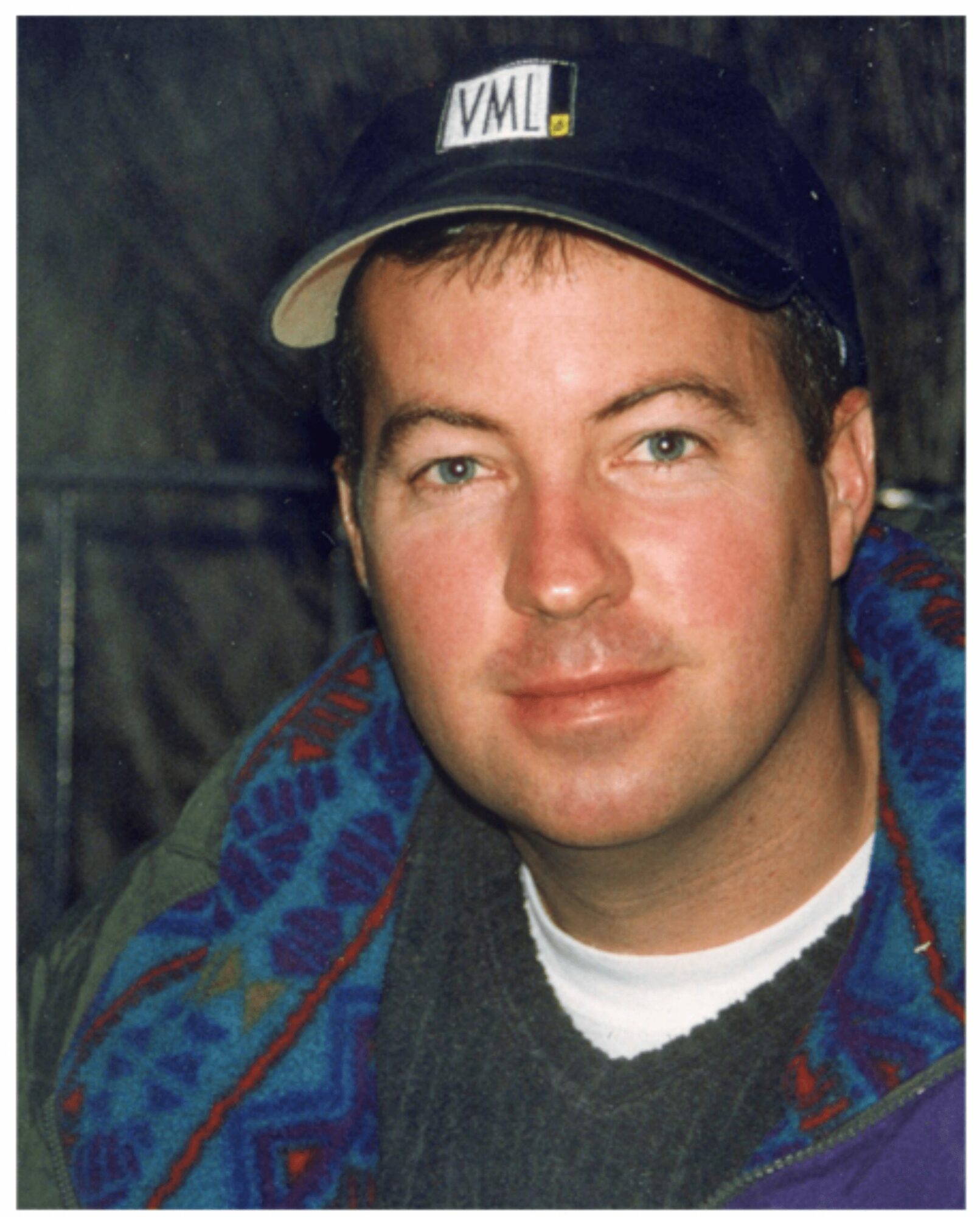
My brother Chris was diagnosed with brain cancer, and he passed away in February 2003 at just 37 years old. Rather than let that loss defeat him, Chris chose to spend his fight helping others facing the same diagnosis, and that spirit of turning pain into purpose is really what Head for the Cure grew out of. From the beginning, this was never just about grief, it was about finding hope, and even joy, in the middle of it.
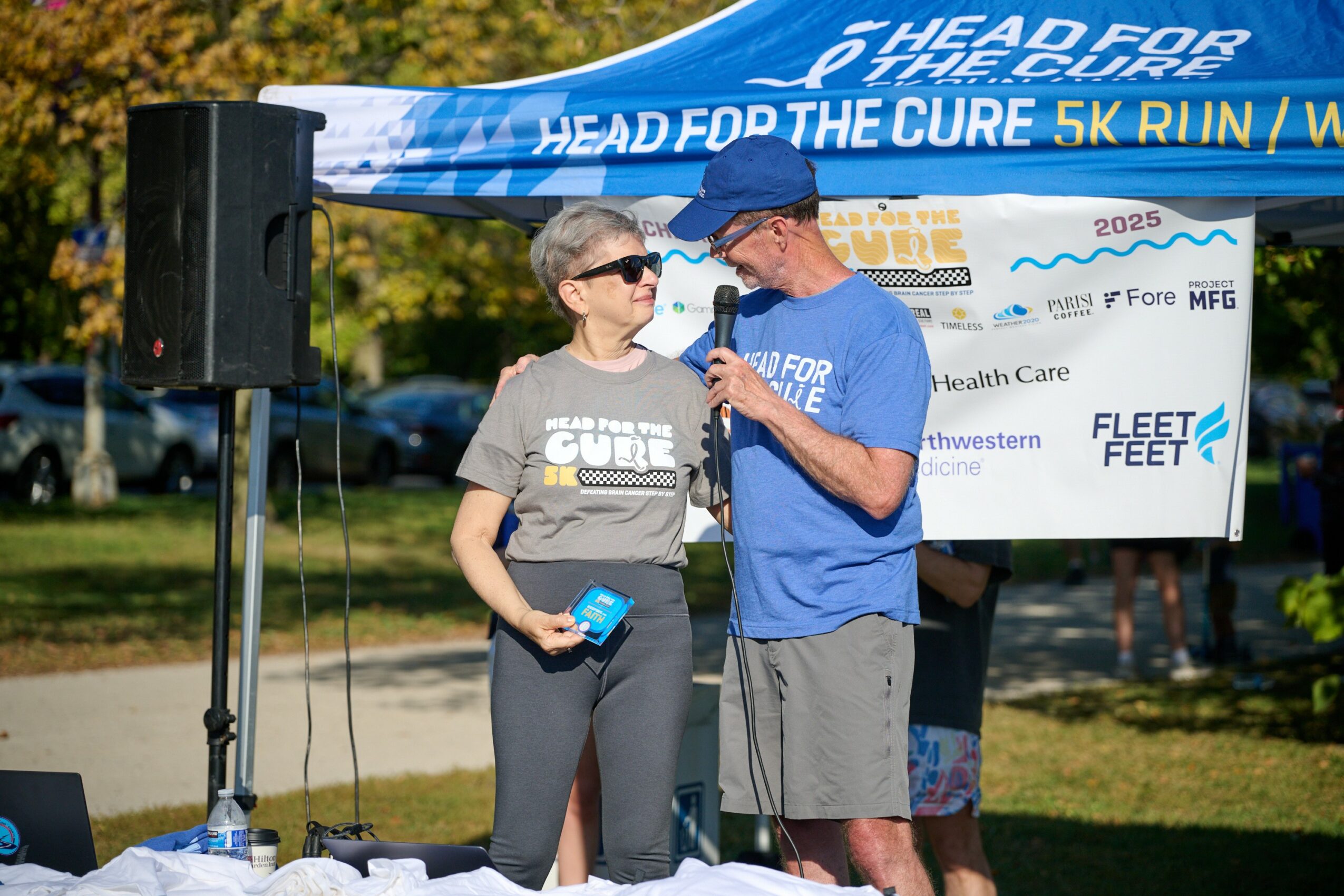
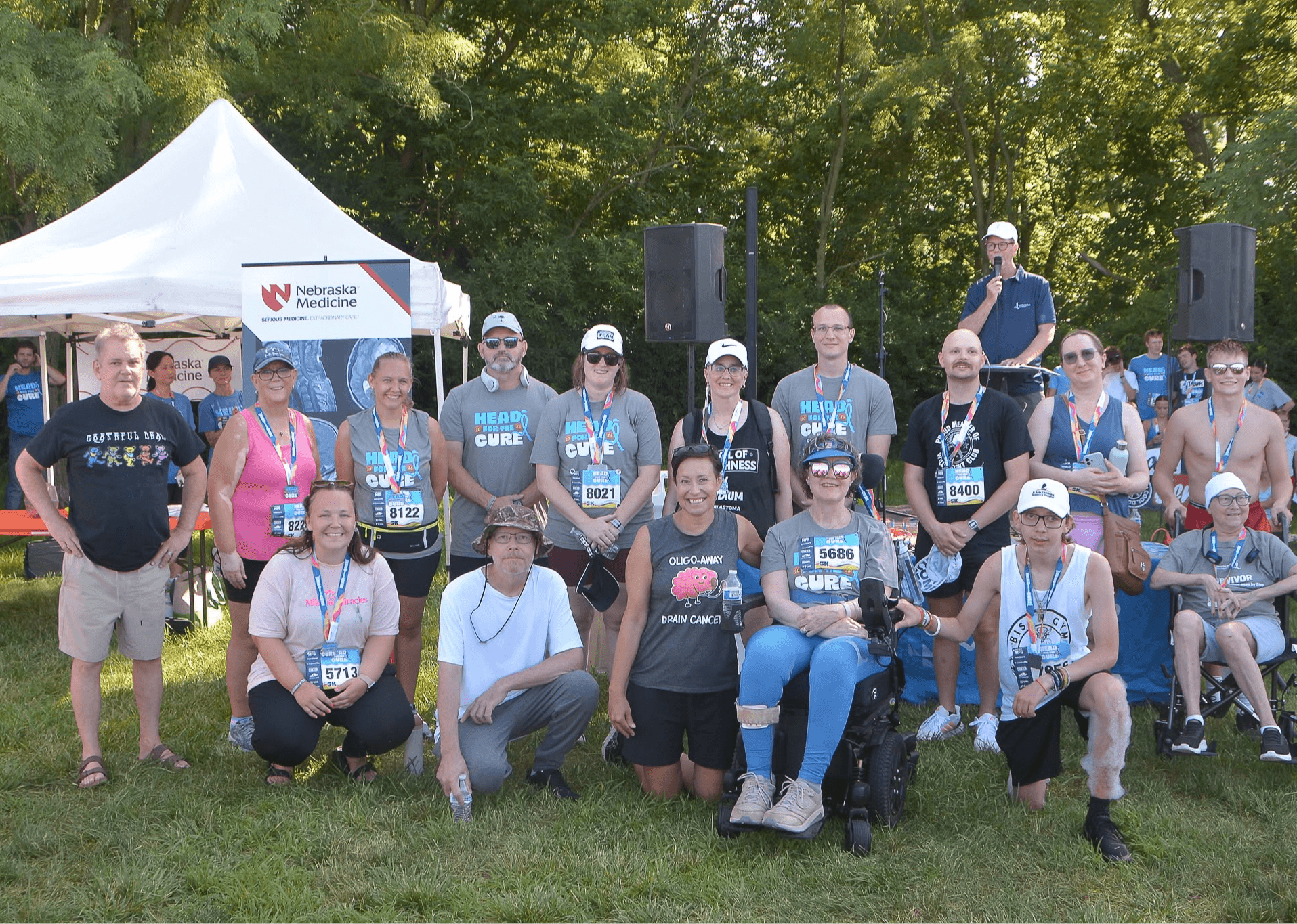
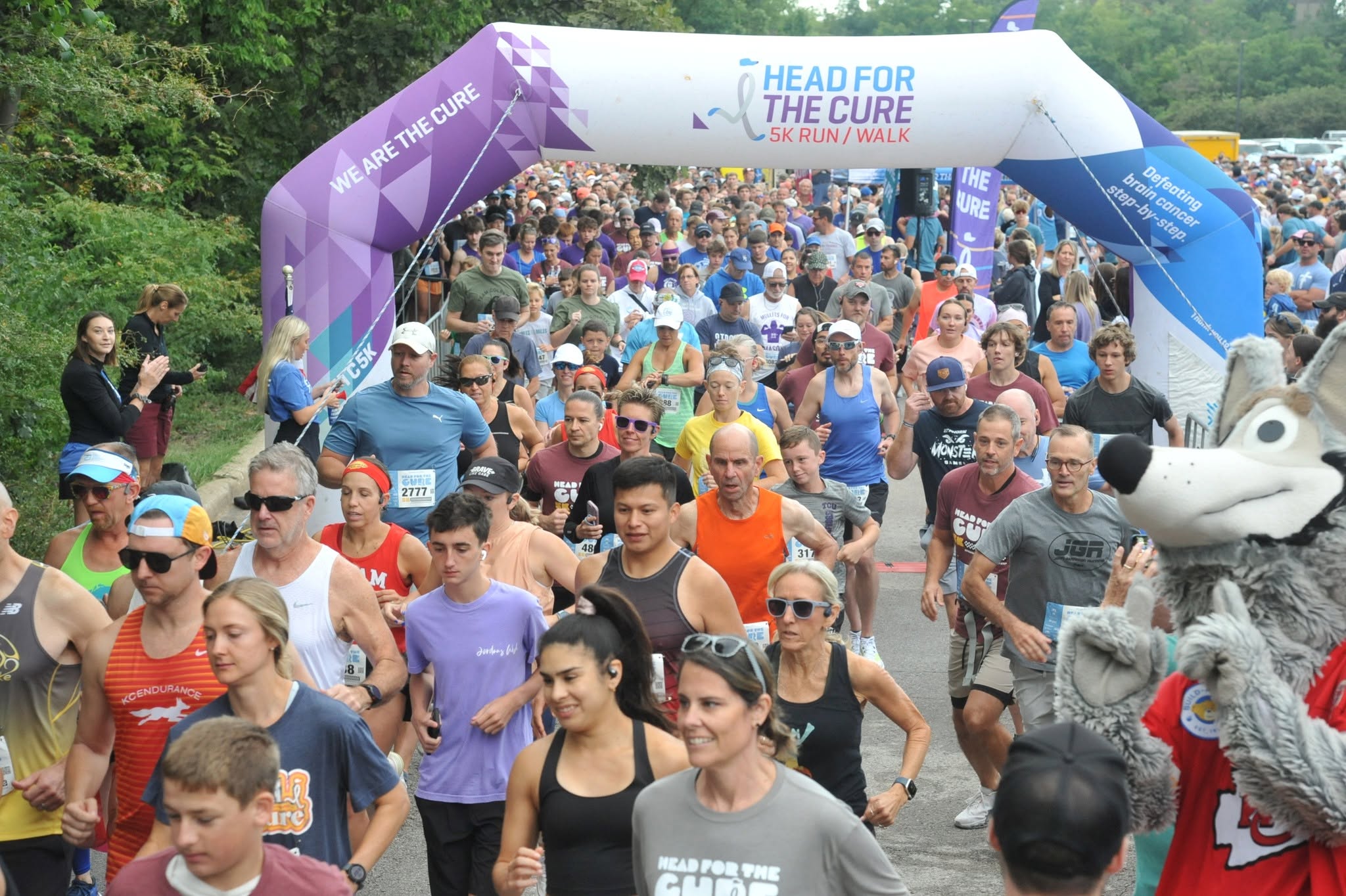
What began as one local 5K in Kansas City has grown into events in 25+ cities across the country. We’ve had more than 300,000 people cross our finish lines, and together our community has raised nearly $30 million for brain cancer research and patient support, almost entirely through grassroots giving, thousands of small donors rather than a handful of big ones. That’s still what makes this organization what it is, but what I love most is what happens on race day. You see survivors, caregivers, and families who’ve lost someone, all together, celebrating. That mix of hope and joy is the heartbeat of Head for the Cure.
Chris has been my wingman in this the whole way. Over two decades later, what keeps me going is seeing how many lives have been touched by something that started as one family trying to make sense of a terrible loss, and turned into a community that chooses hope, again and again.
We all face challenges, but looking back would you describe it as a relatively smooth road?
It hasn’t been a smooth road. Growing a grassroots organization means you’re building the plane while you’re flying it. In the early years, it was just a small group of us figuring out how to turn one 5K in Kansas City into something that could actually move the needle on brain cancer research. There was no playbook for that.
Funding has always been a challenge too. We’ve built this almost entirely on small, individual donors rather than a handful of big checks, which is a beautiful thing, but it also means we’re constantly earning that support one relationship at a time, city by city.
The pandemic tested us in a real way. All of our events are in-person 5K Run/Walks, so when the world shut down in 2020, we had to reimagine how we could still show up for the brain cancer community without our biggest fundraising tool. We leaned on our volunteers and supporters more than ever, and honestly, that’s when I saw how strong this community really is.
But if I’m being honest, the hardest part isn’t logistical. It’s that this work is rooted in loss. Every city we’re in, there’s a family behind it who’s lost someone or is fighting right now. Carrying that, and still finding ways to bring hope and joy into it every single race day, that’s the real work.
Thanks – so what else should our readers know about Head for the Cure Foundation?
Head for the Cure is a national nonprofit dedicated to the brain cancer community. Our mission is to build awareness for brain tumors, raise funds for vital research and clinical trials, patient and caregiver resources, and ignite hope and joy for the brain cancer community. We bring that mission to life through 5K walk/run events in more than 25 cities. Since we started, more than 300,000 people have crossed our finish lines, and together we’ve raised nearly $30 million, almost entirely through small, grassroots gifts rather than big donors.
I’m proudest that our funding supports 35+ partnerships with hospitals and institutions across the nation, connecting local 5Ks to national research impact. We’ve also built out Path to Hope, a resource platform for patients and caregivers navigating a diagnosis, and the Path to Relief Fund, which provides direct financial assistance to families facing the real costs of treatment.
Head for the Cure isn’t just a run/walk event. It’s a community that shows up for you well beyond the finish line, with hope and joy driving everything we do.
Risk taking is a topic that people have widely differing views on – we’d love to hear your thoughts.
I’d say yes, I’m a risk taker, though it didn’t always feel that way in the moment. The biggest risk I ever took was starting Head for the Cure at all. I had no nonprofit background and no guarantee it would work past that first year. I just knew I couldn’t sit still after losing Chris.
Every new city we’ve expanded into has been its own risk too, asking a community that doesn’t know us yet to show up and trust us. We’ve done that more than 30 times now, and it still feels like a leap each time.
My view on risk is simple: it’s about what you’re risking it for. I’m not chasing it for its own sake, but when the upside is more research funding and more hope for families like mine, I’ll take that bet every time. The real risk, to me, is staying comfortable while people are still fighting this disease.
Contact Info:
- Website: https://headforthecure.org
- Instagram: https://instagram.com/headforthecure
- Facebook: https://facebook.com/headforthecure
- Twitter: https://x.com/headforthecure