





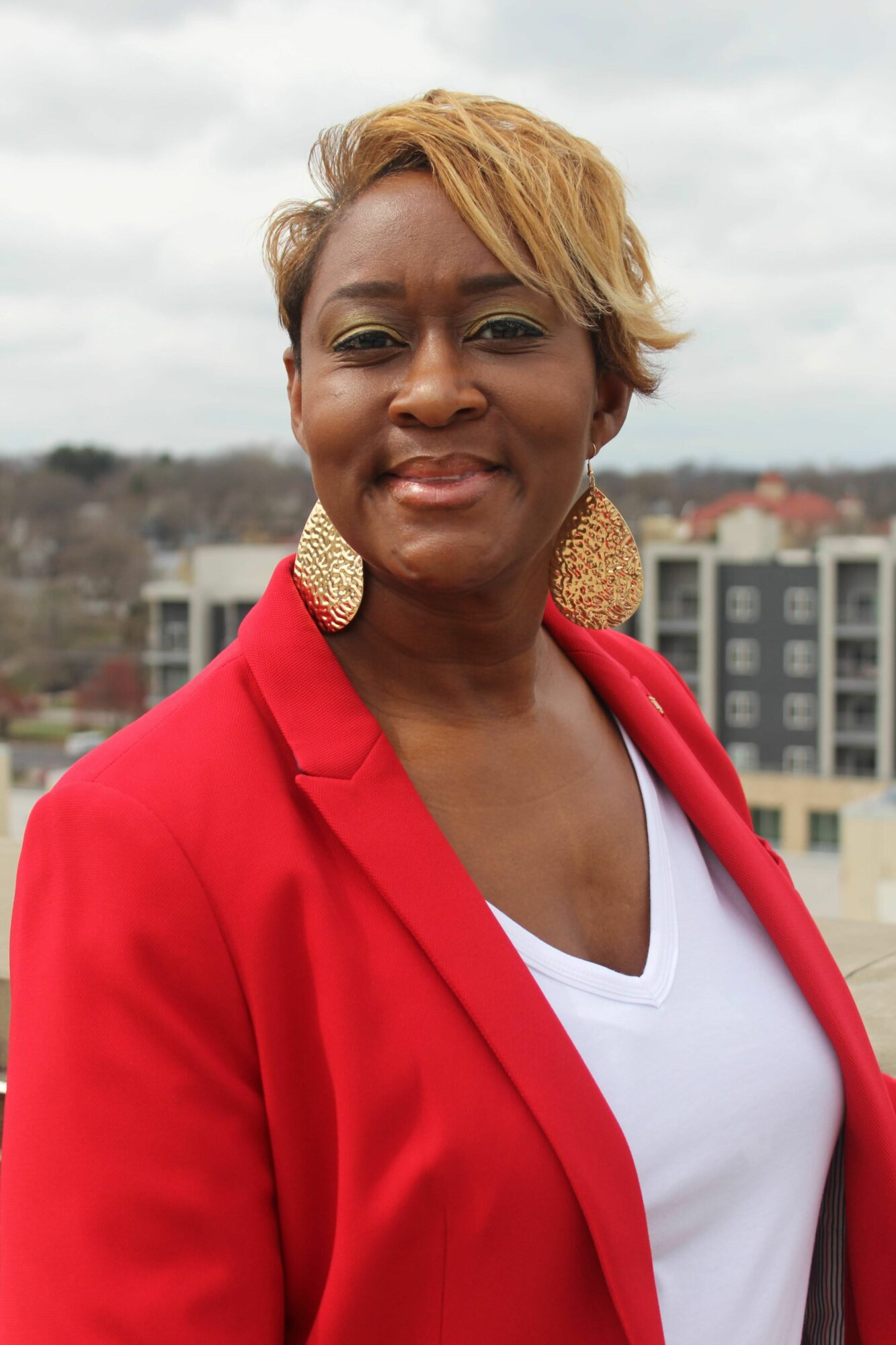
Today we’d like to introduce you to Monic Houpe.
Hi Monic, so excited to have you on the platform. So before we get into questions about your work-life, maybe you can bring our readers up to speed on your story and how you got to where you are today?
My story begins on the South Side of Chicago—a place with rhythm, grit, brilliance, and a legacy that refuses to be overlooked. It is the home of President Barack Obama and First Lady Michelle Obama, the recent Obama Presidential Center, the voices of Chance the Rapper, Jennifer Hudson, and Chaka Khan, the energy of the Bulls, Bears, Cubs, and White Sox, and the history-making courage of leaders like Carol Moseley Braun and Jesse Jackson. It is the Bud Billiken Parade, named expressways (interstates), block-by-block pride, and a culture that teaches you early how to stand tall. I was not raised near Chicago. I was born and raised in Chicago and that distinction shaped everything about who I am.
But Chicago was not the only place that shaped me. I was also raised in a home with my dad, my mom, my sister, and my brother surrounding me with love, expectation, and encouragement. They taught me to put God first, to believe I could do anything I set my mind to, and to carry myself with integrity, discipline, and will. From Iowa State University to Keller Graduate School, from Hallmark to Harvesters, their voices have been a steady reminder that where I come from gave me pride but how I was raised gave me purpose.
That purpose is what eventually led me to Kansas City—not just as a place to live and work, but as a community to serve. While Chicago will always be my foundation, Kansas City has become deeply woven into my life. I have served through my church, Boys & Girls Clubs of Greater Kansas City, Christmas in October, and other community efforts that keep me close to the people, neighborhoods, and needs that make this city so special. I have also had the honor of serving on boards that reflect my commitment to community, currently with Reconciliation Services, and formerly with High Aspirations and the American Jazz Museum. KC is not just where I work; it is where I serve, where I lead, and where my purpose continues to grow.
That same purpose now guides how I lead as Chief Operating Officer. In managing the operations of a regional food bank, I have the privilege of helping connect strategy to compassion—turning systems, people, and resources into real help for families across our community. For me, operations are not just about efficiency or execution; they are about creating the conditions for people to be served well, teams to do meaningful work, and communities to experience care. Leadership, at its best, is service with structure—and that is the work I feel called to do.
In addition to my work at Harvesters, I also serve as an adjunct professor at Webster University, where I teach business and management courses. That role allows me to pour into emerging and working professionals by connecting real-world leadership, operations, strategy, and service to the classroom. Teaching has become another way for me to live out my purpose—helping others see their potential, strengthen their skills, and prepare to lead with both competence and character.
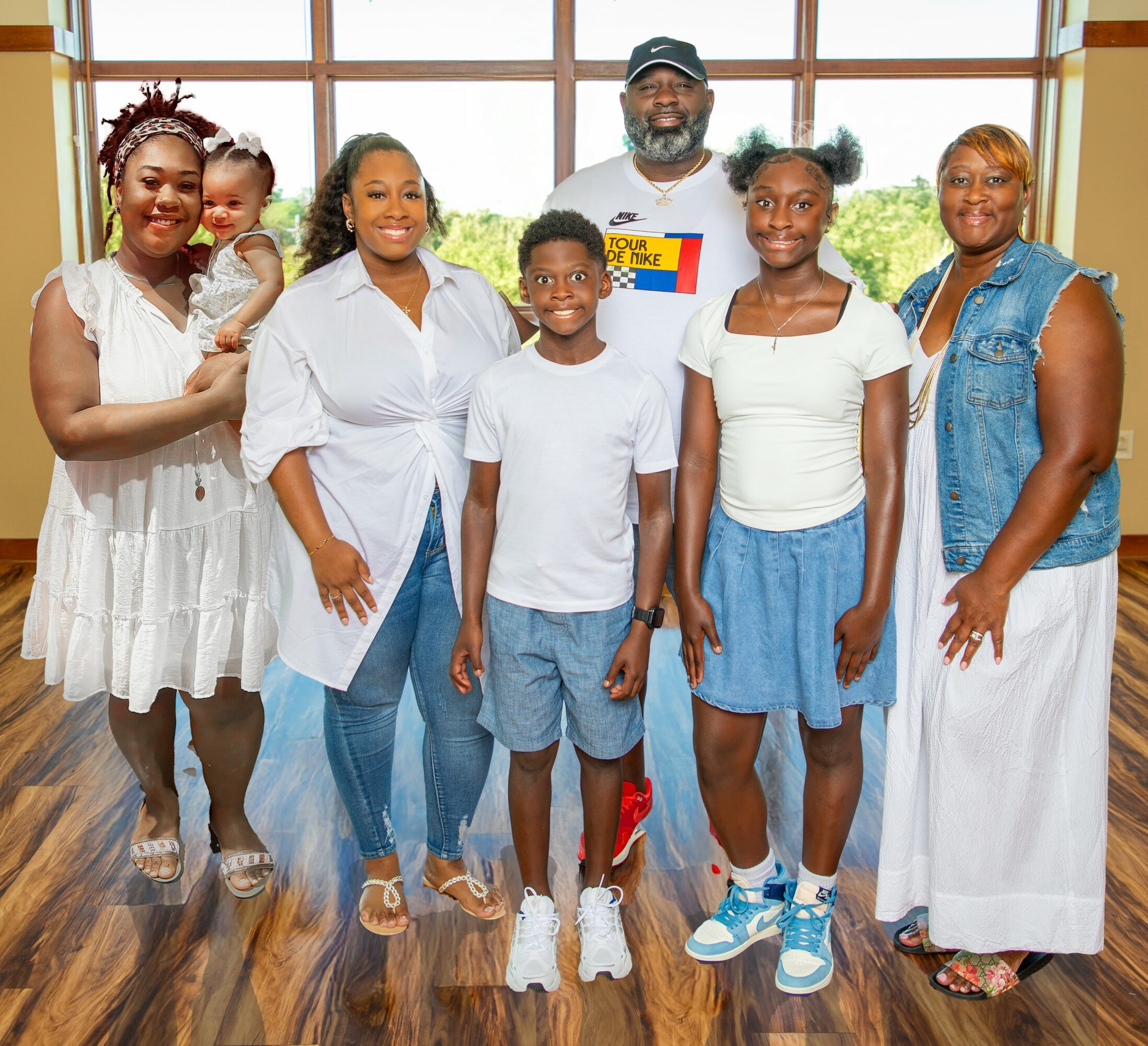
At the center of it all is my family. My husband, Stephen, has been my steady partner and support, walking beside me through every season of leadership, service, and growth. Our adult daughter, Jordae, is building a beautiful life and family of her own, carrying forward with love and strength. Our college daughter, Liana, is preparing to graduate early and step into her calling as a special education teacher, already showing the heart to serve others in meaningful ways. Our younger daughter, Jenae, is heading into high school with the discipline, drive, and spirit of an elite cheer athlete. And our son, Stephen Jr. (SJ), a self-professed Christian student-athlete, brings his faith, focus, and competitive energy to both football and track. Their love, patience, and support give me the strength to show up fully—whether I am leading teams, solving operational challenges, serving in the community, or simply trying to be present at home.
My story started in Chicago, found purpose through faith and family, and continues in Kansas City through service. Every chapter has taught me the same lesson: when you know who you are, where you come from, who you serve, and who is walking beside you, you can lead with both conviction and heart.
Alright, so let’s dig a little deeper into the story – has it been an easy path overall and if not, what were the challenges you’ve had to overcome?
I am grateful to be able to say that I have had a meaningful and rewarding career, but I would not describe it as a perfectly smooth road. Every role I hoped for, I eventually earned—though not always the first time. I had to remain persistent. My path has taken me through both corporate and nonprofit spaces, beginning in IT and expanding into product development, product management, brand management, multicultural marketing, compliance, and now operations. Each chapter required many of the same core skills—critical thinking, problem solving, sound judgment, project management, influence, and the ability to balance analysis with intuition. But over time, what grew most was my leadership, my people-management experience, and the scope of responsibility I was trusted to carry.
One of the greatest struggles along the way has been learning how to remain in the driver’s seat of my own career. Because my experience has stretched across many different functions, I often had to help others see that my skills were transferable and that I could succeed in spaces where I may not have followed the traditional path. There were moments when discouragement could have slowed me down or detours could have helped me achieve part of my goal, but I learned that neither could be an option if I wanted to keep moving toward the work I wanted to do next.
There were also seasons when others saw a future for me that did not fully align with the one I saw for myself. Early in my career, one manager mapped out a long-term path for me in IT, even envisioning me one day becoming a vice president in that area. Later, another manager began preparing me for a senior leadership trajectory that others believed was right for me. In both situations, I appreciated that people saw potential in me, but I also knew deep down that those paths were not where I wanted to stay. At the time, I did not always have the courage to say that clearly, so part of my growth was learning to use my voice.
So, while my road has been blessed, it has not been without struggle. The challenge was not just getting opportunities; it was making sure the opportunities I pursued were aligned with who I am, what I value, and how I wanted to serve. I had to learn when to listen, when to be stretched, and when to take the wheel again. Looking back, those moments helped shape me into the leader I am today: someone who values purpose over title, service over status, and the courage to chart a path that is both meaningful and personal.
Alright, so let’s switch gears a bit and talk business. What should we know?
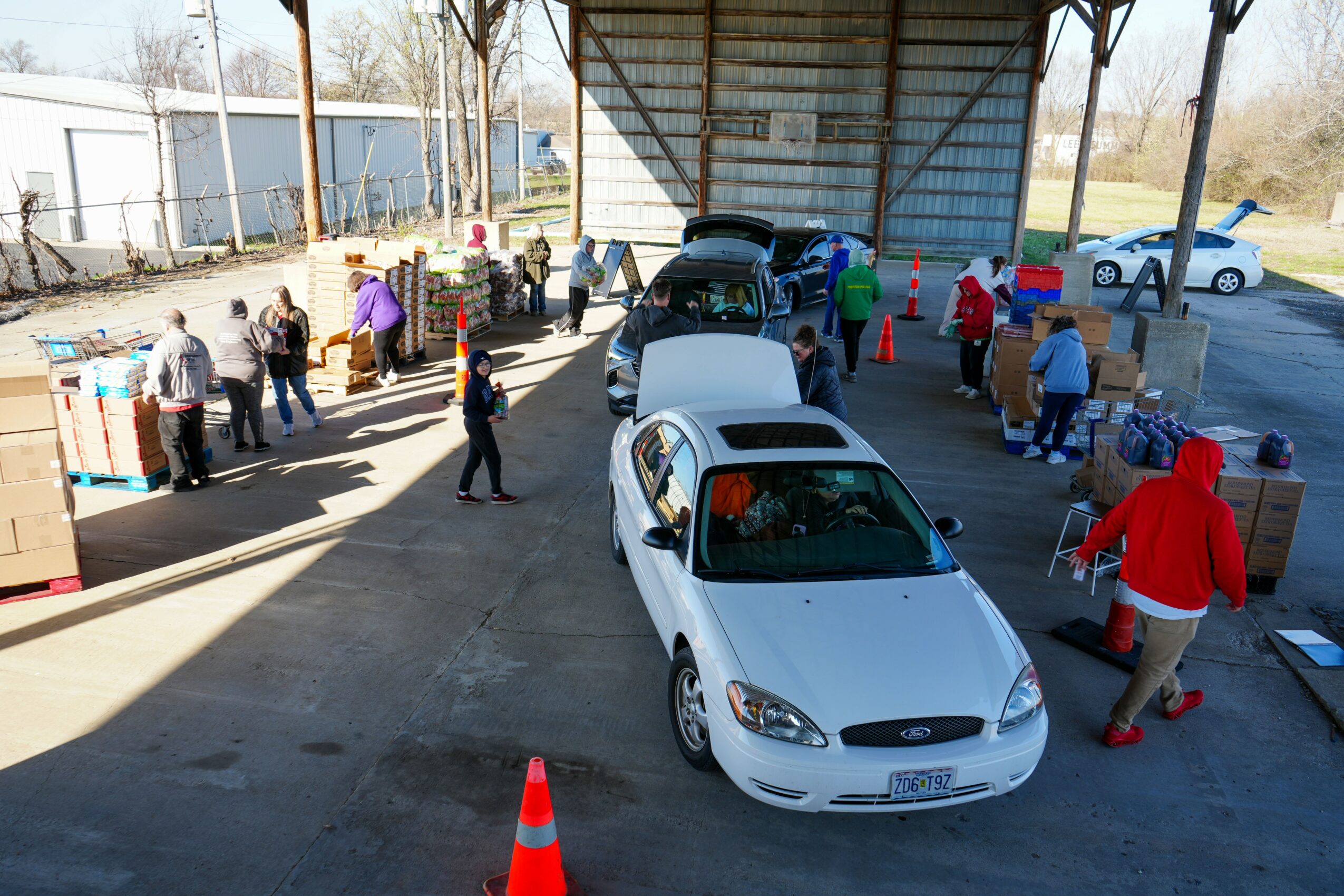
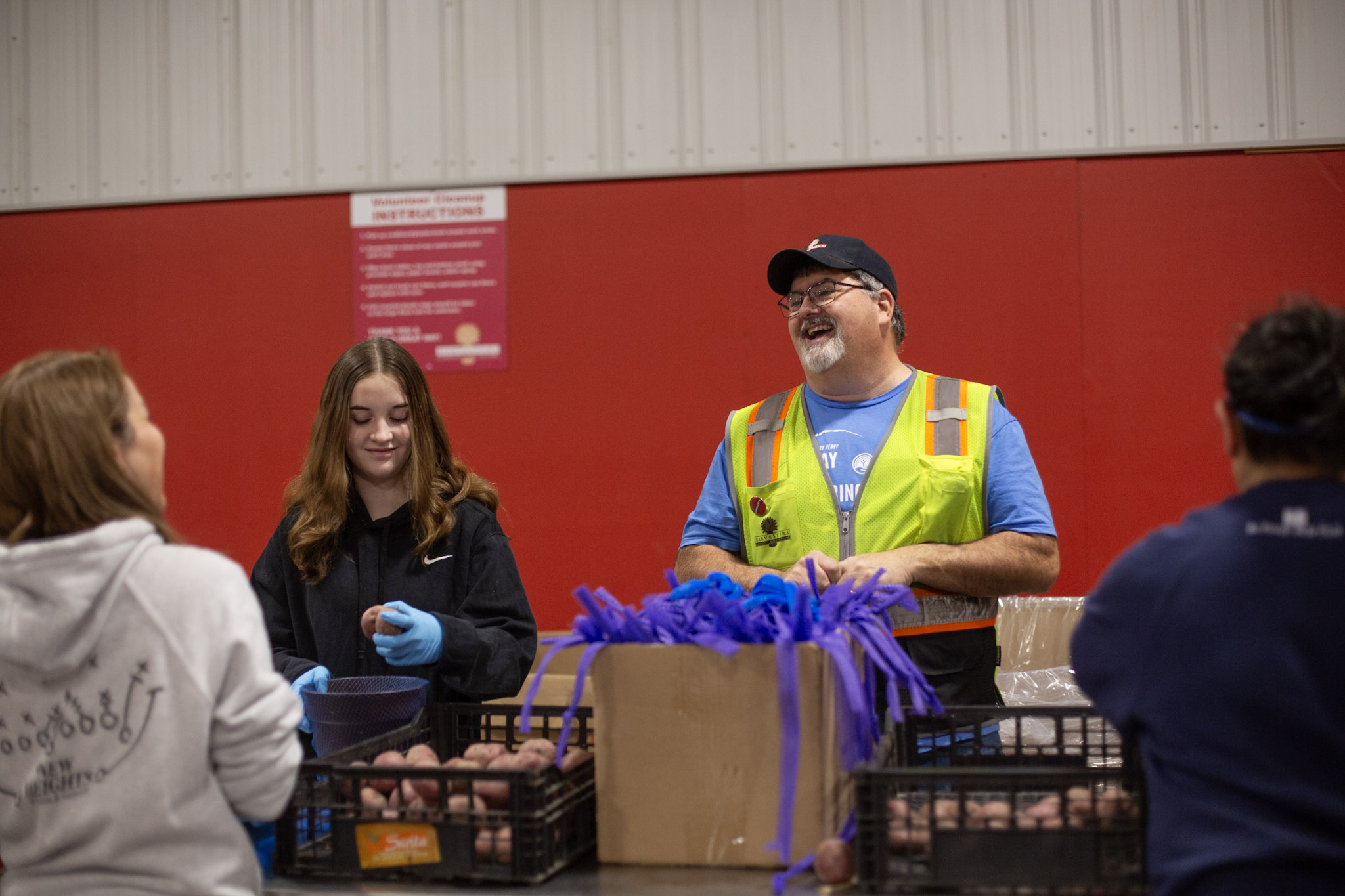
Harvesters is a regional food bank serving 27 counties across our region—10 in Missouri and 17 in Kansas. At its heart, Harvesters exists to bring people together around a basic but powerful belief: everyone deserves access to nutritious food, and no family should have to face hunger alone. We specialize in mobilizing the power of our community, that’s connecting food, resources, partners, volunteers, donors, and advocates in ways that move food into communities and onto tables where it is needed most.
In my role as Chief Operating Officer, I am responsible for helping lead both sides of that work—food in and food out. That means thinking about how food is sourced, stored, moved, distributed, and delivered through a network that depends on strategy, logistics, relationships, and trust. It is operational work, but it is also deeply human work. Just as I shared earlier, I believe leadership is service with structure, and Harvesters gives me the opportunity to live that out every day.
What I am most proud of is the way Harvesters shows up—consistently, compassionately, and practically—regardless of what is happening around us. Government programs may shift. The government may shut down. A pandemic may disrupt everything. Food and fuel prices may rise. Families may find themselves facing hardship they never expected. Yet through it all, the food bank remains present for the community because of the community. That is something I am incredibly proud of.
I also believe my own breadth of experience helps me serve the organization well. My path taught me how to ask the next right question, how to see connections across functions, and how to bring both analysis and intuition to complex challenges. At Harvesters, those skills matter because the work is always changing, and the need is always urgent.
What I want readers to know most is that every contribution to this mission matters. You can give food—from one can to a truckload. You can give time—from one hour to every week. You can give money—from $15 a month to millions of dollars. You can give voice—from signing a letter to testifying in Washington, D.C. There is no contribution too small when it is connected to a mission this important. Harvesters is there for the community because people choose to be part of the solution, and that is what makes the work so meaningful.
Where do you see things going in the next 5-10 years?
Over the next five to ten years, I believe hunger relief organizations will be called to do more than respond to immediate need; we will be challenged to help address the root causes and long-term impact of hunger in a greater way. Food insecurity continues to affect households across the country, and national data shows that 13.7 percent of U.S. households experienced food insecurity at some point in 2024. That tells us this is not a temporary issue or an isolated one—it is a community, economic, health, and policy issue that requires a deeper, more coordinated response.
I also think one of the biggest shifts ahead will be the need to continue changing the narrative around hunger. Too often, people make assumptions about who experiences food insecurity and why. But hunger can touch military families, seniors, college students, working parents, the child sitting next to your child at school, or the neighbor next door. Many people facing hunger are working, caregiving, serving, studying, or doing everything they can to make ends meet. As costs rise and programs such as SNAP continue to face uncertainty, food banks will have to keep pairing compassion with advocacy, data, and practical solutions.
For food banks, that means the future of the industry will be increasingly collaborative and strategic. We will still need to move food efficiently and respond quickly, but we will also need to strengthen partnerships, use data more effectively, support policies that protect access to food, and design programs that help move people closer to lasting food security. The work has already begun, but the next decade will require more urgency, more innovation, and more courage. In a nation with the resources we have, people should have access to the food they need—and organizations like Harvesters will continue to play an important role in helping our communities get there.
Contact Info:
- Website: https://www.harvesters.org
- Instagram: https://www.instagram.com/harvesters/?hl=en
- LinkedIn: https://www.linkedin.com/in/mjhoupe/