





Today we’d like to introduce you to Timothy Gustafson.
Hi Timothy, it’s an honor to have you on the platform. Thanks for taking the time to share your story with us – to start maybe you can share some of your backstory with our readers?
I was born in Storm Lake, Iowa, on November 2, 1952. Two days later, on November 4, Dwight D. Eisenhower was elected President. I know this because my mother reminded me that she had to cast her vote from the hospital that year. For the first few years of my life, I grew up on a farm. When I was in the third grade, our family moved to Early, Iowa, a small farming community in northwest Iowa, where my father became the manager of a Quaker Oats grain elevator.
The town had only about 850 people. It was roughly ten blocks by fifteen blocks, with no stoplights, two bars, two grocery stores, and about half a dozen churches. There were very few people of color in our town—very few Hispanic, Asian American, or African American residents. Because of this, I was sheltered from many of the cultural and social issues taking place in the United States at the time. I grew up during what felt like a time of innocence. At least that is how it seemed to me. I thought I didn’t have many problems, and of course, in Iowa, we were all “fine.” At least that’s what I believed.
My brother had been born four years before me, and my sister was born two years after me, making me the classic middle child.
These were turbulent times in America. Yet, growing up in a small town in Iowa, I was largely unaware of most of it.
Instead, my world was focused on the ordinary things of growing up in a small town.
Music
The Beatles
Football
Playing by the creek
Spending time with friends and family
Going to small-town celebrations
Golfing
Girls
Life felt simple and good. My world revolved largely around me. Even now, seventy-three years later, I continue to discover just how self-focused my perspective often was during those early years and is sometimes even today.
My parents were married for more than sixty years and had a deep faith in God. My father and mother taught me a great deal about respect, honor, faithfulness, and hard work. One phrase my dad often repeated came from Will Rogers: “It takes a lifetime to build a good reputation, but you can lose it in a minute.”
That statement has stayed with me throughout my life.
My parents shared many sayings like that while I was growing up. I often heard things like:
“The early bird gets the worm.”
“Make hay while the sun shines.”
“Get the right tool for the job.”
Through both their words and their example, my parents communicated values of honesty, hard work, and kindness. Those values became an important foundation for my life.
Looking back, I can now see that the cultural changes happening all around me also influenced my life and ministry in ways I did not yet understand.
When I was sixteen years old, in 1968, something happened in my life that felt very serious to me. It was serious enough that I prayed and asked God to help me get out of the trouble I thought I might be in. I made a promise to God. I said that if He helped me out of that situation, I would serve Him for the rest of my life. As I saw it, God kept His part of the promise, and I didn’t get into trouble. That meant I now felt committed to keep mine.
After graduating from high school in 1970 and wanting to keep my promise to God, the only way I knew how to do that was to become a Lutheran pastor. That decision eventually led me into eight years of training, beginning in Ann Arbor, Michigan. I attended a small Lutheran junior college there.
For a young, sheltered kid from Iowa, moving to Ann Arbor in 1970 was quite an experience. The University of Michigan was nearby, and it was right in the middle of the cultural upheaval of the 1970s.
Marijuana was openly smoked on campus.
Women breastfed their babies in public without hesitation.
Students dug large holes in the campus grounds to symbolize the devastation bombs created during the Vietnam War.
To become a Lutheran pastor, I needed to complete four years of undergraduate study before entering seminary. Two of those years were spent at Concordia Lutheran Junior College in Ann Arbor, Michigan. The following two years were spent at Concordia Senior College in Fort Wayne, Indiana. After that, I moved to St. Louis to attend seminary for another four years.
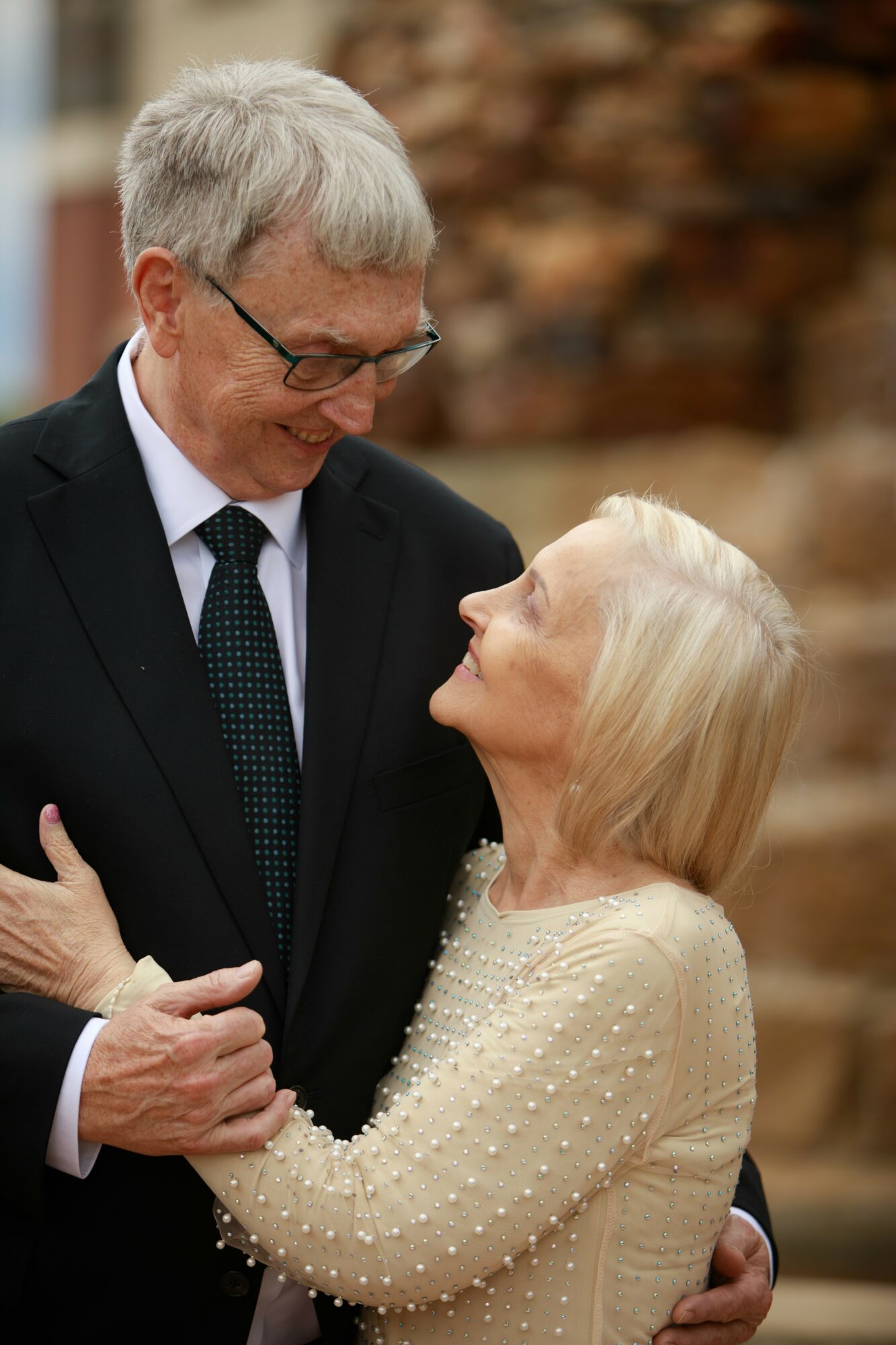
It was during my time in Ann Arbor that I met my wife, Reneé. She was a year behind me in school and was studying to become a teacher of deaf children. She was, and still is, beautiful. She had a very real and personal relationship with Jesus. One thing that greatly fascinated me about her was something deeper than her appearance. She asked questions that I had never really considered before.
Often she would ask things like: “How do you think that person feels? “What do you think they might be thinking?” Her attention was focused on understanding others. That was new to me. At that time in my life, I was often focused on my own needs and how I was feeling.
When I first met Reneé, I didn’t think I had any issues at all. After all, I was from Iowa—and in Iowa, we were all “fine.”At least that’s what we told ourselves. In my family, we didn’t spend much time talking about our emotional struggles. Because of that, I didn’t begin to discover many of these deeper issues until Reneé began helping me look more honestly at my life. Eventually, I also began my own personal journey toward emotional health and growth.
Reneé had grown up in Detroit during her early childhood and later lived in Holly, Michigan. Her life experiences were very different from mine. Over the years, she has become one of the greatest teachers in my life. In fact, one of the chapters in the book, “Reneé University”, comes directly from the many lessons I have learned from her.
Looking back, I realize that I was a little like Julia Roberts’ character in the movie Runaway Bride, who didn’t even know what kind of eggs she liked. That was me. I often didn’t know what I truly felt or thought about things. One of my core struggles was being a people-pleaser. I needed others to like me or approve of me in order to feel valuable. I often became something of a chameleon, adjusting myself to fit the expectations of the people around me. I also found it difficult to be honest about what I really thought or felt. If I revealed my true opinion, someone might not like me. The idea that someone might not like me felt almost unbearable.
Fear played a large role in my life. It often controlled my decisions and my responses.
I remember the moment clearly. In 1981, I was pastoring at Body of Christ Fellowship in Granite City, Illinois, a church that my wife, Reneé, four other people, and I founded in a family’s basement. The fellowship eventually grew to forty people, and we moved into a storefront located right next to a Dairy Queen. Because I have always loved ice cream, I figured that must have been a sign of God’s blessing on our congregation. Soon the church grew to eighty people, and we moved again, this time into a small white church building on the edge of town. I even had an office.
One morning, a mother came into my office with her sixteen-year-old daughter for counseling. They shared with me a difficult situation they were experiencing in their relationship. After they left, I remember sitting alone in my office, feeling uncomfortable. I didn’t think I had helped them very much. I had hoped I might be able to guide them toward a better place in their relationship, but the truth was that I really didn’t know how to help them. I wasn’t even sure what they needed. In fact, I didn’t even know what questions to ask.
At that time in my life, and it is still a habit today, I regularly had what I call “personal talks with Jesus.” When I asked Him how I had done in that counseling session, I sensed Him respond gently in my mind: “I love you, Tim, but you do need some help in learning how to better help those who come to you for counsel.” That moment stayed with me.
By that point, I had already completed four years of undergraduate education and four years of seminary, earning my Master of Divinity degree in preparation to become a Lutheran pastor. I had what many would call a personal relationship with Jesus. I had been married to Reneé for six years, and we had two children. As a believer, I also trusted in the wisdom of the Holy Spirit. And yet I knew something important was missing. I needed help learning how to help others. My previous education did not provide sufficient training in counseling. I also lacked the life experience necessary to give the kind of guidance I believed my congregation deserved.
So I returned to school to earn a Master’s degree in Pastoral Counseling. This required two additional years of education and participation in a program called Clinical Pastoral Education (CPE). During that process, I discovered something surprising. I had my own issues that needed attention and healing. Although I never intended to become a licensed therapist, I knew I needed more training if I wanted to care well for the people entrusted to me. I wanted, in the words of David in Psalm 78:72, to “shepherd the flock of God with integrity of heart and with skillful hands.”
Today, I am considered part of the “Baby Boomer” generation, people born between 1946 and 1964. I was part of the generation that practiced hiding under school desks during atomic bomb drills.
As you can see, I had several significant issues that eventually needed attention and healing. Of course, at that time, I couldn’t even talk about those issues. In the culture I grew up in, people were simply expected to deal with their problems quietly. If someone discovered that you had “issues,” it might mean that you were somehow weak or flawed. And if people thought you were flawed, they might not like you.
A couple of the reasons I wrote the book were to encourage people to recognize how important their own emotional health and personal reputation are when caring for others, and to take some time to consider how their own “growing-up years” have impacted their lives. Knowing and processing this information has proven invaluable in my own work with people.
As I mentioned earlier, my brother was four years older than I was, and my sister was about eighteen months younger. In many ways, I felt like my brother shared a special connection with my father, while my sister, as the youngest, was often treated like the “little princess” of the family. That left me in the familiar role of the middle child.
Many years later, during my own therapy journey—which began in 1982—I began to recognize some of the common struggles associated with middle-child dynamics. Until that time, I had not been aware of how deeply those patterns had influenced my life. I began to see several tendencies in myself:
A need for attention
Feelings of being overlooked
Low self-esteem
A tendency toward independence mixed with occasional rebellion
A deep desire to figure out who I really was
A deep competitiveness
Feelings of inadequacy
A general lack of awareness about my own emotions.
There were certainly more issues than those, but that list gives you a sense of what I began to discover about myself.
At the same time, I also recognized that being a middle child had also shaped some positive traits in me. Over time, I began to appreciate qualities such as
Being a good listener
A good mediator
Adaptable
Empathetic
Independent
Loyal
Entrepreneurial
Learning to recognize both my strengths and my weaknesses helped me begin to think about myself more highly.
This is an important lesson for anyone who hopes to help others.
If you are going to counsel or care for people, you must recognize both the areas of brokenness in your life and the areas of strength and wholeness.
As I became more comfortable with who I was, I began sharing parts of my own story with greater honesty. I could talk about the struggles I had faced and the challenges that were still shaping my life. Honesty and vulnerability are essential qualities for a healthy caregiver.
I have planted a church in St. Louis as Pastor Gustafson. I became a member of the College of Chaplains and worked as a chaplain in a major trauma hospital in St. Louis. I have taught classes in counseling at a training center; I have overseen the pastoral care department of a large congregation in Kansas City; I have worked for Sprint for 5 years as an analyst learning about corporate America, and I am currently counseling 15-20 hours a week.
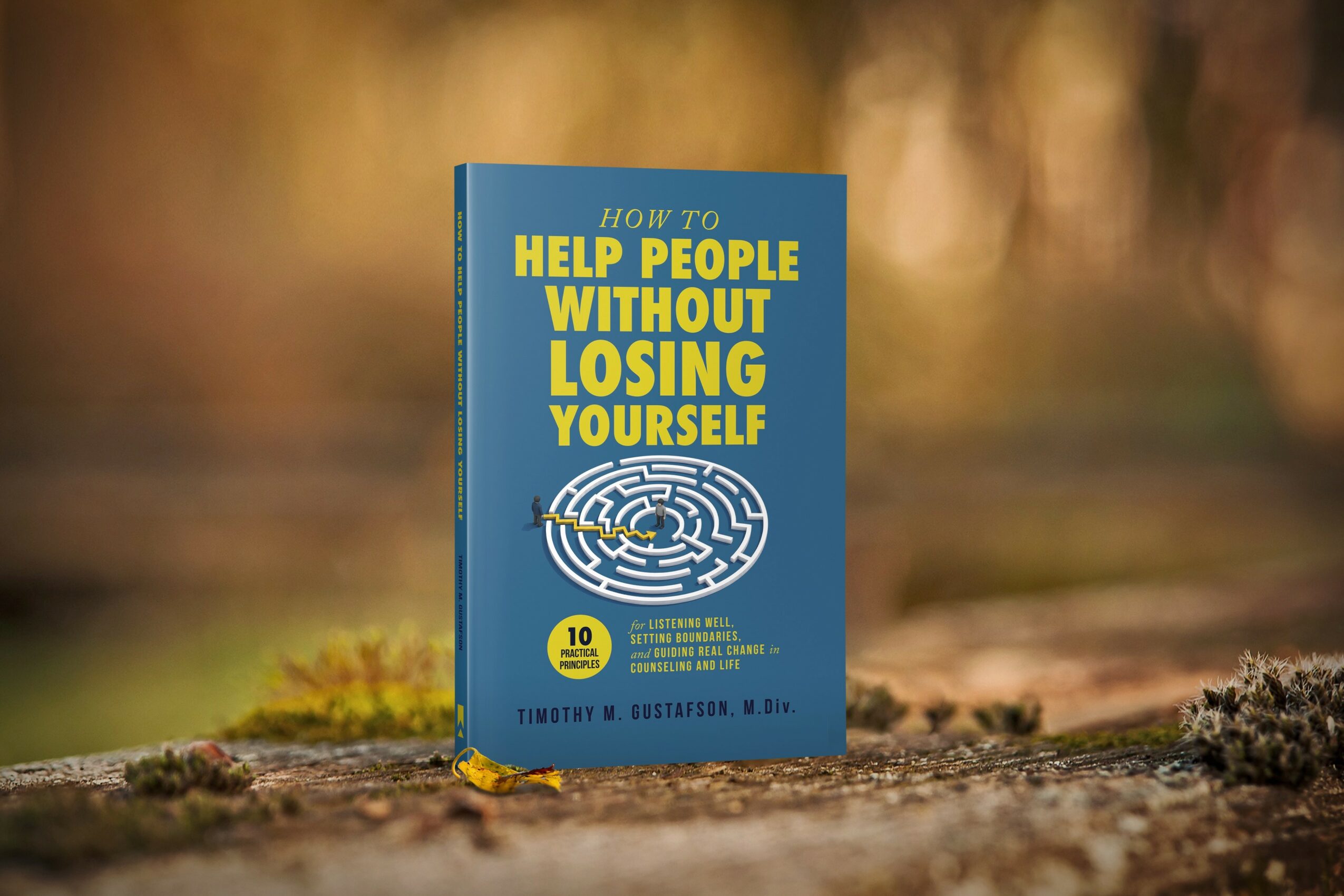
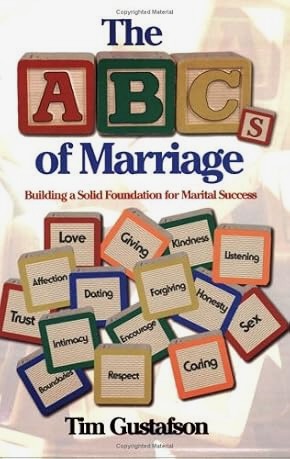
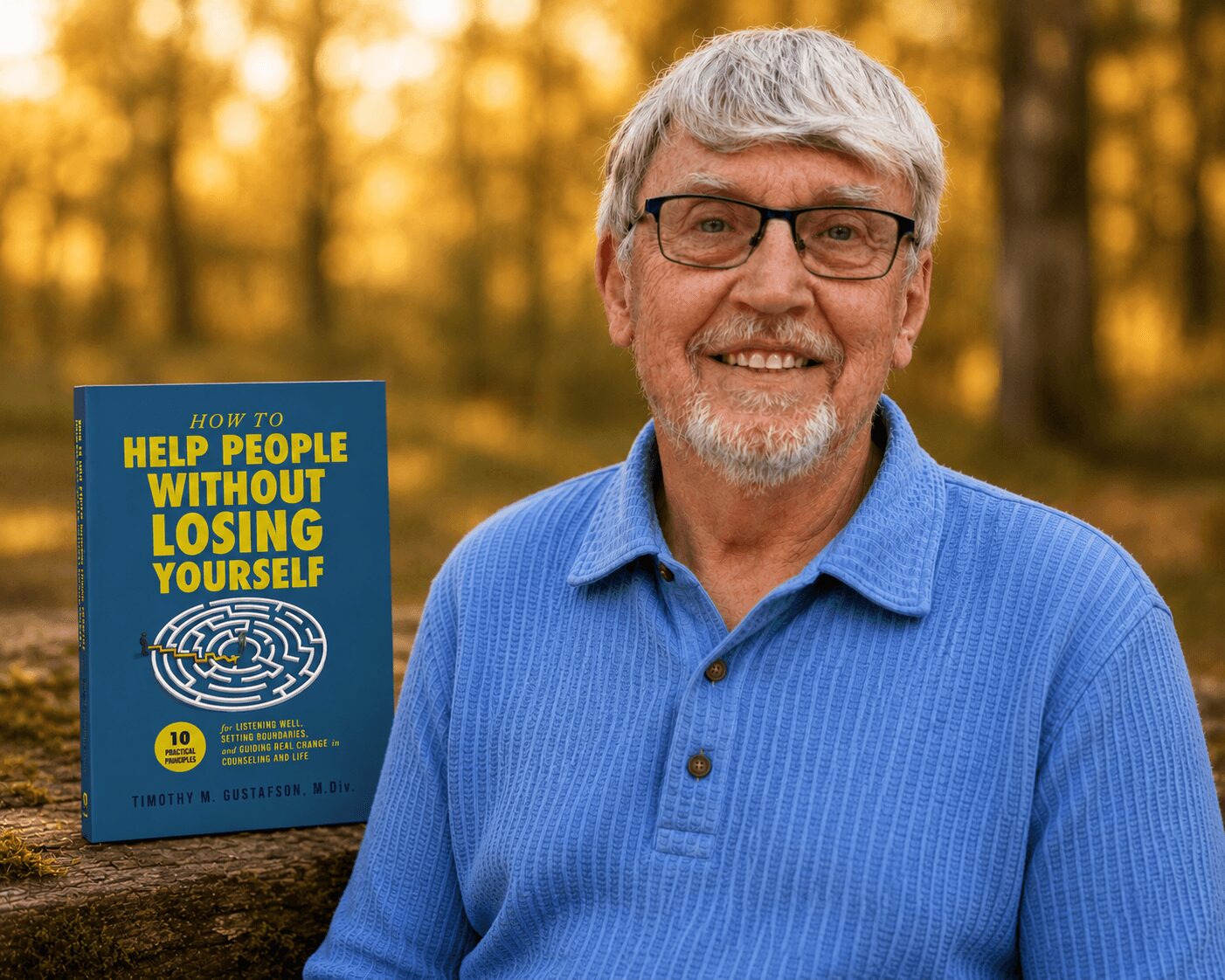
Today I am seventy-three years old. Looking back over many decades of ministry and counseling, I often think about what I wish I had known earlier in my life. I now use these ten principless that I discuss in the book, regularly when helping people who come to me for guidance. If I had understood these principles earlier, I believe I would have been able to help many people more effectively. I talk about them in great detail in my book, How to Help Others Without Losing Yourself. In 2005, I also wrote a book on Marriage, The ABC’s of Marriage.
My hope in writing this book was that it would be helpful to pastors, counselors, professionals, lawyers, nurses, etc.
But as I began to write it, it seemed that the principles also applied to most people who want to help others but end up losing themselves. My hope was that people who read my book would take time to understand themselves more clearly,
which would enable them to care for others more effectively and grow in wisdom, compassion, and truth.
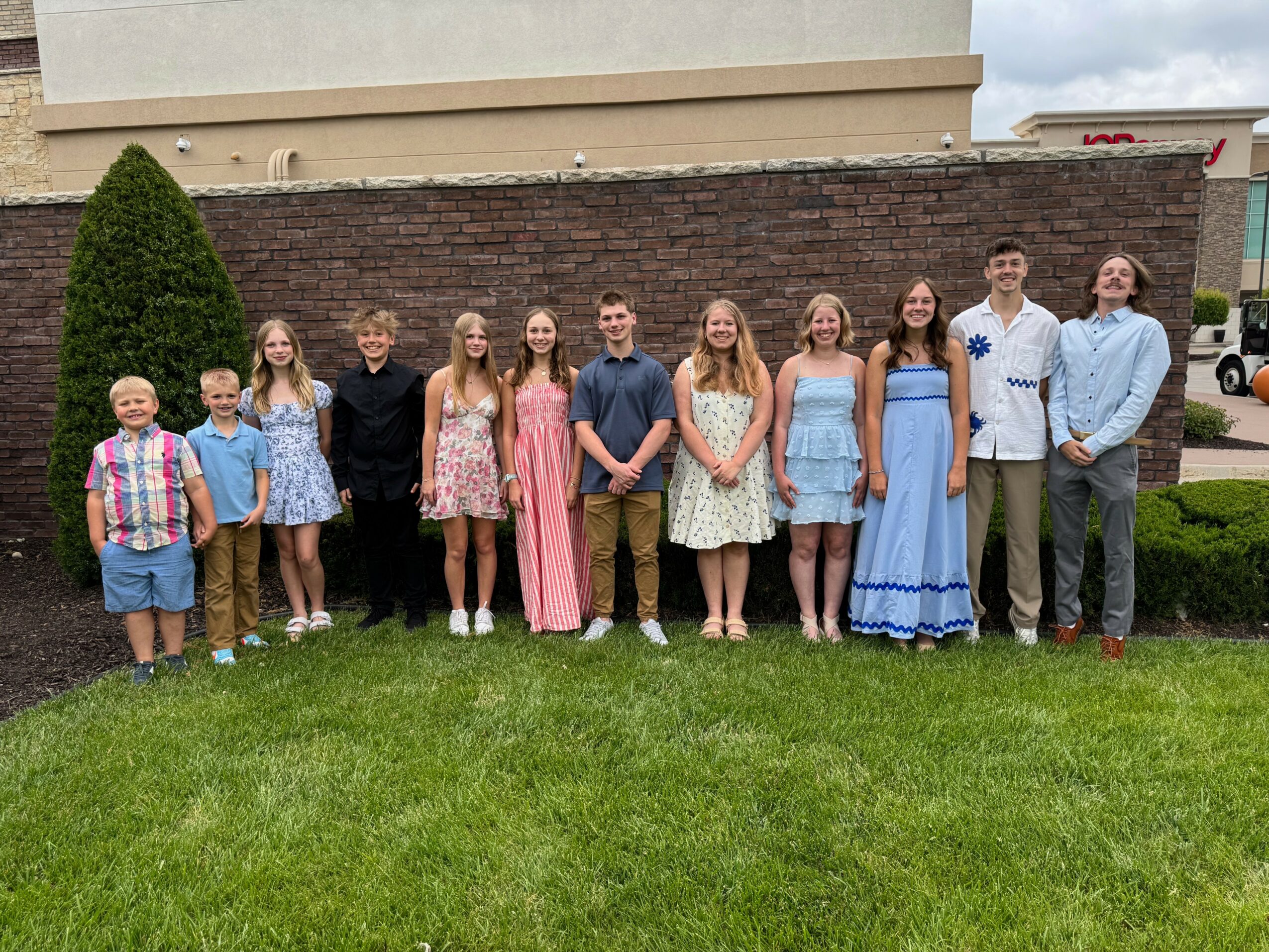
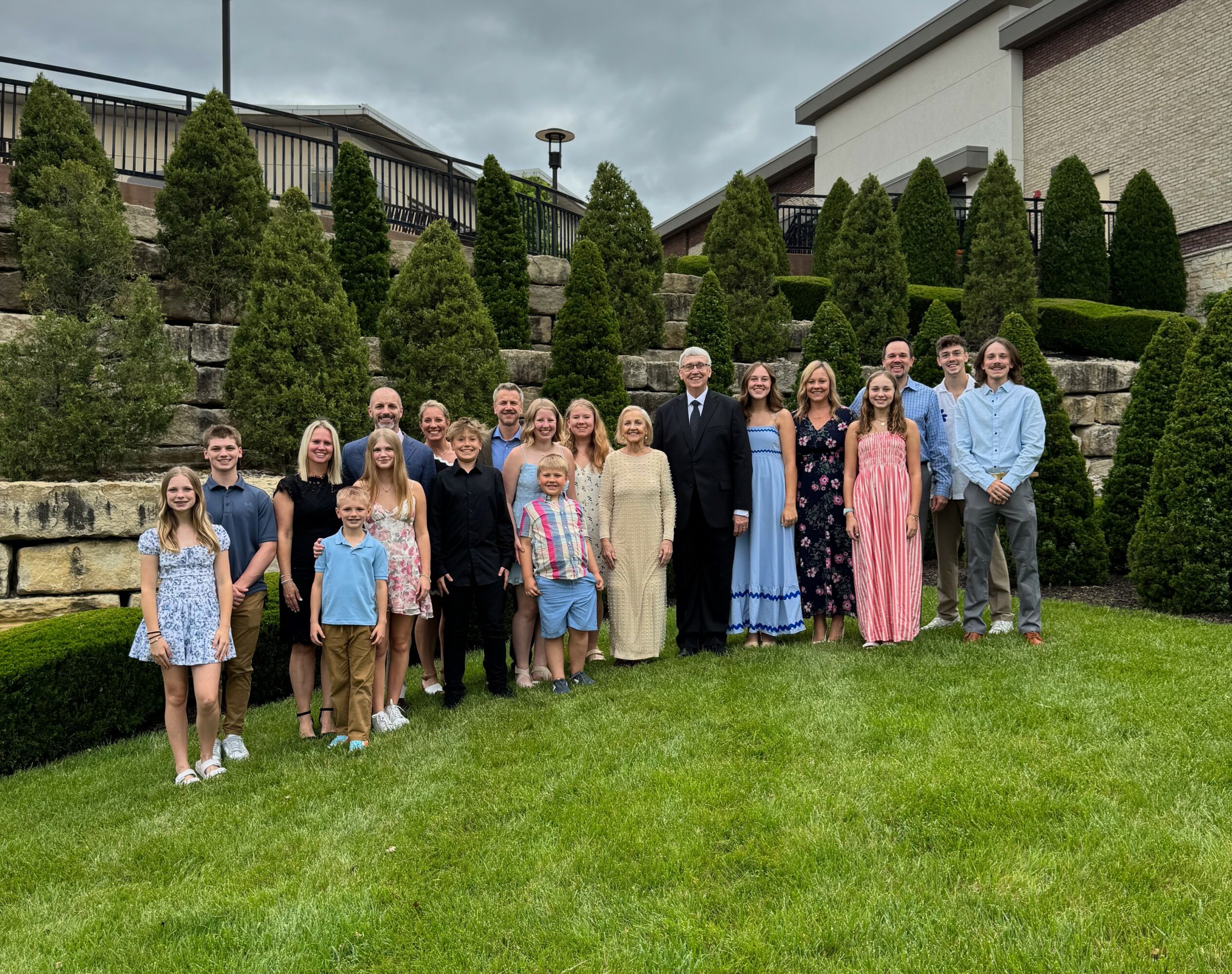
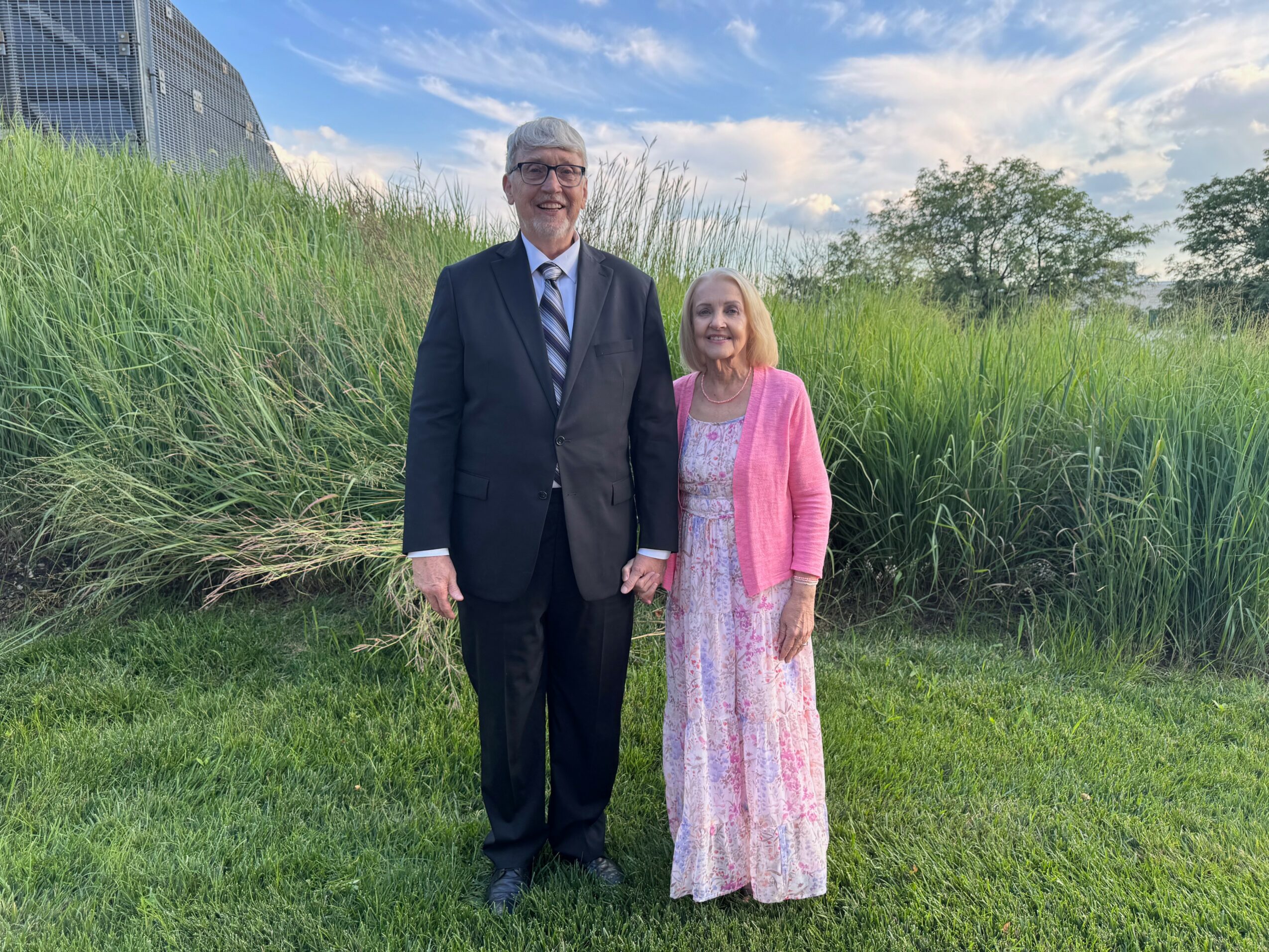
I have been married to Reneé for 51 years, have three married children, and 12 grandchildren. I operate Gustafson Counseling and Consulting Services, a 501 (c) (3) nonprofit corporation founded in 1998. I am now working on promoting my book.
We all face challenges, but looking back would you describe it as a relatively smooth road?
There have been a number of challenges along the way. I don’t really think that prior to being married, there were very many challenges in my life. My parents never earned a lot of money, but watching them trust God to provide for us helped me in my life, even currently, where I have not ever made a lot of money, and so the stresses of needing clothes, paying bills, rent, schooling for the children, cars, groceries, etc. I have learned to know that God is very able to care for me and to provide the things that I need. When I was first pastoring, the Senior Pastor committed adultery. That is a long story, but it led to me being unemployed for a time, and again having to trust God for provision. Starting a congregation in the basement of a member’s home was. a very difficult challenge. 6 people planting a church with a very young pastor, me.
.
And then realizing I needed to go back to school and get more training, and then found out that I really didn’t like being a senior pastor, but really enjoyed the counseling part of the ministry, I felt like much of my training was wasted. It wasn’t actually, but then it led to the wonderful career I have had these last 28 years counseling people.
Growing older and navigating different health issues with my wife has helped me learn how to trust God in hard situations where I get to serve her and care for her in ways that have helped me become a less selfish person.
But really, I have been a half-full glass person and have looked at the challenges in life- money, kids, conflicts as vehicles to help me learn how to do life with peace and joy, and have helped me in my profession and even in writing this book. I have really enjoyed Hallmark Movies lately because they always have a happy ending.
Can you tell our readers more about what you do and what you think sets you apart from others?
Drawing on more than forty years of pastoral counseling, ministry, and life experience, and over 30,000 hours of counseling others, I offer ten practical principles to help anyone (counselors, pastors, couples, individuals, parents, friends, teachers, or business leaders) care for others more effectively without becoming overwhelmed, burned out, or lost in the process. The book addresses one of the most common frustrations among people-helpers: the gap between genuinely wanting to help and actually knowing how.
The ten principles range from recognizing emotional patterns and avoiding escalation (“Don’t step into the tornado”) to the power of restraint, the theology behind human behavior, and trusting God when suffering offers no satisfying explanation. Each chapter concludes with key takeaways, reflection questions, group discussion prompts, and concrete practice steps, making the book equally suited for individual reading and small group or clinical training contexts.
At its core, the book offers a message both simple and difficult to live: “You can care deeply for others without losing yourself in the process. Built upon Scripture and tested across thousands of real conversations, my approach is pastoral, honest, and immediately applicable.
I’ve spent my life wearing the hats of pastor, pastoral counselor, and consultant. “Author” is a title that’s still new to me, and “thought leader” feels even newer. This book has given me the opportunity to consider becoming a Thought Leader in the field of equipping people who help others, so they are not lost in the process. I would like to do a TED Talk sometime and possibly begin a TikTok or YouTube channel sharing the things I have learned.
Most of us genuinely want to help. But somewhere along the way we’ve discovered that helping people isn’t nearly as easy as we thought it would be. Sometimes we’ve said the wrong thing. Sometimes we’ve tried too hard. Sometimes we’ve carried burdens that were never ours to carry. Sometimes we’ve become exhausted trying to fix problems we could never fix. Sometimes we work harder than the people we are helping.
I’ve had the privilege of walking with people through some of the most difficult moments of their lives. I’ve made mistakes, learned valuable lessons, and discovered practical principles that consistently help people move toward greater peace, healthier relationships, and deeper faith.
Can you share something surprising about yourself?
I don’t talk a lot about my professional education, so people are surprised to know that I have two Master’s degrees and have been a member of the college of chaplains.
My ministry and life are pretty open, so when people read the book, there may be some stories from my growing-up years in Iowa that are new to people, but vulnerability and open sharing are a part of what I do and who I am.
Contact Info:
- Website: https://www.gustafsonconsulting.org
- Instagram: @gustafconsult
- Facebook: Tim Gustafson. business facebook is Gustafson Counseling and Consulting Services
- LinkedIn: Tim Gustafson
- Twitter: @TimGustafconsul