



Today we’d like to introduce you to Paul Rudy.
Hi Paul, we’d love for you to start by introducing yourself.
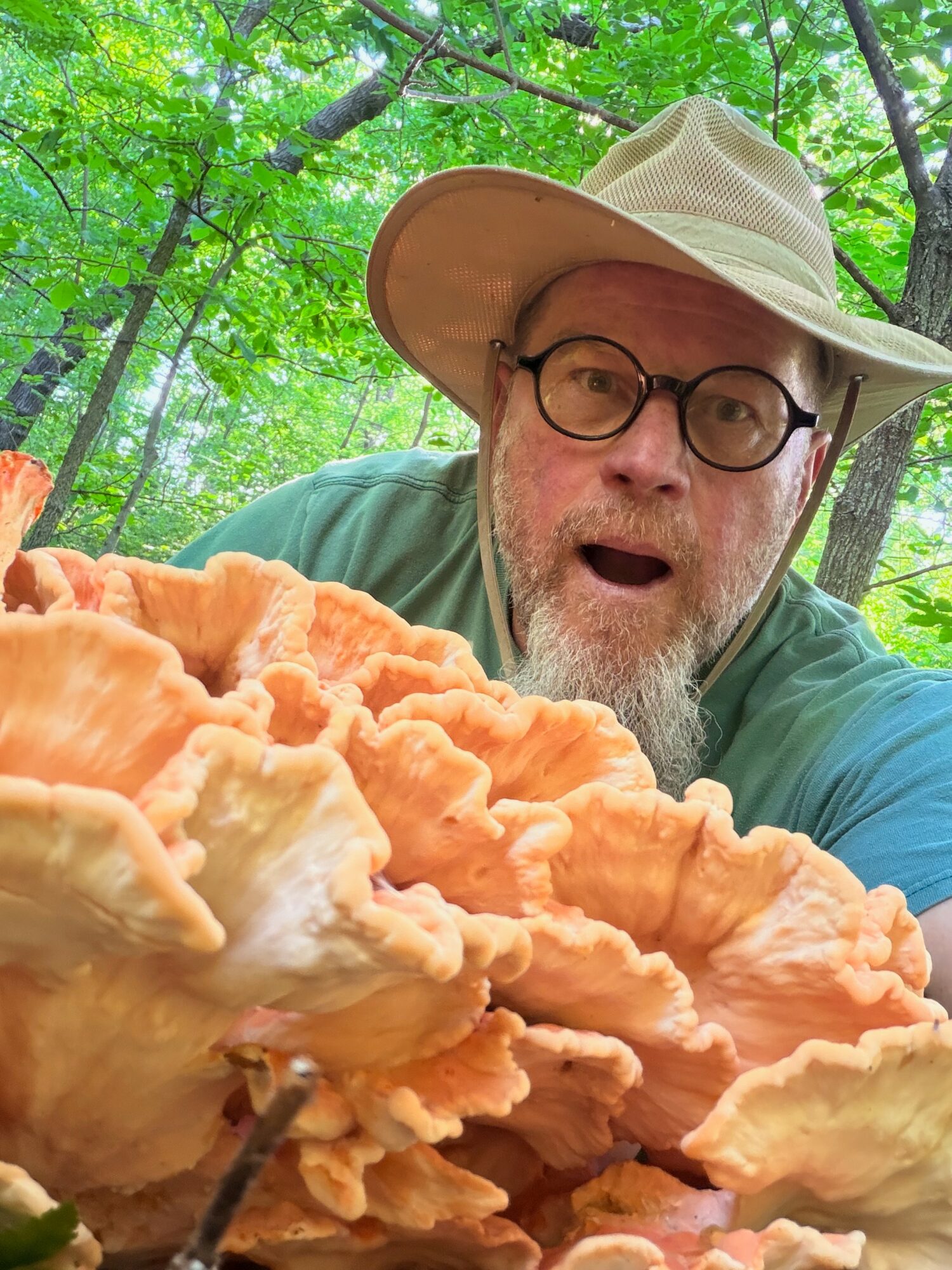
I’ve spent most of my life exploring what happens when we pay close attention. I began as a composer fascinated by sound itself—how it could move through space, shape emotion, and connect people in ways that words often couldn’t. That curiosity led me into electroacoustic music, performance, teaching, sound meditation, interdisciplinary collaboration, and eventually installations and participatory works that invite audiences to become part of the composition.
Along the way, I realized that while I thought I was making music, I was actually learning how to listen. Every project became less about creating objects and more about cultivating relationships—with ideas, with other artists, with technology, with the natural world, and ultimately with the audiences who complete the work through their own attention.
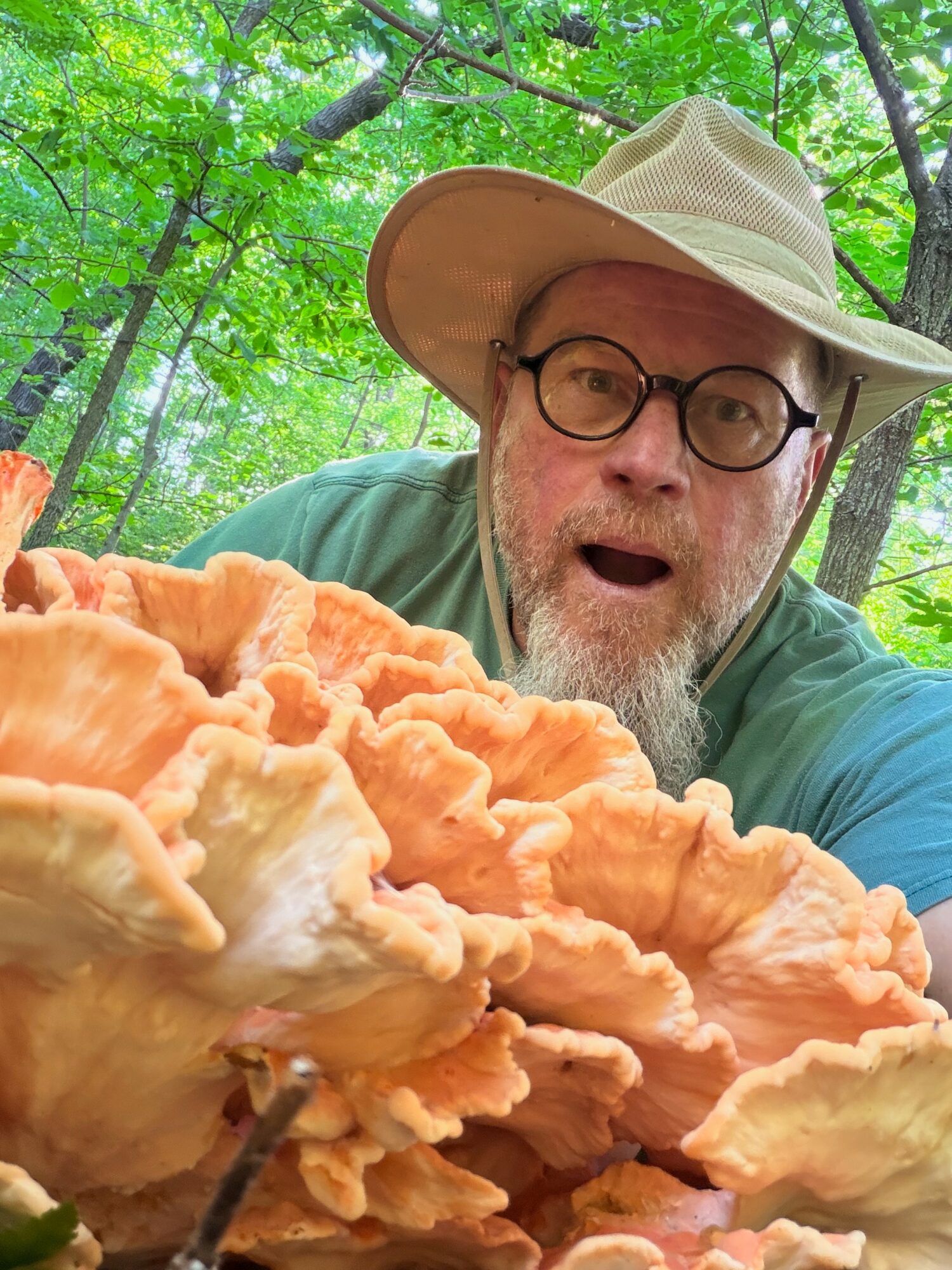
For nearly three decades I’ve taught composition at the UMKC Conservatory while continuing to develop creative projects that blur the boundaries between concert music, installation, ecology, mindfulness, and community participation. Living on Harmony Farm in northeast Kansas has also profoundly shaped my work, reminding me that creativity doesn’t happen apart from the world—it emerges through relationship with it.
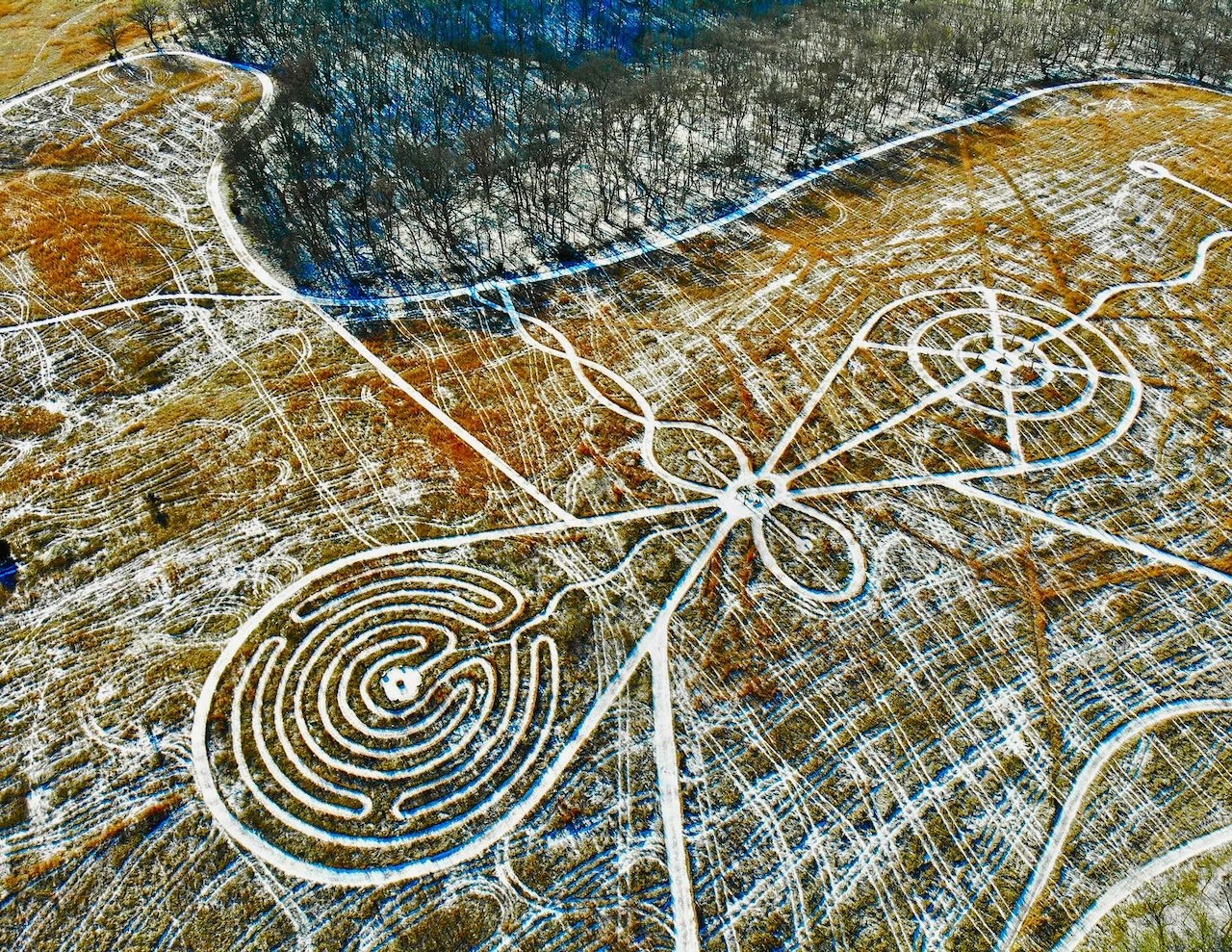
Recently those many threads have begun weaving together in unexpected ways. Projects like The Field is Listening, Time Seeds, and A Listening House explore listening not simply as hearing sound, but as a way of participating more fully in a living universe. At the same time, I’m writing my first book, which reflects on the experiences that gradually led me to this perspective.
Looking back, what once seemed like many different careers now feels like one long conversation. The medium has changed—from concert halls to galleries, classrooms to forests—but the question has remained remarkably consistent: How do we learn to listen deeply enough that the world can surprise us?
I’m sure it wasn’t obstacle-free, but would you say the journey has been fairly smooth so far?
It definitely hasn’t been a smooth road, although I’m grateful for that now. Looking back, many of the moments that felt like setbacks eventually became turning points.
As a composer, it’s easy to believe that creativity comes from having control over your materials. More than once, I’ve had that illusion dismantled. Early in my career I lost months of work in a catastrophic hard drive failure. Instead of reconstructing what I thought I had, I was forced to begin again by listening differently. That experience fundamentally changed my creative process and taught me that curiosity is often more productive than certainty.
There have been other challenges as well: balancing the demands of teaching with maintaining an active artistic life, learning entirely new technologies as the field evolved, and finding ways to create work that didn’t fit neatly into traditional categories. Some projects asked audiences to meditate. Others invited them to use their own phones as instruments or transformed galleries and landscapes into listening environments. Not everyone immediately understood what I was trying to do, and sometimes I wasn’t entirely sure myself until the work unfolded.
Over time, I’ve come to see uncertainty not as an obstacle but as an essential part of the creative process. The moments that have mattered most weren’t the ones where everything worked perfectly. They were the ones that required me to stop forcing answers and start paying closer attention.
Ironically, what once felt like detours now seem to have been the path all along.
As you know, we’re big fans of you and your work. For our readers who might not be as familiar what can you tell them about what you do?
At the center of everything I do is a simple belief: attention is the primary instrument we all learn to play.
I’m a composer, educator, and interdisciplinary artist whose work explores listening as a creative, embodied, and relational practice. While my background is in contemporary concert music and electroacoustic composition, my projects now move fluidly between performance, installation, sound meditation, environmental listening, participatory technology, photography, and writing. Rather than treating these as separate disciplines, I think of them as different ways of asking the same questions.
Much of my recent work invites audiences to become active participants rather than passive observers. Sometimes that means using their own mobile phones to create a shared sonic environment. Sometimes it means listening to geological time through a landscape or discovering how attention can transform the experience of everyday sound. The composition isn’t complete until the audience enters into relationship with it.
As an educator, I’ve been equally interested in helping students cultivate curiosity alongside technical skill. Whether teaching composition, mentoring interdisciplinary collaborations, or developing new approaches to career readiness, I’ve tried to encourage artists to see creativity not simply as producing great work, but as learning how to ask better questions and build meaningful relationships with ideas, people, and the world around them.
What I’m most proud of isn’t any single composition or exhibition. It’s seeing ideas that have quietly evolved over decades begin to converge into a coherent body of work. Looking back, I realize I’ve been exploring the same fundamental question in many different forms: How do we participate more fully in a living world through listening? The music, installations, research, and now the book all feel like different movements within that larger composition.
If there’s something that sets my work apart, I hope it’s that listening isn’t simply the subject of the work—it’s the method through which the work is created, experienced, and shared.
We all have a different way of looking at and defining success. How do you define success?
For a long time, I probably measured success the way many artists do: performances, commissions, awards, publications, and opportunities. Those things certainly matter, and I’m grateful for all of them.
Over time, though, my definition has changed.
Success, for me, is living in a way that allows curiosity to remain stronger than certainty. It’s waking up excited to ask another question, to listen a little more deeply, and to discover something I couldn’t have predicted the day before.
As a teacher, success is seeing students become more fully themselves rather than more like me. As an artist, it’s creating experiences that invite people to encounter the world—and perhaps themselves—with fresh attention. If someone leaves one of my performances listening differently to the sounds around them, or feeling a little more connected to the people and places they inhabit, that’s deeply meaningful to me.
I’m also at a point in life where I can see connections that weren’t visible before. Projects that once seemed unrelated now reveal themselves as parts of a much larger conversation. There’s a quiet satisfaction in realizing that a lifetime of work has been less about accumulating accomplishments than about learning how to participate more fully in the world.
To me, that’s success: not arriving at a destination, but remaining in an authentic relationship with curiosity, creativity, and the living world for as long as I’m fortunate enough to be part of it.
Pricing:
- Commissioned compositions are quoted individually based on instrumentation, duration, and project requirements.
- Lectures, workshops, artist residencies, and keynote presentations are tailored to each organization or event.
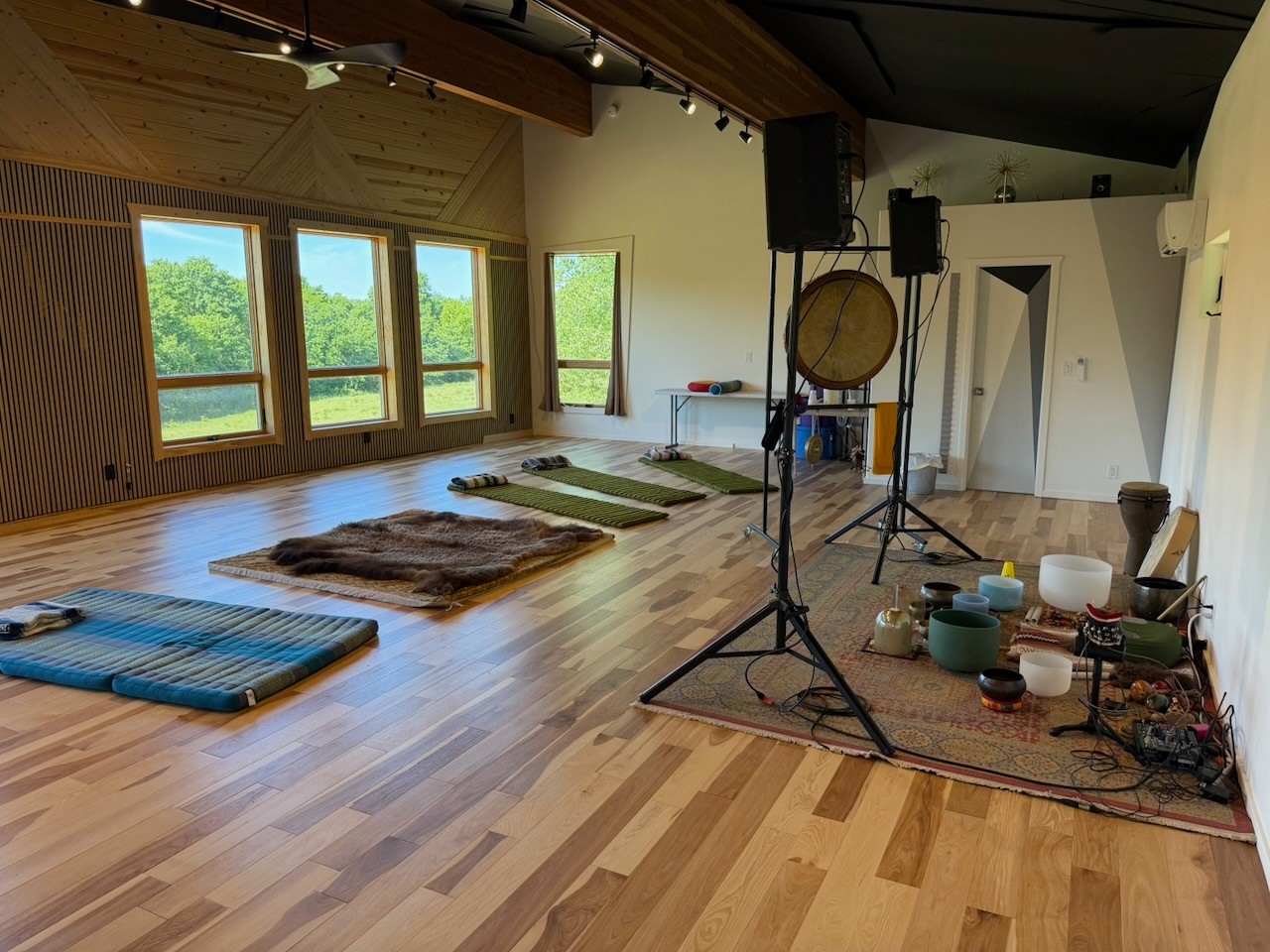
- Sound meditation experiences and participatory listening events can be designed for universities, conferences, galleries, healthcare settings, and community organizations.
- Installation and interdisciplinary projects are developed collaboratively and budgeted according to the venue, technology, and production needs.
- Sound Healing Sessions are $125 for individuals, $175 for couples and 3 or more up to 20 are $75 per person.
Contact Info:
- Website: http://paulrudy.net
- Youtube: https://www.youtube.com/@innersoundworlds
- Soundcloud: https://soundcloud.com/rudyp