





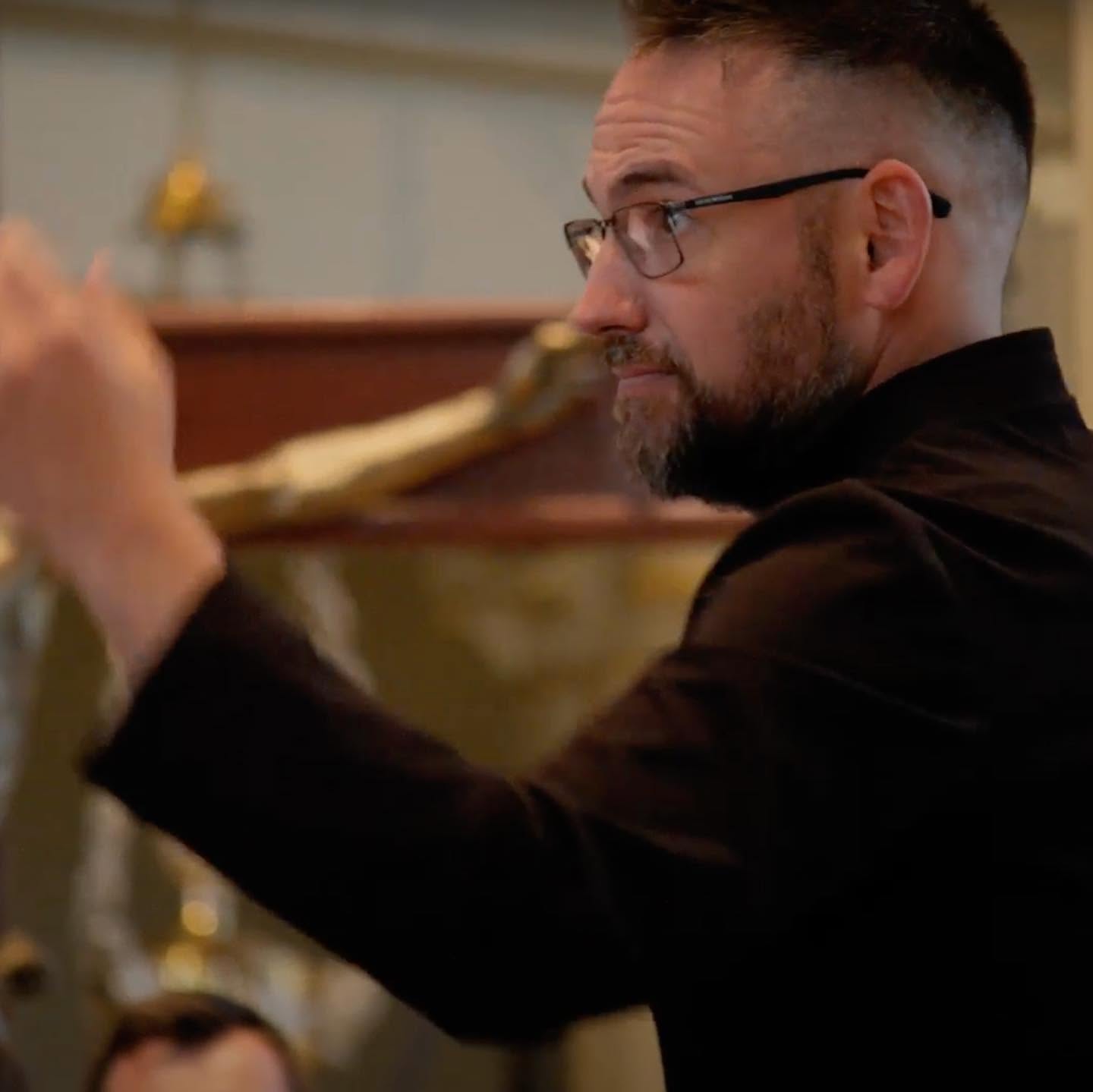
Today we’d like to introduce you to Chris Munce.
Alright, so thank you so much for sharing your story and insight with our readers. To kick things off, can you tell us a bit about how you got started?
My career trajectory makes perfect sense when you look at my roots: I was raised by an elementary school music teacher and a college baseball coach. Growing up at the exact intersection of education and high-level athletics shaped my entire professional worldview. From my mother, I learned the mechanics of structured skill-building required to be a musician and an athlete; from my father, I absorbed team culture, performance psychology, and organizational strategy. I didn’t just see the choral field as an art form—I saw an ecosystem that could be optimized through clear systems and entrepreneurial thinking.
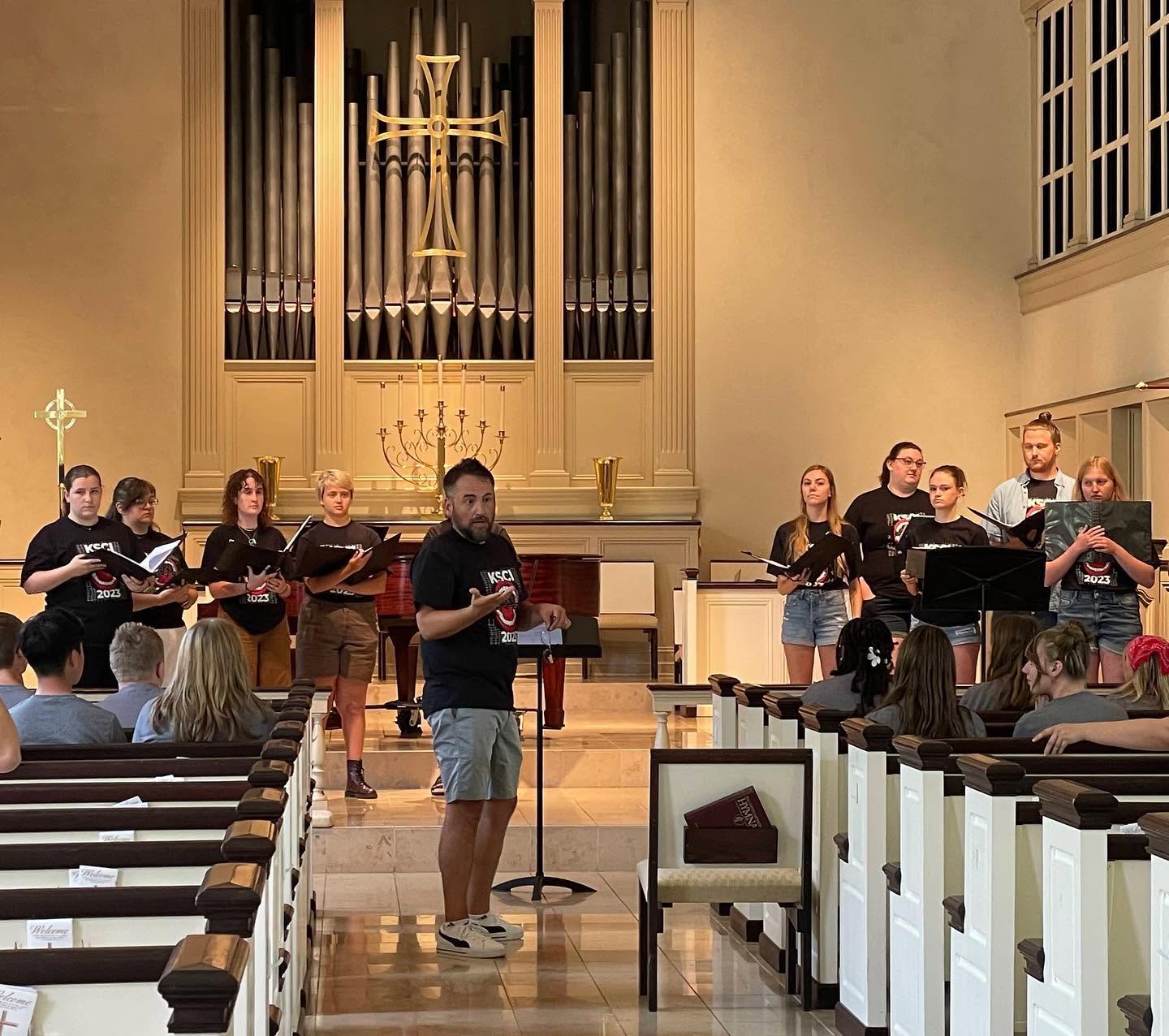
That dual lens of artistic excellence and strategic execution drove my work with Kantorei KC which I founded in 2011. Serving as Artistic Director and Executive director for a professional choral ensemble, and community Arts non profit is a real world experiment in this duality that has led to internationally acclaimed recordings, regional tours, local concerts and a nationally renowned Summer Institute for youth artists. We’ve focused on building a lean, financially sustainable model that delivers elite-level culture to our region while establishing a viable framework for professional singers.
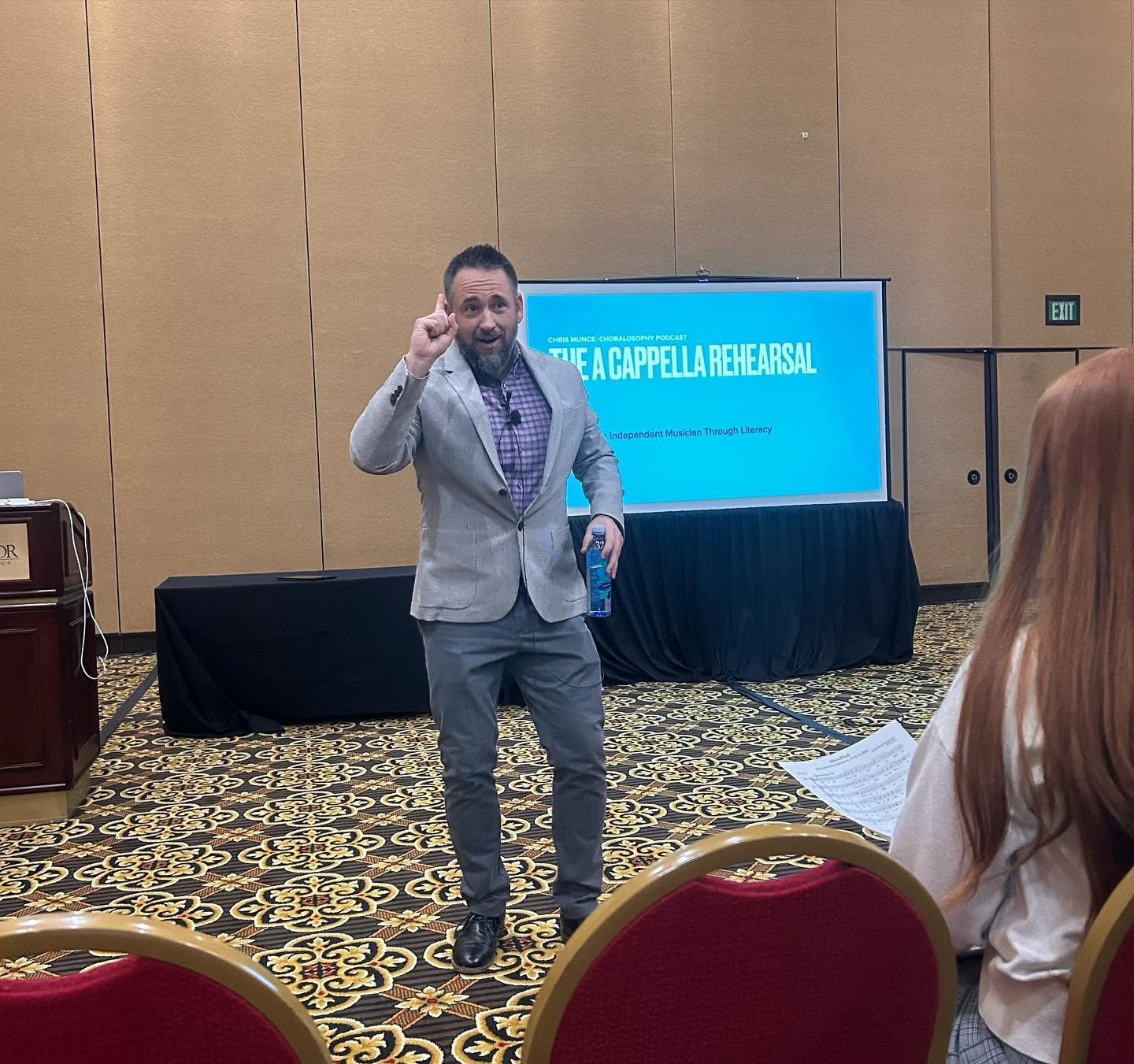
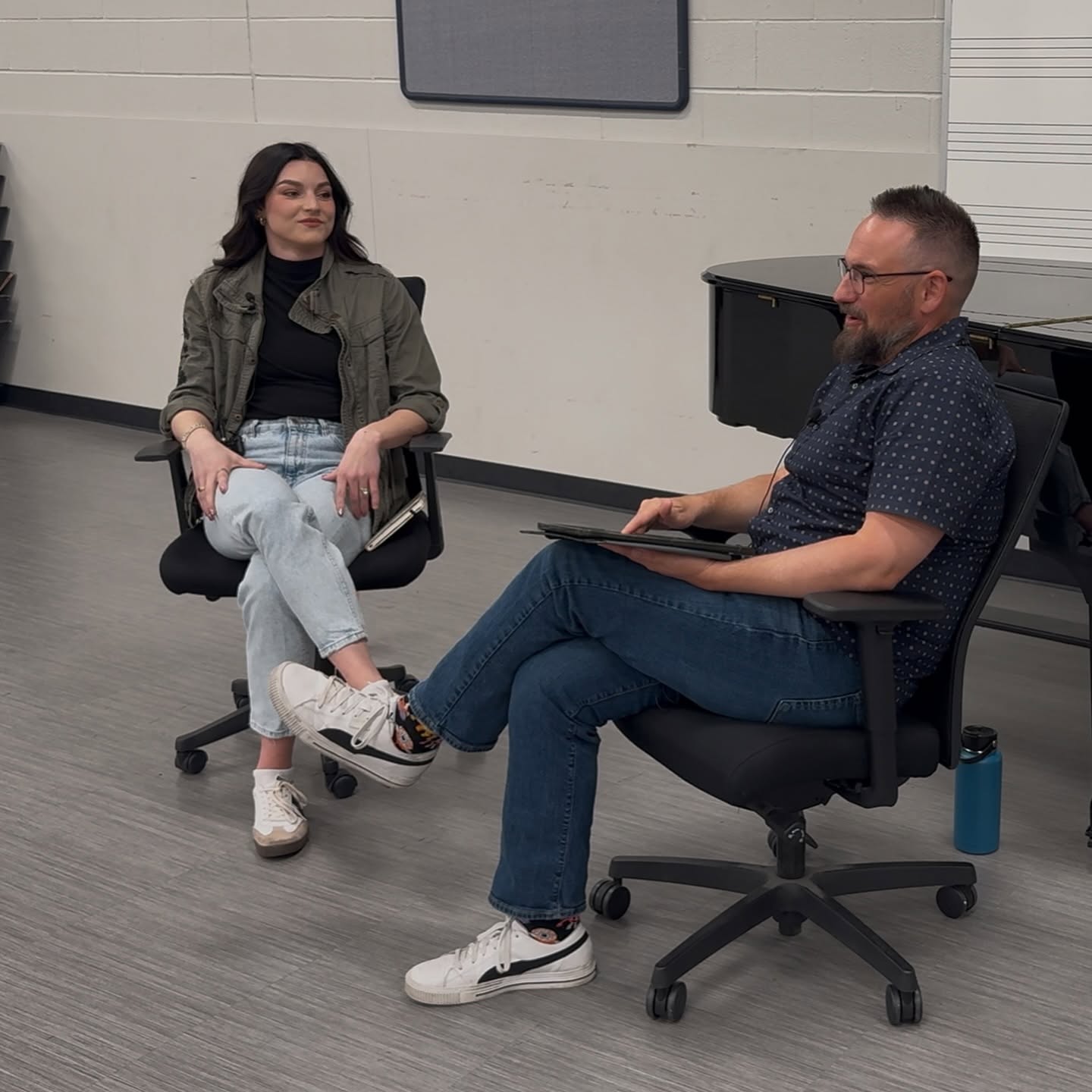
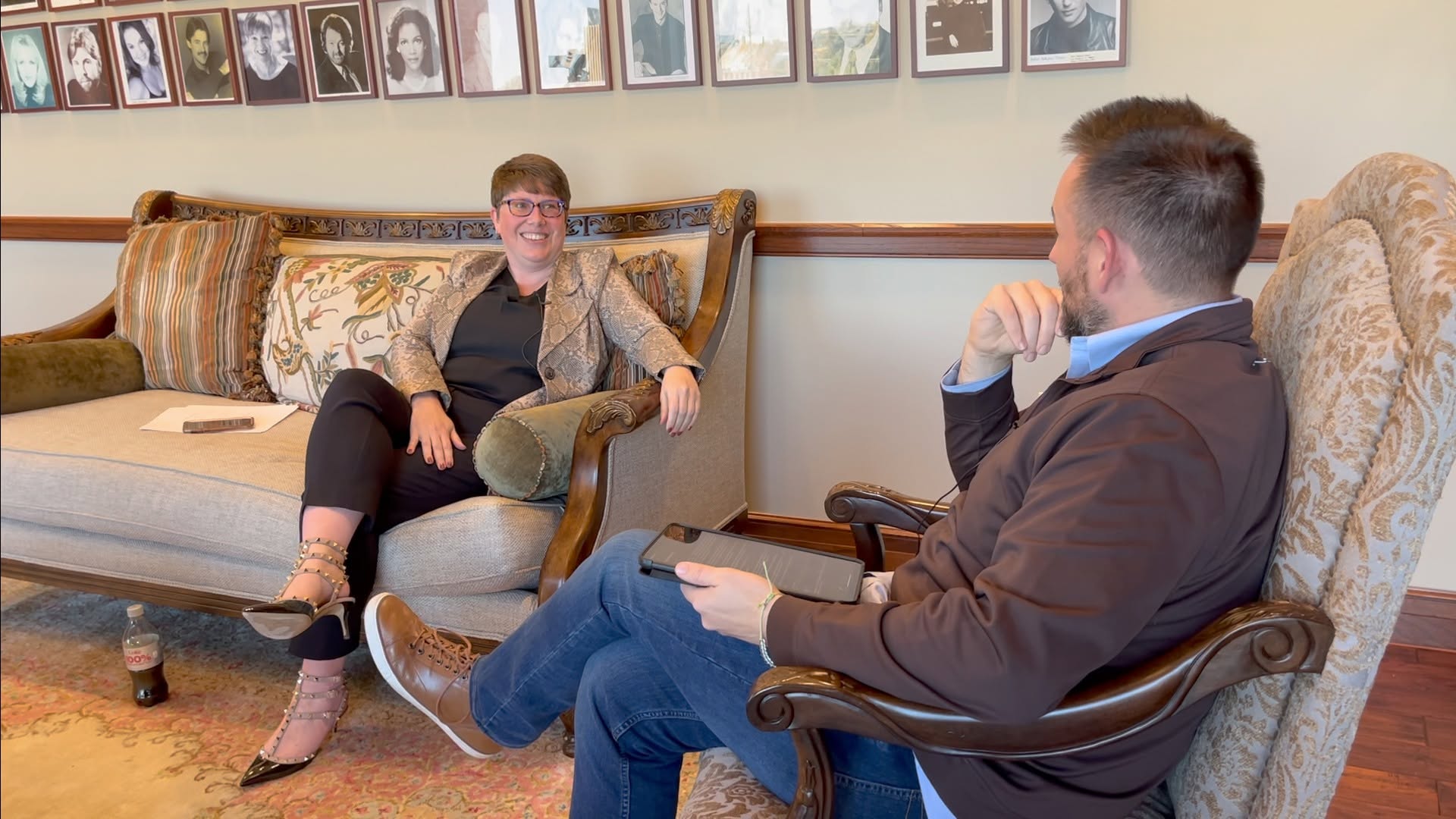
Recognizing a need to disrupt the traditional, academic silos that monopolize music education, I launched Choralosophy Podcast in 2019. What started as a niche podcast quickly scaled into a global media platform and a decentralized boardroom for our profession. By opening up candid, deep-dive conversations with international researchers and conductors, we’ve built a highly engaged global audience. From a business standpoint, it has allowed me to scale my core pedagogical frameworks—like the Give Them Tools and Let Them Build philosophy—to thousands of professionals worldwide.
All of these macro-level ventures are fueled by my daily work on the ground. For over two decades, I’ve also served as the choral director at Lee’s Summit High School. The classroom is my incubator—the ultimate live testing ground for the leadership strategies and literacy systems I share globally. Balancing executive arts leadership with daily public education is exactly what keeps me inspired and motivated.
I’m sure it wasn’t obstacle-free, but would you say the journey has been fairly smooth so far?
It certainly hasn’t ONLY been a smooth road, because disruption inherently creates friction. When you treat an arts ecosystem with the mindset of an entrepreneur rather than a bureaucrat, you are bound to ruffle some feathers.
The first major challenge is simply the nature of operating in the public eye within a highly insular, niche profession. In the choral music and classical music worlds, everyone knows everyone. When you build a public platform and speak candidly, you’re operating under a microscope. Philosophical or operational disagreements that would be standard business calculations in other industries can easily get hyper-personalized here. It requires a thick skin to maintain your boundaries and protect your mission when the community around you is so tightly knit.
The deeper struggle, however, has been pushing back against institutional gatekeeping. The traditional music industry is heavily reliant on academic silos—decisions and discussions have long been dominated by university towers and legacy organizations. Launching a platform like Choralosophy fundamentally disrupted that model by democratizing the conversation and giving a global voice to the actual practitioners on the ground. This has resulted in public, aggressive criticism in addition to the overwhelming support and praise.
Inevitably, you bump up against people who would greatly prefer those silos remain intact. There is often a quiet resistance from the status quo when you challenge standard academic theories with practical, results-oriented systems, or when you insist on viewpoint diversity in a field that can lean heavily toward groupthink. Stepping outside the approved institutional channels means you aren’t just sharing ideas; you’re challenging who gets to decide what ideas matter. It’s a messy space to operate in, but the friction itself is usually the best indicator that you’re moving the needle.
Can you tell our readers more about what you do and what you think sets you apart from others?
Well, literally no one on Earth does what I do for a living. At my core, I build musical environments that prioritize independence over dependency. To do that, I wear a few different hats: I’m the Artistic Director for Kantorei KC, a professional choral ensemble; I host Choralosophy, a global podcast and media platform (the largest of its kind with over 1.3 million downloads) for our industry; and for over twenty years, I’ve run the choral program at Lee’s Summit High School. I specialize in music literacy and student autonomy. In a field that can sometimes get trapped in its own head, I’m probably best known for being a straight shooter who pushes past traditional academic silos to talk about the actual reality of how people learn, lead, and create culture.
If you ask what I’m most proud of, it’s not a specific concert or accolade. It’s the reach and impact of my work and the building of community. When an educator halfway across the world messages me to say that a podcast episode or a specific literacy framework completely transformed how their students take ownership of their music-making, that’s the real win. I’m proud of building a platform that normalizes candid, independent thinking and gives everyday practitioners a voice, rather than just letting a few institutional gatekeepers dictate the narrative.
What sets me apart is my wiring. I didn’t grow up in a bubble of pure arts academia. I was raised by an elementary music teacher and a college baseball coach, so my brain operates at the intersection of artistic expression and sports psychology. I look at an ensemble not just as a musical entity, but as a high-performance team. Because of that, I bring a culture-first, entrepreneurial mindset to a profession that historically leans on rigid tradition and institutional bureaucracy. I’m entirely comfortable stepping outside the approved lanes and challenging the status quo if it means getting better, more authentic results for singers and teachers.
Do you have any advice for those looking to network or find a mentor?
If you’re looking for a mentor, ignore the flashy titles or academic pedigrees. Look for the practitioners whose day-to-day results you actually want to replicate. When you reach out, never ask to “pick their brain”—that’s a vague chore for them. Instead, ask a highly specific question that proves you’ve already studied their work and are trying to execute it.
Lastly, network outside your specific sandbox. Some of my absolute best insights on leadership, culture, and performance didn’t come from music rooms; they came from athletic coaches and business strategies. Find people who challenge your perspective rather than just validating your echo chamber.
Pricing:
- Everything is donor supported
- Podcast ad fees vary
Contact Info:
- Website: https://www.choralosophy.com
- Instagram: https://www.instagram.com/choralosophy/
- Other: https://www.kantoreikc.com