





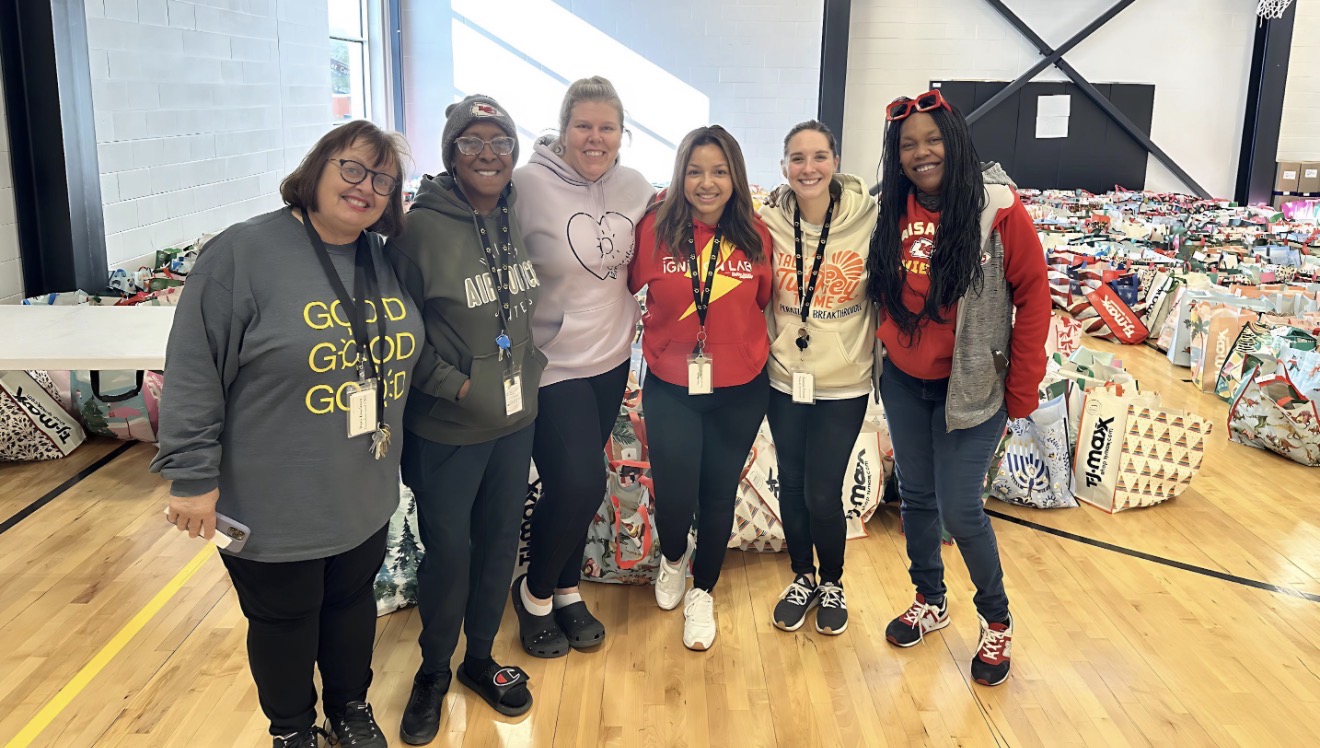
Today we’d like to introduce you to Jessica Kibby.
Hi Jessica, please kick things off for us with an introduction to yourself and your story.
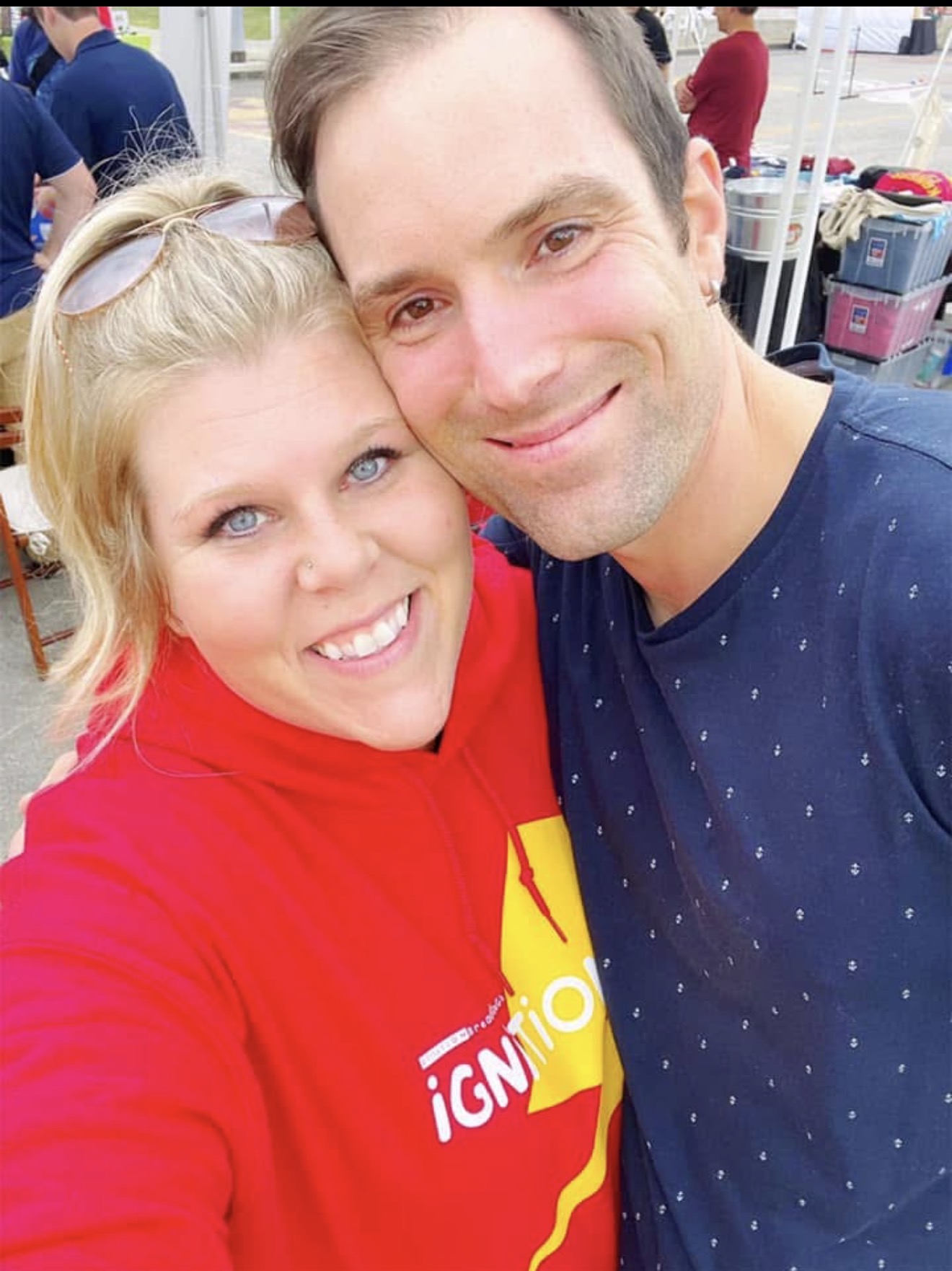
I’ve spent most of my adult life helping people navigate some of the hardest moments they’ll ever face. For the last 11 years, I’ve worked at Operation Breakthrough in Kansas City, where I currently serve as the Director of Social Services. Every day, I have the opportunity to work alongside my team and our leadership team, helping families overcome barriers, connect to resources, and create opportunities for themselves and their children.
I didn’t start out with a master plan for my career. Like many people in social work, I simply wanted to help. Over the years, I’ve held different roles, worked with thousands of families, and learned that some of the most important things you can give people are your time, your compassion, and someone willing to listen when life gets hard, especially when you can’t always fix the challenges they’re facing.
One thing I spend a lot of my time doing is helping my team and families solve problems. Whether it’s helping a family find housing, creating a new program, building community partnerships, or finding ways to make services more accessible, We are always looking for opportunities to remove barriers and help families move forward.
A current example is KCATA’s decision to resume charging bus fares. For many people, a few dollars a day may not seem significant, but for the families we serve, those costs add up quickly. Many of our parents are working hard to become financially independent while balancing rent, utilities, childcare, food, and transportation. When transportation costs increase, they create yet another obstacle for families already operating on very tight budgets.
The challenge goes beyond the cost of the fare itself. Riders now need access to a smartphone, the ability to download an app, and a payment method linked to an online account because cash is no longer accepted. While these changes may seem minor, they can create real barriers for families who lack reliable technology, internet access, or banking resources.
It also highlights a challenge our CEO, Mary Esselman, often talks about: the benefits cliff. As families earn more income, they may lose access to public benefits before they have truly reached financial stability. While the goal is always self-sufficiency, many families find themselves in a difficult position—earning slightly more but facing significantly higher expenses. Something as simple as bus fare can become another cost that affects their ability to get to work, get their children to school, or access the resources they need.
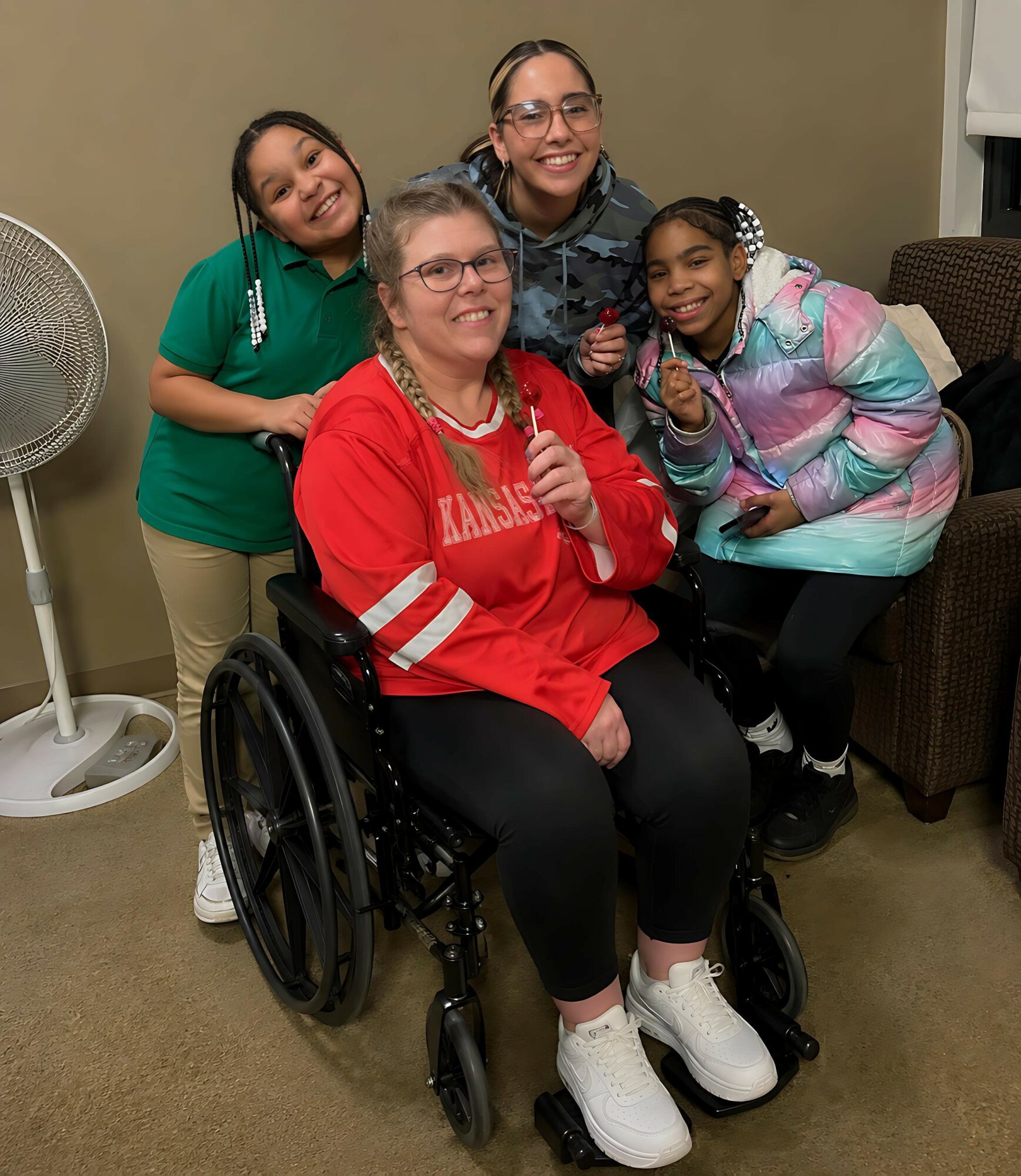
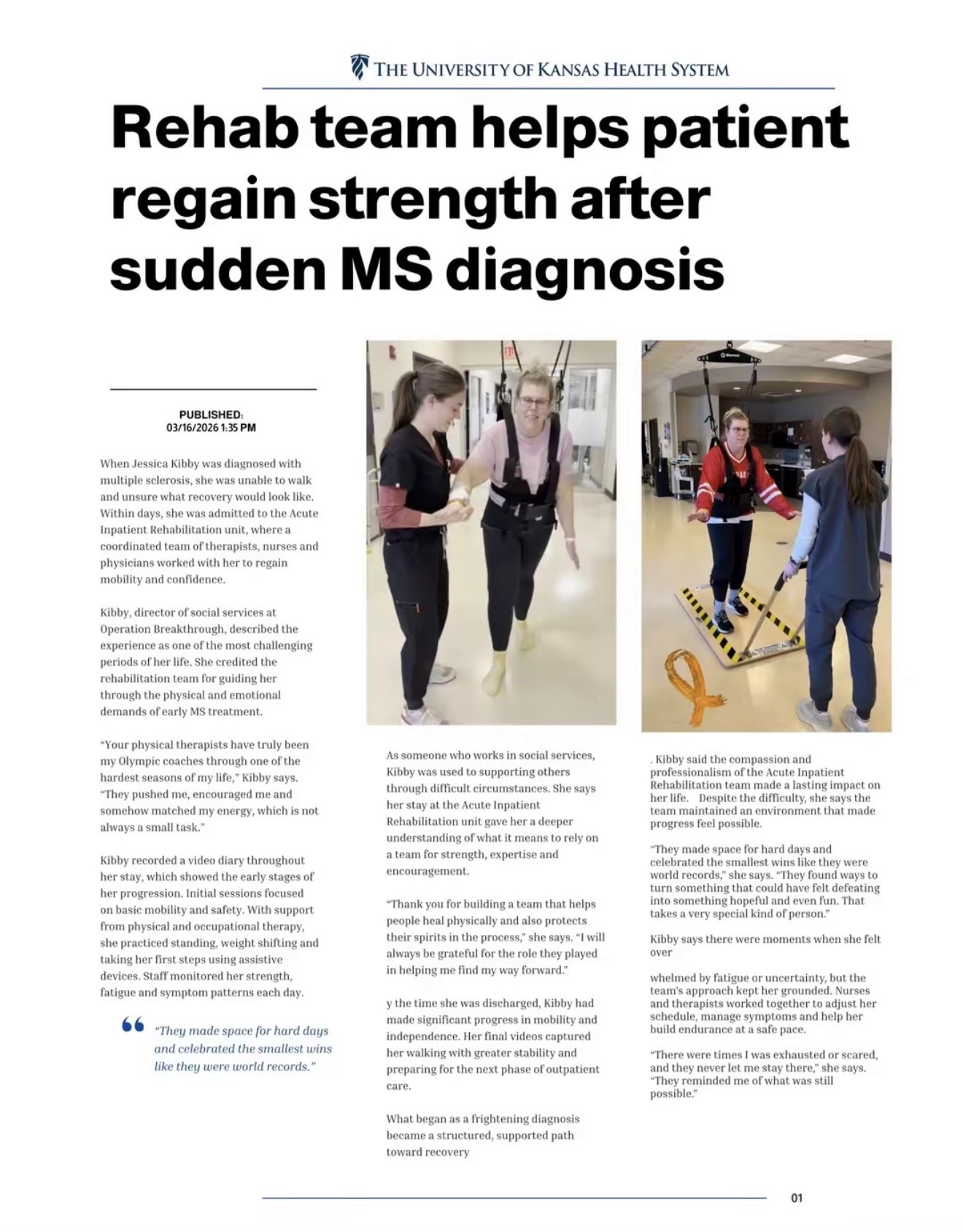
Earlier this year, my life changed in a way I never saw coming. After months of unexplained symptoms, I was diagnosed with Relapsing-Remitting Multiple Sclerosis (MS). Within a short period of time, I went from being the person helping others navigate a crisis to suddenly needing help myself. At one point, I lost the ability to walk and found myself in the hospital and later in both inpatient and outpatient rehabilitation, relearning things I had done my entire life, like walking, driving, and even getting dressed independently.
That experience humbled me in ways I can’t fully put into words.
For more than 20 years, I’ve worked with people facing challenges, uncertainty, and life-changing circumstances. This was the first time I truly found myself sitting on the other side of the table. I experienced the fear, frustration, and vulnerability that so many of the people I’ve served have felt. But I also experienced something else: the power of community, encouragement, and people showing up when you need them most.
The last four months have been some of the hardest of my life, but they’ve also taught me a lot about resilience. Through rehabilitation, therapy, treatment, and a lot of determination, I’ve slowly rebuilt. Today, I’m walking again, back at work, and continuing to do the work that gives my life purpose.
If there’s one thing I’ve learned, it’s that resilience isn’t about being strong all the time. It’s about continuing to move forward even when you’re scared, frustrated, or unsure of what comes next. Sometimes it means taking things one day at a time and celebrating progress that other people might not even notice.
My MS diagnosis changed my life, but it didn’t change who I am. If anything, it strengthened my belief that challenges don’t define us. How we respond to them does.
I still believe deeply in people and their potential. I’ve seen what can happen when someone is given support, encouragement, and an opportunity. I’ve also learned that growth often comes from the challenges we never would have chosen for ourselves. Whether I’m helping a family, leading a team, or navigating my own journey with MS, that belief continues to guide everything I do.
We all face challenges, but looking back would you describe it as a relatively smooth road?
One of the biggest lessons I’ve learned through this work is that poverty is rarely caused by a single problem, and it is rarely solved by a single solution.
Many of the families we serve are incredibly resilient. They work hard, love their children, and want the same things most people want: a safe place to live, reliable transportation, quality education, and opportunities for their family. What I’ve learned is that even when someone is doing everything right, barriers can still stand in their way.
I’ve seen families lose housing because affordable options simply don’t exist. I’ve seen parents struggle with transportation challenges that make it difficult to get to work or school. I’ve seen families face the benefits cliff, where earning a little more income can result in losing critical support before they are financially stable enough to replace it. Sometimes the systems designed to help people are so complicated that families spend more time navigating the system than receiving support.
Some of the most difficult moments in my career have involved loss. Over the years, we’ve lost parents and even children within our Operation Breakthrough community. Walking alongside families during moments of grief and crisis changes you. Those experiences remind me that our work is about more than programs and services. It’s about people, relationships, and showing up for one another during life’s hardest moments.
What keeps me motivated is seeing what happens when barriers are removed and people are given an opportunity to succeed. I’ve watched parents earn degrees, secure stable housing, find careers, and create brighter futures for their children. Those successes may not always make headlines, but they are the moments that remind me why this work matters.
If I’ve learned anything, it’s that real change happens when we stop asking, “What’s wrong with this family?” and start asking, “What barriers are standing in their way, and how can we help remove them?”
Can you tell our readers more about what you do and what you think sets you apart from others?
I currently serve as the Director of Social Services at Operation Breakthrough, where I work alongside several staff members who help support children and families throughout Kansas City. Our work focuses on helping families navigate challenges, access resources, and create opportunities that support long-term stability and success while their children receive quality child care.
One of the things I enjoy most about my role is that no two days are the same. Some days involve helping families, and my team addresses immediate needs, while others focus on building partnerships, developing programs, or working with community organizations to address larger systemic challenges. Much of my work centers around identifying barriers and finding ways to remove them so families can focus on achieving their goals.
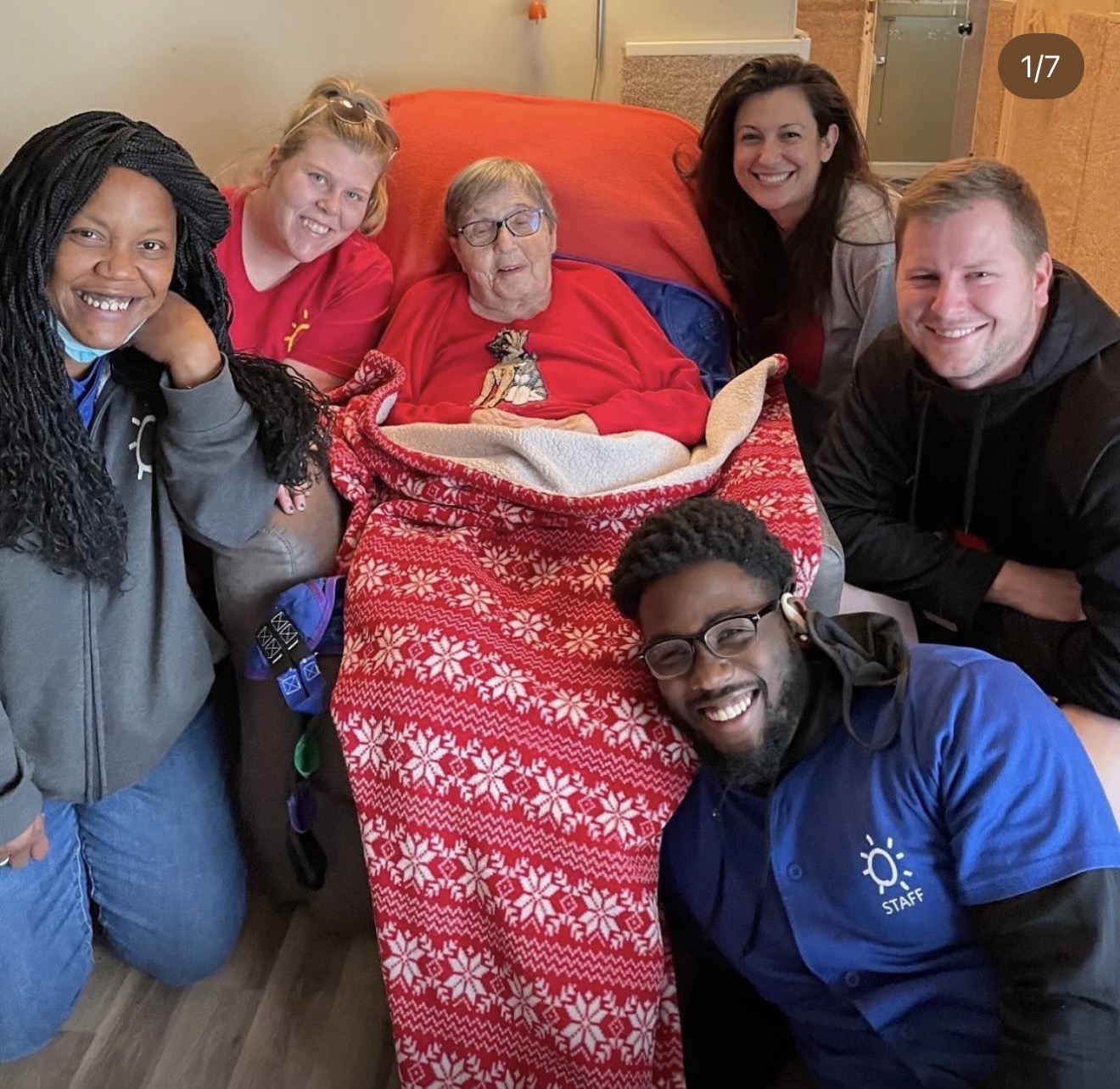
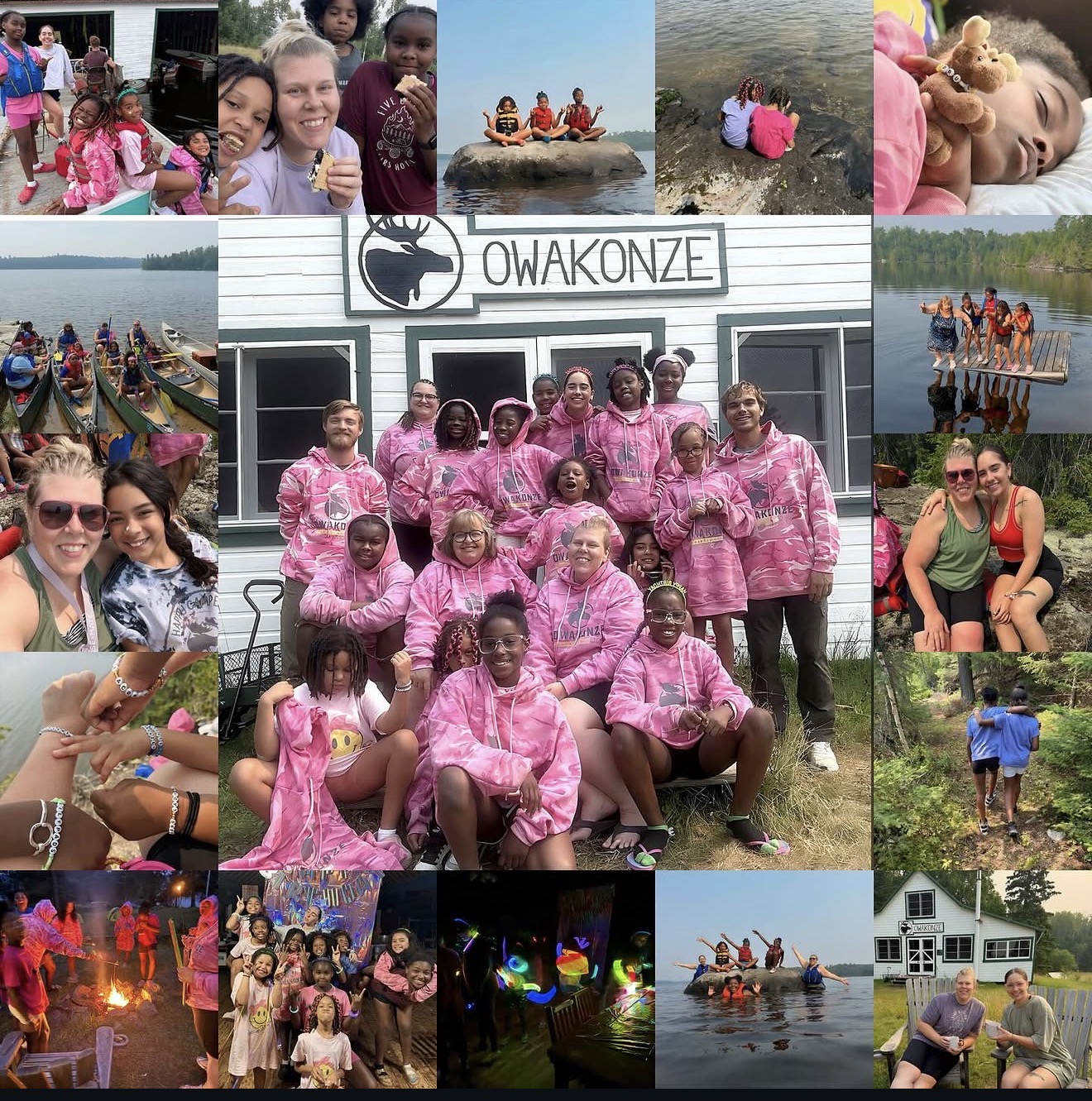
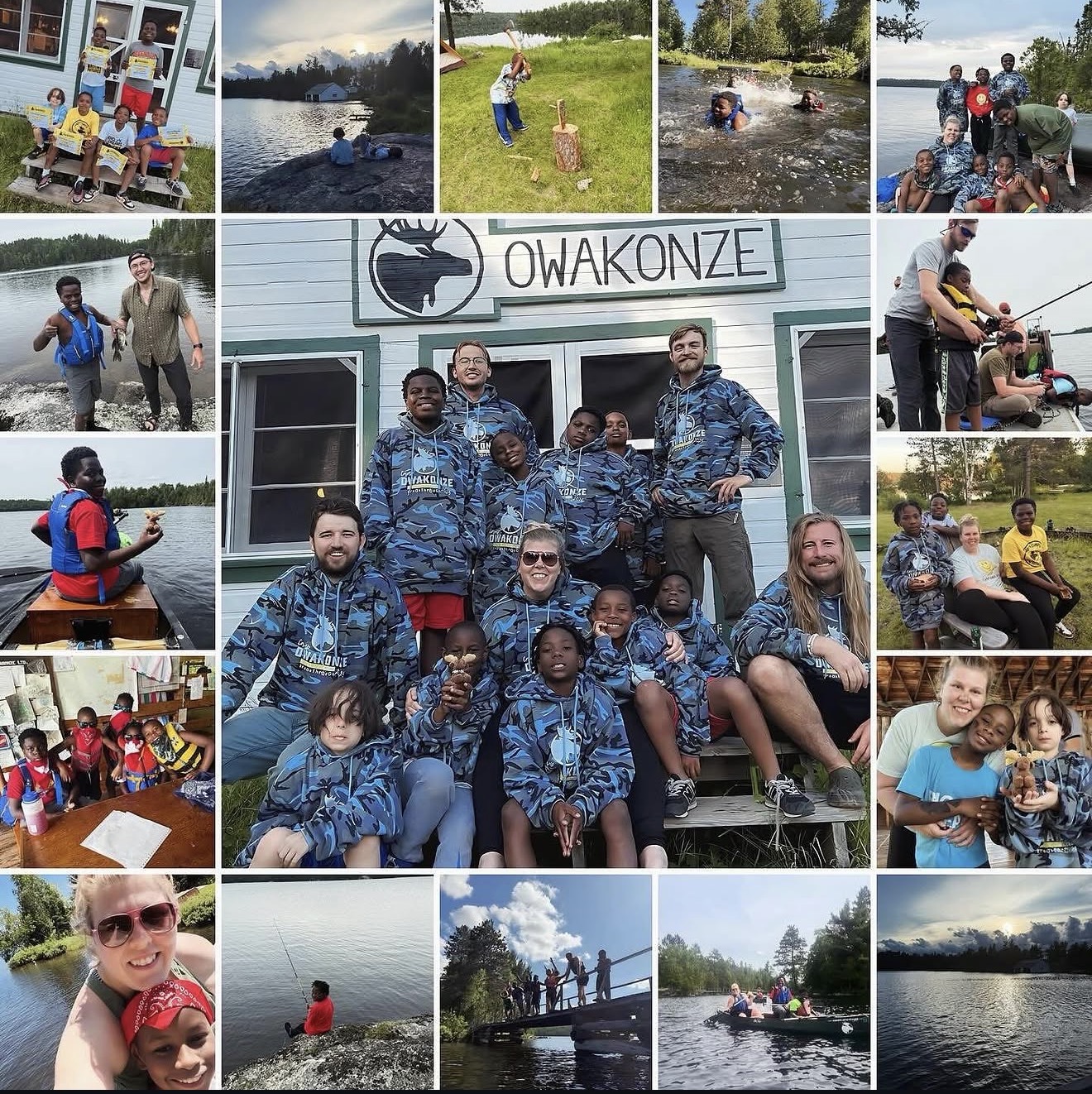
One of the things I am most proud of is being part of an organization that creates opportunities many of our kids might not otherwise experience. Every summer, we take young people to Camp Owakonze in Canada. I’ve had the opportunity to attend camp with the kids over the years and witness the impact firsthand. For many of them, it’s their first time leaving the city, traveling internationally, canoeing, camping, or experiencing life away from the challenges they face at home. Watching them discover new strengths, build confidence, and realize what they’re capable of is something I’ll never get tired of seeing.
I’m also proud of the culture we are building and continue to build at Operation Breakthrough. One thing I’ve learned over the years is that helping families truly takes a village. No one person, department, or organization can do this work alone. It takes teachers, family advocates, social workers, therapists, support staff, volunteers, donors, and community partners all working together toward the same goal. Every success story belongs to an entire team of people who care deeply about the families we serve.
If there’s one thing that guides my work, it’s the belief that every family has strengths and potential. Families often come to us during some of the most difficult moments of their lives. Rather than focusing on what’s wrong, I try to focus on what’s possible and how we can help remove barriers standing in the way of success.
At the end of the day, what I’m most proud of isn’t a title or a position. It’s the opportunity to be part of an organization that helps families, parents, and young people realize that their circumstances don’t have to define their future.
What matters most to you? Why?
At the end of the day, everything else, titles, accomplishments, programs, and projects, comes second to the relationships we build and the impact we have on one another. Some of the most meaningful moments in my life have come from helping someone through a difficult situation, watching a young person accomplish something they never thought possible, or simply being present for someone when they needed support.
My work has reinforced that belief over and over again. I’ve had the privilege of walking alongside families during some of their hardest moments and greatest successes. I’ve celebrated graduations, new jobs, stable housing, and personal victories. I’ve also sat with families during times of grief and loss. Those experiences remind me how important it is to show up for people and how much a caring community can change someone’s life.
My MS diagnosis earlier this year made that lesson even more personal. For most of my career, I was the person helping others navigate challenges. Suddenly, I found myself needing help. I experienced firsthand the kindness, encouragement, and support of family, friends, coworkers, healthcare professionals, and my community. It reminded me that none of us gets through life alone.
I also care deeply about helping people recognize their own potential. One of my favorite parts of working with youth and families is watching someone accomplish something they once thought was out of reach. Whether it’s a parent earning a degree, a family reaching a goal they worked hard for, or a young person discovering confidence through an experience like our Canada trip, those moments never get old.
Life has taught me that circumstances can change in an instant, but the way we treat people and the impact we have on others lasts much longer. That’s why relationships, community, and helping people see what is possible for their future matter most to me.
Contact Info:
- Website: https://www.operationbreakthrough.org/
- Instagram: https://www.instagram.com/operationbreakthrough?igsh=ZHRlNzRvemNrbnJw
- Facebook: https://www.facebook.com/search/top?q=operation%20breakthrough